
Friend Group Boundaries and Openness

If you are exploring open relationships in a friend filled world you already know that the real work happens in the margins. It is easy to talk about dating more people or being honest with your partner in theory. The tricky part is translating those big ideas into everyday life with the people who know you best. This guide is designed for anyone navigating Ethical Non Monogamy also known as ENM in a social circle of friends. We will break down how to set and maintain boundaries with your friend group while staying true to your values. We will keep it practical funny and real so you can adapt these ideas to your own dynamic without turning your life into a business meeting. Think of this as a friendly experiment with a reliable map instead of a vague promise to “be more open.”
Quick Links to Useful Sections
- What this guide covers
- Key terms and acronyms you should know
- Core principles for handling friend group boundaries in ENM
- Communication is the backbone
- Consent is ongoing
- Boundaries versus rules
- Transparency beats secrecy
- Respect people and their boundaries
- Plan around safety and health
- Compersion is a practice not a vibe you stumble into
- Mapping your friend group dynamics
- Identify the layers of your network
- List the kinds of interactions that happen in each layer
- Create a boundary framework per layer
- Practical steps to set boundaries with your friend group
- Step 1: Do a personal boundary audit
- Step 2: Decide which boundaries require group level discussion
- Step 3: Prepare conversation scripts that feel true to you
- Step 4: Start with the most impactful conversations first
- Step 5: Create a simple written agreement
- Step 6: Practice renegotiation and flexibility
- Realistic scenarios with scripts you can use
- Scenario A: You want to date someone from your friend group and you fear drama
- Scenario B: A metamour wants to join a group setting that used to be just you and your partner
- Scenario C: A friend in the circle crosses a boundary you thought everyone shared
- Scenario D: A group chat becomes a rumor mill about dating within the circle
- Handling conflict and emotions in ENM friend groups
- Privacy privacy privacy
- Health safety and safer sex in ENM within friend groups
- Managing social events with multiple relationships in the circle
- Tools and frameworks that make ENM friend group boundaries easier
- What to do when boundaries feel unfair or skewed
- Common mistakes to avoid in friend group ENM dynamics
- Checklist for maintaining healthy boundaries in your ENM friend group
- Final practical tips to keep things real and human
- Frequently asked questions
What this guide covers
This article covers how to manage friend group boundaries when you are in an open relationship or practicing ENM. We will explain common terms and acronyms so you are on the same page with your people. You will find real world scenarios plus scripts you can adapt. You will also get practical steps to plan conversations create agreements and renegotiate as needed. We will discuss issues like jealousy safety communication and the difference between boundaries and rules. By the end you will have a toolkit that you can use at the next group hangout or when a new relationship enters the circle.
Key terms and acronyms you should know
Understanding the language helps you avoid confusion and mixed signals. Here are the essential terms along with plain language explanations.
- ENM Ethically Non Monogamous. A relationship approach where all parties agree to are comfortable with having multiple emotional or sexual connections.
- Open relationship A relationship arrangement in which partners allow dating or sex with other people outside the primary couple.
- Polygamy A traditional term used for multiple partners. In ENM it is more common to refer to multiple romantic connections rather than family style arrangements.
- Polyamory Loving more than one person at the same time with the knowledge and consent of everyone involved. It focuses on emotional connections as well as sex.
- Monogamy The practice of having one romantic and sexual partner at a time. This is the traditional baseline for many people and it can be a contrast to ENM dynamics.
- Metamour A partner of your partner. A person with whom you do not have a romantic relationship but who is in a relationship with someone you do.
- Triad A romantic unit of three people who may all date each other or have a defined structure. A quad is a four person version of this setup.
- Polycule A network of people connected through romantic or sexual relationships that form a larger community.
- Compersion The positive feeling you get when your partner is happy with someone else. The opposite of jealousy in many ENM circles.
- Jealousy An emotional response that can show up in ENM. It is not a universal red flag but a signal to communicate and adjust boundaries.
- Boundaries Personal limitations about what you are comfortable with within a relationship or social setting. Boundaries are about comfort and safety rather than punishment.
- Rules Explicit prohibitions or prescriptions agreed to by partners. Boundaries are usually more flexible and negotiated than rigid rules.
- Consent A clear enthusiastic agreement to engage in a specific activity. Consent is ongoing and can be withdrawn at any time.
- Transparency Openness about who you are seeing how often and what kind of interaction those people have with your partner and friends.
- Safe sex practices Methods used to prevent sexually transmitted infections. This includes barrier methods regular testing and honest communication about sexual history.
- Metas person A dating or romantic partner who is in a relationship with someone else in your social circle. This term helps describe shared dynamics in the group.
The freedom of an open relationship sounds incredible, but the logistics can feel like holding a grenade. That spinning "what if" anxiety isn't paranoia, it’s your survival instinct warning you that your bond is exposed. "Just seeing what happens" is the fastest way to turn a fantasy into a breakup.
The Essential Guide replaces chaos with discipline. We give you the blueprints, jealousy protocols, and repair scripts needed to explore the edge without falling off. Don't guess. Secure your foundation first.

The world of non-monogamy is a maze of confusing labels. Trying to be "Polyamorous" when your heart actually needs "Swinging" isn't just a vocabulary error; it’s a recipe for misery.
You can't build a stable home on a foundation that doesn't fit your psychology. This tool analyzes your emotional bandwidth and jealousy triggers to design the exact structure you need. Stop trying to squeeze into a box that doesn't fit. Build a relationship that actually feels like home.
Opening up feels exciting, but if you aren't reading from the same script, you're writing a tragedy. The disconnect between "I want freedom" and "I want safety" is where hearts break. This isn't just a quiz; it’s a synchronization engine.
We identify the silent gaps in your desires—from sleepover rules to emotional bandwidth, before they become unbridgeable chasms. Don't wait until the damage is done to find out you were never on the same page. Align your compasses now.
Theory is sexy. Reality is messy. You agreed you could date others, but how does your stomach drop when he takes her to your anniversary spot? Or when she comes home smelling like someone else?
This simulator drags your abstract rules into the harsh light of day. We force you to confront the visceral, gut-wrenching scenarios that actually destroy relationships, before they happen. Test your nervous system in the simulator so you don't crash the car in real life.
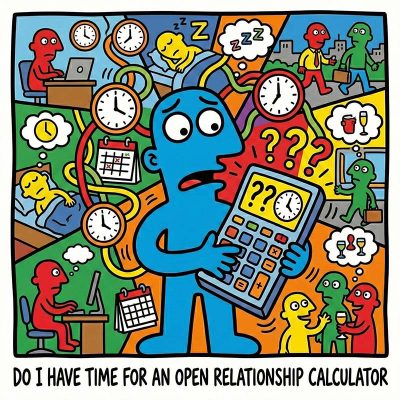
The fantasy is endless romance. The reality? It’s a logistical nightmare. Dating isn't just sex; it’s a second job of swiping, spending, and emotional processing that drains your sanity. Underestimating the "admin" of non-monogamy is the fastest way to turn your relationship into a burnout factory where resentment thrives.
This calculator forces you to confront the brutal math of your time, energy, and wallet. Can you actually afford this lifestyle, or are you just signing up for exhaustion?
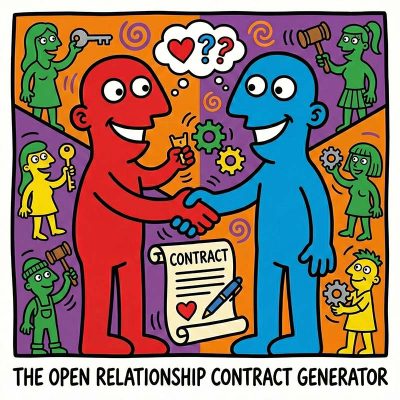
"I thought we agreed" is the sentence that destroys relationships & marriages. Relying on verbal promises when emotions run high is a gamble you cannot afford to lose. Your memory isn't just faulty; it's a liability. Ambiguity is the oxygen that jealousy breathes, turning "freedom" into a minefield of "did I mess up?"
This generator transforms vague permissions into a concrete, signed reality. Stop arguing about what you thought was said and lean on what is written. Secure your boundaries in ink, not hope.
Core principles for handling friend group boundaries in ENM
Boundaries around a friend group do not have to be a vibe killer. A well managed boundary plan can reinforce trust make group events smoother and support everyone involved. Here are the key principles to guide your decisions.
Communication is the backbone
Open relationships thrive on honest direct clear communication. This means saying what you want what you fear and what you are willing to accept. It also means listening with curiosity not blame. When you speak use I statements and focus on your own needs. For example I feel anxious when new people join our group events without any heads up. I would appreciate a quick heads up before such plans. If you can translate feelings into needs you avoid turning a conversation into a blame game. People respond to needs not accusations.
Consent is ongoing
Consent does not end after the no turning back moment. It continues to be a choice. People shift as relationships evolve. Check ins especially when group dynamics shift a lot are essential. If someone is not comfortable with a plan it is important to pause and renegotiate respectfully rather than pressuring the other person to agree.
Boundaries versus rules
Boundaries tell you what you are and are not comfortable with. Rules are explicit do this or do not do that. In friend group ENM trying to enforce rigid rules can backfire. Boundaries invite discussion and adjustment. When boundaries shift you will know the difference because you will feel clearer about your own needs and less resentful about others decisions.
Transparency beats secrecy
Hidden details breed miscommunication. If you are dating someone within your friend circle share what matters most to you including who you are dating why and how often. This does not mean you need to reveal every private moment. It means being honest about the basics so people can adapt and trust grows.
Respect people and their boundaries
People in your friend group will have different comfort levels. Some might be okay with casual connections while others want deeper emotional boundaries. Honour those differences. Do not pressure a friend into a boundary they are not comfortable with. That respect often buys long term harmony and fewer awkward moments at group hangouts.
Plan around safety and health
Healthy ENM includes safe sex and regular health checks. Be up front about what safety practices you are following such as condom use or dental dams and STI testing frequency. Sharing general safety expectations with the group reduces anxiety and protects everyone involved.
Compersion is a practice not a vibe you stumble into
Compersion means feeling happy for your partner s joy with someone else. It is a skill you can cultivate. It involves celebrating others successes and recognizing that your own relationship can flourish without needing to own every experience your partner has.
Mapping your friend group dynamics
Before you can set boundaries you need to understand the living map of your social circle. Here are practical steps to map your network so you can decide where boundaries live and how to protect trust.
Identify the layers of your network
Think of your social world as layers. At the core you have your partner and your closest friends. Around that core you have secondary friends who you see sometimes and then wider networks such as work friends or community group members. How these layers overlap with your romantic life matters. A boundary that works in the core circle may not be necessary or appropriate in the wider circle and that is okay. The goal is clarity not blanket rules.
List the kinds of interactions that happen in each layer
For each layer ask yourself questions like who is likely to meet my partner or my metamour? Do we share spaces like mutual friend gatherings or work events? Are there opportunities for flirtation or romance and if so what boundaries would feel safe? Getting concrete here helps you decide what needs to be discussed and with whom.
Create a boundary framework per layer
One good approach is to assign boundaries to each layer rather than applying one rule to all. For example you might decide that at close friend gatherings you will limit topics to casual conversation and shared experiences. You might choose that dating someone from the wider circle is fine as long as both partners are informed and comfortable. By tailoring boundaries to layers you reduce the risk of cross talk and misinterpretation.
Practical steps to set boundaries with your friend group
We will walk through a practical sequence you can use to set boundaries with confidence. You can adapt this to SNAF or polycule configurations or any ENM arrangement where friend groups intersect with romantic lives.
Step 1: Do a personal boundary audit
Start with questions you answer for yourself. What are you comfortable with in social situations? Where do you draw the line regarding dating within the friend group? Are there topics you want off limits for group chats or events? How often do you want to see your metamour? What level of disclosure about your dating life feels right to you? Write these answers down so you have a reference point for conversations with others.
Step 2: Decide which boundaries require group level discussion
Some boundaries only involve you and your partner while others require input from the people in your circle. For example a boundary about not dating someone in a specific sub group might require you to discuss with your partner and the potential partner. A boundary about a general policy for communication about dating life can be discussed with the whole group to avoid gossip and miscommunication.
Step 3: Prepare conversation scripts that feel true to you
Practice simple clear statements. For example I want to be transparent about who I am dating in our circle and I hope we can agree on a practical plan for sharing relevant information. I will not discuss private intimate details in public chats. If something changes I will share an update with you all. Keep it light and direct and avoid attacking language. You are setting expectations not blaming others.
Step 4: Start with the most impactful conversations first
Begin with the people you are closest to in the friend group as they are likely to set the tone for how others respond. Those conversations often feel more earned and create a sense of security that makes the rest easier. If there is resistance remember to listen as much as you speak and keep your focus on shared safety and trust rather than winning an argument.
Step 5: Create a simple written agreement
A short written agreement can be a powerful anchor. It does not have to be a legal document but it should clearly lay out what you and your partner want and what the group has consented to. Include topics such as communication norms who needs to know about dating in the circle how conflicts will be handled and how boundaries will be renegotiated. Put the agreement in a shared space where everyone can refer back to it.
Step 6: Practice renegotiation and flexibility
Boundaries are not carved in stone. They should be revisited when life changes or when new relationships form. Decide in advance how often you will review the agreements and who will initiate the conversation. Make sure renegotiation feels like progress not a power play.
Realistic scenarios with scripts you can use
Seeing examples helps you translate theory into real life. Here are some practical scenarios with suggested language you can adapt to your own style and comfort level.
Scenario A: You want to date someone from your friend group and you fear drama
Proposal to the group or to the partner directly could go like this. I have started seeing someone who is part of our friend circle. I want to be respectful to everyone and avoid turning group events into awkward moments. I plan to keep discussion about dating within the circle to private conversations with the people involved and to be transparent with my partner. If anyone is uncomfortable I want to hear it so we can adjust. Does that sound reasonable to everyone?
Scenario B: A metamour wants to join a group setting that used to be just you and your partner
Response could be This feels like a natural expansion but I want to check in with both you and my partner about boundaries for group settings. I want to ensure safety and respect for everyone. Could we agree on a plan for how to handle updates after the event and what topics are comfortable to discuss publicly versus privately?
Scenario C: A friend in the circle crosses a boundary you thought everyone shared
Address it with calm clarity You communicated a boundary clearly and felt it was not respected. I understand we all miss details sometimes. I want to share how this made me feel and ask for your perspective. Can we agree on a quick check in after events where boundaries might be tested so we do not end up in a private conflict that drags the whole group down?
Scenario D: A group chat becomes a rumor mill about dating within the circle
Move to a transparent approach We value honesty and want to avoid gossip. From now on we will keep personal dating details out of the general chat. If there is something shareable it will be in a dedicated thread with consent from everyone involved. If you are unsure about sharing ask before you post. This keeps trust intact.
Handling conflict and emotions in ENM friend groups
Emotions happen and they show up inside group dynamics. Jealousy sometimes looks like defensiveness. Compassion and clear boundaries help. When conflict arises try these steps. Acknowledge the hurt name the boundary that was crossed express how you feel using I statements remind everyone of the shared goals and propose a practical path forward. If the conflict is persistent consider a facilitated conversation with a neutral friend or a professional who understands ENM dynamics. The goal is to restore trust not declare who is right or wrong.
The freedom of an open relationship sounds incredible, but the logistics can feel like holding a grenade. That spinning "what if" anxiety isn't paranoia, it’s your survival instinct warning you that your bond is exposed. "Just seeing what happens" is the fastest way to turn a fantasy into a breakup.
The Essential Guide replaces chaos with discipline. We give you the blueprints, jealousy protocols, and repair scripts needed to explore the edge without falling off. Don't guess. Secure your foundation first.
The world of non-monogamy is a maze of confusing labels. Trying to be "Polyamorous" when your heart actually needs "Swinging" isn't just a vocabulary error; it’s a recipe for misery.
You can't build a stable home on a foundation that doesn't fit your psychology. This tool analyzes your emotional bandwidth and jealousy triggers to design the exact structure you need. Stop trying to squeeze into a box that doesn't fit. Build a relationship that actually feels like home.
Opening up feels exciting, but if you aren't reading from the same script, you're writing a tragedy. The disconnect between "I want freedom" and "I want safety" is where hearts break. This isn't just a quiz; it’s a synchronization engine.
We identify the silent gaps in your desires—from sleepover rules to emotional bandwidth, before they become unbridgeable chasms. Don't wait until the damage is done to find out you were never on the same page. Align your compasses now.
Theory is sexy. Reality is messy. You agreed you could date others, but how does your stomach drop when he takes her to your anniversary spot? Or when she comes home smelling like someone else?
This simulator drags your abstract rules into the harsh light of day. We force you to confront the visceral, gut-wrenching scenarios that actually destroy relationships, before they happen. Test your nervous system in the simulator so you don't crash the car in real life.
The fantasy is endless romance. The reality? It’s a logistical nightmare. Dating isn't just sex; it’s a second job of swiping, spending, and emotional processing that drains your sanity. Underestimating the "admin" of non-monogamy is the fastest way to turn your relationship into a burnout factory where resentment thrives.
This calculator forces you to confront the brutal math of your time, energy, and wallet. Can you actually afford this lifestyle, or are you just signing up for exhaustion?
"I thought we agreed" is the sentence that destroys relationships & marriages. Relying on verbal promises when emotions run high is a gamble you cannot afford to lose. Your memory isn't just faulty; it's a liability. Ambiguity is the oxygen that jealousy breathes, turning "freedom" into a minefield of "did I mess up?"
This generator transforms vague permissions into a concrete, signed reality. Stop arguing about what you thought was said and lean on what is written. Secure your boundaries in ink, not hope.
Privacy privacy privacy
People often confuse openness with broadcasting every detail. A healthy ENM approach respects privacy while maintaining transparency about essential information. Share what is relevant to your safety health and the stability of the relationship you are building. If someone asks for a private detail it is okay to say I would prefer not to share that. It shows you respect boundaries even within a group that values openness.
Health safety and safer sex in ENM within friend groups
One of the practical anchors for any ENM dynamic is clear safety standards. This includes condoms dental dams regular STI testing open conversation about sexual history and consent before any new sexual activity with the same partner. Within a friend group you may also implement a shared standard for disclosure such as letting everyone know if you have a new partner within the circle and how long you plan to wait before intimate activities occur. These practices reduce risk and build trust among people who have multiple relationships in common.
Managing social events with multiple relationships in the circle
Group events can be a test of boundaries and communication. Here are some tips to keep things smooth. Schedule group hangouts with clear expectations about what topics are comfortable for group conversations. If dating partners join the event consider assigning a casual check in time to see how everyone is feeling. If someone feels overwhelmed schedule a brief private chat after the event to address any concerns before they become a bigger issue. Remember that social events should be enjoyable not a stress test for your relationship boundaries.
Tools and frameworks that make ENM friend group boundaries easier
There are practical tools you can borrow from other relationship models that work well in ENM social circles. The goal is to create clarity reduce miscommunication and support respectful interactions.
- I language Use statements that start with I feel or I need to describe your experience without assigning blame. This reduces defensiveness and keeps conversations constructive.
- Nonviolent communication A method that helps you express needs while listening to others without judgment. It can help you navigate sticky moments in group circles.
- Regular boundary check ins Schedule quick conversations every few weeks or after a major change in the dynamic to ensure everyone is still comfortable and on the same page.
- Boundaries diary Maintain a private log that helps you recall what has or has not worked so you can refer back when renegotiating.
- Group agreement document A simple written summary of how the group handles boundaries transparency and communication. Update it as needed.
What to do when boundaries feel unfair or skewed
Boundaries should feel fair not punitive. If you feel a boundary is harming your ability to form honest connections or limiting your own happiness you should speak up. Do not weaponize a boundary to punish someone. Instead present your experience and propose adjustments. If the other party is not receptive you can pause activity in a specific area while you reassess with a clear exit plan. The decision to pause can buy you time to reflect and preserve the overall health of the group while protecting your own needs.
Common mistakes to avoid in friend group ENM dynamics
Avoid assuming everyone shares the same comfort level. Do not overshare personal intimate details in large public channels. Do not pressure your partner or metamours to accept a boundary they do not align with. Finally avoid making assumptions about others motives. People respond better when you approach them with curiosity and a willingness to adjust.
Checklist for maintaining healthy boundaries in your ENM friend group
- Hold a boundary conversation with your partner first before addressing the group.
- Identify which boundaries require consent from others and which are personal safety decisions.
- Provide a written plan for how information will be shared within the circle.
- Agree on a process for renegotiation and when to revisit the conversation.
- Keep health and safety at the center of every boundary decision.
- Respect metamours as part of your extended circle even if you do not date them.
- Limit group wide discussions about intimate details unless all parties consent.
- Be prepared to adjust if someone clearly communicates a shift in their boundaries.
Final practical tips to keep things real and human
Open relationships are not a science project. They are living relationships with a lot of moving parts. Treat people as human beings with needs and fears. Ground your conversations in care and common sense and you will create a more enjoyable connected and respectful dynamic. If you stay curious about your own needs and the needs of people in your circle you can ride the wave without getting overwhelmed. The most important part is that you and your partner are united in a plan and that your friends feel respected. When that happens the group can feel like a support network rather than a source of stress.
Frequently asked questions
What does ENM stand for and what does it mean for a friend group dynamic?
ENM stands for ethically non monogamous. It is a relationship approach where all people involved consent to more than one romantic or sexual connection. In a friend group context this means navigating boundaries with care respect and open honest communication. It is about ensuring everyone is comfortable and informed while staying true to their own values.
How do I start a boundary conversation with friends in the group?
Begin with a simple honest statement about your own feelings and needs. Use I statements and avoid blaming language. Outline what you want to change what you hope to keep the same and why it matters for your safety and happiness. Invite feedback from others and be prepared to listen with curiosity.
What if someone in the group crosses a boundary?
Address it promptly with a calm message. Revisit the boundary that was crossed and discuss how to prevent a recurrence. If needed arrange a private conversation with the concerned individuals and your partner to adjust the plan. Earlier conversations cost less energy than repeated conflict later.
How can I handle jealousy in a group setting?
Jealousy is a normal signal to communicate about. When it appears name the feeling and identify the need that is not being met. You may need more time with your partner or more information about her dating life. Compersion is the goal and it can be cultivated through practice and supportive communication.
Should I share every detail of dating within the circle?
No. It is often healthier to share information that supports trust and safety. Decide together how much information is appropriate for the group to know and respect everyone s privacy preferences. Privacy does not equal secrecy it means choosing what is shared with care.
How do I renegotiate boundaries when life changes?
Schedule a check in with your partner and the group if necessary. Clarify what has changed what is still true and what new boundaries you want to set. The goal is to protect emotional safety and maintain the goodwill of the friendship network.
The freedom of an open relationship sounds incredible, but the logistics can feel like holding a grenade. That spinning "what if" anxiety isn't paranoia, it’s your survival instinct warning you that your bond is exposed. "Just seeing what happens" is the fastest way to turn a fantasy into a breakup.
The Essential Guide replaces chaos with discipline. We give you the blueprints, jealousy protocols, and repair scripts needed to explore the edge without falling off. Don't guess. Secure your foundation first.
The world of non-monogamy is a maze of confusing labels. Trying to be "Polyamorous" when your heart actually needs "Swinging" isn't just a vocabulary error; it’s a recipe for misery.
You can't build a stable home on a foundation that doesn't fit your psychology. This tool analyzes your emotional bandwidth and jealousy triggers to design the exact structure you need. Stop trying to squeeze into a box that doesn't fit. Build a relationship that actually feels like home.
Opening up feels exciting, but if you aren't reading from the same script, you're writing a tragedy. The disconnect between "I want freedom" and "I want safety" is where hearts break. This isn't just a quiz; it’s a synchronization engine.
We identify the silent gaps in your desires—from sleepover rules to emotional bandwidth, before they become unbridgeable chasms. Don't wait until the damage is done to find out you were never on the same page. Align your compasses now.
Theory is sexy. Reality is messy. You agreed you could date others, but how does your stomach drop when he takes her to your anniversary spot? Or when she comes home smelling like someone else?
This simulator drags your abstract rules into the harsh light of day. We force you to confront the visceral, gut-wrenching scenarios that actually destroy relationships, before they happen. Test your nervous system in the simulator so you don't crash the car in real life.
The fantasy is endless romance. The reality? It’s a logistical nightmare. Dating isn't just sex; it’s a second job of swiping, spending, and emotional processing that drains your sanity. Underestimating the "admin" of non-monogamy is the fastest way to turn your relationship into a burnout factory where resentment thrives.
This calculator forces you to confront the brutal math of your time, energy, and wallet. Can you actually afford this lifestyle, or are you just signing up for exhaustion?
"I thought we agreed" is the sentence that destroys relationships & marriages. Relying on verbal promises when emotions run high is a gamble you cannot afford to lose. Your memory isn't just faulty; it's a liability. Ambiguity is the oxygen that jealousy breathes, turning "freedom" into a minefield of "did I mess up?"
This generator transforms vague permissions into a concrete, signed reality. Stop arguing about what you thought was said and lean on what is written. Secure your boundaries in ink, not hope.
