
Green Flags That It Is Working

Open relationships and ethical non monogamy or ENM for short can be a wild ride and a steady drumbeat all at once. Think of this like maintenance on a car that runs on trust and communication instead of gasoline. When things are working you start to notice consistent signs or green flags that things are moving in a healthy direction. This is not about perfection it is about noticeable progress and a structure that keeps everyone protected emotionally physically and practically. The Monogamy Experiment is all about being honest down to earth and entertaining while you learn how these relationship dynamics actually play out in real life. If you are exploring open relationships you want to know what good looks like so you can aim for it and measure it with confidence. This guide breaks down the green flags that indicate your ENM setup is thriving not just surviving. We explain terms and acronyms as we go so you never get stuck on the meaning of a word during a tense moment.
Quick Links to Useful Sections
- What this article covers
- Key idea upfront the green flags model
- Core green flags in open relationships ENM
- Flag 1 Clear ongoing communication that feels safe and constructive
- Flag 2 Mutual consent is continuous and visible not a one time moment
- Flag 3 Agreements are dynamic and respected even when they are hard to navigate
- Flag 4 Alignment on relationship goals values and core principles
- Flag 5 Healthy jealousy management and compersion in practice
- Flag 6 Time management energy distribution and fair sharing across relationships
- Flag 7 Respect for metamours and a positive or at least neutral metamour dynamic
- Flag 8 Safety first including safe sex practices and open STI communication
- Flag 9 Emotional safety and trust building practices
- Flag 10 Positive conflict resolution and healthy repair rituals
- Flag 11 Privacy and discretion with consent
- Real life scenarios showing green flags in action
- Scenario A a thoughtful check in turns into stronger trust
- Scenario B metamour harmony creating a shared sense of care
- Practical tips to cultivate green flags in your ENM setup
- Common myths versus actionable truths in ENM
- Glossary of useful terms and acronyms
- Frequently asked questions
Before we dive in here is a quick primer in plain language. ENM stands for ethical non monogamy. That means partners openly acknowledge that love and attraction can exist with more than one person at the same time. Open relationships are a subset of ENM where partners agree that dating relationships outside the main couple can happen with permission and boundaries in place. Polyamory is another umbrella term that covers people who have more than one romantic or sexual relationship with a focus on honesty communication and consent. A metamour is the partner of your partner in a polyamorous or ENM setup. Compersion is the feeling of joy and happiness when your partner experiences someone else's happiness or love. A polycule is the network of people who are all connected through romantic or sexual relationships. It is totally okay to have hierarchical or non hierarchical structures within ENM and of course everyone uses different language to describe their lives. The important part is consent respect and ongoing open discussion about needs and boundaries.
What this article covers
This guide focuses on the green flags that show your open relationship or ENM dynamic is healthy and working well. You will learn the practical signs the subtle shifts and the concrete behaviors that indicate progress. We also share realistic scenarios and tips for cultivating better communication and stronger trust. By the end you will have a clear sense of what to celebrate what to adjust and what to ask for next with your partners. We also include a glossary to ensure terms and acronyms are understood in plain language so you can speak with confidence in conversations with partners and friends alike.
Key idea upfront the green flags model
The green flags approach is not about a checklist that hands you a certificate of relationship success. It is a living model that adapts as people grow and circumstances change. The core idea is that healthy ENM relationships demonstrate consistent patterns of respectful communication honest consent and mutual care. When these patterns are present you will notice tangible improvements in how you relate to each other and how you handle the inevitable bumps along the road. Expect to see these green flags appear over time not overnight. The best approach is to acknowledge them when they show up celebrate them and use them as a foundation to expand the relationship responsibly.
The freedom of an open relationship sounds incredible, but the logistics can feel like holding a grenade. That spinning "what if" anxiety isn't paranoia, it’s your survival instinct warning you that your bond is exposed. "Just seeing what happens" is the fastest way to turn a fantasy into a breakup.
The Essential Guide replaces chaos with discipline. We give you the blueprints, jealousy protocols, and repair scripts needed to explore the edge without falling off. Don't guess. Secure your foundation first.
The world of non-monogamy is a maze of confusing labels. Trying to be "Polyamorous" when your heart actually needs "Swinging" isn't just a vocabulary error; it’s a recipe for misery.
You can't build a stable home on a foundation that doesn't fit your psychology. This tool analyzes your emotional bandwidth and jealousy triggers to design the exact structure you need. Stop trying to squeeze into a box that doesn't fit. Build a relationship that actually feels like home.
Opening up feels exciting, but if you aren't reading from the same script, you're writing a tragedy. The disconnect between "I want freedom" and "I want safety" is where hearts break. This isn't just a quiz; it’s a synchronization engine.
We identify the silent gaps in your desires—from sleepover rules to emotional bandwidth, before they become unbridgeable chasms. Don't wait until the damage is done to find out you were never on the same page. Align your compasses now.
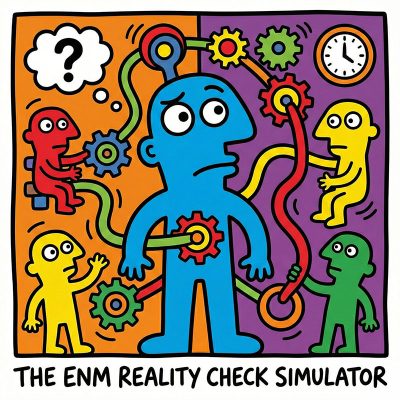
Theory is sexy. Reality is messy. You agreed you could date others, but how does your stomach drop when he takes her to your anniversary spot? Or when she comes home smelling like someone else?
This simulator drags your abstract rules into the harsh light of day. We force you to confront the visceral, gut-wrenching scenarios that actually destroy relationships, before they happen. Test your nervous system in the simulator so you don't crash the car in real life.
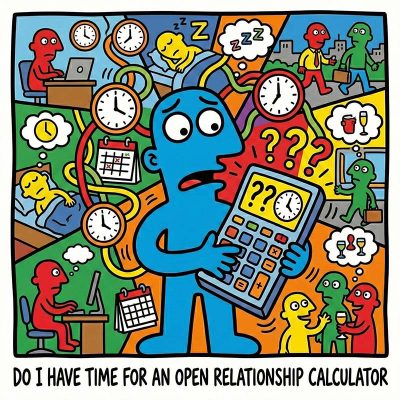
The fantasy is endless romance. The reality? It’s a logistical nightmare. Dating isn't just sex; it’s a second job of swiping, spending, and emotional processing that drains your sanity. Underestimating the "admin" of non-monogamy is the fastest way to turn your relationship into a burnout factory where resentment thrives.
This calculator forces you to confront the brutal math of your time, energy, and wallet. Can you actually afford this lifestyle, or are you just signing up for exhaustion?
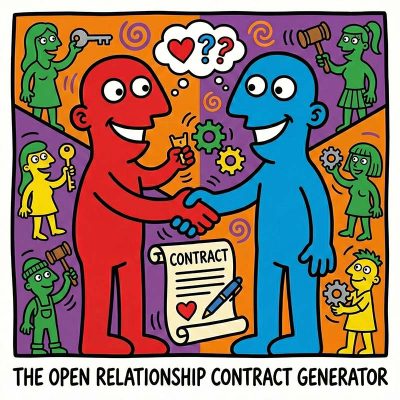
"I thought we agreed" is the sentence that destroys relationships & marriages. Relying on verbal promises when emotions run high is a gamble you cannot afford to lose. Your memory isn't just faulty; it's a liability. Ambiguity is the oxygen that jealousy breathes, turning "freedom" into a minefield of "did I mess up?"
This generator transforms vague permissions into a concrete, signed reality. Stop arguing about what you thought was said and lean on what is written. Secure your boundaries in ink, not hope.
Core green flags in open relationships ENM
Flag 1 Clear ongoing communication that feels safe and constructive
Communication is the backbone of ethical non monogamy. In a thriving ENM dynamic conversations happen regularly not just when problems explode. You and your partners talk about feelings needs boundaries and future plans in a calm respectful way. You can name emotions without fear of judgment you ask for what you need and you offer what you can give in return. There is a practice of listening actively not just waiting for your turn to speak. When people feel heard they stay engaged and trust grows. Regular check ins on a scheduled basis or as needed help prevent small issues from becoming big ones. You may notice that even when you disagree you do so with curiosity and a shared goal of understanding each other better.
Flag 2 Mutual consent is continuous and visible not a one time moment
Consent in ENM is an ongoing conversation not a box you tick once. When consent is alive in a relationship you will see people asking questions about comfort boundaries and future expectations as life changes. This includes re negotiating the terms when a partner starts a new relationship or when energy levels shift due to work family or health. The presence of a culture where people routinely revisit agreements without blame shows a strong green flag. Nobody feels forced accommodated or coerced. Everyone is empowered to say yes or no without fear of negative consequences.
Flag 3 Agreements are dynamic and respected even when they are hard to navigate
In thriving ENM relationships agreements are a living document. They adapt to new partners new life stages and changing priorities. People respect agreed boundaries even when pressure arises from outside or inside the circle. When someone wants to test a boundary or push for change that is discussed openly rather than secretly tested. The process feels fair and transparent and there is a sense of safety that changes can be made with consent from all involved rather than from a single individual.
Flag 4 Alignment on relationship goals values and core principles
Healthy ENM relationships share a sense of purpose. There is alignment about what love means what is acceptable what is not and how much risk one is willing to bear. When goals are aligned you will notice a synergy across relationships and you will see people supporting each other in pursuing personal growth and happiness. Even when individual desires differ everyone remains anchored to shared values such as honesty respect and care for others in the circle. Alignment reduces friction and builds resilience during difficult periods.
Flag 5 Healthy jealousy management and compersion in practice
Jealousy is a natural feeling and it can be a signal that something needs attention or it can be a sign of deeper insecurities that require work. In a thriving ENM dynamic jealousy is acknowledged discussed and managed constructively. Compersion the opposite of jealousy is common and grows as trust deepens. You celebrate your partner s joys even when you do not directly share them. This does not erase disagreement but it creates a generous atmosphere where all partners feel valued and included.
Flag 6 Time management energy distribution and fair sharing across relationships
People in healthy ENM setups manage their time and emotional energy in a way that respects all partners. You do not see one relationship dominating another or leaving someone on the sidelines. Scheduling becomes a cooperative exercise with respect for each partner s needs and life commitments. You might notice rosters calendars or shared planning tools being used to coordinate dates visits and important life events. The result is less drama more predictability and a sense that all connections matter.
Flag 7 Respect for metamours and a positive or at least neutral metamour dynamic
A green flag shows up when metamours are treated with respect and kindness even if they do not share a direct romantic connection. Positive or neutral metamour relationships reduce competition and increase appreciation for the diverse experiences and perspectives that people bring into the circle. You hear compliments and support rather than gossip and back channel talk. When metamours communicate well with the primary partners the entire network gains trust and stability.
Flag 8 Safety first including safe sex practices and open STI communication
Trust includes physical safety. In good ENM relationships all parties talk openly about sexual health and safety. This includes honest discussions about STI testing what methods of protection are being used and who is being shared with. People do not assume trust will cover safety they protect it with clear agreements and regular screenings where appropriate. Safety is the baseline that supports longer lasting connections and reduces risk while maintaining freedom and enthusiasm for new experiences.
Flag 9 Emotional safety and trust building practices
Emotional safety means you can express vulnerabilities without fear of ridicule punishment or retaliation. Partners respond with empathy and respect even when a conversation is uncomfortable. People apologize when they fail to meet a boundary and they follow through with concrete changes. The atmosphere is one of care in which hurt is acknowledged and repaired rather than ignored. When emotional safety is strong the relationship can weather tough times and the fear of causing pain becomes smaller.
Flag 10 Positive conflict resolution and healthy repair rituals
Disagreements happen and that is normal. The key green flag is how you handle conflict. In healthy ENM relationships disputes are resolved through honest dialogue practical problem solving and a commitment to repair. People avoid blame language and instead focus on needs actions and outcomes. When conflict is handled well you learn more about each other and your connections become deeper rather than more fragile.
Flag 11 Privacy and discretion with consent
Privacy matters plenty in any non monogamous arrangement. The flag here is that partners feel comfortable sharing or withholding information as allowed by consent. People respect each other s boundaries about what is shared with others within the network and what stays private. This is not about secrecy it is about honoring personal boundaries while keeping lines of communication open and honest.
Real life scenarios showing green flags in action
When you read about green flags it can help to see them in action. Here are two realistic scenarios that illustrate how healthy ENM dynamics look in daily life.
Scenario A a thoughtful check in turns into stronger trust
Alex has been dating Jamie for six months and also dates Sam who is a friend in the circle. They have a standing weekly check in where each person shares what excited them and what is a challenge in their current relationships. During one session Sam announces that a new relationship is forming with someone outside the circle. Instead of feeling threatened Jamie asks questions about boundaries and how to adjust their schedule to maintain time with both relationships. Alex and Jamie collaboratively update their agreements to include a schedule that protects couple time while allowing space for Sam s new relationship. This check in reinforces trust it respects consent and it demonstrates that everyone s needs are on the table and honored.
Scenario B metamour harmony creating a shared sense of care
Priya is dating multiple people including Theo who is also dating a partner named Leila. The three meet for a casual dinner and discuss how everyone s energy is fluctuating due to work stress. They share practical ideas like rotating who hosts game night and planning a weekend together in a way that reduces overlap and preserves space for personal time. The conversation produces warmth not tension. Priya notes that the metamour relationships feel supported and safe and she feels confident that if issues arise the group will address them collectively rather than through back channel drama.
Practical tips to cultivate green flags in your ENM setup
- Schedule regular check ins even when things feel calm. Use a consistent cadence whether weekly monthly or after new relationships begin. The goal is proactive communication not reactionary drama.
- Create clear but flexible agreements start with a few core boundaries and gradually adjust as life changes. Keep a written version that everyone can reference and revisit it as needed.
- Practice compassionate conflict resolution treat disagreements as opportunities to learn rather than battles to win. Use language that focuses on needs and actions not personalities.
- Develop a repertoire for healthy jealousy label the emotion and explore what it is signaling. Is it about time closeness or safety boundaries? Use it as a prompt to adjust agreements or check in with a partner.
- Nurture metamour respect reach out and establish a basic level of comfort even if you do not share a romantic connection. Small gestures go a long way toward reducing conflicts.
- Prioritize safety and transparency share STI testing results if relevant and discuss protection methods openly. Do not let fear silence essential conversations.
- Keep privacy boundaries clean agree on what is shared publicly who is allowed to know what and how information is communicated between partners.
- Use practical tools calendars shared notes and check in templates can help prevent miscommunications. Use them consistently and revise as needed.
- Embrace compersion train your mind to feel glad for your partner s happiness even if it does not involve you directly. Compersion grows trust and reduces tension over time.
- Celebrate small wins acknowledge progress in communication decisions and trust. This reinforces positive behavior and motivates everyone to keep going.
Common myths versus actionable truths in ENM
- Myth Open relationships end up with more drama than standard relationships. Truth Drama tends to happen when communication is poor not because of the structure itself. With robust communication you reduce drama dramatically.
- Myth If you love more than one person you must love them equally. Truth Love is not a single measurement it is a stream that shifts with life. Equality is not the goal. Fairness and respect are the objectives.
- Myth Non monogamy is a shortcut to avoiding commitment. Truth ENM requires deep commitment to honesty consent and ongoing effort to repair and nurture every connection.
- Myth You can manage ENM without discussing sex safety. Truth Safety is a cornerstone of healthy ENM and discussions about safer sex testing and boundaries save people from harm.
Glossary of useful terms and acronyms
- ENM Ethical non monogamy a relationship style where all parties consent to romantic or sexual connections outside the primary relationship.
- Open relationship A relationship setup that allows dating and romantic connections outside the central couple often with defined rules.
- Polyamory The practice or desire for intimate relationships with more than one partner at the same time with the knowledge and consent of all involved.
- Metamour The partner of your partner in a polyamorous or ENM network.
- Compersion The feeling of joy one experiences when a partner experiences happiness with someone else.
- Polycule The network of people connected through romantic or sexual relationships within a polyamorous or ENM network.
- Hierarchical non monogamy A form of ENM where one relationship is treated as primary and others are secondary or less important in terms of time and priority.
- Non hierarchical non monogamy ENM where all relationships are treated as equal and no one has a dominant primary status.
- Boundary A guideline about what is acceptable and what is not in a relationship.
- Consent A clear and ongoing agreement to participate in a particular activity or relationship dynamics.
- STI Sexually transmitted infection a virus bacteria or parasite that can be passed through sexual contact.
Frequently asked questions
What are green flags in an open relationship ENM
Green flags are signs that your ENM dynamic is healthy and thriving. They include ongoing transparent communication clear consent dynamic agreements that work for everyone mutual respect among metamours fair time and energy distribution and a focus on safety emotional safety and repair after conflicts. When these signs are present you are more likely to experience less drama and more growth together.
How often should partners check in about ENM agreements
Frequency depends on life circumstances but a regular cadence helps. Many groups do weekly or bi weekly check ins especially after new relationships begin. Beyond scheduled check ins create space for ad hoc conversations when feelings or boundaries shift. The goal is to keep communication consistent and not rely on crisis driven talks alone.
What should I do if jealousy surfaces in an ENM setup
Label the feeling and explore its source. Is it time space attention or insecurity about boundaries? Have an open conversation with the partner involved and the others if needed. Revisit agreements if required and consider adding an additional check in to address the issue. Jealousy can be a signal that needs care not a reason to abandon a relationship.
How do we handle metamour dynamics when they are not getting along
Prioritize respectful communication and find a neutral facilitator if needed. Focus on common goals and ask what each person needs to feel safe. It can help to create independent boundaries for each relationship while still supporting the overall network. If the situation becomes too stressful consider involving a therapist or mediator who has experience with ENM dynamics.
Is compersion really possible or is it just a theory
Compersion is a real and growable feeling. It tends to increase when trust and communication are strong and when each person feels appreciated and secure. You can cultivate compersion by celebrating your partner s joy acknowledge their growth and practice gratitude for the positive impact their other relationships have on their happiness.
How do you measure if agreements are fair
Fairness is about consent clarity reciprocity and safety. If you feel like you are compromising your core needs too often it might be time to renegotiate. A fair agreement should feel balanced for everyone invited into the network and should include a mechanism to revisit and adjust as life changes.
Can ENM be successful without a primary relationship
Yes non hierarchical ENM networks can be very successful. The key is clear communication boundaries and mutual respect. Everyone should understand who is responsible for which needs and how to handle conflicts. The network should feel inclusive supportive and fair for all involved.
The freedom of an open relationship sounds incredible, but the logistics can feel like holding a grenade. That spinning "what if" anxiety isn't paranoia, it’s your survival instinct warning you that your bond is exposed. "Just seeing what happens" is the fastest way to turn a fantasy into a breakup.
The Essential Guide replaces chaos with discipline. We give you the blueprints, jealousy protocols, and repair scripts needed to explore the edge without falling off. Don't guess. Secure your foundation first.
The world of non-monogamy is a maze of confusing labels. Trying to be "Polyamorous" when your heart actually needs "Swinging" isn't just a vocabulary error; it’s a recipe for misery.
You can't build a stable home on a foundation that doesn't fit your psychology. This tool analyzes your emotional bandwidth and jealousy triggers to design the exact structure you need. Stop trying to squeeze into a box that doesn't fit. Build a relationship that actually feels like home.
Opening up feels exciting, but if you aren't reading from the same script, you're writing a tragedy. The disconnect between "I want freedom" and "I want safety" is where hearts break. This isn't just a quiz; it’s a synchronization engine.
We identify the silent gaps in your desires—from sleepover rules to emotional bandwidth, before they become unbridgeable chasms. Don't wait until the damage is done to find out you were never on the same page. Align your compasses now.
Theory is sexy. Reality is messy. You agreed you could date others, but how does your stomach drop when he takes her to your anniversary spot? Or when she comes home smelling like someone else?
This simulator drags your abstract rules into the harsh light of day. We force you to confront the visceral, gut-wrenching scenarios that actually destroy relationships, before they happen. Test your nervous system in the simulator so you don't crash the car in real life.
The fantasy is endless romance. The reality? It’s a logistical nightmare. Dating isn't just sex; it’s a second job of swiping, spending, and emotional processing that drains your sanity. Underestimating the "admin" of non-monogamy is the fastest way to turn your relationship into a burnout factory where resentment thrives.
This calculator forces you to confront the brutal math of your time, energy, and wallet. Can you actually afford this lifestyle, or are you just signing up for exhaustion?
"I thought we agreed" is the sentence that destroys relationships & marriages. Relying on verbal promises when emotions run high is a gamble you cannot afford to lose. Your memory isn't just faulty; it's a liability. Ambiguity is the oxygen that jealousy breathes, turning "freedom" into a minefield of "did I mess up?"
This generator transforms vague permissions into a concrete, signed reality. Stop arguing about what you thought was said and lean on what is written. Secure your boundaries in ink, not hope.
