
Honesty Versus Oversharing


Welcome to a straight talk kind of guide from The Monogamy Experiment. If you are here you are probably exploring how to stay true to yourself and your partners without turning every date into a confession hour. This article dives into a tricky balance in ethical non monogamy or ENM for short. ENM means consent based non monogamy where all parties agree to pursue more than one intimate connection. The key word here is consent. The second key word is communication. The goal is honest sharing that respects everyone involved without turning your life into a constant open mic night. Think of honesty as the backbone of a strong open relationship and oversharing as the danger zone that can flood the system. The trick is to keep the lines of communication open while maintaining boundaries that keep trust intact. We will walk through practical ideas that feel real and doable. And we will keep the tone playful and grounded because the best relationships are built with clarity and a little humor as needed.
Quick Links to Useful Sections
- Understanding the ENM landscape
- Honesty as a cornerstone and oversharing as a risk
- A practical framework for deciding what to share
- A three level disclosure model
- Rung one essential information
- Rung two contextual information
- Rung three optional information
- Disclosing versus seeking feedback
- Real world scenarios with practical scripts
- Scenario one a new outside connection while maintaining a primary bond
- Scenario two discussing sexual health and boundaries with a new partner
- Scenario three social media and public spaces
- Scenario four dealing with jealousy and insecurity in ENM
- Boundaries and consent in practice
- Handling conflict and renegotiation
- Tools and routines that support honest ENM communication
- Glossary of useful terms and acronyms
- Frequently asked questions
Understanding the ENM landscape
Before we jump into the honesty versus oversharing balance it helps to ground the topic in what ENM can look like in real life. Ethical non monogamy is not a single blueprint. It is a broad umbrella that covers many relationship styles. Some people practice polyamory where several ongoing relationships exist at once. Others explore open dating where a primary couple shares outside partners in a more flexible way. Some folks maintain a single primary bond while exploring connections in casual or long term arrangements with others. The common thread is that all parties involved have agreed to the arrangement and the agreements evolve as needs shift.
In an ENM setup honesty is not about broadcasting every thought or every action. It is about sharing information that affects trust, safety, and fair treatment. It is about being clear about what is happening with your partners and listening when others share their needs too. Oversharing is what happens when someone crosses a boundary or reveals intimate details that were not requested or that could hurt someone else. Oversharing often comes from a place of anxiety or a lack of boundaries or a belief that more disclosure equals more care. The reality is that oversharing can overwhelm partners and erode trust even when intent is good. The good news is that you can tune your approach so you share the right amount at the right times with the right people.
Key terms you will see in this guide include ENM which stands for ethical non monogamy. ENM is a broad label that focuses on consent and ethical practices. A primary partner is the person who holds the central position in a relationship. Outside partners are those who are involved with you but not in the primary relationship. Communication in ENM often involves regular check ins and explicit conversations about boundaries and expectations. Consent is ongoing and can be renegotiated as life changes. Boundaries are agreed limits on what is acceptable in a relationship. They can be about time, information, sexual activity, or emotional involvement. Transparent sharing means telling partners what they need to know to feel secure while not revealing every private moment of your life. The aim is a balanced approach that protects everyone involved while allowing space for growth and connection.
Honesty as a cornerstone and oversharing as a risk
Honesty in ENM is not the same as relentless chatter. It is accurate timing plus thoughtful delivery. It is choosing to disclose information because it matters to a partner's safety, emotional well being, or trust. It includes clear details about who you are seeing, the level of involvement, and any changes to plans that affect others. Honest communication also means owning your feelings and sharing them without blaming others or using the disclosure to push your own agenda.
Oversharing is sharing more than what is needed or appropriate. It can come from fear of losing a connection, a desire to feel seen, or a belief that more information equals more closeness. Oversharing often takes the shape of long intimate disclosures that do not impact the other person directly or that reveal private information about other people. Oversharing can include gratuitous sexual details, private conversations, or emotional conflicts that do not belong to the listener or do not help them support you. The impact can be a sense of being overwhelmed, confusion, or discomfort for others. The key is to protect the emotional space of your partners even while you seek honesty and connection.
In practice a well balanced approach means sharing the information that helps a partner understand the situation and participate with care. It also means protecting boundaries and minds that do not need the full story. The goal is a shared sense of safety trust and respect rather than a flood of information that can overwhelm and confuse.
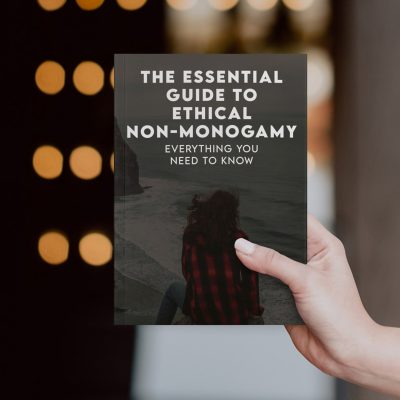
The freedom of an open relationship sounds incredible, but the logistics can feel like holding a grenade. That spinning "what if" anxiety isn't paranoia, it’s your survival instinct warning you that your bond is exposed. "Just seeing what happens" is the fastest way to turn a fantasy into a breakup.
The Essential Guide replaces chaos with discipline. We give you the blueprints, jealousy protocols, and repair scripts needed to explore the edge without falling off. Don't guess. Secure your foundation first.

The world of non-monogamy is a maze of confusing labels. Trying to be "Polyamorous" when your heart actually needs "Swinging" isn't just a vocabulary error; it’s a recipe for misery.
You can't build a stable home on a foundation that doesn't fit your psychology. This tool analyzes your emotional bandwidth and jealousy triggers to design the exact structure you need. Stop trying to squeeze into a box that doesn't fit. Build a relationship that actually feels like home.

Opening up feels exciting, but if you aren't reading from the same script, you're writing a tragedy. The disconnect between "I want freedom" and "I want safety" is where hearts break. This isn't just a quiz; it’s a synchronization engine.
We identify the silent gaps in your desires—from sleepover rules to emotional bandwidth, before they become unbridgeable chasms. Don't wait until the damage is done to find out you were never on the same page. Align your compasses now.
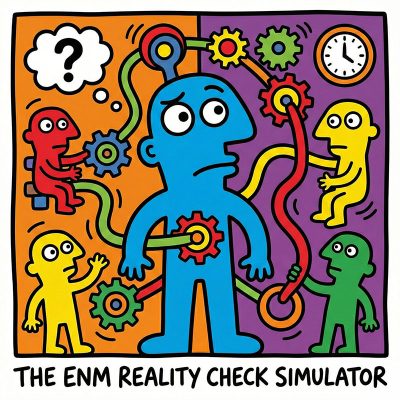
Theory is sexy. Reality is messy. You agreed you could date others, but how does your stomach drop when he takes her to your anniversary spot? Or when she comes home smelling like someone else?
This simulator drags your abstract rules into the harsh light of day. We force you to confront the visceral, gut-wrenching scenarios that actually destroy relationships, before they happen. Test your nervous system in the simulator so you don't crash the car in real life.
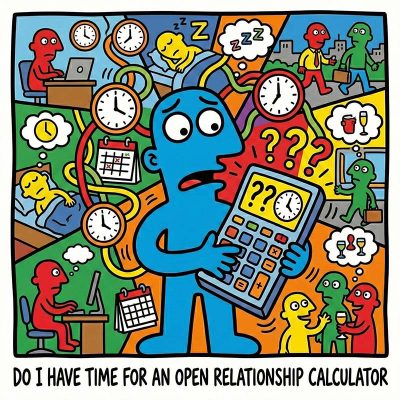
The fantasy is endless romance. The reality? It’s a logistical nightmare. Dating isn't just sex; it’s a second job of swiping, spending, and emotional processing that drains your sanity. Underestimating the "admin" of non-monogamy is the fastest way to turn your relationship into a burnout factory where resentment thrives.
This calculator forces you to confront the brutal math of your time, energy, and wallet. Can you actually afford this lifestyle, or are you just signing up for exhaustion?
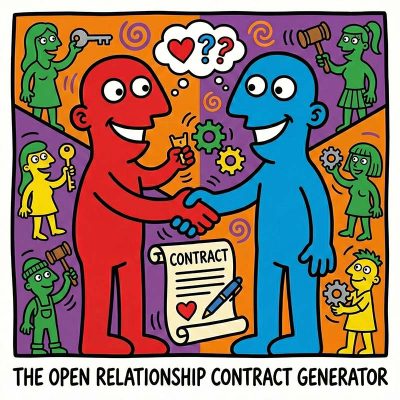
"I thought we agreed" is the sentence that destroys relationships & marriages. Relying on verbal promises when emotions run high is a gamble you cannot afford to lose. Your memory isn't just faulty; it's a liability. Ambiguity is the oxygen that jealousy breathes, turning "freedom" into a minefield of "did I mess up?"
This generator transforms vague permissions into a concrete, signed reality. Stop arguing about what you thought was said and lean on what is written. Secure your boundaries in ink, not hope.
A practical framework for deciding what to share
A three level disclosure model
Think of disclosure as a ladder with three rungs. Each rung has a clear purpose and a different audience. The top rung is essential information. The middle rung adds context that helps a partner understand risks and dynamics. The bottom rung is optional information that is interesting but not necessary for informed consent or safety. When you check in before sharing you can decide which rung to use and who should hear it.
Rung one essential information
Essential information is what a partner needs to know for safety and respect. This includes if you are meeting someone who could affect your shared time. It includes risks that could impact sexual health and any changes to schedules that affect a primary partner. It also includes major changes in emotional dynamics that could alter how your partners experience the relationship. The guiding principle is that essential information helps your primary partner feel secure and respected. If you would not want to be surprised by this detail you should share it on the essential rung.
Rung two contextual information
Context helps people understand the why behind a decision or the meaning of a situation. It can include how you felt about a new connection what boundaries you have agreed to and what your current commitments are. Providing context helps prevent misunderstandings and reduces the chance that someone fills in the blanks with guesses that could be painful. It is still careful not to reveal private or excessively personal information about other people involved without consent.
Rung three optional information
Optional information is the kind of detail that is interesting but not necessary for anyone to know. This might include funny moments or small anecdotes that reveal your personality or the vibe of a relationship. It could include behind the scenes notes about how you make decisions or how you manage your calendar. This information can be shared if there is room and if all involved parties are comfortable with it. If there is any doubt err on the side of keeping it private.
Disclosing versus seeking feedback
Disclosing is about sharing what matters for safety and consent. Seeking feedback is about inviting input from a partner about how they feel about the arrangement. It is a healthy practice to ask open ended questions such as how are you feeling about the current dynamic what would help you feel more secure what boundaries would you like to adjust. Feedback should be treated with respect and used to adjust boundaries or communication practices. If you are not sure how to respond to feedback take time to reflect before replying. Good communication is patient and collaborative not defensive.
Real world scenarios with practical scripts
These scenarios reflect common ENM situations. They illustrate how to walk the line between honesty and oversharing in a way that respects everyone involved. Use them as starting points and tailor conversations to your relationships and personalities.
Scenario one a new outside connection while maintaining a primary bond
In this scenario you are dating someone new outside of your primary relationship. You want to be open about this but you also want to avoid overwhelming your partner with every detail. You choose to share essential information first and offer context as needed. Here is how a conversation might unfold.
You say I want to be honest with you about a new connection. This person is someone I met recently. We are exploring how our schedules line up and what kind of connection we want. This affects our time together and will not change our commitment to you. I want to check in with you about how you feel and what boundaries you would like me to maintain. I am not asking you to approve or disapprove just to share how this makes you feel and to update you if anything changes.
Your partner responds I appreciate the honesty. It makes me feel included and not kept in the dark. I would like to know if this person is someone you expect to see frequently. I would also like to know if you have any concerns about sexual health testing or safe sex practices. And I want to know how much time this may take away from us. You reply I plan to see this person in a few casual settings and we will keep most of our main time for us. I have no immediate plans to change our primary arrangement. If that evolves we will talk together about it. Would you like me to keep you updated about changes as they happen or would you rather have a weekly check in? They respond A weekly check in would be helpful. We set a time on Sundays to talk through the week ahead and adjust if necessary. The conversation ends with a reminder that we are in this together and that sharing honestly is a sign of care not a signal of danger.
Scenario two discussing sexual health and boundaries with a new partner
You meet someone new and the topic of sexual health comes up naturally. You want to be transparent without turning the conversation into a medical briefing for the other person.
You say For me safety and honesty matter a lot. I practice regular STI testing and I discuss results openly with my partners. If you choose to continue seeing me I will share testing results with you when you ask. I am comfortable discussing protection methods and we can decide what works best for both of us. If you are not comfortable with this level of disclosure I respect that and we can adjust our plans. What would you like to know about my testing routine and what boundaries would you want us to have in place?
Your date replies I would like to know about your testing frequency and if you use protection with new partners. I appreciate that approach. If you have results I would be okay seeing a summary without personal data. We confirm that we will talk about health and safety before engaging in any sexual activity and we agree to share changes in this area as they happen. This keeps things respectful and ensures both parties feel safe.
Scenario three social media and public spaces
You want to post about a date or a relationship moment online while respecting privacy and consent. The key is to separate personal details from big emotional disclosures. The script below shows a balanced approach.
You say I am posting a small update about my dating life for people who know me well. I will avoid naming partners or sharing private conversations. I will not reveal intimate details that could embarrass someone or that would violate boundaries. If you are in doubt I can hold off posting or ask for consent first. Thank you for understanding that privacy matters as much as honesty in this space.
Your partner replies I am comfortable with general updates as long as they do not reveal private information. I appreciate that you will ask before sharing anything sensitive. Please keep me in the loop if the post includes plans that involve us as a couple and we will decide together if we want to share more details publicly.
Scenario four dealing with jealousy and insecurity in ENM
Jealousy will show up in ENM sometimes and addressing it calmly matters. This script focuses on acknowledging feelings and seeking solutions rather than defending actions.
You say I notice jealousy is here and I want to handle it in a way that makes us stronger. I am not blaming you for feeling this way. I am asking what would help you feel more secure. A possible answer might be I would like more time together and clear plans for future dates or connections. We agree on a plan that includes more together time and a weekly check in about how we both feel. We will keep talking even when emotions run high because that is how trust grows.
Your partner responds I appreciate that approach. I feel safer when we schedule protected time and when you discuss potential changes before they happen. That helps me avoid feeling like information is being hidden from me. We set a plan to share weekly updates and to pause any new connections if major concerns arise until we reestablish trust.
Boundaries and consent in practice
Boundaries are not about building walls they are about creating safe space for everyone involved. Boundaries can cover time boundaries emotional boundaries sexual boundaries and information boundaries. In ENM it is common to have a primary partner agreement that outlines expectations and a process for updating them as life changes. Consent in this context means ongoing permission to engage in activities that involve other people. It is not a one time yes it is a daily choice that can be renegotiated. Regular check ins help ensure that the boundaries still fit and that all parties feel respected and seen.
A practical approach to boundaries looks like this. Sit down with your partner and discuss what you both want to protect. Decide how your calendars align and how you will handle overlaps with outside partners. Agree on what information should be shared and what should stay private. Define a process for updating boundaries when feelings shift. And build in time for both partners to raise concerns without fear of retaliation. The point is to create a living protocol that adapts rather than a rigid rule book that becomes a source of trouble when life changes.
Handling conflict and renegotiation
Conflicts in ENM often revolve around miscommunication misaligned expectations and evolving needs. When conflict arises the fastest path to resolution is to pause and listen. Both sides should have space to explain their feelings without interruption. After listening the next step is to reflect and propose concrete changes. It helps to document any agreement that comes from a renegotiation so both partners can refer back to it. Renegotiation is a normal part of any long term relationship. It signals growth and awareness rather than a failure. What matters is how you handle the moment with kindness and clarity and a shared plan for moving forward.
Tools and routines that support honest ENM communication
Consistency helps. Try these practical tools to keep honesty healthy and not overwhelming.
- Regular check in time Set a weekly or bi weekly slot to talk about the relationship dynamics. Use a calm setting and give each other space to speak honestly.
- Clear disclosure templates Use a simple format to share essential information with a brief context followed by the reason for sharing. This keeps conversations focused and reduces meandering.
- Boundary maps Create a visual map that lists each boundary with a brief rationale and an agreed method for updating it. This makes it easier to see where you stand at a glance.
- Journaling for personal clarity Keep a private journal to sort your own feelings before you share them. A clear mind helps you avoid oversharing in the moment.
- Consent check ins Before sharing sensitive information ask for consent. A simple How would you feel about me sharing this kind of detail with you rather than says you must know right now.
- Practice conversations Rehearse tough talks with a trusted friend or solo using speaking notes. This boosts confidence and reduces risk of oversharing during the moment.
Glossary of useful terms and acronyms
- ENM Ethical non monogamy a relationship style based on consent and open communication rather than secrecy.
- Primary partner The person who holds the central position in a relationship and with whom you share major life commitments.
- Outside partner A person you are involved with besides your primary partner.
- Consent Ongoing agreement to engage in activities with another person that all parties understand and approve.
- Boundaries Mutual limits about what is acceptable in a relationship or situation.
- Disclosure Sharing information that matters for safety trust or emotional well being.
- Transparency Being open about feelings choices and plans that affect the relationship and all people involved.
- Renegotiation Re assessment and adjustment of agreements when needs change.
- Check in A scheduled moment to discuss how everyone feels about the arrangement.
- Vetting The process of evaluating a new partner or a new dynamic before fully engaging with it.
- Safe sex practices Protective measures that reduce health risks during sexual activity.
Frequently asked questions
The freedom of an open relationship sounds incredible, but the logistics can feel like holding a grenade. That spinning "what if" anxiety isn't paranoia, it’s your survival instinct warning you that your bond is exposed. "Just seeing what happens" is the fastest way to turn a fantasy into a breakup.
The Essential Guide replaces chaos with discipline. We give you the blueprints, jealousy protocols, and repair scripts needed to explore the edge without falling off. Don't guess. Secure your foundation first.
The world of non-monogamy is a maze of confusing labels. Trying to be "Polyamorous" when your heart actually needs "Swinging" isn't just a vocabulary error; it’s a recipe for misery.
You can't build a stable home on a foundation that doesn't fit your psychology. This tool analyzes your emotional bandwidth and jealousy triggers to design the exact structure you need. Stop trying to squeeze into a box that doesn't fit. Build a relationship that actually feels like home.
Opening up feels exciting, but if you aren't reading from the same script, you're writing a tragedy. The disconnect between "I want freedom" and "I want safety" is where hearts break. This isn't just a quiz; it’s a synchronization engine.
We identify the silent gaps in your desires—from sleepover rules to emotional bandwidth, before they become unbridgeable chasms. Don't wait until the damage is done to find out you were never on the same page. Align your compasses now.
Theory is sexy. Reality is messy. You agreed you could date others, but how does your stomach drop when he takes her to your anniversary spot? Or when she comes home smelling like someone else?
This simulator drags your abstract rules into the harsh light of day. We force you to confront the visceral, gut-wrenching scenarios that actually destroy relationships, before they happen. Test your nervous system in the simulator so you don't crash the car in real life.
The fantasy is endless romance. The reality? It’s a logistical nightmare. Dating isn't just sex; it’s a second job of swiping, spending, and emotional processing that drains your sanity. Underestimating the "admin" of non-monogamy is the fastest way to turn your relationship into a burnout factory where resentment thrives.
This calculator forces you to confront the brutal math of your time, energy, and wallet. Can you actually afford this lifestyle, or are you just signing up for exhaustion?
"I thought we agreed" is the sentence that destroys relationships & marriages. Relying on verbal promises when emotions run high is a gamble you cannot afford to lose. Your memory isn't just faulty; it's a liability. Ambiguity is the oxygen that jealousy breathes, turning "freedom" into a minefield of "did I mess up?"
This generator transforms vague permissions into a concrete, signed reality. Stop arguing about what you thought was said and lean on what is written. Secure your boundaries in ink, not hope.
