
How to Re Open After a Pause

A pause in an open relationship happens more often than you might think. Life changes, anxiety spikes, schedules get crazy, and suddenly you both hit pause on the open side of your dynamic. Re opening is a brave move. It means you are choosing to explore new freedom together again with better tools and clearer boundaries. This guide walks you through the real world process of reopening after a pause in an ethical non monogamy relationship. We will break down terms explain acronyms and give practical steps you can actually use in your relationship with honesty humor and clear consent.
Quick Links to Useful Sections
- What reopening means in ethical non monogamy
- Why couples pause and why reopening can help
- Before you reopen think through these steps
- Engage in personal inventory
- Clarify your intentions
- Agree on a reopening style
- Revisit safety and health plans
- Set a shared time frame to test the new structure
- Starting the conversation about reopening after a pause
- How to begin the talk
- Sample conversation scripts
- Active listening during the talk
- Designing a new open agreement for reopening
- Core categories to address in the agreement
- Sample open agreement language
- Renegotiation as a habit
- Managing jealousy and emotional turbulence when reopening
- Practical tips for handling jealousy
- Safety first including sexual health and consent
- Health checks and consent processes
- Practical dating logistics after reopening
- Time management ideas that actually work
- Stories from the field how real couples navigate reopening
- Realistic scenarios and how to respond
- Scenario one a partner feels a spark for someone new
- Scenario two uneven dating energy
- Scenario three a boundary is crossed
- Scenario four returning to more than one outside connection
- Must nots when reopening after a pause
- A practical checklist before you step back into the open world
- Tools and rituals that help you stay on track
- Common mistakes and how to fix them
- Glossary of useful terms and acronyms
- Frequently asked questions
What reopening means in ethical non monogamy
Ethical non monogamy or ENM is a broad umbrella that includes many different relationship styles. In an ENM setup you and your partner agree that romantic or sexual connections outside the primary relationship are possible with consent and communication. When a pause happens one or both partners may step back from certain activities to reflect reset and heal. Reopening is the act of deciding that outside connections can resume or begin again with fresh agreements and a plan to keep both partners feeling secure. Reopening should feel exciting and liberating not scary or coercive. It is about choice not pressure.
Important terms you will hear as you reopen
- Primary partner The person who holds the most significance in your life and often the deepest emotional or logistical commitments.
- Open agreement The set of rules and boundaries that governs how outside connections will happen. Agreements are not universal they are unique to each couple.
- Secondary partner A person who has a meaningful connection but not the same level of commitment or time as a primary partner.
- Nesting A term used by some to describe a preference to limit outside connections to certain people or to a specific time frame.
- Compersion The feeling of joy you experience when your partner has a positive experience with someone else.
- Jealousy A natural emotion that can arise when a partner dates someone else. Jealousy is information not a command to act.
- Consent A clear yes given without pressure. Consent is ongoing and can be withdrawn at any time.
- Safety plan Steps to reduce risk including emotional safety boundaries and sexual health practices.
Why couples pause and why reopening can help
Pauses typically happen for reasons like a mismatch in energy the need for emotional processing or life changes such as work stress or family duties. A pause gives space to breathe gather clarity and reduce drama. Reopening after a pause works best when both people feel heard and valued and when there is a clear plan for how to move forward. Reopening can restore excitement expand intimacy and reconnect the couple with a sense of shared adventure. It can also create new challenges which is why the preparation work matters so much.

The freedom of an open relationship sounds incredible, but the logistics can feel like holding a grenade. That spinning "what if" anxiety isn't paranoia, it’s your survival instinct warning you that your bond is exposed. "Just seeing what happens" is the fastest way to turn a fantasy into a breakup.
The Essential Guide replaces chaos with discipline. We give you the blueprints, jealousy protocols, and repair scripts needed to explore the edge without falling off. Don't guess. Secure your foundation first.

The world of non-monogamy is a maze of confusing labels. Trying to be "Polyamorous" when your heart actually needs "Swinging" isn't just a vocabulary error; it’s a recipe for misery.
You can't build a stable home on a foundation that doesn't fit your psychology. This tool analyzes your emotional bandwidth and jealousy triggers to design the exact structure you need. Stop trying to squeeze into a box that doesn't fit. Build a relationship that actually feels like home.

Opening up feels exciting, but if you aren't reading from the same script, you're writing a tragedy. The disconnect between "I want freedom" and "I want safety" is where hearts break. This isn't just a quiz; it’s a synchronization engine.
We identify the silent gaps in your desires—from sleepover rules to emotional bandwidth, before they become unbridgeable chasms. Don't wait until the damage is done to find out you were never on the same page. Align your compasses now.

Theory is sexy. Reality is messy. You agreed you could date others, but how does your stomach drop when he takes her to your anniversary spot? Or when she comes home smelling like someone else?
This simulator drags your abstract rules into the harsh light of day. We force you to confront the visceral, gut-wrenching scenarios that actually destroy relationships, before they happen. Test your nervous system in the simulator so you don't crash the car in real life.

The fantasy is endless romance. The reality? It’s a logistical nightmare. Dating isn't just sex; it’s a second job of swiping, spending, and emotional processing that drains your sanity. Underestimating the "admin" of non-monogamy is the fastest way to turn your relationship into a burnout factory where resentment thrives.
This calculator forces you to confront the brutal math of your time, energy, and wallet. Can you actually afford this lifestyle, or are you just signing up for exhaustion?
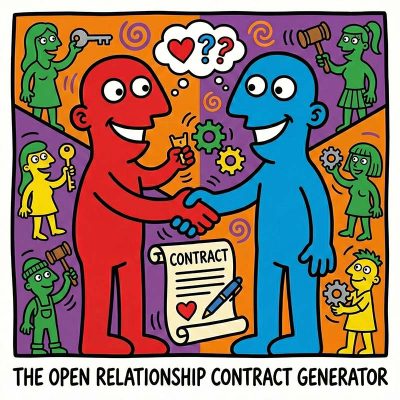
"I thought we agreed" is the sentence that destroys relationships & marriages. Relying on verbal promises when emotions run high is a gamble you cannot afford to lose. Your memory isn't just faulty; it's a liability. Ambiguity is the oxygen that jealousy breathes, turning "freedom" into a minefield of "did I mess up?"
This generator transforms vague permissions into a concrete, signed reality. Stop arguing about what you thought was said and lean on what is written. Secure your boundaries in ink, not hope.
Before you reopen think through these steps
Engage in personal inventory
Take time to ask yourself honest questions. What did the pause reveal about your needs what fears showed up what boundaries felt necessary. Journaling helps here. Write in your own voice about what you hope for what would feel safe and what would be a deal breaker. Do this honestly and without blaming your partner. Your answers become the compass for your conversation.
Clarify your intentions
Are you seeking romance outside the relationship because you feel inspired or curious or because you feel stuck. Are you hoping to deepen trust or to test the strength of your commitments. Understanding your own motives makes it easier to communicate with your partner and to choose paths that align with your values.
Agree on a reopening style
Some couples opt for a soft reopening with low risk and gentle boundaries or a limited set of activities before expanding. Others jump back into more open dating with a stronger plan. Decide what feels right for your dynamic and be prepared to adjust as you go. The key is not the speed but the clarity of consent and the feeling of safety you create together.
Revisit safety and health plans
Health safety matters in every ethical non monogamy context. Discuss sexual health testing frequency decide about contraception if used and establish expectations for honesty about sexual encounters. A practical approach reduces worry and builds trust.
Set a shared time frame to test the new structure
Give yourselves a finite window such as six to eight weeks to try the reopening plan. At the end of that period you review what worked what was tricky and what could change. This keeps both partners from feeling stuck and provides natural moments to renegotiate rather than waiting until a problem explodes.
Starting the conversation about reopening after a pause
The opening conversation is the most important part. It sets the tone and helps both partners feel seen. Approach the talk with humility curiosity and patience. Start with your own feelings and then invite your partner to share theirs. Keep the dialogue concrete with specific examples and a plan for the next steps.
How to begin the talk
- Choose a calm time and a private space where you both feel safe and comfortable.
- Lead with your own experience. Use simple statements like I feel excited about exploring again and I want to work with you to build something that feels good for both of us.
- Avoid blaming language. Frame boundaries as a shared project rather than a problem to fix.
- Offer a practical plan. Share a draft of an open agreement and propose a time to discuss it in detail.
Sample conversation scripts
Script A a gentle open invitation
Hey I have been thinking about us and our open dynamic. The pause gave me time to reflect on what I want and I feel a strong pull to explore again with you. I want to approach this with care and with clear rules so we both feel safe. Could we talk about what reopening could look like and how we want to handle it together?
Script B a direct two step approach
Hi I would like us to consider reopening our relationship. I want to propose two things a soft reopening for a month with one outside connection and a review at the end of the month. If that goes well we can consider a broader plan. I want to hear how you feel and I want us to adjust the plan to protect our bond.
Active listening during the talk
Practice reflective listening. Repeat back what you heard to confirm understanding. Validate feelings even when you disagree. This creates trust and reduces defensiveness. End the conversation with a clear next step such as creating a written draft of the new agreement and scheduling a follow up talk.
Designing a new open agreement for reopening
The heart of reopening is the agreement. A strong agreement is specific clear and revisable. It should cover consent boundaries communication methods safety and how you will handle conflicts. The goal is to reduce ambiguity so both partners know what to expect and how to respond when situations arise.
Core categories to address in the agreement
- Scope What types of connections are allowed who is eligible what activities are permitted.
- Time management How much time outside the relationship will be allocated how will this time be balanced with family work and shared life.
- Communication How will you share information about encounters how often and what details are appropriate to discuss.
- Emotional boundaries What emotional dynamics are acceptable what should trigger a renegotiation or pause.
- Sexual health Testing expectations contraception if any how to disclose results and when termination of a date is necessary for safety.
Sample open agreement language
We agree to a soft reopening starting in two weeks. Each partner may pursue one outside connection at a time with mutual consent. We will limit messages about encounters to daily check ins and any details beyond what is helpful for safety or planning will be withheld unless both partners approve. We will protect our core relationship by scheduling weekly check in meetings and by pausing if either partner experiences a surge of jealousy or discomfort that cannot be resolved within a 48 hour window.
Renegotiation as a habit
Agree to review the plan regularly. If one of you feels unsafe or overwhelmed you can call a pause inside the plan. The goal is to keep the relationship strong not to push you into a corner. Renegotiation is not a sign of failure it is a natural part of how living systems adapt to change.
Managing jealousy and emotional turbulence when reopening
Jealousy is information not a command to end things. It often means a boundary needs tweaking or a new approach to communication is required. Use jealousy as a signal to pause reflect and then act with compassion. Practicing compersion means choosing to celebrate your partner's happy experiences even if you feel a twinge in your own heart. This takes practice and patience but it is possible with ongoing communication and trust.
Practical tips for handling jealousy
- Label emotions. Say I feel jealousy because I worry about losing you and that helps the other person hear your need rather than feel attacked.
- Request one specific change at a time. Focus on one boundary or action rather than a long list of changes.
- Increase emotional closeness with your partner. Plan a weekly date day or a shared activity that strengthens your bond outside the external dynamic.
- Use structured updates. Agree to brief check in conversations after dates or new encounters to keep communication clear without overwhelming details.
Safety first including sexual health and consent
Safety is essential in any open relationship especially after a pause. It covers both the physical and emotional realms. Agree on how to handle sexual health testing share results and respond to possible exposures. Decide whether birth control or contraception is needed and how to manage condom use as a standard practice. Discuss how to talk about potential exposures with transparency and without shaming. A clear plan reduces anxiety and supports trust.
Health checks and consent processes
- Agree on a regular STI testing schedule for all partners involved in sexual connections outside the primary relationship.
- Share test results with your partner in a timely manner following the agreed format and timing.
- Maintain consent as ongoing clear and revocable at any time. A yes today does not guarantee a yes tomorrow.
- Respect boundaries if a new revelation makes either partner uncomfortable suspend the outside connections and revisit the agreement.
The freedom of an open relationship sounds incredible, but the logistics can feel like holding a grenade. That spinning "what if" anxiety isn't paranoia, it’s your survival instinct warning you that your bond is exposed. "Just seeing what happens" is the fastest way to turn a fantasy into a breakup.
The Essential Guide replaces chaos with discipline. We give you the blueprints, jealousy protocols, and repair scripts needed to explore the edge without falling off. Don't guess. Secure your foundation first.
The world of non-monogamy is a maze of confusing labels. Trying to be "Polyamorous" when your heart actually needs "Swinging" isn't just a vocabulary error; it’s a recipe for misery.
You can't build a stable home on a foundation that doesn't fit your psychology. This tool analyzes your emotional bandwidth and jealousy triggers to design the exact structure you need. Stop trying to squeeze into a box that doesn't fit. Build a relationship that actually feels like home.
Opening up feels exciting, but if you aren't reading from the same script, you're writing a tragedy. The disconnect between "I want freedom" and "I want safety" is where hearts break. This isn't just a quiz; it’s a synchronization engine.
We identify the silent gaps in your desires—from sleepover rules to emotional bandwidth, before they become unbridgeable chasms. Don't wait until the damage is done to find out you were never on the same page. Align your compasses now.
Theory is sexy. Reality is messy. You agreed you could date others, but how does your stomach drop when he takes her to your anniversary spot? Or when she comes home smelling like someone else?
This simulator drags your abstract rules into the harsh light of day. We force you to confront the visceral, gut-wrenching scenarios that actually destroy relationships, before they happen. Test your nervous system in the simulator so you don't crash the car in real life.
The fantasy is endless romance. The reality? It’s a logistical nightmare. Dating isn't just sex; it’s a second job of swiping, spending, and emotional processing that drains your sanity. Underestimating the "admin" of non-monogamy is the fastest way to turn your relationship into a burnout factory where resentment thrives.
This calculator forces you to confront the brutal math of your time, energy, and wallet. Can you actually afford this lifestyle, or are you just signing up for exhaustion?
"I thought we agreed" is the sentence that destroys relationships & marriages. Relying on verbal promises when emotions run high is a gamble you cannot afford to lose. Your memory isn't just faulty; it's a liability. Ambiguity is the oxygen that jealousy breathes, turning "freedom" into a minefield of "did I mess up?"
This generator transforms vague permissions into a concrete, signed reality. Stop arguing about what you thought was said and lean on what is written. Secure your boundaries in ink, not hope.
Practical dating logistics after reopening
When you reopen you need practical systems that reduce friction. A few simple tools can make this much easier. Use calendars to coordinate time blocks for dating with mutual visibility. Keep a shared note of agreed boundaries. Create a simple template for meeting someone new with space for consent check and safety planning. Maintain a calm and respectful tone in all interactions and model the behavior you want to see from your partner.
Time management ideas that actually work
- Block time for outside connections in a shared calendar rather than relying on ad hoc updates. This reduces scheduling friction and shows respect for each other time.
- Set a limit on the number of ongoing outside connections to avoid overload. This helps you stay present in your primary relationship too.
- Schedule regular check in sessions dedicated to the ENM dynamic. Treat these like important appointments that you both commit to.
Stories from the field how real couples navigate reopening
Real world examples help. A couple might begin with a soft two date permission then expand if both feel safe. Another couple might start with one partner dating a long standing friend while the other focuses on personal goals such as travel or career growth. Each couple learns what trust looks like in practice through trial and honest reflection. The goal is to arrive at a rhythm that feels fair balanced and joyful rather than stressful or punitive.
Realistic scenarios and how to respond
Scenario one a partner feels a spark for someone new
Open relationships can produce unexpected chemistry. If one partner feels a spark with a new person the healthy response is to pause reflect and discuss. You might decide to lengthen the dating pause or to pause certain activities while you talk through boundaries. The key is to keep lines of communication open and to avoid sneaking around or minimizing what is happening. After a candid discussion you may adjust the agreements to accommodate the new dynamic while protecting the core relationship.
Scenario two uneven dating energy
Sometimes one partner is more excited about dating than the other. This is common after a pause. The healthy response is to acknowledge the uneven energy and to renegotiate pace and boundaries. You may decide that the more experienced partner limits new connections or that both partners adopt a slower timeline until feelings settle. The important thing is to avoid pushing the partner who feels hesitant and to keep the process collaborative.
Scenario three a boundary is crossed
Boundaries are there to keep everyone safe. If a boundary is crossed talk quickly about what happened and why it matters. Decide whether to pause again or to adjust the boundary with new specifics. After a boundary breach set a clear consequence such as a temporary pause or a restricted scope of outside connections and document this in the agreement so both partners know what to expect next time.
Scenario four returning to more than one outside connection
If you decide to expand the outside connections plan make sure both partners actively consent and monitor how this affects the primary relationship. Move gradually and maintain a weekly check in to catch early signs of stress. If the intensity grows beyond what you both want you can scale back and revisit the plan. The objective is harmony not hurry.
Must nots when reopening after a pause
- Do not pressure your partner to reopen faster than they are ready for. Respect their pace and acknowledge their feelings.
- Avoid keeping secrets about new connections. Transparency builds trust and reduces fear.
- Do not use jealousy as a weapon to control your partner. Jealousy is a signal to adjust boundaries not a reason to punish.
- Avoid punitive responses to discomfort. Instead pause reset and revisit agreements together.
- Do not ignore safety health or consent concerns even if you feel impatient. Safety first keeps the entire dynamic healthy.
A practical checklist before you step back into the open world
- Confirm you both want to reopen and that you both agree on the pace.
- Draft a written updated agreement covering scope boundaries and safety measures.
- Decide on a trial period for the new reopening plan and a follow up date to review progress.
- Schedule a dedicated time for weekly check ins to discuss how things are going.
- Agree on how you will handle emotions jealousy and any unexpected challenges.
- Set expectations for communication length level of detail and preferred channels.
- Agree on health safety measures share test results and set a system for timely updates.
Tools and rituals that help you stay on track
- Journaling prompts focused on feelings needs boundaries and comfort levels with each new connection.
- A simple shared plan a one page document that outlines the core agreements and any updates as they happen.
- Weekly check in questions that keep you honest such as what feels good what needs adjustment what would make today better for us both.
- Regular date nights that reinforce your bond apart from the outside connections.
- A safety plan for sexual health including testing dates and how you will share results.
Common mistakes and how to fix them
- Trying to force a pace that does not feel right. Remedy this by slowing down and renegotiating together.
- Missing check ins or treating them as a formality. Make check ins meaningful and time bound rather than a box to tick.
- Assuming what the other person wants. Always ask and confirm rather than guessing.
- Ignoring emotional safety cues. If either partner feels unsafe pause and revisit the plan with care.
- Holding back feelings in a bid to avoid conflict. Practice honest respectful communication even when the truth is hard.
Glossary of useful terms and acronyms
- ENM Ethical non monogamy a relationship style where more than one romantic or sexual connection is acceptable with consent.
- Open relationship A relationship where outside connections are allowed with agreed boundaries.
- Polyamory A form of non monogamy where a person may have multiple loving relationships at the same time.
- Compersion Feeling joy when a partner experiences happiness with someone else.
- Jealousy An emotion that can signal a boundary or need is not being met. It can be explored and resolved with care.
- Consent A clear and ongoing yes that can be withdrawn at any time.
- Primary partner The person who holds central emotional or practical importance in your life.
- Secondary partner A partner who has a meaningful connection but not the same level of commitment as a primary partner.
- Nestling A term some use to describe focusing outside connections around a specific person or time frame.
- Boundaries The guidelines that keep everyone feeling safe and respected.
- Safety plan Steps you agree to for health safety and emotional safety.
Frequently asked questions
How do we start the conversation about reopening after a pause
Begin with your feelings and your desire to explore together. Share a simple plan and invite your partner to express their thoughts. Focus on finding common ground and be prepared to adjust the plan.
What if one partner is not ready to reopen
Respect their pace. Reopening can wait. The goal is a mutual decision that strengthens the bond not a race to resume activities. Some couples benefit from professional guidance to navigate hesitation or fear.
How long should we test the new agreements
A defined trial period such as six to eight weeks works well. At the end of the trial review what worked and what did not. Decide whether to extend the plan or adjust it to fit both partners better.
How do we handle jealousy during the reopening period
Treat jealousy as information. Talk about what caused it and adjust boundaries if needed. Use jealousy as a prompt to deepen trust and to reinforce your commitment to the relationship.
What about safety and sex when reopening
Set clear expectations for sexual health testing discuss what information you will share and decide on the method and frequency of testing. Use barrier methods as indicated and choose a plan that protects all partners.
Should we see a therapist or coach when reopening
If you feel stuck overwhelmed or uncertain a session with a therapist or couple's coach who is familiar with ENM can be very helpful. They can provide non judgmental space and practical tools to move forward.
How do we keep communication effective over time
Use regular structured check ins and short daily updates. Keep conversations to the point be curious and compassionate and avoid turning every moment into a debate. A well designed plan reduces friction and increases happiness.
The freedom of an open relationship sounds incredible, but the logistics can feel like holding a grenade. That spinning "what if" anxiety isn't paranoia, it’s your survival instinct warning you that your bond is exposed. "Just seeing what happens" is the fastest way to turn a fantasy into a breakup.
The Essential Guide replaces chaos with discipline. We give you the blueprints, jealousy protocols, and repair scripts needed to explore the edge without falling off. Don't guess. Secure your foundation first.
The world of non-monogamy is a maze of confusing labels. Trying to be "Polyamorous" when your heart actually needs "Swinging" isn't just a vocabulary error; it’s a recipe for misery.
You can't build a stable home on a foundation that doesn't fit your psychology. This tool analyzes your emotional bandwidth and jealousy triggers to design the exact structure you need. Stop trying to squeeze into a box that doesn't fit. Build a relationship that actually feels like home.
Opening up feels exciting, but if you aren't reading from the same script, you're writing a tragedy. The disconnect between "I want freedom" and "I want safety" is where hearts break. This isn't just a quiz; it’s a synchronization engine.
We identify the silent gaps in your desires—from sleepover rules to emotional bandwidth, before they become unbridgeable chasms. Don't wait until the damage is done to find out you were never on the same page. Align your compasses now.
Theory is sexy. Reality is messy. You agreed you could date others, but how does your stomach drop when he takes her to your anniversary spot? Or when she comes home smelling like someone else?
This simulator drags your abstract rules into the harsh light of day. We force you to confront the visceral, gut-wrenching scenarios that actually destroy relationships, before they happen. Test your nervous system in the simulator so you don't crash the car in real life.
The fantasy is endless romance. The reality? It’s a logistical nightmare. Dating isn't just sex; it’s a second job of swiping, spending, and emotional processing that drains your sanity. Underestimating the "admin" of non-monogamy is the fastest way to turn your relationship into a burnout factory where resentment thrives.
This calculator forces you to confront the brutal math of your time, energy, and wallet. Can you actually afford this lifestyle, or are you just signing up for exhaustion?
"I thought we agreed" is the sentence that destroys relationships & marriages. Relying on verbal promises when emotions run high is a gamble you cannot afford to lose. Your memory isn't just faulty; it's a liability. Ambiguity is the oxygen that jealousy breathes, turning "freedom" into a minefield of "did I mess up?"
This generator transforms vague permissions into a concrete, signed reality. Stop arguing about what you thought was said and lean on what is written. Secure your boundaries in ink, not hope.
