
How to Screen for Respectful Partners


You are curious about ethical non monogamy and you want to find partners who show up with respect. Screening is your first line of defense against messy misunderstandings and hurt feelings. This guide is written for open relationships and ethical non monogamy also known as ENM. Here we break down how to screen for respect, what to look for, and how to craft conversations that feel honest without turning a date into a trial by fire. We will explain terms so you can speak with confidence and we will give you practical steps you can use right away.
Quick Links to Useful Sections
- What ENM and open relationships actually mean
- Why screening is essential in ENM and open relationships
- What to look for in a respectful partner
- How to screen step by step
- Step 1. Do inner work first
- Step 2. Define your musts and nice to haves
- Step 3. Start conversations with curiosity
- Step 4. Use structured questions to compare across dates
- Step 5. Test through small commitments
- Step 6. Create a simple written agreement if needed
- Questions you can ask on a first or second date
- Sample dialogue snippets you can adapt
- Red flags to watch for during screening
- Trial dating and slow onboarding strategies
- Health and safety in ENM dating
- Managing jealousy and emotional waves
- Crafting your own open relationship agreement
- Practical tools and platforms for screening
- What to do after you meet someone who passes screening
- Practical tips for staying aligned with respectful partners
- Glossary of useful terms and acronyms
- Final notes for screeners in ENM and open relationships
- Frequently asked questions
What ENM and open relationships actually mean
Ethical non monogamy abbreviated ENM is a relationship style where people choose to have intimate or sexual connections with more than one partner with the knowledge and consent of all involved. An open relationship is a common form of ENM where partners agree that they may pursue outside connections. Open relationships are not a free for all they are a negotiated arrangement built on trust communication and consent. If you are new to this space you are not alone and there is no shame in asking for clarification as you learn the language.
Key terms you will hear often include primary partner which refers to the person you share a central or long term relationship with. Secondary partners are other connections that are important but not the same as a primary. A jealous moment is a natural feeling that can occur when a partner forms a connection with someone else. Compersion is a positive feeling of joy when a partner feels happiness with someone else. Consent is ongoing enthusiastic agreement to each step of the relationship. Boundaries are agreements about what is allowed and what feels off limits. An agreement is a set of negotiated expectations that helps people stay aligned.
Why screening is essential in ENM and open relationships
Screening helps you protect your own emotional wellbeing and it helps you choose partners who share your values. People who respect boundaries listen carefully when you speak and reflect on your needs are more likely to create a relationship dynamic that feels safe and sustainable. Without screening you may end up with repeated misunderstandings and hurtful moments. Screening is not about suspicion it is about clarity and care. It is a practical step that saves time and heartbreak later.
Respect in this context means showing up with honesty reliability empathy and accountability. It means choosing to talk about jealousy and insecurity rather than letting these feelings rot in the background. It means asking for consent before actions that affect others and taking responsibility when your choices influence the situation. A respectful partner will welcome conversations about values and boundaries because they see these discussions as a path to deeper connection.
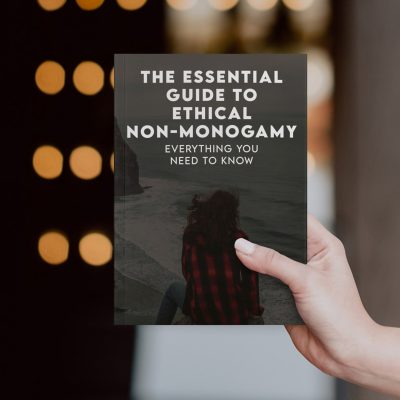
The freedom of an open relationship sounds incredible, but the logistics can feel like holding a grenade. That spinning "what if" anxiety isn't paranoia, it’s your survival instinct warning you that your bond is exposed. "Just seeing what happens" is the fastest way to turn a fantasy into a breakup.
The Essential Guide replaces chaos with discipline. We give you the blueprints, jealousy protocols, and repair scripts needed to explore the edge without falling off. Don't guess. Secure your foundation first.
The world of non-monogamy is a maze of confusing labels. Trying to be "Polyamorous" when your heart actually needs "Swinging" isn't just a vocabulary error; it’s a recipe for misery.
You can't build a stable home on a foundation that doesn't fit your psychology. This tool analyzes your emotional bandwidth and jealousy triggers to design the exact structure you need. Stop trying to squeeze into a box that doesn't fit. Build a relationship that actually feels like home.
Opening up feels exciting, but if you aren't reading from the same script, you're writing a tragedy. The disconnect between "I want freedom" and "I want safety" is where hearts break. This isn't just a quiz; it’s a synchronization engine.
We identify the silent gaps in your desires—from sleepover rules to emotional bandwidth, before they become unbridgeable chasms. Don't wait until the damage is done to find out you were never on the same page. Align your compasses now.
Theory is sexy. Reality is messy. You agreed you could date others, but how does your stomach drop when he takes her to your anniversary spot? Or when she comes home smelling like someone else?
This simulator drags your abstract rules into the harsh light of day. We force you to confront the visceral, gut-wrenching scenarios that actually destroy relationships, before they happen. Test your nervous system in the simulator so you don't crash the car in real life.
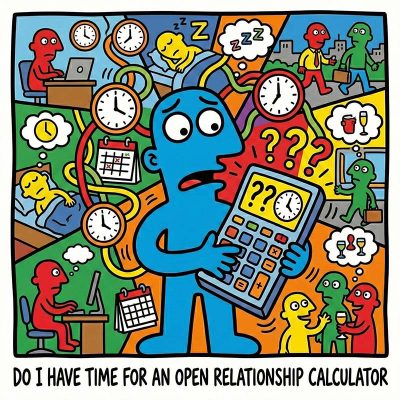
The fantasy is endless romance. The reality? It’s a logistical nightmare. Dating isn't just sex; it’s a second job of swiping, spending, and emotional processing that drains your sanity. Underestimating the "admin" of non-monogamy is the fastest way to turn your relationship into a burnout factory where resentment thrives.
This calculator forces you to confront the brutal math of your time, energy, and wallet. Can you actually afford this lifestyle, or are you just signing up for exhaustion?
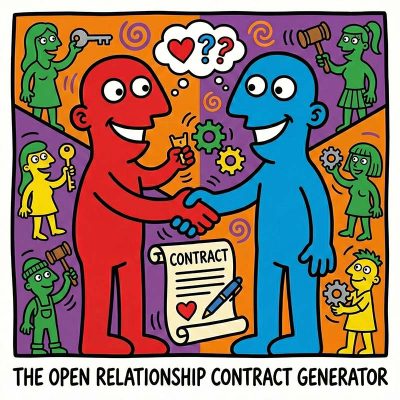
"I thought we agreed" is the sentence that destroys relationships & marriages. Relying on verbal promises when emotions run high is a gamble you cannot afford to lose. Your memory isn't just faulty; it's a liability. Ambiguity is the oxygen that jealousy breathes, turning "freedom" into a minefield of "did I mess up?"
This generator transforms vague permissions into a concrete, signed reality. Stop arguing about what you thought was said and lean on what is written. Secure your boundaries in ink, not hope.
What to look for in a respectful partner
Before you even schedule a first date you can start screening while you chat online or over a phone call. Here is a checklist of indicators that tend to predict respectful behavior in ENM and open relationship contexts.
- Clear communication style A person who speaks plainly about their needs and listens without interrupting shows up with respect. They ask questions and paraphrase to ensure understanding.
- Consent mentality They seek explicit consent for new intimate activities and do not assume what you are comfortable with. They are willing to pause and renegotiate if boundaries shift.
- Boundary awareness and respect They know their own boundaries and respect yours even when their own desires conflict with them. They do not push you to push past your limits.
- Emotional intelligence They can identify their own emotions and explain why they feel a certain way. They can discuss jealousy and insecurity without shaming themselves or you.
- Reliability and follow through They keep commitments they make about time with you about communication and about safety practices like testing for STIs when appropriate.
- Inclusivity and respect for your network They treat your other partners with respect and appreciate the social or ethical complexity that comes with non monogamy.
- Health and safety minded They talk openly about sexual health their safety practices and how to reduce risk for all involved including themselves.
- Self awareness and accountability They own their mistakes take responsibility and apologize when needed without excuses or blame shifting.
- Consistency across contexts If a person behaves differently in different settings that should raise a flag. A respectful partner shows consistent behavior whether they are on a date at a cafe or on a date at a party.
Remember that every ENM or open relationship comes with its own balance of openness time boundaries and emotional work. The goal of screening is not to guarantee perfection but to identify a pattern of respect reliability and clear communication that fits your needs.
How to screen step by step
Screening is a process not a one off event. You will get better with practice and you will learn what questions feel meaningful to you. Here is a practical step by step approach you can adapt to your own rhythm.
Step 1. Do inner work first
Take time to name your own needs. What do you want from a partner in an ENM open relationship dynamic a casual connection or a long term arrangement? Are you looking for emotional closeness or primarily sexual openness? Are you comfortable with your own fluctuating feelings in relation to others? Setting clear personal boundaries helps you spot red flags early and makes your conversations more honest.
Step 2. Define your musts and nice to haves
Make two lists. In the musts list include elements that you absolutely need for a connection to work. In the nice to haves list add softer preferences you would enjoy but could flex if needed. Examples of musts include mutual consent and respectful communication. Nice to haves might be particular sexual activities you want to explore or a preferred dating pace. Being explicit reduces ambiguity and increases the chances of finding a compatible partner.
Step 3. Start conversations with curiosity
Open the door with questions that invite reflection rather than ultimatums. For example you can ask what their view is on communication during a date how they handle strong feelings when a connection grows and what kind of boundaries they currently have in place. Notice how they listen respond and whether they normalize asking for clarifications. A person who is curious about your perspective and patient in discussing boundaries is a positive sign.
Step 4. Use structured questions to compare across dates
Create a small set of core questions and use them in every initial conversation. You will start to notice patterns across multiple conversations. Consistency is a helpful signal that the person is serious about respectful interaction.
- What does consent mean to you and how do you practice it in dating outside the primary relationship?
- How do you handle a partner becoming close to someone else and what triggers jealousy for you?
- What boundaries have you set with your current partners and are you willing to adjust them if needed?
- What is your preferred pace for meeting new partners and how do you manage time between relationships?
- What do you value most in a connection and how do you show respect for your partners boundaries?
Step 5. Test through small commitments
Move from chat to a low stake shared experience such as a group event or a casual coffee. This step lets you observe behavior in a social setting and helps you gauge whether the dynamic feels comfortable. If all goes well you can propose more meaningful dates or deeper conversations about future possibilities. Gradual steps reduce pressure and increase safety for everyone involved.
Step 6. Create a simple written agreement if needed
If the potential partner seems compatible consider drafting a short written agreement. This is not a contract that traps anyone it is a moving document that outlines boundaries expectations and communication norms. See it as a living guide that can be revised as your relationship grows. You can keep it simple line by line and keep a copy for yourself and your partner to reference.
Questions you can ask on a first or second date
The questions below are designed to surface values and behavior that align with respectful ENM. Use them as a starting point and adapt to your own style. Some questions might feel clinical and that is okay. The goal is clarity and connection not to win a debate.
- How do you define respect in a dating context and how do you show it in everyday interactions?
- What does enthusiastic consent look like for you in different situations and how do you handle it when things escalate quickly?
- What boundaries do you currently maintain with your other partners and how do you navigate changes or renegotiations?
- What values are most important to you in a relationship with multiple people and how do you protect those values when you are busy?
- How do you communicate when you feel unsettled or jealous and what helps you regain your balance?
- What are your safety practices around sexual health and how do you approach testing and disclosure?
- What is your ideal pace for meeting new people and how do you handle making space for different partners?
- Can you share a time when you faced a conflict with a partner and how you resolved it?
- How do you ensure that all partners feel valued and included in the relationship network?
- What boundaries or deal breakers would immediately end a potential connection for you?
Sample dialogue snippets you can adapt
Use these to practice or to illustrate how a respectful conversation might flow. You can replace names and specifics with your own details.
- Candidate: I want to be sure we are on the same page about consent. If we plan something intimate with a new partner how would you want us to handle it?
- You: I would like a clear check in before any new person is involved and I would want us to pause if either of us feels uncertain. How would you handle it?
- Candidate: I am comfortable with a lot of openness. I do want a steady pace and I am willing to adjust as we learn more about each other.
- You: That sounds good. For me silence is not a red flag it is a cue to check in. Let us keep the lines open and build trust over time.
Red flags to watch for during screening
Red flags are signals that a person may not be ready or willing to honor your boundaries. Spotting these early helps you avoid emotional damage and wasted time. Here are common red flags to keep in mind.
- Discomfort with discussing boundaries or past relationships
- Gaslighting or minimizing your feelings and concerns
- Rigid or double standards on consent and intimacy
- Inconsistent stories about past partners or health status
- Pressure to escalate quickly or to share personal information you are not ready to disclose
- Reluctance to introduce you to trusted friends or to include you in their social circle
- Dismissive attitude toward your needs or emotional signals
- Minimizing or avoiding conversations about safety and risk management
If you encounter these signals it is wise to slow the approach or walk away. You deserve partners who respect your pace and your boundaries even when there are complicated feelings involved.
Trial dating and slow onboarding strategies
One of the most effective ways to screen is to adopt a trial dating approach. This means you treat early dates as experiments rather than commitments. You set the frame with a casual tone and you assess fit over time. The goal is to gain data about the person you are dating while maintaining your own emotional safety.
- Start with a low stake activity such as coffee or a casual walk. Observe communication style and attentiveness.
- Move to a short social event with a few friends present so you can see how the person interacts with others in your network.
- Have a formal check in after a few dates to discuss boundaries and safety. Use this moment to renegotiate if needed.
- If you decide to pursue a deeper connection, create a simple written agreement and revisit it monthly or as needed.
The freedom of an open relationship sounds incredible, but the logistics can feel like holding a grenade. That spinning "what if" anxiety isn't paranoia, it’s your survival instinct warning you that your bond is exposed. "Just seeing what happens" is the fastest way to turn a fantasy into a breakup.
The Essential Guide replaces chaos with discipline. We give you the blueprints, jealousy protocols, and repair scripts needed to explore the edge without falling off. Don't guess. Secure your foundation first.
The world of non-monogamy is a maze of confusing labels. Trying to be "Polyamorous" when your heart actually needs "Swinging" isn't just a vocabulary error; it’s a recipe for misery.
You can't build a stable home on a foundation that doesn't fit your psychology. This tool analyzes your emotional bandwidth and jealousy triggers to design the exact structure you need. Stop trying to squeeze into a box that doesn't fit. Build a relationship that actually feels like home.
Opening up feels exciting, but if you aren't reading from the same script, you're writing a tragedy. The disconnect between "I want freedom" and "I want safety" is where hearts break. This isn't just a quiz; it’s a synchronization engine.
We identify the silent gaps in your desires—from sleepover rules to emotional bandwidth, before they become unbridgeable chasms. Don't wait until the damage is done to find out you were never on the same page. Align your compasses now.
Theory is sexy. Reality is messy. You agreed you could date others, but how does your stomach drop when he takes her to your anniversary spot? Or when she comes home smelling like someone else?
This simulator drags your abstract rules into the harsh light of day. We force you to confront the visceral, gut-wrenching scenarios that actually destroy relationships, before they happen. Test your nervous system in the simulator so you don't crash the car in real life.
The fantasy is endless romance. The reality? It’s a logistical nightmare. Dating isn't just sex; it’s a second job of swiping, spending, and emotional processing that drains your sanity. Underestimating the "admin" of non-monogamy is the fastest way to turn your relationship into a burnout factory where resentment thrives.
This calculator forces you to confront the brutal math of your time, energy, and wallet. Can you actually afford this lifestyle, or are you just signing up for exhaustion?
"I thought we agreed" is the sentence that destroys relationships & marriages. Relying on verbal promises when emotions run high is a gamble you cannot afford to lose. Your memory isn't just faulty; it's a liability. Ambiguity is the oxygen that jealousy breathes, turning "freedom" into a minefield of "did I mess up?"
This generator transforms vague permissions into a concrete, signed reality. Stop arguing about what you thought was said and lean on what is written. Secure your boundaries in ink, not hope.
Health and safety in ENM dating
Sexual health is an essential piece of the screening process. Being proactive about health not only protects you but also respects potential partners. Have open conversations about testing frequency and results. Discuss what forms of protection you use and how you handle disclosure of any concerns about health status. Everyone should feel safe and empowered to speak up when health matters arise.
Practical steps you can take include scheduling regular STI testing as part of your relationship rhythm if you are sexually active with multiple people. Share testing results when appropriate in a way that feels comfortable for everyone involved. Maintaining transparency helps build trust and lowers anxiety around new connections.
Managing jealousy and emotional waves
Jealousy in an ENM or open relationship context is normal and manageable when addressed with honesty. The goal is not to eliminate feelings but to handle them with grace and skill. When you notice jealousy rising it helps to pause and name what you feel. Acknowledge the trigger whether it is time constraints a specific romantic moment or something else. Then talk with your partner about what would help you feel more secure. You may need more time you may need different boundaries or you may need more direct reassurance that your own connection remains strong.
Several practical techniques can help. Use scheduled check in times. Establish a safe space for sharing without judgment. Use reflective listening and repeat back what you heard to ensure you feel understood. Consider bringing in a neutral third person such as a therapist or a trusted friend if you need additional support while you navigate more challenging dynamics.
Crafting your own open relationship agreement
An agreement is a living document. It is a practical tool to keep you and your partners aligned. The best agreements are specific without being overly prescriptive. They spell out consent expectations communication norms boundary rules and conflict resolution methods. They often include a clause for revisiting the agreement on a regular cadence and a process for adding or modifying sections as needed.
Elements you might include in an ENM agreement include how you handle time with each partner how you talk about new connections how you handle sexual health testing and how you handle relationship milestones such as a threshold for introducing someone new to your main circle.
Practical tools and platforms for screening
Choosing the right channels can help you meet people who share your values. Some dating apps and platforms are particularly friendly to ENM and open relationships. Feeld for example is a dating app that focuses on non monogamy and open relationships. OpenMinded is another platform that supports a wide variety of relationship styles. Some people also use generalized dating apps such as OkCupid which allows thoughtful profiles and detailed questions that can reveal values. When using any platform keep your safety in mind and consider meeting in public spaces for early dates.
Beyond dating apps it helps to engage with communities that discuss ENM openly. Look for local meetups book clubs social events or support groups that focus on ethical non monogamy. The more you practice conversations with ethical partners the easier it becomes to screen with confidence.
What to do after you meet someone who passes screening
Passing screening is not a finish line it is a milestone in a longer journey. After you determine compatibility you can begin to invest more time together. Stay mindful of the pace you are comfortable with and continue to revisit boundaries. Regular communication is the key to maintaining respect and trust. Planning regular check ins can prevent drift and misinterpretation.
As you grow comfortable you can discuss more complex topics such as emotional boundaries emotional support needs during conflicts and expectations for time management. These conversations should feel collaborative and not like a test. The aim is to create a shared sense of safety that supports multiple people in the relationship network.
Practical tips for staying aligned with respectful partners
- Lead with respect demonstrate that you value their time and feelings from the first interaction onward.
- Be direct about your boundaries and be open to renegotiation when needed.
- Use reflective listening to ensure you understand their perspective and to show that you value their experience.
- Keep a shared log of agreements and changes so nothing slips through the cracks.
- Prefer conversations over text for sensitive topics if possible and always confirm mutual understanding in writing when it matters.
Glossary of useful terms and acronyms
- ENM Ethical non monogamy the umbrella term for relationship styles that involve multiple intimate or sexual connections with the knowledge and consent of everyone involved.
- Open relationship A form of ENM where partners allow sexual or romantic connections outside the primary relationship.
- Primary partner The person who holds the central or longest term place in a relationship network.
- Secondary partner A connection that is meaningful but not the central relationship in the network.
- Consent Ongoing enthusiastic agreement to engage in any activity that involves other people.
- Boundaries Agreements about what is allowed what is not and what to do if boundaries are challenged.
- Rupture and repair The process of recognizing a break in trust and working to restore it through communication and actions.
- Jealousy A natural emotion that can signal a need for clearer boundaries or more reassurance and information.
- Compersion The positive feeling of happiness for a partner when they experience joy with someone else.
- AGREEMENT A living document listing negotiated expectations within the ENM dynamic.
- Red flags Warning signs that a person may not be respecting your boundaries or consent.
Final notes for screeners in ENM and open relationships
Screening for respectful partners is not about creating a perfect match from the start. It is about building a foundation of trust and open communication so you can grow with people who share your values. Your job is to know yourself clearly and to ask questions that reveal how a person thinks feels and acts in real life. The more honest you are with yourself and with others the more likely you will find emotionally safe and mutually satisfying connections. Keep your sense of humor and stay curious. This is a journey and you are in good company as you explore it with care and intention.
Frequently asked questions
We have included a concise FAQ section here for readers who want quick guidance. The full expanded answers appear in the FAQ schema at the bottom of this page for search engines. If you need more depth on any point you can reread the sections above and tailor the approach to your personal situation.
What is the first step I should take when screening someone for ENM compatibility
The first step is to do inner work and name your own needs. You will be able to state your musts and nice to haves and you will be able to introduce the conversation with clarity.
How long should I spend screening before moving forward
There is no universal answer. A few thoughtful conversations over a couple of weeks can reveal a lot. If you feel rushed or pressured that should be a signal to slow down and reassess.
What questions should I ask about consent
Ask how they interpret enthusiastic consent and how they practice it in different contexts including casual chats and physical intimate moments. Ask how they handle a situation when one person is uncertain or wants to pause.
What is a red flag to watch for in the first conversations
One red flag is a resistance to discussing boundaries and expectations or a habit of blaming others for their own feelings. Another red flag is pressure to escalate quickly or to involve more people before you feel comfortable.
Should I use a written agreement
Yes a simple written agreement can be a helpful guide. It should be flexible and open to revision. It acts as a checklist so everyone can see how needs are being met and where adjustments are needed.
How do I handle jealousy when dating multiple partners
Validity of feelings matters first. Name the emotion and its trigger and talk about a plan to address it. You can schedule check ins and agree on signals that you will use when you need extra space or reassurance.
What platforms are best for ENM dating
Platforms like Feeld and OpenMinded are designed for non monogamy and open relationships. General dating apps such as OkCupid can also work if you create a detailed profile that communicates your relationship style clearly. Always prioritize your safety when meeting new people and meet in public spaces first.
The freedom of an open relationship sounds incredible, but the logistics can feel like holding a grenade. That spinning "what if" anxiety isn't paranoia, it’s your survival instinct warning you that your bond is exposed. "Just seeing what happens" is the fastest way to turn a fantasy into a breakup.
The Essential Guide replaces chaos with discipline. We give you the blueprints, jealousy protocols, and repair scripts needed to explore the edge without falling off. Don't guess. Secure your foundation first.
The world of non-monogamy is a maze of confusing labels. Trying to be "Polyamorous" when your heart actually needs "Swinging" isn't just a vocabulary error; it’s a recipe for misery.
You can't build a stable home on a foundation that doesn't fit your psychology. This tool analyzes your emotional bandwidth and jealousy triggers to design the exact structure you need. Stop trying to squeeze into a box that doesn't fit. Build a relationship that actually feels like home.
Opening up feels exciting, but if you aren't reading from the same script, you're writing a tragedy. The disconnect between "I want freedom" and "I want safety" is where hearts break. This isn't just a quiz; it’s a synchronization engine.
We identify the silent gaps in your desires—from sleepover rules to emotional bandwidth, before they become unbridgeable chasms. Don't wait until the damage is done to find out you were never on the same page. Align your compasses now.
Theory is sexy. Reality is messy. You agreed you could date others, but how does your stomach drop when he takes her to your anniversary spot? Or when she comes home smelling like someone else?
This simulator drags your abstract rules into the harsh light of day. We force you to confront the visceral, gut-wrenching scenarios that actually destroy relationships, before they happen. Test your nervous system in the simulator so you don't crash the car in real life.
The fantasy is endless romance. The reality? It’s a logistical nightmare. Dating isn't just sex; it’s a second job of swiping, spending, and emotional processing that drains your sanity. Underestimating the "admin" of non-monogamy is the fastest way to turn your relationship into a burnout factory where resentment thrives.
This calculator forces you to confront the brutal math of your time, energy, and wallet. Can you actually afford this lifestyle, or are you just signing up for exhaustion?
"I thought we agreed" is the sentence that destroys relationships & marriages. Relying on verbal promises when emotions run high is a gamble you cannot afford to lose. Your memory isn't just faulty; it's a liability. Ambiguity is the oxygen that jealousy breathes, turning "freedom" into a minefield of "did I mess up?"
This generator transforms vague permissions into a concrete, signed reality. Stop arguing about what you thought was said and lean on what is written. Secure your boundaries in ink, not hope.
