
Is an Open Relationship a Fix for Relationship Problems

Relationships can feel like a high wire act sometimes and when the spark fizzles or trust wobbles the mind starts spinning with quick fixes. One popular idea is to try an open relationship or what is often called Ethical Non Monogamy or ENM. This article is a down to earth, practical deep dive into whether opening a relationship actually fixes problems or creates new ones. We will break down terms explain common myths give you real world steps and share scenarios so you can decide if ENM is right for you and your partner.
Quick Links to Useful Sections
- What is ENM and what do we mean by open relationship
- Why people think an open relationship can fix problems
- When open relationships are not a fix for relationship problems
- How to decide if ENM might be right for you
- Assess your motivations
- Evaluate trust and communication
- Consider your shared values and boundaries
- Check for coercion red flags
- Test with small steps
- Practical frameworks for creating open relationship agreements
- Time and scheduling rules
- Sexual boundaries
- Emotional boundaries
- Communication protocols
- Safety and health rules
- Privacy and disclosure
- Review and renegotiation cadence
- Realistic scenarios you might encounter
- Scenario 1 A couple contends with fading desire and wants to explore new energy
- Scenario 2 One partner feels jealous and overwhelmed
- Scenario 3 Open relationship used to avoid therapy
- Scenario 4 Managing safety with multiple partners
- Common myths versus realities about open relationships
- The emotional labor of ENM and how to manage it
- What to do if ENM feels right but you fear it is not for you
- Glossary of useful terms and acronyms
- Key takeaways to carry forward
- FAQ overview
What is ENM and what do we mean by open relationship
ENM stands for Ethical Non Monogamy. In plain language that means building a relationship structure where both partners consent to romantic or sexual connections outside the primary partnership. An open relationship is one specific way ENM can show up. In an open arrangement the main couple agrees that each partner may form romantic or sexual connections with other people. The specifics vary from couple to couple which is why clear agreements are essential.
Other terms you might hear include polyamory which is about having multiple romantic relationships with the awareness and consent of everyone involved. Swinging is another flavor where couples or partners engage in sexual activity with others usually in social settings or organized events. There are many shades of ENM and people move along this spectrum in different ways over time. The core idea is consent open communication and continual check ins rather than secrecy or coercion.
Let us also explain a few terms you will see a lot. Ethical Non Monogamy sometimes abbreviated ENM is the umbrella term. Primary partner or main partner describes the relationship that holds the central place in your life for most people that is the anchor person who may be your spouse or long term partner. Boundaries are the agreements you set about time sex emotional access privacy and safety. Compersion is a feeling of joy for your partner when they connect with someone else often considered the opposite of jealousy. Negotiation is the ongoing process of discussing needs feelings and limits and renegotiation is updating those agreements as life changes.
Why people think an open relationship can fix problems
There are some real life reasons couples look at ENM as a potential fix. Here is the short list without pretending it is a magic wand.
- Better communication this is not a shortcut but a chance to practice honest talks about needs desires insecurities and limits.
- Sexual variety can revive a stale sexual life without putting pressure on one person to perform perfectly every time.
- Emotional safety. If both people feel they can be honest about what they want it can reduce secretive behavior which erodes trust.
- Independence within relationship structure. Some people feel more free to pursue individual growth while keeping a committed connection with their primary partner.
- Compersion as a real experience. When jealousy is managed well some partners genuinely feel happiness for their partner when they connect with others.
These positives are real when they happen. But they depend on a lot of moving parts working together and not every problem is addressable by simply adding more people to the emotional equation. Before you even consider ENM you want to check your foundations and your goals together as a couple.
The freedom of an open relationship sounds incredible, but the logistics can feel like holding a grenade. That spinning "what if" anxiety isn't paranoia, it’s your survival instinct warning you that your bond is exposed. "Just seeing what happens" is the fastest way to turn a fantasy into a breakup.
The Essential Guide replaces chaos with discipline. We give you the blueprints, jealousy protocols, and repair scripts needed to explore the edge without falling off. Don't guess. Secure your foundation first.
The world of non-monogamy is a maze of confusing labels. Trying to be "Polyamorous" when your heart actually needs "Swinging" isn't just a vocabulary error; it’s a recipe for misery.
You can't build a stable home on a foundation that doesn't fit your psychology. This tool analyzes your emotional bandwidth and jealousy triggers to design the exact structure you need. Stop trying to squeeze into a box that doesn't fit. Build a relationship that actually feels like home.
Opening up feels exciting, but if you aren't reading from the same script, you're writing a tragedy. The disconnect between "I want freedom" and "I want safety" is where hearts break. This isn't just a quiz; it’s a synchronization engine.
We identify the silent gaps in your desires—from sleepover rules to emotional bandwidth, before they become unbridgeable chasms. Don't wait until the damage is done to find out you were never on the same page. Align your compasses now.
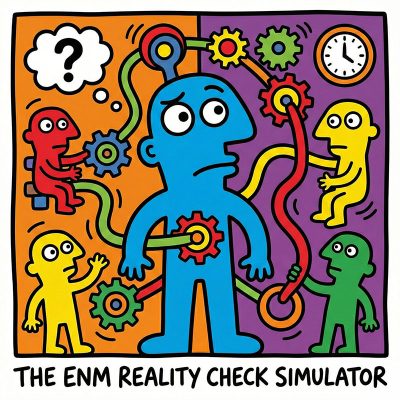
Theory is sexy. Reality is messy. You agreed you could date others, but how does your stomach drop when he takes her to your anniversary spot? Or when she comes home smelling like someone else?
This simulator drags your abstract rules into the harsh light of day. We force you to confront the visceral, gut-wrenching scenarios that actually destroy relationships, before they happen. Test your nervous system in the simulator so you don't crash the car in real life.
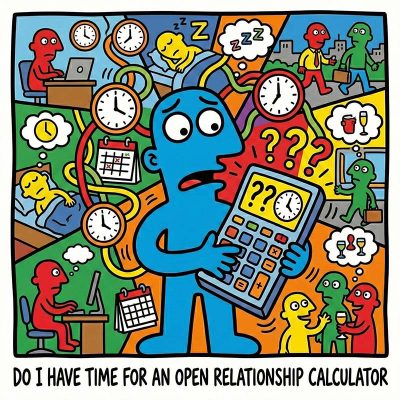
The fantasy is endless romance. The reality? It’s a logistical nightmare. Dating isn't just sex; it’s a second job of swiping, spending, and emotional processing that drains your sanity. Underestimating the "admin" of non-monogamy is the fastest way to turn your relationship into a burnout factory where resentment thrives.
This calculator forces you to confront the brutal math of your time, energy, and wallet. Can you actually afford this lifestyle, or are you just signing up for exhaustion?
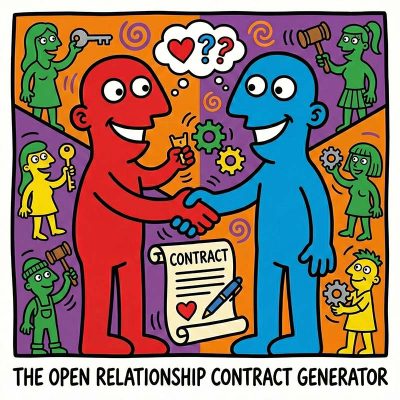
"I thought we agreed" is the sentence that destroys relationships & marriages. Relying on verbal promises when emotions run high is a gamble you cannot afford to lose. Your memory isn't just faulty; it's a liability. Ambiguity is the oxygen that jealousy breathes, turning "freedom" into a minefield of "did I mess up?"
This generator transforms vague permissions into a concrete, signed reality. Stop arguing about what you thought was said and lean on what is written. Secure your boundaries in ink, not hope.
When open relationships are not a fix for relationship problems
Jumping into ENM to fix issues that should be handled in other ways can create new headaches. Here are common traps to watch for.
- Using ENM to avoid uncomfortable conversations. If the core problem is lack of trust or misaligned values open relationships will not magically fix that.
- Letting curiosity turn into coercion. One partner insisting on ENM to escape a problem they created is not ethical and it often causes resentment and harm.
- Boundary creep. When partners push past agreed limits because stress is high the trust bank can take a big hit and it becomes a fight over what was agreed rather than the original issue.
- Uneven energy. If one partner is excited about ENM while the other is hesitant it can tilt the relationship balance making the hesitant partner feel pressured or unsafe.
- Jealousy mismanaged. Jealousy is a real emotion not a flaw. If it is ignored or ridiculed it grows and damages the bond you are trying to protect.
- Practical life strain. ENM can demand more emotional time energy scheduling and communication if the foundations are not solid and the calendar fills up fast.
Open relationships are not a cure for commitment issues unmet goals or emotional pain. They are a different path with its own risks and rewards and they require preparation and ongoing care just like any relationship.
How to decide if ENM might be right for you
Deciding whether an open relationship is suitable for you and your partner is a process not a single moment. Here is a practical framework you can use to decide if ENM is worth exploring rather than jumping straight in.
Assess your motivations
Why do you want to consider ENM in the first place? Are you seeking more sexual variety a break from pressure a way to explore new emotional connections or a way to preserve the relationship while inviting new experiences? Be specific about your motivation and ask your partner to share theirs. If your reasons revolve around escaping a problem rather than solving it that is a red flag.
Evaluate trust and communication
Trust is the bedrock of any form of ENM. If trust is currently fragile you may need more time to rebuild it before experimenting with others. Honest open communication is the antidote to most ENM issues. If you both can describe your feelings clearly listen without defensiveness and stay curious about each other you are in a better position to decide what comes next.
Consider your shared values and boundaries
Your values shape what is acceptable. A mismatch here will show up fast once outside connections begin. If your values around honesty respect autonomy and safety align you are in a better position to negotiate the details. Boundaries should feel good not punitive. They should protect relationships not punish people for feeling insecure.
Check for coercion red flags
Healthy ENM is always consensual and voluntary. If any partner feels pressured to join or stay in an arrangement that is a major warning sign. You should both feel free to pause or step back at any time without consequence beyond the natural effects of the relationship shift.
Test with small steps
If you decide to explore ENM start small. A single rule a set of check ins a boundary you both own that can be adjusted. Treat it as a learning period with the goal of strengthening your main relationship not outsourcing your problems to the next person you meet.
Practical frameworks for creating open relationship agreements
Clear agreements are the backbone of ethical ENM. Here is a practical framework you can adapt to your situation. The aim is to reduce ambiguity and create safety for both partners.
Time and scheduling rules
Discuss how often each partner will have outside connections who will coordinate with your schedules and how to handle overlapping commitments. Some couples agree to limit outside time to certain days or to certain hours. Others prefer flexible windows with a weekly check in to adjust as life changes.
Sexual boundaries
Decide what kinds of sexual activities are allowed with others. Include what is allowed in terms of protection use medical checks and what counts as casual versus romantic connections. Clarify if kissing or intimate affection with others is allowed and under what circumstances.
Emotional boundaries
Emotional boundaries focus on how much emotional energy is shared outside the primary bond. You may decide not to form deep emotional attachments with outside partners or to limit the involvement to certain types of connections. The key is honesty and mutual respect about where emotional energy is directed.
Communication protocols
Agree on how you will communicate about outside connections. Some couples use a daily check in a shared journal or a dedicated chat to discuss new developments. Decide whether you want advance notice about new partners or if spontaneous connections are acceptable. The aim is to preserve trust and reduce surprises.
Safety and health rules
Public health and safety matter in ENM. Agree on STI testing frequency safer sex practices disclosure expectations and how to handle potential exposures. Create a plan to protect yourself and your partner while respecting others involved.
Privacy and disclosure
Agree on how much detail you share with friends family or children if applicable. Some couples prefer to keep most outside connections private while others are comfortable sharing more about the experience. Decide what is appropriate for your family situation and your own comfort levels.
Review and renegotiation cadence
Relationships evolve and so do ENM agreements. Set a cadence for review every few weeks or months to assess what is working what is not and what needs to change. A good cadence prevents drift and protects the health of your main relationship.
Realistic scenarios you might encounter
Scenario 1 A couple contends with fading desire and wants to explore new energy
Alex and Casey have been together for eight years and notice their sexual connection waning. They decide to explore ENM with clear boundaries focusing on communication and safety. They start with a single outside connection with a regular date night while continuing to invest time in their relationship. They monitor their emotional energy and keep weekly check ins. Over a few months they rediscover a sense of curiosity together and feel more connected as a couple even as they grow a circle of connections outside the relationship.
Scenario 2 One partner feels jealous and overwhelmed
Pri and Jordan enter ENM after a long discussion about boundaries. Initially jealousy is high and both partners feel unsettled. They pause tighten a couple of boundaries and reschedule a weekly emotional check in. They also decide to only pursue casual connections with no ongoing romantic entanglements for a while. After a few weeks the jealousy subsides and they gain confidence that they can navigate emotional triggers while staying committed to each other.
Scenario 3 Open relationship used to avoid therapy
Sam pursues ENM as a shortcut to fix trust issues without therapy or a plan to address underlying problems. The approach backfires as secrecy sneaks in and the primary relationship becomes more fragile. They realize ENM is not a substitute for therapy or direct problem solving. They pause and begin couples therapy while rebuilding trust and then revisit ENM with clear guided steps only when both feel ready.
Scenario 4 Managing safety with multiple partners
Lee and Noor keep their primary relationship strong while both dating other people. They adopt a shared safety protocol including STI testing every three months and using protection consistently. They maintain open honest communication about each new partner and ensure that their main relationship remains the priority. This approach works well for them but would likely fail if they let safety routines slip.
Common myths versus realities about open relationships
- Myth A open relationships mean you do not care about monogamy anymore Reality ENM is about consent and choice and it can work with a strong monogamous foundation or as an alternative to it depending on the couple.
- Myth B ENM eliminates jealousy Reality jealousy can still appear and it needs to be managed just like in monogamy. ENM offers tools to address jealousy rather than deny it.
- Myth C ENM is always sexual only Some ENM connections are romantic or emotional and others are casual. The mix depends on agreements and the people involved.
- Myth D ENM is a free for all Reality healthy ENM is built on mutual respect boundaries consent and ongoing communication not on chaos and secrecy.
- Myth E ENM just happens without effort Reality ENM requires deliberate work including transparent conversations agreements renegotiation and regular check ins.
The emotional labor of ENM and how to manage it
Emotional labor is real in ENM. You are not just managing your own feelings you are co navigating the feelings of your partner and possibly others. A practical approach includes regular check ins self reflection journaling, and honest conversations about what is coming up emotionally. Some couples find it helpful to schedule a dedicated weekly talk focused on feelings and needs before discussing new connections. The goal is to maintain safety trust and closeness with your primary partner while still allowing space for other connections.
What to do if ENM feels right but you fear it is not for you
- Take a pause. You can halt any outside connections until you both talk through concerns with a calm mind.
- Seek guidance. A therapist who understands ENM can offer valuable perspectives and help you design healthier agreements.
- Focus on the core relationship. Invest in communication time affection and trust building without adding new people into the mix until you feel ready.
- Revisit your why. Keep asking yourself what you both want from the relationship and whether ENM actually serves that purpose.
Glossary of useful terms and acronyms
- ENM Ethical Non Monogamy a relationship approach based on consent honesty and ongoing negotiation about multiple romantic or sexual connections.
- Open relationship A form of ENM where partners allow outside connections while maintaining a primary relationship.
- Polyamory Multiple consensual romantic relationships at the same time among adults who know about each relationship.
- Swinging Sexual activity with others usually in a social or event based setting often with a partner but not focused on forming emotional bonds outside the couple.
- Boundaries Agreed limits about time sexual activity emotional sharing and safety within ENM.
- Negotiation The ongoing process of discussing needs limits and changes to agreements.
- Renegotiation Updating agreements as life circumstances and feelings change.
- Compersion Feeling happiness for your partner when they connect with someone else commonly described as the opposite of jealousy.
- Primary partner The person who holds the central place in your life whether or not there is a formal title.
- Casual connection A relationship or interaction without expectations of long term involvement.
Key takeaways to carry forward
Open relationships can be a positive path for some couples but they come with responsibilities that go beyond casual curiosity. The most critical elements are clear honest communication mutual respect explicit consent thoughtful boundary setting and a willingness to renegotiate as life changes. If you approach ENM as a strategy to fix problems rather than as a deliberate fair plan to explore needs your chances of a healthy outcome drop dramatically. On the other hand if you use ENM as a tool to strengthen trust and add value to the main relationship with a solid foundation you might find that it opens doors you did not know existed. The choice is personal and deeply specific to you and your partner not a one size fits all solution.
If you want a simple place to start here is a practical starter kit. Begin with a conversation that happens when you are both calm and not in the heat of a moment. Share your motivations and listen with curiosity. Next map out a small gentle set of boundaries around time communication and safety. Agree on a trial period with a clear check in date and a plan to pause if things feel off. If you discover that ENM is not for you that is also a step forward because you are learning what works for your relationship and for you as a person.
FAQ overview
The freedom of an open relationship sounds incredible, but the logistics can feel like holding a grenade. That spinning "what if" anxiety isn't paranoia, it’s your survival instinct warning you that your bond is exposed. "Just seeing what happens" is the fastest way to turn a fantasy into a breakup.
The Essential Guide replaces chaos with discipline. We give you the blueprints, jealousy protocols, and repair scripts needed to explore the edge without falling off. Don't guess. Secure your foundation first.
The world of non-monogamy is a maze of confusing labels. Trying to be "Polyamorous" when your heart actually needs "Swinging" isn't just a vocabulary error; it’s a recipe for misery.
You can't build a stable home on a foundation that doesn't fit your psychology. This tool analyzes your emotional bandwidth and jealousy triggers to design the exact structure you need. Stop trying to squeeze into a box that doesn't fit. Build a relationship that actually feels like home.
Opening up feels exciting, but if you aren't reading from the same script, you're writing a tragedy. The disconnect between "I want freedom" and "I want safety" is where hearts break. This isn't just a quiz; it’s a synchronization engine.
We identify the silent gaps in your desires—from sleepover rules to emotional bandwidth, before they become unbridgeable chasms. Don't wait until the damage is done to find out you were never on the same page. Align your compasses now.
Theory is sexy. Reality is messy. You agreed you could date others, but how does your stomach drop when he takes her to your anniversary spot? Or when she comes home smelling like someone else?
This simulator drags your abstract rules into the harsh light of day. We force you to confront the visceral, gut-wrenching scenarios that actually destroy relationships, before they happen. Test your nervous system in the simulator so you don't crash the car in real life.
The fantasy is endless romance. The reality? It’s a logistical nightmare. Dating isn't just sex; it’s a second job of swiping, spending, and emotional processing that drains your sanity. Underestimating the "admin" of non-monogamy is the fastest way to turn your relationship into a burnout factory where resentment thrives.
This calculator forces you to confront the brutal math of your time, energy, and wallet. Can you actually afford this lifestyle, or are you just signing up for exhaustion?
"I thought we agreed" is the sentence that destroys relationships & marriages. Relying on verbal promises when emotions run high is a gamble you cannot afford to lose. Your memory isn't just faulty; it's a liability. Ambiguity is the oxygen that jealousy breathes, turning "freedom" into a minefield of "did I mess up?"
This generator transforms vague permissions into a concrete, signed reality. Stop arguing about what you thought was said and lean on what is written. Secure your boundaries in ink, not hope.
