
Money and Spending Boundaries

Hey there friend. Welcome to a practical deep dive into money and spending boundaries when you are navigating an open relationship or ethical non monogamy also known as ENM. I am here with The Monogamy Experiment to keep things real and helpful. Money stuff can slow down a relationship faster than a bad date night plan and that is not what we want. We want clear conversations, fair boundaries, and budgets that respect everyone involved. This guide breaks down the what why and how of money boundaries in ENM with real world scenarios and easy to follow steps. We explain terms and acronyms so nobody feels left behind. And yes we keep it friendly and a little bit funny because money talks are easier when we smile a little.
Quick Links to Useful Sections
- Who this guide is for
- Key terms and acronyms we will explain
- What money boundaries are and why they matter in ENM
- Foundational principles for money boundaries in ENM
- Categories of money boundaries you may want to set
- Shared living expenses versus personal finances
- Joint accounts versus separate accounts
- Date night and dating expenses
- Gifts and celebrations
- Travel and experiences
- Household expenses and living arrangements
- Emergency funds and debt management
- Privacy and autonomy in money matters
- Practical negotiation framework you can use
- Step one clarify needs and concerns
- Step two propose shared options
- Step three test and refine
- Step four seal the agreement and plan for the future
- Templates and practical examples you can adapt
- Example 1 a couple with one additional dating partner
- Example 2 a triad with a shared home and separate dating budgets
- Example 3 living with multiple partners with a single shared account for basics
- How to implement money boundaries in your daily life
- Common mistakes to avoid
- Practical tips for maintaining healthy money boundaries
- Glossary of useful terms and acronyms
- Frequently asked questions
- Putting it all together a quick action plan
- Final notes for a healthier money culture in ENM
- Checklist before you step into the money talk
Who this guide is for
This guide is for people who are exploring or currently living in an open relationship open relationship style or any form of ENM with more than two people involved. It is for couples who want to set boundaries around shared expenses for living and dating. It is for triads quads or other polycule configurations where money conversations can feel tricky. It is for anyone who wants honest practical guidance that helps reduce stress around finances while keeping relationships fair and respectful. If you are curious about how to handle money while dating multiple people this piece is for you.
Key terms and acronyms we will explain
Open relationships ENM stands for ethical non monogamy. ENM means consensual non monogamy where all involved parties agree to non exclusive romantic or sexual connections. Polyamory is a broader term used when people have more than one loving relationship at the same time. A boundary is a clearly communicated limit that helps protect a person or a relationship. A budget is a plan for how money will be earned spent saved and invested within a given period. A joint account is a bank account that is shared by two or more people for common expenses. An allowance in this context means a pre agreed amount of money given by one partner to another for personal spending or for shared activities. Transparency means everyone shares relevant financial information with consent. Compersion is the feeling of joy when a partner experiences happiness with someone else. It is the opposite of jealousy in many ENM communities. A boundary agreement is a documented or tacit set of rules about how money is handled and who is responsible for what. A debt plan is a strategy to address existing debts in a fair orderly way. A personal account is money that belongs to an individual and is not shared in a joint arrangement.
The freedom of an open relationship sounds incredible, but the logistics can feel like holding a grenade. That spinning "what if" anxiety isn't paranoia, it’s your survival instinct warning you that your bond is exposed. "Just seeing what happens" is the fastest way to turn a fantasy into a breakup.
The Essential Guide replaces chaos with discipline. We give you the blueprints, jealousy protocols, and repair scripts needed to explore the edge without falling off. Don't guess. Secure your foundation first.

The world of non-monogamy is a maze of confusing labels. Trying to be "Polyamorous" when your heart actually needs "Swinging" isn't just a vocabulary error; it’s a recipe for misery.
You can't build a stable home on a foundation that doesn't fit your psychology. This tool analyzes your emotional bandwidth and jealousy triggers to design the exact structure you need. Stop trying to squeeze into a box that doesn't fit. Build a relationship that actually feels like home.

Opening up feels exciting, but if you aren't reading from the same script, you're writing a tragedy. The disconnect between "I want freedom" and "I want safety" is where hearts break. This isn't just a quiz; it’s a synchronization engine.
We identify the silent gaps in your desires—from sleepover rules to emotional bandwidth, before they become unbridgeable chasms. Don't wait until the damage is done to find out you were never on the same page. Align your compasses now.
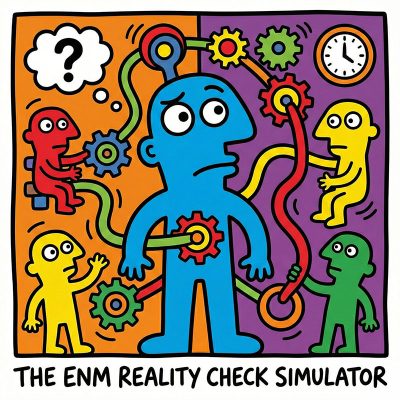
Theory is sexy. Reality is messy. You agreed you could date others, but how does your stomach drop when he takes her to your anniversary spot? Or when she comes home smelling like someone else?
This simulator drags your abstract rules into the harsh light of day. We force you to confront the visceral, gut-wrenching scenarios that actually destroy relationships, before they happen. Test your nervous system in the simulator so you don't crash the car in real life.
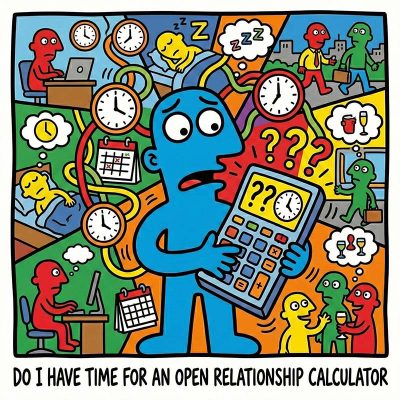
The fantasy is endless romance. The reality? It’s a logistical nightmare. Dating isn't just sex; it’s a second job of swiping, spending, and emotional processing that drains your sanity. Underestimating the "admin" of non-monogamy is the fastest way to turn your relationship into a burnout factory where resentment thrives.
This calculator forces you to confront the brutal math of your time, energy, and wallet. Can you actually afford this lifestyle, or are you just signing up for exhaustion?
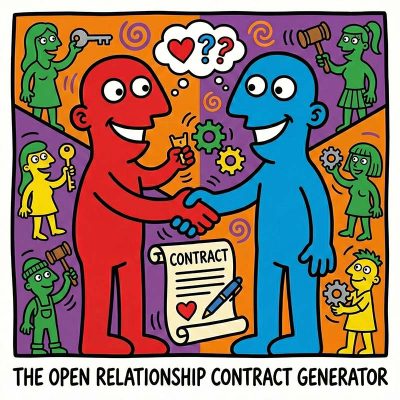
"I thought we agreed" is the sentence that destroys relationships & marriages. Relying on verbal promises when emotions run high is a gamble you cannot afford to lose. Your memory isn't just faulty; it's a liability. Ambiguity is the oxygen that jealousy breathes, turning "freedom" into a minefield of "did I mess up?"
This generator transforms vague permissions into a concrete, signed reality. Stop arguing about what you thought was said and lean on what is written. Secure your boundaries in ink, not hope.
What money boundaries are and why they matter in ENM
Money boundaries are about fairness clarity and emotional safety. In ENM situations money can become a hot spot if one person ends up carrying more debt or if someone feels pressured to overspend or overshare. Boundaries help avoid resentment by making expectations explicit. They also support consent which is a core principle in ENM. Consent here means all involved parties agree to how money is earned spent saved or shared and they can renegotiate when circumstances change. Boundaries keep relationships free from financial stress so everyone can focus on connection trust and growth without constant money drama.
Foundational principles for money boundaries in ENM
Before we get into the how to and the step by step how to set up boundaries let us anchor the approach with a few guiding ideas that work well in ENM situations.
- Transparency with consent share relevant financial information with the people you are dating and living with and agree on what needs to be shared.
- Fairness over sameness boundaries should be fair not identical. People have different incomes needs and commitments that deserve careful consideration.
- Flexibility and review budgets and boundaries are not set in stone. They should be revisited regularly as relationships evolve and life changes.
- Communication first money discussions are best when they come after a place of calm not in the heat of an argument or in a rushed moment.
- Compersion and care cultivate positive feelings when your partner has opportunities or experiences with others and ensure you are not left carrying disproportionate costs.
Categories of money boundaries you may want to set
Shared living expenses versus personal finances
If you share a home with someone or with multiple partners there are costs that relate to the space. Rent or mortgage utilities groceries household supplies and internet are prime examples. Decide whether these items will be shared partially or fully and whether contributions will be fixed or proportional to income. People in ENM setups often opt for a base shared amount plus proportional extras for things like additional roommates or guests. Personal finances cover things like personal care shopping for yourself and payments that relate only to one partner or one relationship. Clear separation here reduces confusion and fights.
Joint accounts versus separate accounts
Some ENM households use a joint account for shared expenses and separate accounts for personal spending. Others maintain a hybrid approach with a shared fund for common costs and a clear personal fund for individual spending. The choice depends on level of trust comfort with transparency and how complex your relationship web is. The key is to define what goes into the joint space and what remains private while ensuring consent if someone is contributing to shared items.
Date night and dating expenses
Dating costs can vary widely. Foods and drinks dates tickets for events travel and occasional gifts all count. It helps to agree on who pays for what when multiple partners are involved. Some couples prefer one partner to take lead on specific dates while others prefer shared costs. The important piece is to discuss expectations before an outing and to set a budget that makes everyone comfortable rather than surprised or resentful afterward.
Gifts and celebrations
Gifts can become a sensitive topic when more than two people are involved. Decide whether gifts will be covered by the individual giver a shared pot or some mix. If a partner wants to celebrate with a new partner consider whether the event will be funded by a shared budget or by the individual pair. Clear guidelines help avoid awkward moments at birthdays anniversaries and holidays.
Travel and experiences
Trips with multiple partners can be amazing but also expensive. Set expectations around how travel costs are shared whether people will split lodging airfare meals or activities and who books what. Some ENM households rotate lead planning to match budgets and preferences. Make sure everyone knows how much they are responsible for and what happens if plans change due to life events or schedule conflicts.
Household expenses and living arrangements
Living together or sharing a space with more than two people increases the complexity of money boundaries. Decide how rent or mortgage is allocated who covers utilities and how groceries are managed. A practical approach is to create a transparent ledger where everyone can see what has been paid and what remains due. If someone is transitioning from one living arrangement to another set a transition budget that accounts for deposits moving costs and time to establish a new shared routine.
Emergency funds and debt management
Large unforeseen costs or debt can stress relationships quickly. Agree on how to handle emergencies whether there will be a dedicated emergency fund who contributes and how decisions will be made if a partner has debt obligations from past relationships. Regularly review the fund and debt plan to ensure it remains fair and feasible for all involved.
Privacy and autonomy in money matters
Financial privacy matters to many people even within ENM. Decide what information is shared and what remains private with consent. For example a partner may want to know about major purchases but not every small expense. Create a policy that respects privacy while keeping enough transparency to avoid miscommunication or hidden costs.
Practical negotiation framework you can use
Negotiating money boundaries in ENM should feel collaborative not combative. Here is a simple four step framework you can adapt. It works in live conversations and also works in writing a shared agreement.
Step one clarify needs and concerns
Each person writes down what matters most to them financially in the ENM setup. Examples include wanting to avoid debt while still enjoying experiences with others or ensuring that core living costs are covered fairly. Share these needs in a calm setting without accusations. The goal is understanding not winning a debate.
Step two propose shared options
Brainstorm possible models. Options could include a base household budget with proportional contributions a shared dating fund a personal spending allowance for each partner or a hybrid approach combining these elements. Focus on practical outcomes and avoid rigid demands at this stage. The aim is to create possibilities rather than a fixed ultimatum.
Step three test and refine
Agree to try a model for a set period such as three months. Track how it feels are there recurring resentments is anyone consistently over or under budget. Use this data to adjust. This step turns a theory into a working plan and reduces guesswork.
Step four seal the agreement and plan for the future
Put the agreement in writing even if it is informal. Include the numbers or formulas used and note when the next review will occur. Decide how to handle changes such as income shifts new partners leaving or a move to a new living situation. A clear plan keeps the boundaries robust over time.
Templates and practical examples you can adapt
Below are simplified scenerios with sample numbers to help you visualize how a boundary plan could look. Use these as starting points and personalize them to your actual situation. All examples use open relationship ENM dynamics and assume three adults sharing a home with two dating partners involved in addition to a primary couple. Replace names and numbers with your real details.
Example 1 a couple with one additional dating partner
Family arrangement: three adults living together in one home. Incomes: Partner A earns 4200 dollars per month. Partner B earns 3600 dollars per month. Partner C who is dating Partner A and occasionally staying over on weekends earns 1800 dollars for personal expenses only. Shared living costs: rent 1800 dollars utilities 350 dollars internet 60 dollars groceries 800 dollars monthly. Shared dating fund for experiences with multiple partners 500 dollars. Personal spending allowances: Partner A 350 dollars Partner B 300 dollars Partner C 150 dollars. Debt payments allocated mainly to the primary earners but with a small equalization buffer of 100 dollars from the shared pool. The plan is reviewed every quarter to rebalance contributions if income or living costs shift.
Example 2 a triad with a shared home and separate dating budgets
In this triad the three adults live together and maintain a semi separate dating budget for experiences with the other members outside the primary home. Household costs are split proportionally by income. Household contributions: total housing costs 2400 dollars utilities 420 dollars internet 60 dollars groceries 900 dollars. Proportional division based on income yields shares approx 1100 950 and 350 dollars for Partners X Y and Z respectively. Dating budgets set as personal allowances: Partner X 150 dollars Partner Y 180 dollars Partner Z 120 dollars. A joint emergency fund of 600 dollars is built and contributions are split in proportion to income. The plan is revisited every six months.
Example 3 living with multiple partners with a single shared account for basics
Two partners share income with a third partner who contributes part time. A single shared account covers rent groceries utilities and shared activities up to a cap of 2000 dollars per month. Each partner contributes according to income a ratio of 45 percent 35 percent and 20 percent. Personal spending allowances are set individually at 250 200 and 150 dollars. A separate personal budget covers dates with other partners when those activities are not in the shared budget. The arrangement includes a quarterly review and adjustments for any major life changes such as a job shift or a move.
The freedom of an open relationship sounds incredible, but the logistics can feel like holding a grenade. That spinning "what if" anxiety isn't paranoia, it’s your survival instinct warning you that your bond is exposed. "Just seeing what happens" is the fastest way to turn a fantasy into a breakup.
The Essential Guide replaces chaos with discipline. We give you the blueprints, jealousy protocols, and repair scripts needed to explore the edge without falling off. Don't guess. Secure your foundation first.
The world of non-monogamy is a maze of confusing labels. Trying to be "Polyamorous" when your heart actually needs "Swinging" isn't just a vocabulary error; it’s a recipe for misery.
You can't build a stable home on a foundation that doesn't fit your psychology. This tool analyzes your emotional bandwidth and jealousy triggers to design the exact structure you need. Stop trying to squeeze into a box that doesn't fit. Build a relationship that actually feels like home.
Opening up feels exciting, but if you aren't reading from the same script, you're writing a tragedy. The disconnect between "I want freedom" and "I want safety" is where hearts break. This isn't just a quiz; it’s a synchronization engine.
We identify the silent gaps in your desires—from sleepover rules to emotional bandwidth, before they become unbridgeable chasms. Don't wait until the damage is done to find out you were never on the same page. Align your compasses now.
Theory is sexy. Reality is messy. You agreed you could date others, but how does your stomach drop when he takes her to your anniversary spot? Or when she comes home smelling like someone else?
This simulator drags your abstract rules into the harsh light of day. We force you to confront the visceral, gut-wrenching scenarios that actually destroy relationships, before they happen. Test your nervous system in the simulator so you don't crash the car in real life.
The fantasy is endless romance. The reality? It’s a logistical nightmare. Dating isn't just sex; it’s a second job of swiping, spending, and emotional processing that drains your sanity. Underestimating the "admin" of non-monogamy is the fastest way to turn your relationship into a burnout factory where resentment thrives.
This calculator forces you to confront the brutal math of your time, energy, and wallet. Can you actually afford this lifestyle, or are you just signing up for exhaustion?
"I thought we agreed" is the sentence that destroys relationships & marriages. Relying on verbal promises when emotions run high is a gamble you cannot afford to lose. Your memory isn't just faulty; it's a liability. Ambiguity is the oxygen that jealousy breathes, turning "freedom" into a minefield of "did I mess up?"
This generator transforms vague permissions into a concrete, signed reality. Stop arguing about what you thought was said and lean on what is written. Secure your boundaries in ink, not hope.
How to implement money boundaries in your daily life
Starting small and building up works best. Here are practical steps to implement the boundary framework in your daily life without chaos.
- Schedule a dedicated money talk choose a time when everyone is calm and not distracted. Put it on the calendar and treat it with the seriousness of a medical appointment or a home repair plan.
- Agree on a shared tool pick a budgeting app a simple spreadsheet or a written ledger. The goal is easy access and clarity for all participants.
- Define the boundaries in plain language avoid vague terms. If a boundary is money related specify amounts what it applies to and when it can be adjusted.
- Make it visible keep the current budget in a place everyone can see. Transparency reduces the chances of miscommunications and feelings of exclusion.
- Set a quarterly review use the plan to address what worked what did not and what needs to change. It is a normal practice not a test.
Common mistakes to avoid
Even with the best intentions money boundaries can go off track if you skip steps or rush decisions. Here are pitfalls to watch for and how to avoid them.
- Skipping a real conversation money topics deserve dedicated time not a quick chat while cooking or driving. Set a time and a place and give the topic the attention it deserves.
- Assuming sameness income or spending does not have to be equal. It is about fairness and practicality based on each person’s situation and capacity.
- Hidden costs and stealth spending keep the boundaries honest by acknowledging expenses that arise and adjusting plans openly.
- Rigid rules rigidity kills collaboration. Treat boundaries as living agreements that can adapt as relationships change.
- Ignoring emotional responses money touches feelings. If someone feels unsafe or unheard explore those feelings with care before insisting on a plan.
Practical tips for maintaining healthy money boundaries
These quick tips help maintain momentum and reduce anxiety around finances in ENM dynamics.
- Start with a baseline set a simple baseline that covers essential living costs and a set personal allowance for each person. Build from there as trust grows.
- Use a clear naming scheme label every account and budget category clearly so every participant understands what each line item means.
- Preserve privacy where needed allow for personal spending privacy while keeping enough transparency to avoid mistrust. Consent remains key.
- Document changes when you adjust the plan write down what changed why and when it will be reviewed again.
- Celebrate transparency when a boundary is respected and a plan works celebrate the moment and acknowledge the people who helped create it.
Glossary of useful terms and acronyms
- ENM ethical non monogamy. A relationship style where partners consent to non exclusive romantic or sexual connections.
- Open relationship a relationship in which partners allow romantic or sexual connections with people outside the primary couple or trio.
- Joint account a bank account used by two or more people for shared expenses.
- Personal account money owned by an individual not shared in a joint arrangement.
- Boundaries explicit limits designed to protect individuals and relationships from harm or discomfort.
- Transparency sharing information relevant to a given topic with consent to enable trust and informed decisions.
- Compersion feeling of joy when a partner experiences positive feelings with someone else rather than jealousy.
- Boundary agreement a documented or agreed set of rules about money in ENM relationships.
- Emergency fund money set aside for unexpected events to reduce stress and protect relationships.
- Debt plan a strategy for paying off existing debts in a structured and fair way.
Frequently asked questions
How do I start a money boundary conversation in ENM if I am nervous
Lead with your name and the concern you have about fairness and clarity. For example Hello my name is Alex and I want to talk about money boundaries so we all feel secure when dating or living with multiple partners. Share one simple reason you care about it and invite input from the others. Practice aloud if needed to build confidence and reduce nerves before the actual chat.
What should a budget look like in an ENM arrangement
A budget in an ENM setup usually includes a base shared living cost section a dating or experiences section and personal spending allowances. Shared costs cover rent utilities groceries and household supplies. The dating section covers activities with current partners and new partners if applicable. Personal allowances cover things you want to buy for yourself without asking for permission every time. The exact numbers vary but transparency and fairness are the guiding stars.
Should there be a single shared bank account for everything
Some groups prefer a single joint account for all shared expenses while others use a hybrid approach with a joint account for core living costs and separate accounts for personal spending. The right choice depends on comfort level trust and how complex your relationship web is. The important part is explicit agreement and a clear mechanism to handle mistakes or changes.
How do we approach gifts and celebrations within ENM money boundaries
Discuss whether gifts will be covered by the giver or a shared fund. For large celebrations or meaningful occasions consider a separate budget for gifts to avoid making the giver feel obligated to spend beyond their means. Remember that intention matters more than price and thoughtful well timed gifts often matter more than expensive ones.
How to handle income disparity in an ENM budget
Income differences are common. A practical approach is to allocate living costs based on income while keeping personal spending and dating budgets fair. A proportional split helps prevent resentment when one person earns significantly more while ensuring the household life remains comfortable for everyone.
What if new partners join or leave the arrangement
Treat addition or removal of partners as a boundary update. Revisit the budget and boundary agreements and adjust required contributions and allowances. Schedule a check in after the transition to ensure everyone feels included and respected.
Can we track expenses without feeling like our privacy is invaded
Yes. Use a shared tool that allows for privacy controls or only share what is necessary. For example partners can agree to reveal shared expenses while keeping personal purchases private. The key is consent and a clear understanding of what is being tracked.
How often should we review our money boundaries
Many ENM households review boundaries quarterly or after a major life event such as a move or a change in employment. Regular reviews are helpful to catch shifts before they become problems and to adjust plans to reality.
What if someone misses a payment or over spends
Set up simple procedures for missed or late payments and agreed consequences that are fair and non punitive. The best approach is to address issues calmly and adjust the budget rather than blame. It is normal for life to happen and good boundaries adapt to it.
Putting it all together a quick action plan
Ready to put the ideas into action? Here is a straightforward plan you can start today.
- Gather everyone involved and choose a calm time for the first real money boundary conversation.
- Decide on a budgeting approach that suits your group whether it is a joint account hybrid plan or separate accounts with shared bills.
- Create a simple baseline budget that covers core living costs set personal allowances and outline a dating budget for experiences with others.
- Agree on a cadence for reviews and updates. Put the agreement in writing so there is a reference point for everyone.
- Schedule a monthly check in to compare actual spending with the plan and make minor adjustments as needed.
Final notes for a healthier money culture in ENM
Money concerns can creep into relationships, but with clear boundaries and compassionate communication you can minimize friction and maximize connection. The open relationships ENM space often brings rich and meaningful experiences. With thoughtful planning you can enjoy those experiences while also maintaining financial wellbeing for everyone involved. Remember the core ideas: fairness consent transparency and ongoing dialogue. Those four simple ideas keep money from becoming a barrier and keep relationships thriving in a world that sometimes changes quickly.
Checklist before you step into the money talk
- Define your top three money priorities for the ENM setup
- Choose a budgeting tool and make sure everyone can access it
- Agree on what needs to be shared and what can stay private with consent
- Outline a plan for living costs dating expenses and emergency funds
- Set a date for the first boundary review and commit to it
The freedom of an open relationship sounds incredible, but the logistics can feel like holding a grenade. That spinning "what if" anxiety isn't paranoia, it’s your survival instinct warning you that your bond is exposed. "Just seeing what happens" is the fastest way to turn a fantasy into a breakup.
The Essential Guide replaces chaos with discipline. We give you the blueprints, jealousy protocols, and repair scripts needed to explore the edge without falling off. Don't guess. Secure your foundation first.
The world of non-monogamy is a maze of confusing labels. Trying to be "Polyamorous" when your heart actually needs "Swinging" isn't just a vocabulary error; it’s a recipe for misery.
You can't build a stable home on a foundation that doesn't fit your psychology. This tool analyzes your emotional bandwidth and jealousy triggers to design the exact structure you need. Stop trying to squeeze into a box that doesn't fit. Build a relationship that actually feels like home.
Opening up feels exciting, but if you aren't reading from the same script, you're writing a tragedy. The disconnect between "I want freedom" and "I want safety" is where hearts break. This isn't just a quiz; it’s a synchronization engine.
We identify the silent gaps in your desires—from sleepover rules to emotional bandwidth, before they become unbridgeable chasms. Don't wait until the damage is done to find out you were never on the same page. Align your compasses now.
Theory is sexy. Reality is messy. You agreed you could date others, but how does your stomach drop when he takes her to your anniversary spot? Or when she comes home smelling like someone else?
This simulator drags your abstract rules into the harsh light of day. We force you to confront the visceral, gut-wrenching scenarios that actually destroy relationships, before they happen. Test your nervous system in the simulator so you don't crash the car in real life.
The fantasy is endless romance. The reality? It’s a logistical nightmare. Dating isn't just sex; it’s a second job of swiping, spending, and emotional processing that drains your sanity. Underestimating the "admin" of non-monogamy is the fastest way to turn your relationship into a burnout factory where resentment thrives.
This calculator forces you to confront the brutal math of your time, energy, and wallet. Can you actually afford this lifestyle, or are you just signing up for exhaustion?
"I thought we agreed" is the sentence that destroys relationships & marriages. Relying on verbal promises when emotions run high is a gamble you cannot afford to lose. Your memory isn't just faulty; it's a liability. Ambiguity is the oxygen that jealousy breathes, turning "freedom" into a minefield of "did I mess up?"
This generator transforms vague permissions into a concrete, signed reality. Stop arguing about what you thought was said and lean on what is written. Secure your boundaries in ink, not hope.
