
Navigating Feelings When Casual Becomes Not Casual

Welcome to a thoughtful and down to earth guide about the moments when casual stops being casual in the world of ethical non monogamy. If you are here you likely have a vibe that things are shifting and you want to handle it with care and honesty. This guide speaks plainly about the emotions you might feel when open dynamics tilt into new territory. We will break down terms you might hear and give you concrete steps you can use today to keep communication clear and relationships healthy.
Quick Links to Useful Sections
- What this guide covers
- Understanding ENM and open relationships
- When casual becomes not casual what people notice
- Common triggers that shift casual to more serious
- How to talk about shifting feelings with honesty and care
- Renegotiating boundaries in a healthy way
- Managing jealousy and insecurity in ENM dynamics
- Practical scenarios and how to handle them
- Scenario one: You discover a new partner for your partner and you feel left out
- Scenario two: You both have busy schedules and you want more time together
- Scenario three: You want to date someone but your partner is not ready to share that person
- Scenario four: You are worried about sexual health and risk
- Scenario five: A partner is showing signs of burnout or emotional fatigue
- Emotional labor and self care in ENM
- Compassionate boundaries and relationship design
- Safer sex and health practices in ENM open dynamics
- Compersion and romantic resilience
- Myths about casual turning serious
- Practical tips for keeping casual feel safe and respectful
- Is this dynamic right for you
- Glossary of useful terms and acronyms
- Key tips to remember as you navigate shifting feelings
- Final thoughts about growth in ENM open dynamics
- FAQ
What this guide covers
We break down how casual can become more serious in an open relationship dynamic. You will learn how to notice changes in feelings, how to name them without guilt, and how to renegotiate boundaries in a way that respects everyone involved. Expect practical conversation templates, real world scenarios, and ideas that help you stay connected with your own needs as well as the needs of partners.
Understanding ENM and open relationships
ENM stands for ethical non monogamy. This is a relationship model where people pursue intimate or sexual connections with more than one person with the knowledge and consent of all involved. An open relationship is a common form of ENM where boundaries and agreements guide how partners interact with others outside the primary relationship. The key word here is consent. Everyone involved should know what is happening and agree on the terms. If a boundary feels unclear or a rule feels unfair that is a signal to pause and talk it through.
Terms you might see in this space
- ENM Ethical non monogamy. A framework that makes room for multiple loving or sexual connections with honest communication.
- Open relationship A relationship structure in which partners agree to have relationships or sexual encounters with others outside their primary bond.
- Compersion The feeling of joy when a partner experiences happiness with someone else.
- Jealousy An emotion that arises when fear of losing connection or attention appears real in your mind.
- NRE New relationship energy. The excitement and novelty that come with starting something new with someone.
- Boundaries Agreements created to protect emotional safety and practical needs within a relationship.
- Consent A clear and enthusiastic agreement to participate in an activity that respects all people involved.
The freedom of an open relationship sounds incredible, but the logistics can feel like holding a grenade. That spinning "what if" anxiety isn't paranoia, it’s your survival instinct warning you that your bond is exposed. "Just seeing what happens" is the fastest way to turn a fantasy into a breakup.
The Essential Guide replaces chaos with discipline. We give you the blueprints, jealousy protocols, and repair scripts needed to explore the edge without falling off. Don't guess. Secure your foundation first.
The world of non-monogamy is a maze of confusing labels. Trying to be "Polyamorous" when your heart actually needs "Swinging" isn't just a vocabulary error; it’s a recipe for misery.
You can't build a stable home on a foundation that doesn't fit your psychology. This tool analyzes your emotional bandwidth and jealousy triggers to design the exact structure you need. Stop trying to squeeze into a box that doesn't fit. Build a relationship that actually feels like home.

Opening up feels exciting, but if you aren't reading from the same script, you're writing a tragedy. The disconnect between "I want freedom" and "I want safety" is where hearts break. This isn't just a quiz; it’s a synchronization engine.
We identify the silent gaps in your desires—from sleepover rules to emotional bandwidth, before they become unbridgeable chasms. Don't wait until the damage is done to find out you were never on the same page. Align your compasses now.
Theory is sexy. Reality is messy. You agreed you could date others, but how does your stomach drop when he takes her to your anniversary spot? Or when she comes home smelling like someone else?
This simulator drags your abstract rules into the harsh light of day. We force you to confront the visceral, gut-wrenching scenarios that actually destroy relationships, before they happen. Test your nervous system in the simulator so you don't crash the car in real life.
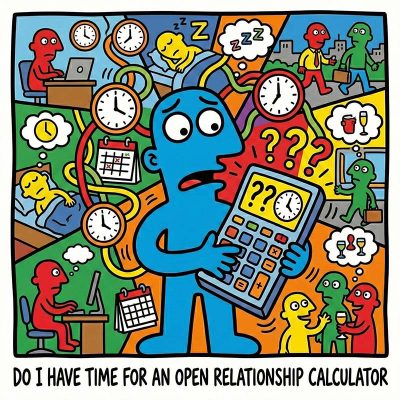
The fantasy is endless romance. The reality? It’s a logistical nightmare. Dating isn't just sex; it’s a second job of swiping, spending, and emotional processing that drains your sanity. Underestimating the "admin" of non-monogamy is the fastest way to turn your relationship into a burnout factory where resentment thrives.
This calculator forces you to confront the brutal math of your time, energy, and wallet. Can you actually afford this lifestyle, or are you just signing up for exhaustion?
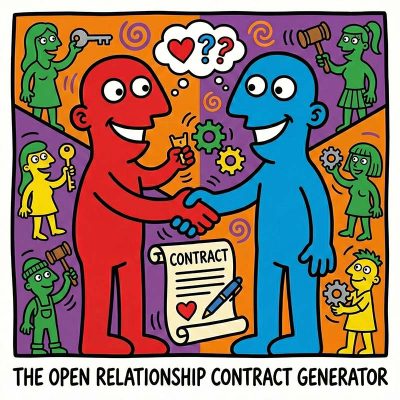
"I thought we agreed" is the sentence that destroys relationships & marriages. Relying on verbal promises when emotions run high is a gamble you cannot afford to lose. Your memory isn't just faulty; it's a liability. Ambiguity is the oxygen that jealousy breathes, turning "freedom" into a minefield of "did I mess up?"
This generator transforms vague permissions into a concrete, signed reality. Stop arguing about what you thought was said and lean on what is written. Secure your boundaries in ink, not hope.
When casual becomes not casual what people notice
Several signals can indicate a shift from casual to something more charged. You might notice changes in time spent with partners, a stronger sense of ownership, or a desire for more transparency than you had before. Some common signs include:
- Thinking about a partner constantly and feeling pulled to know every detail of their life with someone else.
- Feeling unsettled when your partner talks about someone else in a positive way and noticing a compulsion to compare your own experiences.
- Wanting more clarity about where you stand while at the same time feeling uncertain about that clarity.
- Experiencing more intense emotional reactions such as irritation or sadness when a partner spends time with another person.
- Beginning to create rules or expectations that feel more like policing than protecting.
These signals do not mean your dynamics are broken. They are a natural part of evolving connections. The goal is to approach them with honesty, care, and practical steps that keep trust intact.
Common triggers that shift casual to more serious
Understanding what tends to push the mood can help you head off trouble before it grows. Some typical triggers in open relationships include:
- Unequal energy or time availability among partners. When one person spends more time with another, it can feel unbalanced.
- Ambiguity about where you stand. If you do not have clarity about expectations you may fill the gap with worry or speculation.
- Pressure to share details you would rather not. Privacy matters and boundaries around what is shared should be honored.
- Boundary creep. Over time people may push the edges of rules without realizing it.
- Past wounds being reopened. Old trust issues can resurface when new events trigger similar feelings.
Recognizing these triggers means you can address them early and keep the relationship health intact. The aim is to navigate with curiosity rather than accusation.
How to talk about shifting feelings with honesty and care
Communication is the backbone of ENM. When feelings begin to shift it helps to approach conversations in a practical and compassionate way. Here are some techniques you can use in real time conversations.
- Use I statements to own your experience. For example say I am noticing a shift in how I feel when you are with someone else and I want to talk about it without blame.
- Describe concrete examples. Instead of saying you make me feel jealous tell your partner that you felt uneasy when you learned about a late night with another partner.
- Ask for what you need. For instance I would like more time with you this week or I need more updates about what is happening with other people you are seeing.
- Set a specific time for the talk. Choose a moment when you and your partner can speak without pressure or distraction rather than bringing it up in a crowded moment.
- Respect boundaries during the talk. If a partner asks for space or wants to pause the conversation for a day that is a valid boundary and should be honored.
Remember that your aim is connection not control. You want a shared understanding that respects each person including yourself. It is okay to feel unsettled when information changes. Stability can be rebuilt with honest dialogue and clear agreements.
Renegotiating boundaries in a healthy way
Boundaries are living agreements. They can change as feelings change and as life circumstances shift. When you renego tiate boundaries try these tips:
- Start with the most important areas. Identify one or two boundary categories that need attention such as time investment or sexual health practices.
- Make the changes concrete. Replace vague phrases with specific actions. For example set a minimum number of hours per week you want to spend with a primary partner or decide on how many updates you want during each week.
- Get consent from all involved parties. Everyone should agree to the new boundaries and feel comfortable moving forward with them.
- Trial the changes for a set period. A review after a month or two gives you a chance to adjust again if needed.
- Be prepared to compromise. Boundaries are a shared tool and sometimes a small concession from one side helps the relationship as a whole.
Renegotiation is not a sign that the relationship is failing. It is a signal that the relationship is growing and the people involved want it to stay healthy and sustainable.
Managing jealousy and insecurity in ENM dynamics
Jealousy is not a crime and it does not make you a bad person. It is a signal that something matters to you. The goal is not to eliminate jealousy but to manage it in ways that protect your emotional safety.
- Acknowledge the feeling without judgment. Say to yourself this is a moment and it will pass.
- Investigate the thought behind the emotion. Is there a real risk or is fear of loss the driver?
- Communicate with your partner about needs. You might need more reassurance, more transparency, or more space.
- Practice compersion if it fits your values. Allow joy in your partner's happiness even when you feel a twinge inside.
- Use grounding techniques. Breathing exercises, a quick walk, or journaling can reduce intensity in the moment.
Building a toolbox for jealousy takes time. Start with small steps like a quick check in after a date with someone else and gradually expand as you grow more comfortable with the dynamic.
The freedom of an open relationship sounds incredible, but the logistics can feel like holding a grenade. That spinning "what if" anxiety isn't paranoia, it’s your survival instinct warning you that your bond is exposed. "Just seeing what happens" is the fastest way to turn a fantasy into a breakup.
The Essential Guide replaces chaos with discipline. We give you the blueprints, jealousy protocols, and repair scripts needed to explore the edge without falling off. Don't guess. Secure your foundation first.
The world of non-monogamy is a maze of confusing labels. Trying to be "Polyamorous" when your heart actually needs "Swinging" isn't just a vocabulary error; it’s a recipe for misery.
You can't build a stable home on a foundation that doesn't fit your psychology. This tool analyzes your emotional bandwidth and jealousy triggers to design the exact structure you need. Stop trying to squeeze into a box that doesn't fit. Build a relationship that actually feels like home.
Opening up feels exciting, but if you aren't reading from the same script, you're writing a tragedy. The disconnect between "I want freedom" and "I want safety" is where hearts break. This isn't just a quiz; it’s a synchronization engine.
We identify the silent gaps in your desires—from sleepover rules to emotional bandwidth, before they become unbridgeable chasms. Don't wait until the damage is done to find out you were never on the same page. Align your compasses now.
Theory is sexy. Reality is messy. You agreed you could date others, but how does your stomach drop when he takes her to your anniversary spot? Or when she comes home smelling like someone else?
This simulator drags your abstract rules into the harsh light of day. We force you to confront the visceral, gut-wrenching scenarios that actually destroy relationships, before they happen. Test your nervous system in the simulator so you don't crash the car in real life.
The fantasy is endless romance. The reality? It’s a logistical nightmare. Dating isn't just sex; it’s a second job of swiping, spending, and emotional processing that drains your sanity. Underestimating the "admin" of non-monogamy is the fastest way to turn your relationship into a burnout factory where resentment thrives.
This calculator forces you to confront the brutal math of your time, energy, and wallet. Can you actually afford this lifestyle, or are you just signing up for exhaustion?
"I thought we agreed" is the sentence that destroys relationships & marriages. Relying on verbal promises when emotions run high is a gamble you cannot afford to lose. Your memory isn't just faulty; it's a liability. Ambiguity is the oxygen that jealousy breathes, turning "freedom" into a minefield of "did I mess up?"
This generator transforms vague permissions into a concrete, signed reality. Stop arguing about what you thought was said and lean on what is written. Secure your boundaries in ink, not hope.
Practical scenarios and how to handle them
Scenario one: You discover a new partner for your partner and you feel left out
What to do first is slow down. Acknowledge your feelings and set a time for a calm talk with your partner. Share what you felt during the discovery and what you need to feel secure. Your partner should listen without defensiveness. You may agree to a temporary pause on new dating while you work through the feelings or you might agree to more frequent check ins about how things are going. The goal is to rebuild trust while still honoring the open structure of your relationship.
Scenario two: You both have busy schedules and you want more time together
Time pressures can create tension fast. Propose a weekly shared block of time that both of you protect. You can also plan activities that feel meaningful to you as a couple such as a meal together or a weekly movie night. If the other person has a date during that time you can accommodate by adjusting your schedule and ensuring your own needs for closeness are still met in other moments.
Scenario three: You want to date someone but your partner is not ready to share that person
Consent and honesty are non negotiable. If your partner is not comfortable with a particular scenario respect that boundary. You can negotiate a different arrangement such as dating someone privately or waiting until both sides feel ready. If the relationship means a lot to you you may choose to continue with the open model with limited risk or you may decide that a pause is best until you both feel aligned.
Scenario four: You are worried about sexual health and risk
Health and safety come first. When you are navigating a serious dynamic it is wise to agree on regular testing, honesty about results, and transparent conversations about partners and activities. Use protective practices and consider a shared decision about who you see and how you communicate risk related information.
Scenario five: A partner is showing signs of burnout or emotional fatigue
Burnout affects everyone. If a partner feels overwhelmed you may agree to scale back the pace of dating or to pause new connections for a period. Offer practical support and make space for emotions. Revisit the conversation later with a plan that protects both partners needs.
Emotional labor and self care in ENM
Open relationships can demand a lot of emotional energy. You may find yourself juggling conversations with multiple people, handling logistics, and processing inner emotions all at once. It helps to build a daily routine that supports your well being. Consider these practices:
- Regular journaling about your feelings and what you need from each relationship.
- Open and direct communication with all involved partners about what is working and what is not.
- Taking time for rest and personal activities that replenish you outside of relationship work.
- Seeking support from friends who understand non monogamy or from a therapist who knows these dynamics.
- Maintaining boundaries that protect your mental health while staying in the open frame.
Remember you do not have to carry the weight of every conversation alone. Boundary setting and shared rule making are a team effort that can protect your peace and keep your relationships flourishing.
Compassionate boundaries and relationship design
There is a difference between rigid rules and compassionate boundaries. Rigid rules can feel punitive and waste energy. Compassionate boundaries are practical guard rails that protect emotional health and help everyone thrive. When you design a boundary ask these questions:
- What outcome am I hoping to create with this boundary?
- Is the boundary fair and realistic for all people involved?
- Will this boundary protect trust or suppress connection?
- How will we review this boundary and adjust if needed?
Boundaries can include things like how much time is spent with other partners, what information is shared publicly about relationships, and how you discuss past dating experiences with your main partner. The best boundaries feel flexible while still offering clear protection for emotional safety.
Safer sex and health practices in ENM open dynamics
Healthy ENM includes clear agreements around sex and health. You may find yourself creating shared guidelines around testing frequency, contraception, and sexual health disclosure. Decide together which tests are important for your group, who should get tested, and how results are communicated. Use protection consistently and maintain open dialogue about any health concerns as soon as they arise. Staying proactive protects you and everyone you care about.
Compersion and romantic resilience
Compersion is celebrating your partner's happiness with someone else. It can feel strange at first but it is a powerful part of ENM if you choose to cultivate it. It helps to remind yourself of the value you bring to the relationship even when your partner has other connections. It is not a requirement but it can be a positive meaning making muscle that grows with time and honest effort.
Romantic resilience means staying grounded in your own sense of self while remaining flexible about how connections appear in your life. If you build your identity around your capacity to love rather than your visibility in a single relationship you will weather shifts more easily.
Myths about casual turning serious
Here are a few myths we hear often and the truths that help you navigate them with honesty.
- Myth: If you feel more jealousy you must be doing something wrong. Truth: Jealousy is a signal not a verdict. It signals a boundary that needs attention or a need for more reassurance or a clearer arrangement.
- Myth: You must always be happy with open dynamics. Truth: Real life includes a range of feelings and honest communication helps you move through them rather than pretend they do not exist.
- Myth: You should be able to handle anything in ENM without support. Truth: It is smart to seek advice from friends who understand this life or from a therapist who specializes in non monogamy.
- Myth: If you care about someone you must want to merge lives completely. Truth: Deep care does not require fusion of every life. You can have separate but connected paths that honor your needs.
Practical tips for keeping casual feel safe and respectful
These small practical steps help prevent drift into hard to manage territory.
- Have a regular check in with each partner about how the arrangement feels to them.
- Document agreements in a shared and accessible place so you can refer back to them easily.
- Respect privacy. Not every detail needs to be disclosed to every person in your life.
- Prioritize emotional safety and consent in every new connection you pursue.
- Keep a personal practice that includes your own needs as a top priority.
Is this dynamic right for you
Open relationships and ENM can be a powerful path for connection and growth but they are not a fit for everyone. If the idea of multiple relationships brings persistent anxiety, grief, or a sense of unsafe risk you may want to pause and reflect. It is perfectly acceptable to decide that a certain style of relationship is not for you. The most important thing is that you choose a path that aligns with your values and supports your well being. There is no shame in choosing what works for you and your happiness.
Glossary of useful terms and acronyms
- ENM Ethical non monogamy. An approach that allows multiple intimate or sexual connections with mutual consent and clear communication.
- Open relationship A relationship structure in which partners agree to have relationships or sexual encounters with others outside their primary bond.
- Compersion A feeling of joy when a partner experiences positive experiences with someone else.
- NRE New relationship energy. The excitement and liveliness that come with beginning a new connection.
- Jealousy An emotional response to perceived threat to a relationship or to connection with a partner.
- Boundaries Agreements designed to protect emotional safety and meet needs within a relationship.
- Consent An enthusiastic and informed agreement to participate in any activity with another person.
Key tips to remember as you navigate shifting feelings
Keep these guiding ideas close as you explore ENM dynamics and the moment where casual becomes not casual:
- Honesty is the foundation. Always aim for transparent conversations that protect trust among all involved.
- Consent is ongoing. It requires reading the room and inviting input from everyone affected by changes.
- Pause when needed. It is perfectly fine to pause or slow things down to protect your emotional safety.
- Self care matters. Your wellbeing is a priority and it will help you show up clearly for others.
- Flexibility beats rigidity. A rigid rule book can create distance whereas flexible agreements support connection.
Final thoughts about growth in ENM open dynamics
This journey is about learning to love with honesty and courage. It is about noticing what you need, naming it clearly, and asking for it in ways that invite another person to say yes. When casual becomes not casual the fastest path forward is to talk openly, renegotiate boundaries with care, and invite everyone into a shared view of what this relationship can be. You are steering a ship that can bring a lot of joy as long as you keep communicating and keep the safety of everyone involved front and center. You have this. You can handle the feelings that come with growth and keep building connections that matter to you.
FAQ
How do I know if casual has become not casual in an ENM open dynamic
Noticeive signals include a shift in how you feel about boundaries, a fear of losing connection you cannot shake, or a sense of pressure to disclose every detail. If you find yourself obsessing over the other person or feeling a persistent need to monitor others, that is a clear sign to pause and talk with your partners about what is changing and what it means for you.
What is the best way to renegotiate boundaries in an ENM relationship
Start with your core needs and share them calmly. Agree on specific actions that will fulfill those needs such as how much time you spend with each partner or what information you share. Confirm consent from all involved and set a time to review the boundaries after a trial period. Be willing to adjust if needed.
How can I handle jealousy in an ENM situation without hurting my partner
Use honest language and stay focused on your needs rather than attacking your partner. Share what you feel and ask for a specific reassurance or support. Practice self care and consider steps like a short time out if emotions run high. The goal is to remain connected not to push away.
How much time should I expect to spend with each partner in open dynamics
There is no one size fits all answer. The right balance depends on your life, your needs, and the agreements you reach with your partners. Some people allocate primary time with a main partner and also reserve blocks for secondary connections. The key is to clarify expectations and protect time that gives you stability.
Is it possible to be emotionally monogamous while being sexually non monogamous
Yes. Emotional monogamy means your emotional energy and connection primarily focus on a core partner while consented sexual encounters with others are part of your life. It is a valid arrangement if it feels true to you and your partners support it.
How do I talk about shifting feelings when I am afraid of hurting someone
Begin with ownership of your own experience and avoid blaming. Use compassionate language and focus on how you want to preserve the relationship you value. Propose concrete steps to address the feelings and invite your partner to contribute ideas as well.
Should I disclose every dating detail to my main partner
No. Decide together what information supports transparency without eroding trust. Privacy is a valid boundary and some details can remain private if all parties are comfortable with that approach.
What should I do if my partner wants more openness than I do
Respect their wishes and be honest about your own boundaries. You can negotiate a version of openness that works for both of you or you may find a different relationship style that aligns with your needs. It is better to part with honesty than to force a dynamic that is painful for you both.
The freedom of an open relationship sounds incredible, but the logistics can feel like holding a grenade. That spinning "what if" anxiety isn't paranoia, it’s your survival instinct warning you that your bond is exposed. "Just seeing what happens" is the fastest way to turn a fantasy into a breakup.
The Essential Guide replaces chaos with discipline. We give you the blueprints, jealousy protocols, and repair scripts needed to explore the edge without falling off. Don't guess. Secure your foundation first.
The world of non-monogamy is a maze of confusing labels. Trying to be "Polyamorous" when your heart actually needs "Swinging" isn't just a vocabulary error; it’s a recipe for misery.
You can't build a stable home on a foundation that doesn't fit your psychology. This tool analyzes your emotional bandwidth and jealousy triggers to design the exact structure you need. Stop trying to squeeze into a box that doesn't fit. Build a relationship that actually feels like home.
Opening up feels exciting, but if you aren't reading from the same script, you're writing a tragedy. The disconnect between "I want freedom" and "I want safety" is where hearts break. This isn't just a quiz; it’s a synchronization engine.
We identify the silent gaps in your desires—from sleepover rules to emotional bandwidth, before they become unbridgeable chasms. Don't wait until the damage is done to find out you were never on the same page. Align your compasses now.
Theory is sexy. Reality is messy. You agreed you could date others, but how does your stomach drop when he takes her to your anniversary spot? Or when she comes home smelling like someone else?
This simulator drags your abstract rules into the harsh light of day. We force you to confront the visceral, gut-wrenching scenarios that actually destroy relationships, before they happen. Test your nervous system in the simulator so you don't crash the car in real life.
The fantasy is endless romance. The reality? It’s a logistical nightmare. Dating isn't just sex; it’s a second job of swiping, spending, and emotional processing that drains your sanity. Underestimating the "admin" of non-monogamy is the fastest way to turn your relationship into a burnout factory where resentment thrives.
This calculator forces you to confront the brutal math of your time, energy, and wallet. Can you actually afford this lifestyle, or are you just signing up for exhaustion?
"I thought we agreed" is the sentence that destroys relationships & marriages. Relying on verbal promises when emotions run high is a gamble you cannot afford to lose. Your memory isn't just faulty; it's a liability. Ambiguity is the oxygen that jealousy breathes, turning "freedom" into a minefield of "did I mess up?"
This generator transforms vague permissions into a concrete, signed reality. Stop arguing about what you thought was said and lean on what is written. Secure your boundaries in ink, not hope.
