
Online Safety and Privacy

Hey there adventurous reader. If you are exploring open relationships or other forms of ethical non monogamy also known as ENM you probably know the online world is both a playground and a pressure cooker. You want to meet people share your life and protect your privacy at the same time. This guide is built to be your friendly practical companion. We will walk through the real world risks and give you clear steps you can take today. No jargon that loses you in a sea of acronyms. just straight talk and hands on tactics.
Quick Links to Useful Sections
- Who this guide is for
- What ENM means and how it shapes online safety
- Understanding common online risks in ENM relationships
- Doxxing and doxxing risk
- Catfishing and misrepresentation
- Sharing intimate content and consent
- Data footprints and metadata
- Privacy and safety by platform
- Dating apps and open relationship safety
- Social media and openness
- Email and messaging privacy
- Browser safety and digital hygiene
- Device and device owner practices
- Practical privacy practices for ENM
- Boundaries with partners about information sharing
- Managing metamour and network privacy
- Sharing with friends and coworkers
- Notifications and account monitoring routines
- Security tools and routines you can rely on
- Passwords and authentication
- Encryption and secure messaging
- Backups and data minimization
- Incident response and recovery
- Real life scenarios and how to handle them
- Scenario one a new connection asks for a lot of personal data
- Scenario two a partner accidentally shares a private detail in a public forum
- Scenario three metadata reveals your ENM life
- Scenario four a metamour asks to see your partner list
- Glossary of useful terms and acronyms
- Frequently asked questions
Who this guide is for
This guide is for anyone who identifies with or is curious about ethical non monogamy that means ENM and they want to stay safe online while building meaningful connections. If you are new to open relationships you will find basics on privacy boundaries and consent. If you are a seasoned partner caretaker or metamour you will get tools to tighten up safety across multiple connections. We explain terms and acronyms so you can follow along even if you are still learning. We celebrate transparency communication and consent as core values in ENM communities.
What ENM means and how it shapes online safety
ENM stands for ethical non monogamy also written as ethical non monogamy. The idea is simple in practice it involves forming relationships with the knowledge and consent of all involved parties. The online part of ENM often means using apps social media and messaging to connect with current partners and potential partners. The key safety idea is consent plus control over your own information. You should never feel forced to share more than you are comfortable with and you should have clear boundaries that protect your privacy as well as the privacy of others. We will use ENM and open relationships interchangeably in this guide to keep things practical.
The freedom of an open relationship sounds incredible, but the logistics can feel like holding a grenade. That spinning "what if" anxiety isn't paranoia, it’s your survival instinct warning you that your bond is exposed. "Just seeing what happens" is the fastest way to turn a fantasy into a breakup.
The Essential Guide replaces chaos with discipline. We give you the blueprints, jealousy protocols, and repair scripts needed to explore the edge without falling off. Don't guess. Secure your foundation first.
The world of non-monogamy is a maze of confusing labels. Trying to be "Polyamorous" when your heart actually needs "Swinging" isn't just a vocabulary error; it’s a recipe for misery.
You can't build a stable home on a foundation that doesn't fit your psychology. This tool analyzes your emotional bandwidth and jealousy triggers to design the exact structure you need. Stop trying to squeeze into a box that doesn't fit. Build a relationship that actually feels like home.
Opening up feels exciting, but if you aren't reading from the same script, you're writing a tragedy. The disconnect between "I want freedom" and "I want safety" is where hearts break. This isn't just a quiz; it’s a synchronization engine.
We identify the silent gaps in your desires—from sleepover rules to emotional bandwidth, before they become unbridgeable chasms. Don't wait until the damage is done to find out you were never on the same page. Align your compasses now.
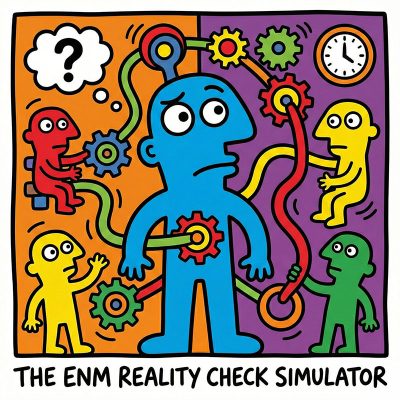
Theory is sexy. Reality is messy. You agreed you could date others, but how does your stomach drop when he takes her to your anniversary spot? Or when she comes home smelling like someone else?
This simulator drags your abstract rules into the harsh light of day. We force you to confront the visceral, gut-wrenching scenarios that actually destroy relationships, before they happen. Test your nervous system in the simulator so you don't crash the car in real life.
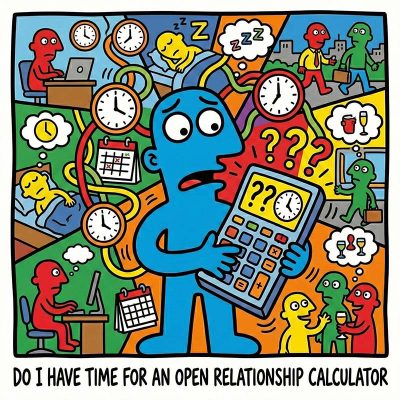
The fantasy is endless romance. The reality? It’s a logistical nightmare. Dating isn't just sex; it’s a second job of swiping, spending, and emotional processing that drains your sanity. Underestimating the "admin" of non-monogamy is the fastest way to turn your relationship into a burnout factory where resentment thrives.
This calculator forces you to confront the brutal math of your time, energy, and wallet. Can you actually afford this lifestyle, or are you just signing up for exhaustion?
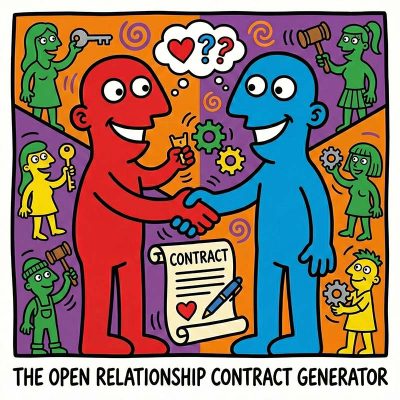
"I thought we agreed" is the sentence that destroys relationships & marriages. Relying on verbal promises when emotions run high is a gamble you cannot afford to lose. Your memory isn't just faulty; it's a liability. Ambiguity is the oxygen that jealousy breathes, turning "freedom" into a minefield of "did I mess up?"
This generator transforms vague permissions into a concrete, signed reality. Stop arguing about what you thought was said and lean on what is written. Secure your boundaries in ink, not hope.
Understanding common online risks in ENM relationships
The online space is full of potential risks for people engaged in ENM dynamics. Understanding these risks helps you spot trouble early and act. Here are the big categories you should know about and practical steps to handle them.
Doxxing and doxxing risk
Doxxing is when someone tries to collect and publish personal information about you with the aim of harming you or pressuring you. That information can include your full name address workplace and other identifying details. In open relationships you may share more information about partners than in monogamous setups which can create new vulnerabilities. Protecting yourself means treating personal data as sensitive and limiting who has access to it. A practical rule is never post identifying information about partners without explicit permission and never share workplace details or home addresses in public spaces online. If you run a public blog or social media account you should use privacy focused practices and separate accounts or avatars for different parts of your life to reduce the risk of cross linking personal details.
Catfishing and misrepresentation
Sharing intimate content and consent
Data footprints and metadata
Privacy and safety by platform
Dating apps and open relationship safety
Social media and openness
Email and messaging privacy
Browser safety and digital hygiene
Device and device owner practices
Practical privacy practices for ENM
Boundaries with partners about information sharing
Managing metamour and network privacy
Sharing with friends and coworkers
Notifications and account monitoring routines
Security tools and routines you can rely on
Passwords and authentication
Encryption and secure messaging
Backups and data minimization
Incident response and recovery
Real life scenarios and how to handle them
Scenario one a new connection asks for a lot of personal data
Scenario two a partner accidentally shares a private detail in a public forum
Scenario three metadata reveals your ENM life
Scenario four a metamour asks to see your partner list
Glossary of useful terms and acronyms
- ENM Ethical non monogamy a framework involving honesty consent and communication across multiple relationships.
- Open relationship A relationship where partners allow each other to have romantic or sexual relationships with others outside the primary partnership.
- Polyamory A form of ENM where individuals have more than one romantic relationship with the consent of everyone involved.
- Metamour A partner of your partner who you may know or may not know personally.
- Compersion The feeling of happiness when a partner experiences joy through another relationship.
- Two factor authentication A security step that requires two forms of verification to access an account.
- End to end encryption A secure method of communication that prevents anyone except the communicating users from reading the messages.
- Data footprint The digital trail left by your online activities including posts messages and interactions.
- Metadata Data about data that can reveal when where or how something occurred without sharing the content itself.
- Privacy by design Building privacy into products from the start rather than as an afterthought.
- Consent An agreement given freely with informed understanding of what is being shared or done.
- Doxxing The act of collecting and sharing private information about someone to harm or pressure them.
Frequently asked questions
What does ENM stand for and why is it important for online safety
ENM stands for ethical non monogamy. It describes a range of relationship styles that involve openness and consent across multiple connections. Online safety is important in ENM because more people and more platforms can increase the risk of privacy breaches and miscommunication. Understanding consent boundaries and controls helps you navigate online life with confidence.
How can I protect myself from doxxing in ENM circles
What should I do if a partner shares sensitive information without permission
Are there specific tips for dating apps used in ENM
How can I safely share content with multiple partners
What is the best way to handle online privacy if I have multiple devices
The freedom of an open relationship sounds incredible, but the logistics can feel like holding a grenade. That spinning "what if" anxiety isn't paranoia, it’s your survival instinct warning you that your bond is exposed. "Just seeing what happens" is the fastest way to turn a fantasy into a breakup.
The Essential Guide replaces chaos with discipline. We give you the blueprints, jealousy protocols, and repair scripts needed to explore the edge without falling off. Don't guess. Secure your foundation first.
The world of non-monogamy is a maze of confusing labels. Trying to be "Polyamorous" when your heart actually needs "Swinging" isn't just a vocabulary error; it’s a recipe for misery.
You can't build a stable home on a foundation that doesn't fit your psychology. This tool analyzes your emotional bandwidth and jealousy triggers to design the exact structure you need. Stop trying to squeeze into a box that doesn't fit. Build a relationship that actually feels like home.
Opening up feels exciting, but if you aren't reading from the same script, you're writing a tragedy. The disconnect between "I want freedom" and "I want safety" is where hearts break. This isn't just a quiz; it’s a synchronization engine.
We identify the silent gaps in your desires—from sleepover rules to emotional bandwidth, before they become unbridgeable chasms. Don't wait until the damage is done to find out you were never on the same page. Align your compasses now.
Theory is sexy. Reality is messy. You agreed you could date others, but how does your stomach drop when he takes her to your anniversary spot? Or when she comes home smelling like someone else?
This simulator drags your abstract rules into the harsh light of day. We force you to confront the visceral, gut-wrenching scenarios that actually destroy relationships, before they happen. Test your nervous system in the simulator so you don't crash the car in real life.
The fantasy is endless romance. The reality? It’s a logistical nightmare. Dating isn't just sex; it’s a second job of swiping, spending, and emotional processing that drains your sanity. Underestimating the "admin" of non-monogamy is the fastest way to turn your relationship into a burnout factory where resentment thrives.
This calculator forces you to confront the brutal math of your time, energy, and wallet. Can you actually afford this lifestyle, or are you just signing up for exhaustion?
"I thought we agreed" is the sentence that destroys relationships & marriages. Relying on verbal promises when emotions run high is a gamble you cannot afford to lose. Your memory isn't just faulty; it's a liability. Ambiguity is the oxygen that jealousy breathes, turning "freedom" into a minefield of "did I mess up?"
This generator transforms vague permissions into a concrete, signed reality. Stop arguing about what you thought was said and lean on what is written. Secure your boundaries in ink, not hope.
