
Processing Feelings After First Experiences

Trying something new with romance and dating can be exciting and scary at the same time. If you are exploring ethically non monogamous dynamics or an open relationship for the first time you may notice a flood of feelings wash in at once. This guide is built to help you process those emotions in a practical down to earth way. We will explain common terms and give you real world tips to stay connected with your partner while exploring new connections.
Quick Links to Useful Sections
- What ENM means and what open relationships look like
- Key terms you will hear
- First experiences in open relationships and ENM
- Common emotions after first experiences
- How to process feelings in practical steps
- Step one create room for honesty
- Step two identify your needs
- Step three practice joint processing
- Step four create a plan with boundaries
- Step five practice self care
- Step six revisit and revise
- Real world scenarios and how to handle them
- Scenario 1 a date with a new person and you feel left out
- Scenario 2 concerns about safety and consent
- Scenario 3 jealousy turns into resentment
- Scenario 4 feedback and communication gaps
- Practical tips for conversations after first ENM experiences
- The boundaries conversation in ENM open relationships
- Self care and mental health in ENM journeys
- Glossary of useful terms and acronyms
- Frequently asked questions
In this guide we focus on the open relationship dynamic within ethically non monogamous life styles often called ENM. ENM stands for ethically non monogamous. That phrase means partners agree to pursue connections with other people in a way that values consent communication and safety. We will keep terms clear and explained because understanding the language is the first step to feeling more confident about the journey ahead.
What ENM means and what open relationships look like
Ethically non monogamous is a big umbrella. There are many ways people choose to relate to each other beyond the standard two person relationship. An open relationship is a common form where partners agree that dating or having sex with others is allowed under agreed rules. The open relationship mindset emphasizes open communication honest consent and showing up for your partner even when the dynamic changes. To keep things practical think of ENM as a broad category and an open relationship as one specific setup within that category.
Key terms you will hear
- ENM Ethically non monogamous a relationship approach where more than two people are involved with everyone consenting.
- Open relationship A relationship style that explicitly allows dating or sexual experiences with others outside the primary partnership under agreed guidelines.
- Primary partner The person who has a primary commitment in a relationship either by agreement or by the way the couple structures time and resources.
- Secondary partner A partner who is not the primary but still has a meaningful relationship with you or your primary partner.
- Compersion The feeling of happiness when your partner experiences joy or pleasure with someone else.
- Jealousy A natural emotion that can show up when we fear losing affection time or attention from someone important to us.
- Boundaries The rules the couple or group agrees on to keep everyone safe and comfortable.
- Consent Clear and enthusiastic agreement from all involved parties before any activity begins.
- Safe sex Practices that reduce risks of sexually transmitted infections and unwanted pregnancies.
- Communication check in A planned moment to openly share feelings concerns and updates about the relationship.
First experiences in open relationships and ENM
Stepping into first experiences in an ENM open relationship can bring a mix of energy romance worry and curiosity. You may feel excited and nervous at the same time. That blend is normal. The first experiences set a tone but they do not define whether ENM will work for you in the long run. The aim is to discover what makes you feel safe loved and connected while exploring beyond the familiar two person dynamic.
Think about how you want to begin. Some people jump in with a single new connection while others prefer a gradual approach starting with casual dating or friendly connections. The path you choose should feel right for you and for your partner. It is okay to start slow and recalibrate as you learn more about yourself and your needs.
Common emotions after first experiences
After the first experiences in an open relationship you might notice a wave of feelings. You might feel thrilled and proud about stepping into new territory. You could also feel unsettled or insecure when you compare yourself to others or when your partner shares time with someone else. You may experience relief when you realize your needs are being met in new ways. It is also possible to feel overwhelmed by the complexity of juggling time energy and expectations. Each person processes differently and that is completely normal.
Let us break down a few emotions you may encounter and what they can mean in the ENM context.
- Excitement The thrill of exploring new connections and expanding your romantic world.
- Curiosity An interest in learning about different relationship styles and your own boundaries.
- Fear Worries about being replaced or about losing your partner s attention.
- Insecurity Doubts about your own desirability or about capacity to satisfy your partner emotionally or physically.
- Relief A sense that the relationship is resilient and adaptable when boundaries are respected.
- Guilt Feelings tied to personal values or to jealousy that may clash with your own beliefs about open relationships.
- Confusion Uncertainty about what you want next or how to communicate what you need.
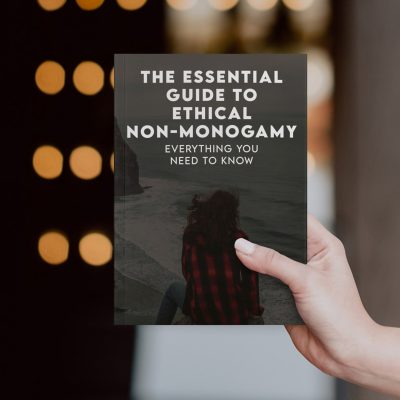
The freedom of an open relationship sounds incredible, but the logistics can feel like holding a grenade. That spinning "what if" anxiety isn't paranoia, it’s your survival instinct warning you that your bond is exposed. "Just seeing what happens" is the fastest way to turn a fantasy into a breakup.
The Essential Guide replaces chaos with discipline. We give you the blueprints, jealousy protocols, and repair scripts needed to explore the edge without falling off. Don't guess. Secure your foundation first.
The world of non-monogamy is a maze of confusing labels. Trying to be "Polyamorous" when your heart actually needs "Swinging" isn't just a vocabulary error; it’s a recipe for misery.
You can't build a stable home on a foundation that doesn't fit your psychology. This tool analyzes your emotional bandwidth and jealousy triggers to design the exact structure you need. Stop trying to squeeze into a box that doesn't fit. Build a relationship that actually feels like home.
Opening up feels exciting, but if you aren't reading from the same script, you're writing a tragedy. The disconnect between "I want freedom" and "I want safety" is where hearts break. This isn't just a quiz; it’s a synchronization engine.
We identify the silent gaps in your desires—from sleepover rules to emotional bandwidth, before they become unbridgeable chasms. Don't wait until the damage is done to find out you were never on the same page. Align your compasses now.
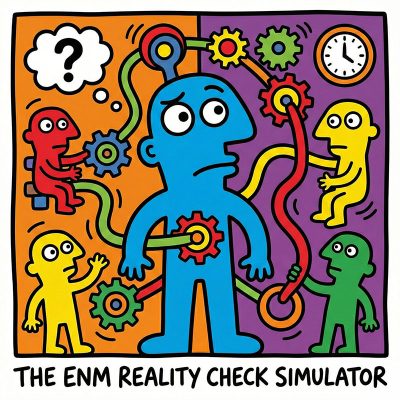
Theory is sexy. Reality is messy. You agreed you could date others, but how does your stomach drop when he takes her to your anniversary spot? Or when she comes home smelling like someone else?
This simulator drags your abstract rules into the harsh light of day. We force you to confront the visceral, gut-wrenching scenarios that actually destroy relationships, before they happen. Test your nervous system in the simulator so you don't crash the car in real life.
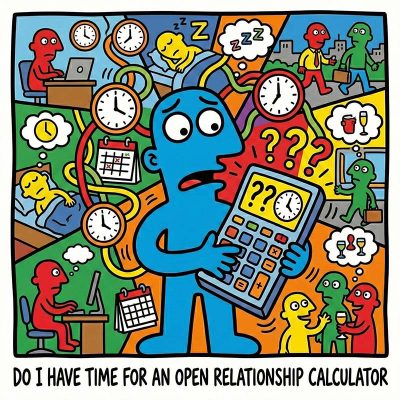
The fantasy is endless romance. The reality? It’s a logistical nightmare. Dating isn't just sex; it’s a second job of swiping, spending, and emotional processing that drains your sanity. Underestimating the "admin" of non-monogamy is the fastest way to turn your relationship into a burnout factory where resentment thrives.
This calculator forces you to confront the brutal math of your time, energy, and wallet. Can you actually afford this lifestyle, or are you just signing up for exhaustion?
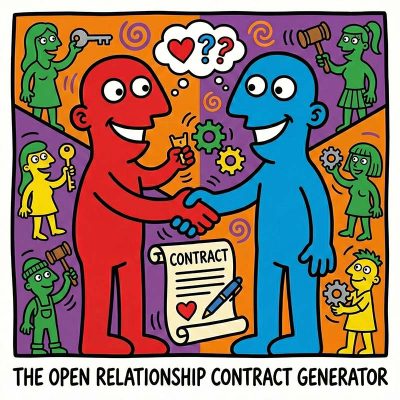
"I thought we agreed" is the sentence that destroys relationships & marriages. Relying on verbal promises when emotions run high is a gamble you cannot afford to lose. Your memory isn't just faulty; it's a liability. Ambiguity is the oxygen that jealousy breathes, turning "freedom" into a minefield of "did I mess up?"
This generator transforms vague permissions into a concrete, signed reality. Stop arguing about what you thought was said and lean on what is written. Secure your boundaries in ink, not hope.
How to process feelings in practical steps
Processing feelings in ENM open relationships is not about suppressing emotions but about channeling them into constructive dialogue with your partner and into personal growth. The following steps are designed to be practical and repeatable so you can revisit them as your journey continues.
Step one create room for honesty
Honesty means being willing to name feelings even when they are uncomfortable. Start with a simple approach. Use I statements to own your emotions. For example I feel a bit overwhelmed when I hear about a new date and I want to talk about how we can support each other. This kind of language keeps the focus on your experience rather than on blame.
Step two identify your needs
After you name the emotion identify what you truly need what would help you feel secure and connected. It could be more time together it could be a structured check in or it could be agreeing on a soft boundary for limited time with new partners. The goal is to translate emotion into a concrete request you can discuss with your partner.
Step three practice joint processing
Set up a time to talk that works for both people. Use a calm tone and avoid interruptions. Listen as your partner shares their experience and perspective. Reflect back what you heard and confirm you understand before replying with your own point of view. The aim is not to win a debate but to reach mutual understanding and a plan you both can live with.
Step four create a plan with boundaries
Boundaries reduce friction and create predictability. They can cover things like how often you are allowed to date someone else what activities require a specific level of safety or how you will handle time with your primary partner versus secondary partners. Be clear about what is negotiable and what is non negotiable. A boundary should feel fair and practical not punitive.
Step five practice self care
Processing emotion requires energy. Make time for sleep nutritious food exercise and activities that help you decompress. Self care can include journaling meditating time with friends or a calming hobby. When you take care of yourself you tend to bring more calm and clarity into your conversations and decisions.
Step six revisit and revise
Your needs can evolve over time. Set a routine to revisit boundaries and agreements every few weeks or after a significant event like starting a new relationship or experiencing a major life change. Adjustments are a natural part of ENM and part of maintaining trust and alignment with your partner.
Real world scenarios and how to handle them
Seeing real life situations can help you prepare for how you might respond when feelings arise. Here are a few common scenarios seen in ENM open relationships and practical ways to respond.
Scenario 1 a date with a new person and you feel left out
It is normal to feel left out when your partner goes on a date with someone new. Start with a calm check in after the date. Share that you enjoyed hearing about the experience but you also felt a twinge of jealousy. Propose a short debrief later in the day or the next day to talk through what you each want in terms of communication and schedule. A simple plan can be I would like to hear a short summary tomorrow and perhaps a quick check in after the date let us find a rhythm that suits us both.
Scenario 2 concerns about safety and consent
Consent is ongoing and can be re evaluated at any time. If you have concerns about safety or boundaries arrange a dedicated time to talk and review what has changed. Ask questions and provide clear information about what you expect. Safety is not about policing others it is about ensuring everyone involved is respected and protected.
Scenario 3 jealousy turns into resentment
Jealousy can lead to resentment if it is not addressed. Acknowledge the feeling and explore the root cause. Is it about time quality or an event that triggered a memory. Work on a specific request such as a dedicated weekly date night or a scheduled time to connect. If the feeling continues consider speaking with a therapist or a support group that is familiar with ENM dynamics.
Scenario 4 feedback and communication gaps
Communication gaps can cause misinterpretations about intentions. Meet with your partner and agree on a more explicit check in routine. Use concrete questions like How are you feeling about our arrangement today What is one thing that would help you feel more secure this week. Open ended questions invite honest responses and reduce misunderstandings.
Practical tips for conversations after first ENM experiences
Conversations in ENM are a core tool for maintaining trust. Here are practical tips designed to keep talks productive and compassionate.
- Choose a good time and place where you both feel safe and unhurried.
- Lead with your own feelings using I statements rather than blaming language.
- Ask open questions to invite your partner to share their experience and perspective.
- Summarize what you heard to confirm alignment and reduce miscommunication.
- End with a specific plan or next steps that you both commit to trying.
The boundaries conversation in ENM open relationships
Boundaries are the guardrails that protect your emotional safety while exploring new connections. Boundaries can be about who you date where you meet or how you talk about others with your partner. They can also include expectations about how you handle pornography texting or social media interactions regarding other relationships. Boundaries are not about control they are about mutual care and clear expectations. Revisit boundaries regularly to ensure they still serve both partners.
Self care and mental health in ENM journeys
ENM journeys can be emotionally demanding especially in the early stages. Prioritize self care and mental health and do not hesitate to seek professional support if needed. A therapist who understands ethical non monogamy can be a valuable ally in navigating feelings and relationship dynamics. Self care strategies include maintaining social connections spending time on hobbies that nourish you and practicing stress reduction techniques like mindfulness or gentle exercise. Remember that you are not alone and that many couples successfully create thriving open relationships through patient work and honest communication.
Glossary of useful terms and acronyms
- ENM Ethically non monogamous a relationship style where more than two people are involved with consent and boundaries in place.
- Open relationship A form of ENM where partners allow dating or sexual experiences with others under agreed guidelines.
- Polyamory A broad term for loving more than one person at a time with everyone's knowledge and consent.
- Primary partner The partner who holds the central place in the relationship structure.
- Secondary partner Partners who are not primary but still have meaningful connections.
- Compersion Joy felt when your partner experiences happiness with someone else.
- Jealousy An emotion tied to fear of loss or inadequacy often triggered by new connections.
- Boundaries Agreed lines that protect comfort safety and consent for all involved.
- Consent Clear voluntary agreement to participate in an activity after being informed about it.
- Safe sex Practices that reduce risks of sexually transmitted infections and unintended pregnancies.
- Communication check in A planned moment to discuss feelings needs and boundaries with your partner.
- OSO One sentence in this glossary means One secondary partner in some communities often used to describe non primary connections.
Frequently asked questions
What is ENM and how does it differ from polyamory
ENM stands for ethically non monogamous. It describes a broad approach to relationships where honesty consent and boundaries are prioritized while pursuing connections outside the primary partnership. Polyamory is a specific type within ENM where people love multiple partners simultaneously with full awareness and consent from everyone involved.
How should I process jealousy after first ENM experiences
Jealousy is a signal not a failure. Name the feeling and identify what is causing it. Talk with your partner about a practical adjustment such as spending more time together or re evaluating boundaries. Consider writing down your thoughts or speaking with a therapist who understands ENM dynamics.
What if I feel left out or insecure
Acknowledge the feeling and share it with your partner in a calm moment. Request a specific action such as a longer date night a quick daily check in or a clear description of plans with others. Small consistent steps build confidence over time.
How do you approach a conversation about boundaries after first experiences
Start by stating your current needs and invite your partner to share theirs. Focus on practical outcomes such as how often you will see new partners what safety practices are in place and how you will communicate about new connections. Revisit boundaries after a few weeks to adjust as needed.
Is compersion real and how can I cultivate it
Compersion is a real emotional experience for many people. It grows with empathy patience and shared vulnerability. Practices that help include celebrating your partner s joy asking questions about their experiences and building trust through regular open conversations.
What should I do if I worry we are growing apart
Schedule a dedicated check in to discuss the relationship health and future plans. Share what you fear and listen to your partner s perspective. It may help to set concrete milestones like a certain amount of time spent together every week or a review of life goals to ensure alignment.
How do we handle safety and sexual health
Make safety a routine part of your conversations. Discuss STI testing frequency contraception options and how you will share results with each other. Use barrier methods when appropriate and stay informed about each other s sexual health status. Regular testing reduces risk and builds trust.
Should I tell friends and family about my ENM journey
Decide what you want to share based on your own safety and comfort. Some people choose to be open with close trusted friends whereas others keep it private. If you do share keep the focus on your experiences and the values behind your choices rather than sensational details.
How long does it take to adapt to ENM dynamics
Adaption takes time and it varies by person. Some couples find a stable rhythm within a few months while others move more slowly. Consistent communication and mutual respect speed up the process but patience is often a critical element.
The freedom of an open relationship sounds incredible, but the logistics can feel like holding a grenade. That spinning "what if" anxiety isn't paranoia, it’s your survival instinct warning you that your bond is exposed. "Just seeing what happens" is the fastest way to turn a fantasy into a breakup.
The Essential Guide replaces chaos with discipline. We give you the blueprints, jealousy protocols, and repair scripts needed to explore the edge without falling off. Don't guess. Secure your foundation first.
The world of non-monogamy is a maze of confusing labels. Trying to be "Polyamorous" when your heart actually needs "Swinging" isn't just a vocabulary error; it’s a recipe for misery.
You can't build a stable home on a foundation that doesn't fit your psychology. This tool analyzes your emotional bandwidth and jealousy triggers to design the exact structure you need. Stop trying to squeeze into a box that doesn't fit. Build a relationship that actually feels like home.
Opening up feels exciting, but if you aren't reading from the same script, you're writing a tragedy. The disconnect between "I want freedom" and "I want safety" is where hearts break. This isn't just a quiz; it’s a synchronization engine.
We identify the silent gaps in your desires—from sleepover rules to emotional bandwidth, before they become unbridgeable chasms. Don't wait until the damage is done to find out you were never on the same page. Align your compasses now.
Theory is sexy. Reality is messy. You agreed you could date others, but how does your stomach drop when he takes her to your anniversary spot? Or when she comes home smelling like someone else?
This simulator drags your abstract rules into the harsh light of day. We force you to confront the visceral, gut-wrenching scenarios that actually destroy relationships, before they happen. Test your nervous system in the simulator so you don't crash the car in real life.
The fantasy is endless romance. The reality? It’s a logistical nightmare. Dating isn't just sex; it’s a second job of swiping, spending, and emotional processing that drains your sanity. Underestimating the "admin" of non-monogamy is the fastest way to turn your relationship into a burnout factory where resentment thrives.
This calculator forces you to confront the brutal math of your time, energy, and wallet. Can you actually afford this lifestyle, or are you just signing up for exhaustion?
"I thought we agreed" is the sentence that destroys relationships & marriages. Relying on verbal promises when emotions run high is a gamble you cannot afford to lose. Your memory isn't just faulty; it's a liability. Ambiguity is the oxygen that jealousy breathes, turning "freedom" into a minefield of "did I mess up?"
This generator transforms vague permissions into a concrete, signed reality. Stop arguing about what you thought was said and lean on what is written. Secure your boundaries in ink, not hope.
