
Questions to Ask Before You Open a Relationship

Welcome to a practical playbook for Ethical Non Monogamy or ENM. If you are here you are probably curious about opening a relationship or you already feel the pull to explore more connections while keeping your current bond strong. The Monogamy Experiment is about honest talk practical steps and real world guidance. We explain terms so nothing hangs in the air and we give you concrete questions you can actually use with your partner. Let us break down what you need to talk through before you take the leap into open relationships.
Quick Links to Useful Sections
- What does ENM really mean and why talk about it before opening up
- Why you should ask questions before opening a relationship
- Fundamental terms you should know before you start
- Key areas to discuss before opening your relationship
- Personal readiness
- Relationship goals and expectations
- Communication norms
- Boundaries and limits
- Time management and scheduling
- Sexual health and safety
- Disclosure and privacy
- Emotional boundaries and jealousy management
- Handling changes together
- Practical questions to ask when you are starting to meet others
- About dating dynamics and potential partner types
- How to approach conversations with your partner
- Sample conversation starters you can copy or tailor
- Realistic expectations for the first year in an ENM setup
- Red flags that should trigger a pause or renegotiation
- Practical tools to support healthy ENM living
- A short glossary of terms and acronyms you may see
- Frequently asked questions
First a quick note about terms you may hear. ENM stands for Ethical Non Monogamy. That is a broad umbrella that includes open relationships polyamory swinging and other flexible patterns. Under ENM the core idea is consent open communication and negotiated boundaries rather than default rules. You might also hear phrases like primary partner versus secondary partner or polyamorous versus polyfidelity. We will explain them as we go so you have a practical understanding you can apply in real life rather than getting lost in labels.
What does ENM really mean and why talk about it before opening up
Ethical Non Monogamy is not a free for all it is a structured approach to relationships that invites honesty consent and ongoing negotiation. There is no single correct path in ENM because every couple or group can set their own rules. The core idea is that all parties agree to the arrangement and keep communication lines open. If you want to open a relationship you want to make sure you are aligned on a few big things before you start meeting other people. That alignment saves time avoids miscommunication and reduces the chance of hurt feelings later on. In short you will be more prepared to handle the awkward moments and the exciting moments with your eyes open and your intentions clear.
Why you should ask questions before opening a relationship
Open relationships come with benefits like more emotional or sexual variety and a sense of growth. They also come with challenges such as jealousy time management and the risk of miscommunication. Asking the right questions ahead of time helps you map out how you will handle those challenges and what you expect from each other. It gives you a shared language a framework for discussing new partners and a plan for how you will protect your emotional well being and your physical health. The goal is not to avoid risk but to manage risk through careful discussion and thoughtful agreement.
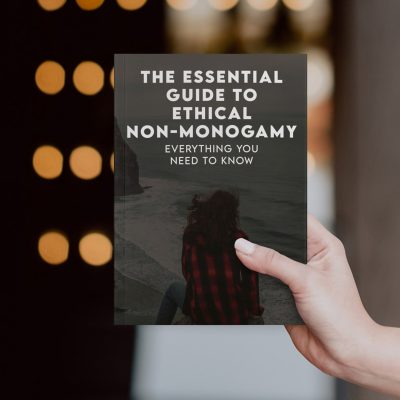
The freedom of an open relationship sounds incredible, but the logistics can feel like holding a grenade. That spinning "what if" anxiety isn't paranoia, it’s your survival instinct warning you that your bond is exposed. "Just seeing what happens" is the fastest way to turn a fantasy into a breakup.
The Essential Guide replaces chaos with discipline. We give you the blueprints, jealousy protocols, and repair scripts needed to explore the edge without falling off. Don't guess. Secure your foundation first.
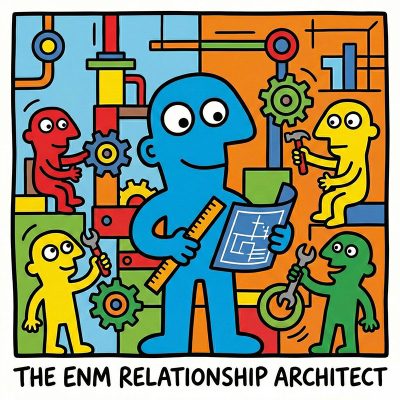
The world of non-monogamy is a maze of confusing labels. Trying to be "Polyamorous" when your heart actually needs "Swinging" isn't just a vocabulary error; it’s a recipe for misery.
You can't build a stable home on a foundation that doesn't fit your psychology. This tool analyzes your emotional bandwidth and jealousy triggers to design the exact structure you need. Stop trying to squeeze into a box that doesn't fit. Build a relationship that actually feels like home.
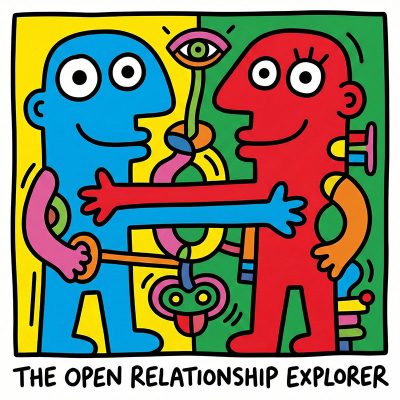
Opening up feels exciting, but if you aren't reading from the same script, you're writing a tragedy. The disconnect between "I want freedom" and "I want safety" is where hearts break. This isn't just a quiz; it’s a synchronization engine.
We identify the silent gaps in your desires—from sleepover rules to emotional bandwidth, before they become unbridgeable chasms. Don't wait until the damage is done to find out you were never on the same page. Align your compasses now.
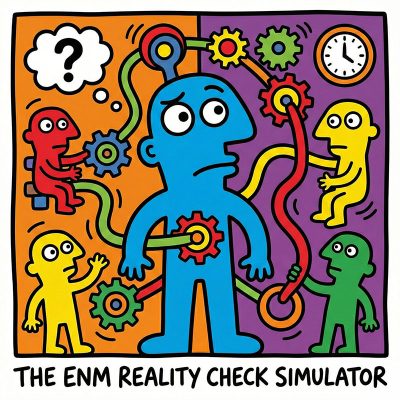
Theory is sexy. Reality is messy. You agreed you could date others, but how does your stomach drop when he takes her to your anniversary spot? Or when she comes home smelling like someone else?
This simulator drags your abstract rules into the harsh light of day. We force you to confront the visceral, gut-wrenching scenarios that actually destroy relationships, before they happen. Test your nervous system in the simulator so you don't crash the car in real life.
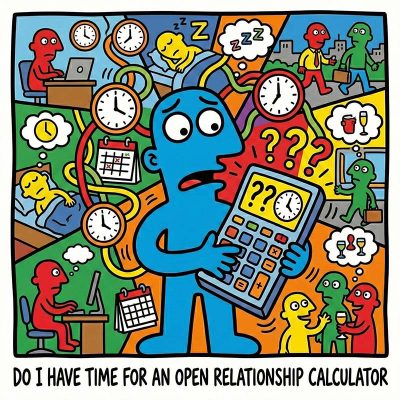
The fantasy is endless romance. The reality? It’s a logistical nightmare. Dating isn't just sex; it’s a second job of swiping, spending, and emotional processing that drains your sanity. Underestimating the "admin" of non-monogamy is the fastest way to turn your relationship into a burnout factory where resentment thrives.
This calculator forces you to confront the brutal math of your time, energy, and wallet. Can you actually afford this lifestyle, or are you just signing up for exhaustion?
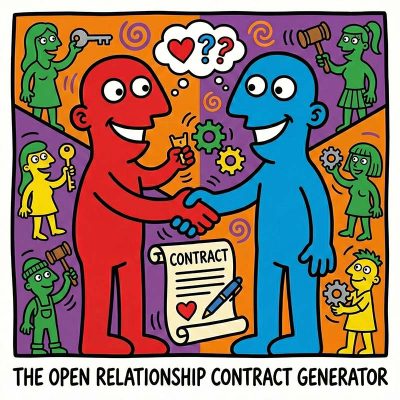
"I thought we agreed" is the sentence that destroys relationships & marriages. Relying on verbal promises when emotions run high is a gamble you cannot afford to lose. Your memory isn't just faulty; it's a liability. Ambiguity is the oxygen that jealousy breathes, turning "freedom" into a minefield of "did I mess up?"
This generator transforms vague permissions into a concrete, signed reality. Stop arguing about what you thought was said and lean on what is written. Secure your boundaries in ink, not hope.
Fundamental terms you should know before you start
We will keep the definitions practical so you can use them in conversations with your partner. If a term feels unclear ask for a quick example until it makes sense for your life.
- Ethical Non Monogamy ENM A relationship approach where people agree to dating or forming connections outside their primary relationship with consent and clear boundaries.
- Open relationship A configuration where partners allow romantic or sexual interactions with others outside the couple according to agreed rules.
- Polyamory The practice of having more than one loving relationship simultaneously with everyone aware and consenting.
- Primary partner The person who holds a central or long term place in your life whether emotionally or practically.
- Secondary partner A relationship that is important but not the central or primary connection in your life.
- Compersion The feeling of joy when your partner experiences happiness with someone else rather than jealousy.
- Jealousy A natural response to perceived threat or comparison; it can be a signal to discuss needs and boundaries rather than a reason to shut down.
- Boundaries Rules you and your partner set to protect your well being and to define what is allowed or not allowed in the open part of the relationship.
- Consent Ongoing voluntary agreement to participate in an activity with full knowledge of what is involved.
- STI testing Sexually transmitted infection testing to keep all parties safe and healthy; a practical routine depending on your activities.
Key areas to discuss before opening your relationship
Use this checklist as a guide for your conversations. It is not about ticking boxes it is about honestly sharing where you are and what you need. Be ready to pause and revisit topics as feelings evolve. You want clarity not pressure to perform or rush a decision.
Personal readiness
Ask yourselves if you feel emotionally prepared for someone else in the mix. Do you want to pursue new connections for curiosity growth or companionship? Are you open to dealing with complicated emotions and the time commitment that goes with adding new people into your life?
- Are both partners fully on board or is one person pushing for change because of fear or insecurity?
- What fears or concerns do you each have about opening the relationship and how will you address them?
- How will you handle changes in your own mental or emotional health that may happen during this process?
Relationship goals and expectations
Clarify what you want from the arrangement and what counts as success. Different people want different outcomes and that is okay as long as you talk it through.
- Do you want non exclusive dating or a more parallel approach where you only see others in shared contexts?
- Are you hoping for new friendships a long term relationship with others or casual connections?
- What does closeness look like for each of you and where do you draw firm boundaries?
Communication norms
Open relationships thrive on honest open communication. Decide how you will talk about your experiences who you will tell and how you will handle difficult information.
- What will be the channel for updates text calls in person or a shared space like a journal?
- How often will you check in about how the arrangement is working for you?
- What triggers a renegotiation and how will you signal that you need a talk?
Boundaries and limits
Boundaries are the consent you give yourselves. They may evolve but starting with clear limits reduces confusion and protects your core bond.
- What sexual activities are within the open part of your life and which are off limits?
- Are there places or people you would or would not want your partner to see or date?
- What information about new partners is okay to share and what should stay private?
Time management and scheduling
Life is busy. The best open relationships establish a practical system to balance time with a primary partner and time with others.
- How will you allocate date nights and intimate time along with existing responsibilities?
- What happens if a new person demands more attention than expected or if you feel overwhelmed?
- Do you want to avoid overlapping dates or is some overlap okay as you both adjust?
Sexual health and safety
Safety keeps relationships healthy. You want reliable practices that protect everyone involved.
- What STI testing schedule will you commit to and who pays if tests reveal a concern?
- What safer sex practices will you use and how will you document or communicate changes?
- Will you disclose sexual health information about new partners and how will that disclosure occur?
Disclosure and privacy
Decide how much information you want to share with friends family or certain circles.
- Will you tell children or family about your ENM life or keep it private?
- How will you handle social media posts about your open life especially when a new partner is involved?
- Do you want to keep a public version of your life and a private one or is transparency the default?
Emotional boundaries and jealousy management
Jealousy is a normal part of opening a relationship. The goal is not to eliminate it but to manage it with grace and practical steps.
- What signals of jealousy or discomfort will you treat as red flags that require a check in?
- What coping strategies will you use when jealousy appears such as time alone with your partner or venting in a healthy way?
- How will you celebrate your partner s happiness when they are with someone else even if you feel a twinge of envy?
Handling changes together
Relationships evolve. You want a plan for renegotiation and growth rather than a dramatic ride with no brakes.
- What will trigger a formal renegotiation meeting and how often will you have them even if nothing big is happening?
- What happens if one person wants to scale up and the other wants to slow down or pause?
- What are your exit ramps if the arrangement stops feeling good for either of you?
Practical questions to ask when you are starting to meet others
Opening up means you will meet new people. The aim is to protect you all while staying curious and respectful.
- How will you introduce your open life to future partners and what do you want to share upfront?
- What type of connections are you seeking with others and what is off limits with new partners?
- How will you coordinate safety health and consent with any potential partner?
- What informs your decision to continue pursue a relationship with a new person or to withdraw?
About dating dynamics and potential partner types
Be honest about the kinds of relationships you are open to. This helps prevent misaligned expectations with new partners.
- Are you seeking long term connections short term flings or friendships with a romantic element?
- Would you ever pursue a polyamorous triad a V shaped arrangement or a network of separate relationships?
- How will you handle romance boundaries if your new partner develops deeper feelings for one of you?
How to approach conversations with your partner
The first talks should be calm careful and as concrete as possible. Here are ways to frame conversations that keep heat low and collaboration high.
- Use specific questions rather than general statements so you can map out agreements clearly.
- Take breaks if emotions run hot and come back with fresh notes or a new framing of the topic.
- Document your agreements in a simple living document or a shared note so you can revisit it later.
- Agree on a trial period after which you will review the arrangement and adjust as needed.
Sample conversation starters you can copy or tailor
Starting is the hardest part sometimes. Here are gentle but direct scripts you can adapt to your voice.
- Hey I am curious about how you would feel if we both started dating other people. What would you need from me to feel safe and excited about that?
- What does a healthy break from the new dynamic look like for you and how would we recognize it when it happens?
- What is the most important boundary you want to keep even as we explore new connections?
- How do you want to handle sharing information about a new partner with family or friends who know about us?
Realistic expectations for the first year in an ENM setup
Be gentle with yourselves. The first year is often a learning curve where you test limits and discover new patterns. Expect some friction but also opportunities for growth. You might notice that some plans work beautifully while others need tweaking. The key is to stay connected to the core relationship while you explore. Expect conversations about boundaries to continue to evolve. Expect feelings of jealousy to show up from time to time and know that you can work through them with patience and honesty. That is how healthy ENM tends to grow.
Red flags that should trigger a pause or renegotiation
While every couple is different certain signals suggest you should slow down or stop and reassess. If you notice any of these signs it is time to talk with your partner and possibly take a break to reset the rules.
- One person feels pressured to meet expectations they did not agree to.
- There is secrecy about safety concerns or relationships outside the two of you without consent.
- There is consistent pain anger or resentment without attempts to repair things.
- Time spent with new partners begins to erode your core relationship or daily life.
- Financial or sexual health issues are ignored or hidden from the other partner.
Practical tools to support healthy ENM living
Using tools can make your life easier when you are navigating ENM. These tools are simple and practical not fancy.
- Regular check in notes in a shared document where you record feelings needs and adjustments.
- A safety plan that includes STI testing boundaries communication norms and how you handle emotional triggers.
- A calendar system that helps you balance time with your primary partner and time with others.
- A ready to go script for introductions to new partners so everyone is on the same page from the start.
A short glossary of terms and acronyms you may see
We explain terms so you can discuss them without confusion. If you see a word you do not recognize ask for a quick example until it makes sense.
- ENM Ethical Non Monogamy a broad term for relationship styles that involve more than two people with consent.
- Open relationship A type of ENM where partners allow dating or sexual connections beyond the couple according to agreed rules.
- Polyamory Multiple loving relationships that are acknowledged by all involved.
- Compersion Feeling joy when your partner experiences happiness with someone else.
- Jealousy An expected emotional signal that something needs attention and discussion rather than a reason to end a part of the relationship.
- Primary partner The person who holds a central place in your life especially in terms of housing finances or long term planning.
- Secondary partner A relationship that exists alongside the primary bond and is important but less central.
- Boundaries Agreements that determine what is allowed what is off limits and how you will behave within the open part of your life.
- Consent Ongoing voluntary agreement to participate in activities with full awareness of what those activities entail.
- STI Sexually Transmitted Infection infections that can be spread through sexual contact; testing helps protect health and trust.
Frequently asked questions
What does ENM mean and how is it different from regular dating
ENM stands for Ethical Non Monogamy. It means people choose to form relationships with more than one partner with clear consent and negotiated boundaries. Regular dating often assumes exclusivity by default and does not typically include explicit agreements about other people. ENM requires ongoing communication and a willingness to renegotiate as life changes.
What questions should I ask before opening my relationship
Start with clear questions about readiness goals boundaries time management and health. Examples include how you want to balance time with each other what rules would help you both feel safe what information about new partners should be shared and how you will handle jealousy or discomfort.
How do we talk about boundaries without turning the vibe into a battle
Use specific behaviors rather than vague terms. For example say I want to limit sexual activity with new partners to a certain type of encounter or assure we will always practice safe sex. Agree to revisit boundaries after a fixed period and check in with each other’s feelings regularly.
Is jealousy a deal breaker in ENM
Jealousy is common but it does not have to end the relationship. Treat jealousy as a signal to discuss needs and adjust boundaries. Many couples learn to transform jealousy into a signal for closeness by increasing communication or creating more predictable routines.
How often should we check in with each other about the arrangement
Many couples find a weekly or bi weekly check in helpful especially in the early stages. As comfort grows you can reduce the frequency but keep a regular time for honest talks about feelings needs and recent experiences.
What safety practices should we follow for sexual health
Agree on safe sex practices share STI testing results and practice transparency with new partners. Decide on a testing schedule that works for both of you and for the types of encounters you are pursuing. Keep a plan for how results are communicated and who has access to the information.
Should we tell friends and family about our ENM life
That depends on your values and on who you trust with your privacy. Some couples choose to be open with close friends while keeping family matters private. Decide together and respect each other s boundaries as a team.
What is the best way to introduce a new partner to the dynamic
Provide a concise respectful overview focusing on consent safety boundaries and the intended pace. Give your partner space to share their own needs and avoid pressuring anyone into a personal revelation they are not ready to share.
Can one partner date someone without the other party being involved
Yes this dynamic exists in many ENM setups. You may want to set expectations around how much information you share about those dates and whether you will introduce the new partner to your primary relationship.
What if the arrangement stops working for one of us
Have an agreed pause or renegotiation plan. Decide how you will stop seeing other people or how to re align boundaries if the arrangement no longer serves you both. Remember you always have the option to pause or end the open part of the relationship while preserving the core bond.
The freedom of an open relationship sounds incredible, but the logistics can feel like holding a grenade. That spinning "what if" anxiety isn't paranoia, it’s your survival instinct warning you that your bond is exposed. "Just seeing what happens" is the fastest way to turn a fantasy into a breakup.
The Essential Guide replaces chaos with discipline. We give you the blueprints, jealousy protocols, and repair scripts needed to explore the edge without falling off. Don't guess. Secure your foundation first.
The world of non-monogamy is a maze of confusing labels. Trying to be "Polyamorous" when your heart actually needs "Swinging" isn't just a vocabulary error; it’s a recipe for misery.
You can't build a stable home on a foundation that doesn't fit your psychology. This tool analyzes your emotional bandwidth and jealousy triggers to design the exact structure you need. Stop trying to squeeze into a box that doesn't fit. Build a relationship that actually feels like home.
Opening up feels exciting, but if you aren't reading from the same script, you're writing a tragedy. The disconnect between "I want freedom" and "I want safety" is where hearts break. This isn't just a quiz; it’s a synchronization engine.
We identify the silent gaps in your desires—from sleepover rules to emotional bandwidth, before they become unbridgeable chasms. Don't wait until the damage is done to find out you were never on the same page. Align your compasses now.
Theory is sexy. Reality is messy. You agreed you could date others, but how does your stomach drop when he takes her to your anniversary spot? Or when she comes home smelling like someone else?
This simulator drags your abstract rules into the harsh light of day. We force you to confront the visceral, gut-wrenching scenarios that actually destroy relationships, before they happen. Test your nervous system in the simulator so you don't crash the car in real life.
The fantasy is endless romance. The reality? It’s a logistical nightmare. Dating isn't just sex; it’s a second job of swiping, spending, and emotional processing that drains your sanity. Underestimating the "admin" of non-monogamy is the fastest way to turn your relationship into a burnout factory where resentment thrives.
This calculator forces you to confront the brutal math of your time, energy, and wallet. Can you actually afford this lifestyle, or are you just signing up for exhaustion?
"I thought we agreed" is the sentence that destroys relationships & marriages. Relying on verbal promises when emotions run high is a gamble you cannot afford to lose. Your memory isn't just faulty; it's a liability. Ambiguity is the oxygen that jealousy breathes, turning "freedom" into a minefield of "did I mess up?"
This generator transforms vague permissions into a concrete, signed reality. Stop arguing about what you thought was said and lean on what is written. Secure your boundaries in ink, not hope.
