
Reassurance Versus Control

Open relationships can feel like a delicate dance between closeness and freedom. Reassurance is about building safety and trust without smothering a partner. Control is about trying to dampen fear by dictating how someone should act. In the world of ethical non monogamy also known as ENM this balance matters every day. This guide dives into what reassurance looks like in ENM dynamics, how to spot when reassurance veers into control, and practical steps to keep the relationship healthy for everyone involved.
Quick Links to Useful Sections
- What reassurance means in the context of ENM
- What is control in ENM and why it is a problem
- Why reassurance matters in ENM dynamics
- When reassurance turns into control
- Foundations for healthy reassurance in ENM
- Clear agreements and boundaries
- Transparent but respectful communication
- Regular check ins with consent based structure
- Emotional literacy as a shared skill
- Respect for autonomy and consent
- Practical strategies for daily reassurance
- Realistic scenarios you might encounter in ENM
- Scenario one a new partner enters the circle and triggers insecurity
- Scenario two jealousy spikes after a date night with a metamour
- Scenario three a long term partner feels left out when the other partner starts a new connection
- Boundaries that support reassurance not control
- Jealousy and insecurity in ENM how to respond
- Communication rituals that foster reassurance without smothering
- Ethical non monogamy terms you should know
- Practical tips to cultivate reassurance without crossing into control
- How to negotiate changes to your ENM agreements
- Common mistakes to avoid in reassurance focused ENM
- Checklist for nurturing reassurance in ENM
- Glossary of useful terms and acronyms
- Frequently asked questions
What reassurance means in the context of ENM
Reassurance in an ethical non monogamy setup is about creating secure emotional space without locking your partner into a particular behavior. It blends honest communication with respect for autonomy. When you reassure your partner you acknowledge their feelings and you offer support while still honoring their right to make their own choices about dating and connection. Reassurance is not a guarantee that every worry will vanish. It is a process that helps reduce fear so both partners can show up honestly and vulnerably.
In ENM the term reassurance often covers several core practices. It includes clear communication about boundaries and agreements. It involves regular check ins that feel safe rather than punitive. It also includes cultivating trust through consistent behavior even when the dynamic changes with new partners. Reassurance in ENM is a shared practice not a single event. It grows with time and with the evolving needs of everyone involved.
What is control in ENM and why it is a problem
Control in the ENM arena shows up when one person tries to steer or demand specific outcomes from another person. It can look like demanding constant updates on dating activity requiring complete transparency about every interaction or attempting to schedule every moment of a partner s life to preempt jealousy. Control often sprouts from fear fear of loss fear of being replaced or fear of the unknown. The danger with control is that it can erode trust. It can turn connection into surveillance and turn intimacy into a power play rather than a shared choice.
Healthy ENM relies on consent ongoing dialogue and respect for autonomy. When control takes over it becomes a shield against vulnerability and a barrier to genuine intimacy. If you notice yourself asking for excessive account giving up personal space or micromanaging a partner s dating life it is time to pause and reframe the dynamic. The goal is to support safe relationships not to police them.

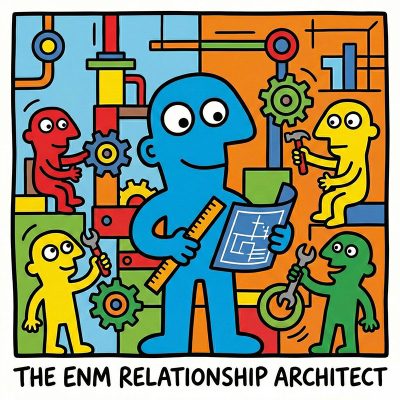
The freedom of an open relationship sounds incredible, but the logistics can feel like holding a grenade. That spinning "what if" anxiety isn't paranoia, it’s your survival instinct warning you that your bond is exposed. "Just seeing what happens" is the fastest way to turn a fantasy into a breakup.
The Essential Guide replaces chaos with discipline. We give you the blueprints, jealousy protocols, and repair scripts needed to explore the edge without falling off. Don't guess. Secure your foundation first.
The world of non-monogamy is a maze of confusing labels. Trying to be "Polyamorous" when your heart actually needs "Swinging" isn't just a vocabulary error; it’s a recipe for misery.
You can't build a stable home on a foundation that doesn't fit your psychology. This tool analyzes your emotional bandwidth and jealousy triggers to design the exact structure you need. Stop trying to squeeze into a box that doesn't fit. Build a relationship that actually feels like home.

Opening up feels exciting, but if you aren't reading from the same script, you're writing a tragedy. The disconnect between "I want freedom" and "I want safety" is where hearts break. This isn't just a quiz; it’s a synchronization engine.
We identify the silent gaps in your desires—from sleepover rules to emotional bandwidth, before they become unbridgeable chasms. Don't wait until the damage is done to find out you were never on the same page. Align your compasses now.
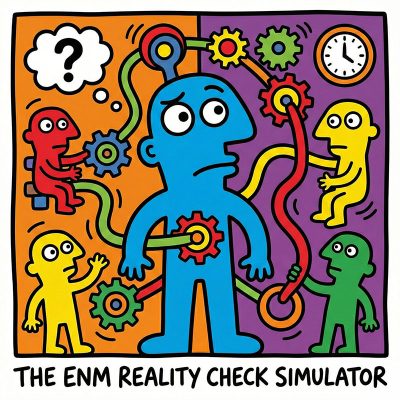
Theory is sexy. Reality is messy. You agreed you could date others, but how does your stomach drop when he takes her to your anniversary spot? Or when she comes home smelling like someone else?
This simulator drags your abstract rules into the harsh light of day. We force you to confront the visceral, gut-wrenching scenarios that actually destroy relationships, before they happen. Test your nervous system in the simulator so you don't crash the car in real life.
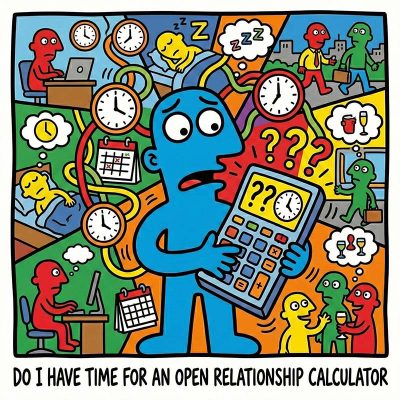
The fantasy is endless romance. The reality? It’s a logistical nightmare. Dating isn't just sex; it’s a second job of swiping, spending, and emotional processing that drains your sanity. Underestimating the "admin" of non-monogamy is the fastest way to turn your relationship into a burnout factory where resentment thrives.
This calculator forces you to confront the brutal math of your time, energy, and wallet. Can you actually afford this lifestyle, or are you just signing up for exhaustion?
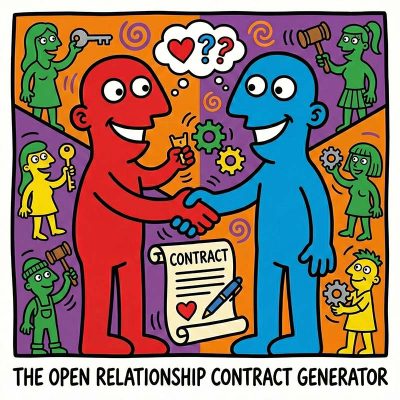
"I thought we agreed" is the sentence that destroys relationships & marriages. Relying on verbal promises when emotions run high is a gamble you cannot afford to lose. Your memory isn't just faulty; it's a liability. Ambiguity is the oxygen that jealousy breathes, turning "freedom" into a minefield of "did I mess up?"
This generator transforms vague permissions into a concrete, signed reality. Stop arguing about what you thought was said and lean on what is written. Secure your boundaries in ink, not hope.
Why reassurance matters in ENM dynamics
Reassurance matters in ENM because it helps reduce insecurity without erasing freedom. It acknowledges that feelings such as jealousy or fear are real even when they are not logical. Reassurance supports a couple or a group as they navigate new connections while preserving consent and independence. When reassurance is practiced well it strengthens trust and lowers the emotional tax for everyone involved.
Key benefits of healthy reassurance include:
- Lowered fear that can lead to impulsive or punitive behavior
- Increased willingness to communicate honestly about needs
- Better management of expectations when new partners enter the picture
- A sense of safety that allows all parties to explore while respecting boundaries
When reassurance turns into control
Reassurance becomes control when the focus shifts from mutual safety to personal security at the expense of others freedom. Signs to watch for include demanding to know every detail of a partner s dating life constantly monitoring communications or trying to bar certain kinds of connections. It may also show up as guilt trips if a partner does something outside a fixed plan or as ultimatums tied to emotional safety. In ENM those patterns are red flags because they undermine the very consent and autonomy that the dynamic depends on.
If you find yourself slipping into controlling habits ask yourself a few questions. Am I trying to protect myself by limiting my partner s freedom or am I trying to protect us by clarifying needs and boundaries? Am I prioritizing my fear over my partner s agency? Have I communicated clearly about what kind of reassurance feels helpful and what feels controlling? Honest answers can reset the path back toward healthy reassurance rather than control.
Foundations for healthy reassurance in ENM
Healthy reassurance rests on several pillars. Here are the core building blocks you can apply in almost any ENM arrangement.
Clear agreements and boundaries
Start with explicit agreements about what is allowed who is involved how often check ins happen and how information is shared. Clear agreements reduce ambiguity which is a major source of insecurity. As the dynamic evolves revisit and revise these agreements with all involved parties consent and a spirit of collaboration. The aim is not to lock down every detail but to create a shared map that everyone can refer to.
Transparent but respectful communication
Transparency is not about oversharing every thought or policing every interaction. It is about being open about feelings needs and boundaries in a timely and respectful way. Use language that centers your experience rather than accusing others. For example say I feel anxious when I don t hear from you for two days and I would appreciate a quick check in rather than You disappear for days and I hate it. Framing your feelings as your experience makes it easier for others to respond with empathy rather than defensiveness.
Regular check ins with consent based structure
Check ins are not a punishment they are a practice. Set a cadence that works for your setup whether that is once a week or twice a month. Use prompts that invite honest discussion such as what is working what is not what do we want to adjust. Keep the tone non judgmental and focus on problem solving together rather than blaming someone for fear or insecurity.
Emotional literacy as a shared skill
Understanding emotions is a team sport. Learn to name feelings without judging them. Practice phrases that describe emotions rather than labeling people. For example say I feel unsettled instead of you are making me feel unsettled. This small shift can reduce defensiveness and raise the chances of finding a constructive path forward.
Respect for autonomy and consent
Autonomy means each person decides who they date and how they invest their energy. Consent means all parties agree to the current arrangement and any changes get explicit agreement. Always treat autonomy as a fundamental right not a negotiable privilege. When consent is ongoing everyone feels safer to explore and be honest about needs.
Practical strategies for daily reassurance
These practical tools help keep reassurance healthy and concrete rather than vague and aspirational.
- Use scheduled check ins to talk about feelings and needs not to police actions
- Share calendars or planning notes so the group can see where time is allocated
- Agree on a standard for sharing information about new partners or dates that respects privacy but remains transparent
- Develop a signal system for moments when someone needs space and another for when they want more connection
- Practice small acts of reassurance such as texts that say I am thinking of you or I enjoyed hearing about your date
Realistic scenarios you might encounter in ENM
Scenario one a new partner enters the circle and triggers insecurity
A and B are in a couple with an open arrangement. A starts dating someone new named Casey. B notices that A is spending a lot of time with Casey and feels left out. B asks A for more time together and more detail about Casey. A feels seen and heard but also worried that Casey could become a problem later. The conversation becomes tense because both feel their needs are valid but the pattern repeats from past insecurities.
What went right
- Both partners expressed feelings rather than attacking each other
- They acknowledged the fear is real even if timing is off
- They promised to revisit their check in cadence and boundary clarity
The growth path
- Agree on a minimal safe time together for A and Casey while nurturing B s sense of belonging
- Schedule a specific check in to discuss Casey s integration after a set number of dates
- Experiment with a joint text routine that keeps everyone in the loop without policing each moment
Scenario two jealousy spikes after a date night with a metamour
In a threesome style ENM setup a couple and a metamour go out together for a date night. One partner returns home with heightened jealousy and accuses the other of spending too much energy on the metamour. The conversation devolves into blame rather than problem solving. This is a moment where reassurance can pivot away from control if both partners stay focused on needs and boundaries rather than who did what with whom.
The approach that helps
- Acknowledging the emotion without judgment and naming the need behind the emotion
- Reaffirming the agreements about time with each partner and with the group
- Suggesting a recalibration of check ins and perhaps a temporary pause on certain types of dates if needed
- Ensuring the metamour feels respected and included in the safety conversation
The outcome can be healthier if everyone keeps the conversation focused on patterns not personalities and if the group works toward a sustainable plan rather than a victory for one side.
Scenario three a long term partner feels left out when the other partner starts a new connection
Two partners in a polyamorous setup notice that one partner is forming a strong connection with someone new. The long term partner feels out of the loop and triggers old wounds about abandonment. The group navigates this by slowing down for a few weeks and increasing communication clarity while maintaining consent based decisions.
Key steps include
- Expanding the circle of transparency to include the metamour in a comfort level check in
- Reassessing time distribution and ensuring core relational needs are met even as new connections grow
- Building rituals that reinforce connection between all partners such as shared meals or video calls
Boundaries that support reassurance not control
Boundaries are the scaffolding for healthy reassurance but they must be flexible enough to adapt as relationships evolve. Good boundaries in ENM are explicit four layers deep.
- Personal boundaries concerns about privacy space and emotional safety
- Relationship boundaries about the level of communication and timing
- Sexual boundaries around sexual activity safe sex expectations and consent
- Time boundaries covering how much time is spent with each partner and how to balance solo time with shared life
When boundaries are clear they reduce confusion and help people show up with intention. When boundaries are flexible they allow growth and adaptation. The trick is to negotiate boundaries together with consent and revisit them when life changes occur such as new partners or shifts in work or family commitments.
The freedom of an open relationship sounds incredible, but the logistics can feel like holding a grenade. That spinning "what if" anxiety isn't paranoia, it’s your survival instinct warning you that your bond is exposed. "Just seeing what happens" is the fastest way to turn a fantasy into a breakup.
The Essential Guide replaces chaos with discipline. We give you the blueprints, jealousy protocols, and repair scripts needed to explore the edge without falling off. Don't guess. Secure your foundation first.
The world of non-monogamy is a maze of confusing labels. Trying to be "Polyamorous" when your heart actually needs "Swinging" isn't just a vocabulary error; it’s a recipe for misery.
You can't build a stable home on a foundation that doesn't fit your psychology. This tool analyzes your emotional bandwidth and jealousy triggers to design the exact structure you need. Stop trying to squeeze into a box that doesn't fit. Build a relationship that actually feels like home.
Opening up feels exciting, but if you aren't reading from the same script, you're writing a tragedy. The disconnect between "I want freedom" and "I want safety" is where hearts break. This isn't just a quiz; it’s a synchronization engine.
We identify the silent gaps in your desires—from sleepover rules to emotional bandwidth, before they become unbridgeable chasms. Don't wait until the damage is done to find out you were never on the same page. Align your compasses now.
Theory is sexy. Reality is messy. You agreed you could date others, but how does your stomach drop when he takes her to your anniversary spot? Or when she comes home smelling like someone else?
This simulator drags your abstract rules into the harsh light of day. We force you to confront the visceral, gut-wrenching scenarios that actually destroy relationships, before they happen. Test your nervous system in the simulator so you don't crash the car in real life.
The fantasy is endless romance. The reality? It’s a logistical nightmare. Dating isn't just sex; it’s a second job of swiping, spending, and emotional processing that drains your sanity. Underestimating the "admin" of non-monogamy is the fastest way to turn your relationship into a burnout factory where resentment thrives.
This calculator forces you to confront the brutal math of your time, energy, and wallet. Can you actually afford this lifestyle, or are you just signing up for exhaustion?
"I thought we agreed" is the sentence that destroys relationships & marriages. Relying on verbal promises when emotions run high is a gamble you cannot afford to lose. Your memory isn't just faulty; it's a liability. Ambiguity is the oxygen that jealousy breathes, turning "freedom" into a minefield of "did I mess up?"
This generator transforms vague permissions into a concrete, signed reality. Stop arguing about what you thought was said and lean on what is written. Secure your boundaries in ink, not hope.
Jealousy and insecurity in ENM how to respond
Jealousy is a natural human feeling especially when new connections are on the table. The goal is not to pretend it doesn t exist but to manage it with empathy and practical steps. A few techniques help keep jealousy from becoming a weapon against connection.
- Label the feeling and name the need behind it
- Request a specific reassurance that respects everyone s autonomy
- Use a short pause before reacting so you can respond rather than react
- Shift from blame to problem solving and agree on a practical next step
- Practice compersion when possible which is the feeling of joy from a partner s happiness even if it triggers discomfort
Dealing with jealousy in a healthy way often means adjusting expectations for a while or refreshing agreements so the relationship can continue to grow in a direction that works for all involved.
Communication rituals that foster reassurance without smothering
Rituals are predictable patterns that reduce friction. In ENM they can include structured check ins use of a shared calendar quick weekly texts and agreed upon updates about new partners. The aim is to create safety without creating surveillance. Here are some practical rituals.
- Weekly brief check in focusing on emotions needs and any boundary adjustments
- Monthly relationship health review that examines overall satisfaction and energy balance
- Transparent communication about new partners and dates shared at a pace comfortable for all parties
- A shared safety plan for sexual health including testing and consent discussions
Ethical non monogamy terms you should know
ENM has its own language and a few key terms can help you talk clearly with your partner group. Here is a quick glossary that covers what you will likely encounter. If you see a term you do not recognize ask for a quick explanation so everyone stays on the same page.
- ENM Ethically based non monogamy a relationship style where people date or connect with others with the knowledge and consent of all involved.
- Open relationship A setup where partners agree that dating or sexual encounters with others are allowed under a set of rules.
- Metamour A partner s partner who is not emotionally involved with you directly but is part of the same network.
- Primary partner Often the partner who holds a central or most time consuming role in the relationship though this can vary by agreement.
- Secondary partner A partner with a less central role and usually fewer time commitments than a primary partner.
- Compersion Feeling happiness for a partner s joys and connections even when you do not directly share in them.
- Jealousy An emotional response that can include fear insecurity or envy when a partner forms or deepens another connection.
Practical tips to cultivate reassurance without crossing into control
Here are practical guidelines you can apply starting today. The goal is not perfection but progress toward a healthier and more satisfying ENM life for everyone involved.
- Practice explicit consent for any new elements added to the relationship such as new partners or new activities
- Co create a living document of agreements that can be updated when needs change
- Keep communications focused on feelings needs and boundaries not accusations
- Use time bounded commitments to prevent creeping control such as three month trials rather than indefinite arrangements
- Share information at a pace that respects privacy but keeps the network informed
- Prioritize self care to reduce insecurities and stress that can spill into the relationship
How to negotiate changes to your ENM agreements
Relationships evolve and ENM agreements should reflect that evolution. When something isn t working or the energy shifts toward fear you can renegotiate without ending the arrangement. Start with a calm joint session. State the observed problem identify needs and propose a concrete change. Allow space for all voices and if needed schedule a follow up to confirm consensus. Document the changes in the living agreement and agree on a timeline for revisiting again. This approach keeps reassurance in the driving seat and keeps control from creeping back in.
Common mistakes to avoid in reassurance focused ENM
- Using reassurance as a manipulation tool to force partners to stay within rigid boundaries
- Over sharing or under sharing information creating imbalance in the group
- Blaming a partner for feelings rather than owning your own emotions
- Rushing into new connections without proper discussions about needs and health precautions
- Assuming word of mouth is enough for safety rather than formal agreements
Checklist for nurturing reassurance in ENM
- Clarify what reassurance means to each person in the group
- Set regular check ins with a clear agenda focusing on needs and boundary reviews
- Keep agreements flexible enough to adapt to life changes
- Practice compassionate communication that centers respect and autonomy
- Educate the group about jealousy as a signal not a verdict
- Make sure health safety protocols are always up to date
Glossary of useful terms and acronyms
- ENM Ethically based non monogamy also known as open relationships or other related dynamics
- Open relationship A relationship structure that permits dating or connecting with others outside the primary partnership
- Metamour A partner s partner who is not your partner but is part of the same relationship network
- Compersion The positive feeling you get when your partner experiences happiness with someone else
- Jealousy An emotional response to perceived threats to the relationship or to personal security
- Primary partner The partner who holds a core role in the relationship for some people
- Secondary partner A partner who is not the primary but still has an important connection
Frequently asked questions
The freedom of an open relationship sounds incredible, but the logistics can feel like holding a grenade. That spinning "what if" anxiety isn't paranoia, it’s your survival instinct warning you that your bond is exposed. "Just seeing what happens" is the fastest way to turn a fantasy into a breakup.
The Essential Guide replaces chaos with discipline. We give you the blueprints, jealousy protocols, and repair scripts needed to explore the edge without falling off. Don't guess. Secure your foundation first.
The world of non-monogamy is a maze of confusing labels. Trying to be "Polyamorous" when your heart actually needs "Swinging" isn't just a vocabulary error; it’s a recipe for misery.
You can't build a stable home on a foundation that doesn't fit your psychology. This tool analyzes your emotional bandwidth and jealousy triggers to design the exact structure you need. Stop trying to squeeze into a box that doesn't fit. Build a relationship that actually feels like home.
Opening up feels exciting, but if you aren't reading from the same script, you're writing a tragedy. The disconnect between "I want freedom" and "I want safety" is where hearts break. This isn't just a quiz; it’s a synchronization engine.
We identify the silent gaps in your desires—from sleepover rules to emotional bandwidth, before they become unbridgeable chasms. Don't wait until the damage is done to find out you were never on the same page. Align your compasses now.
Theory is sexy. Reality is messy. You agreed you could date others, but how does your stomach drop when he takes her to your anniversary spot? Or when she comes home smelling like someone else?
This simulator drags your abstract rules into the harsh light of day. We force you to confront the visceral, gut-wrenching scenarios that actually destroy relationships, before they happen. Test your nervous system in the simulator so you don't crash the car in real life.
The fantasy is endless romance. The reality? It’s a logistical nightmare. Dating isn't just sex; it’s a second job of swiping, spending, and emotional processing that drains your sanity. Underestimating the "admin" of non-monogamy is the fastest way to turn your relationship into a burnout factory where resentment thrives.
This calculator forces you to confront the brutal math of your time, energy, and wallet. Can you actually afford this lifestyle, or are you just signing up for exhaustion?
"I thought we agreed" is the sentence that destroys relationships & marriages. Relying on verbal promises when emotions run high is a gamble you cannot afford to lose. Your memory isn't just faulty; it's a liability. Ambiguity is the oxygen that jealousy breathes, turning "freedom" into a minefield of "did I mess up?"
This generator transforms vague permissions into a concrete, signed reality. Stop arguing about what you thought was said and lean on what is written. Secure your boundaries in ink, not hope.
