
Red Flags That It Is Not Working

Ethical non monogamy or ENM is a broad term that covers many relationship styles with openness and consent at the center. Open relationships are a form of ENM where partners allow dating or intimate connections outside the primary bond. When things click in this dynamic it can feel liberating and energizing. When things slip or stall it can become exhausting and confusing. This guide is a practical, down to earth map of red flags that indicate an open relationship is not working. It covers what those signs look like in real life, why they happen, and concrete steps to course correct. We will explain terms along the way so you can follow any conversation without getting tripped up by jargon.
Quick Links to Useful Sections
- What does working in an ENM dynamic typically look like
- The red flags list
- Secretive behavior and hidden truth
- Persistent boundary violations despite renegotiation
- Jealousy spirals without effort to address them
- Asymmetry in time resources and emotional energy
- Coerced participation or pressure to go beyond consent
- Unsafe sexual health practices or lack of transparency about health
- Unbalanced transparency about dating or new partners
- Chronic negative impact on the primary relationship
- Gaslighting or dismissing feelings
- Social isolation or community conflict
- Emotional or financial coercion by a partner
- Persistent feeling of being stuck or unfulfilled
- Unclear or shifting goals across partners
- Realistic scenarios of red flags in action
- Scenario A a boundary that keeps shifting
- Scenario B jealousy becomes the main event
- Practical steps to address red flags
- Realistic examples of healthy responses to red flags
- Glossary of useful terms and acronyms
- Tips for staying grounded in a noisy ENM world
- Frequently asked questions
Before we dive in a quick reminder. The goal in ENM is not to avoid jealousy at all costs or to pretend everything is perfect. The aim is to cultivate honest communication and safe respectful boundaries while sustaining the wellness of all people involved. If a pattern repeats or if emotional or physical safety feels at risk it is time to pause and reassess. That pause is not a failure it is a responsible choice that protects everyone involved and creates room for clearer agreements.
What does working in an ENM dynamic typically look like
In a healthy open relationship environment you will usually see consistent honest communication negotiated boundaries that reflect consent and mutual care. There is a feeling that people can be themselves fully and still respect the needs of others. There is a willingness to renegotiate when life shifts or when feelings evolve. Everyone involved should have access to information about activities that could impact the group or the primary relationship. Trust is nurtured through transparency and reliability. If any of these core elements are missing you may be approaching a red flag situation.
The red flags list
Below are common indicators that an open relationship is not functioning well. Each item includes a plain language explanation of what it might look like in daily life ideas for how to address it and why it matters for long term health of the dynamic.
Secretive behavior and hidden truth
One partner hides details about dating or encounters or avoids sharing information about schedules. Secrets creep in and trust begins to crumble. This is not about every single detail being shared but about a pattern where essential information is withheld or misrepresented. It often shows up as late night messaging that disappears or a lack of transparency about who is involved and when.
Why this is a red flag
- Secrets erode trust and make future negotiations harder.
- Hidden information invites miscommunication and misaligned expectations.
- The lack of openness can mask coercion or pressure and that is unhealthy for all involved.
What to do
- Schedule a calm check in where you both share facts without blame.
- Reconfirm what information needs to be shared and why.
- If secrecy continues consider professional guidance or a renegotiation of boundaries.
- If there is pressure to hide facts from a partner or from others this should be stopped immediately for safety and consent reasons.
Persistent boundary violations despite renegotiation
Boundaries exist to protect emotional safety and physical well being. When boundaries are repeatedly crossed even after discussions and agreed updates the dynamic loses its intended structure. A boundary might be about how often you see others how you communicate about new partners or what topics stay private. Repeated violations signal a mismatch in values or a power imbalance that favors one person over the others.
Why this is a red flag
- Repeated boundary breaking shows a lack of respect for the agreements that sustain the relationship.
- It creates an unpredictable environment that can heighten anxiety and erode trust.
- It often masks deeper issues such as insecurity or control dynamics.
What to do
- List the exact boundaries and the consequences if they are broken.
- Set up a strict renegotiation timeline and commit to written agreements.
- If the pattern continues seek counseling or decide whether the relationship structure remains viable for everyone involved.
Jealousy spirals without effort to address them
Jealousy is a normal human emotion in ENM. The red flag is not jealousy itself but the absence of any plan to manage it in a healthy way. When jealousy becomes a recurring storm that others have to endure and there is no constructive response the dynamic suffers. Signs include withdrawal from conversations about feelings avoidance of disclosure or blaming others for personal discomfort.
Why this is a red flag
- Unaddressed jealousy grows and poisons trust.
- It can push people to withdraw from the relationship or from the ENM community altogether.
- It often accompanies other problems like miscommunication and inconsistency.
What to do
- Create a structured process for discussing jealousy with a focus on feelings not accusations.
- Practice compersion oriented conversations that celebrate each other’s happiness while acknowledging personal discomfort.
- Consider temporary pauses on certain activities until all parties feel safe and ready to proceed.
Asymmetry in time resources and emotional energy
If one partner carries most of the emotional labor or if meeting new people consistently drains the energy of the other partner this creates an imbalance that can turn resentment into a habit. In ENM the distribution of attention should still be fair and aligned with consent and capacity. When one person is always left out the dynamic loses its appeal and fairness goes out the window.
Why this is a red flag
- Chronic energy drain reduces joy and increases the risk of burnout.
- Perception of unfair treatment corrodes trust and makes people question the value of the open arrangement.
- It can spill into daily life and affect intimacy inside the primary relationship.
What to do
- Rebalance schedules so both partners have meaningful time with others as agreed.
- Rotate or diversify activities so neither partner feels neglected.
- If time management is a problem seek help from a coach or therapist to rebuild a healthier rhythm.
Coerced participation or pressure to go beyond consent
The moment one person feels pushed or forced into an encounter or into sharing details they do not want to share this is a crisis of consent. Coercion can look sneaky like social pressure or it can be direct and explicit. Either way it defeats the core principle of ENM which is enthusiastic consent from everyone involved.
Why this is a red flag
- Consent must be ongoing and freely given.
- Pressure destroys autonomy and can cause lasting harm.
- It creates a dangerous precedent that you should fear speaking up in the future.
What to do
- Immediately stop the activity if there is any doubt and talk about what happened.
- Reset the ground rules and make sure every person can opt out without consequence.
- If coercion continues seek outside help or consider stepping back from ENM until trust is rebuilt.
Unsafe sexual health practices or lack of transparency about health
Open relationships do not mean abandoning safety. It means practicing safe sex and maintaining clear communication about sexual health. Red flags include ignoring STI testing schedules sharing partners without consent or withholding information about health risks.
Why this is a red flag
- Unchecked health risks put everyone at risk.
- Lies or evasions about health create fear and mistrust.
- It undermines the mutual care ethos that ENM relies on.
What to do
- Agree on regular STI testing schedules and share results with all partners as appropriate.
- Use protection consistently and discuss methods like PrEP PEP or other risk reduction strategies if relevant.
- Maintain open conversations about sexual activities and any new partners. If needed involve a health professional to help set up a plan.
Unbalanced transparency about dating or new partners
Transparency is not about revealing every thought but about communicating enough so all parties can consent to what is happening. When one person hides new partners or skips the step of telling others about new connections this creates a sense of betrayal and confusion.
Why this is a red flag
- Hidden partners stall the negotiation and can create unfair dynamic shifts.
- People may uncover hidden information through rumors which erodes trust.
- It hinders the ability to reassess whether ENM remains right for everyone involved.
What to do
- Establish a clear guideline for when and how new partners should be disclosed.
- Agree on what counts as essential information to share and what can stay private.
- If hiding becomes routine escalate to a renegotiation and consider therapy to repair the trust engine.
Chronic negative impact on the primary relationship
Open relationships should not harm the central bond. When the primary relationship experiences frequent communication breakdowns constant conflict or emotional withdrawal from shared life it may be a sign that ENM is not aligned with the current needs of the couple.
Why this is a red flag
- The core relationship should feel like a stable home base.
- If the primary relationship is not thriving the entire open arrangement loses its foundation.
- It can lead to burnout and a loss of passion for both partners.
What to do
- Prioritize the primary relationship with dedicated check ins and date nights.
- Consider boundaries that restore safety and trust or temporarily pause outside dating to reestablish the bond.
- Seek couples therapy or individual therapy to navigate the shift with care for all involved.
Gaslighting or dismissing feelings
Gaslighting is when one partner questions the reality of another’s feelings or experiences. In ENM this can show up as a dismissive attitude toward jealousy pain or concerns about safety. It is a serious red flag because it excuses harm and blocks honest conversation.
Why this is a red flag
- Valid feelings are minimized and the person feeling them loses confidence to speak up.
- It sets a pattern where one voice is allowed to dominate the conversation.
- The relationship environment becomes unsafe for emotional honesty.
What to do
- Call out the behavior in a non accusatory way and insist on listening.
- Set a time to talk with the goal of mutual understanding and repair.
- If gaslighting continues seek external support or rethink the structure of the relationship.
Social isolation or community conflict
Sometimes the ENM setup becomes a source of friction with friends family or shared social circles. When this happens people may pull away from the couple or feel pressured to pick sides. Open relationship dynamics should not require social isolation or constant drama within the wider circle.
Why this is a red flag
- Isolation increases stress and reduces the ability to seek support.
- It can distort the reasons for ENM and shift attention away from consent and care.
- If friends or family are consistently negative it may indicate a misalignment with values or boundaries.
What to do
- Communicate with the wider circle where possible and set boundaries about space and topics.
- Seek neutral support through a therapist or relationship coach who understands ENM dynamics.
- Reevaluate if the social landscape is healthy or if major changes are needed.
Emotional or financial coercion by a partner
Coercion can creep in as pressure to share resources or to adjust financial arrangements to benefit one person at others expense. This is a serious red flag and can be illegal in some contexts. If money or emotional demands are being used to shape behavior this path is unsustainable and dangerous.
Why this is a red flag
- Coercion erodes autonomy and violates consent.
- It creates an imbalance that is hard to recover from.
- It can trigger long lasting trust damage and legal complications in some cases.
What to do
- Stop any coercive behavior immediately and document the exchanges.
- Seek outside help from a therapist or counselor and revisit the financial and emotional boundaries.
- If necessary separate the partners or pause open dating until safety and equity can be restored.
Persistent feeling of being stuck or unfulfilled
Open relationships should bring growth and fulfillment. When someone consistently feels stuck overwhelmed or unfulfilled despite attempts to adjust this is a sign that something fundamental is off. This can show up as low energy low mood inability to enjoy the current sexual or dating life or a sense of resignation about the relationship structure.
Why this is a red flag
- The emotional or sexual life may become a source of stress rather than a source of joy.
- It hints at deeper alignment issues possibly about life goals values or needs.
- Without change the situation can become emotionally hazardous over time.
What to do
- Take a structured pause to reflect on needs and desires with both partners.
- Try a focused renegotiation of the ENM approach or consider shifting to a different model that suits the current reality.
- Engage with a professional to navigate the shift when needed.
Unclear or shifting goals across partners
When the goals of the ENM arrangement keep moving without everyone agreeing on a shared direction you end up in mismatch territory. Some people may want casual dating while others want ongoing connection with deep emotional ties. Without clarity the dynamic can drift into confusion and disappointment.
Why this is a red flag
- Goals drive decisions about boundaries time and energy.
- Mismatch leads to hurt feelings and broken trust.
- It makes renegotiation feel like a constant uphill battle rather than a collaborative process.
What to do
- Have a transparent conversation about what each person wants from the ENM arrangement.
- Write down the current goals and check in monthly or quarterly to review progress.
- If goals diverge greatly consider adjusting the structure or stepping back from ENM altogether.
The freedom of an open relationship sounds incredible, but the logistics can feel like holding a grenade. That spinning "what if" anxiety isn't paranoia, it’s your survival instinct warning you that your bond is exposed. "Just seeing what happens" is the fastest way to turn a fantasy into a breakup.
The Essential Guide replaces chaos with discipline. We give you the blueprints, jealousy protocols, and repair scripts needed to explore the edge without falling off. Don't guess. Secure your foundation first.
The world of non-monogamy is a maze of confusing labels. Trying to be "Polyamorous" when your heart actually needs "Swinging" isn't just a vocabulary error; it’s a recipe for misery.
You can't build a stable home on a foundation that doesn't fit your psychology. This tool analyzes your emotional bandwidth and jealousy triggers to design the exact structure you need. Stop trying to squeeze into a box that doesn't fit. Build a relationship that actually feels like home.
Opening up feels exciting, but if you aren't reading from the same script, you're writing a tragedy. The disconnect between "I want freedom" and "I want safety" is where hearts break. This isn't just a quiz; it’s a synchronization engine.
We identify the silent gaps in your desires—from sleepover rules to emotional bandwidth, before they become unbridgeable chasms. Don't wait until the damage is done to find out you were never on the same page. Align your compasses now.
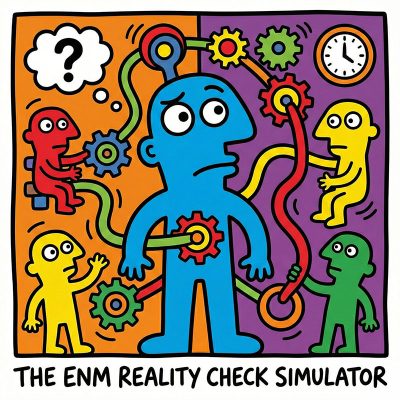
Theory is sexy. Reality is messy. You agreed you could date others, but how does your stomach drop when he takes her to your anniversary spot? Or when she comes home smelling like someone else?
This simulator drags your abstract rules into the harsh light of day. We force you to confront the visceral, gut-wrenching scenarios that actually destroy relationships, before they happen. Test your nervous system in the simulator so you don't crash the car in real life.
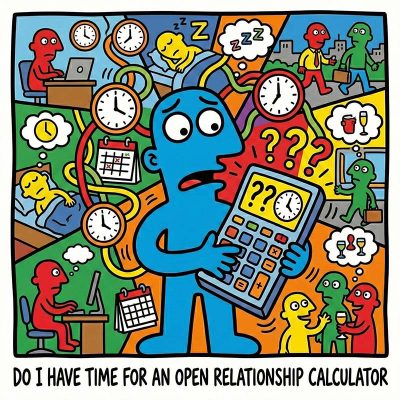
The fantasy is endless romance. The reality? It’s a logistical nightmare. Dating isn't just sex; it’s a second job of swiping, spending, and emotional processing that drains your sanity. Underestimating the "admin" of non-monogamy is the fastest way to turn your relationship into a burnout factory where resentment thrives.
This calculator forces you to confront the brutal math of your time, energy, and wallet. Can you actually afford this lifestyle, or are you just signing up for exhaustion?
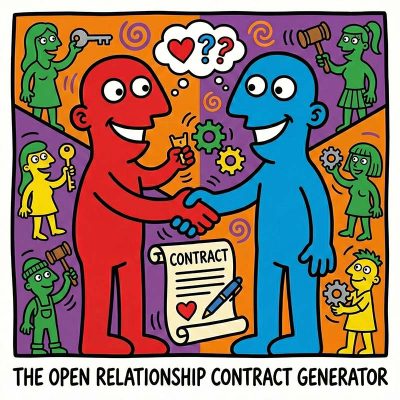
"I thought we agreed" is the sentence that destroys relationships & marriages. Relying on verbal promises when emotions run high is a gamble you cannot afford to lose. Your memory isn't just faulty; it's a liability. Ambiguity is the oxygen that jealousy breathes, turning "freedom" into a minefield of "did I mess up?"
This generator transforms vague permissions into a concrete, signed reality. Stop arguing about what you thought was said and lean on what is written. Secure your boundaries in ink, not hope.
Realistic scenarios of red flags in action
Seeing red flags in action helps translate theory into everyday practice. Here are two realistic scenarios drawn from common ENM experiences and how to respond in each case.
Scenario A a boundary that keeps shifting
Alex and Priya have an open relationship with a mutual agreement that dating outside the primary couple will happen with advance notice and without interfering with date nights. Recently Priya met a new partner while Alex learned about it after the fact through a shared chat thread. Priya says the new partner is someone she wants to see weekly. Alex feels surprised and anxious because the weekly schedule was not part of the original plan and Priya did not discuss this level of involvement. This is a boundary shift that was not renegotiated.
What to do in Scenario A
- Pause new outside dating activities while the couple reopens the negotiation.
- Sit down with full attention and explain how the shift affected you and what you need next.
- Agree on a concrete renegotiation timetable and write down the revised boundaries including frequency notification expectations and safety considerations.
- Consider bringing in a neutral third party such as a relationship coach to guide the renegotiation.
Scenario B jealousy becomes the main event
Jess and Omar have an open relationship and have built a pattern where Jess experiences jealousy with every new connection but Omar seems unfazed. Jess asks for more reassurance more transparency about who Omar is meeting and more distance from their friends group during social events. Omar feels overwhelmed by the requests and withdraws emotionally which then escalates the jealousy cycle without any real resolution.
What to do in Scenario B
- Create a structured conversation focused on feelings not blame.
- Each person should name one need in the moment and one long term goal for the relationship.
- Establish a plan for ongoing communication backed by regular check ins.
- If the jealousy pattern remains chronic consider temporary limits on certain activities and a plan to rebuild trust gradually with measurable milestones.
Practical steps to address red flags
- Pause and reassess If a red flag appears take a deliberate pause to stop new activities and give everyone time to reflect. This helps prevent escalation.
- Renegotiate with care Schedule a calm conversation with clear goals. Use a structured format to present needs and boundaries.
- Seek support A therapist or a relationship coach who understands ENM can offer tools for communication and boundary setting.
- Focus on safety Revisit sexual health agreements including testing schedules protection methods and consent for all sexual activities.
- Document agreements Write down what you decide and share the document with all involved to avoid misremembered details.
- Protect the primary relationship Make time for date nights and emotional connection between partners as a cornerstone of the arrangement.
- Know when to step back If alignment cannot be found after multiple efforts consider moving to a different relationship model or pausing ENM altogether for a period of time.
Realistic examples of healthy responses to red flags
Healthy responses in ENM involve proactive communication and a willingness to adjust. Here are two brief examples of how to respond constructively when red flags appear.
- A couple agrees to a weekly check in with a simple shared format covering emotions safety boundaries and practical plans. This keeps both partners in the loop and reduces the chance of hidden concerns growing into bigger issues.
- Two partners establish a safety plan for navigating intense jealousy including a time bound pause on new dating activities and a plan for how to reintroduce them with a trusted mediator such as a therapist or coach guiding the process.
Glossary of useful terms and acronyms
- ENM Ethical non monogamy a broad umbrella term for relationship styles that involve openness honesty and consent about dating or romantic connections beyond a primary partnership.
- Open relationship A type of ENM where partners agree that dating or sexual encounters outside the primary bond are allowed with consent and boundaries.
- Compersion A positive feeling when a partner is happy with another relationship or experience that does not involve jealousy.
- Consent A voluntary agreement to engage in a specific activity with clear boundaries and the option to withdraw at any time.
- Boundary A limit or rule set by partners to protect safety and emotional well being in the relationship.
- Renegotiation The process of revisiting and updating agreements to reflect changes in feelings or life circumstances.
- STI Sexually transmitted infection the term used for infections spread through sexual contact. Regular testing and safe practices are recommended in ENM.
- Safety plan A prepared approach to protect all participants which can include health checks boundaries and communication norms.
- Primary relationship The central romantic partnership in an ENM arrangement often given priority in scheduling and emotional energy.
- Gaslighting A manipulative tactic where one person makes another doubt their own perception of reality or feelings.
Tips for staying grounded in a noisy ENM world
Open relationships can be exhilarating and chaotic at the same time. Here are grounded practical tips to help you stay connected and safe while navigating complexity.
- Schedule regular check ins even when everything seems good. A small cadence prevents problems from piling up.
- Make space for the primary relationship with dedicated time that cannot be overshadowed by new dating activity.
- Document boundaries and expectations and revisit them if the life situation changes such as new partner emergencies or shifts in work.
- Learn to name emotions clearly using a feelings wheel or a simple list of core experiences like excited nervous or overwhelmed to keep communication precise.
- Seek community support from trusted friends or a professional who understands ENM to provide perspective and guidance.
Frequently asked questions
The freedom of an open relationship sounds incredible, but the logistics can feel like holding a grenade. That spinning "what if" anxiety isn't paranoia, it’s your survival instinct warning you that your bond is exposed. "Just seeing what happens" is the fastest way to turn a fantasy into a breakup.
The Essential Guide replaces chaos with discipline. We give you the blueprints, jealousy protocols, and repair scripts needed to explore the edge without falling off. Don't guess. Secure your foundation first.
The world of non-monogamy is a maze of confusing labels. Trying to be "Polyamorous" when your heart actually needs "Swinging" isn't just a vocabulary error; it’s a recipe for misery.
You can't build a stable home on a foundation that doesn't fit your psychology. This tool analyzes your emotional bandwidth and jealousy triggers to design the exact structure you need. Stop trying to squeeze into a box that doesn't fit. Build a relationship that actually feels like home.
Opening up feels exciting, but if you aren't reading from the same script, you're writing a tragedy. The disconnect between "I want freedom" and "I want safety" is where hearts break. This isn't just a quiz; it’s a synchronization engine.
We identify the silent gaps in your desires—from sleepover rules to emotional bandwidth, before they become unbridgeable chasms. Don't wait until the damage is done to find out you were never on the same page. Align your compasses now.
Theory is sexy. Reality is messy. You agreed you could date others, but how does your stomach drop when he takes her to your anniversary spot? Or when she comes home smelling like someone else?
This simulator drags your abstract rules into the harsh light of day. We force you to confront the visceral, gut-wrenching scenarios that actually destroy relationships, before they happen. Test your nervous system in the simulator so you don't crash the car in real life.
The fantasy is endless romance. The reality? It’s a logistical nightmare. Dating isn't just sex; it’s a second job of swiping, spending, and emotional processing that drains your sanity. Underestimating the "admin" of non-monogamy is the fastest way to turn your relationship into a burnout factory where resentment thrives.
This calculator forces you to confront the brutal math of your time, energy, and wallet. Can you actually afford this lifestyle, or are you just signing up for exhaustion?
"I thought we agreed" is the sentence that destroys relationships & marriages. Relying on verbal promises when emotions run high is a gamble you cannot afford to lose. Your memory isn't just faulty; it's a liability. Ambiguity is the oxygen that jealousy breathes, turning "freedom" into a minefield of "did I mess up?"
This generator transforms vague permissions into a concrete, signed reality. Stop arguing about what you thought was said and lean on what is written. Secure your boundaries in ink, not hope.
