
Travel and Openness


Travel can expand your world and your relationship map at the same time. When you are navigating ethical non monogamy or open relationships the idea of travel takes on a second layer of meaning. It is not just about planes and passports. It is about how you stay connected with your partners, how you renegotiate boundaries on the road and how you protect everyone’s wellbeing. This deep dive is designed to be practical, funny and completely down to earth. We will explain the terms and acronyms you might hear and give you realistic scenarios you can actually use. Think of this as your travel friendly playbook for openness in ENM for short trips and long adventures alike.
Quick Links to Useful Sections
- What travel looks like in ENM
- Two people traveling to see someone else
- A couple traveling together to meet multiple partners
- Group travel with a polycule or tribe
- Clear terms and agreements for travel
- Boundaries around travel
- Time boundaries and check in frequency
- Communication modalities
- Renegotiation when things shift
- Communication strategies across time zones
- Plan ahead for the time shift
- Daily check ins that feel light yet reliable
- Managing misfires across time zones
- Planning and logistics for travel
- Scheduling the trip with all partners
- Health and safety on the road
- Vaccines and travel health
- Money matters while traveling
- Handling jealousy and compersion on the road
- Normalize jealousy as information
- Move toward compersion
- Practical jealousy management on tour
- Safety and health on the road
- Consent and consent minded travel
- Health safety kit for travel
- STI testing and medical planning
- Travel etiquette and boundaries with others
- Respect privacy and discretion
- Public displays of affection and social boundaries
- Communication across groups and friends
- Money and logistics re explored
- Real life travel scenarios you can use
- Scenario one the two of you visit a partner in a nearby city for a long weekend
- Scenario two a group trip with three partners across a weekend festival
- Scenario three long distance dating with a partner in another country
- Must no s in travel and openness
- Glossary of useful terms and acronyms
- Frequently asked questions
Before we dive in here is a quick refresher on a couple of terms you will see a lot. ENM stands for ethical non monogamy. That means relationships where all involved parties consent to more than one romantic or sexual connection. Open relationships is a common term for ENM that emphasizes openness and transparency rather than secrecy. It does not mean free for all it means planned consent and clear communication. A polyamorous relationship is a form of ENM where people have emotional or romantic connections with more than one partner at a time. In the travel context we are talking about how people manage connection, time, boundaries and safety across distances and adventures.
What travel looks like in ENM
In traditional dating you might plan a trip to unwind and explore a new place. In ENM travel becomes a shared project with additional layers. You can travel with a partner to visit someone else or you can travel to see multiple people or even to join a polycule on a group trip. The key is alignment and planning. Let us break down common travel patterns you will encounter in open relationships.
Two people traveling to see someone else
This is very common. One partner travels to connect with a partner in another city. The agreements you built before the trip become your compass. You might decide how much time is spent with the other person, what activities are allowed and how you will stay in touch during the visit. You may also decide whether to share details of the encounters or keep some privacy. The important thing is that everyone involved knows what to expect and agrees to it in advance.
A couple traveling together to meet multiple partners
Group travel with a polycule or tribe
Clear terms and agreements for travel
In ENM the words you want to lean on are agreements and renegotiation not rules. An agreement is a consciously chosen boundary that all involved parties understand and consent to. A renegotiation happens when life changes or when someone grows. Travel can expose new dynamics fast and you need a process that makes it easier to adapt rather than harder to navigate. Here are some practical agreement areas to consider for travel days and trips.
Boundaries around travel
- What activities are allowed with other partners while you are away.
- Whether you will share or withhold details of encounters during travel.
- How much time you will allocate to each relationship during the trip.
- Whether there is a preferred mode of communication while away such as daily check ins or weekend updates only.
Time boundaries and check in frequency
- Define how often you will check in during a trip. Some people prefer a quick text once a day while others want more frequent updates. Align on what feels comfortable for everyone involved.
- Agree on what counts as a check in. A simple hello or a longer update about plans for the day are both acceptable depending on your agreements.
Communication modalities
- Choose the channels that work for your crew. Text, voice calls, video chats or dedicated apps can help you stay connected.
- Set expectations about privacy. If someone does not want their plans shared broadly you respect that. If someone wants to post general updates you support that too.
Renegotiation when things shift
- Life changes fast. A trip may reveal new preferences or new concerns. Design a simple renegotiation process. You can decide to pause a plan, adjust boundaries or cancel a trip if needed.
- Keep the focus on care and consent. The aim is to protect everyone involved and to keep trust alive.

The freedom of an open relationship sounds incredible, but the logistics can feel like holding a grenade. That spinning "what if" anxiety isn't paranoia, it’s your survival instinct warning you that your bond is exposed. "Just seeing what happens" is the fastest way to turn a fantasy into a breakup.
The Essential Guide replaces chaos with discipline. We give you the blueprints, jealousy protocols, and repair scripts needed to explore the edge without falling off. Don't guess. Secure your foundation first.

The world of non-monogamy is a maze of confusing labels. Trying to be "Polyamorous" when your heart actually needs "Swinging" isn't just a vocabulary error; it’s a recipe for misery.
You can't build a stable home on a foundation that doesn't fit your psychology. This tool analyzes your emotional bandwidth and jealousy triggers to design the exact structure you need. Stop trying to squeeze into a box that doesn't fit. Build a relationship that actually feels like home.

Opening up feels exciting, but if you aren't reading from the same script, you're writing a tragedy. The disconnect between "I want freedom" and "I want safety" is where hearts break. This isn't just a quiz; it’s a synchronization engine.
We identify the silent gaps in your desires—from sleepover rules to emotional bandwidth, before they become unbridgeable chasms. Don't wait until the damage is done to find out you were never on the same page. Align your compasses now.

Theory is sexy. Reality is messy. You agreed you could date others, but how does your stomach drop when he takes her to your anniversary spot? Or when she comes home smelling like someone else?
This simulator drags your abstract rules into the harsh light of day. We force you to confront the visceral, gut-wrenching scenarios that actually destroy relationships, before they happen. Test your nervous system in the simulator so you don't crash the car in real life.

The fantasy is endless romance. The reality? It’s a logistical nightmare. Dating isn't just sex; it’s a second job of swiping, spending, and emotional processing that drains your sanity. Underestimating the "admin" of non-monogamy is the fastest way to turn your relationship into a burnout factory where resentment thrives.
This calculator forces you to confront the brutal math of your time, energy, and wallet. Can you actually afford this lifestyle, or are you just signing up for exhaustion?
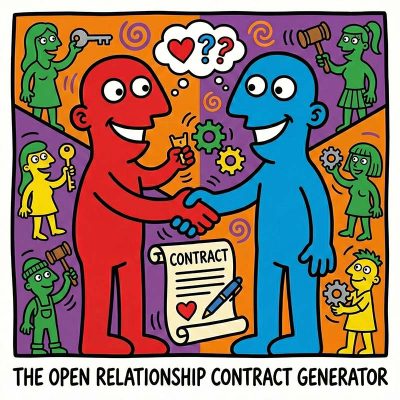
"I thought we agreed" is the sentence that destroys relationships & marriages. Relying on verbal promises when emotions run high is a gamble you cannot afford to lose. Your memory isn't just faulty; it's a liability. Ambiguity is the oxygen that jealousy breathes, turning "freedom" into a minefield of "did I mess up?"
This generator transforms vague permissions into a concrete, signed reality. Stop arguing about what you thought was said and lean on what is written. Secure your boundaries in ink, not hope.
Communication strategies across time zones
Travel means time zones will come into play. You may wake up to a message from a partner in a different country or find yourself finishing a day while your partner starts theirs. Time zones can create misalignment if you are not careful. Here are tactics to keep everyone connected without turning every hour into a calendar battle.
Plan ahead for the time shift
- Coordinate who is available at what times and set realistic expectations about response times.
- Use shared calendars with local times displayed. This helps avoid accidental double booking and keeps weekend plans intact.
Daily check ins that feel light yet reliable
- Sometimes a short message in the morning and a longer debrief at night works well. Other times you might choose to do a longer call every second night. Pick a rhythm that respects everyone’s schedule and energy.
- Be creative with updates. A photo or a voice note can convey excitement without a long chat that drags on into a busy day.
Managing misfires across time zones
- If you miss a check in do not assume the worst. Acknowledge the miss and reschedule without drama. Accidents happen and most people value honesty over perfection.
- Offer a quick apology if a misalignment caused concerns. Keep it simple and proactive rather than defensive.
Planning and logistics for travel
Let us talk logistics because when you are juggling more than one connection you want fewer surprises and less stress. A well planned trip reduces friction and creates space for meaningful connection with fewer what ifs lingering in the background.
Scheduling the trip with all partners
- Prepare a joint plan once you know travel dates. Include who is meeting whom, where you will stay, and approximate daily routines.
- Share contact details and emergency contacts with everyone involved. Put the details in a place that all who need it can access easily.
Health and safety on the road
- Get updated STI testing before and after trips if that aligns with your agreements. Make sure you have access to a clinic if you need it while traveling.
- Discuss condom use and other safer sex strategies with all partners before you travel. If there is a medical concern such as a pregnancy plan do not overlook it during planning.
- Carry personal health items in a small travel kit. Include basic first aid items, any medications you need and a digital copy of health information for quick access in an emergency.
Vaccines and travel health
- Check if any vaccines are recommended for the places you visit. Some trips involve country specific requirements. Plan ahead to avoid last minute stress.
- Pack a small supply of any daily medications to prevent a run in with a pharmacy in a foreign city.
Money matters while traveling
- Agree on how expenses will be shared. Some couples split costs equally while others include allowances for dating or social expenses with others.
- Set up a shared travel budget so there are no surprises when the trip ends. This keeps money talk clear and fair for everyone involved.
Handling jealousy and compersion on the road
Normalize jealousy as information
- Do not shame yourself for feeling jealous. Acknowledge the feeling and look at what it is telling you about your boundaries or needs.
- Use a simple reflective process. Name the feeling, identify the trigger, and decide what you want to do next. That gives you power to respond rather than react.
Move toward compersion
- Share your partner fears and your own boundaries openly. This helps to transform jealousy into curiosity and care.
- Celebrate your partner’s joy. It strengthens trust and helps you feel more secure in the dynamic as a whole.
Practical jealousy management on tour
- Agree on how to handle evenings where you might feel left out. A simple plan could be that one partner meets up with friends while the other does a solo activity and then you swap later in the evening.
- Set a time for a gentle check in after experiences that may bring up strong emotions. A quick call or voice message can help you process before sleep.
Safety and health on the road
Travel opens up opportunities for new connections but it also raises the stakes for health and safety. Clear planning and universal respect for consent are your best tools here. Let us cover the essentials you should not skip.
Consent and consent minded travel
- Consent is ongoing and can be withdrawn at any time. What was agreed yesterday may be adjusted today. Keep conversations open and revisit agreements as needed.
- Respect that each person may have a different level of comfort with certain activities. Make sure you have explicit verbal consent for anything new you are considering.
Health safety kit for travel
- Condoms and lubrication for travel encounters that require them.
- Personal hygiene items and a small first aid kit for minor issues.
- Hand sanitizer and surface wipes if you are using shared spaces like hotel rooms or hostels.
STI testing and medical planning
- Discuss testing timelines with all partners. Plan to get tested after a trip and share relevant results with consent where appropriate.
- Know where you can access medical care in the places you travel to. Having a plan reduces stress if something comes up.
Travel etiquette and boundaries with others
Travel can magnify differences in cultural norms and personal boundaries. It is wise to be proactive and respectful. Here are etiquette tips to help your trip stay pleasant for everyone involved.
Respect privacy and discretion
- Different partners may want different levels of sharing. Honor each boundary and avoid pressuring someone to disclose more than they are comfortable with.
- Be mindful of local norms when visiting new places. Discretion can prevent misunderstandings and protect you and your partners.
Public displays of affection and social boundaries
- Agree on what is comfortable in public spaces. Some may want to keep affection private while others might be comfortable showing it in social settings. Align on what works for the group.
- Be mindful of other people present. Travel creates opportunities but it can also create drama if someone feels blindsided.
Communication across groups and friends
- When in public spaces or shared accommodations, decide together how to handle conversations about your relationships. It is good to keep sensitive details private unless everyone agrees otherwise.
- Use a simple code word or phrase if you want to switch discussions away from intimate topics in social contexts. This keeps you in control without creating tension.
Money and logistics re explored
Money matters in ENM travel get more complex when you consider multiple partners and shared journeys. Be clear and proactive about financial expectations to avoid awkward moments on the trip home.
- Agree on how to split lodging, transport and shared meals. Some trips use a per couple budget while others track expenses per person.
- Set a plan for gifts or special experiences with different partners. The plan prevents resentment and helps you manage expectations before the trip starts.
Real life travel scenarios you can use
To bring this to life we look at a few realistic situations. You can use these as templates or adapt them to fit your own networks and agreements.
Scenario one the two of you visit a partner in a nearby city for a long weekend
In this scenario the couple knows the visit will be focused on their partner in another city, with a few hours to connect with the person they are meeting. They agree on daily check ins, a couple of joint activities and a few separate adventures. They book a shared apartment so they can regroup at the end of the day. The night of the first date one partner may choose to stay in and read or watch a film while the other spends a romantic evening with their partner. They reconvene for meals and share reflections in the morning. This approach respects autonomy while preserving intimacy where it matters most.
Scenario two a group trip with three partners across a weekend festival
In this scenario everyone agrees on times when the whole group is together and times when partners pursue private plans. They map out a calendar with a mix of social events and private time. They agree to use a group chat for logistics and a private chat for any emotional updates. They set a code word to pause discussions that feel too spicy for a public setting. The group remains compassionate and inclusive, ensuring people have space to opt in or out of activities without pressure.
Scenario three long distance dating with a partner in another country
The long distance scenario requires strong communication habits. They use a daily short check in plus a longer catch up two times a week. They discuss travel windows six months ahead and map out potential visits. They arrange a predictable system for sharing information about encounters with each other. They also discuss how to manage online dating boundaries if both are exploring other connections while apart. The plan reduces angst and increases trust as the relationship develops.
Must no s in travel and openness
- Do not pressure a partner to travel or to engage with someone else. The choice must be theirs freely.
- Do not hide plans or lie about encounters. Transparency builds trust and reduces anxiety for everyone involved.
- Do not expect perfection from yourself or others. Travel and open dynamics are ongoing experiments that require patience.
- Do not compare your experiences with others in a way that shames anyone. Focus on care and consent rather than competition.
- Do not skip health checks or consent conversations in the name of expediency. Your wellbeing matters just as much as your connection with others.
Glossary of useful terms and acronyms
- ENM Ethical non monogamy. A relationship orientation where all parties consent to more than one romantic or sexual relationship.
- Open relationship A relationship structure where partners agree to have romantic or sexual connections with others outside the primary partnership.
- Compersion A positive feeling of joy when your partner finds happiness with someone else.
- Jealousy An emotion that signals a sense of potential loss or fear of losing closeness. It is normal and manageable with good communication.
- Boundary A limit agreed by all involved about what is permissible within the relationship dynamic.
- Agreement An explicit consent based guideline for how the relationship will function in a given context or time period.
- Renegotiation The process of revisiting and changing agreements as life changes.
- Consent Clear, ongoing permission from all parties before any activity. It is ongoing and can be withdrawn at any time.
- Long distance Travel or dating that crosses significant geographic distance, often requiring careful scheduling and communication.
- STI Sexually transmitted infection. Getting tested and sharing results with consent helps protect everyone’s health.
- Practical consent Agreement about what will happen in a specific situation rather than broad general rules.
Frequently asked questions
What should I do first before traveling in an ENM setup
Start with a thorough conversation with all involved partners. Clarify goals for the trip, discuss boundaries and decide who will be traveling with whom. Create a simple plan for updates and a renegotiation process in case plans shift.
How can we handle different comfort levels with sharing details
Agree on what is shared and what stays private. Some people want to tell every detail while others prefer a high level summary. Respect each partner's boundaries and revisit the agreement as needed.
What if jealousy spikes while on a trip
Acknowledge the feeling without judgment. Use the pre agreed renegotiation process to adjust boundaries or schedule. Seek support from your partners and consider a brief pause if needed to re center.
How do we manage time zones and keep everyone feeling included
Plan a clear schedule that delineates personal time and joint time. Use a shared calendar that shows local times. Keep updates concise and meaningful rather than lengthy reports that drain energy.
Is it okay to travel with a partner who has a crush on someone else while I stay home
Yes if all sides consent to it. Communicate boundaries and expectations clearly. The aim is to protect everyone involved while acknowledging the reality of human attraction.
What about health and safety while traveling
Always discuss safer sex practices before you travel and have a plan for STI testing after encounters as applicable. Bring a small health kit and keep medical information accessible. If you need care while away know where to go which helps you stay confident.
Should we share travel experiences publicly on social media
Only if all involved are comfortable. Some people want to keep a private life away from public feeds while others enjoy sharing. Establish what you will share and how in advance to avoid awkward moments.
How long should a travel negotiation last
There is no fixed timeline. Some agreements hold for a single trip while others are the basis for ongoing travel agreements. The important thing is to review and adjust as needed so everyone remains comfortable and cared for.
What if someone cancels a trip
Cancelations happen. Approach with empathy and respect. Rearrange or renegotiate the plan without shaming anyone. It is better to protect the emotional safety of all involved than to push through a plan that does not feel right.
The freedom of an open relationship sounds incredible, but the logistics can feel like holding a grenade. That spinning "what if" anxiety isn't paranoia, it’s your survival instinct warning you that your bond is exposed. "Just seeing what happens" is the fastest way to turn a fantasy into a breakup.
The Essential Guide replaces chaos with discipline. We give you the blueprints, jealousy protocols, and repair scripts needed to explore the edge without falling off. Don't guess. Secure your foundation first.
The world of non-monogamy is a maze of confusing labels. Trying to be "Polyamorous" when your heart actually needs "Swinging" isn't just a vocabulary error; it’s a recipe for misery.
You can't build a stable home on a foundation that doesn't fit your psychology. This tool analyzes your emotional bandwidth and jealousy triggers to design the exact structure you need. Stop trying to squeeze into a box that doesn't fit. Build a relationship that actually feels like home.
Opening up feels exciting, but if you aren't reading from the same script, you're writing a tragedy. The disconnect between "I want freedom" and "I want safety" is where hearts break. This isn't just a quiz; it’s a synchronization engine.
We identify the silent gaps in your desires—from sleepover rules to emotional bandwidth, before they become unbridgeable chasms. Don't wait until the damage is done to find out you were never on the same page. Align your compasses now.
Theory is sexy. Reality is messy. You agreed you could date others, but how does your stomach drop when he takes her to your anniversary spot? Or when she comes home smelling like someone else?
This simulator drags your abstract rules into the harsh light of day. We force you to confront the visceral, gut-wrenching scenarios that actually destroy relationships, before they happen. Test your nervous system in the simulator so you don't crash the car in real life.
The fantasy is endless romance. The reality? It’s a logistical nightmare. Dating isn't just sex; it’s a second job of swiping, spending, and emotional processing that drains your sanity. Underestimating the "admin" of non-monogamy is the fastest way to turn your relationship into a burnout factory where resentment thrives.
This calculator forces you to confront the brutal math of your time, energy, and wallet. Can you actually afford this lifestyle, or are you just signing up for exhaustion?
"I thought we agreed" is the sentence that destroys relationships & marriages. Relying on verbal promises when emotions run high is a gamble you cannot afford to lose. Your memory isn't just faulty; it's a liability. Ambiguity is the oxygen that jealousy breathes, turning "freedom" into a minefield of "did I mess up?"
This generator transforms vague permissions into a concrete, signed reality. Stop arguing about what you thought was said and lean on what is written. Secure your boundaries in ink, not hope.
