
What an Open Relationship Is and What It Is Not

Open relationships live in the world of ethical non monogamy which is a big umbrella term for relationships that involve more than two people with the knowledge and consent of everyone involved. If you have ever wondered where a boundary ends and a new adventure begins you are not alone. This guide is an honest, practical conversation about what an open relationship is and what it is not. We will explain the terms we use the expectations people should have and the kinds of conversations that actually help pairs and groups thrive. Think of this as a friendly chat with someone who knows how to break down the jargon while keeping the vibe real and fun.
Quick Links to Useful Sections
- Open relationships in context
- What an open relationship is
- What an open relationship is not
- Common terms and acronyms you should know
- Setting boundaries and making agreements that actually work
- Realistic scenarios and how to handle them
- Scenario one: A new outside connection appears
- Scenario two: Jealousy surfaces
- Scenario three: Long distance openness
- Scenario four: After a conflict how to renegotiate
- Communication strategies that help open relationships thrive
- Safety and consent in open relationships
- Jealousy compersion and emotional management
- Common mistakes and how to avoid them
- Practical tips for success
- Real life examples you can borrow or adapt
- Glossary of useful terms and acronyms
- Frequently asked questions
Open relationships in context
Before we dive into the specifics let us set the stage. An open relationship is a relationship structure that allows romantic or sexual connections with people outside the primary partnership or partnerships. The key word here is consent. Everyone involved should know about the arrangements and agree to them. That is a big part of what makes open relationships ethical. Open relationships can look very different from couple to couple and they can even shift over time. People use open relationships to explore desires to form new connections to deepen emotional intimacy with a partner or to create more personal freedom within a committed bond.
Now you might be wondering about the difference between open relationships and other forms of non monogamy. Open relationships are often focused on consensual dating with outside people while some other styles might emphasize polyamory which can involve forming multiple emotional bonds rather than just casual dating. Then there is swinging which tends to concentrate on sexual encounters with others often within social or party oriented settings. These labels help us communicate but the real life experience is a lot more nuanced than a simple name. The most important thread in any open relationship is clear communication honest consent and ongoing care for everyone involved.
What an open relationship is
Open relationships are defined by openness honesty and ongoing negotiation. Here is a practical way to think about it. You may have a primary partner or partners and you are free to explore connections outside of those bonds while keeping respect for the commitments that exist. It is not about chasing novelty at the expense of your existing relationship. It is about expanding the circle with consent and planning that protects the emotional safety of everyone involved.
Key characteristics of an open relationship include the following ideas:
- Consent happens at every step not just at the start. People have the right to change their minds and to stop or revise agreements as needed.
- Communication is ongoing and direct. The kind of talk you have matters as much as the talk itself. You want to keep conversations respectful honest and concrete.
- Boundaries are negotiated and explicit. Boundaries can cover topics like dating outside activities scheduling time for partners and how much information is shared with each other.
- Transparency is valued. People share enough information to honor trust while honoring privacy when appropriate. The goal is not to micromanage but to avoid surprises that hurt feelings.
- Emotional care is a priority. Jealousy insecurity and fear may come up and the approach is to acknowledge these feelings and work through them together.
- Sexual health safety is a must. Partners discuss safer sex practices STI testing boundaries around sexual care and the steps to reduce risk together.
Because every relationship is unique the form of open relationship you practice will look different from someone else. Some people have set primary partners with strict rules about dating other people. Others are comfortable with a more fluid approach where connections are allowed to arise with less structure. The core idea is that agreements are explicit and that everyone involved knows the plan and agrees to it.
The freedom of an open relationship sounds incredible, but the logistics can feel like holding a grenade. That spinning "what if" anxiety isn't paranoia, it’s your survival instinct warning you that your bond is exposed. "Just seeing what happens" is the fastest way to turn a fantasy into a breakup.
The Essential Guide replaces chaos with discipline. We give you the blueprints, jealousy protocols, and repair scripts needed to explore the edge without falling off. Don't guess. Secure your foundation first.

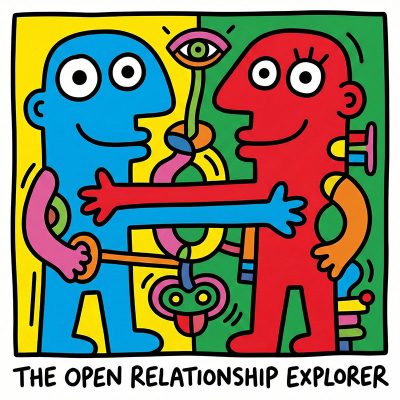
The world of non-monogamy is a maze of confusing labels. Trying to be "Polyamorous" when your heart actually needs "Swinging" isn't just a vocabulary error; it’s a recipe for misery.
You can't build a stable home on a foundation that doesn't fit your psychology. This tool analyzes your emotional bandwidth and jealousy triggers to design the exact structure you need. Stop trying to squeeze into a box that doesn't fit. Build a relationship that actually feels like home.
Opening up feels exciting, but if you aren't reading from the same script, you're writing a tragedy. The disconnect between "I want freedom" and "I want safety" is where hearts break. This isn't just a quiz; it’s a synchronization engine.
We identify the silent gaps in your desires—from sleepover rules to emotional bandwidth, before they become unbridgeable chasms. Don't wait until the damage is done to find out you were never on the same page. Align your compasses now.
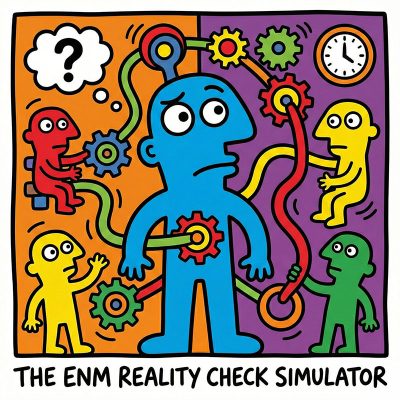
Theory is sexy. Reality is messy. You agreed you could date others, but how does your stomach drop when he takes her to your anniversary spot? Or when she comes home smelling like someone else?
This simulator drags your abstract rules into the harsh light of day. We force you to confront the visceral, gut-wrenching scenarios that actually destroy relationships, before they happen. Test your nervous system in the simulator so you don't crash the car in real life.
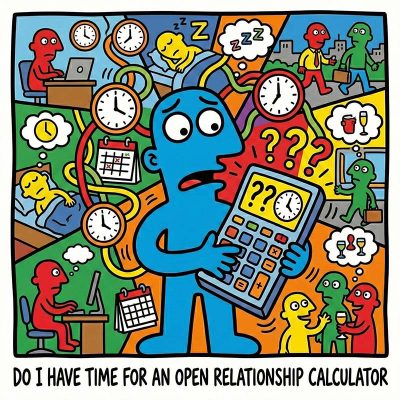
The fantasy is endless romance. The reality? It’s a logistical nightmare. Dating isn't just sex; it’s a second job of swiping, spending, and emotional processing that drains your sanity. Underestimating the "admin" of non-monogamy is the fastest way to turn your relationship into a burnout factory where resentment thrives.
This calculator forces you to confront the brutal math of your time, energy, and wallet. Can you actually afford this lifestyle, or are you just signing up for exhaustion?
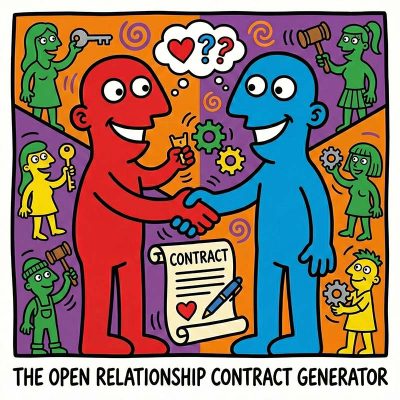
"I thought we agreed" is the sentence that destroys relationships & marriages. Relying on verbal promises when emotions run high is a gamble you cannot afford to lose. Your memory isn't just faulty; it's a liability. Ambiguity is the oxygen that jealousy breathes, turning "freedom" into a minefield of "did I mess up?"
This generator transforms vague permissions into a concrete, signed reality. Stop arguing about what you thought was said and lean on what is written. Secure your boundaries in ink, not hope.
What an open relationship is not
Open relationships are not chaos hidden cheating or a free for all. There are real boundaries and expectations that help people feel secure and respected. Here are some common myths and the truths that debunk them.
- It is not about punishing one partner by giving the other more freedom. Healthy open relationships aim for fairness and care and the rules are there to protect everyone involved.
- It does not require a lack of commitment. People often stay deeply committed to their partners while also exploring new connections. Commitment can coexist with openness just in a different form than a traditional monogamous setup.
- It is not just about sex. Open relationships can involve emotional connections with others and can include dating outside partners as well as sexual encounters. The exact balance depends on the agreements you negotiate.
- It is not a solution for relationship trouble. If a couple is avoiding hard conversations or there is ongoing resentment an open relationship is unlikely to fix that. The work must happen inside the relationship first and then openness can be added as a separate dynamic if both people are on board.
- It is not a guarantee of better sex or more romance. The reality is that sex and romance may be different with each new connection and that can require more communication effort and time management.
- It is not a free pass to date everyone you meet. Consent and boundaries still apply and there might be limits about types of relationships or frequency of dating depending on the agreements in place.
Common terms and acronyms you should know
Understanding the language helps you have better conversations faster. Here are some terms you will likely encounter when exploring ethical non monogamy in general and open relationships specifically.
- ENM stands for ethical non monogamy. It is a broad umbrella term that covers any relationship where multiple romantic or sexual connections occur with the consent of everyone involved.
- Open relationship a relationship where partners allow outside connections while maintaining some form of commitment or structure with their primary partner or partners.
- Primary partner this is the person or people who hold the central place in a relationship. Primary partners often have more influence over rules and day to day decisions.
- Secondary partner a person who has a significant connection who is not the main focus of the primary relationship. Secondary partners may have different expectations or boundaries than primary partners.
- Compersion the feeling of joy you experience when your partner finds happiness with someone else. It is the opposite of jealousy in many people s minds.
- Jealousy a natural emotion that can show up in open relationships. The goal is to acknowledge it and work through it rather than letting it explode into conflict.
- Disclosure sharing information about new relationships or outside connections with your partner in an open and honest way.
- Safe sex practices strategies to reduce the risk of sexually transmitted infections including barrier methods regular testing and clear agreements about sexual partners and activities.
- Boundaries negotiated lines that define what is allowed and what is not in terms of time exposure to a partner location and type of relationship with others.
- Communication plan a set of agreed methods for how partners will check in with each other about feelings logistics or changes to agreements.
Setting boundaries and making agreements that actually work
The boundary work in an open relationship is usually a multi step process that evolves with time. Here are practical steps to help you land on agreements that feel fair and workable.
- Start with the why talk about what you each want from openness and why it matters. This helps you set goals for the relationship and makes the rest easier.
- Choose a communication rhythm decide how often you check in about openness and how you will handle new information. Some couples do weekly check ins while others choose monthly talks or ad hoc conversations as needed.
- Define what counts as outside connections be specific about what counts as dating or sex with someone outside the partnership. This prevents confusion and reduces arguments.
- Map time management create a realistic schedule that protects the primary relationship while allowing space for outside connections. Time is a precious resource and it matters a lot here.
- Agree on disclosure levels determine how much information you share with each other. Some people want every date to be summarized while others prefer to know only major updates.
- Set safety guidelines confirm safe sex practices who is allowed to date whom and where you will meet new partners. Discuss STI testing and patch test frequency as well as how you will handle health information.
- Create a plan for conflicts have a clear path for handling jealousy or disagreements before they escalate. Decide who will mediate and how you will pause or renegotiate when needed.
Realistic scenarios and how to handle them
Hot topic areas come up in real life. Here are some typical situations and the kinds of conversations that tend to yield useful outcomes.
Scenario one: A new outside connection appears
You notice a spark with someone new who shares your interests or values. The first conversations are about safety and boundaries and about how this new connection will fit into your current structure. It helps to be transparent with your existing partner about the new connection and to discuss how time and energy will be distributed. A practical approach is to schedule the first few dates with the awareness that the primary relationship remains the priority and to revisit agreements after a few weeks to adjust as needed.
Scenario two: Jealousy surfaces
Jealousy is not a sign that something is broken it is a signal that a boundary or expectation might need adjusting. The short version of handling jealousy is to name the feeling together with your partner slow down and revisit the agreements. It can help to reflect on what specific action triggers the feeling and then determine a concrete change for the next phase whether that means more transparency more time with a partner or a change in disclosure level.
Scenario three: Long distance openness
Long distance adds complexity because time zones and schedules can create gaps in communication. The strategy here is to set clear check in times build in extra emotional support when days feel long and keep the outside connection ethically robust with consent and honesty. It often helps to plan shared activities such as video dates or collaborative projects that keep your connection meaningful while you two are apart.
Scenario four: After a conflict how to renegotiate
Conflicts are inevitable in any relationship dynamic and openness adds its own layers. When you hit a rough patch it is useful to pause revisit the original purpose of openness and determine if the current agreements still serve everyone. You may decide to adjust the boundaries tone down speed up or take a temporary break from outside connections. The goal is to come back to the relationship with clarity and care rather than with unfinished emotional business.
Communication strategies that help open relationships thrive
Clear communication is the backbone of ethical non monogamy. Here are practical strategies you can use to keep conversations constructive and compassionate.
- Use check in conversations set aside dedicated time to talk about how openness is working and where adjustments are needed. Do not sneak in these conversations during a stressful moment or in the middle of a fight.
- Share the basics first with your partner explain the who what where when and why of new connections before you discuss specifics about a date or person. This builds trust and reduces misunderstandings.
- Practice reflective listening repeat back what you heard using your own words. This shows you understood and it helps prevent miscommunication.
- Avoid secret keeping secret keeping erodes trust. If something matters to your partner it is better to discuss it sooner rather than later even if the topic is uncomfortable.
- Keep a simple record a shared note or planning document can help you both remember agreements and track changes over time. The record should be accessible and easy to update.
- Recognize when to pause if a talk becomes heated decide to pause and revisit later. A short cooling off period can prevent hurtful remarks and help you return with more clarity.
Safety and consent in open relationships
Safety is about physical health emotional safety and mutual respect. Safety can also involve boundaries around who you speak with about outside connections and how much information is shared. A practical safety plan includes regular STI testing keeping up to date on vaccines and agreeing on safer sex practices with all partners involved. Consent is ongoing and active. It is okay to pause or change agreements if someone feels uncertain or pressured.
Consent is not a one time checkbox it is a continuous practice. People often use simple phrases like I am comfortable with this or I would prefer to pause and revisit later. The goal is to ensure that everyone feels respected heard and valued in the relationship dynamic.
Jealousy compersion and emotional management
Jealousy is a natural human emotion that can arise in open relationships. The goal is to respond with curiosity and care rather than defensiveness. There is a concept called compersion which is the opposite of jealousy. Compersion is when you feel happy for your partner s joy even when it is found with someone else. Cultivating this feeling does not always come easily but it can grow with practice and honest storytelling about what the new connection means to you as a couple or a group.
Managing emotions also means accepting that you cannot control how others feel. You can control your own reactions and your own willingness to participate in or adjust agreements to support everyone s wellbeing. This approach takes time and patience and it builds a foundation of security and trust that makes openness more sustainable over the long haul.
Common mistakes and how to avoid them
People exploring open relationships often stumble into repeating patterns that create avoidable pain. Here is a practical list of missteps and how to sidestep them.
- Unequal leverage assuming one person gets to set all the terms while others must adapt. Balance is earned through fair conversations and shared decision making.
- Over sharing or under sharing finding the right level of information is hard. Too much detail can feel invasive while too little can erode trust.
- Assuming you know your partner s feelings feelings can change and it is important to check in rather than assume. Regular dialogue prevents stale arrangements.
- Rushing into new connections pushing for speed before all parties feel secure can backfire. Take time to build trust and test compatibility.
- Ignoring safety protocols safety is not optional. Decide together who will be tested and how often and what protections you will use.
- Letting insecurity become control trying to micromanage every interaction rarely works. Focus on strengthening trust and communication instead.
Practical tips for success
Open relationships work best when you approach them with intention and care. Here are practical tips you can apply in daily life to keep things healthy and joyful.
- Build a solid base first invest in your primary relationship with time quality conversations and shared rituals. A strong base makes openness feel safer and more natural.
- Keep expectations reasonable high expectations can backfire. Be specific about what you want and what you are willing to negotiate.
- Establish a shared culture routine check ins honest communication and a mutual respect often create the best environment for external connections to thrive.
- Respect privacy where needed you may decide to share more or less about outside connections. Honor the privacy preferences of everyone involved.
- Practice self care open relationships can trigger a lot of emotion. Make space for rest reflection and activities that nourish you personally.
- Seek support when needed do not hesitate to talk to trusted friends a coach or a therapist who understands ethical non monogamy. Getting outside perspective can be very helpful.
Real life examples you can borrow or adapt
Everyone loves a concrete example. Here are a few simplified templates you can adapt to your own life. You do not need to copy them exactly. Use them as starting points to frame your own conversations and boundaries.
- Two partners and one outside connection Alex and Jordan are a couple who are open to dating others. They have a weekly check in to discuss how each person is feeling about outside connections. They share basic information and they avoid pressuring each other to meet every new person. They agree to pause if either partner feels overwhelmed and they focus on maintaining the emotional health of their primary relationship while enjoying new experiences.
- Triad dynamic with careful boundaries Maya Luca and Sam are open with a triad arrangement. They set expectations about time distribution and privacy. Each person can opt in or out of certain activities and they check in after important events to ensure everyone feels respected and heard. They still make room for individual growth while keeping the triad grounded in communication.
- Long distance openness with clear milestones Priya and Chen are in a long distance open relationship. They set a calendar for virtual dates and decide to share only important updates when necessary. They agree on regular STI testing and online safety practices and they celebrate milestones together to keep a sense of shared purpose across the miles.
Glossary of useful terms and acronyms
- ENM ethical non monogamy a framework that allows multiple romantic or sexual connections with consent from all involved.
- Open relationship a relationship structure that permits outside connections while preserving some form of commitment with a partner or partners.
- Primary partner the person or people who hold a central role in the relationship and often guide the core agreements.
- Secondary partner someone with a meaningful connection who is not the main focus of the partnership.
- Compersion the feeling of happiness when your partner experiences joy with someone else.
- Disclosure sharing information about new connections with your partner in a transparent manner.
- Boundaries agreed limits about what is allowed in terms of time contact intimacy and information sharing.
- Safer sex practices strategies to reduce sexual health risks including barrier methods testing and clear agreements about sexual activities and partners.
- Consent explicit agreement from all parties to participate in a given activity or arrangement and the right to change that consent at any time.
Frequently asked questions
Below are quick answers to common questions about open relationships. If you want a deeper dive or to customize tips for your own setup you will find plenty of practical guidance further down this page.
What exactly is an open relationship
It is a relationship where partners agree to allow sexual or romantic connections outside of the primary relationship while keeping respect and consent at the center of all decisions.
Is an open relationship right for everyone
No not for everyone. It depends on your values communication skills and willingness to renegotiate as life changes. It can be very rewarding for some and not a fit for others.
What about jealousy
Jealousy is normal and manageable with good communication clear boundaries and fast honest conversations. Many people experience jealousy at the start and still choose openness if they feel the relationship is worth the effort.
How do we start the conversation
Choose a calm moment create space for an open talk. Share your desires your fears and your motivations. Invite your partner to share theirs. Agree to take the next step only if both of you feel comfortable.
How do we handle sex safety
Agree on safer sex practices set expectations about testing and vaccination and decide who needs to know what about each connection to keep everyone safe.
How long should I expect this to take
There is no fixed timeline. Some couples move quickly while others proceed step by step over months. What matters is that both people feel respected and heard at every stage.
What if my partner wants something I cannot accept
That is a signal to pause and revisit the conversation. You may need to renegotiate or decide that openness is not a fit at this time. It is okay to walk away if the core boundaries cannot be met with care.
The freedom of an open relationship sounds incredible, but the logistics can feel like holding a grenade. That spinning "what if" anxiety isn't paranoia, it’s your survival instinct warning you that your bond is exposed. "Just seeing what happens" is the fastest way to turn a fantasy into a breakup.
The Essential Guide replaces chaos with discipline. We give you the blueprints, jealousy protocols, and repair scripts needed to explore the edge without falling off. Don't guess. Secure your foundation first.
The world of non-monogamy is a maze of confusing labels. Trying to be "Polyamorous" when your heart actually needs "Swinging" isn't just a vocabulary error; it’s a recipe for misery.
You can't build a stable home on a foundation that doesn't fit your psychology. This tool analyzes your emotional bandwidth and jealousy triggers to design the exact structure you need. Stop trying to squeeze into a box that doesn't fit. Build a relationship that actually feels like home.
Opening up feels exciting, but if you aren't reading from the same script, you're writing a tragedy. The disconnect between "I want freedom" and "I want safety" is where hearts break. This isn't just a quiz; it’s a synchronization engine.
We identify the silent gaps in your desires—from sleepover rules to emotional bandwidth, before they become unbridgeable chasms. Don't wait until the damage is done to find out you were never on the same page. Align your compasses now.
Theory is sexy. Reality is messy. You agreed you could date others, but how does your stomach drop when he takes her to your anniversary spot? Or when she comes home smelling like someone else?
This simulator drags your abstract rules into the harsh light of day. We force you to confront the visceral, gut-wrenching scenarios that actually destroy relationships, before they happen. Test your nervous system in the simulator so you don't crash the car in real life.
The fantasy is endless romance. The reality? It’s a logistical nightmare. Dating isn't just sex; it’s a second job of swiping, spending, and emotional processing that drains your sanity. Underestimating the "admin" of non-monogamy is the fastest way to turn your relationship into a burnout factory where resentment thrives.
This calculator forces you to confront the brutal math of your time, energy, and wallet. Can you actually afford this lifestyle, or are you just signing up for exhaustion?
"I thought we agreed" is the sentence that destroys relationships & marriages. Relying on verbal promises when emotions run high is a gamble you cannot afford to lose. Your memory isn't just faulty; it's a liability. Ambiguity is the oxygen that jealousy breathes, turning "freedom" into a minefield of "did I mess up?"
This generator transforms vague permissions into a concrete, signed reality. Stop arguing about what you thought was said and lean on what is written. Secure your boundaries in ink, not hope.
