
What Success Looks Like in an Open Relationship

Open relationship is a term you may have heard a lot lately. In broad terms ethical non monogamy or ENM is a style of relationship that allows more than one romantic or sexual connection with clear mutual consent. An open relationship is one form of ENM where partners agree that dating or connecting with others is allowed. This guide is designed to give you a realistic picture of what success looks like in an open relationship. We call it a practical map not a blueprint because every couple or group finds their own path. The goal is to help you define success for your life and your values while staying kind to your partner and to yourself.
Quick Links to Useful Sections
- What does success mean in an open relationship
- Aligned values and shared goals
- Clear boundaries that are negotiated not imposed
- Consistent honest communication
- Healthy emotional management including handling jealousy
- Practical logistics and time management
- Health and safety in all connections
- Respect and consent as ongoing practices
- Freedom with responsibility
- Core components that tend to show up in successful ENM setups
- Negotiated agreements that feel fair to all involved
- Structured check ins and feedback loops
- Emotional literacy and empathy skills
- Practical boundaries about time and energy
- Transparent sexual health routines
- Compersion as a growth mindset
- Real life scenarios to illustrate success in an open relationship
- Scenario one A couple expands their network with a stable inner circle
- Scenario two A solo opener navigating multiple connections with clear self care
- Common pitfalls and how to avoid them
- Ambiguity and lack of clarity
- Core relationship neglect
- Unequal energy or attention
- Undisclosed information
- Health and safety breaches
- Negotiation tools and practical practices
- Weekly check in template
- Daily mood and energy journal
- Conversation starters for tough talks
- Health safety checklist
- What to say to friends and family who ask questions about ENM
- How to describe ENM without jargon
- How to describe boundaries and consent
- Resources and ongoing learning
- Final notes on success in an open relationship
- Glossary of useful terms and acronyms
- Frequently asked questions
- FAQ JSON LD structured data
We will break down what makes an open relationship work in practice. We will cover communication rules and boundaries with concrete examples. We will explain common terms and acronyms so you can talk about the topic with confidence. We will also share real world scenarios so you can see how things can unfold in daily life. If you are new to ENM or you are exploring new dynamics within an established relationship this guide is for you. Think of this as a friendly chat with a curious friend who is trying to keep things honest and simple even when the topic gets tricky.
What does success mean in an open relationship
Success is not a single outcome. In an open relationship success looks like a set of ongoing practices that keep people safe, happy and growing. Here are several things to aim for as you build the dynamic that fits you two or your group.
Aligned values and shared goals
Early on it helps to discuss the big questions. What values matter most to you both or to your relational network? Do you want to emphasize independence and autonomy or closeness and regular check ins? Are you seeking casual experiences or deeper ongoing connections? Being aligned means you agree on the direction you want to move in and you understand the practical steps needed to get there. When values align you have a stronger foundation to handle tough moments.
Clear boundaries that are negotiated not imposed
Boundaries are the lines you draw to keep yourself feeling safe and respected. In an open relationship boundaries are not about control. They are about mutual care and practical limits. A boundary might say I am comfortable with you dating others who share my values or I prefer not to meet certain partners at this stage. Boundaries should be revisited as life changes and as feelings evolve. The goal is to reduce friction not to create a prison like structure.
Consistent honest communication
Open relationships rely on conversation more than any other factor. Honest communication means sharing feelings as they come up even when the topic is uncomfortable. It means asking for what you need and listening with care. A common mistake is to wait for a problem to grow before talking. The best approach is to schedule regular check ins and make space for both partners to speak openly without fear of judgment.
Healthy emotional management including handling jealousy
Jealousy is common in any relationship even in monogamous setups. In an open relationship jealousy does not mean the relationship is failing. It is a signal that a need is not being met or a boundary feels unclear. The goal is to notice the feeling without letting it derail your life. Techniques like pausing to breathe acknowledging the feeling and naming the trigger can help. Over time these practices build emotional resilience and stronger trust.
Practical logistics and time management
Success in practice requires planning. You need to decide how much time you want to allocate to partners outside your primary relationship. You may set a weekly or monthly rhythm for dating experiences. You also need to consider energy levels and personal capacity. The objective is to create a schedule that avoids burnout and preserves quality time for your core relationship.
Health and safety in all connections
Health and safety are essential. This means talking about safer sex practices sharing relevant health information and making decisions about testing together or individually. It also means having agreements about disclosure and boundaries around safe spaces. The practical outcome is fewer health risks and more confidence across all connections.
Respect and consent as ongoing practices
Consent in ENM is not a one time yes and then you are done. It is a continuous process. You check in with partners about new situations and you listen when someone changes their mind. Respect means honoring every person involved whether that means adjusting plans or pausing a relationship altogether. When consent is ongoing you create a climate of trust and safety for everyone.
Freedom with responsibility
Freedom in an open relationship is real. You have the liberty to explore multiple connections while also accepting the responsibility that comes with that freedom. Responsibility includes communication follow through with agreements and respect for boundaries even when it feels inconvenient. The strongest relationships pair freedom with a steady sense of accountability.
Core components that tend to show up in successful ENM setups
While every arrangement looks different there are some core ingredients that consistently appear in thriving open relationships. Below we break them down with practical examples you can adapt to your life.
Negotiated agreements that feel fair to all involved
Negotiation is the art of turning two people or more into a team for a common purpose. In open relationships agreements cover how you will communicate what kinds of connections are allowed what you share about other partners and how you will handle conflicts. The best agreements are clear specific and revisitable. They are not designed to trap anyone they are designed to protect everyone involved.
Structured check ins and feedback loops
Regular check ins are the backbone of healthy ENM dynamics. They provide a recurring space to talk about what is working what feels off and what needs to change. A good cadence might be a weekly conversation for the two of you plus a monthly group discussion if you share partners. The format matters less than the honesty and the consistency.
Emotional literacy and empathy skills
Emotional literacy means recognizing your own feelings and naming them clearly. It also means trying to understand the feelings of others even when you disagree. Practicing empathy means asking good questions and listening without rushing to fix the other person. These skills reduce fights and help everyone feel seen.
Practical boundaries about time and energy
Time and energy are finite resources. In an open relationship you want to allocate these resources intentionally. Example boundaries could include a minimum amount of time per week spent with your primary partner or a rule about how often you can communicate with outside partners in a given period. Setting these boundaries helps prevent burnout and fosters consistency.
Transparent sexual health routines
Safer sex policies are essential in ENM. Partners might agree to regular testing or to disclosure of STI status before becoming intimate with someone new. Some people choose to use barrier methods until safe is confirmed. Having a transparent routine removes fear and builds trust among all involved.
Compersion as a growth mindset
Compersion is the feeling of joy when a partner experiences happiness with someone else. It is not a requirement but a skill to cultivate. Compersion grows through celebrating small wins and reframing jealousy as a signal for more connection rather than less freedom. It can take time to develop and that is perfectly normal.
The freedom of an open relationship sounds incredible, but the logistics can feel like holding a grenade. That spinning "what if" anxiety isn't paranoia, it’s your survival instinct warning you that your bond is exposed. "Just seeing what happens" is the fastest way to turn a fantasy into a breakup.
The Essential Guide replaces chaos with discipline. We give you the blueprints, jealousy protocols, and repair scripts needed to explore the edge without falling off. Don't guess. Secure your foundation first.
The world of non-monogamy is a maze of confusing labels. Trying to be "Polyamorous" when your heart actually needs "Swinging" isn't just a vocabulary error; it’s a recipe for misery.
You can't build a stable home on a foundation that doesn't fit your psychology. This tool analyzes your emotional bandwidth and jealousy triggers to design the exact structure you need. Stop trying to squeeze into a box that doesn't fit. Build a relationship that actually feels like home.
Opening up feels exciting, but if you aren't reading from the same script, you're writing a tragedy. The disconnect between "I want freedom" and "I want safety" is where hearts break. This isn't just a quiz; it’s a synchronization engine.
We identify the silent gaps in your desires—from sleepover rules to emotional bandwidth, before they become unbridgeable chasms. Don't wait until the damage is done to find out you were never on the same page. Align your compasses now.
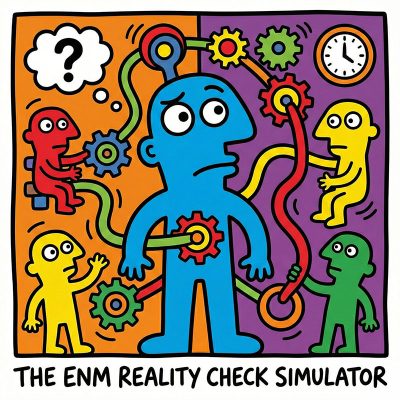
Theory is sexy. Reality is messy. You agreed you could date others, but how does your stomach drop when he takes her to your anniversary spot? Or when she comes home smelling like someone else?
This simulator drags your abstract rules into the harsh light of day. We force you to confront the visceral, gut-wrenching scenarios that actually destroy relationships, before they happen. Test your nervous system in the simulator so you don't crash the car in real life.
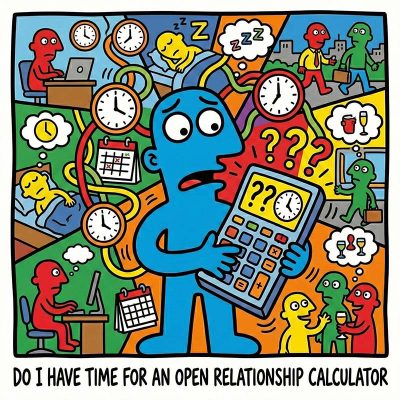
The fantasy is endless romance. The reality? It’s a logistical nightmare. Dating isn't just sex; it’s a second job of swiping, spending, and emotional processing that drains your sanity. Underestimating the "admin" of non-monogamy is the fastest way to turn your relationship into a burnout factory where resentment thrives.
This calculator forces you to confront the brutal math of your time, energy, and wallet. Can you actually afford this lifestyle, or are you just signing up for exhaustion?
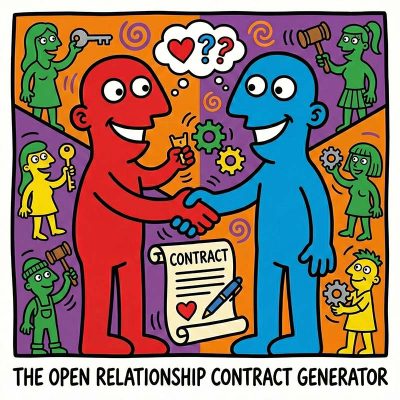
"I thought we agreed" is the sentence that destroys relationships & marriages. Relying on verbal promises when emotions run high is a gamble you cannot afford to lose. Your memory isn't just faulty; it's a liability. Ambiguity is the oxygen that jealousy breathes, turning "freedom" into a minefield of "did I mess up?"
This generator transforms vague permissions into a concrete, signed reality. Stop arguing about what you thought was said and lean on what is written. Secure your boundaries in ink, not hope.
Real life scenarios to illustrate success in an open relationship
Learning from stories helps. Here are two realistic scenarios that show common paths toward success. You can adapt the details to your own life while keeping the same underlying principles.
Scenario one A couple expands their network with a stable inner circle
Alyssa and Ben have been together for eight years. They chose to open their relationship after a long period of discussion and a test run that felt right. They created a primary partnership agreement that allowed casual dating outside with a focus on safe sex and clear boundaries around emotional involvement. They agreed to weekly check ins and a monthly deeper conversation about their own needs and any changes in feelings. They also built a small inner circle of trusted partners who know each other and who support the core couple. The open layer brings variety and novelty while the inner circle provides stability. The key to their success is ongoing communication and a shared calendar so everyone stays on the same page. When jealousy comes up they talk it through they identify the trigger and they adjust boundaries or expectations as needed. They are careful to preserve time for each other in the way that makes sense for their relationship to thrive.
Scenario two A solo opener navigating multiple connections with clear self care
Chris identifies as a solo opener meaning they prefer not to define their life around a single relationship but also want to maintain self direction. Chris dates several partners independently and maintains a strong sense of self outside any one romance. They practice very clear communication with each partner and keep a personal journal to reflect on what each connection means and what they are learning about themselves. They also schedule in time for rest and personal hobbies to avoid burnout. Chris coordinates with a primary partner to ensure there is space for shared experiences and emotional alignment. In moments of friction Chris chooses to pause dating with someone new and revisit the agreements. The practice of pausing and returning with fresh agreements helps them stay aligned while enjoying freedom in a way that feels safe and sustainable.
Common pitfalls and how to avoid them
Open relationships move quickly and that speed can cause missteps. Here are typical landmines and practical ways to sidestep them.
Ambiguity and lack of clarity
Vague agreements lead to confusion and disappointment. If a boundary feels important say it in precise terms. Put it in writing or at least in a shared document so you can refer back to it. Clear language reduces misinterpretation and makes it easier to enforce agreements when emotions run high.
Core relationship neglect
Your primary relationship should not slip away while you explore outside connections. Guard a consistent routine of time together. This includes non sexual time like shared meals or simple walks. Value your core relationship and treat it as the anchor that keeps everything else grounded.
Unequal energy or attention
One partner may feel they are contributing more or less. Discuss fairness in practical terms not just feelings. Agree on a fairness principle for example equal time or equal emotional investment. Revisit this as life changes so the principle remains relevant and fair.
Undisclosed information
Secrets create trust gaps. Agree on what needs to be disclosed and when. For example you may agree to share details about new partners that impact your time or emotional availability. There should be safe ways to bring up concerns without triggering a defensive response.
Health and safety breaches
Not sharing health information or skipping safer sex routines is risky. Establish a checklist for health to keep everyone safe. If a partner experiences an exposure or positive test results they should communicate promptly and clearly so others can decide their next steps.
Negotiation tools and practical practices
Below are practical tools to support your ongoing success in an open relationship. Use what resonates and adapt what does not fit your life.
Weekly check in template
Set aside thirty to forty minutes. Start with a quick mood check in then move into three topics that matter most that week. Examples include boundaries that felt unclear, new dating experiences, and how emotional energy is distributed. End with a plan for the coming week and any adjustments to the schedule.
Daily mood and energy journal
Keep a simple log of energy levels and mood. Note any events that raised or lowered your energy. This log helps you identify patterns such as times when you feel overwhelmed or when you have more emotional bandwidth for new connections.
Conversation starters for tough talks
Sometimes it helps to have a few ready phrases. For example I want to share how I felt about our last date and I would like to hear how that landed with you. Or I am noticing a boundary is feeling unclear would you be open to revisiting it with me. You can adapt phrases to your own voice but the goal is to invite dialogue rather than escalate tension.
Health safety checklist
Agree on a protocol for testing sharing results and deciding on safety steps. The checklist could include when to test how to document results and what to do if a partner tests positive for an STI. The point is to reduce risk while keeping the doors open to new connections.
What to say to friends and family who ask questions about ENM
Friends and family may have questions and sometimes they will voice concerns. You can keep conversations constructive by sharing your core values and describing the practical steps you take to keep everyone involved comfortable. A straightforward approach helps people understand how you balance love and freedom while taking responsibility for your actions.
How to describe ENM without jargon
Try a simple explanation you can tailor. ENM stands for ethical non monogamy and means that we choose to have romantic or sexual connections with more than one person with the consent of all involved. We choose this because it aligns with our personal values. We are careful about boundaries and communication because that is what makes it work for us.
How to describe boundaries and consent
Explain that boundaries are negotiated rules that protect feelings and safety. Consent means a clear yes given freely by all involved each time a new situation arises. If someone is uncomfortable with an option we do not push or pressure them. People in ENM stay flexible and listening is essential.
Resources and ongoing learning
No one should learn everything in a single talk. Open relationships involve ongoing learning. Books podcasts and communities can offer new perspectives and practical tips. Look for voices from diverse backgrounds so you get a broad range of experiences. If you are part of a couple or a small group consider workshops or therapy with a professional who has experience in ENM dynamics.
Final notes on success in an open relationship
Success in an open relationship is a moving target and that is a good thing. It means you can adapt as you and life change. The core idea is to stay honest about your needs stay respectful of others and stay committed to practicing good communication. If you do those things you can build a durable relationship structure that honors your freedom and your responsibilities.
Glossary of useful terms and acronyms
- ENM Ethical non monogamy a relationship style that allows more than one romantic or sexual connection with consent from everyone involved.
- Open relationship A relationship arrangement that invites dating or intimacy with others outside the main partnership with agreed boundaries.
- Compersion A feeling of joy when a partner experiences happiness with someone else often seen as the opposite of jealousy.
- Jealousy A natural emotion triggered by perceived threats to a relationship it can signal a need to set a boundary or communicate more clearly.
- Boundaries Negotiated rules that help protect safety and emotional well being within the open relationship.
- Consent A voluntary and informed agreement to participate in a specific activity or relationship dynamic.
- Primary partner The person who holds a central place in the relationship for many ENM setups.
- Secondary partner A partner who is not the primary but who has a meaningful connection inside the network.
- Testing routine A framework for safer sex including regular testing and disclosure as agreed by all involved.
Frequently asked questions
What does success look like in an open relationship
Success looks like clear communication honest negotiations boundaries that work for all involved regular check ins with honest feedback and a plan that prevents burnout. It also means safety and health are a priority and that all participants feel respected valued and heard.
How do you know if you are compatible with ENM
Compatibility comes from shared values about freedom and commitment from a willingness to practice honest communication and from a readiness to negotiate boundaries openly. It helps to try a test period with a clear plan and to reassess after a set period.
How should I handle jealousy in an open relationship
First name the feeling then explore the underlying need. Communicate what would help you feel more secure and what your partner can do to support you. Use the pause and reflect approach if needed and revisit boundaries as feelings shift.
What if my partner wants more outside connections than I am comfortable with
Explain your limits and the reasons behind them. Seek a compromise that respects both parties. If the difference remains large it may be helpful to pause open connections or to redefine the structure with professional input from a relationship therapist who understands ENM dynamics.
Is it necessary to tell others about our ENM arrangement
No not always. It depends on personal comfort and the level of transparency you have agreed upon. Some couples share only with close friends or family while others keep the details private. The key is to agree on what you will disclose and to respect those boundaries.
How long does it take for trust to build in an open relationship
Trust grows gradually with consistent behavior reliable communication and fair treatment of everyone involved. Some couples feel a stronger sense of trust after a few months while others may take longer. The important thing is to stay patient and keep choosing respectful behavior day after day.
What if a boundary is violated
Address it as soon as possible with a calm conversation. Reassess the boundary and adjust the agreement if needed. When violations happen reflect on what led to the breach and what steps will prevent it from occurring again. The goal is to learn and to restore safety for all.
Should we seek therapy for ENM concerns
Therapy can be very helpful. Look for a therapist who has experience with ethical non monogamy and relationship dynamics. A therapist can offer tools for communication boundary setting and conflict resolution and can help you navigate complex feelings in a supportive environment.
FAQ JSON LD structured data
The freedom of an open relationship sounds incredible, but the logistics can feel like holding a grenade. That spinning "what if" anxiety isn't paranoia, it’s your survival instinct warning you that your bond is exposed. "Just seeing what happens" is the fastest way to turn a fantasy into a breakup.
The Essential Guide replaces chaos with discipline. We give you the blueprints, jealousy protocols, and repair scripts needed to explore the edge without falling off. Don't guess. Secure your foundation first.
The world of non-monogamy is a maze of confusing labels. Trying to be "Polyamorous" when your heart actually needs "Swinging" isn't just a vocabulary error; it’s a recipe for misery.
You can't build a stable home on a foundation that doesn't fit your psychology. This tool analyzes your emotional bandwidth and jealousy triggers to design the exact structure you need. Stop trying to squeeze into a box that doesn't fit. Build a relationship that actually feels like home.
Opening up feels exciting, but if you aren't reading from the same script, you're writing a tragedy. The disconnect between "I want freedom" and "I want safety" is where hearts break. This isn't just a quiz; it’s a synchronization engine.
We identify the silent gaps in your desires—from sleepover rules to emotional bandwidth, before they become unbridgeable chasms. Don't wait until the damage is done to find out you were never on the same page. Align your compasses now.
Theory is sexy. Reality is messy. You agreed you could date others, but how does your stomach drop when he takes her to your anniversary spot? Or when she comes home smelling like someone else?
This simulator drags your abstract rules into the harsh light of day. We force you to confront the visceral, gut-wrenching scenarios that actually destroy relationships, before they happen. Test your nervous system in the simulator so you don't crash the car in real life.
The fantasy is endless romance. The reality? It’s a logistical nightmare. Dating isn't just sex; it’s a second job of swiping, spending, and emotional processing that drains your sanity. Underestimating the "admin" of non-monogamy is the fastest way to turn your relationship into a burnout factory where resentment thrives.
This calculator forces you to confront the brutal math of your time, energy, and wallet. Can you actually afford this lifestyle, or are you just signing up for exhaustion?
"I thought we agreed" is the sentence that destroys relationships & marriages. Relying on verbal promises when emotions run high is a gamble you cannot afford to lose. Your memory isn't just faulty; it's a liability. Ambiguity is the oxygen that jealousy breathes, turning "freedom" into a minefield of "did I mess up?"
This generator transforms vague permissions into a concrete, signed reality. Stop arguing about what you thought was said and lean on what is written. Secure your boundaries in ink, not hope.
