
What to Do If One Partner Falls in Love


If you are reading this you might be in a moment that can feel like a plot twist. One partner has fallen for someone else while you two are exploring an open relationship. You are not alone. In the world of ethical non monogamy also called ENM relationships this is a scenario that happens more often than people assume. The key is how you respond and how you use the moment to either deepen the bond you share or renegotiate in a way that feels fair and honest to everyone involved.
Quick Links to Useful Sections
- Understanding the moment and the terms you will hear
- Common scenarios when love develops in an open relationship
- The surprise crush that becomes a spark
- Love that arrives after a period of casual dating
- Old attachments meet new possibilities
- One partner recognizes a long term potential with a new person
- A practical plan to handle the moment when love arrives
- Communication strategies and sample scripts
- Opening the conversation
- Sharing your feeling using I statements
- Asking for specific boundaries
- Inviting the other person to contribute
- Handling a mismatch in needs
- Boundaries and renegotiation in practice
- Managing time and energy across multiple relationships
- Safety, health and consent in ENM
- When to seek help from a professional
- Realistic scenarios and how they unfold
- Scenario A a new partner and a lot of talk
- Scenario B ongoing conflict with a mismatch in needs
- Scenario C a compassionate response when jealousy appears
- Tools and practical tips you can use today
- Glossary of useful terms and acronyms
- Practical tips to keep in mind
- Checklist to take away from this guide
- Frequently asked questions
In this guide we will break down what it means when one partner falls in love in an open relationship. We will cover terminology so you can follow the conversation without guesswork. We will offer practical steps a couple can take together and we will share realistic scripts you can adapt. Our aim is to help you navigate with care and keep lines of communication open even when strong feelings show up in surprising ways.
Understanding the moment and the terms you will hear
First let us set the stage with a quick glossary so everyone is speaking the same language. In ENM there are a few terms that tend to show up in conversations about love for another person.
- ENM stands for ethical non monogamy. This is a relationship style where two or more adults agree to have relationships with other people in a way that is open and honest.
- Open relationship a setup where partners allow dating or forming connections with others beyond the core couple. Boundaries are defined together.
- NRE short for new relationship energy. This is the rush of excitement that can come when new feelings begin to grow with someone else.
- Compersion a positive form of feeling joy when your partner finds happiness with another person. It is often described as the opposite of jealousy.
- Boundary a limit or rule a couple agrees to follow. Boundaries help everyone feel safe and respected.
- Renegotiation the process of revisiting and updating the terms of a relationship as feelings evolve.
- Primary partner the person in a relationship who is considered the central relationship in an open dynamic. Some people use other labels like anchor or main partner but the idea is continuity and shared planning.
- Secondary partner someone who is not the primary partner in a given arrangement. This can vary over time as feelings shift.
Knowing these terms helps you move from a reaction to a plan. The goal in ENM is to keep communication clear and to protect the emotional safety of everyone involved including you and your partner who is forming the new connection.
Common scenarios when love develops in an open relationship
Love is a powerful force and it sometimes grows where we did not expect it. In open relationships this can show up in several familiar ways. Understanding the patterns can help you prepare and respond with clarity rather than fear.
The surprise crush that becomes a spark
A partner starts to feel a strong emotional connection with someone outside the core couple. It might begin as a friendship then evolve into something more. The challenge is to acknowledge the feelings without letting fear drive all decisions. Communication becomes the map that guides the way forward.
Love that arrives after a period of casual dating
In ENM the dating phase can sometimes reveal a deeper connection. Your partner may realize they want more than casual time with this person. The moment of truth often involves renegotiating how time is allocated and what kind of commitments feel comfortable for everyone at the table.
Old attachments meet new possibilities
When a couple finds themselves in a long standing pattern and someone new appears, the emotional landscape can shift. It helps to separate past issues from present realities. If there is a history of insecurity or fear of abandonment the conversation may need additional attention to avoid old wounds resurfacing.
One partner recognizes a long term potential with a new person
Sometimes love grows slowly and settles into a long term dynamic. In open relationships this can mean a three person setup or a more fluid arrangement. The key is consent and ongoing communication so that all people involved feel heard and valued.
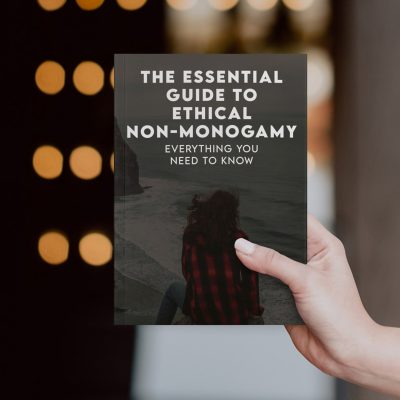
The freedom of an open relationship sounds incredible, but the logistics can feel like holding a grenade. That spinning "what if" anxiety isn't paranoia, it’s your survival instinct warning you that your bond is exposed. "Just seeing what happens" is the fastest way to turn a fantasy into a breakup.
The Essential Guide replaces chaos with discipline. We give you the blueprints, jealousy protocols, and repair scripts needed to explore the edge without falling off. Don't guess. Secure your foundation first.

The world of non-monogamy is a maze of confusing labels. Trying to be "Polyamorous" when your heart actually needs "Swinging" isn't just a vocabulary error; it’s a recipe for misery.
You can't build a stable home on a foundation that doesn't fit your psychology. This tool analyzes your emotional bandwidth and jealousy triggers to design the exact structure you need. Stop trying to squeeze into a box that doesn't fit. Build a relationship that actually feels like home.

Opening up feels exciting, but if you aren't reading from the same script, you're writing a tragedy. The disconnect between "I want freedom" and "I want safety" is where hearts break. This isn't just a quiz; it’s a synchronization engine.
We identify the silent gaps in your desires—from sleepover rules to emotional bandwidth, before they become unbridgeable chasms. Don't wait until the damage is done to find out you were never on the same page. Align your compasses now.
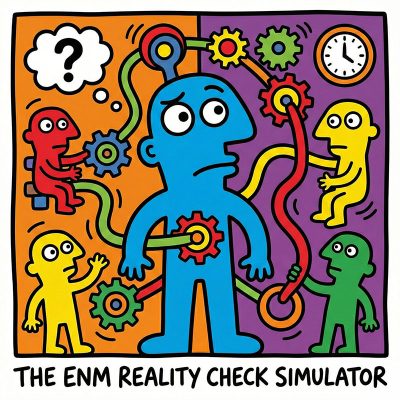
Theory is sexy. Reality is messy. You agreed you could date others, but how does your stomach drop when he takes her to your anniversary spot? Or when she comes home smelling like someone else?
This simulator drags your abstract rules into the harsh light of day. We force you to confront the visceral, gut-wrenching scenarios that actually destroy relationships, before they happen. Test your nervous system in the simulator so you don't crash the car in real life.
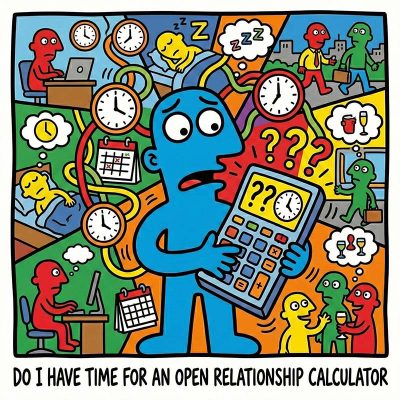
The fantasy is endless romance. The reality? It’s a logistical nightmare. Dating isn't just sex; it’s a second job of swiping, spending, and emotional processing that drains your sanity. Underestimating the "admin" of non-monogamy is the fastest way to turn your relationship into a burnout factory where resentment thrives.
This calculator forces you to confront the brutal math of your time, energy, and wallet. Can you actually afford this lifestyle, or are you just signing up for exhaustion?
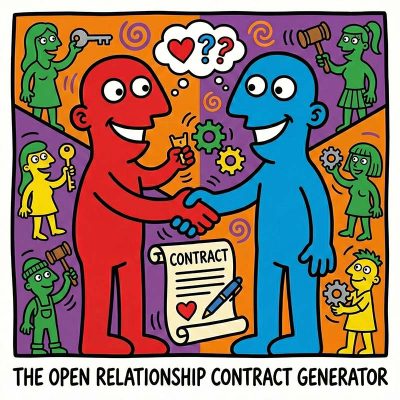
"I thought we agreed" is the sentence that destroys relationships & marriages. Relying on verbal promises when emotions run high is a gamble you cannot afford to lose. Your memory isn't just faulty; it's a liability. Ambiguity is the oxygen that jealousy breathes, turning "freedom" into a minefield of "did I mess up?"
This generator transforms vague permissions into a concrete, signed reality. Stop arguing about what you thought was said and lean on what is written. Secure your boundaries in ink, not hope.
A practical plan to handle the moment when love arrives
Below is a practical framework you can use. It is designed to be applicable whether you are just exploring ENM or you have been practicing for years. The steps are simple but not always easy. If you feel overwhelmed take it one step at a time and consider bringing in a neutral third party such as a therapist who understands ethical non monogamy.
- Pause and name the emotion when love is declared or clearly developing the first step is to slow down. Name the feeling you are having without blaming the other person. For example you could say I am feeling surprised and a bit unsettled right now. This helps you begin the conversation from a place of honesty rather than defensiveness.
- Check in with your own needs before you approach your partner take a moment to understand what you actually need. Do you need time alone to think Are you asking for reassurance Do you need clear boundaries or space to process To be fair you have needs and it is healthy to name them.
- Ask your partner for a sit down talk request a calm conversation at a time when you are unlikely to be interrupted. Explain that you want to align on what is happening and how to move forward in a way that respects everyone involved.
- Share your feelings clearly using I statements Use language that centers your experience. For example I am feeling worried about how this affects our daily routine. I want us to talk about boundaries without turning this into a fight.
- Invite your partner to share their perspective The other person deserves to be heard too. Listen for what matters to them and acknowledge the intention behind their feelings even if you do not agree with every detail.
- Define or renegotiate boundaries together Look at what is working well and what might need adjustment. Boundaries can include how much time is spent with new partners what kinds of activities are okay outside of certain relationships and how you handle disclosures or privacy.
- Agree on a renegotiation plan Decide on a timeline for the next check in. Some groups like to set a review date in a few weeks or months. Ground this plan in practical steps such as scheduling, communication expectations and safety protocols.
- Put things in writing A simple note or a shared document can be helpful. It reduces the chance of misinterpretation and gives everyone a reference point as the situation evolves.
- Practice compassionate communication Feelings can swing and the dynamics can change. Keep a practice of speaking to each other with respect even when the emotions run high. Compassion helps prevent resentment from taking root.
Communication strategies and sample scripts
Clear communication is the engine that keeps ENM relationships running smoothly. Below you will find practical scripts you can adapt. The goal is to express your experience honestly while inviting your partner to contribute their perspective.
Opening the conversation
Use a calm tone and a neutral setting. A simple opener could be The moment we need to talk about is not a bad thing. It is about keeping our relationship strong and making sure we both feel seen. I want to hear your side and share mine so we can decide together what works best for us.
Sharing your feeling using I statements
I am feeling unsettled because I care about you deeply and I want to understand what this means for us. I also want to know what you hope for with this new connection. I need a bit of time to sort through my thoughts and a plan for how we talk about this going forward.
Asking for specific boundaries
I would feel more secure if we could agree on a regular check in time and a rule that any new partner is introduced to me within a certain period. I want to avoid surprises and I want to know about major developments before they happen. Does that feel fair to you
Inviting the other person to contribute
This is about a shared situation not a solo journey. How do you feel about us coordinating with the other person The goal is to ensure everyone involved feels respected and included in decisions that affect all of us.
Handling a mismatch in needs
If one of us needs more time or space this week I can take a step back and we can revisit the plan later. Let us acknowledge that moving forward may require some flexibility and that is okay.
Boundaries and renegotiation in practice
Boundaries are not about control they are about safety and clarity. In ENM boundaries can evolve. When one partner falls in love with someone else the boundaries you set should aim to protect the core relationship while allowing the new connection room to grow if everyone agrees.
- Time boundaries how often people will spend time together how often you will see a new partner and how you plan to coordinate with schedules.
- Privacy boundaries what information is shareable and with whom who has access to updates about the new relationship.
- Sexual and romantic boundaries what kinds of activities are acceptable with the new partner what kinds of emotional intimacy are allowed and what sexual practices require extra consent and planning.
- Health and safety boundaries agreements about STI testing open communication about sexual health and safety practices including condom use and birth control where relevant.
- Communication boundaries how often you exchange messages what topics require a heads up and how you handle conflicts when they arise.
Renegotiation is normal in ENM. It is not a sign of failure. It is simply a expression of changing needs. Plan for renegotiation by setting a clear timeline and inviting all parties to participate in the discussion. The focus is on fairness and care rather than winning an argument.
Managing time and energy across multiple relationships
When love expands in a polyamorous or open setup it can feel like a balancing act. The important thing is to be practical about scheduling and emotional energy. A few ideas to keep the energy in balance:
- Block out dedicated days or evenings for different relationships so your core couple has predictable time together
- Use shared calendars or simple communication check ins to manage expectations
- Protect quiet spaces for the primary relationship where both partners can recharge
- Be honest about burnout or overwhelm and give yourselves permission to slow down if needed
Safety, health and consent in ENM
Consent is ongoing and dynamic in ENM. The moment one partner falls in love with another person does not erase the need for consent to be explicit. Discuss sexual health openly and agree on ongoing testing patterns. Establish clear rules about disclosure to all partners. If any person feels unsafe or pressured this needs to be addressed immediately.
- Health checks agree on STI testing frequency and sharing results in a timely manner with all involved partners.
- Boundaries around disclosure define who learns about what and when. Some people prefer to know at an early stage while others may want more privacy until a relationship is more established.
- Safety planning if a date turns intense or if emotions run high plan a cooling off period or a check in with a trusted friend or therapist.
- Respecting limits if a boundary is crossed even unintentionally a calm apology and a plan to repair trust is essential.
When to seek help from a professional
Some situations benefit from a neutral perspective. A therapist who understands ethical non monogamy can help you name emotions and map out healthy communication patterns. If you notice patterns of controlling behavior fear of abandonment persistent jealousy or repeated conflict a professional can help you break unhelpful cycles without shaming anyone involved.
Realistic scenarios and how they unfold
Let us walk through a few concrete scenes to illustrate how the plan can work in real life. These examples show how people can navigate with care and create outcomes that feel fair for everyone involved.
Scenario A a new partner and a lot of talk
Two weeks after a new connection appears one partner asks for a sit down. They express clear feelings and acknowledge that the open relationship structure remains a choice. They agree to a trial period with weekly check ins and a plan to share updates about how the relationship is progressing. They also agree to a simple rule to introduce the new partner to the other before any major plans are made. The conversation stays focused on care rather than blame and both partners leave with a sense of relief that their needs are being considered.
Scenario B ongoing conflict with a mismatch in needs
One partner wants more time with the new person while the other needs more space for the core relationship. They decide to alternate weeks focusing on time with the new partner and time with each other. They also renegotiate health and safety boundaries to keep all partners informed. The core relationship begins to feel more stable as both people feel heard and respected even as new elements are added to the mix.
Scenario C a compassionate response when jealousy appears
Jealousy arrives as a visceral emotion. Instead of reacting with accusation one partner names the feeling and asks for a moment to regroup. The other responds with empathy and the couple agree to a short pause on certain kinds of interactions with the new partner. They re integrate after a brief time and move forward with stronger vows of transparency and care. This pattern turns jealousy into a signal rather than a threat.
Tools and practical tips you can use today
- Write a personal reflection spend a few minutes writing about how you feel and what you want from the relationship moving forward. This can be a private exercise that you bring to your next talk.
- Create a simple plan a shared document listing time boundaries privacy expectations and health agreements. Having a written plan helps both partners stay aligned.
- Practice active listening when your partner is speaking focus fully on their message without planning a rebuttal. Repeat back what you heard to confirm understanding.
- Use a neutral tone in conversations you can acknowledge strong emotions while keeping the conversation constructive.
- Plan check ins set a recurring time to revisit how the arrangement is working for everyone involved. Adjust as needed.
Glossary of useful terms and acronyms
- ENM ethical non monogamy a relationship approach where partners consensually form connections with others.
- Open relationship a setup within ENM where partners agree to romance dating or sex with others beyond the primary union.
- NRE new relationship energy the rush of new feelings that can color judgments.
- Compersion feeling happiness when your partner connects with someone else rather than jealousy.
- Boundary a defined rule or limit that supports emotional safety and honest interaction.
- Renegotiation adjusting rules or expectations as feelings evolve.
- Primary partner the person who holds a central place in the relationship structure for planning and commitments.
- Secondary partner someone who is in a less central role but part of the open framework.
Practical tips to keep in mind
- Honesty is actionable. It is not about blame but about clarity for everyone involved.
- Kindness matters. You can be firm about needs while remaining compassionate toward your partner and their new connection.
- Consent is ongoing. People can change their minds and that is a healthy part of ENM if addressed openly.
- Plans evolve. Do not clamp down on love the moment it appears. Give it room to develop while protecting core commitments.
- Expect emotion to be a constant companion in these conversations. You can normalize fear joy curiosity and hope as part of the journey.
Checklist to take away from this guide
- Pause breathe and name your feeling when a new love emerges in an open dynamic
- Check in with your own needs before addressing your partner
- Have a calm conversation using I statements and inviting the other person to share
- renegotiate boundaries with a clear plan and timeline
- Discuss health safety and consent openly and honestly
- Consider professional guidance if the dynamic becomes overly complex or heated
Frequently asked questions
Below are common questions people have when one partner falls in love in an open relationship. If your question is not here you can add it to your plan during your next check in with your partner.
What should I do first when I hear that my partner has fallen in love with someone else
Start with your own breath. Then name your feeling and request a calm conversation. Explain that you want to understand what this means for both of you. Then invite your partner to share their perspective. The goal is to move from reaction to constructive planning rather than immediate conflict.
Is it possible to maintain a strong primary relationship after a partner falls for someone else
Yes it is possible. The key is honest communication and a practical renegotiation of boundaries that protects the core relationship while allowing the new connection to grow. It may feel challenging at first but many couples find that their bond becomes firmer once they talk openly and act with care.
How do we handle scheduling and time when love arrives for someone else
Agree on predictable check ins and a schedule that respects your time together as a couple. You can also set expectations about how much time will be dedicated to new partners in the early stages and how you will adjust as things settle.
What if I feel intense jealousy
Jealousy is a natural signal. Do not ignore it. Name it and explore what it might be telling you about your needs. Some people find relief through a cooling off period with scheduled check ins or through speaking with a therapist who specializes in ENM dynamics.
How do we talk about love with the new partner without causing drama
Address transparency from the start. Explain your boundaries and what you hope to create as a group. Encourage the new partner to participate in the conversation and to share their own boundaries and expectations. Keep the focus on respect and care for everyone involved.
Should we tell children or family about the open arrangement
That decision depends on your family and your children situation. If you choose to discuss the arrangement with family members it should be done sensitively and with consideration for privacy. Prioritize stability for any children involved and protect their well being above all else.
When is it time to seek professional guidance
Look for a therapist who understands ethical non monogamy and relationship dynamics. If there is persistent conflict unresolved jealousy or a sense that the relationship is veering out of control professional support can be invaluable and not a sign of weakness.
The freedom of an open relationship sounds incredible, but the logistics can feel like holding a grenade. That spinning "what if" anxiety isn't paranoia, it’s your survival instinct warning you that your bond is exposed. "Just seeing what happens" is the fastest way to turn a fantasy into a breakup.
The Essential Guide replaces chaos with discipline. We give you the blueprints, jealousy protocols, and repair scripts needed to explore the edge without falling off. Don't guess. Secure your foundation first.
The world of non-monogamy is a maze of confusing labels. Trying to be "Polyamorous" when your heart actually needs "Swinging" isn't just a vocabulary error; it’s a recipe for misery.
You can't build a stable home on a foundation that doesn't fit your psychology. This tool analyzes your emotional bandwidth and jealousy triggers to design the exact structure you need. Stop trying to squeeze into a box that doesn't fit. Build a relationship that actually feels like home.
Opening up feels exciting, but if you aren't reading from the same script, you're writing a tragedy. The disconnect between "I want freedom" and "I want safety" is where hearts break. This isn't just a quiz; it’s a synchronization engine.
We identify the silent gaps in your desires—from sleepover rules to emotional bandwidth, before they become unbridgeable chasms. Don't wait until the damage is done to find out you were never on the same page. Align your compasses now.
Theory is sexy. Reality is messy. You agreed you could date others, but how does your stomach drop when he takes her to your anniversary spot? Or when she comes home smelling like someone else?
This simulator drags your abstract rules into the harsh light of day. We force you to confront the visceral, gut-wrenching scenarios that actually destroy relationships, before they happen. Test your nervous system in the simulator so you don't crash the car in real life.
The fantasy is endless romance. The reality? It’s a logistical nightmare. Dating isn't just sex; it’s a second job of swiping, spending, and emotional processing that drains your sanity. Underestimating the "admin" of non-monogamy is the fastest way to turn your relationship into a burnout factory where resentment thrives.
This calculator forces you to confront the brutal math of your time, energy, and wallet. Can you actually afford this lifestyle, or are you just signing up for exhaustion?
"I thought we agreed" is the sentence that destroys relationships & marriages. Relying on verbal promises when emotions run high is a gamble you cannot afford to lose. Your memory isn't just faulty; it's a liability. Ambiguity is the oxygen that jealousy breathes, turning "freedom" into a minefield of "did I mess up?"
This generator transforms vague permissions into a concrete, signed reality. Stop arguing about what you thought was said and lean on what is written. Secure your boundaries in ink, not hope.
