
When Emotional Intimacy Feels Like Cheating


Let us start with a truth that sometimes lands with a loud thud and sometimes whispers at the edge of your caffeine high. In open relationships and other forms of ethical non monogamy, emotional closeness with someone outside your primary partner can feel like cheating even when you have clear agreements. The ache is real and the lessons can be mighty. This guide breaks down what is happening, why it feels like betrayal, and how to navigate the mess with honesty, practical steps, and a bit of humor. We keep it real because you deserve a playbook that respects your relationships and your sanity.
Quick Links to Useful Sections
- What ENM means and terms you might hear
- Why emotional intimacy can feel like cheating in ENM
- First pattern the fog thickens when boundaries blur
- Second pattern the shadow of insecurity
- Third pattern the NRE surge overrides good sense
- Fourth pattern the label trap
- Realistic scenarios you may recognize
- Scenario one a deep emotional conversation with a new partner
- Scenario two romantic feelings blooming for a partner outside the primary
- Scenario three outside voices pressuring to label the situation as cheating
- Scenario four secrecy creeps in
- Boundaries and agreements that help prevent emotional closeness from feeling like cheating
- Time boundaries
- Disclosure boundaries
- Emotional sharing boundaries
- Privacy boundaries
- Activity boundaries
- Strategies for ethical emotional intimacy in ENM
- Communicate with intention not being dramatic
- Create a neutral space for tough topics
- Practice active listening
- Respect the process of negotiation
- Use write it down agreements
- Check in after emotionally charged moments
- Red flags that your closeness inside ENM has crossed into what feels like cheating
- Practical conversation starters for renegotiating boundaries
- How to keep the flame alive in a healthy ENM dynamic
- Common mistakes in ENM that frequently cause emotional closeness to feel like cheating
- Tools and practices that help you navigate emotional intimacy with care
- Glossary of useful terms and acronyms you might encounter
- Practical tips for talking it out with care
- What to do if you feel overwhelmed or unsure
- Putting it all together how to approach this in your life
- How to introduce a new boundary without blowing up the relationship
- Putting the science into practice how attachment styles affect ENM
- A simple framework for ongoing consent in ENM
- Three real life questions you can ask today
- Final thoughts for navigating emotional intimacy without feeling accused
What ENM means and terms you might hear
Before we dive into the tough parts, here is a simple glossary so you are not chasing a handful of buzzwords in the middle of a conversation. ENM stands for ethical non monogamy. This is a relationship philosophy that someone can choose when they prefer to have more than one emotional or romantic connection at the same time. The word ethical matters because the aim is honesty, consent, and ongoing communication rather than secrecy or manipulation. In practice ENM can look very different from one couple to another. Some people use a hierarchy where one partner is primary and others are secondary. Others practice non hierarchical approaches where all partners have equal standing. The goal is to have clear agreements and to revisit them as life changes.
- Ethical non monogamy A relationship style that is built on consent and clear communication about multiple romantic or intimate connections.
- Primary partner The person who holds the main place in a person s life, often with specific shared plans like living arrangements or family goals. This can vary a lot from one household to another.
- Non hierarchical A structure where no single relationship is considered more important than others. All connections are treated with equal care and attention.
- Compersion A positive feeling when a partner experiences happiness with another person. The opposite of jealousy in many situations and a goal for some ENM communities.
- Jealousy An emotional response that can show up as fear, insecurity, or vulnerability when a partner connects with someone else. Jealousy is a signal not a rule. It points to needs that are not being met or expectations that are shifting.
- New relationship energy The rush and excitement that comes at the start of a new relationship. NRE is powerful and can sometimes sway judgments or priorities if not kept in check.
- Boundaries Agreements about what is allowed or not allowed. Boundaries can be about time, types of interactions, disclosure, and emotional sharing.
- Transparency Open sharing of feelings, needs, changes, and decisions so that all involved can adjust together.
- Emotional intimacy A deep sense of closeness and vulnerability with someone. This can be healing and transformative but in ENM it must be navigated with awareness and consent.
Why emotional intimacy can feel like cheating in ENM
The gut punch in open relationships often arrives when emotional closeness grows in a direction that was not fully anticipated or explained to all involved. There are several common patterns that make emotional intimacy feel akin to betrayal even when there is no actual breach of a stated rule. Understanding these patterns helps you catch trouble before it becomes a full on conflict.
First pattern the fog thickens when boundaries blur
When you sit down to discuss what is allowed and what is not the line items may be precise but the edges are soft. People often avoid naming their nervous system responses out loud. If you do not name the fear and the need behind the boundary the boundary itself can feel vague and easily crossed in the heat of a long conversation or a late night message exchange. Clarity matters because it protects both sides of a relationship and reduces accidental missteps.
Second pattern the shadow of insecurity
Insecurity does not mean you are failing at your relationship. It is a signal that something in the fabric of the connection needs attention. Maybe you worry about your partner losing interest or about support slipping away. Perhaps you fear losing time with your partner to someone else or fear your own vulnerability. In ENM the aim is to acknowledge those fears and address the underlying needs rather than letting fear morph into accusations or secrecy.
Third pattern the NRE surge overrides good sense
New relationship energy is intense and bright. It can push you to prioritize someone new in ways that undermine a long standing dynamic. The sense of discovery can feel intoxicating and it can cause you to neglect or minimize the agreements you previously made. If this happens you can end up in a place where emotional closeness feels like a breach even if no one is breaking a stated rule.
Fourth pattern the label trap
Sometimes the question of what to call a situation becomes a larger barrier. People say this feels like cheating because the language in the moment makes it feel that way even if the agreements say otherwise. If you call something something else you may end up avoiding a real conversation about a boundary or a need. The solution is to focus on actions and needs rather than titles in the moment.
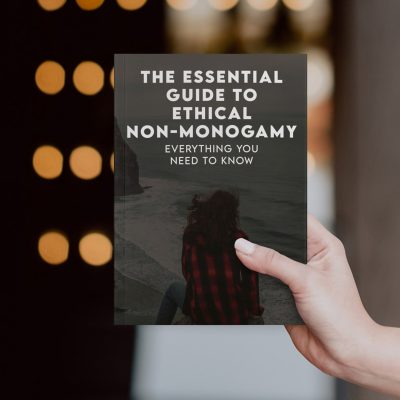
The freedom of an open relationship sounds incredible, but the logistics can feel like holding a grenade. That spinning "what if" anxiety isn't paranoia, it’s your survival instinct warning you that your bond is exposed. "Just seeing what happens" is the fastest way to turn a fantasy into a breakup.
The Essential Guide replaces chaos with discipline. We give you the blueprints, jealousy protocols, and repair scripts needed to explore the edge without falling off. Don't guess. Secure your foundation first.

The world of non-monogamy is a maze of confusing labels. Trying to be "Polyamorous" when your heart actually needs "Swinging" isn't just a vocabulary error; it’s a recipe for misery.
You can't build a stable home on a foundation that doesn't fit your psychology. This tool analyzes your emotional bandwidth and jealousy triggers to design the exact structure you need. Stop trying to squeeze into a box that doesn't fit. Build a relationship that actually feels like home.

Opening up feels exciting, but if you aren't reading from the same script, you're writing a tragedy. The disconnect between "I want freedom" and "I want safety" is where hearts break. This isn't just a quiz; it’s a synchronization engine.
We identify the silent gaps in your desires—from sleepover rules to emotional bandwidth, before they become unbridgeable chasms. Don't wait until the damage is done to find out you were never on the same page. Align your compasses now.
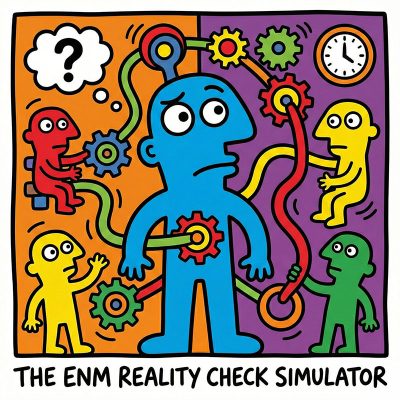
Theory is sexy. Reality is messy. You agreed you could date others, but how does your stomach drop when he takes her to your anniversary spot? Or when she comes home smelling like someone else?
This simulator drags your abstract rules into the harsh light of day. We force you to confront the visceral, gut-wrenching scenarios that actually destroy relationships, before they happen. Test your nervous system in the simulator so you don't crash the car in real life.
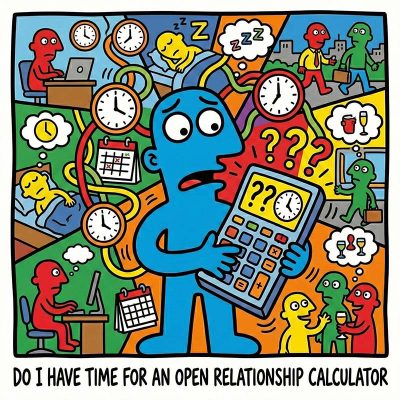
The fantasy is endless romance. The reality? It’s a logistical nightmare. Dating isn't just sex; it’s a second job of swiping, spending, and emotional processing that drains your sanity. Underestimating the "admin" of non-monogamy is the fastest way to turn your relationship into a burnout factory where resentment thrives.
This calculator forces you to confront the brutal math of your time, energy, and wallet. Can you actually afford this lifestyle, or are you just signing up for exhaustion?
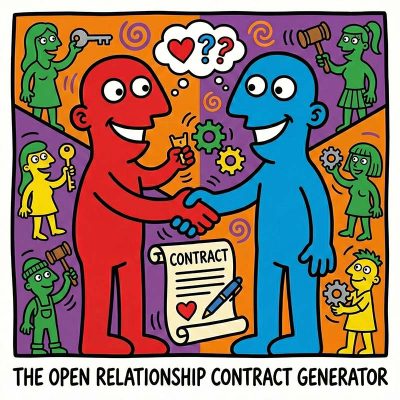
"I thought we agreed" is the sentence that destroys relationships & marriages. Relying on verbal promises when emotions run high is a gamble you cannot afford to lose. Your memory isn't just faulty; it's a liability. Ambiguity is the oxygen that jealousy breathes, turning "freedom" into a minefield of "did I mess up?"
This generator transforms vague permissions into a concrete, signed reality. Stop arguing about what you thought was said and lean on what is written. Secure your boundaries in ink, not hope.
Realistic scenarios you may recognize
Let us walk through several scenarios that happen with some frequency in ENM households. The aim is not to scare you but to give you a true sense of the emotional landscape and practical ways to respond peacefully and practically.
Scenario one a deep emotional conversation with a new partner
Alex starts a chat that goes for hours with someone they recently met. The talk veers into topics about trust, family histories, long term goals, and personal vulnerabilities. The emotional closeness feels meaningful. Alex notices the other person matters to them in a way that starts to shift energy away from their primary relationship. The partner in the primary relationship notices and feels unsettled because this is new territory and they were not invited into these conversations as a shared space. How to respond diplomatically and effectively: first name the feeling up front with your partner, then schedule a joint check in with all parties involved, confirm that the emotional conversations with the new partner are within the boundaries agreed, and decide together how to re invest time to restore a sense of safety inside the primary bond. In practice you might set up a weekly three person check in to discuss priorities, boundaries that have shifted, and what each person needs to feel secure. And you might expand the circle carefully and only with mutual consent.
Scenario two romantic feelings blooming for a partner outside the primary
A partner develops romantic feelings for someone else. The feelings are mutual but the situation feels delicate. The worry is not a label but the potential drift in attention away from the core relationship. How to handle this well includes a strategy of slow unfolding. Discuss what changes in daily life feel safe and what would feel risky. Discuss the pace of developing a new relationship and create a plan for ensuring that a sense of emotional safety for the primary relationship remains a priority. Use weekly reflection time to assess whether the primary relationship still receives the required time and energy to stay strong. It also helps to have a clear understanding of what would trigger a pause or a re negotiation of agreements so nobody has to guess what counts as a breach.
Scenario three outside voices pressuring to label the situation as cheating
Social circles occasionally place pressure on partners about what counts as cheating in ENM. The tug here is not the actual actions but the sense that you must prove how ethical you are or prove how serious a person you are about your partner. The antidote is transparency. Keep a visible conversation with all involved where the rules are explained honestly and the reasons behind them are shared. If someone outside your circle tries to rewrite your agreements that is a red flag that you need to revisit who holds the influence in the relationship. Reaffirm the agreements together and consider bringing in a neutral mediator such as a therapist who is comfortable with ENM dynamics.
Scenario four secrecy creeps in
Secrecy is the enemy of trust. If you find yourself hiding messages or deleting conversations or attempting to cover up emotional closeness a conversation needs to happen at once. The shift is not merely a rule violation but a signal that the safety net of consent and communication is thinning. Tie this to a practical plan by scheduling an immediate open conversation with all parties. Decide together if more disclosure is necessary or if a topic will remain private as a shared decision. The point is to keep transparency the default and to reestablish safe boundaries that respect all people involved.
Boundaries and agreements that help prevent emotional closeness from feeling like cheating
Boundaries are not prison walls. They are living agreements that help all people involved know what is possible and what would feel risky. In ENM you may find yourself needing both universal rules and personalized boundaries. A good approach blends clear expectations with room to adapt as life evolves.
Time boundaries
Agree on how much time you dedicate to each relationship. This helps prevent a sense of neglect or focus drift. A workable approach is to set a recurring weekly or bi weekly review to adjust time allocations. The point is to make space for every relationship that matters and to stay honest when your calendar becomes tight.
Disclosure boundaries
Agree on how much information you share about outside relationships with the primary partner. Some people want every detail while others prefer a high level summary. The key is to be honest about what you are sharing and why. The purpose is not to control but to maintain safety and trust.
Emotional sharing boundaries
Decide what topics belong in public conversations with the group and which should be private. For example you might share general feelings about a new relationship but not the most intimate secrets that affect your partner s self esteem. This helps keep the space safe for everyone involved and reduces the risk of misinterpretation.
Privacy boundaries
Consider boundaries around social media, messaging and public posts. Some people are comfortable with posts that celebrate a new relationship while others want private boundaries about who sees what. Align these expectations early so there are no surprises.
Activity boundaries
These are practical limits around what activities are acceptable with different partners. It could involve where you meet, what kinds of dates you go on, or what level of physical intimacy is involved with outside partners. Make these boundaries clear and revisit them as needed so they stay relevant.
Strategies for ethical emotional intimacy in ENM
The following practical steps help you manage emotional closeness with care. The goal is not to eliminate vulnerability but to channel it in ways that respect everyone involved and keep trust intact.
Communicate with intention not being dramatic
When you notice a shift in emotion or a new feeling for someone outside your primary, name it. Do not wait to see how it plays out in your head. A direct and non accusatory conversation helps you stay connected with your partner. Use language that describes your own experience rather than labeling someone else s character. For example say I am noticing a strong connection and I want to discuss how we can handle this in a way that protects our relationship rather than placing blame on either of us.
Create a neutral space for tough topics
Choose a setting that feels safe for all parties. A time when you are calm and well rested can help. Do not bring up heavy boundary conversations in the heat of an argument or when one person is emotionally taxed. A calm environment makes it easier to listen and respond with empathy.
Practice active listening
Active listening means summarizing what you heard, reflecting feelings, and asking clarifying questions. It helps prevent misinterpretation and makes it easier for everyone to feel heard. It also reduces the urge to jump to conclusions or to interpret as a betrayal something that is simply a new connection.
Respect the process of negotiation
Agreeing to changes takes time. Don t rush to closure. It is acceptable to set a plan with a timeline for revisiting a boundary and to let the first attempt run for a period before you re evaluate. Patience with the process is a sign of respect for all involved and increases the odds of a sustainable arrangement.
Use write it down agreements
Put your agreements in writing whether you are using a casual text chat or a more formal document. Writing down the agreements helps eliminate confusion and provides a reference point if a dispute arises. It can also remind you of what you promised to yourself and to your partner.
Check in after emotionally charged moments
When a difficult conversation or a strong emotional moment happens check in later. A simple reminder that you are still committed to the relationship and that you care about the other person often makes a big difference. A quick check in can defuse residual tension and rebuild trust more quickly than silence or simmering resentment.
Red flags that your closeness inside ENM has crossed into what feels like cheating
Knowing when a line has been crossed is crucial. Here are some signs that you may be drifting into behavior that your partner might interpret as betrayal even if it is not a formal breach of a boundary.
- Secrecy about a relationship or about conversations that used to be shared with your partner
- Shifting priorities that leave your partner feeling neglected
- Consistent avoidance of the primary relationship during important moments
- Lying or half truths about the nature of a connection
- Ignoring previously agreed boundaries or making exceptions without discussion
- Persistent emotional distance from the primary partner without explanation
Practical conversation starters for renegotiating boundaries
If you sense a boundary needs re examination, use these conversation starters to keep the dialogue constructive rather than punitive or accusatory.
- Let s talk about how our current agreements are working and what feels off to you right now
- I am noticing that I feel unsettled by our new connection and I want to understand and adjust together
- What changes would make you feel safer while still allowing me to maintain this connection
- Are there moments when you want more space from my outside relationship and how can we handle that
- What is a practical timeline for revisiting our agreements so we can maintain trust
The freedom of an open relationship sounds incredible, but the logistics can feel like holding a grenade. That spinning "what if" anxiety isn't paranoia, it’s your survival instinct warning you that your bond is exposed. "Just seeing what happens" is the fastest way to turn a fantasy into a breakup.
The Essential Guide replaces chaos with discipline. We give you the blueprints, jealousy protocols, and repair scripts needed to explore the edge without falling off. Don't guess. Secure your foundation first.
The world of non-monogamy is a maze of confusing labels. Trying to be "Polyamorous" when your heart actually needs "Swinging" isn't just a vocabulary error; it’s a recipe for misery.
You can't build a stable home on a foundation that doesn't fit your psychology. This tool analyzes your emotional bandwidth and jealousy triggers to design the exact structure you need. Stop trying to squeeze into a box that doesn't fit. Build a relationship that actually feels like home.
Opening up feels exciting, but if you aren't reading from the same script, you're writing a tragedy. The disconnect between "I want freedom" and "I want safety" is where hearts break. This isn't just a quiz; it’s a synchronization engine.
We identify the silent gaps in your desires—from sleepover rules to emotional bandwidth, before they become unbridgeable chasms. Don't wait until the damage is done to find out you were never on the same page. Align your compasses now.
Theory is sexy. Reality is messy. You agreed you could date others, but how does your stomach drop when he takes her to your anniversary spot? Or when she comes home smelling like someone else?
This simulator drags your abstract rules into the harsh light of day. We force you to confront the visceral, gut-wrenching scenarios that actually destroy relationships, before they happen. Test your nervous system in the simulator so you don't crash the car in real life.
The fantasy is endless romance. The reality? It’s a logistical nightmare. Dating isn't just sex; it’s a second job of swiping, spending, and emotional processing that drains your sanity. Underestimating the "admin" of non-monogamy is the fastest way to turn your relationship into a burnout factory where resentment thrives.
This calculator forces you to confront the brutal math of your time, energy, and wallet. Can you actually afford this lifestyle, or are you just signing up for exhaustion?
"I thought we agreed" is the sentence that destroys relationships & marriages. Relying on verbal promises when emotions run high is a gamble you cannot afford to lose. Your memory isn't just faulty; it's a liability. Ambiguity is the oxygen that jealousy breathes, turning "freedom" into a minefield of "did I mess up?"
This generator transforms vague permissions into a concrete, signed reality. Stop arguing about what you thought was said and lean on what is written. Secure your boundaries in ink, not hope.
How to keep the flame alive in a healthy ENM dynamic
Maintaining intimacy inside an ENM dynamic requires continuous effort. The following practices help keep the core relationship strong while embracing new connections. These ideas are not about policing each other but about sustaining mutual respect and care.
- Celebrate closeness in small ways. Acknowledge what each person brings to the table and how the relationship contributes to your life
- Schedule regular time that is just for you and your primary partner. This resets the emotional balance and keeps the bond visible
- Make space for shared experiences with the outside partner. This builds trust and reduces the feeling of secrecy
- Practice gratitude and appreciation openly in your conversations. It reinforces the positive aspects of the relationship
- Develop a code of conduct that centers respect and consent rather than fear or control
Common mistakes in ENM that frequently cause emotional closeness to feel like cheating
Even with best intentions, slip ups happen. Here are some of the most common missteps and how to avoid them.
- Trying to hide the emotional bond rather than addressing it directly
- Assuming that simple attraction equals harmful intent
- Falling into the trap of waiting for the other person to break the rule before acting
- Ignoring the impact on the primary relationship or discounting the other s feelings
- Delaying talks about boundaries until a crisis moment occurs
Tools and practices that help you navigate emotional intimacy with care
Use these practical tools to foster honest communication and stable boundaries. The aim is to create a durable environment where people can grow together and separately without blame or shame.
- Boundary mapping exercises that visually show how each relationship sits on time, emotional energy, and disclosure
- Regular relationship audits where all people discuss what is working and what is not in a structured way
- Commitment to transparency about changes in feelings or new connections
- Joint sessions with a therapist who understands ethical non monogamy if tensions run high
- Scripts and conversation templates to help you articulate needs without blame
Glossary of useful terms and acronyms you might encounter
- ENM Ethical non monogamy a relationship approach that embraces multiple emotional or romantic connections with the consent of all involved.
- Polyamory A form of ENM where two or more romantic relationships are pursued with the knowledge and consent of everyone involved.
- Hierarchical ENM A structure that assigns different levels of importance to relationships with a primary partner and one or more secondary partners.
- Non hierarchical ENM A structure where no relationship holds a higher status than others and all are treated with equal respect.
- Compersion The experience of happiness through a partner s connection with someone else rather than jealousy or envy.
- NRE New relationship energy the surge of excitement that accompanies a new romantic connection.
- Boundaries Agreed limits about what is allowed or not allowed in a relationship
- Transparency Open sharing of feelings and information about relationships to strengthen trust
- Primary partner The person who holds a central place in one s life and life plans
- Secondary partner A partner who is not the primary but still important in the person s life
Practical tips for talking it out with care
When emotional intimacy feels risky or painful in ENM, a thoughtful conversation can save a lot of heart ache. Here are some practical tips that can help you speak clearly and listen deeply.
- Begin from your own experience. Use statements that describe what you feel rather than blaming the other person
- Ask clarifying questions to avoid assumptions that can derail the conversation
- Share concrete needs that would help you feel safe and connected
- Summarize what you heard and invite the other person to correct any misinterpretations
- Agree on a plan for trial and review so you can adjust as life evolves
What to do if you feel overwhelmed or unsure
Feeling overwhelmed does not mean you are failing. It means you are navigating a complicated emotional landscape. Here is a simple plan to regain clarity without pulling the plug on an important connection.
- Take a break from discussing difficult topics to allow emotions to settle
- Make a written note of the specific fears or concerns that surfaced
- Schedule a conversation with your partner when you both feel ready
- Consider a session with a knowledgeable therapist who understands ENM dynamics
Putting it all together how to approach this in your life
Every couple or group practicing ethical non monogamy will handle emotional closeness differently. The key is to stay aligned on consent, to keep communication open and to treat every relationship with care. You will find that the better you become at naming needs and negotiating boundaries the less likely you are to experience the stuck feeling that something has gone wrong. You can learn to notice early signs of tension and address them before they become a full fledged mis understanding. You can also learn to celebrate the growth that happens when we allow ourselves to love more than one person while staying loyal to the commitments we make together.
How to introduce a new boundary without blowing up the relationship
Introducing a boundary can feel like telling someone to change. The trick is to frame the boundary in terms of care for the relationship and the people involved. Start with a statement of purpose that centers safety and trust. Then describe the boundary clearly and explain how it supports the relationship you share. Finally invite feedback and schedule a time to revisit. This approach reduces defensiveness and increases the chance that the boundary will be embraced rather than resisted.
Putting the science into practice how attachment styles affect ENM
Attachment theory helps explain why emotional closeness can feel threatening in open relationships. People with secure attachment tend to navigate ENM with ease because they trust their partner and themselves to handle closeness and distance. People with anxious attachment may experience more fear around losing the primary relationship to someone else. People with avoidant attachment might withdraw or avoid talking about needs until a crisis emerges. Understanding your own attachment style and your partner s can lead to targeted conversations and more compassionate agreements. If you want practical steps to apply this idea consider a short exercise that identifies your attachment triggers. It can be done privately and then discussed in a calm setting with your partner or partners.
A simple framework for ongoing consent in ENM
Consent in ethical non monogamy is not a one time event. It is an ongoing practice that requires listening and adjustment. A simple framework is to check in at three key moments. Before any new connection check what is possible and what would feel risky. During any new connection check how things are going and whether any boundaries need tightening. After a new connection ends reflect together on what went well and what did not and adapt the agreements as needed. This approach helps keep energy honest and relationships stable.
Three real life questions you can ask today
- What would make you feel safer if a new connection begins this week
- What is a small but real change I could make to show you you are still a priority
- What is the kind of transparency that would help you most right now
Final thoughts for navigating emotional intimacy without feeling accused
In the end this is about care and truth who you are together with and what you both need to feel safe and loved. Open relationships can be deeply rewarding when you build the space for vulnerability and when you honor the agreements that keep everyone feeling respected. You will get better at naming your needs at listening to your partner and at re routing emotional energy toward a shared life that feels honest and good. It is a journey and the better you ride it the less likely emotional closeness will feel like cheating for you and the people you love.
The freedom of an open relationship sounds incredible, but the logistics can feel like holding a grenade. That spinning "what if" anxiety isn't paranoia, it’s your survival instinct warning you that your bond is exposed. "Just seeing what happens" is the fastest way to turn a fantasy into a breakup.
The Essential Guide replaces chaos with discipline. We give you the blueprints, jealousy protocols, and repair scripts needed to explore the edge without falling off. Don't guess. Secure your foundation first.
The world of non-monogamy is a maze of confusing labels. Trying to be "Polyamorous" when your heart actually needs "Swinging" isn't just a vocabulary error; it’s a recipe for misery.
You can't build a stable home on a foundation that doesn't fit your psychology. This tool analyzes your emotional bandwidth and jealousy triggers to design the exact structure you need. Stop trying to squeeze into a box that doesn't fit. Build a relationship that actually feels like home.
Opening up feels exciting, but if you aren't reading from the same script, you're writing a tragedy. The disconnect between "I want freedom" and "I want safety" is where hearts break. This isn't just a quiz; it’s a synchronization engine.
We identify the silent gaps in your desires—from sleepover rules to emotional bandwidth, before they become unbridgeable chasms. Don't wait until the damage is done to find out you were never on the same page. Align your compasses now.
Theory is sexy. Reality is messy. You agreed you could date others, but how does your stomach drop when he takes her to your anniversary spot? Or when she comes home smelling like someone else?
This simulator drags your abstract rules into the harsh light of day. We force you to confront the visceral, gut-wrenching scenarios that actually destroy relationships, before they happen. Test your nervous system in the simulator so you don't crash the car in real life.
The fantasy is endless romance. The reality? It’s a logistical nightmare. Dating isn't just sex; it’s a second job of swiping, spending, and emotional processing that drains your sanity. Underestimating the "admin" of non-monogamy is the fastest way to turn your relationship into a burnout factory where resentment thrives.
This calculator forces you to confront the brutal math of your time, energy, and wallet. Can you actually afford this lifestyle, or are you just signing up for exhaustion?
"I thought we agreed" is the sentence that destroys relationships & marriages. Relying on verbal promises when emotions run high is a gamble you cannot afford to lose. Your memory isn't just faulty; it's a liability. Ambiguity is the oxygen that jealousy breathes, turning "freedom" into a minefield of "did I mess up?"
This generator transforms vague permissions into a concrete, signed reality. Stop arguing about what you thought was said and lean on what is written. Secure your boundaries in ink, not hope.
