
When Opening Up Strengthens a Relationship

If you are reading this you might be curious about opening up your relationship or you are already navigating the wild and wonderful world of ethical non monogamy. Our goal here is to give you practical tips honest advice and real world scenarios that help you move from curiosity to confident action. This is not about chaos this is about choice consent and care. You can open up in a way that strengthens the bond you already have with your partner and perhaps with yourself as well. Let’s break this down in a way that feels doable and even exciting.
Quick Links to Useful Sections
- What exactly is an open relationship and what does ENM mean
- Why opening up can strengthen a relationship
- Common terms and acronyms explained
- Are you ready to open up your relationship
- How to start the conversation about opening up
- Negotiating boundaries and rules that actually work
- Dealing with jealousy and tough emotions
- Realistic scenarios how openness can strengthen a relationship in action
- Scenario one a couple navigates time management
- Scenario two dealing with NRE while maintaining trust
- Scenario three repairing after a boundary misstep
- Scenario four solo poly and the primary couple dynamic
- Safety health and emotional well being
- Maintaining the relationship long term
- Real life lessons from the field
- Case studies how different dynamics can work
- Glossary of useful ENM terms explained
- Practical tips for making openness work in real life
- Common mistakes and how to avoid them
- Putting it all together what a healthy opening looks like
- Frequently asked questions
What exactly is an open relationship and what does ENM mean
Before we dive in let us set some basics that will keep us all on the same page. An open relationship is a relationship structure in which the people involved agree to engage in sexual or romantic connections with other people outside their primary partnership. The open aspect is not a free for all it is a negotiated openness that fits the values needs and comfort levels of the people involved. ENM stands for Ethical Non Monogamy. That phrase highlights the idea that honesty consent and communication are the cornerstones of any non monogamous arrangement.
In this article we will also touch on CNM. CNM means Consensual Non Monogamy. Some people use ENM CNM and related terms interchangeably while others draw subtle distinctions between them. The key idea is the same. You and your partner decide together what openness means for you and you respect each other enough to renegotiate when life changes. If you are new to this language do not worry. Terms are tools not shackles. The important thing is to align on what openness means for your unique relationship and how to practice it with care.
Let me be clear opening up does not fix a broken relationship. It can expand your world or complicate it. The outcome depends on communication emotional honesty and the willingness to work through challenges together. With the right approach opening up can strengthen trust increase emotional intimacy and deepen your connection in meaningful ways. Now let us look at how that happens in practice.
Why opening up can strengthen a relationship
Opening up a relationship can strengthen the bond when it is approached with intention. Here are some of the key ways this can happen.
- Clear communication builds trust When you talk about boundaries desires and fears you create a shared operating system. This reduces miscommunication and helps both partners feel seen and heard.
- Consent is an ongoing practice Consent is not a one time checkbox. It is a dynamic practice that is revisited as people grow and change. This ongoing consent deepens respect and care.
- Personal growth supports relationship growth Exploring outside connections can illuminate what you value in your primary relationship. It can highlight strengths and reveal areas for further work.
- Improved sexual and emotional honesty Openness invites vulnerability. When you name what you want and what you do not want you create a safer emotional space for both partners.
- Compersion and shared happiness Compersion is the feeling of joy from your partner s happiness with someone else. It is the opposite of jealousy and a sign of healthy interdependence.
- Reinforced boundaries increase security Boundaries are not walls they are guidelines. When you negotiate clear boundaries you know what is acceptable and what is not which reduces fear and insecurity.
- Resilience through renegotiation Life changes and so do people. The ability to renegotiate rules with compassion keeps the relationship adaptable not rigid.
We are not talking about chaos here we are talking about strategy. If opening up feels chaotic it is usually a sign that the foundation needs work. The good news is that you can build that foundation with practical steps that apply to almost any couple or polycule scenario.
The freedom of an open relationship sounds incredible, but the logistics can feel like holding a grenade. That spinning "what if" anxiety isn't paranoia, it’s your survival instinct warning you that your bond is exposed. "Just seeing what happens" is the fastest way to turn a fantasy into a breakup.
The Essential Guide replaces chaos with discipline. We give you the blueprints, jealousy protocols, and repair scripts needed to explore the edge without falling off. Don't guess. Secure your foundation first.

The world of non-monogamy is a maze of confusing labels. Trying to be "Polyamorous" when your heart actually needs "Swinging" isn't just a vocabulary error; it’s a recipe for misery.
You can't build a stable home on a foundation that doesn't fit your psychology. This tool analyzes your emotional bandwidth and jealousy triggers to design the exact structure you need. Stop trying to squeeze into a box that doesn't fit. Build a relationship that actually feels like home.

Opening up feels exciting, but if you aren't reading from the same script, you're writing a tragedy. The disconnect between "I want freedom" and "I want safety" is where hearts break. This isn't just a quiz; it’s a synchronization engine.
We identify the silent gaps in your desires—from sleepover rules to emotional bandwidth, before they become unbridgeable chasms. Don't wait until the damage is done to find out you were never on the same page. Align your compasses now.
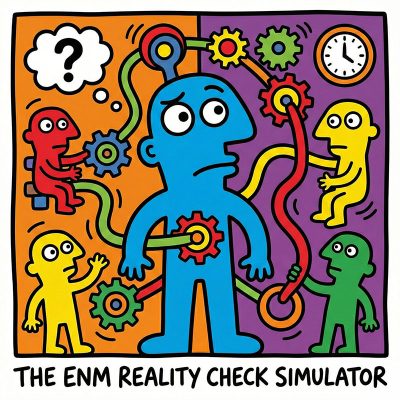
Theory is sexy. Reality is messy. You agreed you could date others, but how does your stomach drop when he takes her to your anniversary spot? Or when she comes home smelling like someone else?
This simulator drags your abstract rules into the harsh light of day. We force you to confront the visceral, gut-wrenching scenarios that actually destroy relationships, before they happen. Test your nervous system in the simulator so you don't crash the car in real life.
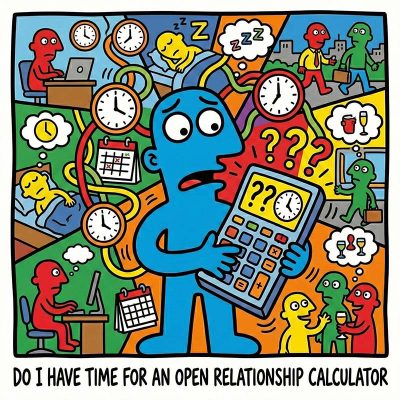
The fantasy is endless romance. The reality? It’s a logistical nightmare. Dating isn't just sex; it’s a second job of swiping, spending, and emotional processing that drains your sanity. Underestimating the "admin" of non-monogamy is the fastest way to turn your relationship into a burnout factory where resentment thrives.
This calculator forces you to confront the brutal math of your time, energy, and wallet. Can you actually afford this lifestyle, or are you just signing up for exhaustion?
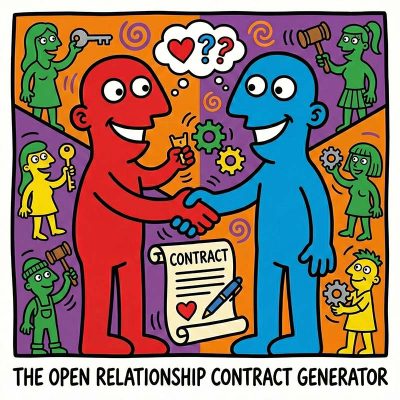
"I thought we agreed" is the sentence that destroys relationships & marriages. Relying on verbal promises when emotions run high is a gamble you cannot afford to lose. Your memory isn't just faulty; it's a liability. Ambiguity is the oxygen that jealousy breathes, turning "freedom" into a minefield of "did I mess up?"
This generator transforms vague permissions into a concrete, signed reality. Stop arguing about what you thought was said and lean on what is written. Secure your boundaries in ink, not hope.
Common terms and acronyms explained
Understanding the lingo helps you communicate more clearly. Here are the key terms you will want to know and use.
- Open relationship A relationship in which the partners agree to involve others for sexual or romantic connections while maintaining their primary partnership.
- Ethical Non Monogamy ENM a broad umbrella term for relationship styles that involve openness with consent and honesty.
- Consensual Non Monogamy CNM the same idea described with a focus on mutual consent among all involved.
- New Relationship Energy NRE the excitement and novelty that can appear at the start of a new connection.
- Compersion A positive feeling when your partner experiences joy with someone else often described as the opposite of jealousy.
- Primary partner The person in a relationship who holds the central place for emotional or logistical reasons though not all open relationships use this label.
- Secondary partner A partner who may have less daily impact on life or a different level of commitment than a primary partner.
- Polyamory A form of non monogamy where individuals have multiple loving and often emotionally meaningful relationships simultaneously.
- Swinging A form of non monogamy focused more on sexual activity with others rather than building emotional connections.
- Monogamy A relationship structure in which two people commit exclusively to each other in romantic and erotic terms. This is the contrast to ENM.
Being able to explain these terms to each other helps you avoid jargon wars and keeps conversations constructive. Remember language evolves and the most important meaning is the one you and your partner attach to a term in your own relationship.
Are you ready to open up your relationship
Opening up is a big step and it is not for everyone. Here are some practical checks to help you decide if this is the right move for you and your partner.
- Mutual desire Both people must have some interest in exploring openness even if the curiosity looks different for each of you.
- Stability in the relationship A level of stability helps. If you are in a crisis mode or dealing with serious pain the timing is not ideal.
- Healthy communication habits Can you talk about tough topics without escalating into blame or guilt? If not you may want to work on this first with a therapist or coach who specializes in relationships.
- Strong emotional regulation If you or your partner struggle to calm down after difficult conversations opening up can amplify stress. Building coping strategies before you begin helps a lot.
- Clear motivations Know why you want to open up. Is it for growth adventure connection or to address unmet needs in the current dynamic? Clarity helps you negotiate better boundaries.
If your answer to these checks is yes you might be ready to move forward with a plan. If there are quiet doubts start with a trial period a limited time frame to test the waters rather than diving in head first. A trial period can reduce risk and provide valuable data about how you and your partner navigate openness.
How to start the conversation about opening up
Big conversations require a structure. Here is a practical approach that keeps the stress level lower and the outcome more predictable.
- Choose the right moment Pick a calm time not during an argument and not right before a big life event. A quiet evening a weekend away or a scheduled chat works well.
- Set a collaborative tone Frame the talk as a joint exploration not a demand. Use language that invites partnership and shared decision making.
- Share goals and fears Talk about what you hope to gain and what you worry about. Honest sharing builds trust and helps your partner feel seen.
- Define boundaries together Start with boundaries you already know are important. For example discuss safe sex practices sexual health check ins how you will handle dating time and emotional connections.
- Discuss logistics How will you manage time money household routines childcare if applicable and transportation? Logistics matter more than you might expect.
- Agree on a check in plan Decide when and how you will revisit the conversation. Regular check ins help you catch issues before they become problems.
- Put it in writing A simple written agreement helps you both remember what you agreed to and gives you a reference point for renegotiation later.
Above all else listen more than you talk in this first conversation. You are learning a new language of your own relationship and that requires patience curiosity and a lot of listening.
Negotiating boundaries and rules that actually work
Boundaries are the spine of any non monogamous arrangement. They are not about control they are about safety and alignment. The aim is to protect your primary relationship while allowing space for new connections. Here are common categories of boundaries and practical examples you can adapt.
- Time boundaries How frequently will you see others? Will there be established code for date nights or late nights out? What is the policy on last minute changes?
- Sexual boundaries What acts are allowed with external partners? Are contraception and STI testing required? How will you handle protection and safety?
- Emotional boundaries How emotionally involved will you allow yourselves to become with others? Are there expectations about introducing partners to family or friends?
- Privacy boundaries Who needs to know what and when? Are there limits on sharing details with friends or on social media?
- Communication boundaries What level of reporting is comfortable for both of you? Are there times when you will not text about every detail and times when you want a quick check in?
- Health boundaries Are you comfortable with knowings about sexual health tests and status? How will you manage disclosure and responsibility?
Boundaries evolve and that is normal. Treat the initial boundary set as a living document that you will revisit every few months or whenever life changes such as new work hours new living situations or new partners. The right boundaries reduce friction and create a safe space for growth.
Dealing with jealousy and tough emotions
Jealousy is human not a failure. The goal is not to eliminate jealousy but to understand it and manage it in healthy ways. A few practical strategies can help you move through jealousy without derailing the relationship.
- Name the feeling Label the emotion you are experiencing. Saying out loud I feel jealous helps you own the experience rather than blaming your partner.
- Identify the trigger Is it time with a particular partner or fear of loss? Understanding the trigger helps you address the root cause rather than the symptom.
- Practice self soothing Use grounding techniques deep breathing brief walks or a moment alone to reset your nervous system before addressing the issue with your partner.
- Ask for what you need A simple direct request can be powerful. For example I need a longer check in after a first date or I would like to be included in a social event with your other partners.
- Reframe with compersion When possible celebrate your partner s joy and growth as a shared win. This mindset shift can transform tension into curiosity and warmth.
- Rethink your boundaries Jealousy often signals misalignment. If a boundary is no longer comfortable you can renegotiate in a way that still respects both people.
Remember jealousy is information not a verdict about you or your partner. You can respond with curiosity and care and you can grow from the experience.
The freedom of an open relationship sounds incredible, but the logistics can feel like holding a grenade. That spinning "what if" anxiety isn't paranoia, it’s your survival instinct warning you that your bond is exposed. "Just seeing what happens" is the fastest way to turn a fantasy into a breakup.
The Essential Guide replaces chaos with discipline. We give you the blueprints, jealousy protocols, and repair scripts needed to explore the edge without falling off. Don't guess. Secure your foundation first.
The world of non-monogamy is a maze of confusing labels. Trying to be "Polyamorous" when your heart actually needs "Swinging" isn't just a vocabulary error; it’s a recipe for misery.
You can't build a stable home on a foundation that doesn't fit your psychology. This tool analyzes your emotional bandwidth and jealousy triggers to design the exact structure you need. Stop trying to squeeze into a box that doesn't fit. Build a relationship that actually feels like home.
Opening up feels exciting, but if you aren't reading from the same script, you're writing a tragedy. The disconnect between "I want freedom" and "I want safety" is where hearts break. This isn't just a quiz; it’s a synchronization engine.
We identify the silent gaps in your desires—from sleepover rules to emotional bandwidth, before they become unbridgeable chasms. Don't wait until the damage is done to find out you were never on the same page. Align your compasses now.
Theory is sexy. Reality is messy. You agreed you could date others, but how does your stomach drop when he takes her to your anniversary spot? Or when she comes home smelling like someone else?
This simulator drags your abstract rules into the harsh light of day. We force you to confront the visceral, gut-wrenching scenarios that actually destroy relationships, before they happen. Test your nervous system in the simulator so you don't crash the car in real life.
The fantasy is endless romance. The reality? It’s a logistical nightmare. Dating isn't just sex; it’s a second job of swiping, spending, and emotional processing that drains your sanity. Underestimating the "admin" of non-monogamy is the fastest way to turn your relationship into a burnout factory where resentment thrives.
This calculator forces you to confront the brutal math of your time, energy, and wallet. Can you actually afford this lifestyle, or are you just signing up for exhaustion?
"I thought we agreed" is the sentence that destroys relationships & marriages. Relying on verbal promises when emotions run high is a gamble you cannot afford to lose. Your memory isn't just faulty; it's a liability. Ambiguity is the oxygen that jealousy breathes, turning "freedom" into a minefield of "did I mess up?"
This generator transforms vague permissions into a concrete, signed reality. Stop arguing about what you thought was said and lean on what is written. Secure your boundaries in ink, not hope.
Realistic scenarios how openness can strengthen a relationship in action
Let us walk through a few plausible scenarios and show how the right approach makes a difference. Use these as templates and adapt to your life and values.
Scenario one a couple navigates time management
Alex and Jordan have been together for five years. They both value independence and companionship outside the relationship but their schedules have grown chaotic with work kids and commitments. They decide to explore a controlled open arrangement with one overlapping partner who both feel comfortable with. They set a weekly planning session to sync calendars discuss comfort levels and review boundaries. They also agree that any new dating experiences must be communicated the week before and after to ensure emotional support is in place. The result is less stress more shared evenings and a sense of relief that their connection remains the anchor of their life.
Scenario two dealing with NRE while maintaining trust
Priya and Mateo recently started dating new partners while continuing to nurture their primary bond. The new relationships come with strong initial flushes of New Relationship Energy. They preemptively discuss how to manage excess emotion and time management. They agree on a neutral weekly growth check in talk about how NRE is affecting everyone and set a temporary limit on certain types of shared activities until everyone feels secure. With open lines of communication Priya and Mateo find their primary relationship deepening and their new connections enriching their shared life rather than fragmenting it.
Scenario three repairing after a boundary misstep
Ava and Diego had a boundary about not sharing intimate details from outside relationships with their family. Ava accidentally shared a story at a family gathering and it led to discomfort and a crisis of trust. They pause open a calm conversation and work to repair the breach. They reaffirm the boundary and add a step for discussing what is appropriate to share before such events. The couple emerges stronger with a clearer mutual respect and more careful communication going forward.
Scenario four solo poly and the primary couple dynamic
In a solo poly arrangement the partners maintain their own independent lives while sharing a primary home and social circle. The key here is autonomy and transparency. They have individual dating goals but share important decisions when they affect the household. They keep a joint calendar and make space for weekly couple time. This setup supports personal growth while preserving the emotional closeness that brought them together in the first place.
Safety health and emotional well being
Open relating includes both emotional and physical safety. Priority goes to consent clarity and responsible behavior. Here are practical guidelines you can apply right away.
- Sexual health Regular STI testing play a critical role in maintaining safety for everyone involved. Clear communication about statuses tests and results helps reduce risk and build trust.
- Contraception Agree on methods for pregnancy prevention and contraception based on your values and needs. Keep each other informed about changes and preferences.
- Consent practice Check in regularly on consent not just to start but also during ongoing interactions with external partners. Consent is an ongoing conversation not a one time event.
- Emotional safety Emotional safety requires consistent honesty empathy and a willingness to repair hurts. Invest in emotional literacy and tools that help you name your needs and respond with care.
Safeguarding health and safety does not make you less adventurous it makes you more capable of enjoying adventures with less risk and more confidence.
Maintaining the relationship long term
Openness is a long term commitment not a one time experiment. If you want this to last you will want ongoing care for the relationship itself. Here are strategies that help keep the core relationship strong.
- Regular check ins Schedule formal check ins and keep them consistent. Use a simple template to discuss what is working what could be improved and what needs more attention.
- Keep boundaries visible Revisit boundaries every so often. Life changes such as new partners or shifts in work can require updates to what is comfortable for both of you.
- Celebrate successes Acknowledge improvements in communication and trust. Celebrating these wins reinforces positive behavior and motivates both partners to keep growing.
- Seek outside support When needed connect with a relationship coach a therapist or a trusted friend who understands ENM dynamics. They can offer perspective and accountability.
Real life lessons from the field
While every couple is unique some patterns tend to repeat themselves when people do this work with care and honesty. Here are some lessons we see again and again.
- Action over intention It is great to have good intentions but it matters what you actually do day to day. Translate intentions into concrete agreements actions and routines.
- Consistency beats intensity Consistency in communication and behavior builds trust even when life gets busy. Small steady steps add up to big gains.
- Ownership matters Take responsibility for your part in conflicts and repairs. Blaming others erodes trust and stalls growth.
- Flexibility is a strength Being willing to renegotiate boundaries clears the way for real growth and deeper connection.
Case studies how different dynamics can work
We will keep these brief but representative. They illustrate how open relationships can be structured with care and how couples navigate common challenges.
- Case A a couple with a single external partner They maintain a shared calendar set clear boundaries and schedule weekly talks to adjust as necessary. Their emotional closeness remains high and they report increased satisfaction in both their relationship and their personal lives.
- Case B a triad forming gradually Three adults explore companionship in a slow and consensual way. They invest in collective conversations about how to share time resources and affection while ensuring each person feels seen and valued.
- Case C parallel play versus kitchen table poly In parallel play each person maintains their own dating life with limited interaction while kitchen table poly brings all partners together for socializing and shared events. Each arrangement has its own benefits depending on temperament and goals.
Glossary of useful ENM terms explained
- Ethical Non Monogamy A set of relationship styles that emphasize consent honesty and transparent communication while allowing connections beyond a single romantic partnership.
- Consensual Non Monogamy The idea that all involved parties consent to non monogamous arrangements and dialogue about what is acceptable is ongoing.
- New Relationship Energy The excitement energy and optimism that come with a new relationship and new interactions.
- Compersion The joy you feel when your partner experiences happiness and connection with someone else especially in a romantic or sexual sense.
- Primary partner The partner who holds the central place in your life often sharing a home or long term plans though every relationship uses this label differently.
- Polyamory A form of non monogamy where people engage in multiple loving relationships with the knowledge and consent of everyone involved.
- Swinging A form of non monogamy focused on sexual encounters with others often without deep emotional involvement with the other person.
- Monogamy The traditional relationship model where two people commit exclusively to each other emotionally and sexually.
Practical tips for making openness work in real life
Here are ready to use steps you can start today to move toward a well functioning open relationship that strengthens your bond rather than weakens it.
- Start with a written plan Create a simple living document that outlines foundations goals boundaries check in cadence and a plan for renegotiation.
- Craft a talking script Prepare a short script for the first major conversation including what you want what you fear and what you are ready to compromise on.
- Agree on a trial period Propose a time frame such as six to eight weeks during which you test the new structure and review its effects on both partners.
- Build a support network Connect with friends or mentors who have experience with ENM and who understand the emotional work involved.
- Practice self care Open relating can bring up intense emotions. Do not neglect activities that keep you grounded and connected to yourself.
Common mistakes and how to avoid them
Even well meaning couples stumble. The following pitfalls are common and easy to fix with early awareness.
- Rushing the process Pushing to open too quickly can backfire. Allow time to build trust and rehearse your new patterns before expanding connections.
- Ignoring safety and health If safe sex health checks and transparent communication about health status are not part of your plan you are building risk into your life. Do not skip this step.
- Over sharing at the wrong times Privacy boundaries matter. Share what is appropriate with the right people at the right times. Respect others privacy as much as your own.
- Trying to control the other person s emotions You cannot micromanage how your partner feels about someone else. You can support them and foster a compassionate environment but emotions are their domain.
Putting it all together what a healthy opening looks like
A healthy open relationship is built on a simple foundation. The people involved communicate with clarity and care. They set boundaries and revisit them often. They practice consent respect and mutual growth. They celebrate each other s successes and they repair hurts quickly. They stay curious about one another and they keep the relationship the priority even as they explore connections beyond it. If you can build that foundation you have a strong chance of creating an arrangement that strengthens rather than weakens your relationship.
Frequently asked questions
What is open relationship and how is it different from polyamory
An open relationship is a general term for any relationship arrangement that includes outside connections with consent. Polyamory specifically describes having multiple loving relationships concurrently with all parties aware of each other. An open relationship can include casual dating sexual encounters and or meaningful emotional connections with multiple people depending on what the partners agree to. The distinction is about depth of connection and the level of emotional involvement as agreed by those in the relationship.
How do I know if we are ready to open up
Look for readiness in open communication honesty willingness to renegotiate and a shared curiosity about growth. You should both want to explore openness with a plan that protects your primary relationship. If there is strong fear anxiety or insecurity talk about these feelings first perhaps with a therapist or coach who understands ENM dynamics.
What are common boundaries in an open relationship
Common boundaries include limits on time away from home health checks who meets family or friends and how much personal information is shared. Boundaries also cover safety sexual health and how you handle emotional connections and potential jealousy. Boundary setting is an ongoing process not a one and done event.
How do we handle jealousy
Jealousy is a signal not a failure. Name the feeling identify the trigger and communicate your needs. Practice compersion when possible and renegotiate boundaries if jealousy remains persistent or grows. A supportive partner helps you move through jealousy not push you into it.
How do we keep communication strong
Schedule regular check ins keep a shared journal or notes about what you are learning and how your needs are changing and maintain a calm tone during conversations. If difficult topics arise consider bringing in a neutral third party to guide the discussion or help you reflect back what you hear.
Is it necessary to tell friends or family about our openness
No not unless you want to. You decide who you share with and when. Privacy boundaries matter in these conversations and you should respect everyone s comfort level including your own.
Opening up a relationship is a significant step. It can be done in a way that strengthens trust and deepens closeness if you approach it with care clarity and consent. Remember you are choosing a path that aligns with your values and your shared future. If you take the time to plan practice and communicate you create the conditions for growth and connection that were always possible but sometimes hidden in plain sight.
The freedom of an open relationship sounds incredible, but the logistics can feel like holding a grenade. That spinning "what if" anxiety isn't paranoia, it’s your survival instinct warning you that your bond is exposed. "Just seeing what happens" is the fastest way to turn a fantasy into a breakup.
The Essential Guide replaces chaos with discipline. We give you the blueprints, jealousy protocols, and repair scripts needed to explore the edge without falling off. Don't guess. Secure your foundation first.
The world of non-monogamy is a maze of confusing labels. Trying to be "Polyamorous" when your heart actually needs "Swinging" isn't just a vocabulary error; it’s a recipe for misery.
You can't build a stable home on a foundation that doesn't fit your psychology. This tool analyzes your emotional bandwidth and jealousy triggers to design the exact structure you need. Stop trying to squeeze into a box that doesn't fit. Build a relationship that actually feels like home.
Opening up feels exciting, but if you aren't reading from the same script, you're writing a tragedy. The disconnect between "I want freedom" and "I want safety" is where hearts break. This isn't just a quiz; it’s a synchronization engine.
We identify the silent gaps in your desires—from sleepover rules to emotional bandwidth, before they become unbridgeable chasms. Don't wait until the damage is done to find out you were never on the same page. Align your compasses now.
Theory is sexy. Reality is messy. You agreed you could date others, but how does your stomach drop when he takes her to your anniversary spot? Or when she comes home smelling like someone else?
This simulator drags your abstract rules into the harsh light of day. We force you to confront the visceral, gut-wrenching scenarios that actually destroy relationships, before they happen. Test your nervous system in the simulator so you don't crash the car in real life.
The fantasy is endless romance. The reality? It’s a logistical nightmare. Dating isn't just sex; it’s a second job of swiping, spending, and emotional processing that drains your sanity. Underestimating the "admin" of non-monogamy is the fastest way to turn your relationship into a burnout factory where resentment thrives.
This calculator forces you to confront the brutal math of your time, energy, and wallet. Can you actually afford this lifestyle, or are you just signing up for exhaustion?
"I thought we agreed" is the sentence that destroys relationships & marriages. Relying on verbal promises when emotions run high is a gamble you cannot afford to lose. Your memory isn't just faulty; it's a liability. Ambiguity is the oxygen that jealousy breathes, turning "freedom" into a minefield of "did I mess up?"
This generator transforms vague permissions into a concrete, signed reality. Stop arguing about what you thought was said and lean on what is written. Secure your boundaries in ink, not hope.
