
When to Pause or Close Temporarily


Ethical non monogamy or ENM is a broad family of relationship styles that celebrate consent and communication. An open relationship is one where partners agree to enjoy sexual or romantic connections outside their primary bond under agreed rules. Like any complex system it can benefit from occasional reset moments. A pause or temporary close is a deliberate decision to slow down or stop outside connections for a set period. This article walks you through when a pause makes sense and how to do it with care, clarity, and respect for everyone involved. We will explain terms and acronyms as we go so you can follow without getting tangled in jargon. Think of this as your practical guide to hitting pause without derailing your connections.
Quick Links to Useful Sections
- What a pause means in an open relationship
- When to consider pausing in an ENM dynamic
- Mental health and emotional wellbeing
- Life transitions and family demands
- Health and safety concerns
- Releasing capacity for primary relationship work
- Reassessing boundaries and renegotiation
- Regaining alignment after a breach or hurt
- Types of pauses in ENM
- Soft pause
- Hard pause
- Partial or limited pause
- How to decide the duration and scope of a pause
- How to talk about a pause with your partner
- Sample scripts you can adapt
- Practical steps to implement a pause
- Managing jealousy and emotional triggers during a pause
- Impact on other partners during a pause
- What to tell outside partners
- When to end a pause early
- Re opening after a pause
- Common myths about pauses in ENM
- Checklist for pausing effectively
- Real world scenarios
- Scenario one: career burnout and stress
- Scenario two: a new pregnancy
- Scenario three: relationship repair after a breach
- Scenario four: relocation and long distance
- Glossary of useful terms and acronyms
- Practical tips to keep the relationship thriving during a pause
- Frequently asked questions
Whether you are in a new ENM arrangement or you have been negotiating this dynamic for years, pauses are a normal tool. They can protect mental health, support life changes, reduce risk, and provide space to renegotiate boundaries. A pause is not a breakup. It is a temporary shift in how you relate to outside partners while you focus on the core relationship and personal wellbeing. The key is to decide together, communicate clearly, and re open with intention when the time feels right.
What a pause means in an open relationship
In the context of ethical non monogamy the word pause refers to a temporary suspension of new sexual or romantic entanglements outside the primary partnership. It is a negotiated period during which outside dating may be paused or limited. The exact rules vary from couple to couple and even from month to month. Some people use pause to focus on healing, to handle life stressors, or to give space for personal growth. Others use it as a practical step during traumatic events or major life transitions such as pregnancy or illness. The common thread is clear consent and ongoing communication about what is allowed, what is not, and how you will check in with each other during the pause.
Pause does not automatically mean no contact at all with others. Some couples choose a soft pause which means no new sexual experiences but rides with ongoing emotional connections. Others opt for a complete pause on all outside connections for a fixed time. The important piece is to agree on boundaries that work for both partners and to revisit those boundaries as needed. You might also decide to do partial or limited contact with outside partners while you pause other aspects of dating. The options are flexible but they must be spelled out in advance.
When to consider pausing in an ENM dynamic
Pauses are not a sign of failure. They are a proactive tool that can protect relationships and mental health. Here are common situations where a pause makes sense. If any of these describe your situation you may want to consider a pause rather than pushing through without a plan.
Mental health and emotional wellbeing
When stress, burnout, anxiety, or depression are at high levels a pause can reduce emotional leakage into all areas of life. ENM can demand emotional energy. If you or your partner feels overwhelmed a pause can help you reset and protect the primary relationship from spillover effects.
Life transitions and family demands
Big life changes such as a new baby, a loved one facing health issues, job upheaval, or relocation can shift energy and time. A pause allows you to focus on essential life tasks without the extra layer of managing outside connections.
Health and safety concerns
During periods of risk such as illness, major medical treatment, or changes in health status a pause can reduce exposure to outside partners. It also creates space to coordinate safe sex practices and tests without pressure from outside dating dynamics.
Releasing capacity for primary relationship work
If you want to strengthen your bond with your main partner you may choose a pause to invest in communication, trust building, or intimacy. Pauses can be a sign of growth as a couple and not a failure of the arrangement.
Reassessing boundaries and renegotiation
Over time your needs can shift. A pause provides a structured moment to discuss which boundaries still work and which need to change. This can prevent resentments from building up and help you re open with clarity.
Regaining alignment after a breach or hurt
If a boundary was crossed or a miscommunication caused hurt a pause can give everyone space to process and decide how to move forward. It also creates room for clear apologies and fresh agreements.

The freedom of an open relationship sounds incredible, but the logistics can feel like holding a grenade. That spinning "what if" anxiety isn't paranoia, it’s your survival instinct warning you that your bond is exposed. "Just seeing what happens" is the fastest way to turn a fantasy into a breakup.
The Essential Guide replaces chaos with discipline. We give you the blueprints, jealousy protocols, and repair scripts needed to explore the edge without falling off. Don't guess. Secure your foundation first.

The world of non-monogamy is a maze of confusing labels. Trying to be "Polyamorous" when your heart actually needs "Swinging" isn't just a vocabulary error; it’s a recipe for misery.
You can't build a stable home on a foundation that doesn't fit your psychology. This tool analyzes your emotional bandwidth and jealousy triggers to design the exact structure you need. Stop trying to squeeze into a box that doesn't fit. Build a relationship that actually feels like home.

Opening up feels exciting, but if you aren't reading from the same script, you're writing a tragedy. The disconnect between "I want freedom" and "I want safety" is where hearts break. This isn't just a quiz; it’s a synchronization engine.
We identify the silent gaps in your desires—from sleepover rules to emotional bandwidth, before they become unbridgeable chasms. Don't wait until the damage is done to find out you were never on the same page. Align your compasses now.

Theory is sexy. Reality is messy. You agreed you could date others, but how does your stomach drop when he takes her to your anniversary spot? Or when she comes home smelling like someone else?
This simulator drags your abstract rules into the harsh light of day. We force you to confront the visceral, gut-wrenching scenarios that actually destroy relationships, before they happen. Test your nervous system in the simulator so you don't crash the car in real life.
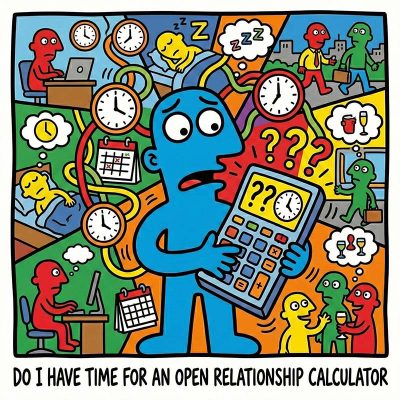
The fantasy is endless romance. The reality? It’s a logistical nightmare. Dating isn't just sex; it’s a second job of swiping, spending, and emotional processing that drains your sanity. Underestimating the "admin" of non-monogamy is the fastest way to turn your relationship into a burnout factory where resentment thrives.
This calculator forces you to confront the brutal math of your time, energy, and wallet. Can you actually afford this lifestyle, or are you just signing up for exhaustion?
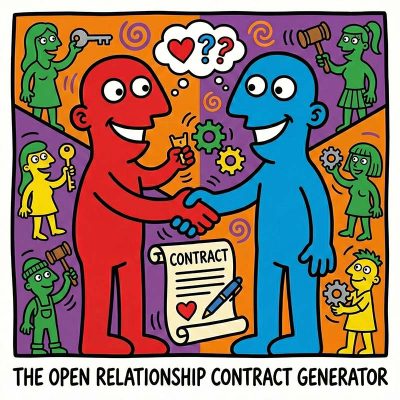
"I thought we agreed" is the sentence that destroys relationships & marriages. Relying on verbal promises when emotions run high is a gamble you cannot afford to lose. Your memory isn't just faulty; it's a liability. Ambiguity is the oxygen that jealousy breathes, turning "freedom" into a minefield of "did I mess up?"
This generator transforms vague permissions into a concrete, signed reality. Stop arguing about what you thought was said and lean on what is written. Secure your boundaries in ink, not hope.
Types of pauses in ENM
Not all pauses look the same. The form you choose should align with your needs and the level of risk you want to manage. Here are three common patterns you might consider.
Soft pause
A soft pause typically means no new sexual encounters with outside partners. Some couples allow emotional connections to continue if those connections do not lead to sex outside the primary bond. The specifics depend on what you both can live with without triggering upheaval in the primary relationship.
Hard pause
A hard pause means a complete stop on all outside dating and sexual activity for a defined period. This gives the strongest signal of focus on the primary relationship and can be useful during major life events or when trust needs rebuilding.
Partial or limited pause
In a partial pause you may allow only certain kinds of outside connections. For example you might permit dating only in the non sexual space or restrict dates to one partner at a time. This can be useful when you want to test new boundaries or explore if your needs have shifted.
How to decide the duration and scope of a pause
Setting a pause is not a license to drift aimlessly. It is a plan with a start date, a duration, and clear criteria for re opening. Here is a practical framework to help you decide what makes sense.
- Define the purpose Write down in one sentence why you are pausing. This keeps you focused on the goal rather than letting fear drive the decision.
- Set a concrete duration Choose a specific end date or a time window such as eight weeks or three months. Put the date on a shared calendar.
- Agree on boundaries List what is allowed and what is not. Include specifics about sexual activity with outsiders, emotional connections, dating rules, and communication with other partners.
- Plan check ins Decide how often you will touch base during the pause. Weekly check ins are common for many couples but you can choose what fits your rhythm.
- Define signals for adjustments Agree how to indicate that you need to slow down, extend the pause, or lift it early. Simple signals reduce confusion during tense moments.
How to talk about a pause with your partner
Clear, compassionate communication is the backbone of any ENM pause. Approach conversations with honesty, curiosity, and respect. Here is a practical approach you can adapt to your own style.
- Choose timing Pick a calm moment and a private space where you will not be interrupted. Avoid high conflict times if possible.
- Share your feelings Use I statements to describe your experience without blaming your partner. For example I feel overwhelmed and I think a pause could help us focus on what matters most.
- Explain the rationale Be specific about why you believe a pause is the best path for both of you. Tie it to wellbeing and the health of the relationship.
- Propose a plan Present your proposed duration, boundaries, and check in schedule. Invite your partner to share their input and adjust as needed.
- Invite collaboration Frame the pause as a joint decision. Use language that emphasizes teamwork and care for each other’s needs.
- Agree on communication style Decide how you will share updates during the pause. Will you text once a week or talk in person? Make it concrete.
Sample scripts you can adapt
Opening a pause conversation can feel awkward. Here are some simple scripts you can personalize. Speak from the heart and avoid blaming language.
- Hey I love you and our life together. I am feeling overwhelmed by where our outside dating is going and I think we should pause for eight weeks so we can focus on us. I want to hear how you feel about this and adjust if needed.
- We both want this relationship to stay strong. I would like to try a soft pause for the next month with no new sexual connections but we can still talk about how we feel and check in weekly. Let me know your thoughts.
- My gut says we need a break from outside dating for now. I propose a hard pause for twelve weeks to rebuild trust. We will agree on how we will handle touch base and what happens when the pause ends.
Practical steps to implement a pause
Putting a pause into action requires structure. The following steps help convert talk into a workable plan you both can follow without guesswork or drifting apart.
- Create a written pause plan Document the purpose duration boundaries and check in schedule. A simple shared document or a note in your calendar works well.
- Tell other partners with care If you have ongoing agreements with other partners let them know about the pause and the boundaries you are setting. Be respectful and concise.
- Set safety and health routines Even during a pause you should maintain safe sex practices if you choose to be intimate with others after the pause ends. Keep up with STI testing and contraception as appropriate.
- Establish emotional boundaries Decide how you will handle emotional connections that may arise during the pause. Some couples allow non sexual intimacy like kissing in certain contexts while others prefer to avoid it completely.
- Plan regular check ins Schedule a weekly or bi weekly check in to discuss how the pause is working and whether any adjustments are needed.
- Define a re opening plan Before the pause ends agree on how you will approach re opening dating outside the primary relationship. Decide who will lead the renegotiation and what milestones you want to hit first.
Managing jealousy and emotional triggers during a pause
Jealousy is a natural response in ENM and can be amplified during a pause. Expect a mix of feelings including sadness fear insecurity and curiosity. The key is to acknowledge emotions without letting them drive decisions for the two of you. Here are practical strategies to manage jealousy and other triggers.
- Name the feeling Put a label on what you are feeling and share it with your partner. For example I am noticing a twinge of envy and that helps keep the discussion focused.
- Share needs without blame Express what you need to feel secure rather than accusing your partner. For instance I need more transparency about plans with others during the pause.
- Use built in check ins Use the scheduled check ins to air concerns early before they grow into bigger issues.
- Practice self soothing Build routines that keep you grounded such as exercise sleep routines journaling or time with trusted friends.
- Seek support when needed If jealousy or anxiety feel overwhelming consider talking to a therapist who respects non monogamy or a trusted friend who understands the dynamic.
The freedom of an open relationship sounds incredible, but the logistics can feel like holding a grenade. That spinning "what if" anxiety isn't paranoia, it’s your survival instinct warning you that your bond is exposed. "Just seeing what happens" is the fastest way to turn a fantasy into a breakup.
The Essential Guide replaces chaos with discipline. We give you the blueprints, jealousy protocols, and repair scripts needed to explore the edge without falling off. Don't guess. Secure your foundation first.
The world of non-monogamy is a maze of confusing labels. Trying to be "Polyamorous" when your heart actually needs "Swinging" isn't just a vocabulary error; it’s a recipe for misery.
You can't build a stable home on a foundation that doesn't fit your psychology. This tool analyzes your emotional bandwidth and jealousy triggers to design the exact structure you need. Stop trying to squeeze into a box that doesn't fit. Build a relationship that actually feels like home.
Opening up feels exciting, but if you aren't reading from the same script, you're writing a tragedy. The disconnect between "I want freedom" and "I want safety" is where hearts break. This isn't just a quiz; it’s a synchronization engine.
We identify the silent gaps in your desires—from sleepover rules to emotional bandwidth, before they become unbridgeable chasms. Don't wait until the damage is done to find out you were never on the same page. Align your compasses now.
Theory is sexy. Reality is messy. You agreed you could date others, but how does your stomach drop when he takes her to your anniversary spot? Or when she comes home smelling like someone else?
This simulator drags your abstract rules into the harsh light of day. We force you to confront the visceral, gut-wrenching scenarios that actually destroy relationships, before they happen. Test your nervous system in the simulator so you don't crash the car in real life.
The fantasy is endless romance. The reality? It’s a logistical nightmare. Dating isn't just sex; it’s a second job of swiping, spending, and emotional processing that drains your sanity. Underestimating the "admin" of non-monogamy is the fastest way to turn your relationship into a burnout factory where resentment thrives.
This calculator forces you to confront the brutal math of your time, energy, and wallet. Can you actually afford this lifestyle, or are you just signing up for exhaustion?
"I thought we agreed" is the sentence that destroys relationships & marriages. Relying on verbal promises when emotions run high is a gamble you cannot afford to lose. Your memory isn't just faulty; it's a liability. Ambiguity is the oxygen that jealousy breathes, turning "freedom" into a minefield of "did I mess up?"
This generator transforms vague permissions into a concrete, signed reality. Stop arguing about what you thought was said and lean on what is written. Secure your boundaries in ink, not hope.
Impact on other partners during a pause
When you pause outside dating some people worry about how it affects their own plans. Clear communication is essential. If you have ongoing agreements with other partners you should inform them about the pause and what it means for the relationship. Some people choose to pause all external dating while others allow ongoing arrangements with certain boundaries. The key is transparency and respect for the feelings of everyone involved. This can prevent confusion and manage expectations so that everyone can adjust with dignity.
What to tell outside partners
People outside your primary relationship may have questions during a pause. Provide a concise and kind explanation that respects everyone involved. You can say something like We are taking a temporary break from dating outside our primary relationship to focus on our partnership and personal wellbeing. We will be in touch when we are ready to revisit dating outside the primary bond. If you would prefer to be kept in the loop consider asking your partner how they would like to handle communication during the pause.
When to end a pause early
There are moments when a pause may be shorter than planned or end sooner than the original date. Situations that can trigger an early lift include a strong sense of renewed trust the emergence of new agreements that match both partners needs or a sudden life change that shifts priorities. Establish a clear plan for early lifting at the start of the pause and decide how you will communicate this decision to each other and to any other partners involved. The goal is to move forward with renewed clarity and mutual consent.
Re opening after a pause
Re opening is not about rushing back to old patterns. It is about re engaging with intention and new boundaries that reflect growth. A careful re opening usually follows a structured process.
- Budget space for reflection Take time to reflect on what worked and what did not during the pause. Note changes you want to implement in the renegotiation.
- renegotiate boundaries Sit down together and redefine allowed activities what counts as crossing a boundary and how you will handle updates or breaches.
- Do a trial phase Consider a trial period where you test the renegotiated terms for a set number of weeks before making the changes permanent.
- Keep communication ongoing Schedule regular check ins to ensure the renegotiated rules are still working and adjust as needed.
- Be patient with yourself It can take time to relearn the rhythm of dating outside the primary bond after a lull. Patience and consistency matter.
Common myths about pauses in ENM
Pause can carry persistent myths that lead to misunderstanding. Here are a few myths we often hear and the truth behind them.
- Myth: A pause means the relationship is failing. Reality: A pause is a tool for growth and protection. It can strengthen trust when done with care.
- Myth: A pause guarantees no hurt. Reality: Hurt can still happen. The goal is to minimize it by having clear rules and open dialogue.
- Myth: A pause only hurts the outside partners. Reality: Everyone touched by the pause may feel impact. Honest communication helps everyone adjust.
- Myth: If you pause you can never reopen. Reality: Many couples reopen successfully with new boundaries and stronger communication.
Checklist for pausing effectively
- Agree on the why Both partners share the motive behind pausing and how this serves the relationship.
- Define duration Commit to a clear start and end date and create a plan for reassessment before the pause ends.
- Set boundaries Write down explicit rules about what is allowed during the pause and what is not.
- Make a plan for checking in Decide how you will talk about progress and address concerns during the pause.
- Address health and safety If there will be contact with other people after the pause ends ensure you have a plan for safe sex practices and STI testing.
- Plan for the end Have a renegotiation plan so you can reopen in a deliberate and confident way when the pause ends.
Real world scenarios
Seeing pause strategies in action helps make the ideas tangible. Here are a few realistic situations and how a couple might approach them. You can adapt these to your own personalities and boundaries.
Scenario one: career burnout and stress
Two partners in an open relationship face long hours and mounting stress. They decide to implement a soft pause for eight weeks to focus on de stressing and reconnecting. They agree to no new sexual encounters during the pause but allow continued emotional support between existing outside partners if boundaries permit a deep but non sexual connection. They schedule weekly check ins to monitor wellbeing and adjust as needed. At the end of eight weeks they reassess and decide to re open with revised boundaries focused on time management and emotional energy.
Scenario two: a new pregnancy
One partner learns they are pregnant and the couple wants to protect the health of both the parent and the baby. They implement a hard pause for the duration of the pregnancy and for a few months after birth. They inform outside partners of the pause with a respectful message and provide an updated renegotiation plan for the months ahead. They prioritize bonding with the new family unit and plan a gradual re opening once they feel ready.
Scenario three: relationship repair after a breach
A boundary was crossed that caused hurt. The couple chooses a soft pause while they work on communication and rebuild trust. They use weekly check ins and agree on a temporary rule that outside dates must be fun and respectful of the primary relationship. After eight weeks they review progress and decide to either extend the pause or reopen with a new set of boundaries that address the breach and creates clearer consent signals.
Scenario four: relocation and long distance
One partner moves to a different city for work. They agree on a partial pause that allows dating with other partners only in the same city and only under specific circumstances. The plan minimizes risk and makes it easier to stay connected with the long distance partner. They set a date to reevaluate once the long distance period ends to determine if the partial pause should continue or if full reopening is possible.
Glossary of useful terms and acronyms
- ENM Ethical non monogamy a relationship style in which all involved parties consent to non exclusive dating or sexual relationships.
- Open relationship A relationship in which partners allow dating or sexual connections outside the primary partnership with agreed boundaries.
- Pause A planned temporary halt or restriction on outside dating or sexual activity.
- Soft pause A pause with limited changes to outside dating typically no new sexual encounters while allowing some non sexual connections.
- Hard pause A full stop on outside dating and sexual activity for a set period.
- Partial pause A pause with selective allowances such as dating only with certain restrictions.
- renegotiation The process of updating agreements rules and boundaries to reflect current needs.
- Boundary A clearly defined limit that guides behavior within the relationship.
- Consent Agreement to participate in an activity after discussion and mutual agreement.
- STI Sexually transmitted infection a health condition spread through sexual contact.
- Safe sex Practices intended to reduce health risks during sexual activity.
Practical tips to keep the relationship thriving during a pause
- Be kind to yourself Give yourself permission to feel what you feel without judging yourself for it.
- Protect the core bond Keep the primary relationship a priority by maintaining regular connection rituals such as weekly meals or a shared activity.
- Stay connected with your values Remember why you chose ENM and why this pause serves the wellbeing of both partners.
- Document your plan Keep a written record of decisions and any changes to boundaries to avoid miscommunication.
- Seek outside support If the pause triggers strong emotions consider talking with a therapist who understands ethical non monogamy.
Frequently asked questions
How do I know if a pause is the right move for our ENM relationship
If you notice ongoing stress confusion or boundary breaches you may benefit from a pause. It is a deliberate choice to protect wellbeing and to create space for renegotiation. Discussing it openly with your partner is essential to determine if this is the best path.
How long should a pause last
The length depends on your specific situation but eight to twelve weeks is common for many couples. Some pauses are shorter others longer. Always set a definite end date and plan a renegotiation process before the end date arrives.
What should I tell outside partners during a pause
Communicate with respect and honesty. Explain that you and your partner are taking a temporary pause from outside dating to focus on the primary relationship. You can invite them to stay in touch but set clear boundaries about respect and timing until you reopen.
Can we still have emotional connections with outside partners during a pause
This depends on your agreed boundaries. Some pairs allow emotional connections without sexual activity Other pairs restrict connections to non sexual interactions. Decide what is permissible in your plan and stick to it.
What if I feel jealous during the pause
Jealousy is common in ENM and can emerge during a pause. Acknowledge the feeling name it and share it with your partner. Use the scheduled check in to discuss it and adjust the boundaries if needed.
What happens after the pause ends
Re opening should be a deliberate process. Revisit boundaries renegotiate rules and plan a gradual start. Consider a trial period to ensure both partners feel secure before fully returning to prior levels of dating outside the primary bond.
Is it ever a bad idea to pause
Yes if the pause becomes a way to avoid addressing core issues or if it signals a break down in trust that cannot be repaired. A pause should advance healing and growth not postpone inevitable conflict. If a pause is used to punish a partner it is not healthy and warrants a deeper discussion or professional guidance.
The freedom of an open relationship sounds incredible, but the logistics can feel like holding a grenade. That spinning "what if" anxiety isn't paranoia, it’s your survival instinct warning you that your bond is exposed. "Just seeing what happens" is the fastest way to turn a fantasy into a breakup.
The Essential Guide replaces chaos with discipline. We give you the blueprints, jealousy protocols, and repair scripts needed to explore the edge without falling off. Don't guess. Secure your foundation first.
The world of non-monogamy is a maze of confusing labels. Trying to be "Polyamorous" when your heart actually needs "Swinging" isn't just a vocabulary error; it’s a recipe for misery.
You can't build a stable home on a foundation that doesn't fit your psychology. This tool analyzes your emotional bandwidth and jealousy triggers to design the exact structure you need. Stop trying to squeeze into a box that doesn't fit. Build a relationship that actually feels like home.
Opening up feels exciting, but if you aren't reading from the same script, you're writing a tragedy. The disconnect between "I want freedom" and "I want safety" is where hearts break. This isn't just a quiz; it’s a synchronization engine.
We identify the silent gaps in your desires—from sleepover rules to emotional bandwidth, before they become unbridgeable chasms. Don't wait until the damage is done to find out you were never on the same page. Align your compasses now.
Theory is sexy. Reality is messy. You agreed you could date others, but how does your stomach drop when he takes her to your anniversary spot? Or when she comes home smelling like someone else?
This simulator drags your abstract rules into the harsh light of day. We force you to confront the visceral, gut-wrenching scenarios that actually destroy relationships, before they happen. Test your nervous system in the simulator so you don't crash the car in real life.
The fantasy is endless romance. The reality? It’s a logistical nightmare. Dating isn't just sex; it’s a second job of swiping, spending, and emotional processing that drains your sanity. Underestimating the "admin" of non-monogamy is the fastest way to turn your relationship into a burnout factory where resentment thrives.
This calculator forces you to confront the brutal math of your time, energy, and wallet. Can you actually afford this lifestyle, or are you just signing up for exhaustion?
"I thought we agreed" is the sentence that destroys relationships & marriages. Relying on verbal promises when emotions run high is a gamble you cannot afford to lose. Your memory isn't just faulty; it's a liability. Ambiguity is the oxygen that jealousy breathes, turning "freedom" into a minefield of "did I mess up?"
This generator transforms vague permissions into a concrete, signed reality. Stop arguing about what you thought was said and lean on what is written. Secure your boundaries in ink, not hope.
