
Why People Choose Open Relationships

Open relationships are not a one size fits all fix and they are not a free pass to do whatever you want. They are a conscious choice that some couples and individuals make to meet specific needs values and desires. If you are curious or considering this dynamic you are not alone. Ethical nonmonogamy often called ENM is about consent communication and care. In this guide we break down the reasons people choose open relationships what that looks like in practice and how to navigate this dynamic with honesty and humor.
Quick Links to Useful Sections
- What we mean by open relationships
- Why people choose open relationships
- Autonomy and personal growth
- Honesty and transparency as a foundation
- Sexual exploration and novelty
- Compersion and emotional fulfillment
- Safety honesty and risk management
- Better matching of needs and life circumstances
- Addressing monotony or repetition
- Common models and how they differ
- Consensual nonmonogamy as a broad umbrella
- Open dating a nonmonogamous structure
- Polyamory versus swinging
- Hierarchical versus non hierarchical structures
- Primary partner focus versus solo configurations
- Practical building blocks for open relationships
- Communication and ongoing negotiation
- Boundaries and rules versus boundaries
- Time management and scheduling
- Safety sexual health and consent
- Jealousy management and the practice of compersion
- Emotional safety and handling rejection
- Dating culture and consent rituals
- Realistic scenarios you might encounter
- Scenario one a couple moving from monogamy to ENM
- Scenario two solo poly with a primary relationship
- Scenario three swinging with a social group
- Scenario four dealing with jealousy and a difficult moment
- So you want to try open relationships what now
- Start with a strong conversation
- Define shared goals and personal boundaries
- Choose a model that fits your life
- Protect your emotional foundation
- Build a safety net around health
- Plan for challenges
- Common myths about open relationships
- Glossary of useful terms and acronyms
- Frequently asked questions
What we mean by open relationships
Open relationships refer to relationships in which the people involved agree that they may explore romantic or sexual connections with other people outside their primary relationship. The key word is agreement. Open relationships are defined by consent transparent communication and ongoing negotiation rather than by rules that feel like prison. ENM stands for ethical nonmonogamy a broad umbrella term that covers several models including open dating polyamory swinging and solo poly. You might hear terms like CNM or ethical nonmonogamy. CNM stands for consensual nonmonogamy and is used interchangeably with ENM in many communities. We will explain terms as we go so you have a clear dictionary in your head while you read.
Why people choose open relationships
People choose open relationships for a wide range of legitimate reasons. There is no single path and the options below show common motivations rather than a rigid blueprint. Everyone is different and that is part of the appeal. Below you will find ideas you can reflect on and discuss with a partner or partners if you are exploring this path.
Autonomy and personal growth
Autonomy matters to many people. The chance to shape your life and your relationships in a way that reflects who you are can feel empowering. An open relationship can reduce the pressure to meet all needs from one person and it can create space for personal growth. When people are allowed to pursue different interests with the support of a partner they often find confidence resilience and a stronger sense of self.
Honesty and transparency as a foundation
Some couples arrive at open relationships because honesty about needs and boundaries feels healthier than pretending that everything is perfect. When partners name desires fears and limits openly they can create a relationship that is built on trust rather than silence. The practice of sharing and negotiating can create a sense of safety even when the topic feels awkward at first.
Sexual exploration and novelty
Sexual curiosity is a powerful motivator. Open relationships allow people to explore different sexual experiences with a degree of safety and consent that fits their values. Not everyone who explores this path is chasing variety for the sake of variety. For some it is about learning more about what they enjoy what they want to avoid and what makes them feel most alive.
Compersion and emotional fulfillment
Compersion is the feeling of joy when a partner finds happiness with someone else. It can be described as a positive reaction to your partner flourishing in a different relationship. For many people compersion is a central benefit of the open dynamic. It supports a sense of connectedness and reduces fear of losing a partner to someone else.
Safety honesty and risk management
Open relationships often come with a heightened focus on safety. This can mean a careful approach to sexual health a plan for testing and a commitment to consent and communication that protects everyone involved. When people value risk management they create structures that can be safer than silent expectations hidden resentments and unspoken boundaries.
Better matching of needs and life circumstances
Life changes such as work travel family responsibilities or relocation can affect how much time a couple can invest in each other. An open relationship can offer flexibility allowing people to maintain a strong connection while also honoring other important parts of their lives. This approach can feel practical in busy seasons and meaningful during slower periods as well.
Addressing monotony or repetition
Long term relationships can fall into routines that feel predictable. Some people find that opening the relationship brings new energy new conversations and a renewed sense of curiosity. It is not about solving a problem with a simple fix but about inviting new possibilities and fresh experiences into the relationship.
The freedom of an open relationship sounds incredible, but the logistics can feel like holding a grenade. That spinning "what if" anxiety isn't paranoia, it’s your survival instinct warning you that your bond is exposed. "Just seeing what happens" is the fastest way to turn a fantasy into a breakup.
The Essential Guide replaces chaos with discipline. We give you the blueprints, jealousy protocols, and repair scripts needed to explore the edge without falling off. Don't guess. Secure your foundation first.
The world of non-monogamy is a maze of confusing labels. Trying to be "Polyamorous" when your heart actually needs "Swinging" isn't just a vocabulary error; it’s a recipe for misery.
You can't build a stable home on a foundation that doesn't fit your psychology. This tool analyzes your emotional bandwidth and jealousy triggers to design the exact structure you need. Stop trying to squeeze into a box that doesn't fit. Build a relationship that actually feels like home.
Opening up feels exciting, but if you aren't reading from the same script, you're writing a tragedy. The disconnect between "I want freedom" and "I want safety" is where hearts break. This isn't just a quiz; it’s a synchronization engine.
We identify the silent gaps in your desires—from sleepover rules to emotional bandwidth, before they become unbridgeable chasms. Don't wait until the damage is done to find out you were never on the same page. Align your compasses now.
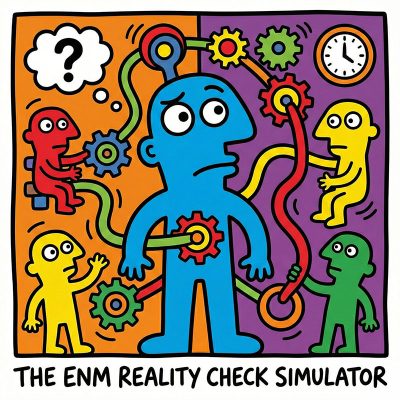
Theory is sexy. Reality is messy. You agreed you could date others, but how does your stomach drop when he takes her to your anniversary spot? Or when she comes home smelling like someone else?
This simulator drags your abstract rules into the harsh light of day. We force you to confront the visceral, gut-wrenching scenarios that actually destroy relationships, before they happen. Test your nervous system in the simulator so you don't crash the car in real life.
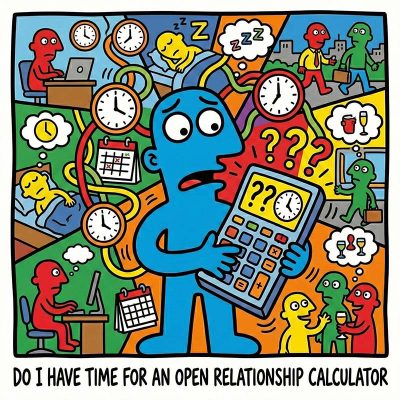
The fantasy is endless romance. The reality? It’s a logistical nightmare. Dating isn't just sex; it’s a second job of swiping, spending, and emotional processing that drains your sanity. Underestimating the "admin" of non-monogamy is the fastest way to turn your relationship into a burnout factory where resentment thrives.
This calculator forces you to confront the brutal math of your time, energy, and wallet. Can you actually afford this lifestyle, or are you just signing up for exhaustion?
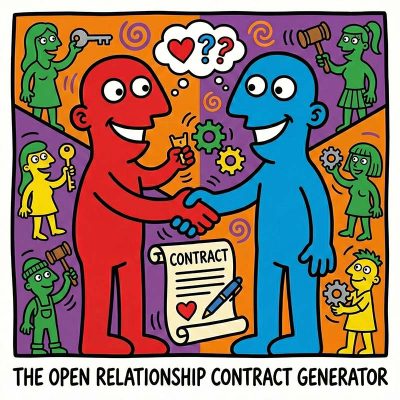
"I thought we agreed" is the sentence that destroys relationships & marriages. Relying on verbal promises when emotions run high is a gamble you cannot afford to lose. Your memory isn't just faulty; it's a liability. Ambiguity is the oxygen that jealousy breathes, turning "freedom" into a minefield of "did I mess up?"
This generator transforms vague permissions into a concrete, signed reality. Stop arguing about what you thought was said and lean on what is written. Secure your boundaries in ink, not hope.
Common models and how they differ
There is no single model for an open relationship. People mix and match frameworks based on personality preferences and life goals. Here are some common approaches you might encounter or adopt.
Consensual nonmonogamy as a broad umbrella
Ethical nonmonogamy is sometimes shortened to ENM. This term describes any relationship style that involves consensual sexual or romantic connections outside a primary relationship. The focus is on consent communication and care. ENM is an inclusive umbrella that covers many patterns including open relationships polyamory swinging and solo poly.
Open dating a nonmonogamous structure
In open dating the main relationship exists alongside one or more external connections with the explicit understanding that there is room for external bonds. Partners may have time bound interactions or ongoing relationships with boundaries that are negotiated to fit their needs. Open dating can be non hierarchical where no partner is considered primary for all needs or it can be hierarchical with a primary relationship and secondary connections that are managed with agreed rules.
Polyamory versus swinging
Polyamory emphasizes emotional connections and multiple romantic partnerships with a focus on long term bonds where possible. Swinging tends to focus more on sexual experiences with others often in a social or club setting with less emphasis on forming ongoing emotional ties. Both paths operate on consent and communication but they often attract different long term intentions.
Hierarchical versus non hierarchical structures
In a hierarchical open relationship there is a top tier often a primary partner who receives special consideration in planning and decision making. In a non hierarchical model all partners are considered equals in terms of decision making and there is no single primary focus. People choose what works best for them and many collaborate in flexible hybrid setups.
Primary partner focus versus solo configurations
Some couples maintain a primary partner dynamic where one or both partners place emphasis on time with a main partner while engaging with others in less emotionally intense ways. Others choose solo poly where each person maintains autonomy living independently from a central primary structure and entering relationships on their own terms.
Practical building blocks for open relationships
If you decide to explore this path you will want practical tools to support safe honest and caring connections. The following areas are essential for most open relationships.
Communication and ongoing negotiation
Clear honest communication is the backbone of open relationships. Partners talk about desires boundaries fears and changes in circumstances. They check in regularly to adjust agreements as life evolves. This ongoing negotiation means the agreements are living and evolving rather than fixed forever.
Boundaries and rules versus boundaries
Boundaries describe what is comfortable and safe for each person. They are not about controlling others. Rules are specific prescriptions that spell out how decisions will be made or how situations will be handled. Many experienced open relationships prefer flexible boundaries over rigid rules and they view rules as a last resort when a situation feels risky or uncomfortable for someone involved.
Time management and scheduling
Time is a scarce resource in any relationship. When you add external connections you will benefit from practical scheduling. Tools range from shared calendars to routine dividers that preserve quality time with a partner while still honoring external bonds. The goal is to avoid resentment and to keep expectations aligned.
Safety sexual health and consent
Safer sex takes on extra importance in an open dynamic. Regular testing having open conversations about sexual history and consent before any encounter are essential. Many people keep a written or shared plan and update it as needed. Addressing health early reduces anxiety and supports trust between partners.
Jealousy management and the practice of compersion
Jealousy is a natural human emotion and it can appear in any relationship even in open ones. The key is to address it directly with empathy and curiosity. Compersion the feeling of happiness for a partner when they experience joy with someone else is a skill that can be learned through reflection and practice. Tools include check ins after dates mindfulness and reframing the situation to highlight growth and shared care.
Emotional safety and handling rejection
Emotional safety means creating space where feelings can be expressed without fear of attack. It also means accepting that not all experiences will be perfect and that learning from them is part of growth. Rejection happens and the approach is to respond with care rather than blame.
Dating culture and consent rituals
Outside encounters come with their own norms and expectations. Many people slow things down in the early stages and practice enthusiastic consent ensuring everyone involved is comfortable and feels safe. Communication about boundaries and the pace of connection is common ground for good experiences.
Realistic scenarios you might encounter
Seeing is believing when it comes to open relationships. Here are some realistic snapshots to help you picture how this dynamic might play out in everyday life. Names are fictional and the situations are simplified to illustrate common patterns.
Scenario one a couple moving from monogamy to ENM
Alex and Priya have been together for eight years. They decide to explore ENM to address growing curiosity and to keep their relationship dynamic. They begin with a joint conversation about boundaries and a list of activities both are open to. They choose to start with social dating and see where that goes. They schedule monthly check ins to discuss feelings and adjust rules if needed. They use a shared document to track agreements and feelings for transparency.
Scenario two solo poly with a primary relationship
Jamie is in a committed relationship with Sam. Jamie also dates another partner without Sam performing a romantic relationship. Sam continues to be Jamie's main partner providing stability and shared plans. The trio agrees on communication norms and safety practices. They discuss time boundaries and ensure that important dates with Sam are never overshadowed by outside connections.
Scenario three swinging with a social group
Tara and Leif enjoy social events where dating occurs with others in a group setting. They set boundaries around how to handle group activities and what is acceptable in terms of aftercare and privacy. They prioritize consent and mutual respect and they check in after events to discuss what went well and what could improve.
Scenario four dealing with jealousy and a difficult moment
Jordan experiences a wave of jealousy after a new connection begins. They pause their activities and revisit their agreements. They have an open and compassionate talk with their partner to understand the root of the feeling and to decide how to move forward together. They remind themselves that feelings are not facts and that they can choose how to respond with care.
So you want to try open relationships what now
If you are interested in trying open relationships here are practical steps that can help you approach the process with care and clarity. Remember this is a shared journey not a solo project and it requires honesty humor and humility.
Start with a strong conversation
Pick a calm moment and speak openly about why you are curious what you hope to gain and what your fears are. Ask your partner what they think and listen with full attention. A shared story at this stage sets the tone for what follows.
Define shared goals and personal boundaries
Agree on what you want from this experience what is non negotiable and what can be flexible. Write these down as a living document that you will revisit over time. Clarity about where you stand reduces misunderstandings later on.
Choose a model that fits your life
Decide together which model suits you best whether it is open dating polyamory swinging or solo configuration. Start with a small experiment that feels safe and build from there.
Protect your emotional foundation
Maintain your relationship health by keeping quality time together making space for emotional check ins and prioritizing kindness and patience. You are building something that should contribute to both people feeling seen valued and cared for.
Build a safety net around health
Agree on safer sex practices schedule regular STD tests when appropriate and a plan for discussing sexual health information. Being proactive reduces risk and increases trust.
Plan for challenges
Expect awkward moments and awkward conversations and plan for them. Decide in advance how you will handle emotions that come up during or after dates. Having a plan reduces anxiety and helps you stay connected.
Common myths about open relationships
Open relationships are often misunderstood. Here are some myths you might have heard and the real talk behind them.
- Myth that open relationships are a sign of relationship trouble. Reality is that some couples choose ENM to grow together and to honor shared values rather than to fix problems.
- Myth that openness equals a endless pursuit of novelty. Reality is that many people use EMN to deepen trust learn more about themselves and maintain energy in a long term bond.
- Myth that you cannot find emotional connection outside the primary bond. Reality is that many open relationships include meaningful connections with multiple partners and those bonds can be deep and lasting.
- Myth that only one partner gets to date outside. Reality is that many models support mutual exploration with equal respect and negotiated rules that fit both people.
Glossary of useful terms and acronyms
- ENM Short for ethical nonmonogamy. A broad term that covers relationships where all people involved consent to outside connections.
- CNM Short for consensual nonmonogamy. Used interchangeably with ENM in many communities.
- Open relationship A relationship in which primary partners allow romantic or sexual connections with others outside the couple.
- Polyamory A form of ethical nonmonogamy where people have multiple romantic relationships that are meaningful and ongoing.
- Swinging A pattern focusing on sexual experiences with others often in social settings with less emphasis on ongoing emotional bonds.
- Solo poly A style where the individual maintains autonomy and pursues relationships independently rather than within a primary couple framework.
- Non hierarchical A structure where there is no top priority partner and all relationships are treated as equally important.
- Hierarchical A structure where one or more relationships receive priority in time planning and decision making.
- Compersion The joy one feels when a partner experiences positive feelings with someone else.
- Boundaries Personal limits that guide what is acceptable in a relationship and how information is shared or kept private.
- Rules Specific prescriptions about how agreements will be lived out and how decisions will be made.
- Safer sex Practices designed to reduce the risk of sexually transmitted infections and other health concerns.
Frequently asked questions
The freedom of an open relationship sounds incredible, but the logistics can feel like holding a grenade. That spinning "what if" anxiety isn't paranoia, it’s your survival instinct warning you that your bond is exposed. "Just seeing what happens" is the fastest way to turn a fantasy into a breakup.
The Essential Guide replaces chaos with discipline. We give you the blueprints, jealousy protocols, and repair scripts needed to explore the edge without falling off. Don't guess. Secure your foundation first.
The world of non-monogamy is a maze of confusing labels. Trying to be "Polyamorous" when your heart actually needs "Swinging" isn't just a vocabulary error; it’s a recipe for misery.
You can't build a stable home on a foundation that doesn't fit your psychology. This tool analyzes your emotional bandwidth and jealousy triggers to design the exact structure you need. Stop trying to squeeze into a box that doesn't fit. Build a relationship that actually feels like home.
Opening up feels exciting, but if you aren't reading from the same script, you're writing a tragedy. The disconnect between "I want freedom" and "I want safety" is where hearts break. This isn't just a quiz; it’s a synchronization engine.
We identify the silent gaps in your desires—from sleepover rules to emotional bandwidth, before they become unbridgeable chasms. Don't wait until the damage is done to find out you were never on the same page. Align your compasses now.
Theory is sexy. Reality is messy. You agreed you could date others, but how does your stomach drop when he takes her to your anniversary spot? Or when she comes home smelling like someone else?
This simulator drags your abstract rules into the harsh light of day. We force you to confront the visceral, gut-wrenching scenarios that actually destroy relationships, before they happen. Test your nervous system in the simulator so you don't crash the car in real life.
The fantasy is endless romance. The reality? It’s a logistical nightmare. Dating isn't just sex; it’s a second job of swiping, spending, and emotional processing that drains your sanity. Underestimating the "admin" of non-monogamy is the fastest way to turn your relationship into a burnout factory where resentment thrives.
This calculator forces you to confront the brutal math of your time, energy, and wallet. Can you actually afford this lifestyle, or are you just signing up for exhaustion?
"I thought we agreed" is the sentence that destroys relationships & marriages. Relying on verbal promises when emotions run high is a gamble you cannot afford to lose. Your memory isn't just faulty; it's a liability. Ambiguity is the oxygen that jealousy breathes, turning "freedom" into a minefield of "did I mess up?"
This generator transforms vague permissions into a concrete, signed reality. Stop arguing about what you thought was said and lean on what is written. Secure your boundaries in ink, not hope.
