
Aging and Long Term Care Planning as Solo Poly


Welcome to a practical guide that talks about aging with style and care when your relationship structure is solo polyamory within ethical non monogamy or ENM. This article breaks down the real world stuff you need to know to plan for health care finances housing and legacies while maintaining autonomy and honesty with your partners. We will walk you through terms acronyms common scenarios and realistic steps you can take today. No fluff just clear paths to protect you and the people you care about as you grow older.
Quick Links to Useful Sections
- What solo polyamory means for aging and care planning
- Why aging as a solo poly person differs from traditional couples
- Key terms and acronyms you will see in aging and care planning
- Building a care oriented network that fits a solo poly life
- Health care decisions and medical emergencies
- Advance directives and living wills
- Healthcare proxy and durable POA for health
- Medical records and privacy
- Financial planning and insurance for aging solo poly
- Durable power of attorney for finances
- Living will and estate planning
- Insurance and long term care planning
- Housing options and caregiving logistics
- Legacies and digital life across your poly network
- Safety and wellbeing across multiple partners
- Real life scenarios and practical examples
- Scenario one the independent elder with a chosen family team
- Scenario two aging in place with remote care coordination
- Scenario three memory care and poly relationship support
- Practical steps you can take this week
- FAQ for aging as a solo polyamory ENM life
What solo polyamory means for aging and care planning
Solo polyamory is a relationship dynamic where a person maintains independence and does not anchor their life around a single primary partner. Instead they cultivate meaningful connections with multiple partners on their own terms. When you bring aging into the mix this dynamic changes how you think about care networks decision making and even housing. You are not relying on a single partner to handle everything you may be building a circle of care that reflects your life as it is right now. That can be empowering but it also requires planning and clear communication.
In solo poly aging planning you want to map out who is available to support you who can help with tasks and who should have access to information and decisions when you are not able to speak for yourself. You also want to protect your own autonomy by having documents and processes that allow you to direct care and finances in a way that aligns with your values. This approach helps reduce friction in tough moments and ensures that your care aligns with your wishes rather than with assumptions from others.
Why aging as a solo poly person differs from traditional couples
Traditional couples often have a built in set of structures around decision making ownership and day to day support. A solo poly life may involve several partners each with different needs and levels of involvement. This means planning may look more like a network map than a single plan. Here are some practical differences you may notice:
- Decision making may involve more than one trusted person rather than one partner or spouse.
- Health care conversations may involve multiple partners who have different levels of closeness or proximity.
- Financial directives may need to be shared across trusted individuals who are not tied to marriage or a joint household.
- Housing options may include living independently while coordinating care and visits with several partners rather than a single cohabiting partner.
- Emotional support networks can be broader and more varied which is a strength but requires clear boundaries and expectations.
Staying true to your values means keeping lines of communication open with everyone who matters in your care network. It also means documenting your wishes clearly and ensuring people have access to the information they need when you cannot speak for yourself.
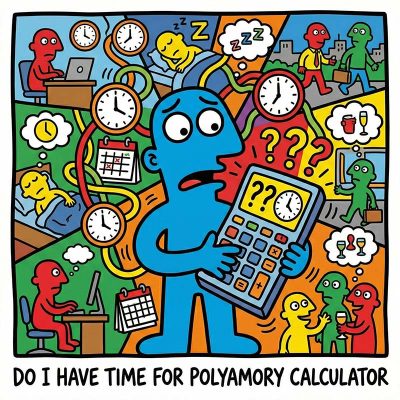
Love is infinite, but your calendar is brutally finite. The fantasy is deep connection; the reality is often just exhausted "calendar tetris." Promising time you don't actually have isn't romantic, it’s a recipe for burnout and broken trust. That sinking feeling when you have to cancel again? That’s the sound of overextension destroying your relationships.
This calculator forces you to confront the math of your life. Do you actually have space for another heart, or are you just setting everyone up for disappointment?

The fantasy is total autonomy and connection. The reality? It can feel like drowning in scheduling chaos and misunderstood expectations. That anxiety you feel isn’t just stress; it’s the wobble of living without a default "anchor." Without a solid architecture, Solo Polyamory stops being a life design and starts being a recipe for burnout and confusion.
The Essential Guide replaces the drift with a concrete anchor. We provide the "Solo Ethic," boundary scripts, and burnout protocols needed to protect your peace. Don't just date around—build a life that actually works for you.

Hierarchy sounds like a corporate org chart until someone gets their feelings hurt. That stomach-turning fear that you are just a "secondary" who can be fired at any time is real. If your relationship feels like a secret ranking system, you are doing it wrong.
Ambiguity is where resentment grows. The Essential Guide replaces the "who matters more" panic with a concrete charter. We provide the scripts and equity guardrails needed to protect every heart in the polycule. Stop guessing and start building.
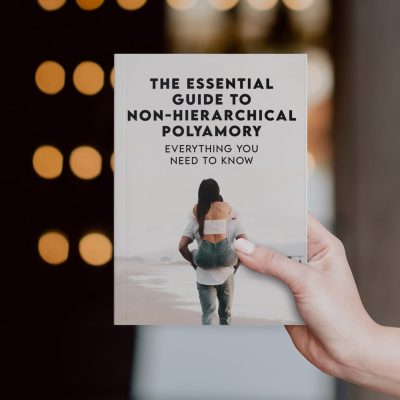
The ideal is pure equality. The reality? It often slides into hidden rankings where someone gets hurt. That sinking feeling that you are secretly a "secondary" despite the label? That is your intuition detecting couple privilege. Ambiguity is where resentment thrives.
The Essential Guide replaces vague promises with concrete governance. We provide the charters, equity tools, and jealousy protocols needed to ensure "non-hierarchical" isn't just a fantasy. Stop guessing who matters most. Build a network that is actually fair.
The fantasy is total autonomy and connection. The reality? It can feel like drowning in scheduling chaos and misunderstood expectations. That anxiety you feel isn’t just stress; it’s the wobble of living without a default "anchor." Without a solid architecture, Solo Polyamory stops being a life design and starts being a recipe for burnout and confusion.
The Essential Guide replaces the drift with a concrete anchor. We provide the "Solo Ethic," boundary scripts, and burnout protocols needed to protect your peace. Don't just date around—build a life that actually works for you.
Hierarchy sounds like a corporate org chart until someone gets their feelings hurt. That stomach-turning fear that you are just a "secondary" who can be fired at any time is real. If your relationship feels like a secret ranking system, you are doing it wrong.
Ambiguity is where resentment grows. The Essential Guide replaces the "who matters more" panic with a concrete charter. We provide the scripts and equity guardrails needed to protect every heart in the polycule. Stop guessing and start building.
Key terms and acronyms you will see in aging and care planning
We use plain language but some terms come up a lot in legal and medical settings. Here is a quick glossary so you can follow along without getting tripped up.
- Healthcare proxy A person you choose to make medical decisions for you if you become unable to do so yourself.
- Durable power of attorney A document that gives a trusted person the authority to handle financial matters on your behalf if you cannot manage them yourself.
- Living will A directive that outlines your wishes regarding treatment at the end of life when you may not be able to communicate them.
- Advance directive A broad term that includes documents like a healthcare proxy and a living will.
- Guardianship or conservatorship A legal process to appoint someone to care for you or manage your affairs if you lack capacity and there is no prior plan in place.
- Durable POA for health A specific form that authorizes someone to make medical decisions for you and is separate from a financial POA.
- Beneficiary designation The person or people named to receive assets at your death through instruments like life insurance or retirement accounts.
- HIPAA The health information privacy statute that protects medical information and how it may be shared with others you designate.
- Enm Short for ethical non monogamy a framework that emphasizes consent and honesty in multiple relationships.
- Polycule A term describing the network of people who are connected romantically or sexually in a polyamorous setup.
Knowing these terms helps you have clear conversations with partners care professionals and family. It also makes it easier to fill out forms and explain what exactly you want when the moment comes.
Building a care oriented network that fits a solo poly life
A strong care network is a map not a single lock in. Start by identifying the people who know you well and who you trust to act in your best interests. In addition to partners think about close friends siblings or chosen family who would be willing to step in when needed. The goal is to have a network that can cover different areas such as medical decisions daily care help with household tasks and financial matters.
When you are planning with multiple people consider the following strategies:
- Be explicit about roles. Name who would handle medical decisions who would coordinate at home who would manage finances and who would provide practical support like transportation or meal prep.
- Create a central information hub. Use a secure online document or a physical packet kept in a safe place that lists everyone’s contact information medical preferences and access instructions for records.
- Set boundaries and expectations. Have honest conversations about how often partners should check in and how decisions will be made when there are disagreements.
- Respect independence. The aim is to support autonomy not to replace it. Encourage people in your network to maintain their own lives while offering support where it makes sense.
- Plan for proximity. If your partners live far away you may need digital tools or local allies who can help in emergencies and daily tasks.
Remember that aging is not a one time event it is a long process. Your care network should be resilient enough to adapt as health needs change and as relationships shift over time.
Health care decisions and medical emergencies
Health care planning ensures your medical wishes are respected and that trusted people are empowered to help when you cannot communicate. Start these conversations early and document everything clearly.
Advance directives and living wills
An advance directive is a collection of documents that spell out your health care wishes and who should make decisions if you cannot. A living will is a core piece that states your preferences for life sustaining measures. In a solo poly life you may want to name more than one trusted person to ensure decisions are respected if your primary contact is unavailable. The living will should reflect your values and can cover preferences around interventions such as resuscitation ventilation and feeding tubes. You can discuss with a clinician how these choices align with medical realities and possible scenarios.
Pro tip: bring copies of your directives to your clinician visits and share them with your care partners so everyone is aligned. Keep the originals in a secure location and provide copies to your healthcare proxy and durable POA holder.
Healthcare proxy and durable POA for health
A healthcare proxy is the person who makes medical decisions on your behalf if you cannot. A durable power of attorney for health is the document that designates this authority formally. In many places the healthcare proxy cannot override medical professionals but they are there to communicate your wishes and coordinate care with hospitals clinics and doctors. With solo poly the choice of proxy might include a partner a close friend or a family member who understands your values and who you trust to act decisively while honoring your autonomy.
Think through the following when selecting a proxy:
- Are they reliable and willing to be involved in ongoing conversations about your care?
- Do they understand your health care goals and your end of life preferences?
- Are they accessible to your other care partners if they need to coordinate care?
Make sure your proxy agrees to keep your information private as allowed by law and to share updates with others who may be involved in your care without oversharing sensitive details.
Medical records and privacy
Keeping medical information organized helps your proxies and clinicians. Create a simple system where you can grant access to your electronic health records where allowed you can also keep a written summary of your health history allergies current medications and major conditions. HIPAA privacy rules protect your information but you must nominate people who are authorized to receive it. In many cases your clinician will require your explicit permission before sharing records with someone else even if they are a relative or partner. Be prepared to provide that permission in writing or verify consent through the clinic portal.
Financial planning and insurance for aging solo poly
Money matters can be complex when several partners are involved yet you still want clarity and control. A well thought out financial plan protects your independence and gives clear guidance to your care network.
Durable power of attorney for finances
A financial POA gives someone you trust the power to manage money and property on your behalf if you cannot. This can include paying bills selling assets and handling tax matters. The person you choose should be responsible organized and comfortable with your financial world. It is wise to limit the scope to what you truly need and to set clear boundaries and oversight so you stay in control where possible.
Living will and estate planning
Estate planning goes beyond who inherits what. It includes how you want your assets managed during incapacity and after your death. You may want to pick guardians for dependents if you have children or designate beneficiaries for life insurance retirement accounts and other assets. In a solo poly life you may not have a single legal partner who inherits everything you might instead use trusts or multi party designations to reflect your network of loved ones. A competent attorney who understands ENM and diverse families can help you tailor a plan that fits your life.
Insurance and long term care planning
Long term care is a major concern for many aging adults. Explore options for health insurance disability coverage and long term care insurance if available in your area. These policies can help cover assisted living memory care in home care or skilled nursing with varying levels of coverage. If you have multiple partners involved in your care you may be able to coordinate benefits so that they complement each other rather than duplicate efforts. Check how policy details apply when you have relationships outside of a traditional marriage as some plans have restrictions or eligibility rules that require careful navigation.
Housing options and caregiving logistics
Where and how you live matters a lot as you age. Your housing choice should support independence while enabling practical care if needed. Here are some common pathways people in solo poly networks consider.
- Aging in place Staying in your current home with in home supports and modifications that improve safety such as grab bars improved lighting and non slip flooring.
- Co living with a chosen family Sharing a residence with partners friends or chosen family who provide support while preserving individuality and privacy.
- Dedicated senior housing Like independent living facilities memory care or assisted living communities that provide different levels of assistance as needs change.
- Hybrid arrangements A mix of personal space combined with shared support teams where partners or caregivers live nearby and collaborate on care tasks.
Whatever option you choose make sure your documents reflect your living arrangement and each partner understands their role. Use written agreements that cover responsibilities finances and boundary respect. These agreements reduce confusion and help everyone know what to expect as needs evolve.
Legacies and digital life across your poly network
Leaving a clear legacy helps your memory live on through the people you love. It can also prevent family disputes and ensure your values guide decisions even when you cannot speak for yourself. Here are practical steps to create a lasting and respectful legacy.
- Document your values and wishes in a letter or a personal statement that is stored with your legal documents.
- Keep an updated list of digital assets such as social media accounts email accounts and important passwords stored securely and shared with trusted people as appropriate.
- Designate how you want to celebrate your life and what kind of memorial or service you would prefer. Include your partners in these conversations so they know your wishes and how to honor them.
- Identify a specific person or a small team to handle the logistical pieces of your legacy so your care network knows who to contact across different life domains.
Legacy planning is really about preserving your voice and ensuring your care network can act in alignment with who you are. It is not morbid it is practical and caring.
Safety and wellbeing across multiple partners
As you age the physical and emotional safety of yourself and your partners becomes more important. Here is what to focus on to maintain wellbeing and reduce risk in a poly life.
- Open consent around new health issues and changes in sexual activity. Keep conversations ongoing as capacity and desires can shift over time.
- Regular health checkups for you and your partners. Encourage each other to keep up with medical needs and vaccinations.
- Safe home environments with clear safety measures and shared responsibilities for home maintenance and fall prevention.
- Transparent communication during crises. Practice emergency drills like who to call first and what to do if a partner is unavailable during a health episode.
Healthy aging in a poly life is about mutual support without giving up personal autonomy. It is about planning ahead and choosing care strategies that honor your values and relationships.
Real life scenarios and practical examples
Real world stories help translate good intentions into workable plans. Here are a few realistic examples that illustrate how solo poly aging planning can unfold.
Scenario one the independent elder with a chosen family team
Alex is a 60 year old solo poly person who has three close partners who live in different cities. Alex has a durable POA for finances and a healthcare proxy named Jordan who is a long time friend of the group and understands Alex values. They also have a living will that lays out preferences for life extending interventions. When Alex faces a medical issue, Jordan steps in to coordinate medical visits and share updates with the other partners who contribute financially to care and provide emotional support. The group keeps a shared online folder with medical summaries care preferences and contact lists so everyone is on the same page. This arrangement preserves Alex independence while ensuring good care and strong emotional support from the chosen family.
Scenario two aging in place with remote care coordination
Bri plans to age in the home she has lived in for twenty years. She has one partner who lives nearby and two other partners who are more distant. Bri upgrades home safety and arranges in home care services for daily tasks. She designates a healthcare proxy who shares updates with the group and keeps Bri informed about health changes. Bri also creates a digital vault with documents including her will medical directives and financial arrangements. When Bri needs assistance with a medical decision the group discusses options together while Bri remains at the center of decision making as long as possible.
Scenario three memory care and poly relationship support
Casey has memory concerns and relies on a team of partners for companionship and daily life tasks. Casey works with an attorney to set up a care plan that includes a memory care facility if needed but also a tailored home care package for days when Casey is stable. The care plan names several trusted partners as key decision makers and outlines how to coordinate with healthcare providers. The plan respects Casey wishes and ensures each partner has a voice in care decisions without creating an overbearing dynamic.
Practical steps you can take this week
If you want to start moving toward solid aging and care plans as a solo poly person here is a straightforward action list you can begin today. It is designed to be doable and effective.
- Pick two to three trusted people who know you well and who you would want to involve in your care team. Start a conversation about aging and care planning with them.
- Draft a simple medical directive and a durable POA for finances. You can use templates from reputable sources and adjust them to fit your life.
- Write down your care preferences including health care wishes and housing preferences. Keep this short but specific so it is easy to share and remember.
- Organize a central document hub. It can be a secured cloud folder or a physical binder. Include copies of directives contact lists and insurance information.
- Reach out to an elder law or estate planning attorney who understands ENM dynamics. Schedule a consult to tailor plans to your situation.
- Set up a regular check in rhythm with your care network. A monthly or quarterly call or video chat keeps everyone aligned and reduces last minute stress.
FAQ for aging as a solo polyamory ENM life
Below are frequently asked questions that often come up for people exploring aging within a solo poly framework. If you have additional questions you can use the contact page to ask for more resources or tailored guidance.
Love is infinite, but your calendar is brutally finite. The fantasy is deep connection; the reality is often just exhausted "calendar tetris." Promising time you don't actually have isn't romantic, it’s a recipe for burnout and broken trust. That sinking feeling when you have to cancel again? That’s the sound of overextension destroying your relationships.
This calculator forces you to confront the math of your life. Do you actually have space for another heart, or are you just setting everyone up for disappointment?
The fantasy is total autonomy and connection. The reality? It can feel like drowning in scheduling chaos and misunderstood expectations. That anxiety you feel isn’t just stress; it’s the wobble of living without a default "anchor." Without a solid architecture, Solo Polyamory stops being a life design and starts being a recipe for burnout and confusion.
The Essential Guide replaces the drift with a concrete anchor. We provide the "Solo Ethic," boundary scripts, and burnout protocols needed to protect your peace. Don't just date around—build a life that actually works for you.
Hierarchy sounds like a corporate org chart until someone gets their feelings hurt. That stomach-turning fear that you are just a "secondary" who can be fired at any time is real. If your relationship feels like a secret ranking system, you are doing it wrong.
Ambiguity is where resentment grows. The Essential Guide replaces the "who matters more" panic with a concrete charter. We provide the scripts and equity guardrails needed to protect every heart in the polycule. Stop guessing and start building.
The ideal is pure equality. The reality? It often slides into hidden rankings where someone gets hurt. That sinking feeling that you are secretly a "secondary" despite the label? That is your intuition detecting couple privilege. Ambiguity is where resentment thrives.
The Essential Guide replaces vague promises with concrete governance. We provide the charters, equity tools, and jealousy protocols needed to ensure "non-hierarchical" isn't just a fantasy. Stop guessing who matters most. Build a network that is actually fair.
The fantasy is total autonomy and connection. The reality? It can feel like drowning in scheduling chaos and misunderstood expectations. That anxiety you feel isn’t just stress; it’s the wobble of living without a default "anchor." Without a solid architecture, Solo Polyamory stops being a life design and starts being a recipe for burnout and confusion.
The Essential Guide replaces the drift with a concrete anchor. We provide the "Solo Ethic," boundary scripts, and burnout protocols needed to protect your peace. Don't just date around—build a life that actually works for you.
Hierarchy sounds like a corporate org chart until someone gets their feelings hurt. That stomach-turning fear that you are just a "secondary" who can be fired at any time is real. If your relationship feels like a secret ranking system, you are doing it wrong.
Ambiguity is where resentment grows. The Essential Guide replaces the "who matters more" panic with a concrete charter. We provide the scripts and equity guardrails needed to protect every heart in the polycule. Stop guessing and start building.
