
Common Myths About Solo Polyamory


Welcome to a candid, no nonsense tour of solo polyamory. We are The Monogamy Experiment and yes we are serious about clear talking, but we do not take ourselves too seriously. Solo polyamory is a real dynamic within ethical non monogamy ENM and it is often misunderstood. The goal here is to give you practical insight, real world examples and a huge dose of plain language so you can decide what fits your life. No hype, just honest information about what solo poly is and what it is not.
Quick Links to Useful Sections
- What is solo polyamory
- Debunking myths about solo polyamory
- Myth 1: Solo polyamory means you do not want commitment or closeness
- Myth 2: Solo poly is just about casual sex
- Myth 3: Solo poly means you are afraid of commitment
- Myth 4: It is chaotic and unstable
- Myth 5: You cannot have a family or children in solo poly
- Myth 6: Solo poly makes it hard to form deep emotional bonds
- Myth 7: It is selfish to time manage and protect your own energy
- Myth 8: Solo poly is only for people in their twenties
- Myth 9: It requires radical honesty all the time
- Myth 10: Solo poly is only for people who hate commitment or who want to avoid responsibilities
- What solo poly looks like in real life
- Practical strategies for thriving as a solo poly person
- Common questions people ask about solo polyamory
- Is solo polyamory right for me
- How do I explain solo poly to someone who is new to the concept
- Can solo poly lead to more than one long term relationship
- What about children and family reactions
- How do you handle safety and STI prevention in solo poly networks
- Glossary of useful terms and acronyms
- Putting it all together
- Practical steps to begin or refine your solo poly journey
- FAQ
- Final notes
What is solo polyamory
First things first what does solo mean in this context. Solo polyamory is a relationship dynamic within ethical non monogamy ENM where a person prioritizes independence and autonomy while dating or forming intimate connections with multiple partners. The core idea is that there is no single primary partner who has absolute control, primacy or decision making power over every area of your life. A solo poly person may choose to live alone or with roommates or share a home with a partner but they do not structure their life around a single dominant relationship. This does not mean they never form closeness or commit to people. It means that the person does not give up personal autonomy or treat a relationship as the only center of their universe. The emphasis is on consent communication and mutual respect across all connections.
Key terms you will hear often in this space include ethical non monogamy ENM which is a broad umbrella term for relationships that are not monogamous by default and prioritize consent honesty and openness. Polyamory is a broader practice that includes many forms of non monogamy. Solo polyamory is one of several expressions within the polyamory family. Another common term is kitchen table poly which describes a style where all partners know each other and routinely share time together. In contrast solo poly emphasizes that not every connection needs to or should be integrated into a single shared social circle. Both approaches are valid and neither is inherently superior to the other. The most important thing is clear consent and agreed boundaries among everyone involved.
Below are other terms you may encounter along the way and quick explanations so you are never left guessing what someone means.
- Ethical non monogamy ENM A framework that supports more than one loving or intimate relationship with the knowledge and consent of everyone involved.
- Polyamory The practice of having multiple romantic or sexual partners with the consent of all involved.
- Solo poly A form of polyamory where independence and personal autonomy are prioritized and no partner has overall control or ownership over your life.
- Primary partner A term used to describe a person who is considered a main or central partner in a relationship, often used in relationship structures that are not solo by default. In solo poly this role is either de emphasized or entirely avoided.
- Compersion The feeling of pleasure from another person’s well being or happiness often used as the opposite of jealousy in polyamory contexts.
- Jealousy An emotional response that can show up in any relationship and is something that can be managed with communication and boundaries in polyamory as in life.
- Polycule A playful term for the network of people who are connected through polyamorous relationships with each other.
Debunking myths about solo polyamory
Myth 1: Solo polyamory means you do not want commitment or closeness
Reality often looks different. People who identify as solo poly may crave deep emotional closeness and meaningful bonds just like anyone else. The difference is that they do not feel that one single relationship should own all of their time energy or future. They can be deeply committed to multiple people at once and create long lasting relationships with each of them. Commitment in this context means emotional honesty mutual respect clear agreements and ongoing investment in each connection rather than an exclusive guarantee that everything in life revolves around one person.
How this plays out in real life includes making promises that apply to specific people not blanket promises to a single person. You may have a long standing connection with one partner and a new relationship with another. You may choose to live independently while still sharing holidays or important life events with partners who are important to you. Commitment is about reliability emotional availability and the ongoing intention to nurture the people you care about rather than a single monopoly on your time.
Myth 2: Solo poly is just about casual sex
Casual sex can be a part of solo poly life but it is not the only or defining feature. Many solo polyamorous people value long term emotional bonds and life shared moments with multiple people just as much as they value sexual freedom or variety. The difference is that a solo poly person approaches sex and romance with clear boundaries shaped by consent and self knowledge. They know what they want when they want it and they are honest about what they can and cannot give to each relationship at a given time. It is not a free pass to do whatever you want without consideration for others. The ethical base remains respect transparency and consent.
In practice that means conversations about what kinds of connection are on the table how much time is realistic to devote to each person what safety boundaries exist and how you handle changes in circumstances. People in solo poly communities often build a support network to help with emotional processing and practical aspects like scheduling while still honoring every individual relationship as its own entity.
Myth 3: Solo poly means you are afraid of commitment
Fear of commitment is not a universal trait of solo poly. Some individuals may have a complicated history with commitment and choose a path that preserves autonomy as a form of self care. Others are highly committed to multiple people in proactive ways. The common thread is a clear decision about what commitment means to them and honest communication about these expectations with all partners. Being committed in a solo context means showing up for the people you care about and honoring shared agreements even if none of those agreements create a single primary anchor in your life.
A practical approach to this myth is to be explicit about what you want from each relationship and what you do not want. If your goal is to maintain independence you can still demonstrate reliability and care without giving up personal autonomy. Clarify boundaries how time is allocated and what level of vulnerability each connection expects. When everyone is on the same page real intimacy can thrive within a framework that values freedom and honesty.
Myth 4: It is chaotic and unstable
Chaos is a perception more than a property of solo polyamory. Like any relationship style the level of stability you experience depends on your communication skills boundaries agreements and personal resilience. People who practice solo poly often invest time upfront to set expectations create boundaries and learn how to manage emotions especially jealousy. They also build support systems that help them navigate transitions between relationships. When done well solo poly can feel surprisingly stable because it is built on consent and ongoing negotiation rather than one person imposing a single life script on everyone else.
Stability factors include regular check ins with partners about needs and boundaries a clear sense of personal priorities and a shared culture of transparency. It is not about never facing challenges it is about approaching challenges with a plan and the willingness to adapt while staying true to your values.
Myth 5: You cannot have a family or children in solo poly
People raise families inside and outside monogamy all the time. Solo polyamory does not automatically prevent parenting or family life. It can influence how you approach co parenting dating around school schedules and the way you share responsibilities among partners. The essential ingredient is open communication with co parents and with children where appropriate about relationships in a way that is age appropriate and supportive. It is completely possible to maintain a healthy family life while practicing solo polyamory as long as there is a network of trusted adults who contribute to a stable environment for kids.
Some solo poly individuals choose to have a primary focus on parenting with their children while others may designate separate relationships that occur around parenting responsibilities. The key is to build a structure that works for your family and remains flexible as circumstances change.
Myth 6: Solo poly makes it hard to form deep emotional bonds
Deep emotional bonds are not exclusively tied to exclusive dating. You can form profound connections with several people simultaneously. The depth of a bond is less about its exclusivity and more about the authenticity openness trust and respect you cultivate with each partner. Solo poly people often develop muscles for emotional processing including learning how to hold space for multiple relationships and manage competing needs. The presence of more than one meaningful connection can actually enrich emotional life by offering diverse sources of support and different perspectives on life events.
To nurture deep bonds practice excellent communication share vulnerabilities gradually respect each partner’s autonomy and avoid the trap of comparing partners or attempting to fuse all narratives into one shared story. Allow each relationship to grow its own unique arc while staying connected through honest disclosure and empathy.
Myth 7: It is selfish to time manage and protect your own energy
Taking care of your energy is not selfish in a healthy polyamory context. Ethical non monogamy requires ongoing attention to your own needs as well as the needs of others. If you spread yourself too thin you risk burnout which hurts every relationship. Solo poly people often use practical tools like time budgeting explicit boundaries about how much time they can give to each partner and rituals that help them recharge. This is a form of self care that actually strengthens the care you offer to others because you show up from a place of fullness rather than depletion.
Examples include scheduling blocks for each relationship respecting personal health boundaries and building routines that allow you to maintain friendships hobbies and family obligations outside of romance. When you protect your energy you are modeling healthy behavior for your partners and modeling how to sustain long term connections without losing yourself in the process.
Myth 8: Solo poly is only for people in their twenties
Age is not a determinant of whether solo polyamory works. People of all ages practice solo poly and find meaningful partnerships. The life stage you are in influences what you want from relationships but there is no age requirement to embrace a dynamic that values autonomy honesty and consent. In fact many people discover solo poly later in life after exploring other forms of relationships. The key is to be honest about your needs at any age and to communicate clearly with everyone involved.
Life experience can actually support solo poly with more nuanced boundaries better communication and a clearer sense of what you want from your relationships. If you are curious about this path it is worth exploring slowly and with intention rather than rushing into commitments that do not align with your values.
Myth 9: It requires radical honesty all the time
Radical honesty is a helpful ideal but it is not a requirement for everyone nor is it practical in every moment. The core requirement is honesty that respects all involved. Being honest means sharing relevant information about your feelings needs and boundaries while also respecting privacy and the emotional safety of partners. There will be times when you choose to disclose more than you might to maintain trust and there will be times when you protect a personal boundary to avoid unnecessary harm. The skill is learning when to share what matters and how to do it with tact and empathy.
In practice this means agreeing what kind of information is shared who needs to know what counts as respectful disclosure and how to handle delicate topics. It also means listening to your partners when they ask for space or time and adjusting as needed rather than forcing absolute transparency in every situation.
Myth 10: Solo poly is only for people who hate commitment or who want to avoid responsibilities
This stereotype misses the point entirely. Solo poly people can be highly responsible and committed in practical ways. They may take many roles in a close circle or polycule while still prioritizing personal autonomy. Responsibility shows up in consent conversations consent checks with partners boundaries that evolve with life events and reliable communication about scheduling and risk management. It is not avoidance it is a deliberate choice about how relationships are organized and how energy is allocated in a way that honors everyone involved.
Ultimately the best way to decide if solo poly makes sense for you is to try it with thoughtful planning and a willingness to adjust as you learn. Enter the practice with curiosity and a commitment to consent and you are likely to find a path that feels respectful and uplifting rather than chaotic or draining.

Love is infinite, but your calendar is brutally finite. The fantasy is deep connection; the reality is often just exhausted "calendar tetris." Promising time you don't actually have isn't romantic, it’s a recipe for burnout and broken trust. That sinking feeling when you have to cancel again? That’s the sound of overextension destroying your relationships.
This calculator forces you to confront the math of your life. Do you actually have space for another heart, or are you just setting everyone up for disappointment?
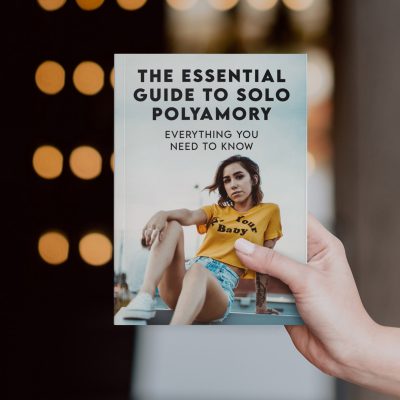
The fantasy is total autonomy and connection. The reality? It can feel like drowning in scheduling chaos and misunderstood expectations. That anxiety you feel isn’t just stress; it’s the wobble of living without a default "anchor." Without a solid architecture, Solo Polyamory stops being a life design and starts being a recipe for burnout and confusion.
The Essential Guide replaces the drift with a concrete anchor. We provide the "Solo Ethic," boundary scripts, and burnout protocols needed to protect your peace. Don't just date around—build a life that actually works for you.
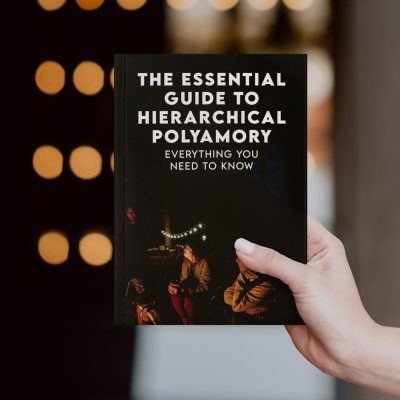
Hierarchy sounds like a corporate org chart until someone gets their feelings hurt. That stomach-turning fear that you are just a "secondary" who can be fired at any time is real. If your relationship feels like a secret ranking system, you are doing it wrong.
Ambiguity is where resentment grows. The Essential Guide replaces the "who matters more" panic with a concrete charter. We provide the scripts and equity guardrails needed to protect every heart in the polycule. Stop guessing and start building.
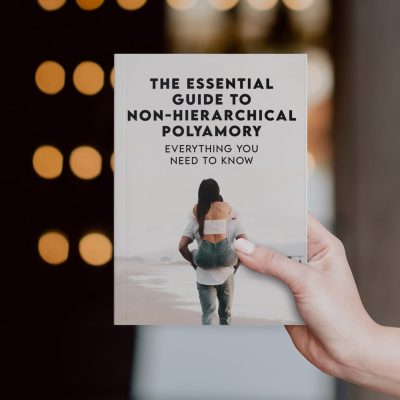
The ideal is pure equality. The reality? It often slides into hidden rankings where someone gets hurt. That sinking feeling that you are secretly a "secondary" despite the label? That is your intuition detecting couple privilege. Ambiguity is where resentment thrives.
The Essential Guide replaces vague promises with concrete governance. We provide the charters, equity tools, and jealousy protocols needed to ensure "non-hierarchical" isn't just a fantasy. Stop guessing who matters most. Build a network that is actually fair.
The fantasy is total autonomy and connection. The reality? It can feel like drowning in scheduling chaos and misunderstood expectations. That anxiety you feel isn’t just stress; it’s the wobble of living without a default "anchor." Without a solid architecture, Solo Polyamory stops being a life design and starts being a recipe for burnout and confusion.
The Essential Guide replaces the drift with a concrete anchor. We provide the "Solo Ethic," boundary scripts, and burnout protocols needed to protect your peace. Don't just date around—build a life that actually works for you.
Hierarchy sounds like a corporate org chart until someone gets their feelings hurt. That stomach-turning fear that you are just a "secondary" who can be fired at any time is real. If your relationship feels like a secret ranking system, you are doing it wrong.
Ambiguity is where resentment grows. The Essential Guide replaces the "who matters more" panic with a concrete charter. We provide the scripts and equity guardrails needed to protect every heart in the polycule. Stop guessing and start building.
What solo poly looks like in real life
Let us get practical. Here are some common patterns you might see in healthy solo poly living. These are not universal rules but rather reliable signals that a solo poly life is working for someone.
- Independent living arrangements You may live alone or with roommates but you do not rely on a single partner to fulfill every social or emotional need.
- Transparent boundaries You have explicit conversations about time energy and emotional capacity with each partner and you revisit these terms as life changes.
- Clear communication routines Regular check ins with partners about how things are going and what adjustments might be needed help maintain trust.
- A polycule without a forced core There is no single center that everything revolves around. Instead multiple relationships overlap in comfortable and mutually beneficial ways.
- Healthy management of jealousy When jealousy arises you address it quickly with communication and strategies that reduce harm and protect relationships.
- Balanced social networks Everyone knows each other and there is space for social interactions that involve different groupings or private moments without pressure to have all parties in one room at once.
Practical strategies for thriving as a solo poly person
If you are exploring solo poly make these practical moves to build a sustainable practice. The goal is not to pretend you can do everything at once but to create capacity for honest caring in a way that respects your autonomy and the autonomy of others.
- Define what autonomy means for you Autonomy can look like living on your own or it can mean freedom from controlling expectations. Decide what independence means in your life and what you are willing to share with others.
- Set clear boundaries with each partner Boundaries are not walls they are agreements about how you show up in each relationship. They can include time limits emotional availability or expectations around communication style.
- Practice transparent scheduling Use a shared calendar or agreed check ins to coordinate time with partners while protecting your personal commitments. This reduces scheduling stress and helps everyone feel seen.
- Develop a consent oriented communication style When introducing new partners or changing boundaries begin with open questions and invite feedback. Keep the conversation ongoing rather than treating it as a one off discussion.
- Learn new skills for managing jealousy Jealousy is a natural signal. Naming the emotion and exploring the underlying need with a supportive approach helps you respond rather than react.
- Embed safety and consent as everyday practice Discuss safer sex expectations consent around disclosure of other partners and boundaries around public sharing of intimate details.
- Build a support network outside romance Friends family and professional support can help you navigate relationship challenges without it becoming overwhelming.
- Keep self knowledge growing Regularly reflect on what you want and what you are able to give to others. Stay curious about your own needs and boundaries as you evolve.
Common questions people ask about solo polyamory
If you are curious this section helps anticipate what you might wonder about and how to think about it. This is not a rigid roadmap but a starter kit for informed choice. The important thing is to maintain consent honesty and respect in every step you take.
Is solo polyamory right for me
The only way to know is to explore with clear boundaries and honest conversations. If you value autonomy and you want to keep multiple meaningful connections while maintaining independence this dynamic could be a good fit. If you need exclusive commitment from a single person or fear losing control over your life you might need to weigh your priorities carefully before moving forward.
How do I explain solo poly to someone who is new to the concept
Explain it as a relationship philosophy that prioritizes autonomy consent and honest communication. Emphasize that it does not equal selfishness or a lack of care. Share practical examples of how you maintain boundaries and ensure everyone’s needs are acknowledged. Invite questions and be patient as the person absorbs a new idea about relationships.
Can solo poly lead to more than one long term relationship
Yes it can. Many solo poly individuals form several long term connections that endure for years or even decades. The key is ongoing communication clear expectations and the willingness to adapt as life changes. Longevity depends on mutual respect and the ability to align values across relationships while honoring personal autonomy.
What about children and family reactions
Families react in many different ways. The best approach is honesty age appropriate conversation and consistency. You may choose to introduce partners gradually and to model respectful boundaries. Children benefit from stable routines clear explanations about diverse families and reassurance that they are loved and cared for by many supportive adults. Each family is unique and you can navigate it with sensitivity and care.
How do you handle safety and STI prevention in solo poly networks
Safer sex practices apply just as strongly here as anywhere. Have open conversations about testing regular testing coverage share information about partners and use protection where appropriate. Some people create an agreed safety policy that covers disclosure of new partners and when to discuss changes in sexual health status. Public health and personal responsibility go hand in hand in any healthy relationship system including solo poly ones.
Glossary of useful terms and acronyms
- ENM Ethically non monogamous relationships based on consent and honesty across all involved.
- Solo poly A form of polyamory where independence and personal autonomy are prioritized.
- Polyamory Having multiple loving or sexual relationships with the consent of everyone involved.
- Primary partner A term used to describe the person who would be considered a main partner in some relationship structures. In solo poly this may be avoided altogether.
- Compersion Joy in the happiness of a partner with someone else.
- Jealousy A normal feeling that can be managed with communication and boundaries rather than avoidance.
- Polycule The network of people connected through polyamory relationships.
- Boundaries Agreements about what is acceptable and how you will engage with others in the relationship network.
- Consent An ongoing agreement to participate in any relationship or activity with full awareness of what is involved.
Putting it all together
Solo polyamory offers a path for people who want meaningful intimate connections while preserving personal autonomy. It is not a free for all it is a carefully negotiated practice built on consent clear boundaries and open honest communication. The myths above show why it is easy to misunderstand this dynamic. The reality is that solo polyamory can be deeply rewarding for those who choose it and are willing to invest in communication and self awareness. If this sounds like your kind of journey you can start small and scale up at your own pace while building a robust support system around you.
Practical steps to begin or refine your solo poly journey
- Define your own autonomy Decide what independence means to you in concrete terms. You might choose to live alone or you may share a home but with explicit agreements about boundaries and privacy.
- Have a candid honesty practice Build a habit of checking in with partners about needs and boundaries. Regular conversations prevent miscommunications from piling up.
- Create a personal energy plan Allocate time and emotional energy to yourself and each relationship. This helps prevent burnout and ensures you can show up authentically for everyone involved.
- Practice transparent scheduling Use shared calendars or agreed check in points to coordinate time with multiple partners. This reduces confusion and shows respect for everyone’s commitments.
- Develop jealousy management skills Name feelings when they arise and discuss what would help you feel secure. Practice using these moments as opportunities to strengthen trust.
- Build a diverse support network Lean on friends family communities and professionals who understand non monogamy. Support systems are essential for long term health.
- Educate yourself continuously Read books attend workshops and engage with communities to learn more about different forms of polyamory and how people navigate them successfully.
FAQ
Below you will find common questions people have about solo polyamory. The answers are concise and practical, designed to help you think through your own path.
What is solo polyamory
Solo polyamory is a form of ethical non monogamy where an individual maintains independence while dating or forming intimate connections with multiple people. There is no single partner who owns the person’s life. Instead relationships are built around consent honesty and shared values.
How is solo poly different from regular polyamory
Regular polyamory often assumes some level of integration between partners, sometimes with a primary partner or a shared social circle. Solo poly emphasizes autonomy independence and personal boundaries. It does not seek a single centralized life with one partner dominating the rest.
Can I have a family or children while practicing solo poly
Yes you can. Families come in many forms and solo poly can fit with parenting with shared care arrangements and clear communication. The important ingredient is a stable environment and open dialogue with all involved parties including children where appropriate.
Is solo polyamory necessarily chaotic
Not inherently. Chaos tends to appear when communication breaks down or boundaries are unclear. When you invest in clear agreements regular check ins and strong self care solo poly can feel orderly and rewarding rather than chaotic.
Do you need radical honesty all the time
Honesty is essential but timing and sensitivity matter. Share information that affects others and practice thoughtful disclosure. There will be moments where private thoughts are kept private to protect emotional safety. The goal is ongoing transparent communication not indiscriminate oversharing.
Is solo poly only for younger people
Age does not determine whether solo poly works for you. People of all ages explore autonomy and multiple connections. Life experience can even enrich how you manage boundaries and trust across relationships.
How do I talk to someone about solo poly
Lead with clarity about what you want and what you do not want. Be patient and invite questions. Emphasize consent password and safety as ongoing practices rather than a one time conversation.
Can solo poly be long term
Yes it can. A lot of people maintain long term relationships across several partners. The key is mutual respect and sustained communication that can adapt as life changes.
How do I handle jealousy
Jealousy is a signal not a sentence. Acknowledge the feeling and explore the underlying needs it points to. Use boundaries and open dialogue to address the root causes. With practice jealousy becomes easier to manage.
Final notes
Solo polyamory is a valid relationship path within ethical non monogamy. It can offer deep connection while preserving personal autonomy. It is not a universal solution and it is not a guarantee that life will be easier. It is a choice to engage with others honestly while protecting your own space and independence. If you decide to explore this path start with small steps and build a support system that helps you navigate the journey with care and respect for everyone involved.
Love is infinite, but your calendar is brutally finite. The fantasy is deep connection; the reality is often just exhausted "calendar tetris." Promising time you don't actually have isn't romantic, it’s a recipe for burnout and broken trust. That sinking feeling when you have to cancel again? That’s the sound of overextension destroying your relationships.
This calculator forces you to confront the math of your life. Do you actually have space for another heart, or are you just setting everyone up for disappointment?
The fantasy is total autonomy and connection. The reality? It can feel like drowning in scheduling chaos and misunderstood expectations. That anxiety you feel isn’t just stress; it’s the wobble of living without a default "anchor." Without a solid architecture, Solo Polyamory stops being a life design and starts being a recipe for burnout and confusion.
The Essential Guide replaces the drift with a concrete anchor. We provide the "Solo Ethic," boundary scripts, and burnout protocols needed to protect your peace. Don't just date around—build a life that actually works for you.
Hierarchy sounds like a corporate org chart until someone gets their feelings hurt. That stomach-turning fear that you are just a "secondary" who can be fired at any time is real. If your relationship feels like a secret ranking system, you are doing it wrong.
Ambiguity is where resentment grows. The Essential Guide replaces the "who matters more" panic with a concrete charter. We provide the scripts and equity guardrails needed to protect every heart in the polycule. Stop guessing and start building.
The ideal is pure equality. The reality? It often slides into hidden rankings where someone gets hurt. That sinking feeling that you are secretly a "secondary" despite the label? That is your intuition detecting couple privilege. Ambiguity is where resentment thrives.
The Essential Guide replaces vague promises with concrete governance. We provide the charters, equity tools, and jealousy protocols needed to ensure "non-hierarchical" isn't just a fantasy. Stop guessing who matters most. Build a network that is actually fair.
The fantasy is total autonomy and connection. The reality? It can feel like drowning in scheduling chaos and misunderstood expectations. That anxiety you feel isn’t just stress; it’s the wobble of living without a default "anchor." Without a solid architecture, Solo Polyamory stops being a life design and starts being a recipe for burnout and confusion.
The Essential Guide replaces the drift with a concrete anchor. We provide the "Solo Ethic," boundary scripts, and burnout protocols needed to protect your peace. Don't just date around—build a life that actually works for you.
Hierarchy sounds like a corporate org chart until someone gets their feelings hurt. That stomach-turning fear that you are just a "secondary" who can be fired at any time is real. If your relationship feels like a secret ranking system, you are doing it wrong.
Ambiguity is where resentment grows. The Essential Guide replaces the "who matters more" panic with a concrete charter. We provide the scripts and equity guardrails needed to protect every heart in the polycule. Stop guessing and start building.
