
Disability and Access Needs as Solo Poly

Welcome to a practical, down to earth deep dive into disability and access needs within the solo polyamory dynamic. If you are navigating ethical non monogamy while managing disability or chronic illness you deserve a framework that respects your independence while making space for your needs. This guide will walk you through clear terms practical strategies and real world scenarios. Think of it as a friendly playbook that helps you connect with partners who see you and honor your boundaries while keeping life exciting rather than exhausting.
Quick Links to Useful Sections
- What solo polyamory means in the context of disability and access
- Key terms explained so we are all on the same page
- Three core principles for inclusive solo polyamory with disability
- How to talk about access needs with potential partners
- Planning dates and encounters with access needs in mind
- Safety boundaries and crisis planning in a solo poly setup
- Disclosing disability and access needs with honesty and care
- Inclusion at events and social spaces
- Managing finances and the cost of accessibility
- Real world scenarios and practical problem solving
- Scenario one a new date with mobility needs
- Scenario two sensory overload at a crowded event
- Scenario three travel that tests energy and access needs
- Tools and resources to support inclusive solo poly dating
- Glossary of useful terms and acronyms
- Checklist before you step into a date or invite a new partner
- Resources and ongoing learning
What solo polyamory means in the context of disability and access
Solo polyamory is a relationship style where a person maintains independence and pursues multiple intimate connections rather than building a single primary partnership. In this setup you control your own schedule and you decide how each relationship fits into your life. If you live with disability or have access needs this approach can be liberating because it places you at the center of decision making. It also places responsibility on everyone involved to communicate openly and to design activities and spaces that work for you as a whole person not just a date on a calendar.
Access needs are the accommodations and supports that allow you to participate fully in everyday life and in dating. These can include physical accommodations like accessible venues or transportation and they can include communicative and sensory accommodations like clear explanations of plans and noise level controls. Understanding your access needs and being comfortable articulating them is not a burden it is a necessary part of healthy relationships. When you combine solo polyamory with disability you are choosing autonomy while inviting generosity and collaboration from partners who want to show up in ways that genuinely help you thrive.
Key terms explained so we are all on the same page
We will talk in plain language and explain acronyms as we go so nothing feels foggy or confusing.
- Ethical Non Monogamy This is a broad term for relationship styles that involve honesty consent and transparency with more than one partner.
- Solo polyamory A form of ethical non monogamy where the person prioritizes personal independence and autonomy while engaging in romantic or sexual relationships with others.
- Disability In this context we include physical mental intellectual or sensory differences that affect participation in daily life or relationships.
- Access needs The supports accommodations and adjustments that help you participate fully in dating and in life. They can be physical emotional or logistical.
- Reasonable accommodation Adjustments that do not impose an undue burden on another person or on systems but enable participation.
- Universal Design Designing spaces and processes so that they work for most people from the start rather than as afterthought adjustments.
- ADL Activities of daily living. A term often used when discussing practical supports needed for everyday function.
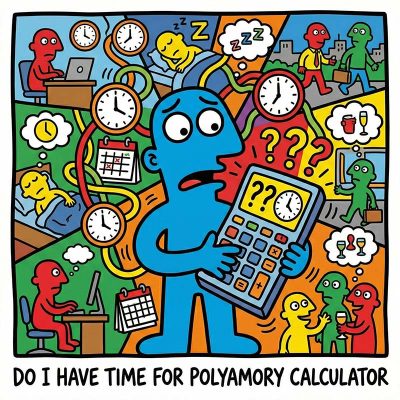
Love is infinite, but your calendar is brutally finite. The fantasy is deep connection; the reality is often just exhausted "calendar tetris." Promising time you don't actually have isn't romantic, it’s a recipe for burnout and broken trust. That sinking feeling when you have to cancel again? That’s the sound of overextension destroying your relationships.
This calculator forces you to confront the math of your life. Do you actually have space for another heart, or are you just setting everyone up for disappointment?
The fantasy is total autonomy and connection. The reality? It can feel like drowning in scheduling chaos and misunderstood expectations. That anxiety you feel isn’t just stress; it’s the wobble of living without a default "anchor." Without a solid architecture, Solo Polyamory stops being a life design and starts being a recipe for burnout and confusion.
The Essential Guide replaces the drift with a concrete anchor. We provide the "Solo Ethic," boundary scripts, and burnout protocols needed to protect your peace. Don't just date around—build a life that actually works for you.
Hierarchy sounds like a corporate org chart until someone gets their feelings hurt. That stomach-turning fear that you are just a "secondary" who can be fired at any time is real. If your relationship feels like a secret ranking system, you are doing it wrong.
Ambiguity is where resentment grows. The Essential Guide replaces the "who matters more" panic with a concrete charter. We provide the scripts and equity guardrails needed to protect every heart in the polycule. Stop guessing and start building.
The ideal is pure equality. The reality? It often slides into hidden rankings where someone gets hurt. That sinking feeling that you are secretly a "secondary" despite the label? That is your intuition detecting couple privilege. Ambiguity is where resentment thrives.
The Essential Guide replaces vague promises with concrete governance. We provide the charters, equity tools, and jealousy protocols needed to ensure "non-hierarchical" isn't just a fantasy. Stop guessing who matters most. Build a network that is actually fair.
The fantasy is total autonomy and connection. The reality? It can feel like drowning in scheduling chaos and misunderstood expectations. That anxiety you feel isn’t just stress; it’s the wobble of living without a default "anchor." Without a solid architecture, Solo Polyamory stops being a life design and starts being a recipe for burnout and confusion.
The Essential Guide replaces the drift with a concrete anchor. We provide the "Solo Ethic," boundary scripts, and burnout protocols needed to protect your peace. Don't just date around—build a life that actually works for you.
Hierarchy sounds like a corporate org chart until someone gets their feelings hurt. That stomach-turning fear that you are just a "secondary" who can be fired at any time is real. If your relationship feels like a secret ranking system, you are doing it wrong.
Ambiguity is where resentment grows. The Essential Guide replaces the "who matters more" panic with a concrete charter. We provide the scripts and equity guardrails needed to protect every heart in the polycule. Stop guessing and start building.
Three core principles for inclusive solo polyamory with disability
If you want a simple framework to carry into conversations and planning here are three ideas that hold up in most situations.
- Consent and ongoing negotiation Always treat access needs as part of the consent conversation. Revisit plans and boundaries as health and energy shift.
- Communication that is clear and concrete Use direct statements about what you need when you need it. Avoid vague hopes and assume good intentions while validating boundaries.
- Flexibility with a safety net Build in backup plans so activities can adapt on days when fatigue pain or medical symptoms are higher than usual.
How to talk about access needs with potential partners
The goal is to invite collaboration not to demand. Open conversations early so everyone can assess fit and comfort. Here are practical steps to make this work.
- Lead with you Start with a short personal statement that explains your values and your general approach to relationships. For example I am someone who loves connection and honesty and I manage fatigue through predictable routines. I want to see how we click while keeping energy balanced for both of us.
- List two to three concrete needs For example I prefer meetings in accessible venues I appreciate reminders about plans in writing and I might need a quiet space if the environment gets loud.
- Invite dialogue Ask how they feel about those needs and what would make dating easier for them as well. A good match can offer input and suggestions without making it about right or wrong.
- Share a simple plan for common scenarios For instance If we go to a busy event we can take breaks at set times and I will text you if I need a pause. If transportation is uncertain we can arrange a plan B together.
Planning dates and encounters with access needs in mind
Expectation management is a big part of success here. When you plan with accessibility in mind you reduce friction and increase enjoyment for you and your partners.
- Choose accessible venues Look for venues with step free entrances elevators accessible restrooms and seating options. Ask about overflow areas or quiet rooms you can use if needed.
- Share travel and arrival details If you rely on a ride service or a friend for transport share your needs in advance. If you use a mobility device or assistive equipment confirm space in the vehicle and on arrival.
- Plan for sensory comfort Think about noise lighting scent and crowd levels. A dimly lit calm space with comfortable seating is often better for many people with sensory differences.
- Build in flexible timing Energy levels vary. Don t pack a day with back to back activities. Allow for rests and quick pauses to recharge.
- Create a shared plan but protect privacy You can agree on a shared itinerary while keeping private personal information within a circle of trust. It is okay to control what you disclose when and to whom.
Safety boundaries and crisis planning in a solo poly setup
Safety is about physical wellbeing as well as emotional trust. When you date with disability you may need different kinds of safety nets than others. Here is how to build them without slowing down your life.
- Emergency contacts Have a clear list of who to call for different kinds of emergencies and where your medical information is stored. Consider a digital wallet like a secure note with key contacts and health details that you can share quickly with a partner if needed.
- Medical necessities If you use medical equipment medications or assistive devices keep spare supplies at hand and tell at least one partner where you store them and how to use them if necessary.
- Safe words and check ins In a casual date or a long term arrangement set up a simple check in routine. A gentle phrase can signal you need a pause or a change in plans without creating pressure.
- Boundaries for energy management Communicate the signs that you are moving toward fatigue or pain and agree on a plan for stepping back or changing activities in the moment.
Disclosing disability and access needs with honesty and care
Disclosures should support healthy connections rather than become a barrier. Not every detail needs to be shared on day one and not every relationship needs to know everything. A practical approach is to tailor what you share to fit the context and your comfort level.
- Early protocol A short honest statement about your independence and your care needs can set the tone. For example I am someone who values independence and I manage my energy with a flexible schedule. If we keep this approach I think we will both enjoy what happens next.
- Ongoing transparency Revisit needs after any major life change or after a new partner becomes more involved. This keeps the relationship dynamic healthy.
- Privacy choices You decide who to tell and what to share. Trust is built when boundaries around private information feel respected and safe.
Inclusion at events and social spaces
Social spaces can be rewarding but also tiring. The right approach is to design a path that fits you. That path can include inviting a partner to join in or meeting separately and reconnecting later. The important thing is that you feel seen and you have choices that you can exercise without pressure.
- Accessibility audits with partners Before a date or a larger event you can check accessibility together. If something is missing you can propose a workaround that preserves enjoyment for everyone involved.
- Choice of activities When possible pick activities that provide options for quiet corners or private spaces. If the event becomes too stimulating you can retreat knowing your boundary is respected.
- Supportive communication Let partners know when you appreciate a pause or a change in plan. Mutual appreciation keeps things positive and inclusive.
Managing finances and the cost of accessibility
Access can involve costs for venues equipment transportation and sometimes personalized services. In a solo poly network you have the flexibility to share or split these costs in a way that works for you and your partners. Here are practical strategies to keep costs fair and predictable.
- Budget openly Create a shared spending plan for dates or events that require accessibility enhancements. The plan can be revised as needs change.
- Plan for contingencies If a venue is more expensive than expected you can switch to a locale with similar access but lower price. The goal is to keep the quality of experience without financial stress.
- Look for community resources Some communities offer free or low cost accessible spaces or transportation assistance. Your network or local disability groups can point you toward options.
Real world scenarios and practical problem solving
Here are three common situations and how to handle them with a practical supportive mindset.
Scenario one a new date with mobility needs
You meet a potential partner who uses a mobility aid. You want to keep the first meet simple and comfortable. You choose an accessible cafe with a wide door a ramp and seating that accommodates a wheelchair. You share a brief note about your own access needs and invite them to share theirs. You agree on a time limit for the first meeting and plan to text if you need a pause. After the date you check in and ask if you should plan another meeting or if a different setting might work better next time. The focus is to learn about compatibility while ensuring both of you feel safe and respected.
Scenario two sensory overload at a crowded event
At a large event the crowd creates a lot of noise and bright lights. You might respond by choosing a quieter corner or stepping outside for air. You have a pre agreed plan with a partner to signal a pause using a simple phrase. You also prepared a backup plan such as a less crowded venue to meet after the event. Your partner respects the request without judgment and the experience remains positive for everyone involved.
Scenario three travel that tests energy and access needs
Travel can be exhausting especially when energy levels are variable. You plan a trip with a travel buddy who understands your need for rest stops and accessible transport. You book a hotel with a step free entrance and a room close to the elevator. You pack essential medical items and a list of nearby clinics or urgent care options as a precaution. During the trip you maintain open communication about pace and activities and you adjust the schedule so you can still enjoy time with your partner without pushing beyond what you can handle.
Tools and resources to support inclusive solo poly dating
Having practical tools makes the difference between a struggle and a smooth experience. Here are ideas that can help you implement inclusive practices without complicating your life.
- Accessibility checklists Create a small list you can bring to venues and dates that asks about entrance routes seating lighting restrooms and quiet spaces. Use this list to quickly assess suitability.
- Energy tracking and planning Keep a simple log of energy levels during the week and use it to map out dates that match your energy. A predictable rhythm reduces stress and increases enjoyment.
- Communication templates Prepare short statements that describe your needs and how someone can support you. For example I need a quiet space after ninety minutes of socializing. Would you like to join me or shall we switch to a calmer activity?
- Support networks Build a small trusted circle of friends or partners who understand your needs and are willing to adapt plans when required. A reliable support network is priceless.
Glossary of useful terms and acronyms
- Ethical Non Monogamy A broad approach to relationships based on honesty consent and respect for all involved.
- Solo polyamory A form of ethical non monogamy where the individual maintains independence and does not place themselves in a hierarchical primary relationship with one partner.
- Disability A broad term referring to physical sensory cognitive or mental differences that may require supports or adjustments.
- Access needs The accommodations supports or adjustments that enable participation in activities including dating.
- Reasonable accommodation Adjustments that enable participation without causing undue burden on others.
- Universal Design A design philosophy that aims to make spaces products and communications usable by as many people as possible.
- ADL Activities of daily living including basic self care tasks.
Checklist before you step into a date or invite a new partner
- Clarify your access needs in simple terms and decide what you want to disclose early on.
- Choose accessible venues and verify parking routes and entrances.
- Plan for energy with breaks and flexible timing.
- Discuss safety and emergency plans with a trusted contact or partner.
- Have a backup plan in case plans need to change on the fly.
- Share important information in writing when possible to avoid miscommunication in the moment.
In solo polyamory the aim is not to erase differences but to build spaces where differences become strengths. You deserve creative dating that respects your autonomy while inviting partners to participate in a cooperative way. With thoughtful planning and honest conversations you can cultivate deeply connected relationships that honor your access needs and your distinctive voice as a person living with disability.
Resources and ongoing learning
Learning is ongoing and the landscape of accessibility and inclusive dating is always evolving. Here are practical ways to stay informed and inspired without feeling overwhelmed.
- Follow disability led advocacy organizations that focus on inclusion in social life and dating spaces.
- Join local or online communities where people discuss intersection of disability and relationship dynamics in a respectful manner.
- Read real world stories from people in solo poly communities to see how they negotiate boundaries and access in varied contexts.
- Attend workshops or webinars on inclusive dating and accessible planning where you can ask questions and practice communication skills.
Remember the strongest element of any poly network is mutual respect and shared responsibility. When you approach dating with disability through a solo poly lens you can keep your independence intact while inviting others into your life in ways that feel good and sustainable. The most important part is to stay curious about what works for you and your partners and to pivot with kindness when needs shift. You are building a relationship ecosystem that honors you as a whole person and that is something remarkable.
Love is infinite, but your calendar is brutally finite. The fantasy is deep connection; the reality is often just exhausted "calendar tetris." Promising time you don't actually have isn't romantic, it’s a recipe for burnout and broken trust. That sinking feeling when you have to cancel again? That’s the sound of overextension destroying your relationships.
This calculator forces you to confront the math of your life. Do you actually have space for another heart, or are you just setting everyone up for disappointment?
The fantasy is total autonomy and connection. The reality? It can feel like drowning in scheduling chaos and misunderstood expectations. That anxiety you feel isn’t just stress; it’s the wobble of living without a default "anchor." Without a solid architecture, Solo Polyamory stops being a life design and starts being a recipe for burnout and confusion.
The Essential Guide replaces the drift with a concrete anchor. We provide the "Solo Ethic," boundary scripts, and burnout protocols needed to protect your peace. Don't just date around—build a life that actually works for you.
Hierarchy sounds like a corporate org chart until someone gets their feelings hurt. That stomach-turning fear that you are just a "secondary" who can be fired at any time is real. If your relationship feels like a secret ranking system, you are doing it wrong.
Ambiguity is where resentment grows. The Essential Guide replaces the "who matters more" panic with a concrete charter. We provide the scripts and equity guardrails needed to protect every heart in the polycule. Stop guessing and start building.
The ideal is pure equality. The reality? It often slides into hidden rankings where someone gets hurt. That sinking feeling that you are secretly a "secondary" despite the label? That is your intuition detecting couple privilege. Ambiguity is where resentment thrives.
The Essential Guide replaces vague promises with concrete governance. We provide the charters, equity tools, and jealousy protocols needed to ensure "non-hierarchical" isn't just a fantasy. Stop guessing who matters most. Build a network that is actually fair.
The fantasy is total autonomy and connection. The reality? It can feel like drowning in scheduling chaos and misunderstood expectations. That anxiety you feel isn’t just stress; it’s the wobble of living without a default "anchor." Without a solid architecture, Solo Polyamory stops being a life design and starts being a recipe for burnout and confusion.
The Essential Guide replaces the drift with a concrete anchor. We provide the "Solo Ethic," boundary scripts, and burnout protocols needed to protect your peace. Don't just date around—build a life that actually works for you.
Hierarchy sounds like a corporate org chart until someone gets their feelings hurt. That stomach-turning fear that you are just a "secondary" who can be fired at any time is real. If your relationship feels like a secret ranking system, you are doing it wrong.
Ambiguity is where resentment grows. The Essential Guide replaces the "who matters more" panic with a concrete charter. We provide the scripts and equity guardrails needed to protect every heart in the polycule. Stop guessing and start building.
