
Handling Being the Newest Partner


Welcome to a space where relationships can look a little different from the traditional script and still feel completely real and valid. If you are the newest partner in a solo polyamory dynamic, you are likely juggling a tidal wave of feelings. You might be curious, excited, anxious, hopeful, and a little unsure all at once. That is normal. This guide is here to give you practical, down to earth guidance with clear explanations for every term you might hear. Think of it as your friend who tells it straight and then jokes about it to help you breathe a little easier.
Quick Links to Useful Sections
- What solo polyamory means
- What ethical non monogamy is and how it relates to solo poly
- Being the newest partner in a solo poly environment
- Must no s and common missteps to avoid
- Practical strategies for effective communication
- Start with your own needs before you react
- Use direct language with non blaming tone
- Practice specific requests and offer options
- Meet metamours with curiosity not competition
- Practice listening and reflect back what you heard
- Set boundaries that protect your wellbeing
- Realistic scenarios you might encounter
- Scenario one the first meet with a metamour
- Scenario two a schedule clash with another partner
- Scenario three jealousy rearing its head
- Scenario four a push for more connection from your partner
- Scenario five difficult conversations with a partner who wants more exclusivity
- Self care and mental health in a new partner role
- Practical tips for long term success
- Common questions and answers about being the newest partner
- Glossary of useful terms and acronyms
- Frequently asked questions
What solo polyamory means
First things first, solo polyamory is a form of ethical non monogamy that centers autonomy and personal boundaries. The word solo here does not mean lonely or single it means choosing to keep your own life independent while you date multiple people. In a solo poly setup there is usually no primary partner and no one who calls all the shots about your time or emotions. Each person is navigating their own needs while consenting to relationships with others. The key idea is that relationships are negotiated openly and honestly rather than managed through ownership or hierarchy.
In practice you might date several people at once while maintaining a separate life that includes personal goals friendships and personal time. Love is not divided into compartments with someone in charge of your calendar. Instead consent communication and respect guide how connections grow. This can feel liberating but it can also demand more active conversation and self awareness. The beauty of solo poly is its flexibility. The catch is that you have to be clear about your own boundaries and you need to keep communicating as feelings evolve.
What ethical non monogamy is and how it relates to solo poly
Ethical non monogamy is an umbrella term for relationship styles that involve more than two people with explicit consent and healthy communication. The word ethical means all people involved know what is happening and agree to it. It is not a free for all it is a practice that requires honesty respect and ongoing negotiation. Solo polyamory sits under this umbrella as a distinct approach. It emphasizes personal freedom and boundary respect rather than a fixed structure such as married or connected to a single partner at all times.
When you are new to a solo poly dynamic you may hear terms like metamour and polycule. A metamour is a partner of your partner who is not your own partner. A polycule is the network of people connected through romantic or sexual relationships. Terms like compersion a positive feeling of joy when a loved one experiences happiness with another person are common in this world. We will break down these ideas further in the glossary section so you have practical definitions you can carry into real life conversations.

Love is infinite, but your calendar is brutally finite. The fantasy is deep connection; the reality is often just exhausted "calendar tetris." Promising time you don't actually have isn't romantic, it’s a recipe for burnout and broken trust. That sinking feeling when you have to cancel again? That’s the sound of overextension destroying your relationships.
This calculator forces you to confront the math of your life. Do you actually have space for another heart, or are you just setting everyone up for disappointment?
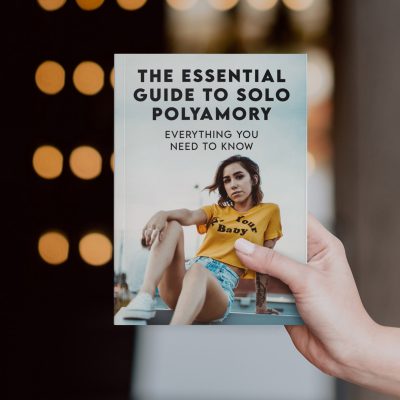
The fantasy is total autonomy and connection. The reality? It can feel like drowning in scheduling chaos and misunderstood expectations. That anxiety you feel isn’t just stress; it’s the wobble of living without a default "anchor." Without a solid architecture, Solo Polyamory stops being a life design and starts being a recipe for burnout and confusion.
The Essential Guide replaces the drift with a concrete anchor. We provide the "Solo Ethic," boundary scripts, and burnout protocols needed to protect your peace. Don't just date around—build a life that actually works for you.

Hierarchy sounds like a corporate org chart until someone gets their feelings hurt. That stomach-turning fear that you are just a "secondary" who can be fired at any time is real. If your relationship feels like a secret ranking system, you are doing it wrong.
Ambiguity is where resentment grows. The Essential Guide replaces the "who matters more" panic with a concrete charter. We provide the scripts and equity guardrails needed to protect every heart in the polycule. Stop guessing and start building.
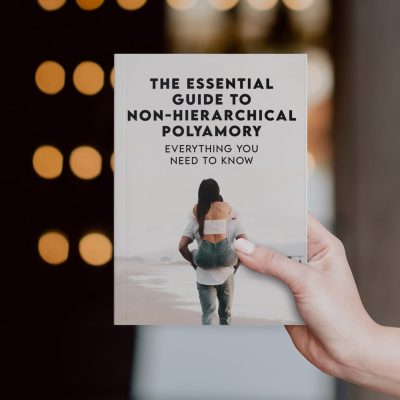
The ideal is pure equality. The reality? It often slides into hidden rankings where someone gets hurt. That sinking feeling that you are secretly a "secondary" despite the label? That is your intuition detecting couple privilege. Ambiguity is where resentment thrives.
The Essential Guide replaces vague promises with concrete governance. We provide the charters, equity tools, and jealousy protocols needed to ensure "non-hierarchical" isn't just a fantasy. Stop guessing who matters most. Build a network that is actually fair.
The fantasy is total autonomy and connection. The reality? It can feel like drowning in scheduling chaos and misunderstood expectations. That anxiety you feel isn’t just stress; it’s the wobble of living without a default "anchor." Without a solid architecture, Solo Polyamory stops being a life design and starts being a recipe for burnout and confusion.
The Essential Guide replaces the drift with a concrete anchor. We provide the "Solo Ethic," boundary scripts, and burnout protocols needed to protect your peace. Don't just date around—build a life that actually works for you.
Hierarchy sounds like a corporate org chart until someone gets their feelings hurt. That stomach-turning fear that you are just a "secondary" who can be fired at any time is real. If your relationship feels like a secret ranking system, you are doing it wrong.
Ambiguity is where resentment grows. The Essential Guide replaces the "who matters more" panic with a concrete charter. We provide the scripts and equity guardrails needed to protect every heart in the polycule. Stop guessing and start building.
Being the newest partner in a solo poly environment
As the newest partner you are entering a landscape that already has its own tempo and rhythm. You might meet someone you want to date and you may also become part of a larger circle of connections. The most important thing to know is that your value in this dynamic does not depend on outperforming others or squeezing into someone else’s schedule. Your job is to bring your own needs into the conversation and to listen to the needs of others. That is how you build a sustainable connection without losing your sense of self.
The feel of being the newest can range from thrilling to unsettling. You might be excited by fresh energy or feel a little fear that you will be replaced or that your needs will be overlooked. The truth is in a solo poly setup you are not competing against others you are cultivating agreements that work for everyone involved. This can take time it is not a sprint. It is a process of learning how to show up as your best self while honoring other people’s boundaries and autonomy.
Must no s and common missteps to avoid
- Don t expect your partner to drop everything for you or to change their other connections to fit your schedule
- Do not compare yourself to others in the circle or try to measure your worth by how much attention you receive
- Avoid pressuring others to commit to exclusivity or to move relationships faster than they are ready for
- Don t assume how others feel about you talk to them directly and ask for clarity with kindness
- Avoid trying to own or control the other people involved
- Do not ghost or cut off communication when emotions get intense
- Avoid mapping your self worth to your partner s attention or the length of their dating history
Practical strategies for effective communication
Clear communication is the backbone of a healthy solo poly dynamic. You will benefit from conversations that are specific honest and kind. Here are some practical approaches you can use right away.
Start with your own needs before you react
Before you speak take a moment to name what you need. Are you seeking more time with a specific partner more emotional support more space for self care or more transparency about how the other relationships are progressing? Naming your needs helps others understand where you are coming from instead of guessing what you want.
Use direct language with non blaming tone
Focus on the behavior or situation rather than labeling people or assigning motives. For example say I feel anxious when plans change last minute without notice rather than You never tell me anything and you don t care. The first frame keeps the door open for resolution and avoids defensiveness.
Practice specific requests and offer options
Rather than making vague statements propose concrete options. For instance you might say I would love to have a regular check in time each week to talk about emotions and calendar alignment would a thirty minute call every Sunday work for you or would a text update midweek be easier? Giving options makes it easier for others to participate in the solution.
Meet metamours with curiosity not competition
When you meet the partners of your partner you want to keep the first meeting warm and open. Acknowledge that you are new to the dynamic and ask about their expectations and how they like to communicate. A stance of curiosity helps reduce defensiveness and helps you see how your experiences and theirs can weave together rather than collide.
Practice listening and reflect back what you heard
One powerful skill is reflecting back what you heard. This helps you confirm you understood correctly and communicates that you are listening. Try statements like I hear you say that you value regular updates and that you want to avoid scheduling conflicts that would leave you feeling neglected is that right?
Set boundaries that protect your wellbeing
Boundaries are not walls they are guard rails that keep you on track. Examples include I need one weekend a month that I spend without other dating commitments or I need to keep one day a week free for personal time I do not schedule dates on that day. Boundaries are personal and flexible and they can evolve as you grow in the dynamic.
Realistic scenarios you might encounter
Scenario one the first meet with a metamour
You are the newest partner and you are meeting the metamour for the first time. The aim is to create a positive, calm first impression. Greet warmly share a little about yourself and express respect for the existing relationship. Ask a few open questions about what they value in the dynamic and what would make them comfortable. You might say I am excited to be in this space and I want to understand how you prefer to communicate and any boundaries you want to share. Keep the conversation light useful and respectful.
Scenario two a schedule clash with another partner
Someone wants to schedule a date during a time you had reserved for another partner. This is a common situation in solo poly life. Approach it with flexibility and honest conversation. You could say I have a date with another partner at that time would you be open to moving to a different slot or would you prefer I keep that slot for you and we look at another day? The exact wording will reflect your style but the essential is to present options and show you are prioritizing your commitments with honesty.
Scenario three jealousy rearing its head
Jealousy is a normal feeling in any relationship dynamic. In solo poly it can be intense because independence is valued. A practical approach is to name the feeling without judging yourself or your partner. You might say I feel a sting of jealousy when I hear about a date you had last week I want to explore what would help me feel secure and supported. This could lead to a plan such as more regular check ins or more playful connection moments that reassure you that you are valued.
Scenario four a push for more connection from your partner
If your partner suggests that you should invest more time or move toward a deeper connection quickly remember you have autonomy and it is okay to slow things down. You can respond with I hear your desire for more closeness I value this too and I want to grow at a pace that respects both of our boundaries. Let us outline a plan with small milestones and check in again in a few weeks.
Scenario five difficult conversations with a partner who wants more exclusivity
If a partner wonders about exclusivity you can acknowledge their feelings and present your perspective as a personal choice rather than a rejection. You might say I respect your need for closeness and I also want to maintain my independence and keep relationships open for now. Let us discuss what compromises could look like for both of us and what this would mean for the rest of the dynamic.
Self care and mental health in a new partner role
Taking care of yourself is essential. In a solo poly dynamic you are not just managing romance you are managing a web of connections and your own emotional landscape. Here are some grounded tips to keep you balanced.
- Preserve personal time for activities you love and for rest
- Journal your feelings to identify patterns and triggers
- Seek support from friends or a therapist who understands non monogamy
- Keep a small but steady set of boundaries to protect your energy
- Practice self compassion and remind yourself that it takes time to find your footing
Practical tips for long term success
These are habits that help you stay grounded and involved in a healthy dynamic over time.
- Be proactive about communication instead of letting issues build up
- Celebrate small wins such as a good talk with a metamour or a well planned co dating moment
- Keep your own life goals in view while engaging with your partners
- Respect the pace that your partners set for the relationship and adjust as needed
- Give yourself permission to step back when you need space or time
Common questions and answers about being the newest partner
Below is a quick primer to help you feel confident in your role. If you want more depth on any topic the sections above will have you covered.
- How do I know if solo polyamory is right for me
- What should I do if I feel left out or replaced
- How do I talk to a partner about time management and emotional support
- What are healthy boundaries in a solo poly dynamic
- How do I handle jealousy without apologizing for being human
Glossary of useful terms and acronyms
- ENM Short for ethical non monogamy a relationship choice that involves honest consent and ongoing communication among all parties
- Solo polyamory A style of ENM where individuals maintain autonomy in their lives and do not prioritize any single relationship over others
- Metamour The partner of your partner who is not your partner
- Compersion A positive feeling of happiness when your partner experiences joy with someone else
- Boundary A personal guideline that protects your emotional or physical wellbeing within a relationship
- Boundary conversations Discussions that help clarify what is allowed and what is not in the relationship
- Time management The practice of allocating time for all relationships and personal life activities in a balanced way
- Non monotony The absence of the idea that one relationship controls all others
- Polycule The network of people connected through polyamorous relationships
- Dating hierarchy A non monogamy concept where there is no single primary partner for everyone involved
Frequently asked questions
How do I start a conversation about the newest partner role with my existing partner?
Begin with your own needs and invite their perspective. Use I statements and suggest a plan for regular check ins to keep communication clear.
Is it normal to feel overwhelmed in the first weeks
Yes. It is common to feel a mix of excitement and nerves. Give yourself time to adjust and lean on your support network.
What if my partner wants more time with their other partners than with me
Discuss what level of connection feels safe and meaningful for you. You can propose a regular date or plan to ensure you receive meaningful time together.
How should I respond if a metamour expresses concerns about my role
Listen without defensiveness and acknowledge their perspective. Share your own view but avoid taking ownership of their emotions.
What if I want to date someone else while being the newest partner
That is a personal choice. Communicate openly about your own dating plans and how they fit with the existing dynamic. Align on expectations with your partners.
How can I build long lasting trust in a solo poly dynamic
Trust grows through consistent honesty reliable communication and respect for boundaries. Show up as your authentic self and follow through on your commitments.
Love is infinite, but your calendar is brutally finite. The fantasy is deep connection; the reality is often just exhausted "calendar tetris." Promising time you don't actually have isn't romantic, it’s a recipe for burnout and broken trust. That sinking feeling when you have to cancel again? That’s the sound of overextension destroying your relationships.
This calculator forces you to confront the math of your life. Do you actually have space for another heart, or are you just setting everyone up for disappointment?
The fantasy is total autonomy and connection. The reality? It can feel like drowning in scheduling chaos and misunderstood expectations. That anxiety you feel isn’t just stress; it’s the wobble of living without a default "anchor." Without a solid architecture, Solo Polyamory stops being a life design and starts being a recipe for burnout and confusion.
The Essential Guide replaces the drift with a concrete anchor. We provide the "Solo Ethic," boundary scripts, and burnout protocols needed to protect your peace. Don't just date around—build a life that actually works for you.
Hierarchy sounds like a corporate org chart until someone gets their feelings hurt. That stomach-turning fear that you are just a "secondary" who can be fired at any time is real. If your relationship feels like a secret ranking system, you are doing it wrong.
Ambiguity is where resentment grows. The Essential Guide replaces the "who matters more" panic with a concrete charter. We provide the scripts and equity guardrails needed to protect every heart in the polycule. Stop guessing and start building.
The ideal is pure equality. The reality? It often slides into hidden rankings where someone gets hurt. That sinking feeling that you are secretly a "secondary" despite the label? That is your intuition detecting couple privilege. Ambiguity is where resentment thrives.
The Essential Guide replaces vague promises with concrete governance. We provide the charters, equity tools, and jealousy protocols needed to ensure "non-hierarchical" isn't just a fantasy. Stop guessing who matters most. Build a network that is actually fair.
The fantasy is total autonomy and connection. The reality? It can feel like drowning in scheduling chaos and misunderstood expectations. That anxiety you feel isn’t just stress; it’s the wobble of living without a default "anchor." Without a solid architecture, Solo Polyamory stops being a life design and starts being a recipe for burnout and confusion.
The Essential Guide replaces the drift with a concrete anchor. We provide the "Solo Ethic," boundary scripts, and burnout protocols needed to protect your peace. Don't just date around—build a life that actually works for you.
Hierarchy sounds like a corporate org chart until someone gets their feelings hurt. That stomach-turning fear that you are just a "secondary" who can be fired at any time is real. If your relationship feels like a secret ranking system, you are doing it wrong.
Ambiguity is where resentment grows. The Essential Guide replaces the "who matters more" panic with a concrete charter. We provide the scripts and equity guardrails needed to protect every heart in the polycule. Stop guessing and start building.
