
How to Disclose Solo Polyamory Early While Dating


You are exploring solo polyamory and you want to be upfront with potential partners. You want honesty without drama and you want space to be yourself from the first text to the first date. This guide is a practical, down to earth playbook for disclosing solo polyamory early while dating. It is written in a friendly no nonsense voice with real world examples, checklists and templates you can steal and adapt. The goal is to help you communicate clearly, set expectations, and avoid one sided reveals that leave people surprised or overwhelmed. If you are new to the term solo polyamory or ENM this article explains the basics as we go so you never feel like you are taking a crash course in a foreign language.
Quick Links to Useful Sections
- What solo polyamory means
- Why disclosure early can help everyone involved
- Terms you should know
- Solo polyamory
- Ethical non monogamy ENM
- Non hierarchical versus hierarchical structures
- Disclosure timing terms
- Safety and health terms
- When to disclose
- How to bring it up
- In person on a date
- On a dating app or text first
- Framing options
- Example scripts you can steal and adapt
- The one liner elevator pitch
- When to share more details
- What to share and what to avoid in early disclosures
- Core commitments to share early
- Boundaries and negotiables
- Things to avoid early on
- Realistic dating scenarios
- Scenario one a first date with a curious person
- Scenario two a date with someone who asks for exclusivity
- Scenario three you want to probe compatibility but keep it light
- Scenario four you want to set expectations early
- Communication strategies that strengthen trust
- Managing responses and possible outcomes
- Reactions you might encounter
- How to handle a negative or uncertain response
- Ethical and safe disclosure practices
- Templates you can adapt for different tones
- Short and direct
- Friendly and curious
- Honest and detailed
- Common mistakes to avoid
- Practical tips for ongoing conversations
- Glossary of useful terms and acronyms
- Frequently asked questions
- Checklist before you step into a new date
- Final thoughts on ethical disclosure and personal growth
- Would you like more resources
What solo polyamory means
Solo polyamory is a relationship style where a person pursues intimate connections with more than one partner while maintaining independence and non traditional relationship structures. It emphasizes personal autonomy, flexible boundaries, and the idea that people can be complete on their own. While you might have multiple partners or dates at different levels of closeness you do not place all your emotional resources into a single central relationship. You may choose non hierarchical arrangements where no single relationship is considered the primary relationship. This is a valid and respected approach within ethical non monogamy. If you are dating someone who is solo poly you are dating someone who values freedom and responsibility at the same time. The key is consent and communication you want to ensure all parties understand the arrangement and agree to the terms and boundaries.
Why disclosure early can help everyone involved
Disclosing solo polyamory early gives several benefits. It helps screen out incompatible matches before emotions get involved. It reduces the risk of lies or hidden agendas which can be painful to unwind later. It invites a culture of honesty that many people find refreshing and attractive. It also protects you from feeling pressured to hide parts of your life just to keep someone happy in the moment. Early disclosure creates space for honest conversations about time management expectations emotional capacity and romantic boundaries. The right disclosure style can turn a potential mismatch into a healthy connection where both people feel seen and respected.

Love is infinite, but your calendar is brutally finite. The fantasy is deep connection; the reality is often just exhausted "calendar tetris." Promising time you don't actually have isn't romantic, it’s a recipe for burnout and broken trust. That sinking feeling when you have to cancel again? That’s the sound of overextension destroying your relationships.
This calculator forces you to confront the math of your life. Do you actually have space for another heart, or are you just setting everyone up for disappointment?
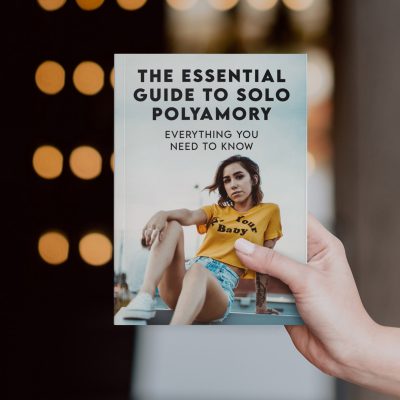
The fantasy is total autonomy and connection. The reality? It can feel like drowning in scheduling chaos and misunderstood expectations. That anxiety you feel isn’t just stress; it’s the wobble of living without a default "anchor." Without a solid architecture, Solo Polyamory stops being a life design and starts being a recipe for burnout and confusion.
The Essential Guide replaces the drift with a concrete anchor. We provide the "Solo Ethic," boundary scripts, and burnout protocols needed to protect your peace. Don't just date around—build a life that actually works for you.
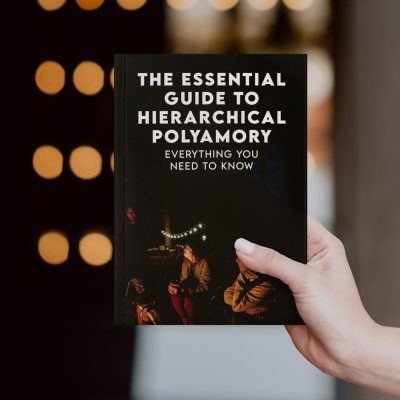
Hierarchy sounds like a corporate org chart until someone gets their feelings hurt. That stomach-turning fear that you are just a "secondary" who can be fired at any time is real. If your relationship feels like a secret ranking system, you are doing it wrong.
Ambiguity is where resentment grows. The Essential Guide replaces the "who matters more" panic with a concrete charter. We provide the scripts and equity guardrails needed to protect every heart in the polycule. Stop guessing and start building.
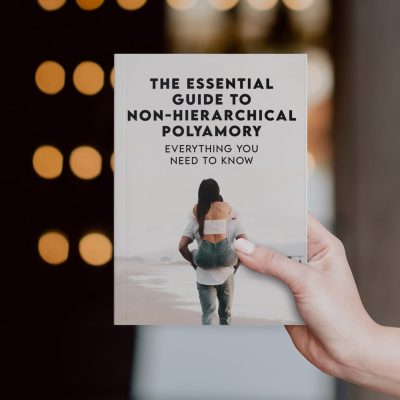
The ideal is pure equality. The reality? It often slides into hidden rankings where someone gets hurt. That sinking feeling that you are secretly a "secondary" despite the label? That is your intuition detecting couple privilege. Ambiguity is where resentment thrives.
The Essential Guide replaces vague promises with concrete governance. We provide the charters, equity tools, and jealousy protocols needed to ensure "non-hierarchical" isn't just a fantasy. Stop guessing who matters most. Build a network that is actually fair.
The fantasy is total autonomy and connection. The reality? It can feel like drowning in scheduling chaos and misunderstood expectations. That anxiety you feel isn’t just stress; it’s the wobble of living without a default "anchor." Without a solid architecture, Solo Polyamory stops being a life design and starts being a recipe for burnout and confusion.
The Essential Guide replaces the drift with a concrete anchor. We provide the "Solo Ethic," boundary scripts, and burnout protocols needed to protect your peace. Don't just date around—build a life that actually works for you.
Hierarchy sounds like a corporate org chart until someone gets their feelings hurt. That stomach-turning fear that you are just a "secondary" who can be fired at any time is real. If your relationship feels like a secret ranking system, you are doing it wrong.
Ambiguity is where resentment grows. The Essential Guide replaces the "who matters more" panic with a concrete charter. We provide the scripts and equity guardrails needed to protect every heart in the polycule. Stop guessing and start building.
Terms you should know
Solo polyamory
Solo polyamory means dating or engaging intimately with more than one person while not wanting or needing a single main partner to be the center of everything. It embraces independence in emotional life and practical life such as finances and daily routines. It also means you may have different levels of commitment with different partners depending on the relationship and the moment. The important part is consent clear agreements and ongoing communication.
Ethical non monogamy ENM
Ethical non monogamy is a broad category that includes any relationship style that accepts more than two people in romantic or sexual arrangements with consent from everyone involved. It is about honesty consent and respect for boundaries rather than about breaking rules for the sake of it. ENM is an umbrella term that covers polyamory open relationships swinging and other non traditional arrangements. The ethical part means that honesty and respect for everyone involved are non negotiable.
Non hierarchical versus hierarchical structures
Non hierarchical means there is no single primary partner that takes priority over others in terms of time energy or emotional access. Hierarchical means there is a top tier often called primary or main partner and other partners are considered secondary. Solo polyamory typically leans toward non hierarchical structures but every relationship can set its own boundaries. The important thing is to know what you want and communicate it clearly so others can decide if they are comfortable with the setup.
Disclosure timing terms
When we talk about disclosure timing we mean how soon in the dating process you reveal that you are dating more than one person or that you practice solo polyamory. Early disclosure might happen in the first conversation or on a first date. Deliberate but not heavy disclosure means you share enough to be honest while leaving room to explore compatibility without overloading the other person.
Safety and health terms
In any dating scenario it is important to discuss safety, including sexual health and boundaries around protection and STI testing. This is not about policing but about care and respect for partners. Use neutral language and be mindful of privacy in early conversations. You can share expectations around testing frequency and safe sex practices in a way that invites collaboration rather than accusation.
When to disclose
The timing of disclosure should balance honesty with sensitivity. You do not want to dump every detail on a first text if the other person is just testing the waters. At the same time you do not want to hide something that could affect a potential relationship. A few practical guidelines can help you decide when to disclose the solo polyamory piece:
- On a first or second date if the other person asks about relationship history or what you are looking for
- In a dating profile if you want to filter for people who are comfortable with non traditional relationships
- Before setting any serious boundaries about time and energy if you anticipate significant differences in expectations
- As soon as you sense the other person is open to deep conversations about values and life goals
Think of disclosure as a conversation starter rather than a filled out contract. You want to invite curiosity and mutual exploration while setting a foundation for trust. You can share enough to gauge interest and comfort and then expand as the relationship grows. This approach helps both people feel respected and supported rather than blindsided by new information later on.
How to bring it up
There are many ways to start the conversation about solo polyamory early. The best approach depends on your communication style the context of the date and the vibe you want to create. Here are several practical options you can adapt to your voice.
In person on a date
In person conversations feel authentic and allow you to read reactions immediately. A calm open line such as I want to share something important about how I approach dating would be a good start. Then you can add a short clear statement such as I practice solo polyamory which means I date multiple people and I do not place all my emotional energy in a single person. I value honesty and consent and I would like to know how you feel about dating someone who does this. Would you be comfortable exploring a connection with that understanding?
On a dating app or text first
Text is a natural way to broach the topic when you want to give the other person time to think. You could lead with a friendly opener and then share a concise disclosure such as I am exploring non traditional relationships and I practice solo polyamory. I am looking for someone who is comfortable with that and who wants to talk about how we might fit together. If you want to know more I can share how I approach time management and boundaries.
Framing options
Framing sets the tone. You want to emphasize consent and respect rather than fear or suspicion. Options include:
- Plain and direct frame: I practice solo polyamory and I would like to be upfront about that from the start. I think honesty saves time and protects emotions on both sides.
- Curiosity frame: I am exploring non traditional relationship styles and I would love to hear how you feel about dating someone who is not looking for a single primary partnership.
- Scenario frame: If we decide to keep seeing each other I want to talk about boundaries and time management so we both feel good about the arrangement.
Example scripts you can steal and adapt
Script A short and friendly
Hi I am Alex. I am dating with intention and I practice solo polyamory. That means I date more than one person and I keep my independence. I am looking for someone who is comfortable with that and who wants to talk about how we might connect. If this feels like a mismatch no worries we can part ways politely.
Script B a bit longer and more notes oriented
Hey there I enjoyed our conversation. I want to be transparent about how I date. I practice solo polyamory which means I see multiple people and I do not consider any one relationship to be my sole focus. I am careful about boundaries and communication and I want to make sure you feel safe with this approach. If you would rather be with someone who is monogamous I understand and I am happy to part amicably.
Script C on the first date with specifics
Before we get deeper into the date I want to share something important. I practice solo polyamory which means I may date others at the same time. I value consent and clear boundaries and I would love to know how you feel about that. I am happy to talk about what that could look like between us so we both feel comfortable moving forward.
The one liner elevator pitch
In a single sentence you can make a strong upfront statement such as I date multiple people at once and I value independence and honesty. If you are comfortable with that I would love to get to know you better. If not that is totally okay we can both walk away with clarity.
When to share more details
As the relationship deepens you can share more about your approach to boundaries time management and safety. Discuss how you handle scheduling with multiple partners how you avoid overloading your emotional energy and how you handle information sharing. People often want to know what will happen if you form a stronger connection with someone else and that is a fair and important question to answer early on.
What to share and what to avoid in early disclosures
Early disclosure should be honest but focused on essentials. You want to provide enough information to build trust but you do not need to lay out every nuance of your dating life on the first conversation. Here is a practical breakdown of what to share and what to save for later.
Core commitments to share early
- What solo polyamory means to you and why you practice it
- That you date more than one person and that you do not prioritize a single partner above all others
- That you value consent open communication and honesty
- Your general approach to boundaries time management and emotional energy for dating
Boundaries and negotiables
- Time spent with each partner and how you balance attention
- Rules around sexual health including testing and protection if relevant
- How you handle information sharing about other partners with each person you date
- What would constitute a boundary crossing and how you would address it
Things to avoid early on
- Overloading with intimate details about every partner or past relationships
- Judging or pressuring the other person to accept your style
- Assuming every potential partner will share your view of freedom and independence
- Threatening outcomes if the other person does not agree
Realistic dating scenarios
Seeing how disclosure works in real life helps you practice what to say and how to respond. Here are several common scenarios with dialogue you can adapt to your voice.
Scenario one a first date with a curious person
You are on a first date and the conversation turns toward relationship goals. You say I want to be upfront about my dating life. I practice solo polyamory which means I see multiple people and I do not have a single primary partner. I am careful about communication and I want to know how you feel about dating someone who has this approach. If you would rather date someone monogamous that is totally fine we can part with kindness and respect.
Scenario two a date with someone who asks for exclusivity
If your date asks for exclusivity you can respond with a respectful boundary statement such as I understand that a single partner arrangement can feel safer for some people. I am exploring non traditional relationships and I date multiple people. That does not mean I am not emotionally available or capable of caring for someone. If exclusivity is a must for you we can discuss whether we want to continue seeing each other and what that would look like.
Scenario three you want to probe compatibility but keep it light
You might say I am enjoying our connection and I want to be honest about how I live my dating life. I practice solo polyamory which means I am open to seeing other people while continuing to invest in what we have here. If that feels like a good fit we can keep exploring if not that is okay too. Are you comfortable continuing this conversation and getting to know each other with that frame?
Scenario four you want to set expectations early
Try this approach I am being transparent about how I date. I practice solo polyamory and I see multiple people at once. My goal is to find someone who appreciates honest conversations boundaries and consent. If this resonates with you I would love to talk about how our schedules could align and what kind of dating pace feels right for both of us.
Love is infinite, but your calendar is brutally finite. The fantasy is deep connection; the reality is often just exhausted "calendar tetris." Promising time you don't actually have isn't romantic, it’s a recipe for burnout and broken trust. That sinking feeling when you have to cancel again? That’s the sound of overextension destroying your relationships.
This calculator forces you to confront the math of your life. Do you actually have space for another heart, or are you just setting everyone up for disappointment?
The fantasy is total autonomy and connection. The reality? It can feel like drowning in scheduling chaos and misunderstood expectations. That anxiety you feel isn’t just stress; it’s the wobble of living without a default "anchor." Without a solid architecture, Solo Polyamory stops being a life design and starts being a recipe for burnout and confusion.
The Essential Guide replaces the drift with a concrete anchor. We provide the "Solo Ethic," boundary scripts, and burnout protocols needed to protect your peace. Don't just date around—build a life that actually works for you.
Hierarchy sounds like a corporate org chart until someone gets their feelings hurt. That stomach-turning fear that you are just a "secondary" who can be fired at any time is real. If your relationship feels like a secret ranking system, you are doing it wrong.
Ambiguity is where resentment grows. The Essential Guide replaces the "who matters more" panic with a concrete charter. We provide the scripts and equity guardrails needed to protect every heart in the polycule. Stop guessing and start building.
The ideal is pure equality. The reality? It often slides into hidden rankings where someone gets hurt. That sinking feeling that you are secretly a "secondary" despite the label? That is your intuition detecting couple privilege. Ambiguity is where resentment thrives.
The Essential Guide replaces vague promises with concrete governance. We provide the charters, equity tools, and jealousy protocols needed to ensure "non-hierarchical" isn't just a fantasy. Stop guessing who matters most. Build a network that is actually fair.
The fantasy is total autonomy and connection. The reality? It can feel like drowning in scheduling chaos and misunderstood expectations. That anxiety you feel isn’t just stress; it’s the wobble of living without a default "anchor." Without a solid architecture, Solo Polyamory stops being a life design and starts being a recipe for burnout and confusion.
The Essential Guide replaces the drift with a concrete anchor. We provide the "Solo Ethic," boundary scripts, and burnout protocols needed to protect your peace. Don't just date around—build a life that actually works for you.
Hierarchy sounds like a corporate org chart until someone gets their feelings hurt. That stomach-turning fear that you are just a "secondary" who can be fired at any time is real. If your relationship feels like a secret ranking system, you are doing it wrong.
Ambiguity is where resentment grows. The Essential Guide replaces the "who matters more" panic with a concrete charter. We provide the scripts and equity guardrails needed to protect every heart in the polycule. Stop guessing and start building.
Communication strategies that strengthen trust
Communication is the backbone of any ethical non monogamy dynamic. When you disclose solo polyamory early you set a tone of openness. Here are strategies to keep conversations constructive and compassionate.
- Use neutral language that invites collaboration rather than judgment
- Ask open ended questions to understand their perspective
- Validate feelings even when you disagree
- Schedule check ins so both people feel heard and supported
- Guard privacy while sharing enough to maintain trust
Managing responses and possible outcomes
Not every person will be on board with solo polyamory. Reactions can range from curiosity to enthusiasm to hesitation. Some people may need more time to think. A few may decide the arrangement is not for them. Regardless of the reaction a respectful response helps you maintain dignity and avoids turning dating into a battlefield.
Reactions you might encounter
- Excitement that aligns with their own openness
- Confusion that leads to a request for more information
- Discomfort and a need for space to think
- Direct rejection and a desire to part ways
How to handle a negative or uncertain response
With any hesitant reply stay calm. Acknowledge the concern and offer to share more information later. You can say I hear you and I want to make sure we both feel comfortable. If this is not a match that is okay we can part with kindness and clarity. If there is potential for future conversation you can propose a follow up chat after a cooling off period.
Ethical and safe disclosure practices
Safety and ethics matter in solo polyamory. Here is a practical checklist to keep disclosures respectful and safe for everyone involved.
- Always seek consent to discuss your dating life early on
- Avoid pressuring the other person to agree or accept your life choices
- Keep private information secure and respect partner confidentiality
- Be ready to provide resources such as books or articles if your date wants to learn more
- Encourage questions and answers so both people feel guided by clarity
Templates you can adapt for different tones
Short and direct
I practice solo polyamory which means I see multiple people at once and I keep my life independent. I am looking for someone who is comfortable with that approach. If this is a deal breaker we can part on respectful terms.
Friendly and curious
I want to be honest from the start. I practice solo polyamory which means I date more than one person and I do not place all my emotional energy into a single relationship. I would love to learn how you feel about this and whether we could explore something together with clear boundaries.
Honest and detailed
Here is the outline of how I date. I practice solo polyamory which means I have multiple connections and I prioritize independence and consent. I am selective about how I spend time with each person and I want to ensure we have space to communicate openly about needs boundaries and expectations. If this resonates with you we can keep talking and see where it leads.
Common mistakes to avoid
- Over sharing personal trauma or past relationship pain too early
- Using secrecy as a tool or trying to manage jealousy through control
- Assuming everyone will instinctively understand solo polyamory without explanation
- Forgetting to check in and revisit agreements as the relationship grows
Practical tips for ongoing conversations
- Keep a light but honest tone on early dates while you test compatibility
- Use plain language and avoid jargon that can confuse people who are new to ENM
- Explain terms openly such as what you mean by boundaries and time management
- Offer a short written summary of your approach for reference
- Set expectations about follow up conversations to avoid misunderstandings
Glossary of useful terms and acronyms
- Solo polyamory An approach to dating that emphasizes independence and multiple relationships without a single primary partner.
- ENM Ethical non monogamy a umbrella term for relationship styles that involve more than two people with consent and honesty.
- Non hierarchical A structure where no partner is considered primary over others.
- Hierarchical A structure with a primary partner and possibly secondary partners with different levels of commitment.
- Disclosure The act of sharing information about your dating life and relationship style with potential partners.
- Boundaries Agreed limits that guide how two or more people interact emotionally and physically.
- Consent The explicit agreement of all involved parties before engaging in an activity.
- Jealousy management Techniques and conversations used to address feelings of jealousy in non monogamous contexts.
- Safe sex practices Protocols for sexual health including STI testing and protection measures.
- Check in A planned conversation to review how things are going and adjust boundaries or expectations as needed.
Frequently asked questions
When should I disclose solo polyamory on a dating profile?
If you feel comfortable and want to filter for people who share or respect your approach you can include a clear sentence in your profile. You might say I date multiple people with independence and I value honest communication. This helps attract matches who are open to ENM and avoids wasting time with people who prefer monogamy.
What if the other person asks about exclusivity on the first date?
Respond with honesty and empathy. You can say I understand that exclusivity is important for some people. I practice solo polyamory which means I see multiple people and I want to know if you are comfortable with that arrangement. If not we can decide whether to continue dating or part ways respectfully.
How much detail should I share on a first date?
Share enough to be transparent but avoid overwhelming your date with every detail of your dating life. Focus on core concepts such as independence openness consent and boundaries. You can offer to discuss more in a follow up conversation if the other person is interested.
How can I handle jealousy when dating multiple people?
Jealousy can happen in any relationship dynamic. The best approach is to name the feeling and inspect the underlying cause. Use check ins and renegotiate agreements as needed. Support from your partner or partners helps a lot and you can also seek resources such as books or communities that address these feelings in ENM contexts.
What if I need more time to decide if this is for me?
That is okay. Be honest about needing time and space. You can say I am enjoying our connection but I need time to think about how a solo polyamory arrangement would work for me. Let me circle back in a few days and we can continue the conversation with clarity.
Is it okay to discuss health and safety early on?
Yes. It is appropriate and responsible to talk about safe sex practices and health status in a respectful way. You can say I value safety and I practice regular STI testing. If you are comfortable I would like to discuss how we handle protection and testing with new partners.
How do I avoid making my disclosure feel like a pitch or a performance?
Keep it human and conversational. Share your beliefs and motivations rather than listing a long set of rules. Invite questions and speak as a person rather than a policy document. The goal is connection not compliance with a script.
Can I disclose solo polyamory after a few dates if things are going well?
Yes. If you feel the connection is growing you can bring it up as a natural next step. You might say I have enjoyed our time together and I want to be transparent about how I live my dating life. I practice solo polyamory and I want to understand how you feel about that as we move forward.
Should I share about past relationships when disclosing Solo Polyamory?
Yes to a point. Share relevant lessons and patterns that inform your current approach. Avoid digging into private conflicts or airing grievances about past partners. The focus should be on what you do now and what you want from future connections.
Checklist before you step into a new date
- Clarify your own boundaries and what you are comfortable sharing early on
- Prepare a few concise scripts or talking points
- Decide how you will handle questions and potential objections
- Have a plan for follow up conversations if needed
- Choose a respectful tone and give the other person space to respond
- Be prepared to gracefully bow out if the other person is not comfortable
Final thoughts on ethical disclosure and personal growth
Disclosing solo polyamory early is not a trick or a tactic it is a practice of respect. It signals that you value consent and clarity and that you want to build relationships on solid ground. The goal is not to win everyone over but to find people who align with your approach. You can approach this with humor authenticity and curiosity. You can invite questions and you can accept that not every connection will become something lasting. The people who feel comfortable with your path will appreciate the honesty and the path forward can be rewarding and true to you. May your dating journey be honest expressive and brave as you explore connections built on mutual care.
Would you like more resources
If you want to dive deeper I can share recommended readings and communities focused on solo polyamory and ethical non monogamy. These can help you expand your vocabulary explore boundary setting and practice communication skills with confidence. The right resources can make the difference between feeling overwhelmed and feeling prepared. Remember you are in control your life your choices and your happiness. You deserve relationships that honor your truth and your autonomy.
Frequently asked questions
Below are quick answers to common questions about disclosing solo polyamory early while dating. If you need deeper guidance revisit the sections above and use the scripts and templates that fit your voice and situation.
FAQ questions are provided in the JSON schema below for search engines and structured data purposes.
Love is infinite, but your calendar is brutally finite. The fantasy is deep connection; the reality is often just exhausted "calendar tetris." Promising time you don't actually have isn't romantic, it’s a recipe for burnout and broken trust. That sinking feeling when you have to cancel again? That’s the sound of overextension destroying your relationships.
This calculator forces you to confront the math of your life. Do you actually have space for another heart, or are you just setting everyone up for disappointment?
The fantasy is total autonomy and connection. The reality? It can feel like drowning in scheduling chaos and misunderstood expectations. That anxiety you feel isn’t just stress; it’s the wobble of living without a default "anchor." Without a solid architecture, Solo Polyamory stops being a life design and starts being a recipe for burnout and confusion.
The Essential Guide replaces the drift with a concrete anchor. We provide the "Solo Ethic," boundary scripts, and burnout protocols needed to protect your peace. Don't just date around—build a life that actually works for you.
Hierarchy sounds like a corporate org chart until someone gets their feelings hurt. That stomach-turning fear that you are just a "secondary" who can be fired at any time is real. If your relationship feels like a secret ranking system, you are doing it wrong.
Ambiguity is where resentment grows. The Essential Guide replaces the "who matters more" panic with a concrete charter. We provide the scripts and equity guardrails needed to protect every heart in the polycule. Stop guessing and start building.
The ideal is pure equality. The reality? It often slides into hidden rankings where someone gets hurt. That sinking feeling that you are secretly a "secondary" despite the label? That is your intuition detecting couple privilege. Ambiguity is where resentment thrives.
The Essential Guide replaces vague promises with concrete governance. We provide the charters, equity tools, and jealousy protocols needed to ensure "non-hierarchical" isn't just a fantasy. Stop guessing who matters most. Build a network that is actually fair.
The fantasy is total autonomy and connection. The reality? It can feel like drowning in scheduling chaos and misunderstood expectations. That anxiety you feel isn’t just stress; it’s the wobble of living without a default "anchor." Without a solid architecture, Solo Polyamory stops being a life design and starts being a recipe for burnout and confusion.
The Essential Guide replaces the drift with a concrete anchor. We provide the "Solo Ethic," boundary scripts, and burnout protocols needed to protect your peace. Don't just date around—build a life that actually works for you.
Hierarchy sounds like a corporate org chart until someone gets their feelings hurt. That stomach-turning fear that you are just a "secondary" who can be fired at any time is real. If your relationship feels like a secret ranking system, you are doing it wrong.
Ambiguity is where resentment grows. The Essential Guide replaces the "who matters more" panic with a concrete charter. We provide the scripts and equity guardrails needed to protect every heart in the polycule. Stop guessing and start building.
