
In Person Events and Support Networks


Welcome to a practical, no fluff guide to how in person events and support networks actually work for solo polyamory in the ethical non monogamy space. Think of this as the kind of guide you wish you had when you first tried to build a life that lets you love more people without turning your calendar into a dating battlefield. We will unpack what solo polyamory means in real life, how to show up at events with confidence, how to grow a reliable support network, and how to handle the everyday realities that come with this dynamic. If you want to feel seen, understood, and a little bit fearless as you navigate in person spaces this guide is for you. And yes we will explain every term and acronym along the way so you never feel lost at the party.
Quick Links to Useful Sections
- What does solo polyamory mean in practice
- Why in person events matter for solo poly dynamics
- Preparing to attend in person events as a solo poly person
- Clarify your goals for the event
- Set your boundaries clearly before you go
- Decide how you will handle safety and health
- Prepare your introduction and elevator pitch
- Etiquette and the practical realities of in person poly events
- Respect newcomers and veterans alike
- Ask before you join into any intimate or dating style interaction
- Be clear about your own boundaries at the moment
- Practice active listening and pause before you respond
- Managing jealousy in the moment
- Building a reliable support network around solo poly life
- Kinds of support to cultivate
- Creating a practical contact plan
- Jealousy fear and honest conversations in in person spaces
- Strategies for staying grounded
- Realistic scenarios you may encounter at in person events
- Scenario one a casual mixer and a potential date
- Scenario two a metamour chat that gets tense
- Scenario three a boundary misread
- Scenario four a first timer mis on the floor
- Practical tips to make events work for you
- How to create your own in person events for solo poly communities
- Define the format and goals
- Choose a venue and structure the event
- Establish a consent and safety protocol
- Promote and grow the network
- Glossary of useful terms and acronyms
- Must do s and must not do s in person events
- Getting involved and staying connected
- Practical tips for daily life inside a solo poly network
- Frequently asked questions
What does solo polyamory mean in practice
Solo polyamory is a form of ethical non monogamy where a person maintains independence and does not prioritize merging into a single partner centered life. The core idea is that you can love multiple people with care, honesty and consent while keeping your own life goals, routines and space intact. It is not about avoiding commitment it is about choosing relationships that fit your life as it is right now. In practice solo poly often involves fluid relationships between separate romantic connections. These relationships can be casual or serious. Each connection is negotiated on its own terms and the overall network evolves because you are making active choices about your time energy and attention.
Key terms you will hear in this space
- ENM Ethical non monogamy a framework that says honest consent and clear communication matter more than keeping a single partner happy all the time.
- Solo poly A style of polyamory where people do not seek to merge lives and who prefer to maintain independent lives while loving more than one person.
- Metamour A partner of a partner who is not your own partner in the romantic sense.
- Polycule The network of people who are connected through romantic or intimate relationships.
- Boundaries The lines you set around time energy privacy and what you are comfortable sharing or doing with others.
- Compersion The joy you feel for another person s happiness even if you are not the source of it.
- NRE New relationship energy a rush of excitement that can color perception and priorities.
- Vee A relationship pattern where one person connects with two others who are not connected to each other.
Why in person events matter for solo poly dynamics
Online conversations are amazing but they do not replace the value of being in the same room with people who understand the possibilities and the limits of this life. In person events provide several distinct benefits
- Real time feedback and empathy from people who get what you are going through
- Clear boundaries in action and a chance to rehearse conversations you might later have with a partner
- Access to a broader community including mentors friends new partners and potential metamours
- Social proof that you belong in a space that respects autonomy and consent
In person events can range from casual meetups to deeply hosted workshops. You might find themed mixers where people share a favorite hobby a book club that discusses ethical non monogamy or a skill share night where people teach communication techniques or boundary setting. The important thing is to look for spaces that are explicitly welcoming to solo people and to individuals who are exploring ENM with thoughtful consent at the center.

Love is infinite, but your calendar is brutally finite. The fantasy is deep connection; the reality is often just exhausted "calendar tetris." Promising time you don't actually have isn't romantic, it’s a recipe for burnout and broken trust. That sinking feeling when you have to cancel again? That’s the sound of overextension destroying your relationships.
This calculator forces you to confront the math of your life. Do you actually have space for another heart, or are you just setting everyone up for disappointment?
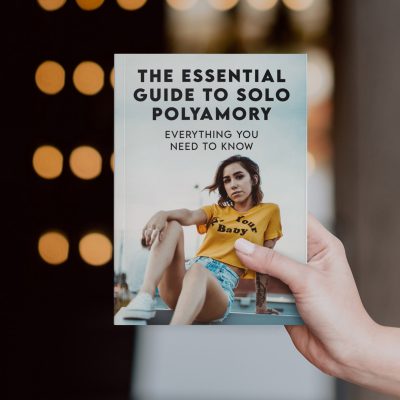
The fantasy is total autonomy and connection. The reality? It can feel like drowning in scheduling chaos and misunderstood expectations. That anxiety you feel isn’t just stress; it’s the wobble of living without a default "anchor." Without a solid architecture, Solo Polyamory stops being a life design and starts being a recipe for burnout and confusion.
The Essential Guide replaces the drift with a concrete anchor. We provide the "Solo Ethic," boundary scripts, and burnout protocols needed to protect your peace. Don't just date around—build a life that actually works for you.
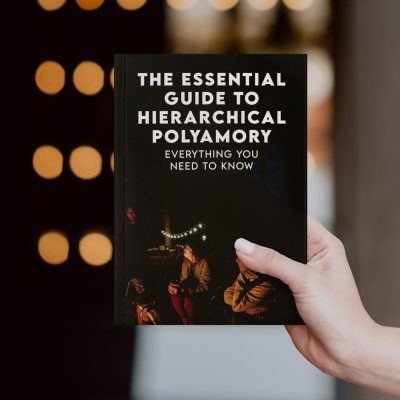
Hierarchy sounds like a corporate org chart until someone gets their feelings hurt. That stomach-turning fear that you are just a "secondary" who can be fired at any time is real. If your relationship feels like a secret ranking system, you are doing it wrong.
Ambiguity is where resentment grows. The Essential Guide replaces the "who matters more" panic with a concrete charter. We provide the scripts and equity guardrails needed to protect every heart in the polycule. Stop guessing and start building.
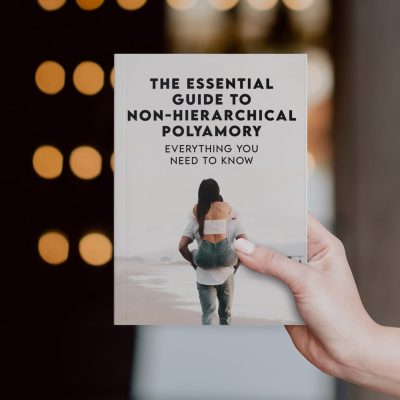
The ideal is pure equality. The reality? It often slides into hidden rankings where someone gets hurt. That sinking feeling that you are secretly a "secondary" despite the label? That is your intuition detecting couple privilege. Ambiguity is where resentment thrives.
The Essential Guide replaces vague promises with concrete governance. We provide the charters, equity tools, and jealousy protocols needed to ensure "non-hierarchical" isn't just a fantasy. Stop guessing who matters most. Build a network that is actually fair.
The fantasy is total autonomy and connection. The reality? It can feel like drowning in scheduling chaos and misunderstood expectations. That anxiety you feel isn’t just stress; it’s the wobble of living without a default "anchor." Without a solid architecture, Solo Polyamory stops being a life design and starts being a recipe for burnout and confusion.
The Essential Guide replaces the drift with a concrete anchor. We provide the "Solo Ethic," boundary scripts, and burnout protocols needed to protect your peace. Don't just date around—build a life that actually works for you.
Hierarchy sounds like a corporate org chart until someone gets their feelings hurt. That stomach-turning fear that you are just a "secondary" who can be fired at any time is real. If your relationship feels like a secret ranking system, you are doing it wrong.
Ambiguity is where resentment grows. The Essential Guide replaces the "who matters more" panic with a concrete charter. We provide the scripts and equity guardrails needed to protect every heart in the polycule. Stop guessing and start building.
Preparing to attend in person events as a solo poly person
Preparation is your best friend here. It is not just about what you wear or where you park it is about how you show up emotionally and practically. Let us break down a practical pre event checklist you can use every time you plan to go to a meetup or a workshop.
Clarify your goals for the event
- Do you want to meet new potential partners
- Do you want to learn better communication tools
- Do you want to find a new support buddy or metamour
- Are you there to simply observe and learn what the space feels like
Write down your top two goals so you can stay focused during the event. It is easy to drift into a chat with a friend and forget why you came in the first place. By naming your purpose you stay empowered and connected to what matters most to you in that moment.
Set your boundaries clearly before you go
- Know the kinds of interactions you are comfortable with and the ones you want to avoid
- Decide how you want to handle disclosures about your dating life in this space
- Determine what you will share about your other relationships and what you will keep private
- Plan how you will approach conversations about time and energy with potential partners
Boundaries are not walls they are roads that keep you safe and honest. Practice stating yours in a calm direct way so you can do it with confidence when the moment calls for it.
Decide how you will handle safety and health
- Carry protection and be ready for plain talk about consent and safety
- Know how to discuss STI status and testing in a respectful way
- Have a plan for safe transport and for exiting a situation that feels uncomfortable
- Consider bringing a trusted friend or ally to lighter events to provide a safety net when needed
Nothing about safety is optional. Your life and the comfort of others rests on your ability to communicate clearly and to act with care.
Prepare your introduction and elevator pitch
When you meet new people you will want to explain solo poly in quick clear terms. A simple script you can adapt is this:
Hi I am [Your Name]. I live in my own space I enjoy connecting with people who share values and care about consent. I am exploring multiple relationships at the moment and I value honesty and clear communication. I am happy to talk more or to take a step back if that makes sense for you.
Practice your opener so you can deliver it with ease even if you feel a little nervous. It is not a monologue it is a conversation starter and a signal that you value open dialogue.
Etiquette and the practical realities of in person poly events
Etiquette is the practical glue that holds a space together. The goal is to create a welcoming environment where people feel seen heard and safe. Here are realistic etiquette guidelines that apply across most solo poly spaces.
Respect newcomers and veterans alike
Every person has a different level of experience in ENM and solo poly spaces. Approach people with curiosity not judgment. If you are unsure about a boundary or a topic ask respectfully and accept a polite no or a change of topic.
Ask before you join into any intimate or dating style interaction
Consent conversations are ongoing not a one time moment. A simple check in can look like this:
Would you be comfortable if we sat closer or talked privately for a moment
If the person says no or seems unsure respect that. There is no need to press for more information. A polite pivot to a different conversation honors both people and the space.
Be clear about your own boundaries at the moment
- If you are exploring dating multiple people make that timeline explicit
- If you want to keep flirtation light you can say I am here to learn and meet not to rush into any date tonight
- If you want a deep connection only with certain people state that without making a binary about others
Practice active listening and pause before you respond
Active listening means reflecting back what you heard and asking clarifying questions. Pausing before you answer gives you time to consider your boundaries and ensures you are not reacting from a place of fear or jealousy.
Managing jealousy in the moment
Jealousy is normal in ENM and solo poly spaces. The goal is to acknowledge the feeling without letting it derail your experience. A quick check in with yourself can help:
- Pause breathe
- Name the emotion you are feeling
- Ask what you need in that moment whether it is space time a conversation with a partner or a reassurance from a friend
Having a pre agreed plan with your primary or partner about when to ask for space or a break can help you feel more secure and less overwhelmed.
Building a reliable support network around solo poly life
A strong support network is not a single person in your life. It is a tapestry of people who understand your choices and respect your independence. A well built support network can offer emotional guidance practical advice and social connection while you pursue relationships that fit your life.
Kinds of support to cultivate
- Mentors or experienced community members who can offer perspective on tricky boundary conversations
- Friends who share similar values about consent communication and autonomy
- Therapists or coaches who understand ENM dynamics and can provide confidential guidance
- Metamour peers who can help you map the polycule without drama
- Community organizers who host events give feedback and help you navigate spaces
Building this network takes time. Start by attending a few events and initiating one or two conversations with people who seem to share your approach to honesty and kindness. Then follow up with a casual message to keep the connection alive. Over time you will know who is a reliable anchor in your life and who is a great sounding board for a specific issue.
Creating a practical contact plan
- Have a go to list of people you trust for different needs such as emotional support logistics or boundary discussions
- Use a simple system to track who is comfortable with which topics and what kind of support they can provide
- Respect privacy keep sensitive information within people you trust
- Set up regular check ins with important people in your network so the connections stay fresh
Remember you do not need a gigantic network to be effective you need credible people who understand how you want to live and who you can be honest with.
Jealousy fear and honest conversations in in person spaces
Jealousy is not a sign that you should quit solo poly. It is a signal that you deserve a clarifying conversation and time to recalibrate. In person events can intensify emotions because you are meeting new people and seeing old connections in a different light. The skill is to respond with words not with reactions that burn bridges.
Strategies for staying grounded
- Before attending an event decide what would make the experience worth it for you
- Bring a friend or a confidant to help you stay centered
- Use a safety plan if the environment becomes uncomfortable
- After the event reflect on what you learned and how you might adjust your boundaries
If you notice jealousy rising bring it to a partner in a calm conversation either during a private moment or in a scheduled check in. Do not attack the other person or assume bad intent. Focus on your needs what would help you feel secure and how you can work together to meet those needs.
Realistic scenarios you may encounter at in person events
Below are some practical imagined moments and how you might handle them with clarity and compassion. Use these as a rehearsal to build your own scripts that feel authentic to your voice.
Scenario one a casual mixer and a potential date
You arrive a little early find a quiet corner and start a light conversation with a few people about a shared hobby. A person you vibe with asks about your dating life and how you manage multiple connections. You reply with a simple honest line that keeps the door open but does not push for more than you want to offer in the moment. You explain you are exploring multiple connections and that you value clear communication and consent. The conversation evolves naturally and you leave feeling empowered rather than pressed for more than you are comfortable giving.
Scenario two a metamour chat that gets tense
Two people who you consider metamours are in a fragile space with each other and you sense tension. You step in with a calm tone and acknowledge both sides. You remind everyone that the goal of the night is connection and not to fix every knot in real time. You offer to facilitate a separate conversation with each person if needed or simply give space and regroup later with a trusted ally. You keep the boundaries you have set for yourself and do not take sides in a way that would damage your own relationships.
Scenario three a boundary misread
Someone you just met assumes you are comfortable with a private one on one conversation in a quiet space and suggests a more intimate setting. You acknowledge their approach but state your boundary clearly with a short respectful message. You may say I appreciate the interest but I am not comfortable with that at this event. If desired you offer an alternative like continuing the chat in a common area or swapping numbers to plan a future conversation in a neutral setting. You have respected yourself and given the other person clear information to adjust expectations.
Scenario four a first timer mis on the floor
You are new to the scene and you feel a little overwhelmed by all the voices and the energy. You use a prepared opener to break the ice and you seek out a small group where the conversation feels welcoming. You share your intention to observe and learn and you ask for a short intro from others about their experiences. The group accepts you as a guest and you leave feeling seen and safe. You have built a tiny but meaningful anchor in a space that respects solo life.
Practical tips to make events work for you
- Arrive early to get a sense of the space before it becomes crowded
- Bring a small notebook or notes app to jot down thoughts after conversations
- Carry water and a small snack so you can stay comfortable during long sessions
- Have a friend on standby you can text if you need a quick exit
- Set a personal debrief plan after events to process what you learned and what to adjust
- Consider offering to host or co host a future event if you want more control over the environment
How to create your own in person events for solo poly communities
If you enjoy hosting you can create spaces that reflect inclusive values and practical boundaries. Hosting is more than picking a date and a place it is about curating an atmosphere where people feel welcome and safe. Here are steps to start.
Define the format and goals
- Is this a casual mixer a discussion circle a book club a skill share
- What are the ground rules and how will you communicate them
- What is the expected level of commitment from attendees
Choose a venue and structure the event
Look for accessible locations with a comfortable seating layout good lighting and enough space for small groups. Structure can include a welcome round a few facilitated prompts and a closing reflection. Leave space for organic conversations to grow naturally.
Establish a consent and safety protocol
Make consent a visible topic at the start of the event. Offer a simple form of consent that can be returned to the host. Include guidelines for privacy for attendees and for handling conflict or uncomfortable situations.
Promote and grow the network
Share the event with trusted communities. Create a simple signup system to track who plans to attend and who might be interested in future sessions. Keep the communication respectful and focused on inclusivity and learning.
Glossary of useful terms and acronyms
- ENM Ethical non monogamy a framework that emphasizes consent openness and honesty over secrecy.
- Solo poly A lifestyle where a person maintains independence while exploring multiple loving connections.
- Metamour A partner of a partner who is not connected to you romantically.
- Polycule The web of people who are connected through romantic or intimate relationships.
- Boundary A personal limit about what you will and will not do in relationships or at events.
- Compersion The joy you feel from seeing someone you care about happy with another person.
- NRE New relationship energy a buzz of excitement that can color judgment early on.
- Vee A relationship pattern where one person connects with two others who are not connected to each other.
- Metamour safety The practice of creating spaces where metamours feel safe to interact.
Must do s and must not do s in person events
- Must do Communicate clearly about your boundaries and be consistent in upholding them.
- Must do Listen actively and validate others experiences even when they differ from yours.
- Must do Check in with people you trust about your plans for the night and your general vibe.
- Must not do Pressure others into conversations or activities they are not comfortable with.
- Must not do Share private relationship details without consent and respect others privacy.
- Must not do Gatekeep communities by turning away people who show up with good intentions and a willingness to learn.
Getting involved and staying connected
Finding the right spaces is easier when you know where to look. Start with these routes and ideas to stay connected and to grow your network over time.
- Local community centers with LGBTQ inclusive programming often host ENM friendly events
- Online groups focused on ENM and solo poly where events are posted regularly
- Meetup style platforms where polyamory and non monogamy groups share calendars
- Workshops led by experienced facilitators on topics like communication boundary setting and relationship skills
- Volunteer opportunities within the community build lasting friendships and trust
Remember the goal is not to collect as many events as possible. The goal is to grow relationships that align with your life and give you real support. It is about choosing spaces that reinforce your independence while inviting meaningful connection.
Practical tips for daily life inside a solo poly network
- Use calendars that you own and control to schedule time with different partners without overlap
- Keep a log of conversations that involve boundaries so you can revisit them later if needed
- Ask for feedback from trusted friends about how you show up in spaces and how you can improve
- Take time for self care after intense social events to recharge and reflect
Frequently asked questions
What makes a space welcoming to solo polyamory
A welcoming space honors autonomy respects boundaries and fosters honest conversations. It avoids shaming or pressuring people to fit a particular relationship model and it makes room for diverse relationship styles including solo life and independent living arrangements.
How can I bring up solo poly dynamics with new partners at a first meeting
Lead with clarity not ultimatums. A simple line might be I am exploring relationships and I value open communication and consent. I would love to talk more about how we both feel comfortable moving forward.
Is it possible to maintain privacy while being open about ENM
Yes privacy is a personal boundary and you decide what to disclose and to whom. It is normal to keep some aspects of your life private while being open about your general approach to relationships and how you handle communication and consent.
How do I handle conflict or jealousy that arises at events
Address it with calm language and a plan. Acknowledge the emotion name it and describe what you need in that moment. If needed take a break and revisit the topic later with the involved parties. Seek support from a trusted friend if necessary.
What should I bring to a solo poly event
Bring yourself a note taking tool and water. If you want you can bring a small card that lists a few boundary statements you are comfortable sharing at the start of the event. You can also offer an ice breaker question to help others feel welcome.
How do I find events that fit my style
Look for spaces that explicitly state ENM friendly policies and that describe the vibe as welcoming to solo people. Read event descriptions and reviews and reach out to organizers with any questions about expectations or safety measures.
What if I am new to this and feel overwhelmed
That is totally normal. Start small with a low key event choose companions you trust and set a gentle boundary. You can always leave early if you feel exhausted or overwhelmed. And you can always come back with new energy on another night.
Love is infinite, but your calendar is brutally finite. The fantasy is deep connection; the reality is often just exhausted "calendar tetris." Promising time you don't actually have isn't romantic, it’s a recipe for burnout and broken trust. That sinking feeling when you have to cancel again? That’s the sound of overextension destroying your relationships.
This calculator forces you to confront the math of your life. Do you actually have space for another heart, or are you just setting everyone up for disappointment?
The fantasy is total autonomy and connection. The reality? It can feel like drowning in scheduling chaos and misunderstood expectations. That anxiety you feel isn’t just stress; it’s the wobble of living without a default "anchor." Without a solid architecture, Solo Polyamory stops being a life design and starts being a recipe for burnout and confusion.
The Essential Guide replaces the drift with a concrete anchor. We provide the "Solo Ethic," boundary scripts, and burnout protocols needed to protect your peace. Don't just date around—build a life that actually works for you.
Hierarchy sounds like a corporate org chart until someone gets their feelings hurt. That stomach-turning fear that you are just a "secondary" who can be fired at any time is real. If your relationship feels like a secret ranking system, you are doing it wrong.
Ambiguity is where resentment grows. The Essential Guide replaces the "who matters more" panic with a concrete charter. We provide the scripts and equity guardrails needed to protect every heart in the polycule. Stop guessing and start building.
The ideal is pure equality. The reality? It often slides into hidden rankings where someone gets hurt. That sinking feeling that you are secretly a "secondary" despite the label? That is your intuition detecting couple privilege. Ambiguity is where resentment thrives.
The Essential Guide replaces vague promises with concrete governance. We provide the charters, equity tools, and jealousy protocols needed to ensure "non-hierarchical" isn't just a fantasy. Stop guessing who matters most. Build a network that is actually fair.
The fantasy is total autonomy and connection. The reality? It can feel like drowning in scheduling chaos and misunderstood expectations. That anxiety you feel isn’t just stress; it’s the wobble of living without a default "anchor." Without a solid architecture, Solo Polyamory stops being a life design and starts being a recipe for burnout and confusion.
The Essential Guide replaces the drift with a concrete anchor. We provide the "Solo Ethic," boundary scripts, and burnout protocols needed to protect your peace. Don't just date around—build a life that actually works for you.
Hierarchy sounds like a corporate org chart until someone gets their feelings hurt. That stomach-turning fear that you are just a "secondary" who can be fired at any time is real. If your relationship feels like a secret ranking system, you are doing it wrong.
Ambiguity is where resentment grows. The Essential Guide replaces the "who matters more" panic with a concrete charter. We provide the scripts and equity guardrails needed to protect every heart in the polycule. Stop guessing and start building.
