
Solo Polyamory and Mental Health Support


Welcome to a down to earth exploration of how to navigate solo polyamory and mental health without turning the world upside down. This guide is written for people who practice ethical non monogamy in a solo context. We break down terms and acronyms so you never need to guess what someone means. We mix real world strategies with humor because life is complicated enough without dull vibes. If you are exploring solo polyamory you already know that independence matters and connection matters and sometimes these two truths feel at odds. We are here to help you balance them, protect your mental health, and build relationships that feel honest and energizing instead of draining.
Quick Links to Useful Sections
- What solo polyamory means and where it fits in ENM
- Why mental health matters in solo poly dynamics
- Common mental health challenges in solo poly dynamics
- Build a mental health toolbox tailored to solo polyamory
- 1. Regular check ins with yourself
- 2. Boundary setting and respect
- 3. Communication routines that scale
- 4. Mindfulness and emotional regulation
- 5. Sleep, exercise and nutrition as anchors
- 6. Therapy and professional support
- 7. Social support and community safety nets
- 8. Practical self care routines
- Real life scenarios and hands on problem solving
- Scenario 1 how to handle conflicting partner plans
- Scenario 2 managing jealousy across multiple connections
- Scenario 3 communicating changes in life or relationship status
- Scenario 4 handling social stigma or push back from friends and family
- Scenario 5 steps to prevent burnout in a busy poly network
- Boundaries versus agreements in solo polyamory
- Therapy and professional support for solo polyamory
- Navigating community and safety online and offline
- Glossary of useful terms and acronyms
What solo polyamory means and where it fits in ENM
Solo polyamory is a form of ethical non monogamy that centers personal autonomy. People who identify as solo polyamorous typically prefer not to establish a primary couple dynamic or a shared home life with one partner. Instead they pursue meaningful connections with multiple people while preserving space for their own goals, friendships, and self development. The key idea is that love is not a contract to be fulfilled by one other person. It is a spectrum of relationships that can exist alongside the self and other commitments. When we say solo we are talking about choosing independence as a core value rather than avoiding intimacy. This is not a lack of care it is a deliberate choice about how relationships fit into your life design.
Ethical non monogamy known as ENM is a broad umbrella that includes many relationship styles. In ENM people agree that it is possible to love more than one person with consent and honesty. Solo polyamory sits within ENM as a dynamic that emphasizes self direction and flexible relationship boundaries. In practice solo polyamorists may live alone or with partners who are not obligated to share a single household. They often focus on clear communication, defined boundaries, and routines that support their personal growth. The result is a network of connections that honor freedom and responsibility at the same time.
Why mental health matters in solo poly dynamics
Mental health matters in every relationship style but it is particularly important in solo polyamory for a few reasons. First independence means you carry responsibility for your emotional climate. There is no one person who automatically meets all your needs and you may have more moving parts to balance. Second the social world can be noisy with messages about what a relationship should look like. That noise can trigger insecurity or comparison tendencies. Third you may juggle time with several partners while maintaining personal projects and life goals. Without good mental health tools the emotional load can feel heavier than the joy of connection. The good news is that you can build a sustainable practice that keeps you centered and energized while you explore love in multiple directions.
Healthy mental health in this context means staying aware of your boundaries and needs and recognizing when stress or fatigue are signaling a need for rest or support. It means knowing how to ask for what you want and how to say no when a boundary is being crossed. It also means cultivating self compassion and choosing relationship choices that align with your values. This is not about perfection it is about progress and honesty with yourself and others.

Love is infinite, but your calendar is brutally finite. The fantasy is deep connection; the reality is often just exhausted "calendar tetris." Promising time you don't actually have isn't romantic, it’s a recipe for burnout and broken trust. That sinking feeling when you have to cancel again? That’s the sound of overextension destroying your relationships.
This calculator forces you to confront the math of your life. Do you actually have space for another heart, or are you just setting everyone up for disappointment?

The fantasy is total autonomy and connection. The reality? It can feel like drowning in scheduling chaos and misunderstood expectations. That anxiety you feel isn’t just stress; it’s the wobble of living without a default "anchor." Without a solid architecture, Solo Polyamory stops being a life design and starts being a recipe for burnout and confusion.
The Essential Guide replaces the drift with a concrete anchor. We provide the "Solo Ethic," boundary scripts, and burnout protocols needed to protect your peace. Don't just date around—build a life that actually works for you.

Hierarchy sounds like a corporate org chart until someone gets their feelings hurt. That stomach-turning fear that you are just a "secondary" who can be fired at any time is real. If your relationship feels like a secret ranking system, you are doing it wrong.
Ambiguity is where resentment grows. The Essential Guide replaces the "who matters more" panic with a concrete charter. We provide the scripts and equity guardrails needed to protect every heart in the polycule. Stop guessing and start building.
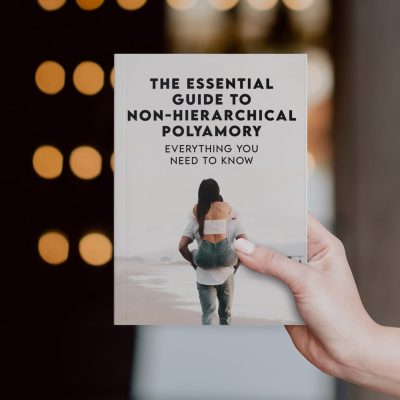
The ideal is pure equality. The reality? It often slides into hidden rankings where someone gets hurt. That sinking feeling that you are secretly a "secondary" despite the label? That is your intuition detecting couple privilege. Ambiguity is where resentment thrives.
The Essential Guide replaces vague promises with concrete governance. We provide the charters, equity tools, and jealousy protocols needed to ensure "non-hierarchical" isn't just a fantasy. Stop guessing who matters most. Build a network that is actually fair.
The fantasy is total autonomy and connection. The reality? It can feel like drowning in scheduling chaos and misunderstood expectations. That anxiety you feel isn’t just stress; it’s the wobble of living without a default "anchor." Without a solid architecture, Solo Polyamory stops being a life design and starts being a recipe for burnout and confusion.
The Essential Guide replaces the drift with a concrete anchor. We provide the "Solo Ethic," boundary scripts, and burnout protocols needed to protect your peace. Don't just date around—build a life that actually works for you.
Hierarchy sounds like a corporate org chart until someone gets their feelings hurt. That stomach-turning fear that you are just a "secondary" who can be fired at any time is real. If your relationship feels like a secret ranking system, you are doing it wrong.
Ambiguity is where resentment grows. The Essential Guide replaces the "who matters more" panic with a concrete charter. We provide the scripts and equity guardrails needed to protect every heart in the polycule. Stop guessing and start building.
Common mental health challenges in solo poly dynamics
As you navigate solo polyamory you may encounter a set of recurring patterns. Here are some common challenges and how they typically show up in everyday life.
- Jealousy without a primary partner You may notice waves of envy whenever your partners spend time with others. The difference with solo poly lies in acknowledging the feeling without letting it dictate your choices. Jealousy is information not a rulebook.
- Time management and energy budgeting You might find yourself trying to be present for many people while still honoring your own goals. This can lead to exhaustion if you do not pace yourself.
- Boundary fatigue It is common to push boundaries as you grow. The risk is slipping into compromise that feels unfair. Boundaries protect your well being and help keep relationships honest.
- Fear of missing out and social pressure The idea that you should be in several places at once can show up as anxiety or social guilt. Challenging this requires a clear set of priorities for you and your network.
- Communication misfires Messages can be misunderstood across partners especially when balancing multiple calendars and life arenas. Clear language and regular check ins make a big difference.
- Burnout from care taking You may feel compelled to be everyone s emotional support. It is noble to care but not at the cost of your own health. You deserve support too.
- Stigma and misunderstanding from outsiders Friends and family may have stereotypes about non monogamy. Arm yourself with simple explanations that reflect your truth without weaponizing your identity.
These challenges are real and solvable. The core ingredients are honest communication, consistent routines, healthy boundaries and access to support when you need it. We will explore practical strategies to strengthen your mental health while you navigate solo polyamory with confidence.
Build a mental health toolbox tailored to solo polyamory
A good mental health toolbox is a collection of habits and resources that you can draw on when stress shows up. Think of it as a personal safety net that keeps you grounded across multiple relationships. Here are core tools to consider and customize for your life.
1. Regular check ins with yourself
Different days demand different energy. Schedule a weekly personal check in to assess mood, sleep, appetite, energy and motivation. Use simple questions like how am I feeling today what do I need this week where are my energy pockets and what boundaries feel healthy to maintain. The goal is self awareness not self judgement. You deserve a clear picture of what you need to stay healthy while you are nurturing multiple connections.
2. Boundary setting and respect
In solo poly you set boundaries based on your values. Boundaries are not rules to punish others they are lines that protect your wellbeing. They might include limits on time spent with partners what kind of information you share how you handle sexual health or how you manage privacy. Communicate these boundaries clearly and revisit them as your life changes. Boundaries are a gift both to you and to your partners because they make expectations explicit and reduce friction.
3. Communication routines that scale
Clear communication is the backbone of any ENM dynamic. In solo poly you may juggle several conversations. Create routines that fit your life such as regular check ins with each partner equestrian style calendar blocks for planning or quick weekly emails summarizing what is happening. The point is not to drown in messages but to keep everyone informed in a calm and timely manner. When something changes share it sooner rather than later so trust stays strong.
4. Mindfulness and emotional regulation
Mindfulness can help you notice emotional spikes before they derail a conversation. Short practices like 5 minute breath work or grounding exercises during or after conversations can make a big difference. When you feel overwhelmed try a grounding technique such as naming five things you can see four you can feel three you can hear two you can smell and one you can taste. Grounding can restore balance in moments of social complexity.
5. Sleep, exercise and nutrition as anchors
Physical health is mental health s close ally. Consistent sleep helps mood and decision making. Regular movement reduces stress and improves brain health. Choose a realistic routine that fits your life whether it is a 20 minute daily walk or a short training session you enjoy. Nutrition matters too. Balanced meals with protein fibre and hydration support stable energy levels for mindful decision making in relationships.
6. Therapy and professional support
Therapy is not a sign of weakness it is a valuable tool for growth and coping. A therapist who understands ENM can help you unpack patterns that show up in solo dynamics. Look for clinicians who describe themselves as sex positive or who have experience with relationship diversity. If you are comfortable you can involve partners in family or couple therapy when appropriate. A good therapist will respect your autonomy while offering practical strategies to ease stress and enhance communication.
7. Social support and community safety nets
Support can come from trusted friends from the polyamory aware community or from online groups where people share experiences and provide feedback. Surround yourself with people who respect your boundaries and celebrate your progress. A supportive circle is a powerful antidote to isolation which can show up in non monogamous life especially when you feel misunderstood.
8. Practical self care routines
Self care is not selfish it is strategic. Create rituals that nourish you on a weekly basis. This could be a long bath a hobby a day trip a screen free evening or time in nature. A reliable self care routine builds emotional resilience and makes it easier to handle relationship stress when it arises.
Real life scenarios and hands on problem solving
Reading about tools is helpful but real life examples offer practical guidance. Here are some common scenarios you might face as a solo polyamorist and steps you can take to respond in ways that protect your mental health and strengthen your relationships.
Scenario 1 how to handle conflicting partner plans
Imagine you have two partners who both want time with you this weekend while you also have personal commitments. You can approach this by first honoring your own limits and then communicating transparently. Propose a plan that you feel good about perhaps a rotation where you spend dedicated time with each person or a high quality call when physical time is not possible. The key is to avoid over promising and to re verify what you can realistically give. Share your plan early and invite feedback. If others push back remind them that solo poly means you value your own space alongside your connections. Seek a solution that respects everyone s needs including your own.
Scenario 2 managing jealousy across multiple connections
Jealousy often signals a boundary or need not being fully acknowledged. The practical approach is to name the feeling and identify the need behind it. For example you might say I am feeling a bit left out when partner A spends a lot of time with partner B. I need more reliable updates about schedules and a planned date with you this week. Then you can negotiate a plan that works for both sides perhaps creating a shared calendar or agreeing on specific date nights. It is essential to separate the feeling from the action you want to take. Jealousy can be a signal that you require more connection a clearer boundary or more time for self care. Address the issue with a calm voice and a concrete request rather than arguing about motives.
Scenario 3 communicating changes in life or relationship status
Life changes such as new jobs moving houses or changing the level of commitment require clear communication. Before big changes you can draft a short message or hold a quick meeting with affected partners. Explain what is changing why it matters to you how it impacts your time and what you want moving forward. Invite questions and confirm that everyone has a chance to share concerns. When possible provide a timeline to ease uncertainty. This approach reduces drama and supports trust across your network.
Scenario 4 handling social stigma or push back from friends and family
Outside observers may press a traditional view of relationships. The best strategy is to stay calm and educated. Have a simple explanation ready that reflects your values and choices. You can acknowledge that your life is complex and that you are committed to honest respectful relationships with consent at the center. If the conversation becomes heated set a boundary and walk away if needed. Surround yourself with people who respect your choices and do not require you to defend them every minute.
Scenario 5 steps to prevent burnout in a busy poly network
When the calendar fills up and you feel pulled in many directions you can reset with a quick three step check in. First identify the most urgent needs for the week such as a partner who needs a meetup or a medical appointment. Second set do not disturb times for deep work or rest to protect your energy. Third communicate openly about your limits and offer alternatives such as shorter meetings or asynchronous conversations. Burnout is a warning sign that your system is overloaded. Treat it as data and adjust your schedule accordingly.
Boundaries versus agreements in solo polyamory
In solo polyamory boundaries are personal lines that you do not want crossed. Agreements are negotiated rules you and partners agree to follow. The distinction is important because boundaries protect your autonomy and agreements ensure mutual respect. You might set a boundary around privacy for example not sharing others details without permission. You might set an agreement that you will check in daily with each partner during a busy period. Keep boundaries clear but flexible if life changes and be prepared to revisit agreements when needed. Boundaries are yours to defend you do not owe anyone an explanation for them. If a boundary becomes a recurring issue it is a sign to revisit and refine it rather than abandon it.
Therapy and professional support for solo polyamory
Therapy can be a powerful ally for personal growth and relationship health in a solo poly context. Look for a therapist who is sex positive understands relationship diversity and respects your autonomy. You may prefer individual therapy to focus on internal patterns or couple or group therapy to improve communication across your network. A therapist can help you work through jealousy attachment styles trauma histories or anxiety patterns and offer practical tools that fit your life style. Researching therapists with credentials in sexual health or couples therapy can help you find the right match faster. It is okay to interview a few professionals to see who feels like the right fit for you.
Navigating community and safety online and offline
Community support can be a lifeline. Seek spaces that emphasize consent respect and inclusivity. Online forums and meetups can offer advice experiences and validation. Choose communities that align with your values and that emphasize ethical non monogamy and personal growth. When you engage in online spaces practice good boundaries. Protect your personal information and avoid sharing sensitive details too quickly. In real life you can look for local munches support groups or social events that celebrate relationship diversity. Building a reliable community helps reduce isolation and provides practical feedback for tricky situations.
Glossary of useful terms and acronyms
- ENM Short for ethical non monogamy a broad umbrella for relationship styles that involve multiple consenting partners outside traditional monogamy.
- Solo poly A form of ENM where the emphasis is on maintaining autonomy while engaging in multiple relationships.
- Compersion A term used to describe feeling happy for a partner s pleasure even when it does not involve you directly.
- Boundaries Personal limits that protect your emotional physical or mental wellbeing.
- Agreements Mutually agreed rules or expectations within a relationship network.
- Boundary fatigue When maintaining boundaries feels exhausting or unsustainable due to overuse or pressure.
- Consent Voluntary agreement to engage in an activity after being fully informed and having the freedom to say no at any time.
- Non monogamy A family of relationship styles that involve more than two people in varying configurations.
- Monogamy default The cultural assumption that a single romantic partner is the expected norm.
- Self care Deliberate actions that protect your energy and health so you can show up as your best self.
Remember that every person s journey with solo polying is unique. There is no one size fits all path to mental health success. The best approach is experimentation with kindness towards yourself and clear communication with your network. Your goal is sustainable connection that supports your life goals while preserving your autonomy. That balance is not a fixed point it is a continuing practice and that is exactly what makes solo polyamory a dynamic and alive path for relationships and for your wellbeing.
We hope these ideas feel practical and doable in your life. If you want to dive deeper we can tailor steps based on your current situation share a few details and we will map out a personalized mental health plan for your solo poly journey.
Love is infinite, but your calendar is brutally finite. The fantasy is deep connection; the reality is often just exhausted "calendar tetris." Promising time you don't actually have isn't romantic, it’s a recipe for burnout and broken trust. That sinking feeling when you have to cancel again? That’s the sound of overextension destroying your relationships.
This calculator forces you to confront the math of your life. Do you actually have space for another heart, or are you just setting everyone up for disappointment?
The fantasy is total autonomy and connection. The reality? It can feel like drowning in scheduling chaos and misunderstood expectations. That anxiety you feel isn’t just stress; it’s the wobble of living without a default "anchor." Without a solid architecture, Solo Polyamory stops being a life design and starts being a recipe for burnout and confusion.
The Essential Guide replaces the drift with a concrete anchor. We provide the "Solo Ethic," boundary scripts, and burnout protocols needed to protect your peace. Don't just date around—build a life that actually works for you.
Hierarchy sounds like a corporate org chart until someone gets their feelings hurt. That stomach-turning fear that you are just a "secondary" who can be fired at any time is real. If your relationship feels like a secret ranking system, you are doing it wrong.
Ambiguity is where resentment grows. The Essential Guide replaces the "who matters more" panic with a concrete charter. We provide the scripts and equity guardrails needed to protect every heart in the polycule. Stop guessing and start building.
The ideal is pure equality. The reality? It often slides into hidden rankings where someone gets hurt. That sinking feeling that you are secretly a "secondary" despite the label? That is your intuition detecting couple privilege. Ambiguity is where resentment thrives.
The Essential Guide replaces vague promises with concrete governance. We provide the charters, equity tools, and jealousy protocols needed to ensure "non-hierarchical" isn't just a fantasy. Stop guessing who matters most. Build a network that is actually fair.
The fantasy is total autonomy and connection. The reality? It can feel like drowning in scheduling chaos and misunderstood expectations. That anxiety you feel isn’t just stress; it’s the wobble of living without a default "anchor." Without a solid architecture, Solo Polyamory stops being a life design and starts being a recipe for burnout and confusion.
The Essential Guide replaces the drift with a concrete anchor. We provide the "Solo Ethic," boundary scripts, and burnout protocols needed to protect your peace. Don't just date around—build a life that actually works for you.
Hierarchy sounds like a corporate org chart until someone gets their feelings hurt. That stomach-turning fear that you are just a "secondary" who can be fired at any time is real. If your relationship feels like a secret ranking system, you are doing it wrong.
Ambiguity is where resentment grows. The Essential Guide replaces the "who matters more" panic with a concrete charter. We provide the scripts and equity guardrails needed to protect every heart in the polycule. Stop guessing and start building.
