
Age Gaps and Power Dynamics

Let us talk plainly about age gaps and power dynamics inside the world of swinging ethical non monogamy or ENM. This guide keeps things real and practical. It explains terms you might have heard in conversations or on forums and it shows you how to navigate tricky areas with respect and consent. If you are new to swinging or you are renewing a practice with fresh partners the topic of age differences comes up a lot. You deserve clear information that helps you keep things fair and fun for everyone involved.
Quick Links to Useful Sections
- What we mean by age gaps in the swinging world
- Why age gaps appear in swinging ENM
- Power dynamics in swinging ENM explained
- Three common forms of power that can be related to age
- Realistic scenarios showing age gaps and power dynamics
- Scenario one
- Scenario two
- Scenario three
- Scenario four
- Negotiation tactics that support fair and ethical dynamics
- Language and consent and how to use it well
- Boundaries that specifically address age based concerns
- How to handle jealousy and insecurity when age gaps exist
- Communication tools that help keep things fair
- Safety and health considerations in age varied swinging
- Community wellbeing and inclusivity within age diverse swinging scenes
- Practical tips for building strong age aware ENM relationships
- Glossary of useful terms and acronyms
- Frequently asked questions
What we mean by age gaps in the swinging world
An age gap is the difference in age between partners in a dating or sexual encounter. In swinging the term can matter in multiple ways. It can describe the gap between a couple and a potential external partner or it can describe the difference between two partners who connect as part of a group scene or a party friendly dynamic. Age can influence energy levels interests life experience and expectations. None of these things automatically sink a dynamic but they can shape communication needs consent processes and boundaries. The key is to approach any age gap honestly and with ongoing consent and mutual respect.
Why age gaps appear in swinging ENM
Age gaps show up in swinging for several reasons. Here are the common dynamics you might see in the wild. These observations are not universal and not a judgement on any relationship path. They are simply patterns that helpful conversations can address.
- Differences in energy and stamina. Some partners are looking for a high energy scene while others prefer slower or more intimate interactions. A gap in age can reflect those preferences and that is okay as long as consent is active and enthusiastic on both sides.
- Different lifecourse stages. People who are in different places in life sometimes feel more or less ready for sex play or polyamorous adventures. It helps to talk about where each person is in their journey and what that means for future plans.
- Learning curves and sexual curiosity. Younger partners may want to explore topics or styles that older partners have already tried. The reverse can also be true. Curiosity is a strength when it is shared with respect.
- Social circles and environments. Swinging events bar nights online chats and private parties can attract different age groups. This mix can create opportunities for connection but it can also bring misaligned expectations if not handled with care.
- Caregiving and responsibilities. Some older partners carry more responsibilities such as parenting or caregiving duties. That reality can limit time and energy for outside connections and should be part of the negotiation.
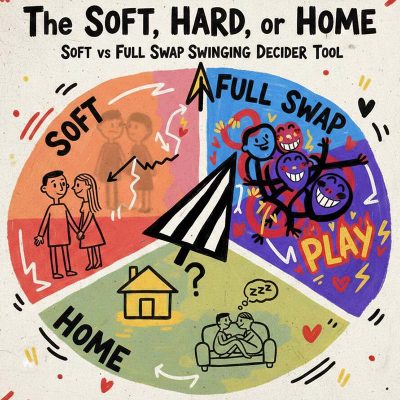
Don't let a "Soft Swap" night turn into a "Hard Feelings" morning.
Walking into the club with different expectations is a grenade waiting to explode. He thinks it’s a free-for-all; she thinks it’s just drinks and dancing. That silence in the car ride home? That’s the sound of a preventable disaster.
Stop guessing. Use this tool to sync your "sexual GPS" before you leave the driveway. Determine exactly how wild you’re getting tonight, so the only surprise is how much fun you have.
The fantasy of swinging is electric, but that cold sweat you feel when thinking about your partner with someone else? That’s your survival instinct warning you that your foundation is at stake. Most couples don’t fail because they lacked desire; they fail because they lacked a safety net. Ambiguity is where jealousy festers, and "winging it" is the fastest way to turn a dream into a nightmare of resentment and "what have we done?"
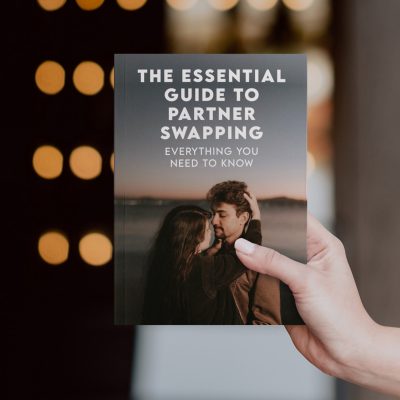
The Essential Guide to Swinging is your anxiety-proof roadmap through the chaos. Don't gamble your marriage on hope. Build a fortress of trust, master the repair chats, and ensure your exploration is defined by care, not a catastrophe
Full swap is the deep end. The rush is intense, but so is the risk of emotional wreckage. That tightening in your chest isn’t just nerves; it’s the fear that a "fun night" could become a permanent scar on your marriage. You can’t un-ring this bell, so never strike it without a plan.
The Essential Guide to Full Swap Swinging replaces reckless gambling with calculated discipline. From ironclad vetting to "emergency brake" scripts, we provide the safety architecture required to swap bodies without losing your minds. Don't just hope it goes well, engineer it
Gemini said
The fantasy is electric. The reality? It can be a grenade that blows up your marriage and your social circle. That tightening in your chest isn't just nerves. It is a warning that you are risking everything on a vibe. "Winging it" is the fastest way to turn a fun group chat into a toxic war zone.
The Essential Guide replaces the chaos with ironclad protocols. We provide the vetting tools, jealousy airlocks, and privacy scripts needed to swap bodies without losing your mind. Secure your safety first.
The fantasy of swinging is electric, but that cold sweat you feel when thinking about your partner with someone else? That’s your survival instinct warning you that your foundation is at stake. Most couples don’t fail because they lacked desire; they fail because they lacked a safety net. Ambiguity is where jealousy festers, and "winging it" is the fastest way to turn a dream into a nightmare of resentment and "what have we done?"
The Essential Guide to Swinging is your anxiety-proof roadmap through the chaos. Don't gamble your marriage on hope. Build a fortress of trust, master the repair chats, and ensure your exploration is defined by care, not a catastrophe
Full swap is the deep end. The rush is intense, but so is the risk of emotional wreckage. That tightening in your chest isn’t just nerves; it’s the fear that a "fun night" could become a permanent scar on your marriage. You can’t un-ring this bell, so never strike it without a plan.
The Essential Guide to Full Swap Swinging replaces reckless gambling with calculated discipline. From ironclad vetting to "emergency brake" scripts, we provide the safety architecture required to swap bodies without losing your minds. Don't just hope it goes well, engineer it
Power dynamics in swinging ENM explained
Power dynamics describe who has influence over decisions in a relationship or encounter. In swinging ENM power can arise from several sources. Age is one of the strongest visible predictors of life experience which often translates into confidence communication skills financial resources or social capital. Power dynamics are not inherently bad they become a concern when they restrict true consent or when someone feels pressured felt obligated or co opted into activities.
Three common forms of power that can be related to age
- Experience based power. Older partners often bring more sexual experience or dating experience which can be attractive and intimidating at the same time. The risk is that the less experienced partner might feel pushed to agree to things they or others do not fully want.
- Time and resource based power. If one partner has more free time money or social connections those resources can shape opportunities and choices. This is not wrong by itself but it can influence who says yes or no to certain activities.
- Emotional authority. Longevity in a relationship or in a group dynamic can generate a sense of authority or expectation. Partners may feel pressure to maintain harmony even when their own boundaries are crossed.
Realistic scenarios showing age gaps and power dynamics
Seeing concrete examples helps. Here are a few realistic scenarios you might encounter. They are designed to spark thoughtful negotiation and do not aim to shame or judge any path. The focus is on preserving consent and safety for everyone involved.
Scenario one
A long term couple invites a younger single person to join a weekend party. The couple is in their late 30s while the single person is in their early 20s. The older couple has more experience with negotiation and setting boundaries. The younger partner is curious but anxious about comfort levels with public play and alcohol use. In this scenario a pre event conversation sets clear boundaries about what kind of play is on or off the table what the limits are and what signals will be used to pause or stop. The group agrees on a buddy system for check ins and a simple I feel uncomfortable right now signal as a fast exit. The outcome depends on ongoing consent and a dynamic that respects a spectrum of desires rather than pushing a single agenda.
Scenario two
Two partners in their 40s connect with a partner who is in their late teens during a supervised in person event. The older partners may have more life experience and relationship history while the younger partner is still exploring. The core requirement here is to maintain strict boundaries around safeguarding and age related consent laws bond requirements and safety planning. The adults in the group make space for education resources and a slower pace which allows the younger partner to decide how far they want to go without feeling pressured or coerced. A trusted third party or event host can help monitor the environment and ensure everyone feels safe and included.
Scenario three
A married couple who are both in their early 50s want to explore a new connection with a date who is in their late 20s. The couple has a strong communication practice and a robust set of negotiated rules. They do a pre meeting call to discuss desires boundaries safe words and aftercare needs. The younger partner expresses interest in a scene that is more intense than the couple anticipated. The couple re opens the conversation and offers an alternative plan that aligns with everyone comfort levels. The goal is to balance curiosity with consent and not to push beyond what each person is willing to explore.
Scenario four
A trio includes one partner who is in their 60s and two partners who are in their 30s. The older partner has a lot of relationship experience but also a strong preference for slow intentional connections. The younger partners bring fresh energy and a willingness to try new things. They establish a clear boundary around public play and ensure accessibility and safety. A health check in place keeps everyone comfortable. The dynamic works because the participants actively discuss their desires and limits and revisit them as needed.
Negotiation tactics that support fair and ethical dynamics
Negotiation is the backbone of any ENM approach and it becomes crucial when age gaps show up. You do not want to rely on assumptions or one sided decisions. Here are practical tactics designed to help you keep consent front and center.
- Begin with explicit consent. The ideal starting point is a conversation where each person names what they want what they do not want and what would require pausing the action.
- Use ongoing consent checks. A simple check in like Are you still comfortable with this holds more value than a once off approval. Check ins should happen at natural pauses and after any new activity.
- Establish safe words or signals. A green yellow red or a non verbal cue lets everyone adjust on the fly. Make sure all parties know the signals and use them consistently.
- Respect capacity limits. Not everyone has the same energy or time. Respect each person presence and willingness without trying to push a partner to stretch beyond their capacity.
- Make space for education. If someone is curious but new to certain activities provide resources in advance or plan a slower introduction that allows learning without pressure.
- Agree on aftercare. This is the care and reassurance after a scene. It can be physical closeness conversation or practical help. Aftercare supports emotional safety especially after intense experiences.
- Document boundaries in a shared way. A written or collaboratively created boundary list can help remind everyone of agreements and avoid misinterpretations.
Language and consent and how to use it well
The way we talk matters in dynamic situations. When age gaps are part of the picture you might hear phrases like You are older and you know what you want or You can guide me through this. Phrases like these can either be helpful or controlling depending on tone and context. The best practice is to invite input from all involved and to express needs clearly without implying obligation. For example you can say I would love to explore this but I want to know how you feel about it and I will back off if you indicate discomfort or change your mind. This approach creates safety and respects autonomy.
Boundaries that specifically address age based concerns
Age related concerns deserve explicit boundaries just like any other. Here are some boundaries that commonly come up and how to frame them in a respectful way.
- Time and energy boundaries. If work or family commitments reduce available time do not pressure someone to skip obligations. Ask for a schedule that works for all parties and honor it.
- Social media and public visibility. Some people want to keep romance private while others are comfortable with sharing. Agree on what is appropriate to post and what should stay private.
- Information sharing. Some partners want to know personal details while others prefer not to share personal history. Decide what is acceptable to discuss in group chats or in person.
- Health and safety boundaries. Discuss STI testing frequency birth control methods and safe sex products. Align on what is required before intimacy continues to the next step.
- Intergenerational respect boundaries. Acknowledge that power can feel different across generations. Maintain a practice of mutual respect and avoid age policing or condescension.
How to handle jealousy and insecurity when age gaps exist
Jealousy is a human emotion and it shows up in every relationship dynamic. Age gaps can intensify jealousy when one partner feels left out or when there is fear of losing connection. Here are practical strategies to manage these feelings in healthy ways.
- Talk about the feeling early. Name the emotion and describe what is triggering the worry. This helps you address the root cause rather than letting it fester.
- Share needs without blame. Use I statements and focus on your experience rather than accusing the other person.
- Create a reassurance plan. Decide what kind of reassurance helps each person and how often it should happen.
- Invite outside perspective. A trusted friend or a couple therapist can offer guidance when the emotions feel overwhelming.
- Set flexible boundaries. If an activity triggers jealousy you can pause and renegotiate rather than pushing through a painful boundary violation.
Communication tools that help keep things fair
Clear communication acts like a traffic control system for your ENM life. The right tools can save you from miscommunication and hurt feelings. Here are practical approaches you can adopt.
- Regular check ins. Schedule short conversations at predictable times to review what is working and what is not. Do not wait for a crisis to talk.
- Structured negotiations. Use a simple framework to discuss desires boundaries and safety. For example state your goal ask the other person to share their goal listen then summarize the agreed plan.
- Written agreements. Put key agreements in writing whether in a private document or within a conversation log. Having a record helps reduce misunderstandings.
- Inclusive decision making. Ensure all adults provide input on any decision that affects the group and validate each person’s voice equally.
- Respect for pauses. If someone needs more time to think about an agreement or wants to step back allow space for that.
Safety and health considerations in age varied swinging
Safety and health are foundational to any ethical ENM practice. Age differences can influence risk awareness experience with healthcare or access to information. The key is to keep communication open and to take practical steps that protect everybody involved.
- Regular health check ups. Encourage routine STI testing and share results with partners who need to know. Do not assume anyone knows a partner s status.
- Safe sex planning. Make sure there is agreement about condom use condom compatibility and dental dams when relevant.
- Vaccinations and prevention. Discuss vaccines that might reduce risk for hepatitis and other infections and consider what makes sense for your group.
- Consent before intimacy. Never assume consent based on past experiences. Consent should be given freely for each new encounter and can be withdrawn at any time.
- Privacy and discretion. Be mindful of how information is shared within and outside the group and respect boundaries around private details.
Community wellbeing and inclusivity within age diverse swinging scenes
In the swinging world you will meet people from many backgrounds and life experiences. A respectful community values consent education openness and kindness. When age gaps are part of a dynamic there is extra responsibility to avoid ageism stereotypes and coercive behavior. If you are organizing events or joining a scene make sure there are accessible rules clear codes of conduct and pathways for reporting concerns. Support and mentorship can be wonderful when offered in ways that honor autonomy rather than using status to pressure others.
Practical tips for building strong age aware ENM relationships
These are practical steps you can implement to reduce risk and increase alignment across age differences in swinging.
- Start with a joint values conversation. Discuss what matters most to each person including consent honesty respect and responsibility to others.
- Practice a slow build up. If you are navigating an age gap take more time to learn preferences and boundaries before escalating intimacy.
- Ask for feedback. Create space for all partners to share what is working and what is not without fear of judgement.
- Keep a flexibility mindset. Be prepared for change as people grow and life changes. Allow agreements to evolve with circumstances.
- Prioritize aftercare. Aftercare helps process emotions and supports emotional safety especially after intense experiences.
- Share resources. Provide reading lists or contact information for community groups or professionals who can offer guidance on ethical ENM practices.
- Respect the pace of others. Do not pressure partners into activities they are not ready for simply because of age related expectations.
Glossary of useful terms and acronyms
- ENM stands for ethical non monogamy a relationship practice where all involved parties consent to more than one romantic or sexual relationship.
- Swinging a form of ENM that often involves couples or groups exploring sexual experiences with others in a social or party setting.
- Age gap the difference in age between partners participating in a dynamic.
- Consent a clear and enthusiastic yes given freely without pressure coercion or manipulation.
- Ongoing consent a continual process where participants reaffirm their consent before new activities or changes in a scene.
- Boundaries clearly stated limits or rules agreed upon by all parties to protect comfort and safety.
- Aftercare caring actions and conversations after a sexual or emotional experience to support emotional wellbeing.
- Coercion pressuring someone into a sexual act or a decision through manipulation fear or threats.
- Gaslighting a form of manipulation where someone makes another doubt their own perceptions feelings or memories.
- Safe word a pre arranged word or signal that can pause or stop activity immediately.
- Boundary review a periodic check to revisit and adjust boundaries as people grow and circumstances change.
Frequently asked questions
How can I tell if an age gap is healthy in swinging
A healthy age gap shows up when all participants feel respected informed and in control. Consent is ongoing and enthusiastic. Boundaries are honored and there is room to pause or stop if needed. Everyone should feel safe enough to voice concerns without fear of judgement.
Is it okay for one partner to take the lead because they are older
Leadership in a dynamic should come from mutual respect not dominance. If someone takes a lead role it must be because all others freely consent to that arrangement and there should be a clear plan to share responsibility and opportunity for others to contribute their preferences as well.
What if someone feels pressure due to the age difference
Address it immediately. Pause the activity ask questions and reassess boundaries. Provide a space where the person can say I feel pressured and be heard. Adjust the plan or stop entirely if needed to restore safety and autonomy for everyone involved.
How do I negotiate boundaries with a partner who is much younger or older
Set aside dedicated time for a boundary negotiation. Use a calm non judgmental tone to explain your needs and invite the other person to share theirs. Document agreements in writing and plan regular check ins to ensure boundaries remain comfortable for everyone as time passes.
Are there safety considerations specific to age differences
Yes. Different life stages can mean different levels of experience health priorities and risk awareness. Make sure everyone has access to accurate information about sexual health health history and consent practices. Ensure that the younger partner has access to education and support if they want it and that there is no older partner pressuring toward activities that feel unsafe or uncomfortable.
How can I support a younger partner who is new to swinging
Offer a paced approach provide clear explanations and avoid jargon. Share resources and invite questions. Be patient and celebrate their progress while letting them set the pace for their own learning and exploration.
What if jealousy arises due to the age gap
Jealousy is a signal not a verdict. Use it as a trigger to talk openly about needs and boundaries. Reassess plans and consider more frequent check ins. Sometimes a pause or a slower pace can help restore balance and comfort for everyone.
How should I approach these conversations with respect and care
Lead with curiosity and empathy. Practice active listening and validate another person s feelings even if you do not fully agree. Use I statements and avoid blaming. Make your goal a shared understanding that keeps everyone safe and respected.
Is it appropriate to discuss politics or religion in an age gap swing
Discussions about sensitive topics can be healthy in a respectful environment but they should be optional. If a topic triggers discomfort set a boundary to avoid it during intimate settings and save it for a different space and time if needed.
Don't let a "Soft Swap" night turn into a "Hard Feelings" morning.
Walking into the club with different expectations is a grenade waiting to explode. He thinks it’s a free-for-all; she thinks it’s just drinks and dancing. That silence in the car ride home? That’s the sound of a preventable disaster.
Stop guessing. Use this tool to sync your "sexual GPS" before you leave the driveway. Determine exactly how wild you’re getting tonight, so the only surprise is how much fun you have.
The fantasy of swinging is electric, but that cold sweat you feel when thinking about your partner with someone else? That’s your survival instinct warning you that your foundation is at stake. Most couples don’t fail because they lacked desire; they fail because they lacked a safety net. Ambiguity is where jealousy festers, and "winging it" is the fastest way to turn a dream into a nightmare of resentment and "what have we done?"
The Essential Guide to Swinging is your anxiety-proof roadmap through the chaos. Don't gamble your marriage on hope. Build a fortress of trust, master the repair chats, and ensure your exploration is defined by care, not a catastrophe
Full swap is the deep end. The rush is intense, but so is the risk of emotional wreckage. That tightening in your chest isn’t just nerves; it’s the fear that a "fun night" could become a permanent scar on your marriage. You can’t un-ring this bell, so never strike it without a plan.
The Essential Guide to Full Swap Swinging replaces reckless gambling with calculated discipline. From ironclad vetting to "emergency brake" scripts, we provide the safety architecture required to swap bodies without losing your minds. Don't just hope it goes well, engineer it
Gemini said
The fantasy is electric. The reality? It can be a grenade that blows up your marriage and your social circle. That tightening in your chest isn't just nerves. It is a warning that you are risking everything on a vibe. "Winging it" is the fastest way to turn a fun group chat into a toxic war zone.
The Essential Guide replaces the chaos with ironclad protocols. We provide the vetting tools, jealousy airlocks, and privacy scripts needed to swap bodies without losing your mind. Secure your safety first.
The fantasy of swinging is electric, but that cold sweat you feel when thinking about your partner with someone else? That’s your survival instinct warning you that your foundation is at stake. Most couples don’t fail because they lacked desire; they fail because they lacked a safety net. Ambiguity is where jealousy festers, and "winging it" is the fastest way to turn a dream into a nightmare of resentment and "what have we done?"
The Essential Guide to Swinging is your anxiety-proof roadmap through the chaos. Don't gamble your marriage on hope. Build a fortress of trust, master the repair chats, and ensure your exploration is defined by care, not a catastrophe
Full swap is the deep end. The rush is intense, but so is the risk of emotional wreckage. That tightening in your chest isn’t just nerves; it’s the fear that a "fun night" could become a permanent scar on your marriage. You can’t un-ring this bell, so never strike it without a plan.
The Essential Guide to Full Swap Swinging replaces reckless gambling with calculated discipline. From ironclad vetting to "emergency brake" scripts, we provide the safety architecture required to swap bodies without losing your minds. Don't just hope it goes well, engineer it
