
Barrier Use Conversations With Other Couples


Welcome to a down to earth guide from The Monogamy Experiment where we talk plainly about how grown adults can negotiate safety. When you are in a swinging or ethical non monogamy dynamic you will meet other couples who share space in your relationship world. A key part of making this work is having clear conversations about barrier use. By barrier use we mean the choice to use condoms or other barriers during activities to reduce risk of pregnancy and sexually transmitted infections. This article will walk you through what to discuss with other couples, how to approach the topic, practical tips for dialogue and real world scenarios you can put to use right away. We will keep terms simple and explain acronyms so there is no guesswork left. It is all about respect and shared responsibility while keeping the vibe fun and adventurous.
Quick Links to Useful Sections
- What barrier use means in Swinging ENM
- Why these conversations matter
- Planning the conversation
- 1. Decide the scope of the talk
- 2. Choose the right moment
- 3. Prepare your own disclosures
- 4. Decide on the barrier options you will discuss
- 5. Establish a simple method for updates
- A practical framework you can use
- Lead with a positive tone
- Share your own boundaries clearly
- Invite open questions from the other couple
- Suggest a concrete baseline and a method to adjust
- Confirm consent and document the plan
- Plan for check ins after the encounter
- Conversation script examples
- Example 1 a first time talk before any acts
- Example 2 discussing testing and health practices
- Example 3 a longer term poly dynamic conversation
- Example 4 a casual conversation during a swing night
- Real world scenarios
- Scenario 1 first meet at a party or event
- Scenario 2 a couple you have been talking to online for a while
- Scenario 3 a long term poly arrangement that evolves over time
- Common pitfalls and how to avoid them
- Supply and practicalities
- Practical tips for smooth conversations
- Glossary of useful terms and acronyms
- Frequently asked questions
What barrier use means in Swinging ENM
Barrier use in the swinging and ethical non monogamy space is about setting a shared baseline for safety while you explore with other couples. It covers the methods you choose to use during intimate acts and the choices you make about when to use them. The typical acts in this context include vaginal sex, anal sex, oral sex and kissing. In some cases people also use barriers for protecting surfaces or for shared intimacy. The main purpose is to lower the chance of pregnancy and reduce transmission of infections while keeping a sense of trust and consent across all people involved.
Common barrier options include condoms which come in latex and non latex varieties. There are also internal condoms which are placed inside the vagina or rectum and can be used by partners in certain situations. Dental dams are a barrier for oral sex and can reduce direct contact during oral stimulation. Gloves can be used for barrier protection during certain acts or for role play and explorations that involve touch on more than one person. Lubricants help the barrier perform properly. It is important to know which lubricants are compatible with which barriers because oil based products can degrade latex and reduce effectiveness. In this guide we explain terms and practical steps so you can have productive conversations with other couples rather than awkward moments at a party or on a date. We keep the tone clear and friendly because safety should always feel normal not awkward.
Key acronyms you will hear in these conversations include ENM which stands for ethical non monogamy. ENM means you and your partners speak openly about your boundaries and you choose together how you will navigate intimacy with others. STI stands for sexually transmitted infection. HIV is a well known infection that affects the immune system. PrEP stands for pre exposure prophylaxis a medication that can reduce the risk of HIV infection. PEP stands for post exposure prophylaxis a treatment started after potential exposure to HIV. These terms will come up in conversations and it is helpful to have a shared understanding before any meeting with another couple.
Why these conversations matter
Conversations about barrier use set the stage for trust and consent. When you talk about safety early you reduce the risk of mis communication later on. You will know what is expected by both you and the other couple and you will be able to plan ahead for safety. Safety is not a dampener on fun it is a framework that makes exploration more enjoyable. People who have these talks report less anxiety when things start to heat up because they already know the ground rules. In addition conversations about barrier use empower all participants to speak up if a boundary is approached and to pause if something feels unsafe or uncomfortable. A good boundary is not a wall it is a compass that helps everyone feel seen and respected.
Approaching barrier use conversations with care helps you avoid common problems. You might encounter resistance from someone who feels this is too clinical or who fears they will miss the moment. You can acknowledge those feelings and translate that into practical steps. For example you can offer to start with a baseline rule that covers the most common situations and then you can adjust as you learn more about the people you are with. You can also create a simple plan for checking in after an encounter to learn what worked and what did not. The goal is to keep the energy positive while making sure everyone remains safe and comfortable.

Don't let a "Soft Swap" night turn into a "Hard Feelings" morning.
Walking into the club with different expectations is a grenade waiting to explode. He thinks it’s a free-for-all; she thinks it’s just drinks and dancing. That silence in the car ride home? That’s the sound of a preventable disaster.
Stop guessing. Use this tool to sync your "sexual GPS" before you leave the driveway. Determine exactly how wild you’re getting tonight, so the only surprise is how much fun you have.

The fantasy of swinging is electric, but that cold sweat you feel when thinking about your partner with someone else? That’s your survival instinct warning you that your foundation is at stake. Most couples don’t fail because they lacked desire; they fail because they lacked a safety net. Ambiguity is where jealousy festers, and "winging it" is the fastest way to turn a dream into a nightmare of resentment and "what have we done?"
The Essential Guide to Swinging is your anxiety-proof roadmap through the chaos. Don't gamble your marriage on hope. Build a fortress of trust, master the repair chats, and ensure your exploration is defined by care, not a catastrophe
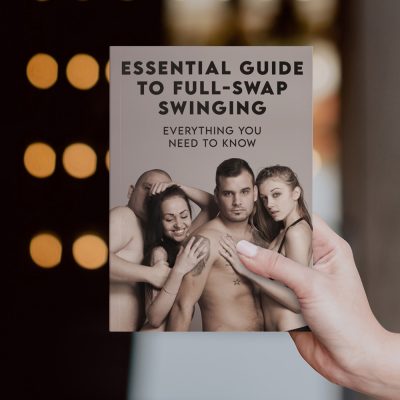
Full swap is the deep end. The rush is intense, but so is the risk of emotional wreckage. That tightening in your chest isn’t just nerves; it’s the fear that a "fun night" could become a permanent scar on your marriage. You can’t un-ring this bell, so never strike it without a plan.
The Essential Guide to Full Swap Swinging replaces reckless gambling with calculated discipline. From ironclad vetting to "emergency brake" scripts, we provide the safety architecture required to swap bodies without losing your minds. Don't just hope it goes well, engineer it

Gemini said
The fantasy is electric. The reality? It can be a grenade that blows up your marriage and your social circle. That tightening in your chest isn't just nerves. It is a warning that you are risking everything on a vibe. "Winging it" is the fastest way to turn a fun group chat into a toxic war zone.
The Essential Guide replaces the chaos with ironclad protocols. We provide the vetting tools, jealousy airlocks, and privacy scripts needed to swap bodies without losing your mind. Secure your safety first.
The fantasy of swinging is electric, but that cold sweat you feel when thinking about your partner with someone else? That’s your survival instinct warning you that your foundation is at stake. Most couples don’t fail because they lacked desire; they fail because they lacked a safety net. Ambiguity is where jealousy festers, and "winging it" is the fastest way to turn a dream into a nightmare of resentment and "what have we done?"
The Essential Guide to Swinging is your anxiety-proof roadmap through the chaos. Don't gamble your marriage on hope. Build a fortress of trust, master the repair chats, and ensure your exploration is defined by care, not a catastrophe
Full swap is the deep end. The rush is intense, but so is the risk of emotional wreckage. That tightening in your chest isn’t just nerves; it’s the fear that a "fun night" could become a permanent scar on your marriage. You can’t un-ring this bell, so never strike it without a plan.
The Essential Guide to Full Swap Swinging replaces reckless gambling with calculated discipline. From ironclad vetting to "emergency brake" scripts, we provide the safety architecture required to swap bodies without losing your minds. Don't just hope it goes well, engineer it
Planning the conversation
Effective planning leads to fewer awkward moments and more genuine connection. Here are a few planning steps you can use before you meet another couple for a date or for a swing night.
1. Decide the scope of the talk
Before you talk with another couple decide what you want to achieve. Do you want to establish a baseline barrier rule for all activities or do you want to tailor barrier rules for different acts. Some couples prefer to have a simple baseline that they will always apply while others want to discuss specifics for different situations. Decide what feels workable for your group and be ready to adjust as you gain experience with new partners.
2. Choose the right moment
Conversation about barrier use should happen in a calm setting not in the heat of the moment. A good moment is during initial introductions on a date night or during a private moment before a first intimate encounter. You can bring up the topic early in the dating phase and then review as you get to know each other. If you are arranging a group event or a multi couple meeting plan a short dedicated chat about safety before the date adds pressure to the situation and can keep things smooth.
3. Prepare your own disclosures
Think about what you want to share about your own status and your boundaries. You want to be honest about what you are comfortable with and you want to be clear about what you expect from others. If you have tested recently or if you are using PrEP or PEP you can mention that as part of your plan. You do not need to reveal every detail of your medical history but you should be honest about what matters for safety. Keep the focus on mutual care and the desire for a positive shared experience.
4. Decide on the barrier options you will discuss
Be practical about which barriers you want to consider. Most groups default to condoms as a baseline for vaginal and anal sex. For oral sex many people use dental dams or additional barriers. Decide if you want to discuss lubrication choices as a separate topic because certain lubricants can affect barrier performance. Having a prepared list of options helps keep the conversation concrete and reduces the chance of mis understood intentions.
5. Establish a simple method for updates
All couples can benefit from a simple review process. You can plan a quick check in after the first meet or after a group event to see what worked and what did not. A short debrief keeps the conversation respectful and productive and it helps you adjust rules without making it personal or punitive.
A practical framework you can use
Here is a straightforward framework you can adapt for almost any situation with another couple. It is written to be easy to follow even if you are feeling a little nervous or excited. It centers on three simple pillars safety respect and clarity.
Lead with a positive tone
Open with a friendly note that shows you are excited about meeting new people and about keeping everyone safe. A positive start sets the tone and reduces defensiveness. For example you could say I am really glad we are getting to know each other. We want this to be enjoyable and safe for all of us and that means we talk openly about barrier use from the start.
Share your own boundaries clearly
Use I statements so you own your preferences. For example I feel more comfortable using a condom for vaginal and anal play and I would like to have a plan that includes that for all acts. You can also mention any health decisions like we test every three months or we use PrEP for additional protection. Explicit but calm sharing helps others understand your position without feeling blamed.
Invite open questions from the other couple
Ask open ended questions that invite discussion. What barrier options feel most comfortable to you How do you usually handle testing and health checks What acts do you plan to include during the encounter This keeps the conversation collaborative rather than one sided and it shows respect for the other couple s perspective.
Suggest a concrete baseline and a method to adjust
Propose a simple baseline such as We will use condoms for vaginal and anal encounters with all partners and we will use a dental dam for oral sex without genital contact. Then offer to adjust if needed after the first encounter. The baseline is a starting point not a final ruling and that approach makes it easier for people to say yes without feeling boxed in.
Confirm consent and document the plan
Consent is ongoing and can be confirmed verbally each time. You may also choose to document the plan in a written message or a shared note so all parties can refer back to it. A clear written plan reduces confusion and makes it easier to pause and renegotiate if someone changes their mind later on.
Plan for check ins after the encounter
Set a time for a quick debrief after the encounter. A simple yes no question about how things felt can be enough. If something did not go as planned you can adjust the plan before the next meet. The goal is steady learning and safer exploration not perfection.
Conversation script examples
The best script is the one that fits your voice and your relationship with the other couple. Here are a few starter templates you can adapt. You can use them in person on a date night or in a private chat on a dating app. Each script emphasizes safety and respect while staying casual and practical.
Example 1 a first time talk before any acts
Hey we are really glad we are all here and interested in getting to know each other. We want to make sure we all have a good time while staying safe. Our baseline is to use condoms for vaginal and anal play with all partners and to consider a dental dam for any oral contact that involves sex. We are open to discussing other options and we are happy to adjust as we go. How do you feel about this approach
Example 2 discussing testing and health practices
Thank you for taking the time to chat. We try to keep health at the top of the list. We test for STI every three months and we are open to sharing results with partners we play with. If someone follows a medical plan like PrEP we would want to know how that affects our approach. What about your plan for testing and health checks
Example 3 a longer term poly dynamic conversation
We have a good rhythm with each other and we want to bring that same care to new partners. Our baseline remains condoms for all vaginal and anal acts and a dental dam for oral contact. If you are comfortable we would like to check in after each encounter what worked and what could be improved. We also want to keep the conversation alive and ongoing. How does that feel to you and your partner
Example 4 a casual conversation during a swing night
It is nice to meet you two. Our aim is fun and safety. We will use condoms for vaginal and anal acts and we will have dental dams available for oral contact. If you want to try anything outside the baseline we can talk it through and adjust for next time. Are you comfortable with that approach
Real world scenarios
Seeing these conversations in action helps you feel confident. Here are three realistic situations with practical dialogue you can adapt to your style.
Scenario 1 first meet at a party or event
You approach in a friendly tone and shift to safety early. You might say We are all here to have a good time and we value safety. Our baseline is condoms for vaginal and anal acts and a dental dam for oral contact. If we want to try anything beyond that we will discuss it first and we will write nothing down just to keep things flexible. What is your preference for barrier options
Scenario 2 a couple you have been talking to online for a while
During a private chat you lay out your barrier plan and invite questions. We have a baseline of condoms for vaginal and anal acts and a dental dam for oral contact. We can adjust if you prefer non latex options and we can discuss testing and health checks. What does your team think and what would you add or remove
Scenario 3 a long term poly arrangement that evolves over time
As you grow with a couple you can add checks about growing trust and changes in risk preferences. You might say Our baseline plan stands we use condoms for vaginal and anal acts and we use a dental dam for oral contact. If one of us shifts a health plan or wants more protection we can revisit the plan and make updates together. How do you see this evolving for the next phase
Common pitfalls and how to avoid them
- Shaming or pressure It is essential to avoid implying a partner is unsafe or wrong for asking a certain question. Stay curious and respectful.
- Assuming comfort levels People have different pasts and different triggers. Ask questions and listen to the answers without judgment.
- Overly clinical talk While safety is important keep the conversation human. Match the tone of the other couple and keep it friendly and practical.
- Skipping details Do not assume everyone knows what you mean by a term. If you use a term explain it briefly to prevent confusion.
- Forgetting to review A plan is not a one time thing. Schedule quick check ins after the first few encounters and update as needed.
Supply and practicalities
Knowing what to have on hand and how to choose barrier products makes the actual encounters smoother. Here is a practical quick guide to supplies and decisions you will face.
- Condoms Decide if you want latex or non latex. Some people have latex allergies so non latex options are important. Check expiration dates and store in a cool dry place.
- Internal condoms These can be used for vaginal or anal play and offer a different fit. Read the instructions and practice insertion and removal in a private setting before trying with partners.
- Dental dams These protect the area during oral sex. They come in different sizes and flavors. They are easy to use and find in most pharmacies or online.
- Lubricants Water based lubricants are compatible with latex condoms. Silicone based lubricants can be longer lasting but check it works well with the barrier you choose. Oil based products should be avoided with latex as they can degrade the rubber.
- Gloves Nitrile gloves can be useful for certain forms of play or role play scenarios. They are inexpensive and available in most drug stores.
Allergies and sensitivities matter. If anyone has a latex allergy you will want to ensure all barriers used are latex free. Some people also have sensitivities to certain lubricants or fragrances. It is important to test products in advance in a private setting and only bring items that are comfortable for all participants. You can rotate products to find pairs that work best for everyone involved.
Practical tips for smooth conversations
- Use kid friendly language explain barrier options in plain terms without using medical jargon. The goal is clarity not complexity.
- Be inclusive invite all parties to contribute and acknowledge that everyone has a voice in the safety plan.
- Be flexible agreements can change as you get to know people better. Be willing to adjust in a respectful way.
- Take notes a simple shared note or chat thread can help you remember agreements and changes over time.
- Check in regularly after encounters revisit the plan and confirm you are still aligned with safety goals.
Glossary of useful terms and acronyms
- ENM stands for ethical non monogamy a relationship style in which all people involved consent to more than one romantic or sexual relationship.
- STI stands for sexually transmitted infection infections that can be passed through sexual contact.
- HIV human immunodeficiency virus a virus that attacks the body's immune system.
- PrEP stands for pre exposure prophylaxis a medication that helps prevent HIV infection in people at high risk.
- PEP stands for post exposure prophylaxis a treatment started after possible exposure to HIV to prevent infection.
- Barrier a method used to reduce contact during sex for safety purposes including condoms dental dams internal condoms gloves and lubricants.
- Consent an enthusiastic yes given freely and without pressure for any activity that involves someone else.
- Baseline a simple starting rule that applies to most situations and serves as a default for safety and comfort.
Frequently asked questions
Below you will find common questions people have when starting barrier use conversations with other couples. If you want more details or a specific scenario you can ask your partner and adapt these responses to fit your voices and needs.
- How do I start barrier use conversations with another couple Begin with a friendly tone hello we are excited to meet you and we want to be sure safety is clear for everyone. Share your baseline plan and invite your partner to add their thoughts. Keep it light and practical.
- What if one couple wants more protection than we do Acknowledge the request and propose a compromise such as increasing one form of barrier or extending the period between check ins. You can agree to trial the change for a defined time and then review together.
- Should we always use condoms for vaginal and anal acts Using condoms as a baseline is common and effective but you can tailor based on comfort levels and the acts involved. The key is that everyone agrees and felt heard.
- What about pregnancy prevention If pregnancy is a concern talk through contraception options including condoms and other methods. Avoid assumptions about pregnancy status and discuss what each person prefers.
- How do we handle testing and health information Share your testing cadence and what results are acceptable for you. You can discuss how you will keep results private and how you will share updates when needed.
- What if someone is allergic to latex You will want to have latex free options available such as polyurethane or polyisoprene condoms and other barrier products that do not use latex.
- Is it okay to revisit the plan after a first encounter Yes a quick debrief can help you learn what worked and what did not. You can adjust the baseline to better fit everyone in the next round.
- How do we document the plan without turning it into a legal contract A simple shared note or a short chat thread is enough. The goal is to remember key decisions and to make sure everyone is on the same page.
- What if someone gets anxious or uncomfortable during a date Pause and check in with everyone present. If needed you can step back from certain acts or take a break and revisit the plan later.
- Where can we find reliable barrier products Look for reputable brands at pharmacies or online retailers that ship discreetly. Check for clinical reviews and product certifications where available.
Don't let a "Soft Swap" night turn into a "Hard Feelings" morning.
Walking into the club with different expectations is a grenade waiting to explode. He thinks it’s a free-for-all; she thinks it’s just drinks and dancing. That silence in the car ride home? That’s the sound of a preventable disaster.
Stop guessing. Use this tool to sync your "sexual GPS" before you leave the driveway. Determine exactly how wild you’re getting tonight, so the only surprise is how much fun you have.
The fantasy of swinging is electric, but that cold sweat you feel when thinking about your partner with someone else? That’s your survival instinct warning you that your foundation is at stake. Most couples don’t fail because they lacked desire; they fail because they lacked a safety net. Ambiguity is where jealousy festers, and "winging it" is the fastest way to turn a dream into a nightmare of resentment and "what have we done?"
The Essential Guide to Swinging is your anxiety-proof roadmap through the chaos. Don't gamble your marriage on hope. Build a fortress of trust, master the repair chats, and ensure your exploration is defined by care, not a catastrophe
Full swap is the deep end. The rush is intense, but so is the risk of emotional wreckage. That tightening in your chest isn’t just nerves; it’s the fear that a "fun night" could become a permanent scar on your marriage. You can’t un-ring this bell, so never strike it without a plan.
The Essential Guide to Full Swap Swinging replaces reckless gambling with calculated discipline. From ironclad vetting to "emergency brake" scripts, we provide the safety architecture required to swap bodies without losing your minds. Don't just hope it goes well, engineer it
Gemini said
The fantasy is electric. The reality? It can be a grenade that blows up your marriage and your social circle. That tightening in your chest isn't just nerves. It is a warning that you are risking everything on a vibe. "Winging it" is the fastest way to turn a fun group chat into a toxic war zone.
The Essential Guide replaces the chaos with ironclad protocols. We provide the vetting tools, jealousy airlocks, and privacy scripts needed to swap bodies without losing your mind. Secure your safety first.
The fantasy of swinging is electric, but that cold sweat you feel when thinking about your partner with someone else? That’s your survival instinct warning you that your foundation is at stake. Most couples don’t fail because they lacked desire; they fail because they lacked a safety net. Ambiguity is where jealousy festers, and "winging it" is the fastest way to turn a dream into a nightmare of resentment and "what have we done?"
The Essential Guide to Swinging is your anxiety-proof roadmap through the chaos. Don't gamble your marriage on hope. Build a fortress of trust, master the repair chats, and ensure your exploration is defined by care, not a catastrophe
Full swap is the deep end. The rush is intense, but so is the risk of emotional wreckage. That tightening in your chest isn’t just nerves; it’s the fear that a "fun night" could become a permanent scar on your marriage. You can’t un-ring this bell, so never strike it without a plan.
The Essential Guide to Full Swap Swinging replaces reckless gambling with calculated discipline. From ironclad vetting to "emergency brake" scripts, we provide the safety architecture required to swap bodies without losing your minds. Don't just hope it goes well, engineer it
