
Closing the Relationship After Swinging


Closing a swinging relationship can feel like a plot twist in a favorite story. You and your partner may have built exciting experiences together while exploring ethical non monogamy or ENM for short. Swinging is a dynamic within ENM that focuses on sexual exploration with others while the core couple bond remains. When it is time to close or redefine that relationship the feelings can be intense and messy. This guide is designed to be practical honest and down to earth. We will cover why endings happen in swinging why a fade or a restructure might make sense and how to navigate conversation boundaries and safety. We will also explain common terms so you can follow along even if you are new to ENM language. Think of this as a friendly playbook from someone who has seen the ups and downs of swinging and who wants you to move forward with care and clarity.
Quick Links to Useful Sections
- What swinging and ethical non monogamy mean in plain speak
- Why relationships in swinging end or shift
- Signs it may be time to consider closing or restructuring
- A framework for deciding what kind of closure fits your situation
- Different closure scenarios in swinging ENM
- Complete break from external partners
- Gradual fade or reduction of outside connections
- Shift to a different ENM structure
- Pause and re establish boundaries
- Ending the dynamic but maintaining a friendship
- How to communicate closure with empathy and clarity
- Set the stage for a respectful talk
- Lead with intention and use I statements
- Explain the practicalities and the why behind the decision
- Offer a concrete plan and invite discussion
- Prepare for a range of emotional responses
- Set a timeline and write down the next steps
- Address social and logistical boundaries
- What you can say in different closure scenarios
- Two partners one deciding to end swinging
- One partner initiating a complete break while the other prefers a slow fade
- End with care but clear boundaries
- Practical steps for after the closure is decided
- Handling emotions during and after closure
- Navigating the aftermath with grace
- Red flags to watch for after closure
- Glossary of useful terms and acronyms
- Final notes on closing a swinging relationship
Important note before we dive in this guide uses no judgment. Ending a swinging arrangement is a personal choice and a decision that should respect everyone involved. The goal is to minimize harm to all people who have a stake in the dynamic while preserving emotional safety and personal values. If your partner is in danger or if anything feels unsafe seek professional guidance or trusted community support quickly. The aim here is steady compassionate closure not drama or blame.
What swinging and ethical non monogamy mean in plain speak
Ethical non monogamy ENM is a broad umbrella term. It describes relationships where all people involved agree to some form of non exclusive romantic or sexual connection. Swinging is a specific dynamic within ENM. In swinging partners within a couple or triad typically engage in sexual activity with other people but the primary relationship remains central. Swinging often focuses on playmates and shared experiences rather than developing long term romantic bonds with the other person. Distinctions between soft swap and full swap are common terms used in swinging. A soft swap means sexual activities that stop short of penetration or penetrative sex. A full swap refers to sexual activities that involve intercourse. Those terms help couples set boundaries that feel right for them.
Another helpful term to know is unicorn. In ENM a unicorn is a person who wants to join a couple with the goal of creating a triad. The unicorn dynamic can be tricky because it adds a third person into the emotional mix. Compersion is a related concept a feeling of joy when you see your partner happy with someone else. Not everyone feels compersion easily especially when endings are on the horizon. We will cover how to handle emotions like jealousy or insecurity during a closure as well as how to talk with honesty and care.
Why relationships in swinging end or shift
There are many reasons a swinging relationship might close or redefine. Here are some common patterns you might recognize or consider before making a move.
- Boundary drift When boundaries become fuzzy or repeatedly crossed without the needed repair a relationship can stall. In swinging this is common because the schedule and energy required to manage multiple connections can create friction.
- Misaligned expectations If one partner wants ongoing casual sexual experiences and the other craves emotional depth with someone else the gap can grow. A mismatch here can drive a re balance or a closure.
- Emotional fatigue The emotional labor of negotiating negotiating again and again can wear people out. Some couples decide that a pause or a clean break makes more sense than a never ending cycle of renegotiation.
- Shifting attraction or desire Desire can wax and wane. If attraction to partners outside the primary relationship shifts in a way that cannot be reconciled within the current structure ending the swing may feel necessary to protect the core bond.
- Life changes Big life events like a new job a move family planning or health considerations can change how much energy you want to invest in swinging or whether you want to stay emotionally connected in a different way.
- Trust and safety concerns If trust feels broken or if safety concerns around sex or communication surface the healthiest move often is to close or restructure the dynamic rather than pretending nothing is wrong.

Don't let a "Soft Swap" night turn into a "Hard Feelings" morning.
Walking into the club with different expectations is a grenade waiting to explode. He thinks it’s a free-for-all; she thinks it’s just drinks and dancing. That silence in the car ride home? That’s the sound of a preventable disaster.
Stop guessing. Use this tool to sync your "sexual GPS" before you leave the driveway. Determine exactly how wild you’re getting tonight, so the only surprise is how much fun you have.

The fantasy of swinging is electric, but that cold sweat you feel when thinking about your partner with someone else? That’s your survival instinct warning you that your foundation is at stake. Most couples don’t fail because they lacked desire; they fail because they lacked a safety net. Ambiguity is where jealousy festers, and "winging it" is the fastest way to turn a dream into a nightmare of resentment and "what have we done?"
The Essential Guide to Swinging is your anxiety-proof roadmap through the chaos. Don't gamble your marriage on hope. Build a fortress of trust, master the repair chats, and ensure your exploration is defined by care, not a catastrophe
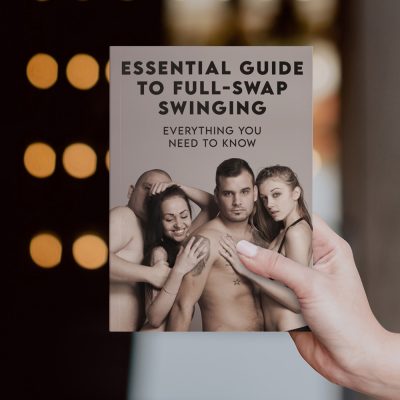
Full swap is the deep end. The rush is intense, but so is the risk of emotional wreckage. That tightening in your chest isn’t just nerves; it’s the fear that a "fun night" could become a permanent scar on your marriage. You can’t un-ring this bell, so never strike it without a plan.
The Essential Guide to Full Swap Swinging replaces reckless gambling with calculated discipline. From ironclad vetting to "emergency brake" scripts, we provide the safety architecture required to swap bodies without losing your minds. Don't just hope it goes well, engineer it
Gemini said
The fantasy is electric. The reality? It can be a grenade that blows up your marriage and your social circle. That tightening in your chest isn't just nerves. It is a warning that you are risking everything on a vibe. "Winging it" is the fastest way to turn a fun group chat into a toxic war zone.
The Essential Guide replaces the chaos with ironclad protocols. We provide the vetting tools, jealousy airlocks, and privacy scripts needed to swap bodies without losing your mind. Secure your safety first.
The fantasy of swinging is electric, but that cold sweat you feel when thinking about your partner with someone else? That’s your survival instinct warning you that your foundation is at stake. Most couples don’t fail because they lacked desire; they fail because they lacked a safety net. Ambiguity is where jealousy festers, and "winging it" is the fastest way to turn a dream into a nightmare of resentment and "what have we done?"
The Essential Guide to Swinging is your anxiety-proof roadmap through the chaos. Don't gamble your marriage on hope. Build a fortress of trust, master the repair chats, and ensure your exploration is defined by care, not a catastrophe
Full swap is the deep end. The rush is intense, but so is the risk of emotional wreckage. That tightening in your chest isn’t just nerves; it’s the fear that a "fun night" could become a permanent scar on your marriage. You can’t un-ring this bell, so never strike it without a plan.
The Essential Guide to Full Swap Swinging replaces reckless gambling with calculated discipline. From ironclad vetting to "emergency brake" scripts, we provide the safety architecture required to swap bodies without losing your minds. Don't just hope it goes well, engineer it
Signs it may be time to consider closing or restructuring
Sometimes the signs are subtle other times they are loud. Here are practical markers that suggest a real conversation is overdue.
- Repeated boundary violations with little improvement after a discussion
- Worsening jealousy that does not get resolved with communication
- Lack of time energy or resources to adequately manage external partners
- Emotional harm or distress that lasts beyond the momentary hurt
- Desire to devote more attention to the primary relationship or to a new long term connection
- Feeling unsafe or unsupported in the swinging dynamic
- Clear mismatches in how both partners want to navigate closings or changes
A framework for deciding what kind of closure fits your situation
Closure does not always mean a clean break. Sometimes the best move is a restructure a fade to reduce interactions or a temporary pause. Here is a simple framework you can use to decide what kind of closure fits your needs.
- Identify your core values Take time to name what matters most to you in a relationship. For some people that means emotional security for others sexual freedom. Values often guide the direction of closure more than mood or momentary feelings.
- Clarify what you mean by closure Define closure in your own words. Do you want to end all sexual activity with external partners Do you want to reduce outside connections to a minimum Or do you want to close the door on a specific person or scenario while preserving a friend like bond with others
- Decide on a timeline If possible set a reasonable timeline for ending swinging all at once or gradually. A timeline can reduce anxiety and give everyone involved space to adapt.
- Prepare for negotiation think through how you will approach the conversation What are you ready to compromise on What are you not willing to compromise on
- Plan the practical steps Decide how you will handle shared spaces social circles finances or living arrangements if those are part of your life together
Different closure scenarios in swinging ENM
Every couple is different and every ending looks a bit different. Here are some common closure scenarios with practical notes for how to handle them.
Complete break from external partners
In this scenario you and your partner agree to no longer pursue sexual encounters outside the primary relationship. This might also mean stepping back from ongoing conversations with outside partners. The aim is to re invest in the core bond with each other. Communication should focus on what the couple needs in terms of safety time and energy. It is common to set a period of review after a few weeks or months to assess how the transition is affecting both partners.
Gradual fade or reduction of outside connections
Some people prefer a slow transition rather than an abrupt end. This can involve reducing the number of outside partners committing to fewer sexual encounters per month or narrowing the types of interactions allowed outside the relationship. A gradual fade can lessen the emotional impact and give everyone space to adjust and heal.
Shift to a different ENM structure
Ending swinging does not have to mean ending all forms of non monogamy forever. Some couples choose to restructure the relationship into a different ENM model. For example a couple might move from casual swinging to a more emotional polyamorous setup. In other cases couples decide to pursue parallel relationships that stay emotionally separate from the core pair bond. The key is to renegotiate boundaries and expectations clearly and with consent from everyone involved.
Pause and re establish boundaries
A pause can be a step to give both partners time to reflect without making a permanent decision. During a pause you might agree not to pursue new sexual partners for a set period while you work on communication trust and safety. The purpose is to regain clarity and emotional safety before deciding on a longer term path.
Ending the dynamic but maintaining a friendship
Not every ending means a complete cut. Some people find that they can preserve a meaningful connection that is non sexual or that centers on friendship and support. If you aim for friendship be explicit about boundaries and check in with each other regularly to prevent old patterns from returning.
How to communicate closure with empathy and clarity
Communication is the core of any healthy closure. A well crafted conversation reduces pain and increases the chance that everyone gets a fair chance to express feelings and hear what they need. Here is a practical approach you can adapt to your relationship. You can mix and match parts of these scripts to fit your voice style and the exact situation.
Set the stage for a respectful talk
- Choose a time when you both can talk without interruptions
- Find a private space where you feel safe and you can speak openly
- Agree on a tone that feels safe for both of you
Lead with intention and use I statements
Start with a clear intention and own your feelings. Use I statements to avoid sounding accusatory. For example I feel that our swinging dynamic has changed and I think we need to reconsider how we move forward. This centers your experience and invites your partner to speak from their perspective as well.
Explain the practicalities and the why behind the decision
Be honest about what is not working and why you believe closure is the best path. If you feel a lack of safety or trust or if time and energy commitments are the root cause name those factors. Avoid blaming language and instead share the impact on your well being and the relationship as a whole.
Offer a concrete plan and invite discussion
Present a proposed path and invite your partner to contribute. For example I propose we pause outside connections for three months and reassess. I would like us to check in weekly about how we feel and we can choose if we want to extend the pause. You can invite them to share their plan too and negotiate a mutual outcome.
Prepare for a range of emotional responses
Expect that your partner may feel sad angry confused or relieved. Validate feelings even if you do not agree with the interpretation. Phrases like I hear you and I am listening help a lot. If emotions escalate propose a short break and a follow up conversation to prevent overheating the moment.
Set a timeline and write down the next steps
Agree on a practical timeline for the closure and on what changes take effect when. Write down the steps in a simple plan so both people can refer back to it. Documenting the plan reduces the chance of mis communication later on.
Address social and logistical boundaries
Talk through what changes mean for shared social circles channels of communication with other partners and any shared living arrangements or finances. If you have mutual friends or a community space it helps to set boundaries with those networks in a respectful way. Clarity here prevents awkward conversations at events and helps protect everyone involved.
What you can say in different closure scenarios
Here are some short scripts you can adapt. They are designed to be respectful direct and practical. Choose the tone that fits your relationship and the context.
Two partners one deciding to end swinging
Hi I want to talk about our swinging dynamic. I have thought a lot about how I feel and I think ending or restructuring is the healthiest path for me right now. I care about you and I appreciate the experiences we shared. I would like to pause outside connections and focus on refining our relationship. What are your thoughts
One partner initiating a complete break while the other prefers a slow fade
I hear that you want to keep some connections and I want a complete break. I think we should end swinging entirely but I am open to discussing a slow fade if you feel that could work for you. Let us outline a concrete plan for the next four to six weeks and we can reassess together at that point.
End with care but clear boundaries
We both deserve to feel safe and respected as we move forward. I want to end swinging in a way that protects our core bond. I propose a three month pause from outside connections with weekly check ins. If we both feel ready we can revisit how we want to relate to others.
Practical steps for after the closure is decided
Ending a swinging dynamic involves more than the talk. Here are practical steps to help you move forward with less friction and more emotional safety.
- Record the plan Keep a simple written plan of the closure steps and timelines. Share it with your partner so you both know what is expected.
- Set a communication protocol Agree on how you will discuss issues that come up after the closure. You might decide to use scheduled weekly check ins or a shared message thread for important updates.
- Protect privacy Respect each other and other partners. Decide what information you are comfortable sharing and with whom. Avoid gossip or sensational details in social spaces.
- Manage social events Think about events where both of you will be present. Decide together how to handle those situations whether to attend separately or together and how to acknowledge the new boundaries with mutual friends.
- Re organize time and space If you shared calendars or spaces plan how to divide time and how to use shared resources such as a home or car until you establish new arrangements.
Handling emotions during and after closure
Endings bring heat strong feelings and sometimes guilt or relief all at once. Here are strategies to help you stay grounded and compassionate.
- Practice self compassion Allow yourself to feel and to heal. It is normal to feel sadness anger or confusion during a transition.
- Seek support Talk with a trusted friend a therapist or a community space for people in ENM. You do not have to manage this alone.
- Respect the process Grief is not a linear path. You may have good days and tough days and that is okay.
- Keep a personal boundary journal Writing down what you learn about yourself can help you grow. Record insights about what you want in future relationships and what you want to avoid.
Navigating the aftermath with grace
Grace does not mean ignoring pain. It means choosing a path that minimizes harm and keeps your integrity intact. After you close a swinging dynamic you can still be respectful clear and supportive of your own needs as well as the needs of others who were part of the journey. You may even discover new things about yourself that lead you toward a healthier form of connection in the future.
Red flags to watch for after closure
Closure does not automatically fix everything. Keep an eye out for persistent patterns that may require extra care or professional help.
- Persistent rumination about the past dynamic that prevents daily functioning
- Recurrent jealousy resentment or anger that resurfaces during conversations about past partners
- Communication breakdown where basic respect is missing
- Safety concerns in any form physical emotional or digital
- Extending the dynamic beyond agreed terms after release from the previous structure
Glossary of useful terms and acronyms
- ENM Ethical non monogamy a broad term for relationships that involve more than two consenting partners and open communication about boundaries and needs.
- Swinging A subset of ENM where people in a primary relationship engage sexually with others typically without forming long term romantic attachments to those others.
- Soft swap A form of swinging that involves sexual activities that do not include penetrative intercourse.
- Full swap A form of swinging that includes penetrative sexual activity with partners outside the primary relationship.
- Boundary An agreed limit that shapes what is allowed or not allowed in a relationship or dynamic.
- Unicorn A term used for a potential third partner who joins a couple with the aim of forming a triad though it can carry problematic connotations in some circles.
- Compersion A positive feeling of joy when a partner experiences happiness with someone else.
- Closure The act of ending or redefining a relationship in a respectful and intentional way.
- Fade A gradual reduction of contact or interaction with external partners as a path toward closure rather than an abrupt end.
- Boundaries and safety plan A practical set of rules and actions created to protect everyone involved when making changes in a relationship.
Final notes on closing a swinging relationship
Ending a swinging dynamic is a real emotional move and it can be a turning point toward healthier future connections. The key is to stay honest with yourself and your partner keep communication open and act with care for everyone who has been part of the journey. There is no one right way and there is no rush to pick a path that does not fit. You deserve relationships that feel safe and true for you and your chosen community deserves the same care. If you feel uncertain consider reaching out to a counselor who understands ENM or a trusted mentor from the swinging community. You are not alone and there are many paths forward that honor your needs and respect others involved.
Don't let a "Soft Swap" night turn into a "Hard Feelings" morning.
Walking into the club with different expectations is a grenade waiting to explode. He thinks it’s a free-for-all; she thinks it’s just drinks and dancing. That silence in the car ride home? That’s the sound of a preventable disaster.
Stop guessing. Use this tool to sync your "sexual GPS" before you leave the driveway. Determine exactly how wild you’re getting tonight, so the only surprise is how much fun you have.
The fantasy of swinging is electric, but that cold sweat you feel when thinking about your partner with someone else? That’s your survival instinct warning you that your foundation is at stake. Most couples don’t fail because they lacked desire; they fail because they lacked a safety net. Ambiguity is where jealousy festers, and "winging it" is the fastest way to turn a dream into a nightmare of resentment and "what have we done?"
The Essential Guide to Swinging is your anxiety-proof roadmap through the chaos. Don't gamble your marriage on hope. Build a fortress of trust, master the repair chats, and ensure your exploration is defined by care, not a catastrophe
Full swap is the deep end. The rush is intense, but so is the risk of emotional wreckage. That tightening in your chest isn’t just nerves; it’s the fear that a "fun night" could become a permanent scar on your marriage. You can’t un-ring this bell, so never strike it without a plan.
The Essential Guide to Full Swap Swinging replaces reckless gambling with calculated discipline. From ironclad vetting to "emergency brake" scripts, we provide the safety architecture required to swap bodies without losing your minds. Don't just hope it goes well, engineer it
Gemini said
The fantasy is electric. The reality? It can be a grenade that blows up your marriage and your social circle. That tightening in your chest isn't just nerves. It is a warning that you are risking everything on a vibe. "Winging it" is the fastest way to turn a fun group chat into a toxic war zone.
The Essential Guide replaces the chaos with ironclad protocols. We provide the vetting tools, jealousy airlocks, and privacy scripts needed to swap bodies without losing your mind. Secure your safety first.
The fantasy of swinging is electric, but that cold sweat you feel when thinking about your partner with someone else? That’s your survival instinct warning you that your foundation is at stake. Most couples don’t fail because they lacked desire; they fail because they lacked a safety net. Ambiguity is where jealousy festers, and "winging it" is the fastest way to turn a dream into a nightmare of resentment and "what have we done?"
The Essential Guide to Swinging is your anxiety-proof roadmap through the chaos. Don't gamble your marriage on hope. Build a fortress of trust, master the repair chats, and ensure your exploration is defined by care, not a catastrophe
Full swap is the deep end. The rush is intense, but so is the risk of emotional wreckage. That tightening in your chest isn’t just nerves; it’s the fear that a "fun night" could become a permanent scar on your marriage. You can’t un-ring this bell, so never strike it without a plan.
The Essential Guide to Full Swap Swinging replaces reckless gambling with calculated discipline. From ironclad vetting to "emergency brake" scripts, we provide the safety architecture required to swap bodies without losing your minds. Don't just hope it goes well, engineer it
