
Communication Skills That Make Swinging Safer

Welcome to a practical, no fluff guide to safer swinging. If you are exploring the dating dynamic known as swinging you are not alone. Swinging means two or more couples exchanging partners for sexual activity with everyone’s consent and awareness. The goal is to have fun while respecting boundaries and staying safe. The real secret to safer swinging is strong communication. Great conversations set the stage for trust honest connection and safer adventures. This deep dive walks you through terminology practical scripts and real world scenarios you can adapt. You will find tips that feel like a chat with a trusted friend not a lecture from a stage. We explain terms and acronyms so you are not guessing what people mean. We also cover red flags and how to handle jealousy without drama. Let us get you from awkward early talks to confident ongoing communication that keeps everyone safer and happier.
Quick Links to Useful Sections
- What swinging is and why communication matters
- Key terms and acronyms you should know
- Ethical non monogamy and swinging
- Consent
- SSC and RACK
- STI testing and safer sex
- Boundaries
- Aftercare
- Jealousy and compersion
- Must nots when talking about swinging
- A practical communication framework you can use
- Step by step example
- Realistic scenarios and ready to use scripts
- Scenario one. You want to meet someone new for a flirtation or a swap
- Scenario two. Talking about STI testing and safer sex before a meeting
- Scenario three. Dealing with jealousy in the moment
- Scenario four. Scheduling and time management for a busy life
- Scenario five. Aftercare planning
- Practical tips for better swinging conversations
- Safety rituals and ongoing care for safer swinging
- Handling jealousy and building compersion muscles
- Common mistakes and how to avoid them
- Building a culture of open honest communication
- Tools and resources that can help
- Putting it all together
- Glossary of useful terms and acronyms
- Frequently asked questions
What swinging is and why communication matters
Swinging is a form of ethical non monogamy or ENM. In swinging couples choose to explore sexual experiences with others while maintaining their own relationship. The focus is on consent communication and safety. Communication matters because it reduces ambiguity invites honesty and builds trust. Consent is not a one time checkbox. It is an ongoing conversation that evolves as people grow and as relationships change. When conversations are clear everyone knows what is on the table what is off limits and what to do if feelings shift.
In swinging there are several moving parts. People bring different backgrounds beliefs and comfort levels to the table. Some may want open play others may prefer soft swapping or purely social getting to know someone before any physical contact. Boundaries can involve anything from kissing and touching to what activities are allowed to where events occur and how much time is set aside for each couple. The best conversations cover boundaries the pace of involvement and how to handle changes. Negotiation is not about winning it is about mutual understanding. When you are honest you reduce risk and increase the chances of everyone leaving the experience with good memories.
Key terms and acronyms you should know
Ethical non monogamy and swinging
Ethical non monogamy or ENM is an umbrella term for relationship styles where people consent to relationships or sexual experiences outside the primary couple. Swinging is a popular ENM dynamic where couples exchange partners for sexual activities typically in social settings such as clubs parties or private gatherings. ENM emphasizes consent honesty and communication above all else.
Consent
Consent is a clear and ongoing agreement to engage in a particular activity. In swinging consent is not a one time reply it is checked and reaffirmed throughout any encounter. It can be withdrawn at any moment and should be respected immediately.
SSC and RACK
SSC stands for Safe Sane Consensual. It is a framework that prioritizes consent safety and mental wellbeing. RACK stands for Risk Aware Consensual Kink. It is used by some to acknowledge that risk exists but that all parties agree to proceed with awareness and negotiation. In swinging SSC and RACK share the same aim safety first while staying open to exploration.
STI testing and safer sex
STI testing means testing for sexually transmitted infections. Many swinger groups encourage regular testing as part of a safe practice. Safer sex means using protections such as condoms and dental dams when appropriate and having open discussions about health status and boundaries before any sexual activity.
Boundaries
Boundaries are the limits you set to what you are comfortable with. They can be about activities places times and emotional limits. Boundaries are personal and may change over time. It is important to review and renegotiate them as needed.
Aftercare
Aftercare is the time and care given after a sexual encounter to check in with feelings provide reassurance and process any emotions that come up. Aftercare helps maintain trust and communication after the intensity of an encounter.
Jealousy and compersion
Jealousy is a natural feeling that can pop up in any relationship dynamic. Compersion is the joy you feel when a partner experiences pleasure with someone else. Both are valid emotions and both can be managed through open communication and support.

Don't let a "Soft Swap" night turn into a "Hard Feelings" morning.
Walking into the club with different expectations is a grenade waiting to explode. He thinks it’s a free-for-all; she thinks it’s just drinks and dancing. That silence in the car ride home? That’s the sound of a preventable disaster.
Stop guessing. Use this tool to sync your "sexual GPS" before you leave the driveway. Determine exactly how wild you’re getting tonight, so the only surprise is how much fun you have.

The fantasy of swinging is electric, but that cold sweat you feel when thinking about your partner with someone else? That’s your survival instinct warning you that your foundation is at stake. Most couples don’t fail because they lacked desire; they fail because they lacked a safety net. Ambiguity is where jealousy festers, and "winging it" is the fastest way to turn a dream into a nightmare of resentment and "what have we done?"
The Essential Guide to Swinging is your anxiety-proof roadmap through the chaos. Don't gamble your marriage on hope. Build a fortress of trust, master the repair chats, and ensure your exploration is defined by care, not a catastrophe
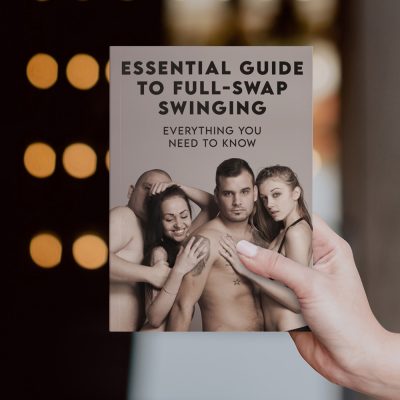
Full swap is the deep end. The rush is intense, but so is the risk of emotional wreckage. That tightening in your chest isn’t just nerves; it’s the fear that a "fun night" could become a permanent scar on your marriage. You can’t un-ring this bell, so never strike it without a plan.
The Essential Guide to Full Swap Swinging replaces reckless gambling with calculated discipline. From ironclad vetting to "emergency brake" scripts, we provide the safety architecture required to swap bodies without losing your minds. Don't just hope it goes well, engineer it

Gemini said
The fantasy is electric. The reality? It can be a grenade that blows up your marriage and your social circle. That tightening in your chest isn't just nerves. It is a warning that you are risking everything on a vibe. "Winging it" is the fastest way to turn a fun group chat into a toxic war zone.
The Essential Guide replaces the chaos with ironclad protocols. We provide the vetting tools, jealousy airlocks, and privacy scripts needed to swap bodies without losing your mind. Secure your safety first.
The fantasy of swinging is electric, but that cold sweat you feel when thinking about your partner with someone else? That’s your survival instinct warning you that your foundation is at stake. Most couples don’t fail because they lacked desire; they fail because they lacked a safety net. Ambiguity is where jealousy festers, and "winging it" is the fastest way to turn a dream into a nightmare of resentment and "what have we done?"
The Essential Guide to Swinging is your anxiety-proof roadmap through the chaos. Don't gamble your marriage on hope. Build a fortress of trust, master the repair chats, and ensure your exploration is defined by care, not a catastrophe
Full swap is the deep end. The rush is intense, but so is the risk of emotional wreckage. That tightening in your chest isn’t just nerves; it’s the fear that a "fun night" could become a permanent scar on your marriage. You can’t un-ring this bell, so never strike it without a plan.
The Essential Guide to Full Swap Swinging replaces reckless gambling with calculated discipline. From ironclad vetting to "emergency brake" scripts, we provide the safety architecture required to swap bodies without losing your minds. Don't just hope it goes well, engineer it
Must nots when talking about swinging
- Avoid assuming that your partner or others think the same way you do. Ask questions and listen.
- Avoid pressuring someone to participate or to agree to a boundary they are not comfortable with.
- Avoid sharing information in ways that embarrass someone else or break trust. Respect privacy.
- Avoid making ultimatums or threats. Healthy swinging conversations are about collaboration not coercion.
- Avoid making the discussion all about sex. Emotions time and safety are all relevant parts of the conversation.
A practical communication framework you can use
Use the CLEAR method to keep conversations constructive. C stands for check in. Begin with consent and comfort. L stands for listen fully. Do not interrupt. E stands for explain your needs and feelings in specific terms. A stands for acknowledge the other person s perspective and adjust if needed. R stands for reach an agreement that works for everyone. Then close with reassurance and next steps.
Step by step example
Step one check in with your partner. Step two listen to their concerns without arguing. Step three explain what you want and why you want it using concrete examples. Step four acknowledge the other person s perspective and adjust your request if necessary. Step five reach an agreement such as a boundary or a trial period. Step six end with how you will follow up and when you will recheck in.
Another useful framework is the CUS approach. CUS stands for concerned uneasy and safe. When you use it you express concerns clearly let your partner know you feel uneasy and state that you want to stay safe. This approach helps when emotions run high because it focuses on safety and care rather than blame.
Realistic scenarios and ready to use scripts
Scenario one. You want to meet someone new for a flirtation or a swap
Conversation starter script
- We are exploring opening our relationship for casual play with clear boundaries. Are you open to meeting us and talking about boundaries first?
- We are interested in a swap with another couple. Here are the boundaries we currently have and we would love your input.
- We value safety and communication. Before anything physical we want to share STI testing status and our plan for safer sex.
Negotiation script
- We are comfortable with kissing and touching but not with oral sex or penetration with anyone other than each other unless we both say yes.
- We would like to schedule a meet and greet with time for conversation and boundary discussion before anything else happens.
Scenario two. Talking about STI testing and safer sex before a meeting
Health status script
- We both got tested within the last month. We are clear for STIs except for one test that is still pending results we will share as soon as we have them.
- We use condoms for all penetrative sex and we are comfortable with dental dams for oral contact where applicable.
- We are open to using protective barriers and we will bring supplies to the meet up.
Scenario three. Dealing with jealousy in the moment
Jealousy management script
- I am feeling a bit jealous right now can we pause and check in for a moment?
- I love you and appreciate our open dynamic. I need a brief moment to reset but I want to continue if we both feel good about it.
- Let s revisit our boundaries and adjust if needed. Can we agree to a 15 minute check in after we resume?
Scenario four. Scheduling and time management for a busy life
Time management script
- We are both busy this month. Let s set a date that works for both of us and a plan for how to communicate if plans change.
- We prefer short windows for play with clear check ins. If we want a longer session we will plan in advance and discuss consent again.
Scenario five. Aftercare planning
Aftercare script
- We will take twenty minutes after the encounter to check in. We will share how we felt and what we enjoyed.
- We will offer reassurance and hold space for any discomfort that might come up later in the week.
- We will plan a follow up conversation to ensure both of us feel safe and respected moving forward.
Practical tips for better swinging conversations
- Schedule dedicated conversations. Do not try to negotiate major boundaries during a stressful moment.
- Keep conversations face to face when possible. Text and DMs can mislead tone and intent.
- Be specific about what you want and what you do not want. Vague statements lead to confusion.
- Use neutral language that describes actions rather than labeling people. Focus on behaviors and boundaries.
- Confirm understanding. A simple recap at the end helps ensure everyone is on the same page.
- Encourage questions. Answer with patience and clarity and invite ongoing dialogue.
- Document agreements in a shared way such as a note you both can refer back to. This reduces miscommunication over time.
Safety rituals and ongoing care for safer swinging
Regular check ins are the backbone of a safe dynamic. Schedule periodic boundary reviews even if nothing has changed. Health checks matter. Agree to share STI testing results and to maintain safe sex practices. Keep a small kit with condoms dental dams lube and clean wipes in your bag or car for on the go safety. If someone feels unwell or unsure about protection a pause is a good idea until everyone is comfortable again. Consider creating a simple checklist you both follow before meeting someone new. The checklist can include consent status boundaries health status and agreed activities.
Handling jealousy and building compersion muscles
Jealousy is a signal not a verdict. It shows you what matters to you and where you feel insecure. When jealousy shows up use it as data. Start with naming the feeling and then describe the trigger. After that talk about what would help you feel safe. Compersion can be cultivated by celebrating your partner s pleasure and recognizing the trust that keeps your bond strong. Acknowledge your partner s autonomy while you take care of your own emotional needs. Remember that your relationship does not rely on others you both still own your own happiness and well being.
Common mistakes and how to avoid them
- Ignoring boundaries or assuming a partner knows what you want. Always ask and confirm.
- Letting a single encounter dictate the relationship. Swinging is an ongoing conversation not a one time event.
- Assuming safety is automatic. Be proactive about testing and protection and about consent checks.
- Rushing negotiations to please others. Take enough time to think through your own needs and limits.
- Overcomplicating things with language or rules that feel rigid. Keep it simple and revisit rules as needed.
Building a culture of open honest communication
Good swinging communication starts long before the first date. It grows through regular conversations about desires boundaries and feelings. Build rituals that reinforce trust such as a weekly check in a monthly boundary review or an aftercare mini session after social events. Create a space where both people feel heard valued and safe. When the healthiest conversations happen there is less risk of missteps and more room for joy and discovery.
Tools and resources that can help
Use practical tools to support communication. A simple shared note or document can track boundaries and any changes. A calendar for scheduling play sessions helps reduce stress and keeps expectations clear. A health and safety checklist ensures everyone stays informed about testing protection and risk levels. It is okay to use apps or tools designed for dating open relationships as long as privacy and consent are respected. Remember that no tool replaces honest human conversation.
Putting it all together
The core idea is simple. Talk early and often about what you want what you are comfortable with and how you will protect yourselves and others. Make space for emotions even the tough ones. Treat your partner s boundaries with respect and expect the same in return. As you practice these skills your swinging experiences become safer more enjoyable and less stressful for everyone involved. Ground your conversations in empathy clarity and consent. You will see that strong communication changes the quality of the experiences you share with your partner and with others.
Glossary of useful terms and acronyms
- Ethical non monogamy An umbrella term for relationship styles that involve ethical agreements to form intimate or sexual connections with others outside the primary couple.
- Swinging A form of ENM where couples swap partners for sexual activities under agreed boundaries and conditions.
- Consent A clear ongoing agreement to participate in a specific activity which can be withdrawn at any time.
- SSC Safe Sane Consensual a framework focusing on safety sanity and consent.
- RACK Risk Aware Consensual Kink a framework used by some to acknowledge and manage risk in a consensual activity.
- STI Sexually Transmitted Infection a health issue that can be prevented with safer sex practices and regular testing.
- Boundaries Personal limits that specify what is allowed and what is not allowed in a given activity or relationship.
- Aftercare The time after an encounter to check in feel secure and process emotions together.
- Jealousy A natural emotional response that can be managed with communication support and self awareness.
- Compersion Positive feelings of joy or pleasure when a partner experiences happiness with someone else.
Frequently asked questions
What should I do first if my partner starts talking about swinging
Listen with curiosity. Ask questions to understand their motivations and boundaries. Share your own thoughts honestly and set a time to discuss more deeply when you both feel ready.
How do we start a conversation about swinging safely
Choose a calm moment and use a simple framework. State your intention to explore together. Share boundaries and check for your partner s comfort level. Agree to revisit the conversation soon and keep things light until you both feel ready for a deeper discussion.
What if we disagree on boundaries
Acknowledge the disagreement and look for areas of alignment. Propose a trial period with a clear stop and start point and a plan to recheck. If needed bring in a neutral third party such as a therapist or a trusted friend to help facilitate the conversation.
How do we handle jealousy without blaming the other person
Name the emotion and the trigger without attacking your partner. Use I statements and avoid accusations. Discuss needs and propose practical adjustments such as new boundaries or more time together as a couple to rebuild trust.
Should we tell others about our swinging dynamic
Only share what you both feel comfortable sharing. Some couples keep things private while others are open with close friends or a support network. If you choose to share consider how it could impact relationships and protect privacy where necessary.
How often should we check in about boundaries
Make it a regular practice. A quick check in monthly or after a significant event can help catch changes early. If plans shift or feelings shift adjust boundaries accordingly and with care.
What is the best way to discuss STI status
Be direct and nonjudgmental. Share your latest test results and discuss timing. Agree on a plan for using protection and for sharing updates in a timely manner as health status changes.
How do we approach aftercare after a date or encounter
Set aside time for a debrief. Share what you enjoyed and what you would want to adjust next time. Offer reassurance and listen to what your partner needs. If emotions run high consider a longer debrief later or consult a therapist together if needed.
Don't let a "Soft Swap" night turn into a "Hard Feelings" morning.
Walking into the club with different expectations is a grenade waiting to explode. He thinks it’s a free-for-all; she thinks it’s just drinks and dancing. That silence in the car ride home? That’s the sound of a preventable disaster.
Stop guessing. Use this tool to sync your "sexual GPS" before you leave the driveway. Determine exactly how wild you’re getting tonight, so the only surprise is how much fun you have.
The fantasy of swinging is electric, but that cold sweat you feel when thinking about your partner with someone else? That’s your survival instinct warning you that your foundation is at stake. Most couples don’t fail because they lacked desire; they fail because they lacked a safety net. Ambiguity is where jealousy festers, and "winging it" is the fastest way to turn a dream into a nightmare of resentment and "what have we done?"
The Essential Guide to Swinging is your anxiety-proof roadmap through the chaos. Don't gamble your marriage on hope. Build a fortress of trust, master the repair chats, and ensure your exploration is defined by care, not a catastrophe
Full swap is the deep end. The rush is intense, but so is the risk of emotional wreckage. That tightening in your chest isn’t just nerves; it’s the fear that a "fun night" could become a permanent scar on your marriage. You can’t un-ring this bell, so never strike it without a plan.
The Essential Guide to Full Swap Swinging replaces reckless gambling with calculated discipline. From ironclad vetting to "emergency brake" scripts, we provide the safety architecture required to swap bodies without losing your minds. Don't just hope it goes well, engineer it
Gemini said
The fantasy is electric. The reality? It can be a grenade that blows up your marriage and your social circle. That tightening in your chest isn't just nerves. It is a warning that you are risking everything on a vibe. "Winging it" is the fastest way to turn a fun group chat into a toxic war zone.
The Essential Guide replaces the chaos with ironclad protocols. We provide the vetting tools, jealousy airlocks, and privacy scripts needed to swap bodies without losing your mind. Secure your safety first.
The fantasy of swinging is electric, but that cold sweat you feel when thinking about your partner with someone else? That’s your survival instinct warning you that your foundation is at stake. Most couples don’t fail because they lacked desire; they fail because they lacked a safety net. Ambiguity is where jealousy festers, and "winging it" is the fastest way to turn a dream into a nightmare of resentment and "what have we done?"
The Essential Guide to Swinging is your anxiety-proof roadmap through the chaos. Don't gamble your marriage on hope. Build a fortress of trust, master the repair chats, and ensure your exploration is defined by care, not a catastrophe
Full swap is the deep end. The rush is intense, but so is the risk of emotional wreckage. That tightening in your chest isn’t just nerves; it’s the fear that a "fun night" could become a permanent scar on your marriage. You can’t un-ring this bell, so never strike it without a plan.
The Essential Guide to Full Swap Swinging replaces reckless gambling with calculated discipline. From ironclad vetting to "emergency brake" scripts, we provide the safety architecture required to swap bodies without losing your minds. Don't just hope it goes well, engineer it
