
Core Ethics of Swinging Culture


Welcome to a down to earth, straight talking exploration of the core ethics that keep swinging culture healthy and respectful. This guide is designed for couples and individuals who want to understand the ethical foundations of ethical non monogamy in the swinging dynamic. Think of it as a practical playbook written in plain language with no mystique and zero judgment. We will unpack what consent really means in this space how to negotiate boundaries and what respectful behavior looks like in real life scenarios. If you are curious about how to navigate swinging and ENM with honesty humor and humility you are in the right place.
Quick Links to Useful Sections
- What swinging is and is not
- Core ethical principles for swinging culture
- Enthusiastic consent is not a one time checkbox
- Boundaries and agreements matter more than feelings
- Communication transparency is the fuel of healthy ENM
- Respect for partner autonomy and the autonomy of others
- Privacy confidentiality and discretion
- Equality and avoidance of coercion
- Honoring agreements even when it is tough
- Jealousy compersion and emotional management
- Health safety ethics and risk management
- Negotiation frameworks that work in the swinging world
- Step one define the scope
- Step two set safety and consent mechanics
- Step three establish aftercare and accountability
- Scenarios examples and scripts that feel real world
- Scenario A An open invitation to a new couple
- Scenario B A partner develops feelings for a non primary partner
- Scenario C A violation of a boundary
- When things go wrong and how to recover gracefully
- Social and community norms what to expect from the swing world
- Glossary of useful terms and acronyms
- Practical tips for living ethically in swinging culture
- Putting it into practice creating your own ethics guide
- Closing thoughts from The Monogamy Experiment
- Frequently asked questions
Before we dive in a quick note on terms. ENM stands for Ethical Non Monogamy a broad umbrella that covers relationships where all partners consent to non conventional arrangements. Swinging is a subset of ENM usually involving couples exploring sexual experiences with other couples or singles often in social or party oriented settings. Swinging does not automatically imply romance or long term relationships with other partners. The ethics we discuss here apply whether you swing casually or with a view toward longer term connections. Throughout this guide we explain terms and acronyms so you can skim and still come away with a clear understanding of what is expected from everyone involved.
What swinging is and is not
Swinging is a consensual activity that may involve one or more couples exchanging partners for sexual experiences. The emphasis is on mutual consent communication and safety. It is not a practice that arranges secret affairs behind a partner's back. It is not about hurting someone or pressuring another adult into something they do not want. In the right conditions swinging can be a joyful shared adventure that strengthens trust and intimacy between partners while expanding understanding of desire and boundaries.
Key distinctions you should know include:
- Swinging commonly centers on sexual experiences outside a primary relationship while preserving the primary bond or commitment.
- ENM can include emotional connections and ongoing relationships with other people in some configurations but swinging typically emphasizes sexual experiences rather than dating or romantic partnerships.
- All participants must give enthusiastic consent and have the ability to revoke consent at any time without consequence.
- Rules boundaries and expectations are negotiated in advance and revisited as needed.
Core ethical principles for swinging culture
We can break ethics down into practical daily building blocks. Think of these as the operating system for your swinging life. They are not lofty theories they are things you can put into practice this week.
Enthusiastic consent is not a one time checkbox
Consent in swinging means a clear unambiguous yes from all involved parties every time an activity takes place. It is not enough to have said yes in the past. Agencies boundaries and desires can shift from day to day and moment to moment. A healthy swing dynamic checks in continuously asking questions like Do you want to continue Do you want to pause or stop Do you want to switch to a different activity. This ongoing dialogue creates safety and trust and reduces the chance of pressure or coercion.
In practice this means:
- Always obtain clear yes before introducing a new partner or changing the activity.
- Respect soft borders and hard limits and be prepared to pause adapt or stop as requested.
- Use explicit communication even for things that seem obvious to you. Words matter and clarity matters more than assumptions.
Boundaries and agreements matter more than feelings
Boundaries are the honest agreements that shape how you swing. They can be about safety sexual activity locations time spent with others or emotional boundaries around affection or touch. The key is to write them down or at least discuss them in a clear way and revisit them regularly. Boundaries are not cages they are mutual guard rails that protect all people involved and help prevent misunderstandings.
Guidelines for setting boundaries:
- Identify soft limits and hard limits and name them explicitly.
- Include all primary partners in the boundary setting process whenever possible.
- Establish a process for revising boundaries as feelings and circumstances change.
- Document boundaries in a shared space such as a note or a simple agreement to avoid miscommunication.
Communication transparency is the fuel of healthy ENM
Open honest and timely communication is non negotiable in swinging culture. You want accurate information about desires fears and changes in plans. You want to understand what is working and what is not and you want a safe space to discuss difficult topics without fear of judgment or retaliation. Transparency includes sharing information about new partners and ongoing relationships when appropriate. It also means being clear about the reasons for decisions even when they are uncomfortable to discuss.
Practical communication tips include:
- Set up regular check in times with your partner to discuss how you both feel about the dynamic.
- Use non blaming language when discussing difficult feelings such as jealousy or insecurity.
- Share important updates about sexual health that could affect participants safety.
- Be specific about plans including who where and when activities will occur.
Respect for partner autonomy and the autonomy of others
Every person involved retains agency and the right to change their mind at any point. Respecting autonomy means accepting when a partner wants to pause stop or revoke consent even if others are ready to continue. It also means respecting the autonomy of potential partners outside your main relationship and honoring their boundaries and desires even if they differ from your own.
Respect also includes privacy. Do not disclose identifying details about others without explicit consent. This is not only ethical it protects people from harm and from unwanted consequences in their personal lives.
Privacy confidentiality and discretion
Discretion is a common value in swinging communities and it protects all participants. The need for privacy applies to personal details names intimate experiences and contact information. Some people share their experiences publicly and others choose to keep things private. Always respect the expectations set by each person involved and avoid pressuring someone into sharing more than they want. If you are running a public event or social space consider clear rules about what can be shared publicly and what must remain private.
Equality and avoidance of coercion
Ethical swinging requires that no one is pressured into anything they do not want to do. This means not using guilt manipulation or social pressure to gain consent. It also means actively listening to and validating concerns offered by any participant. If someone feels uncomfortable or unsafe the right move is to pause cancel or re negotiate. Equality also means sharing responsibilities for safety finances and aftercare equally or as agreed by all involved.
Honoring agreements even when it is tough
agreements may be simple or complex. The core idea is to show up for the commitments you made to your partner and to others who agreed to swing with you. If plans change due to life events or feelings shifting the ethical move is to communicate early honestly and collaboratively adjust the agreement to reflect the current reality. Keeping trust intact is more important than winning an argument or proving a point.

Don't let a "Soft Swap" night turn into a "Hard Feelings" morning.
Walking into the club with different expectations is a grenade waiting to explode. He thinks it’s a free-for-all; she thinks it’s just drinks and dancing. That silence in the car ride home? That’s the sound of a preventable disaster.
Stop guessing. Use this tool to sync your "sexual GPS" before you leave the driveway. Determine exactly how wild you’re getting tonight, so the only surprise is how much fun you have.

The fantasy of swinging is electric, but that cold sweat you feel when thinking about your partner with someone else? That’s your survival instinct warning you that your foundation is at stake. Most couples don’t fail because they lacked desire; they fail because they lacked a safety net. Ambiguity is where jealousy festers, and "winging it" is the fastest way to turn a dream into a nightmare of resentment and "what have we done?"
The Essential Guide to Swinging is your anxiety-proof roadmap through the chaos. Don't gamble your marriage on hope. Build a fortress of trust, master the repair chats, and ensure your exploration is defined by care, not a catastrophe
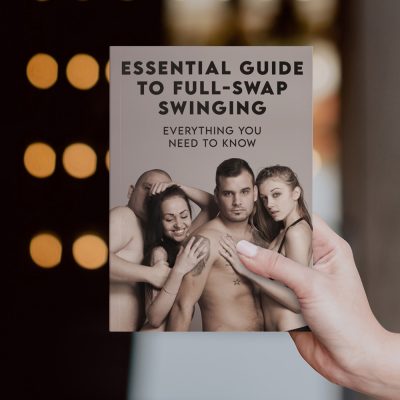
Full swap is the deep end. The rush is intense, but so is the risk of emotional wreckage. That tightening in your chest isn’t just nerves; it’s the fear that a "fun night" could become a permanent scar on your marriage. You can’t un-ring this bell, so never strike it without a plan.
The Essential Guide to Full Swap Swinging replaces reckless gambling with calculated discipline. From ironclad vetting to "emergency brake" scripts, we provide the safety architecture required to swap bodies without losing your minds. Don't just hope it goes well, engineer it

Gemini said
The fantasy is electric. The reality? It can be a grenade that blows up your marriage and your social circle. That tightening in your chest isn't just nerves. It is a warning that you are risking everything on a vibe. "Winging it" is the fastest way to turn a fun group chat into a toxic war zone.
The Essential Guide replaces the chaos with ironclad protocols. We provide the vetting tools, jealousy airlocks, and privacy scripts needed to swap bodies without losing your mind. Secure your safety first.
The fantasy of swinging is electric, but that cold sweat you feel when thinking about your partner with someone else? That’s your survival instinct warning you that your foundation is at stake. Most couples don’t fail because they lacked desire; they fail because they lacked a safety net. Ambiguity is where jealousy festers, and "winging it" is the fastest way to turn a dream into a nightmare of resentment and "what have we done?"
The Essential Guide to Swinging is your anxiety-proof roadmap through the chaos. Don't gamble your marriage on hope. Build a fortress of trust, master the repair chats, and ensure your exploration is defined by care, not a catastrophe
Full swap is the deep end. The rush is intense, but so is the risk of emotional wreckage. That tightening in your chest isn’t just nerves; it’s the fear that a "fun night" could become a permanent scar on your marriage. You can’t un-ring this bell, so never strike it without a plan.
The Essential Guide to Full Swap Swinging replaces reckless gambling with calculated discipline. From ironclad vetting to "emergency brake" scripts, we provide the safety architecture required to swap bodies without losing your minds. Don't just hope it goes well, engineer it
Jealousy compersion and emotional management
Jealousy is a natural human emotion and swinging does not magically erase it. The difference is how you respond to jealousy. Compersion the feeling of joy from your partner s happiness with someone else is a concept many swing couples strive to cultivate. You can build more compersion by practicing empathy direct communication and celebrating the relationship you have with your partner while recognizing the attraction your partner has to others is not a threat to your bond.
Strategies to manage emotional complexity include:
- Label your emotions accurately and share them with your partner in a non accusatory way.
- Schedule dedicated time for couple bonding away from the swinger scene so your relationship remains the main focus.
- Agree on time frames for interactions with others so your primary relationship stays central.
- Develop a body language and verbal cue system for signaling discomfort without derailing the moment.
If jealousy spikes escalate the conversation seek a pause pause chosen by both partners then reopen the topic with fresh eyes. If needed consider taking a break from swinging while you process and reevaluate boundaries. The goal is not to avoid jealousy at all costs but to transform it into information that helps you both grow as a couple.
Health safety ethics and risk management
Health and safety are not afterthoughts in ethical swinging. They are essential. This includes sexual health testing clear communication about status protective practices and a proactive stance on safety for all partners and potential partners.
Key health ethics practices include:
- Agree on condom use and protective barriers for sexual acts that carry STI risks including oral sex and other intimate activities.
- Discuss and agree on testing frequency and what happens if a partner tests positive for an STI.
- Share health information honestly while respecting privacy and boundaries as appropriate.
- Keep clean toys and use new supplies when switching partners or changing acts and follow good hygiene practices.
- Be mindful of alcohol and drug use which can impair judgment and lead to boundary violations or miscommunication.
Screening and consent about health is not about policing others it is about safety fairness and respect for everyone involved. If you feel uncomfortable with a partner s health status or a proposed activity that is fine to say no and to propose alternatives that keep everyone's safety in mind.
Negotiation frameworks that work in the swinging world
Negotiation is how you move from a vague desire to a concrete plan that respects everyone involved. A good framework helps you avoid miscommunication and power imbalances. Here is a practical three step approach that many couples find useful.
Step one define the scope
Agree on what is on the table and what is off limits. This includes places events types of activities and levels of intimacy. For some couples the scope is sexual acts inside a private home only while others may allow club settings group play or specific activities with certain people. The important part is clarity and mutual agreement.
Step two set safety and consent mechanics
Decide how you will check in during the experience and what counts as consent for new activities. Consider using check in intervals and a system for pausing or stopping if someone feels uncomfortable. It can be helpful to have a contract style document or a shared digital note that you can add to over time and revisit when needed.
Step three establish aftercare and accountability
Aftercare is the attention given to each other after a swinger encounter. It might be a quiet conversation a cuddle a text message or a longer debrief. Aftercare helps partners process emotions and reinforces the bonds that the experience can strengthen. It also provides space to adjust future plans based on what you learned.
Scenarios examples and scripts that feel real world
Let us walk through a few realistic situations you might encounter and how to handle them with ethics in mind. These are not perfect scripts but starting points you can tailor to your voice and your relationships.
Scenario A An open invitation to a new couple
Two partners in a primary relationship hear about a couple at a social event who seem aligned with their values. They want to approach them with respect and transparency. How to handle it well is to first discuss together what they hope to gain and what would count as a friendly connection that could lead to more. Then approach the other couple with a clear intro that expresses shared values and asks for consent to continue a conversation. If either party seems hesitant the respectful move is to pause and offer to reconnect later or to withdraw politely.
Scenario B A partner develops feelings for a non primary partner
If one partner finds themselves forming a strong emotional bond with someone else the ethical move is to pause and discuss the emerging feelings. They should consider whether this is a situation for a new relationship outside the primary couple or if it remains a casual arrangement. Both partners should be involved in the decision making and determine how this affects boundaries and future plans. Communication is essential and it may involve renegotiation or the creation of a new set of rules that protects everyone involved.
Scenario C A violation of a boundary
Boundaries are not optional. If a boundary is crossed the responsible action is immediate open honest communication and a pause to reassess the dynamic. The couple should talk about what happened what went wrong and what changes in behavior or rules are needed to prevent recurrence. If necessary a temporary or permanent break from swinging might be the best path forward for healing and growth.
When things go wrong and how to recover gracefully
Ethical swinging requires humility and accountability. Mistakes happen. The goal is to own them apologize where needed and take concrete steps to repair trust. Recovery looks like transparent communication a willingness to adjust boundaries and ongoing commitment to the relationship you have with your partner. In some cases professional guidance from a sex therapist or couples counselor can be a valuable resource to help navigate complex dynamics and rebuild trust after a setback.
Social and community norms what to expect from the swing world
Swinging communities have their own norms and cultures. Most are built on consent respect honesty and kindness. You will encounter diverse people with different boundaries experiences and levels of involvement. The best approach is to show up with curiosity not judgment. Ask questions learn from others and share what you know in a constructive way. Remember that what works for one couple may not work for another and that is perfectly okay as long as it is consensual and ethical.
Glossary of useful terms and acronyms
- ENM Ethical Non Monogamy a framework where multiple intimate relationships are conducted with honesty and consent.
- Swinging Couples or individuals exploring sexual experiences with others often in social environments or private settings while maintaining primary commitments.
- Consent An enthusiastic explicit ongoing agreement to participate in a specific activity.
- Boundaries Explicit rules about what is allowed what is not and how far you are willing to go.
- Soft limits Things you are willing to try but with caution or conditional on certain circumstances.
- Hard limits Things you will not do under any circumstances.
- Boundary negotiation The process of discussing and agreeing on what is permissible and what is not.
- Jealousy An emotional response to perceived threats to a valued relationship usually involving insecurity fear or anger.
- Compersion The feeling of joy when your partner experiences happiness with someone else.
- Aftercare Attentive supportive actions after an intimate encounter to help partners feel safe and connected.
- STI Sexually transmitted infection a health condition transmitted through sexual activity.
- NSFW Not safe for work content caution advised depending on context.
Practical tips for living ethically in swinging culture
- Carry a small note or a digital reminder with your agreed boundaries so you can reference them during conversations or encounters.
- Have a trusted friend or a counselor you can talk to if a situation raises difficult feelings or questions about consent or safety.
- Keep a simple health plan including regular STI testing and open dialogues about results with all involved partners.
- Always prefer face to face discussions for important agreements even if it feels uncomfortable.
- Respect privacy and do not pressure someone to reveal details about others or their intimate life.
- Remember that the main relationship deserves ongoing attention and care even while exploring with others.
Putting it into practice creating your own ethics guide
One of the best ways to keep swinging ethical is to write down a shared ethics guide with your partner and any other primary participants. This guide should include your core values your consent language your negotiation process and a plan for handling conflicts. Review this guide at least quarterly or whenever the dynamic changes and make updates as needed. This is not a rigid contract it is a living document that helps you stay aligned with the respect you want in your life.
Closing thoughts from The Monogamy Experiment
We are all learning as we go. Swinging culture exists to help people explore desire while keeping dignity respect and consent at the center. The ethical compass we adopt today will shape the trust we have tomorrow. If you take away one idea from this guide let it be this: consent can never be presumed it must be earned with clear words and ongoing attention. Boundaries are not walls that trap us they are bridges that hold us safe as we walk toward shared experiences. Communication is the engine that keeps moving forward even when the road gets bumpy. And respect is the quiet force that allows everyone involved to feel valued and heard. If we can hold onto these ideas we can enjoy the adventure of swinging with more confidence clarity and care than ever before.
Frequently asked questions
Below are common questions people ask about the ethics of swinging culture in ENM. If your question isn t here drop us a line and we will add it with a thoughtful answer.
What is the main difference between swinging and polyamory
Swinging usually focuses on sexual experiences with other people while maintaining primary emotional commitments within a couple. Polyamory centers on forming intimate emotional relationships with multiple people often with ongoing romantic connections. Both are forms of ethical non monogamy when consent boundaries and open communication are in place.
What does enthusiastic consent look like in practice
Enthusiastic consent is a clear affirmative yes from all parties before any activity. It means checking in during the encounter for ongoing agreement and being ready to pause stop or change the plan if anyone hesitates or expresses doubt. Great communication helps ensure everyone feels safe and respected.
How should I handle jealousy in a swinging dynamic
Normal human feelings help you grow if you handle them honestly. Name the emotion share it with your partner and discuss how the two of you can respond. Sometimes a pause or a shift in boundaries is the best move. Over time many couples discover ways to cultivate compersion and celebrate their partners happiness with others.
Are there universal rules for all swingers
No universal rules fit every couple or group. The ethical baseline is consent openness respect and safety. Each relationship negotiates its own boundaries and expectations. The key is that everyone involved agrees to and understands the rules and that those rules are revisited regularly as the dynamic evolves.
How can we keep health and safety at the top of mind
Agree on testing schedules discuss results in a non judgmental way and stay current on vaccines and prevention methods. Use condoms or barriers where appropriate and maintain clean practices for toys and shared spaces. If someone falls ill or tests positive for an STI remove themselves from group activity until cleared by health professionals.
Is swinging ethical if one partner wants out
Yes it is ethical when the partner who wants out is respected and the plans are adjusted accordingly. The ideal response is to pause discuss the situation and openly renegotiate boundaries or the structure of the relationship to ensure both partners feel safe and supported.
How can we talk about a new potential partner respectfully
Start with a calm invitation that centers consent and comfort for all. Share why you are curious what boundaries might apply and how communication will stay open. If any party has concerns it is appropriate to pause and revisit the discussion at a later time or skip the connection entirely.
What should we do if we break a boundary
First acknowledge what happened without blame. Apologize sincerely and take responsibility for your part. Then discuss how to prevent a recurrence and whether you need to adjust boundaries or the process for seeking new experiences. Consider seeking guidance from a professional if you struggle to rebuild trust.
How do we protect privacy when sharing stories about swinging
Respect confidentiality and avoid naming others without explicit consent. If you share experiences publicly choose composite scenarios or obtain permission from everyone involved. The best practice is to tell only what is necessary and keep the rest private unless all parties agree to disclose more.
Don't let a "Soft Swap" night turn into a "Hard Feelings" morning.
Walking into the club with different expectations is a grenade waiting to explode. He thinks it’s a free-for-all; she thinks it’s just drinks and dancing. That silence in the car ride home? That’s the sound of a preventable disaster.
Stop guessing. Use this tool to sync your "sexual GPS" before you leave the driveway. Determine exactly how wild you’re getting tonight, so the only surprise is how much fun you have.
The fantasy of swinging is electric, but that cold sweat you feel when thinking about your partner with someone else? That’s your survival instinct warning you that your foundation is at stake. Most couples don’t fail because they lacked desire; they fail because they lacked a safety net. Ambiguity is where jealousy festers, and "winging it" is the fastest way to turn a dream into a nightmare of resentment and "what have we done?"
The Essential Guide to Swinging is your anxiety-proof roadmap through the chaos. Don't gamble your marriage on hope. Build a fortress of trust, master the repair chats, and ensure your exploration is defined by care, not a catastrophe
Full swap is the deep end. The rush is intense, but so is the risk of emotional wreckage. That tightening in your chest isn’t just nerves; it’s the fear that a "fun night" could become a permanent scar on your marriage. You can’t un-ring this bell, so never strike it without a plan.
The Essential Guide to Full Swap Swinging replaces reckless gambling with calculated discipline. From ironclad vetting to "emergency brake" scripts, we provide the safety architecture required to swap bodies without losing your minds. Don't just hope it goes well, engineer it
Gemini said
The fantasy is electric. The reality? It can be a grenade that blows up your marriage and your social circle. That tightening in your chest isn't just nerves. It is a warning that you are risking everything on a vibe. "Winging it" is the fastest way to turn a fun group chat into a toxic war zone.
The Essential Guide replaces the chaos with ironclad protocols. We provide the vetting tools, jealousy airlocks, and privacy scripts needed to swap bodies without losing your mind. Secure your safety first.
The fantasy of swinging is electric, but that cold sweat you feel when thinking about your partner with someone else? That’s your survival instinct warning you that your foundation is at stake. Most couples don’t fail because they lacked desire; they fail because they lacked a safety net. Ambiguity is where jealousy festers, and "winging it" is the fastest way to turn a dream into a nightmare of resentment and "what have we done?"
The Essential Guide to Swinging is your anxiety-proof roadmap through the chaos. Don't gamble your marriage on hope. Build a fortress of trust, master the repair chats, and ensure your exploration is defined by care, not a catastrophe
Full swap is the deep end. The rush is intense, but so is the risk of emotional wreckage. That tightening in your chest isn’t just nerves; it’s the fear that a "fun night" could become a permanent scar on your marriage. You can’t un-ring this bell, so never strike it without a plan.
The Essential Guide to Full Swap Swinging replaces reckless gambling with calculated discipline. From ironclad vetting to "emergency brake" scripts, we provide the safety architecture required to swap bodies without losing your minds. Don't just hope it goes well, engineer it
