
Disability Access and Accommodation at Venues

Welcome to a down to earth guide about making swinging venues accessible and welcoming for everyone. When we talk about ethical non monogamy or ENM that is a bigger umbrella that includes swinging and other relationship styles. ENM means consenting adults exploring more than one romantic or sexual connection with clear boundaries and respect. Swinging specifically refers to couples who swap partners in social settings to explore intimacy with others. In both cases care for accessibility is not an afterthought it is a core part of creating safe and enjoyable spaces. This guide is written for organizers venue staff and attendees who want to make sure that disability access and accommodations are practical predictable and respectful. We keep things concrete with terms explained and real world tips you can use starting today.
Quick Links to Useful Sections
- What swinging ENM means for accessibility
- Key terms and acronyms you should know
- Legal and ethical framework you should know
- Assessing venue accessibility before you book
- Special considerations for swinging venues
- Privacy and consent responsibilities
- Choosing spaces within a venue
- Sound and lighting considerations
- Privacy friendly changing and support spaces
- Communication and signage
- How to communicate needs respectfully and effectively
- Practical tips for attendees with disabilities
- Tips for organizers and venue teams
- Realistic scenarios you might encounter
- Scenario one the wheelchair user who wants to join a swinging social night
- Scenario two a Deaf attendee needing ASL interpretation
- Scenario three sensory sensitivity during peak play time
- Must nots and common pitfalls
- Glossary of useful terms and acronyms
- Frequently asked questions
What swinging ENM means for accessibility
Accessibility in the ENM space means ensuring that every attendee regardless of ability can participate with dignity and without unnecessary barriers. This includes physical access like entryways seating and restrooms as well as communication accessibility such as captions sign language interpretation and quiet spaces. It also means cultural accessibility where staff understand consent inclusive language and respect for diverse bodies and experiences. Accessibility helps every person feel safe capable and included which is essential for any intimate community event.
Key terms and acronyms you should know
- ENM Ethical non monogamy a relationship framework where people pursue more than one romantic or sexual connection with consent and clear boundaries. In this article we break down accessibility within ENM events including swinging spaces.
- Swinging A dynamic within ENM where couples or individuals engage in intimate activities with other consenting adults in social settings. The focus is on communication consent and mutual respect.
- ADA The Americans with Disabilities Act a US law that requires public venues to provide reasonable accommodations for people with disabilities. Other countries have their own versions of accessibility laws with similar goals.
- ASL American Sign Language a complete visual language used by Deaf and hard of hearing people. Interpreters can translate spoken dialogue into sign language and the reverse.
- Captioning Text displayed on a screen or poster that provides a real time or pre prepared text version of spoken dialogue for Deaf and hard of hearing attendees.
- Quiet space A low stimulation area where attendees can take a break from crowds bright lights and loud sounds. This is essential for sensory sensitive individuals.
- Service animal A guide or support animal trained to assist a person with a disability. Legally recognized service animals have rights to accompany their handlers in venues.
- Accessible route A path that is free of barriers and compliant with accessibility standards so that someone using a wheelchair scooter or walker can move through a venue easily.
- Sensory friendly Environments designed to minimize overwhelming stimuli such as loud sudden noises or bright flashing lights.
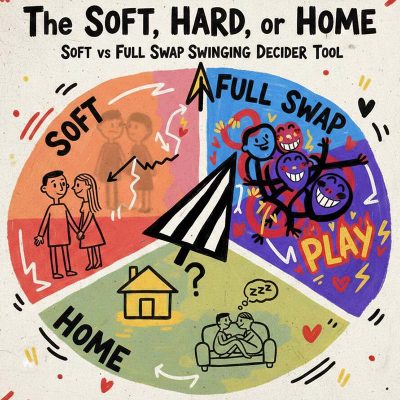
Don't let a "Soft Swap" night turn into a "Hard Feelings" morning.
Walking into the club with different expectations is a grenade waiting to explode. He thinks it’s a free-for-all; she thinks it’s just drinks and dancing. That silence in the car ride home? That’s the sound of a preventable disaster.
Stop guessing. Use this tool to sync your "sexual GPS" before you leave the driveway. Determine exactly how wild you’re getting tonight, so the only surprise is how much fun you have.
The fantasy of swinging is electric, but that cold sweat you feel when thinking about your partner with someone else? That’s your survival instinct warning you that your foundation is at stake. Most couples don’t fail because they lacked desire; they fail because they lacked a safety net. Ambiguity is where jealousy festers, and "winging it" is the fastest way to turn a dream into a nightmare of resentment and "what have we done?"
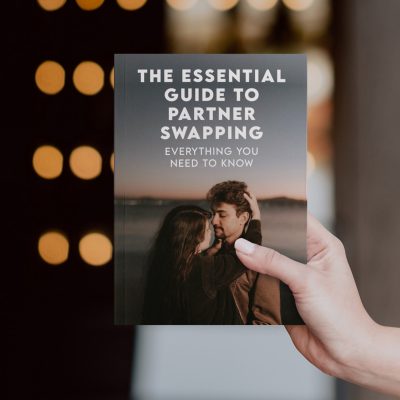
The Essential Guide to Swinging is your anxiety-proof roadmap through the chaos. Don't gamble your marriage on hope. Build a fortress of trust, master the repair chats, and ensure your exploration is defined by care, not a catastrophe
Full swap is the deep end. The rush is intense, but so is the risk of emotional wreckage. That tightening in your chest isn’t just nerves; it’s the fear that a "fun night" could become a permanent scar on your marriage. You can’t un-ring this bell, so never strike it without a plan.
The Essential Guide to Full Swap Swinging replaces reckless gambling with calculated discipline. From ironclad vetting to "emergency brake" scripts, we provide the safety architecture required to swap bodies without losing your minds. Don't just hope it goes well, engineer it
Gemini said
The fantasy is electric. The reality? It can be a grenade that blows up your marriage and your social circle. That tightening in your chest isn't just nerves. It is a warning that you are risking everything on a vibe. "Winging it" is the fastest way to turn a fun group chat into a toxic war zone.
The Essential Guide replaces the chaos with ironclad protocols. We provide the vetting tools, jealousy airlocks, and privacy scripts needed to swap bodies without losing your mind. Secure your safety first.
The fantasy of swinging is electric, but that cold sweat you feel when thinking about your partner with someone else? That’s your survival instinct warning you that your foundation is at stake. Most couples don’t fail because they lacked desire; they fail because they lacked a safety net. Ambiguity is where jealousy festers, and "winging it" is the fastest way to turn a dream into a nightmare of resentment and "what have we done?"
The Essential Guide to Swinging is your anxiety-proof roadmap through the chaos. Don't gamble your marriage on hope. Build a fortress of trust, master the repair chats, and ensure your exploration is defined by care, not a catastrophe
Full swap is the deep end. The rush is intense, but so is the risk of emotional wreckage. That tightening in your chest isn’t just nerves; it’s the fear that a "fun night" could become a permanent scar on your marriage. You can’t un-ring this bell, so never strike it without a plan.
The Essential Guide to Full Swap Swinging replaces reckless gambling with calculated discipline. From ironclad vetting to "emergency brake" scripts, we provide the safety architecture required to swap bodies without losing your minds. Don't just hope it goes well, engineer it
Legal and ethical framework you should know
Accessibility is not just good manners it is often the law. In the United States the ADA requires reasonable accommodations in many public venues to ensure access for people with disabilities. Other countries have their own laws and standards that aim to do the same thing with different rules and timelines. When you plan or host swinging events it helps to align with the spirit of these laws which is to remove barriers and provide fair access while preserving privacy and consent. In practical terms this means thinking about entry and movement through the space seating and restrooms as well as the availability of assistive services such as captioning and interpreters. It also means training staff to handle accessibility requests with tact and discretion. We emphasize consent respect and privacy because accessibility measures must empower attendees without singling anyone out or creating discomfort.
Assessing venue accessibility before you book
The best way to avoid last minute stress is to research accessibility details before showing up. Here is a practical checklist you can use when evaluating a venue for a swinging ENM event or a private gathering.
- Entrance and parking Look for curb cuts level thresholds wide automatic doors and clearly marked accessible parking spaces close to the entrance. If there is a flight of stairs check for a lift or ramp that meets safe slope requirements.
- Doorways and corridors Doors should have a wide clear opening to allow wheelchairs scooters and walkers. Corridors should be free of obstacles and have turning space where needed.
- Elevators and ramps If the venue has multiple levels verify the elevator or ramp is functional and accessible signage is in place indicating how to reach play areas restrooms and the main event space.
- Restrooms Accessible restrooms should be clearly signposted have adequate turning space grab bars and testing devices to assist safe use. Check if stalls are wide enough and if there is a sink countertop height that accommodates wheelchair users.
- Seating and rest areas There should be a mix of seating options including spaces for mobility devices. Ensure there are quiet seating zones adjacent to play spaces for breaks when needed.
- Lighting and acoustics Avoid extreme glare and provide flexible lighting options. If the room is loud consider a quiet space or reduced noise times to help attendees who are sensitive to sound.
- Signage and wayfinding Clear readable signs with high contrast and large text help everyone. Include Braille or tactile signage where possible and ensure routes to essentials are obvious.
- Assistive technology Look for captioning services for talks or performances and whether sign language interpretation can be provided on site if needed.
- Privacy and space design Ensure that accessibility features respect attendee privacy especially in intimate and changing areas. Clear policies about who can access private spaces help everyone feel secure.
- Policies on service animals Confirm the venue allows service animals and understand any guidelines about pet relief areas and safety for all attendees.
Special considerations for swinging venues
Swinging spaces bring unique realities to accessibility planning. You want spaces that support privacy safe boundary setting and comfortable social interaction while making sure practical needs do not derail the shared vibe.
Privacy and consent responsibilities
Clear consent is the cornerstone of ENM including swinging. Accessibility approaches should protect privacy while offering clear channels for requests. Communicate how attendees can discreetly request accommodations without exposing private details in crowded areas. Have a dedicated accessibility liaison or point person who can handle requests with discretion and keep information confidential.
Choosing spaces within a venue
Design the floor plan to reduce bottlenecks. Place quiet areas away from noisy play spaces but still within easy reach of bathrooms and exits. Ensure paths to play rooms are navigable for people using mobility devices and that there are resting spots along routes for breaks.
Sound and lighting considerations
Swinging events often use music and lighting that can be stimulating. Offer sensory friendly times or zones with softer lighting and reduced volume. Provide ear protection options and make sure staff can guide attendees to these zones as needed.
Privacy friendly changing and support spaces
Provide accessible changing rooms or private spaces that are easy to reach and clearly labeled. These spaces should respect privacy while giving attendees who need assistance a dignified option to change clothes or freshen up. Staff should be trained to assist without unnecessary exposure or embarrassment.
Communication and signage
Use simple language on signs and in outreach materials. Provide information in multiple formats including large print captions and if possible digital options with adjustable text size. Ensure there is a clear path to an accessibility contact who can help with on the spot requests.
How to communicate needs respectfully and effectively
When you are navigating a swinging ENM event remember that accessibility requests are normal and reasonable. Here are practical ways to communicate without awkwardness.
- Reach out before you go Send a short message to the event organizer or venue with a brief list of accommodations you may need. Many places appreciate advance notice so they can arrange interpreters captioning or a reserved accessible seating area.
- Be specific but concise Describe the exact accommodation such as a quiet space near the main event area or an accessible restroom within a short distance of the play zones. The more precise you are the easier it is to help.
- Offer to provide documentation If a venue requires documentation for certain accommodations such as captioning or ASL interpretation provide it in advance if possible. This makes the process smoother for everyone involved.
- Respect privacy Share only what is necessary for the accommodation and avoid disclosing personal medical information in public spaces.
- Follow up on the day of the event Check in with the accessibility liaison to confirm arrangements and adjust if needed without drawing attention to your needs.
Practical tips for attendees with disabilities
Whether you attend as a couple or as a solo participant the following tips help you move through a swinging event with more ease and fewer hassles.
- Do your homework Review the venue website contact details and any accessibility statements. If the information is missing consider reaching out to ask specific questions about routes restrooms seating and sensory spaces.
- Plan your arrival Allow extra time for parking and navigation inside the venue. If possible arrange for a buddy or a support person to accompany you if this makes sense for you.
- Carry what you need Bring a compact mobility aid if that helps you move. Pack water snacks and a small medical kit if required. Have a back up plan in case you cannot access a certain area on a given night.
- Use accommodations respectfully If you request a quiet space or a specific seating area keep other attendees informed only as much as needed to maintain privacy and safety.
- Communicate boundaries clearly Let partners staff and friends know what you are comfortable with in terms of space touch or privacy. Clear communication reduces pressure and misinterpretation.
- Safety first Always have a plan for how to get help if you need it. Know where staff are located and how to signal for assistance discreetly if you feel overwhelmed or unsafe.
Tips for organizers and venue teams
Organizers have a special role in making swinging ENM events accessible from the ground up. Here are practical steps to take that make a real difference.
- Make accessibility visible Include accessibility details in event listings and marketing. Mention available services such as ASL interpretation captioning quiet rooms and accessible routes so attendees can plan ahead.
- Provide an accessibility liaison Designate a staff member or volunteer as the go to person for accessibility questions. Ensure they are easy to find on event days and that they understand privacy consent and safety needs.
- Offer a range of accommodations If possible provide captioning ASL interpretation wheelchair accessible seating and private changing areas. Even simple things like low glare lighting and softer music can help a lot.
- Train staff on etiquette and consent Teach team members how to respond with respect to accommodation requests and privacy concerns. Role playing scenarios can build confidence and reduce awkward moments.
- Address safety and privacy together Balance safety policies with respect for privacy. For example have clear guidelines about how to intervene in uncomfortable situations while preserving dignity for all involved.
- Plan for sensory diversity Include quiet zones options for attendees who require lower stimulation and consider the impact of scents fireworks or loud music on sensitive individuals.
Realistic scenarios you might encounter
Let us play out a couple of typical situations and show practical ways to handle them with grace and practicality.
Scenario one the wheelchair user who wants to join a swinging social night
A couple arrives at a venue with a wheelchair user in the group. The entrance has a ramp but a door is slightly stiff. The accessibility liaison offers help opens the door and guides them to an accessible seating area near a quiet corner. The group gets a safety overview and agrees on signals for when someone wants to pause. A nearby staff member checks that restrooms are accessible and ensures a privacy curtain is available in the changing space. The group enjoys social time without feeling watched or left out and everyone can participate at the pace they are comfortable with.
Scenario two a Deaf attendee needing ASL interpretation
The event has a limited number of interpreters available. The organizer arranges ASL interpretation for the main discussion and provides real time captioning for key moments. Signs are posted on friendly signage and the interpreter is introduced in the opening remarks so the Deaf attendee can follow along from the start. Attendees understand where to stand to be within the interpreters range and the event keeps the flow so that social areas do not block access to interpretation services.
Scenario three sensory sensitivity during peak play time
A participant experiences sensory overload during a crowded moment. They retreat to a quiet space with soft lighting and lower noise levels. Staff nearby offer a water bottle and a quick check in. The group can rejoin when they feel ready, and everyone confirms a plan to respect personal space and avoid overwhelming anyone with loud sudden activity. The environment remains inclusive while still preserving the social energy and consent culture that swings communities value.
Must nots and common pitfalls
- Do not assume disability looks a certain way or expect a one size fits all solution. Accessibility is diverse and personal.
- Avoid singling someone out with announcements or public questions about their needs. Use discreet channels and respect privacy.
- Do not rely on a single person to handle every accessibility need. Build a team and train staff across shifts so coverage stays consistent.
- Avoid last minute changes that reduce accessibility on event night. Plan ahead and confirm accommodations in writing where possible.
- Do not overlook quieter spaces or sensory friendly options. These areas are essential for many attendees to participate fully.
Glossary of useful terms and acronyms
- Captioning Text translations of spoken content that help Deaf and hard of hearing attendees follow along.
- ADA The Americans with Disabilities Act a law that requires many public venues to provide reasonable accommodations. Other nations have similar protections.
- Service animal An animal trained to assist a person with a disability. Service animals are allowed in most public spaces even when pets are not.
- Accessible route A clear and navigable path free from barriers enabling movement for someone using mobility devices.
- Sensory friendly Environments designed to minimize overwhelming stimuli like loud noises or bright lights.
- Quiet space A low stimulation area intended for rest or decompression during events.
Frequently asked questions
If you want quick practical answers here we go. If you need a deeper dive you will find it in the sections above. We keep things concise and useful.
How do I verify venue accessibility before booking
Reach out to the venue or event organizer asking for details on entry routes restrooms seating accessibility and the availability of captioning or ASL interpretation. Ask for photos or a floor plan if possible and request a contact person for accessibility questions on the night of the event.
What accommodations should I request
Common accommodations include accessible seating a quiet space captioning or ASL interpretation and accessible restrooms. If you have specific needs such as wheelchair accessible changing rooms or wheel chair charging stations mention them clearly and in advance.
How can I communicate needs respectfully to staff
Use concise language describe the exact accommodation and stay solution focused. For example say I would appreciate a quiet space close to the main area or I would need captioning for the talk. Avoid sharing personal medical details unless you are comfortable doing so.
Are service animals allowed at swinging events
Service animals are generally allowed in venues even where pets are not. If you plan to bring a service animal inform the staff ahead of time and ensure there are relief areas and water access available as needed.
What if there is no ASL interpreter available
Ask if real time captioning or a written translation can be provided. If not make a note of accessibility needs to address for future events and consider recording sessions with captions for later viewing if appropriate.
How do I preserve privacy while requesting accommodations
Use discreet channels such as emailing a designated accessibility contact and avoid shouting out needs in public spaces. The contact person should handle requests confidentially and only share information with necessary staff members.
What are common accessibility features to look for in a swinging venue
Accessible entrances seating variety including space for mobility devices quiet zones sensory friendly lighting and clear signage. Availability of captioning or ASL interpretation and service animal friendly policies are also key.
How can organizers make events accessible
Include accessibility details in marketing have an accessibility liaison provide captioning ASL interpreters ensure accessible routes and restrooms and train staff on respectful communication. Test accessibility features before the event and gather feedback afterward to improve future experiences.
How should I handle sensory issues in crowded spaces
Seek a quiet space use ear protection if needed and communicate with a buddy or staff member about a plan to step away if things become overwhelming. Plan for breaks and ensure signage points attendees to the right areas without singling individuals out.
Can I bring my own equipment to improve accessibility
Yes many attendees bring items such as personal hearing aids assistive listening devices or personal mobility aids. Check with the venue about any restrictions and keep a small carry bag with essentials for easy access.
Don't let a "Soft Swap" night turn into a "Hard Feelings" morning.
Walking into the club with different expectations is a grenade waiting to explode. He thinks it’s a free-for-all; she thinks it’s just drinks and dancing. That silence in the car ride home? That’s the sound of a preventable disaster.
Stop guessing. Use this tool to sync your "sexual GPS" before you leave the driveway. Determine exactly how wild you’re getting tonight, so the only surprise is how much fun you have.
The fantasy of swinging is electric, but that cold sweat you feel when thinking about your partner with someone else? That’s your survival instinct warning you that your foundation is at stake. Most couples don’t fail because they lacked desire; they fail because they lacked a safety net. Ambiguity is where jealousy festers, and "winging it" is the fastest way to turn a dream into a nightmare of resentment and "what have we done?"
The Essential Guide to Swinging is your anxiety-proof roadmap through the chaos. Don't gamble your marriage on hope. Build a fortress of trust, master the repair chats, and ensure your exploration is defined by care, not a catastrophe
Full swap is the deep end. The rush is intense, but so is the risk of emotional wreckage. That tightening in your chest isn’t just nerves; it’s the fear that a "fun night" could become a permanent scar on your marriage. You can’t un-ring this bell, so never strike it without a plan.
The Essential Guide to Full Swap Swinging replaces reckless gambling with calculated discipline. From ironclad vetting to "emergency brake" scripts, we provide the safety architecture required to swap bodies without losing your minds. Don't just hope it goes well, engineer it
Gemini said
The fantasy is electric. The reality? It can be a grenade that blows up your marriage and your social circle. That tightening in your chest isn't just nerves. It is a warning that you are risking everything on a vibe. "Winging it" is the fastest way to turn a fun group chat into a toxic war zone.
The Essential Guide replaces the chaos with ironclad protocols. We provide the vetting tools, jealousy airlocks, and privacy scripts needed to swap bodies without losing your mind. Secure your safety first.
The fantasy of swinging is electric, but that cold sweat you feel when thinking about your partner with someone else? That’s your survival instinct warning you that your foundation is at stake. Most couples don’t fail because they lacked desire; they fail because they lacked a safety net. Ambiguity is where jealousy festers, and "winging it" is the fastest way to turn a dream into a nightmare of resentment and "what have we done?"
The Essential Guide to Swinging is your anxiety-proof roadmap through the chaos. Don't gamble your marriage on hope. Build a fortress of trust, master the repair chats, and ensure your exploration is defined by care, not a catastrophe
Full swap is the deep end. The rush is intense, but so is the risk of emotional wreckage. That tightening in your chest isn’t just nerves; it’s the fear that a "fun night" could become a permanent scar on your marriage. You can’t un-ring this bell, so never strike it without a plan.
The Essential Guide to Full Swap Swinging replaces reckless gambling with calculated discipline. From ironclad vetting to "emergency brake" scripts, we provide the safety architecture required to swap bodies without losing your minds. Don't just hope it goes well, engineer it
