
Friends With Benefits Versus Strictly Casual


Welcome to a clear eyed look at two common ways people navigate non monogamy in the swinging world. This guide breaks down what Friends With Benefits really means in a swinging setup and how that differs from strictly casual encounters. We will explain terms, share practical negotiation tips, walk through real life scenarios, and lay out concrete strategies to keep everyone safe and respected. If you are new to ethical non monogamy or you want to refine your current approach, this is written to feel like a practical chat with a friend who tells it straight and keeps the laughs coming.
Quick Links to Useful Sections
- What does ethical non monogamy mean and how does swinging fit in
- Defining Friends With Benefits in the swinging world
- What FWBs usually look like in practice
- Emotional boundaries and expectations
- Time management and practical logistics
- Safety and health considerations
- Common benefits and challenges
- Defining strictly casual in the swinging world
- What strictly casual looks like in practice
- Time management and logistics
- Where the two styles diverge and how to tell which one fits you
- Purpose and long term vision
- Emotional realities
- Negotiation style and communication patterns
- Negotiation frameworks you can use in the swinging ENM space
- Starting a conversation
- Negotiation checklist you can borrow
- Example dialogues you can adapt
- Real world scenarios and how to handle them
- Scenario one
- Scenario two
- Scenario three
- Scenario four
- Common mistakes and how to avoid them
- Health and safety first
- Building your own ENM script that fits your life
- Things to know about the swing scene and how it shapes these choices
- Glossary of useful terms and acronyms
- Frequently asked questions
What does ethical non monogamy mean and how does swinging fit in
Ethical non monogamy or ENM is a relationship style where people openly choose to have connections with more than one person with honesty and consent at the center. The exact rules vary from couple to individual but the core idea is clear communication and consent before any action. Swinging is a common branch of ENM that focuses on sexual exploration with other couples or single people outside a primary relationship. In swinging the emphasis is often on shared experiences, clear boundaries, and mutual enjoyment rather than a long term romantic commitment with each new partner.
Glossary of terms you will see a lot in this space helps us all speak the same language. We explain terms and acronyms so you know what people mean and can negotiate confidently.
- ENM Ethical Non Monogamy a label for relationship styles that involve openness with consent about forming connections with others.
- Swinging A form of ENM where couples or singles engage sexually with others, often in social settings or at play parties, with partners consenting and sometimes with predefined boundaries.
- FWB Friends With Benefits a recurring sexual arrangement with a friend or acquaintance that does not aim for a traditional committed relationship.
- Strictly casual Encounters that are brief and devoid of expectations beyond the immediate sexual activity, with no ongoing plan for future involvement.
- NSA No Strings Attached a phrase used to describe sexual encounters with no emotional obligations.
- NRE New Relationship Energy the buzz and excitement that can come when meeting someone new and starting a relationship with them.
- Soft swap A level of sexual activity that may include kissing and touching but excludes penetrative sex in some setups.
- Full swap Engaging in penetrative sex with another person or couple during a swinging encounter.
Understanding these terms helps you set the correct expectations with partners and creates a safer, more enjoyable experience. Every ENM dynamic is negotiable and unique. The point is to be honest and explicit about what you want and what you are not willing to do. When you and your partners are aligned on those basics you have a strong foundation to build from.
Defining Friends With Benefits in the swinging world
What FWBs usually look like in practice
In the swinging world a Friends With Benefits arrangement tends to be ongoing over a period of time. You might see the same person or couple repeatedly and there is typically some emotional closeness, even if it is limited. The connection might include regular sexual activity and perhaps some level of social time outside the bedroom. The key is that the relationship stays centered on sexual enjoyment with clear boundaries that you both agree to preserve. There is usually an ongoing communication loop about what each person wants and any changes to those wants over time.
FWB can feel like a middle path between casual sex and a more traditional dating dynamic. It provides more predictability than one off encounters but it does not imply a primary relationship with commitment, exclusivity, or long term planning. If you sit with it long enough you may notice that your boundaries will need regular revisiting as feelings and life circumstances change. That is normal and healthy in ENM work.
Emotional boundaries and expectations
In FWBs you often negotiate emotional boundaries with careful language. People may want some degree of emotional safety, such as regular check ins about how everyone is feeling, agreement on whether emotions like attachment or jealousy will be tackled in a specific way, and a plan for renegotiation if a partner begins to feel differently. The important part is that those conversations happen before any new arrangement begins or when you feel the need to adjust. It is often helpful to specify how much time you will invest in the friend in a given week and what kind of social interaction you expect outside the bedroom.
Time management and practical logistics
FWBs may require more time management than strictly casual encounters. If you share a calendar or you both value certain days for connection you can schedule sessions in advance. You will also want to discuss how you handle overlapping relationships and how you avoid interruptions to your primary relationship if one exists. The goal is to maintain clarity and minimize surprises. People who do this well usually keep written agreements that are revisited every few months or when major life changes occur.
Safety and health considerations
With FWBs you should agree on safety practices that everyone is comfortable with. This often includes regular STI testing, condom use, and honest discussion about health status. You may want to set expectations around kissing, oral sex, or other activities and how those may influence risk. In swinging communities clear communication around boundaries is not just polite it is essential for safety and trust. You should also discuss how you handle contraception and pregnancy risk if that is relevant for you.
Common benefits and challenges
A benefit of FWBs is that they offer companionship and regular sexual stimulation without the pressure of a full on dating scenario. They can help you explore your sexuality in a controlled way and with familiar boundaries. The challenge is the possibility of evolving feelings, jealousy, or misaligned expectations. The more you discuss those possibilities in advance the better you can adjust if needed.

Don't let a "Soft Swap" night turn into a "Hard Feelings" morning.
Walking into the club with different expectations is a grenade waiting to explode. He thinks it’s a free-for-all; she thinks it’s just drinks and dancing. That silence in the car ride home? That’s the sound of a preventable disaster.
Stop guessing. Use this tool to sync your "sexual GPS" before you leave the driveway. Determine exactly how wild you’re getting tonight, so the only surprise is how much fun you have.
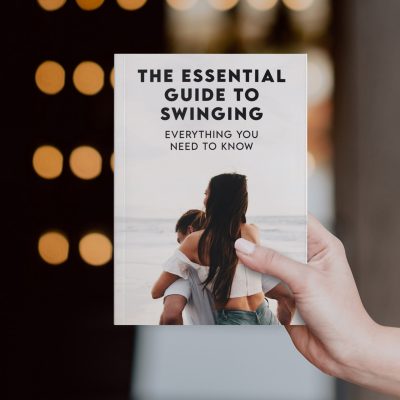
The fantasy of swinging is electric, but that cold sweat you feel when thinking about your partner with someone else? That’s your survival instinct warning you that your foundation is at stake. Most couples don’t fail because they lacked desire; they fail because they lacked a safety net. Ambiguity is where jealousy festers, and "winging it" is the fastest way to turn a dream into a nightmare of resentment and "what have we done?"
The Essential Guide to Swinging is your anxiety-proof roadmap through the chaos. Don't gamble your marriage on hope. Build a fortress of trust, master the repair chats, and ensure your exploration is defined by care, not a catastrophe
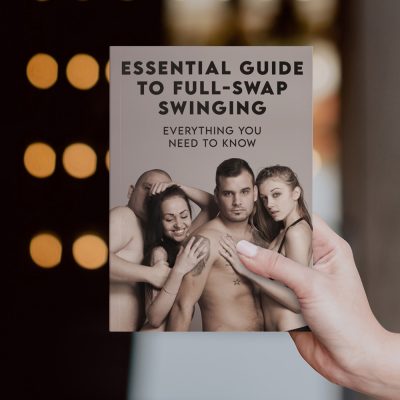
Full swap is the deep end. The rush is intense, but so is the risk of emotional wreckage. That tightening in your chest isn’t just nerves; it’s the fear that a "fun night" could become a permanent scar on your marriage. You can’t un-ring this bell, so never strike it without a plan.
The Essential Guide to Full Swap Swinging replaces reckless gambling with calculated discipline. From ironclad vetting to "emergency brake" scripts, we provide the safety architecture required to swap bodies without losing your minds. Don't just hope it goes well, engineer it
Gemini said
The fantasy is electric. The reality? It can be a grenade that blows up your marriage and your social circle. That tightening in your chest isn't just nerves. It is a warning that you are risking everything on a vibe. "Winging it" is the fastest way to turn a fun group chat into a toxic war zone.
The Essential Guide replaces the chaos with ironclad protocols. We provide the vetting tools, jealousy airlocks, and privacy scripts needed to swap bodies without losing your mind. Secure your safety first.
The fantasy of swinging is electric, but that cold sweat you feel when thinking about your partner with someone else? That’s your survival instinct warning you that your foundation is at stake. Most couples don’t fail because they lacked desire; they fail because they lacked a safety net. Ambiguity is where jealousy festers, and "winging it" is the fastest way to turn a dream into a nightmare of resentment and "what have we done?"
The Essential Guide to Swinging is your anxiety-proof roadmap through the chaos. Don't gamble your marriage on hope. Build a fortress of trust, master the repair chats, and ensure your exploration is defined by care, not a catastrophe
Full swap is the deep end. The rush is intense, but so is the risk of emotional wreckage. That tightening in your chest isn’t just nerves; it’s the fear that a "fun night" could become a permanent scar on your marriage. You can’t un-ring this bell, so never strike it without a plan.
The Essential Guide to Full Swap Swinging replaces reckless gambling with calculated discipline. From ironclad vetting to "emergency brake" scripts, we provide the safety architecture required to swap bodies without losing your minds. Don't just hope it goes well, engineer it
Defining strictly casual in the swinging world
What strictly casual looks like in practice
Strictly casual in the swinging space often means short term or one off encounters that are primarily about sexual activity with no ongoing plan for a relationship. It can involve meeting new people at a swing club, a play party, or online dating within the ENM ecosystem. The emphasis is on mutual satisfaction and clear communication about limits. There is usually no goal of deep emotional integration beyond the shared sexual experience. You may reconnect with the same people in a casual way, but there is no expectation that a lasting bond will form.
Emotional boundaries and expectations
The core of strictly casual is emotional neutrality. You are not seeking to become emotionally attached and you expect the other person to be on the same page. Of course feelings can arise any time in any relationship but the plan is to acknowledge them and address them without letting them derail the session or conflict with primary partnerships if those exist. Some people find strictly casual to be liberating because it reduces pressure. Others may feel unsatisfied if they crave more closeness. The reality is different for everyone and that is okay as long as everyone is honest about what they want.
Time management and logistics
Strictly casual encounters can be brisk. You might arrange a night out with a priority on sexual activity and little to no social time outside of the moment. You will want to coordinate logistics such as where you will meet, what activities you will engage in, and how you will maintain safety. It is common to use a timer or a simple set of pre agreed rules to avoid any misunderstandings. The quick pace of strictly casual can be appealing for busy people who want sex without a relationship overhead but it can also feel lonely for others who crave connection. Your needs matter and you should align them with your partners.
Safety and health considerations
Just like FWBs, strictly casual encounters should prioritize safety. Talk about condom use and STI testing frequency, share relevant health information honestly, and respect boundaries. If you engage with multiple partners you want to be particularly mindful about cross contamination of infections. Clear communication about limits and medical safety keeps everyone comfortable and reduces risk.
Where the two styles diverge and how to tell which one fits you
Purpose and long term vision
FWBs are more likely to evolve into ongoing arrangements with some emotional investment and regular interaction. Strictly casual interactions are typically aimed at immediate sexual fulfillment with less expectation of repetition or long term connection. Your own life path and how you feel about intimacy will shape which approach feels healthier for you. It is perfectly normal to switch approaches over time as your needs change. The key is to renegotiate with honesty when you notice a shift in your desires.
Emotional realities
Feelings do not always follow rules, and that is part of why ENM work needs ongoing communication. If you begin to notice attachment forming in a strictly casual setting you may need to reassess your boundaries or slow down. If you realize you wanted more emotional closeness from a FWB it may be time to check in with that partner and adjust the agreement. The goal is to maintain emotional safety for all involved while still enjoying the connection you have.
Negotiation style and communication patterns
The negotiation style matters a lot. FWBs often require more nuanced conversations about how often you will meet, what kinds of interactions are comfortable, and how you will handle potential shifts in feelings. Strictly casual arrangements benefit from clear but lighter conversations about boundaries, risk management, and how you will communicate if something changes. In both cases you should practice ongoing consent and revisit rules as situations evolve.
Negotiation frameworks you can use in the swinging ENM space
Starting a conversation
Begin with a calm check in and a direct statement of what you want. For example you could say I want to explore more sexual experiences with other people but I do not want to lose the closeness I share with you. What would feel comfortable to you or what would not work for you here?
Be prepared to hear no and to hear yes with modifications. The goal is to reach a plan that makes both people feel safe and respected. If the conversation is tough consider taking a break and revisiting after you both have time to reflect. The goal is continuous consent and honest communication.
Negotiation checklist you can borrow
- Identify your core needs What is the most important outcome you want from this arrangement?
- Define hard limits List activities you will not participate in under any circumstances.
- Define soft limits Activities you are open to with certain conditions or changes in the future.
- Agree on safety rules Condoms, STI testing frequency, and how you handle potential exposure or symptoms.
- Set communication boundaries How you will check in, how often, and who else should know what depending on your situation.
- Build a renegotiation plan Decide when you will revisit the agreement and how you will handle changes in feelings.
- Save a written version A simple written agreement helps prevent misunderstandings and is easy to update.
Example dialogues you can adapt
Dialogue can feel awkward at first. Here are two short templates you can customize. Use them as starting points to practice the conversation out loud or in your notes before you talk with a partner.
Template 1 for a Friends With Benefits setup
Hey I want to talk about how we handle our time with others. I enjoy our connection and I want to keep it healthy. I would like us to know exactly how often we will see other people and what boundaries apply. For example we can agree that we will not share personal information about each other with new partners and that we will check in weekly about how we feel. Does that feel fair to you?
Template 2 for a strictly casual setup
I am enjoying our time together but I am not looking for more than casual experiences right now. I want to keep things simple and respectful. I would like to agree on what activities we are comfortable with and how we will handle a change in feelings. If either of us wants something different we will talk about it openly and adjust or walk away without drama.
Real world scenarios and how to handle them
Scenario one
A couple in a long term relationship wants to add a FWBs dynamic with a trusted friend. They discuss boundaries around emotional boundaries, how often they will engage with this friend, and what constitutes safe sex. They agree to a weekly check in and to reevaluate after two months. They also agree that if either partner feels discomfort the plan can be paused or adjusted. This approach reduces stress and keeps expectations grounded.
Scenario two
Two singles in a swinger circle meet and decide to pursue strictly casual encounters. They keep expectations simple and practical. They set a rule about no kissing with new people until trust is established and they practice safe sex with regular testing. They communicate if any emotional concerns arise and choose to slow down or take a break if needed. They understand that this is a choice for now and that changes can be negotiated later.
Scenario three
A couple discovers that one partner feels more emotionally connected to a particular person than they anticipated. They pause the current arrangement and have a focused conversation about what that means for the relationship. They may decide to shift to a more chaste FWBs model or to separate from that arrangement entirely. Either way they approach the situation with honesty and a plan for moving forward that protects both partners.
Scenario four
Jealousy arises after a compare and contrast moment between a primary relationship and a new encounter. The couple uses a structured talk to describe what triggers jealousy, how to address it, and what new boundaries can reduce risk. They practice breath work and create a short cooling off period when tensions rise. This kind of approach helps prevent fragile emotions from spiraling into arguments.
Common mistakes and how to avoid them
- Assuming you know what your partner wants Always ask and confirm rather than assuming. People change and so do boundaries.
- Speeding past risk management Do not skip STI testing or skip discussing protection. Safety is part of respect for everyone involved.
- Letting emotions run unchecked If you notice jealousy or insecurity rising, pause and talk about it. Do not pretend the feelings do not exist.
- Ignoring changes in life circumstances A move, a new job, or a new family member can shift what is feasible. Revisit agreements when life changes occur.
- Overloading schedules Quality beats quantity. Do not pack every weekend with encounters. Leave room for rest and for your primary relationship if you have one.
Health and safety first
The foundation of ENM is consent and safety. Here are practical steps you can take to stay healthy while exploring FWBs or strictly casual dynamics in the swinging space.
- STI testing Agree on a testing cadence that makes sense for your activity level. Many people test every three to six months, and after a new partner enters the scene. If you have symptoms you should be tested sooner.
- Condom use Use condoms for vaginal and anal sex unless all parties are comfortable with alternatives in specific situations. Discuss lubricant choices and condom brands ahead of time.
- Disclosure Be honest about recent exposures and any health concerns. A simple update about health status helps everyone stay safe.
- Boundaries for specific acts Some people prefer soft swap only. Others are comfortable with full swap under certain conditions. These preferences should be clearly stated and respected.
- Emotional safety Emotional safety is part of physical safety. Set up a plan for aftercare or post encounter check ins if that feels right for you.
Building your own ENM script that fits your life
The best ENM scripts are not borrowed from someone else. They are crafted to fit your desires, your schedules, and your values. Here is a practical way to create your own rules without feeling boxed in by someone else choices.
- Take stock of your needs What do you want from FWBs or strictly casual connections this month or this year?
- Choose a primary relationship status If you have a primary partner, decide how much priority that relationship holds and how other connections fit in.
- Set a boundary map Draw a simple map listing acts you are willing to participate in and those you do not want at all. Leave space for updates.
- Draft a renegotiation cadence Decide how often you will revisit the agreement and what triggers a revisit.
- Document the plan A short written note can keep everyone aligned and reduce miscommunication when life gets busy.
Things to know about the swing scene and how it shapes these choices
The swinging ENM space is diverse. Some people find FWBs a steady rhythm that suits their emotional and sexual needs. Others prefer strictly casual encounters that keep sexual chemistry high without adding emotional layers. Some people blend these approaches depending on the partner or the season of life. The thing that remains constant is honesty, respectful boundaries, and consent at every turn. When you approach this dynamic with those values you create an environment where sexual exploration can happen without harming the people you care about.
Glossary of useful terms and acronyms
- ENM Ethical Non Monogamy a broad term for relationship styles that involve openness with consent about connections with others.
- Swinging Engaging sexually with others outside your primary relationship with consent and often with couples or groups.
- FWB Friends With Benefits a recurring sexual arrangement with a friend or casual acquaintance that does not aim for a traditional romantic commitment.
- Strictly casual Encounters focused on the moment with no long term commitment or expectations beyond the present.
- NSA No Strings Attached a phrase describing sexual encounters with no emotional obligations.
- NRE New Relationship Energy the excitement and rush that comes with meeting someone new.
- Soft swap A level of sexual activity that may include kissing and touching but avoids penetrative sex depending on the setup.
- Full swap Sexual activity with penetrative sex outside a primary relationship in a swinging context.
- Compersion The positive feeling you get from your partner's happiness with someone else, often described as the opposite of jealousy.
- Primary partner The person who occupies the central place in your life and often in your emotional or logistical plan.
- Negotiation The process of discussing boundaries, desires, and limits to reach a mutually acceptable arrangement.
Frequently asked questions
What is the main difference between Friends With Benefits and strictly casual in swinging ENM
FWBs are typically ongoing with set boundaries and some emotional closeness, while strictly casual encounters emphasize immediacy and a lack of ongoing commitment or emotional attachment.
Can FWBs become more than a friendship with benefits over time
Yes, it is possible for deep emotional connections to develop, especially if both people want to explore that path. If feelings shift, renegotiation is essential to keep everyone comfortable.
What about jealousy when pursuing FWBs or strictly casual in a swing setting
Jealousy is common in ENM. The antidote is open communication, clear boundaries, and a plan for what you will do if jealousy arises. Regular check ups help catch issues early.
How should I approach a conversation about these structures with a partner
Start with your values and needs, then invite your partner to share theirs. Listen actively and summarize what you heard. Propose a draft agreement and invite feedback. Be prepared to revisit and revise.
Are there safety priorities that apply to both FWBs and strictly casual
Yes. Prioritize consent, regular STI testing, safe sex practices, and honesty about health conditions. Keep lines of communication open so everyone feels respected and protected.
Is swinging compatible with monogamy or a more traditional relationship
Many people blend swinging with a primary monogamous bond. The key is explicit consent, clear boundaries, and agreements that suit both partners. If one partner is not on board, it is wise to pause and reassess before moving forward.
What should I do if I start feeling emotionally overwhelmed
Pause the activity, talk to your partner about what you feel, and decide together how to adjust the arrangement. It may involve restructuring boundaries or stepping back for a period.
How often should we renegotiate our ENM agreements
It depends on life changes and how actively you participate in ENM. A good rule is to renegotiate every few months or after any major life event. Frequent but calm check ins help keep everything healthy.
Can a strictly casual arrangement be intentionally non sexual in the future
It is possible if all parties consent and if the changes match everyone needs. Clear communication about new boundaries is essential to avoid confusion or hurt.
Don't let a "Soft Swap" night turn into a "Hard Feelings" morning.
Walking into the club with different expectations is a grenade waiting to explode. He thinks it’s a free-for-all; she thinks it’s just drinks and dancing. That silence in the car ride home? That’s the sound of a preventable disaster.
Stop guessing. Use this tool to sync your "sexual GPS" before you leave the driveway. Determine exactly how wild you’re getting tonight, so the only surprise is how much fun you have.
The fantasy of swinging is electric, but that cold sweat you feel when thinking about your partner with someone else? That’s your survival instinct warning you that your foundation is at stake. Most couples don’t fail because they lacked desire; they fail because they lacked a safety net. Ambiguity is where jealousy festers, and "winging it" is the fastest way to turn a dream into a nightmare of resentment and "what have we done?"
The Essential Guide to Swinging is your anxiety-proof roadmap through the chaos. Don't gamble your marriage on hope. Build a fortress of trust, master the repair chats, and ensure your exploration is defined by care, not a catastrophe
Full swap is the deep end. The rush is intense, but so is the risk of emotional wreckage. That tightening in your chest isn’t just nerves; it’s the fear that a "fun night" could become a permanent scar on your marriage. You can’t un-ring this bell, so never strike it without a plan.
The Essential Guide to Full Swap Swinging replaces reckless gambling with calculated discipline. From ironclad vetting to "emergency brake" scripts, we provide the safety architecture required to swap bodies without losing your minds. Don't just hope it goes well, engineer it
Gemini said
The fantasy is electric. The reality? It can be a grenade that blows up your marriage and your social circle. That tightening in your chest isn't just nerves. It is a warning that you are risking everything on a vibe. "Winging it" is the fastest way to turn a fun group chat into a toxic war zone.
The Essential Guide replaces the chaos with ironclad protocols. We provide the vetting tools, jealousy airlocks, and privacy scripts needed to swap bodies without losing your mind. Secure your safety first.
The fantasy of swinging is electric, but that cold sweat you feel when thinking about your partner with someone else? That’s your survival instinct warning you that your foundation is at stake. Most couples don’t fail because they lacked desire; they fail because they lacked a safety net. Ambiguity is where jealousy festers, and "winging it" is the fastest way to turn a dream into a nightmare of resentment and "what have we done?"
The Essential Guide to Swinging is your anxiety-proof roadmap through the chaos. Don't gamble your marriage on hope. Build a fortress of trust, master the repair chats, and ensure your exploration is defined by care, not a catastrophe
Full swap is the deep end. The rush is intense, but so is the risk of emotional wreckage. That tightening in your chest isn’t just nerves; it’s the fear that a "fun night" could become a permanent scar on your marriage. You can’t un-ring this bell, so never strike it without a plan.
The Essential Guide to Full Swap Swinging replaces reckless gambling with calculated discipline. From ironclad vetting to "emergency brake" scripts, we provide the safety architecture required to swap bodies without losing your minds. Don't just hope it goes well, engineer it
