
Jealousy in Swinging Relationships


Jealousy can feel like a storm cloud inside a thriving swinging dynamic. You might be navigating new connections, boundary conversations, and the swirl of emotions that come with sharing experiences. The goal here is not to pretend jealousy does not exist but to understand it and learn how to steer it in ways that enrich your relationship. In this guide we break down what jealousy is in the swinging world, why it pops up, and practical steps to handle it with honesty humor and good boundaries. If you are new to ethical non monogamy also called ENM this guide will explain terms and acronyms so you can follow along without getting lost in jargon. Think of this as a friendly playbook for approaching jealousy with care and clear communication.
Quick Links to Useful Sections
- What swinging means in ethical non monogamy
- Common forms of jealousy you may encounter in swinging
- Why jealousy arises specifically in swinging dynamics
- Understanding terms and acronyms used around jealousy in swinging ENM
- How jealousy typically manifests in swinging scenarios
- Practical strategies to prevent jealousy from spiraling
- 1. Start with strong foundations of communication
- 2. Build explicit agreements not vague expectations
- 3. Practice pre play planning and post play debriefs
- 4. Introduce time management boundaries
- 5. Cultivate compersion and celebrate each other s pleasures
- 6. Create a jealousy toolkit
- 7. Seek external support when needed
- Real life scenarios and how to handle them
- Scenario one A couple new to swinging feels overwhelmed when a friend couples up
- Scenario two A partner has an unexpectedly strong attraction to a new partner
- Scenario three Plans change and the schedule becomes unbalanced
- Practical tips for care during dating and play
- Safety first in swinging ENM
- How to repair a rift caused by jealousy
- A simple framework to talk about jealousy with your partner
- Glossary of useful terms and acronyms
- Frequently asked questions
What swinging means in ethical non monogamy
Before we dive deep lets set up the basics. Swinging is a form of ethical non monogamy where couples together explore sexual experiences with other couples or individuals. The emphasis is on consent communication and shared agreements. Swinging often involves explicit boundaries about what is allowed and what is off limits. It can be a couple swapping partners or a group level experience. The focus is usually on adult consent and safe sex practices. If you are new to the term ENM you are not alone. ENM stands for ethical non monogamy. It means choosing to have honest systems of dating and intimacy that involve more than one romantic or sexual partner with the consent of everyone involved. In swinging the primary relationship is often a couple rather than a single person and the rules are negotiated together with care.
Common forms of jealousy you may encounter in swinging
Jealousy shows up in many ways. Here are some typical patterns in swinging contexts and how they might feel different from renegotiation or swooping in from a different dating style.
- Attention jealousy Tuning into the idea that someone else is getting attention you want or feel you deserve. It can show up as insecurity about your own desirability or fear of being replaced.
- Time jealousy Concern that one partner spends more time or energy with another person than with you. In swinging this can show up when schedules get busy or plans feel unbalanced.
- Boundaries jealousy Feeling uneasy when a boundary feels unclear or when you sense a boundary has been tested or crossed. This can happen if communication around rules is imperfect.
- Emotional jealousy Even in swinging emotional connections can grow. You may worry about losing your partner to someone else or fear you are not enough emotionally.
- Comparative jealousy Comparison with other couples or partners who seem to be doing better or having more fun. This is a common trap in social open swinging scenes.

Don't let a "Soft Swap" night turn into a "Hard Feelings" morning.
Walking into the club with different expectations is a grenade waiting to explode. He thinks it’s a free-for-all; she thinks it’s just drinks and dancing. That silence in the car ride home? That’s the sound of a preventable disaster.
Stop guessing. Use this tool to sync your "sexual GPS" before you leave the driveway. Determine exactly how wild you’re getting tonight, so the only surprise is how much fun you have.

The fantasy of swinging is electric, but that cold sweat you feel when thinking about your partner with someone else? That’s your survival instinct warning you that your foundation is at stake. Most couples don’t fail because they lacked desire; they fail because they lacked a safety net. Ambiguity is where jealousy festers, and "winging it" is the fastest way to turn a dream into a nightmare of resentment and "what have we done?"
The Essential Guide to Swinging is your anxiety-proof roadmap through the chaos. Don't gamble your marriage on hope. Build a fortress of trust, master the repair chats, and ensure your exploration is defined by care, not a catastrophe
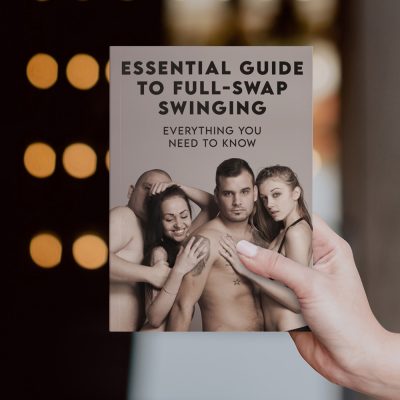
Full swap is the deep end. The rush is intense, but so is the risk of emotional wreckage. That tightening in your chest isn’t just nerves; it’s the fear that a "fun night" could become a permanent scar on your marriage. You can’t un-ring this bell, so never strike it without a plan.
The Essential Guide to Full Swap Swinging replaces reckless gambling with calculated discipline. From ironclad vetting to "emergency brake" scripts, we provide the safety architecture required to swap bodies without losing your minds. Don't just hope it goes well, engineer it
Gemini said
The fantasy is electric. The reality? It can be a grenade that blows up your marriage and your social circle. That tightening in your chest isn't just nerves. It is a warning that you are risking everything on a vibe. "Winging it" is the fastest way to turn a fun group chat into a toxic war zone.
The Essential Guide replaces the chaos with ironclad protocols. We provide the vetting tools, jealousy airlocks, and privacy scripts needed to swap bodies without losing your mind. Secure your safety first.
The fantasy of swinging is electric, but that cold sweat you feel when thinking about your partner with someone else? That’s your survival instinct warning you that your foundation is at stake. Most couples don’t fail because they lacked desire; they fail because they lacked a safety net. Ambiguity is where jealousy festers, and "winging it" is the fastest way to turn a dream into a nightmare of resentment and "what have we done?"
The Essential Guide to Swinging is your anxiety-proof roadmap through the chaos. Don't gamble your marriage on hope. Build a fortress of trust, master the repair chats, and ensure your exploration is defined by care, not a catastrophe
Full swap is the deep end. The rush is intense, but so is the risk of emotional wreckage. That tightening in your chest isn’t just nerves; it’s the fear that a "fun night" could become a permanent scar on your marriage. You can’t un-ring this bell, so never strike it without a plan.
The Essential Guide to Full Swap Swinging replaces reckless gambling with calculated discipline. From ironclad vetting to "emergency brake" scripts, we provide the safety architecture required to swap bodies without losing your minds. Don't just hope it goes well, engineer it
Why jealousy arises specifically in swinging dynamics
Swinging changes the relationship field in a few important ways. First the social circle can expand quickly. New partners mean new layers of interaction and new opinions about what is happening. Second the sexual aspect introduces vulnerabilities around desire and body image. Third the structure often relies on pre negotiated boundaries and ongoing communication which can feel like a constant audit of what is allowed and what is not. When any of those pieces feel unclear jealousy tends to rise. The key is not to pretend jealousy does not exist but to spot it early and address it with your partner in a constructive way. After all you are aiming for a dynamic where both people feel seen heard and respected.
Understanding terms and acronyms used around jealousy in swinging ENM
Some quick definitions will help you talk about this with confidence. If you already know these terms feel free to skip ahead.
- ENM Ethical non monogamy a framework that allows multiple romantic or sexual relationships with consent from everyone involved.
- Swinging A form of ENM that typically focuses on sexual experiences with other couples or individuals within negotiated boundaries.
- Monogamish A term used for couples who primarily stay monogamous but occasionally allow limited nonmonogamy with agreed rules.
- Metamour A partner of your partner who is not your romantic or sexual partner. Metamour relationships can be friendly or more distant depending on the people involved.
- Boundary A rule or limit agreed by all parties about what is and is not allowed.
- Agreement A formal or informal plan that outlines how the dynamic will operate including who is involved and what activities are allowed.
- Compersion The joy you feel when your partner experiences happiness or pleasure with someone else. Often described as the opposite of jealousy.
- Jealousy loop A pattern where jealousy triggers a reaction that feeds more jealousy for a period of time unless checked.
How jealousy typically manifests in swinging scenarios
Understanding how jealousy reveals itself can help you catch it early. Here are common patterns you might notice in real life.
- Passive withdrawal from social events or from ongoing conversations about play dates
- Reactive defensiveness when plans are discussed with others or when a partner talks about someone new
- Rationalization attempts that blame fatigue stress or external factors rather than looking at the underlying feelings
- Increased scrutiny of your partner's messages social media activity or schedules
- Desire to set stricter rules or to retreat to a more restricted dynamic
Practical strategies to prevent jealousy from spiraling
The goal is not to banish jealousy completely but to reduce its intensity and duration. Here are practical steps you can start using today.
1. Start with strong foundations of communication
Clear honest communication is the backbone of any ethical non monogamy setup. Create a routine for check ins where you both share how you are feeling and what you need. Use I statements to express your experience without blaming your partner. For example you can say I felt anxious when plans shifted last minute and I would love a quick heads up next time rather than I hate it when you make last minute plans with others. Something as simple as naming your feelings and needs can dramatically reduce the distance jealousy creates.
2. Build explicit agreements not vague expectations
Ambiguity feeds jealousy. Sit down together and write down what is allowed who can play with whom and how often. Decide how you will handle situations like a potential friend crossing a boundary. Clarify what counts as a test of a boundary and how you will react if it happens. The more concrete your agreements the less room there is for misinterpretation which feeds insecurity.
3. Practice pre play planning and post play debriefs
Before you engage in any new activity with others discuss what you want to get out of it and what would feel supportive. After the experience take a few minutes to debrief. Talk about what went well what elevation of comfort was needed and what would make the next experience smoother. This habit reduces the chance of hidden resentments building up and turning into jealousy later on.
4. Introduce time management boundaries
Time jealousy often comes from uneven attention. Agree on shared calendars set times for date nights with others and ensure you dedicate focused time to your central relationship. If one partner feels neglected you can adjust the schedule rather than escalate into a conflict. A predictable rhythm brings security and reduces jealousy triggers.
5. Cultivate compersion and celebrate each other s pleasures
Compersion is the feeling of joy when your partner experiences joy with someone else. It is a practice not an emotion that happens overnight. Try to notice small moments where your partner smiles after a date and deliberately acknowledge the warmth you feel for them. Compliment your partner on what you admire about their experiences and be genuinely happy for their growth. This mindset shift can dramatically soften jealousy.
6. Create a jealousy toolkit
Keep a short list of quick actions you both agree to when jealousy spikes. For example a 15 minute pause to breathe together a short walk a heated coffee break or a check in to review the agreements. The toolkit gives you a concrete path instead of wandering through intense feelings alone.
7. Seek external support when needed
Sometimes jealousy runs deeper than a single conversation can resolve. There is no shame in seeking help from a therapist who specializes in non monogamy or relationship coaching. A professional can help you identify patterns you may not notice and propose new strategies tailored to your unique dynamic.
Real life scenarios and how to handle them
Stories help you see how these ideas play out. Here are three realistic scenarios with practical responses you can adapt to your own life.
Scenario one A couple new to swinging feels overwhelmed when a friend couples up
In this scenario a couple has recently started swinging and another couple enters their social circle who appear very confident and smooth. One partner feels left out and worries that the new couple is becoming the main focus. The response would be to pause and discuss how each person is feeling. You could propose a temporary plan to do a shared night with the new couple plus one to ease into things and then plan a private date for the core couple to reconnect. Revisit boundaries especially around how time is allocated and how much emotional energy is expected to spend with others in the first few weeks. This approach preserves the core bond while giving room for growth with new partners.
Scenario two A partner has an unexpectedly strong attraction to a new partner
Attraction sometimes blooms quickly which can trigger jealousy. The responsible move is to reflect on your own boundaries and to communicate honestly with your partner. You might agree to a no new physical connections for a set period while you both explore feelings and re evaluate. You could also set a boundary that any new connection be discussed first and that both partners consent before any escalation. The goal is to move from fear to a plan that protects the core relationship while acknowledging the new emotional pull.
Scenario three Plans change and the schedule becomes unbalanced
Imbalance can occur when one person streams ahead with experiences while the other feels stuck. The solution is to renegotiate the calendar with both partners actively involved. You can add a weekly planning session a monthly boundary review and a reset date for any new rules. This kind of proactive planning helps everyone feel seen and reduces the frustration that jealousy feeds on.
Practical tips for care during dating and play
When you are in the moment a few practical habits can help you stay connected to your core while enjoying new experiences.
- Keep communication lines open during play with agreed signals or safe words.
- Maintain respectful touch boundaries even when you are exploring flirtation or sexual activity with others.
- Always practice safe sex and discuss STI testing schedules and contraception.
- Take time after play to check in with your partner about how you both feel and what you learned.
- Remember that jealousy is a cue not a verdict. It points to a need or a boundary that might need attention.
Safety first in swinging ENM
Safety is more than physical safety. It includes emotional safety financial safety and social safety. Keep your agreements up to date share concerns quickly and be mindful of the impact of new partners on your shared life. If anything feels off address it early. A proactive approach to safety reduces stress and makes jealousy easier to manage.
How to repair a rift caused by jealousy
If jealousy has created a rift the goal is to repair trust and return to a calmer baseline. Start with a sincere apology where you acknowledge how your actions or words affected your partner. Then outline the concrete steps you will take to avoid repeating the same issue. Offer reassurance through consistent behavior and regular check ins. Finally revisit the agreements together to minimize the chance of a similar problem arising again.
A simple framework to talk about jealousy with your partner
Below is a straightforward framework you can use in any tense moment. It keeps things concrete and compassionate.
- Describe what you felt without blame. Use statements like I felt x when y happened.
- Explain why you felt that way. Share the impact on you and on your sense of safety or security.
- State what you need now. Be specific about changes that would help you feel more secure.
- Ask for a response that is collaborative. Invite your partner to share their perspective and together decide on next steps.
Glossary of useful terms and acronyms
- ENM Ethical non monogamy a framework that supports multiple loving or sexual connections with informed consent.
- Swinging A form of ENM typically focused on sexual experiences with other couples or individuals within negotiated boundaries.
- Metamour The partner of your partner who is not your own partner.
- Boundary A rule or limit agreed by all involved about what is allowed.
- Agreement The plan that describes how the dynamic will operate including who can join what activities are allowed and how often.
- Compersion Feeling happiness when your partner experiences pleasure with someone else.
- Jealousy loop A cycle where jealousy triggers reactions that amplify the feeling until you address it.
Frequently asked questions
How common is jealousy in swinging ENM
Jealousy is very common in swinging ENM especially for people who are new to this dynamic. It is not a sign that you are failing. It is a signal that something needs attention such as communication boundaries or scheduling. With practice most couples experience less intensity over time.
What are practical steps to handle jealousy when it pops up
Start by naming what you feel and why. Have a calm conversation using I statements. Review your agreements and identify which boundary needs tightening or which boundary is missing. If needed take a brief pause from new activities to focus on rebuilding trust and safety. Then plan a renewed path that includes both partners equally.
Is compersion realistic for beginners
Compersion is achievable but it takes time. Start by celebrating small wins and acknowledging your partner s happiness. It can be boosted by practicing gratitude and focusing on the value your partner gains rather than the fear you feel. It is a muscle that grows with use.
Should we avoid all jealousy by keeping rules strict
Rules can help but they alone do not solve emotional dynamics. Consider rules as a starting point not a guarantee. You still need open honest conversations about feelings. A flexible approach that evolves with your relationship tends to work better than rigid all or nothing rules.
What if one partner is not comfortable with swinging any longer
Respect the boundary of each partner. If someone feels their emotional or physical safety is at risk you should pause activities that involve both partners. Re evaluate what you both want and how you can move forward in a way that respects each person s needs. It may involve a slower path or a different arrangement.
Can jealousy be a sign of deeper issues in the relationship
Yes jealousy can point to underlying concerns such as insecurity trust issues or mis aligned goals. It is worth exploring with intention and possibly with a relationship coach who understands ethical non monogamy. Addressing root causes can strengthen the relationship beyond the swinging context.
What if I forget a boundary during play
If a boundary is crossed acknowledge the lapse immediately and apologize. Then review the boundary and adjust it if needed. Decide on a quick plan to prevent a repeat and communicate that plan clearly to all involved.
How do we balance jealousy if one partner wants to see more partners than the other
Consider a staged approach such as increasing experiences together with others at the same pace that both partners are comfortable with. You may also agree on a pause to rethink and renegotiate. The aim is a balance that respects both partners needs and desires rather than a victory by one side.
Is there a recommended schedule for checking in on jealousy
Yes a regular cadence helps. A weekly check in can work well for many couples. In busy periods you may shift to a brief daily night time check in for a few minutes. The key is consistency and sincerity in those conversations.
How important are safety and STI practices in relation to jealousy
Safety is essential. Clear agreements about safer sex testing and contraception reduce worry. Open conversations about health reduce anxiety and build trust. When health is protected partners tend to feel more secure which can ease jealousy.
Don't let a "Soft Swap" night turn into a "Hard Feelings" morning.
Walking into the club with different expectations is a grenade waiting to explode. He thinks it’s a free-for-all; she thinks it’s just drinks and dancing. That silence in the car ride home? That’s the sound of a preventable disaster.
Stop guessing. Use this tool to sync your "sexual GPS" before you leave the driveway. Determine exactly how wild you’re getting tonight, so the only surprise is how much fun you have.
The fantasy of swinging is electric, but that cold sweat you feel when thinking about your partner with someone else? That’s your survival instinct warning you that your foundation is at stake. Most couples don’t fail because they lacked desire; they fail because they lacked a safety net. Ambiguity is where jealousy festers, and "winging it" is the fastest way to turn a dream into a nightmare of resentment and "what have we done?"
The Essential Guide to Swinging is your anxiety-proof roadmap through the chaos. Don't gamble your marriage on hope. Build a fortress of trust, master the repair chats, and ensure your exploration is defined by care, not a catastrophe
Full swap is the deep end. The rush is intense, but so is the risk of emotional wreckage. That tightening in your chest isn’t just nerves; it’s the fear that a "fun night" could become a permanent scar on your marriage. You can’t un-ring this bell, so never strike it without a plan.
The Essential Guide to Full Swap Swinging replaces reckless gambling with calculated discipline. From ironclad vetting to "emergency brake" scripts, we provide the safety architecture required to swap bodies without losing your minds. Don't just hope it goes well, engineer it
Gemini said
The fantasy is electric. The reality? It can be a grenade that blows up your marriage and your social circle. That tightening in your chest isn't just nerves. It is a warning that you are risking everything on a vibe. "Winging it" is the fastest way to turn a fun group chat into a toxic war zone.
The Essential Guide replaces the chaos with ironclad protocols. We provide the vetting tools, jealousy airlocks, and privacy scripts needed to swap bodies without losing your mind. Secure your safety first.
The fantasy of swinging is electric, but that cold sweat you feel when thinking about your partner with someone else? That’s your survival instinct warning you that your foundation is at stake. Most couples don’t fail because they lacked desire; they fail because they lacked a safety net. Ambiguity is where jealousy festers, and "winging it" is the fastest way to turn a dream into a nightmare of resentment and "what have we done?"
The Essential Guide to Swinging is your anxiety-proof roadmap through the chaos. Don't gamble your marriage on hope. Build a fortress of trust, master the repair chats, and ensure your exploration is defined by care, not a catastrophe
Full swap is the deep end. The rush is intense, but so is the risk of emotional wreckage. That tightening in your chest isn’t just nerves; it’s the fear that a "fun night" could become a permanent scar on your marriage. You can’t un-ring this bell, so never strike it without a plan.
The Essential Guide to Full Swap Swinging replaces reckless gambling with calculated discipline. From ironclad vetting to "emergency brake" scripts, we provide the safety architecture required to swap bodies without losing your minds. Don't just hope it goes well, engineer it
