
Managing Insecurity and Comparison


Let us start with a simple truth. Ethical non monogamy ENM can be incredibly rewarding but it can also bring up big feelings like insecurity and the urge to compare yourself to others. If you are new to swinging or you have been in the swing space for a while you know that those moments are not a sign that something is broken in your relationship. They are signals that tell you what matters to you and where you want to grow. This guide is designed to be practical and relatable. We break down the terms you need to know we share real world tips and we offer realistic scenarios you can use in your own life. We keep the tone casual because you deserve a clear path not a lecture. And yes we explain acronyms so no one is left behind.
Quick Links to Useful Sections
- What swinging ENM is and is not
- Core principles of the swinging dynamic
- Common myths and how to debunk them
- Why insecurity and comparison show up in swinging relationships
- The emotional landscape of non monogamy
- Comparison as a social reflex
- New relationship energy and time shifting
- How to talk about insecurity with your partner
- Start with a check in not a confession of blame
- A practical communication framework
- Sample dialogue starters
- Boundaries as a collaborative tool
- Practical strategies to reduce insecurity and stop the comparison loop
- Clarify your values and your shared goals
- Develop practical compersion skills
- Identify what is jealousy what is insecurity and what is comparison
- Time management and transparent scheduling
- Self care and self esteem work
- Check ins as a habit not a weapon
- Realistic scenarios and how to handle them
- Scenario 1 A partner goes on a date with a close friend
- Scenario 2 A party is buzzing with potential new connections
- Scenario 3 NRE is creating distance between you and your partner
- Scenario 4 Insecure about being compared to others
- Scenario 5 Unclear rules and external expectations
- Practical tools you can use every day
- Journaling for clarity
- A simple check in routine
- Boundaries matrix a quick reference
- The role of compersion and personal growth
- Growing toward compersion
- Connection with your partner beyond physical closeness
- How to decide if swinging is still right for you
- Listen to your gut not just your head
- Revisit your core values together
- Glossary of useful terms and acronyms
- Frequently asked questions
Before we dive in here is a quick orientation on the key terms you will see here. ENM stands for ethical non monogamy. Swinging is a form of ENM where couples swap or share partners in a recreational context. Compersion is the feeling of pleasure from watching your partner experience joy with someone else. New relationship energy or NRE describes the excitement and intense emotion that often comes with a new dating experience. A soft limit is a boundary that can be adjusted with time or context. A hard limit is a boundary that is not negotiable. A check in is a deliberate conversation where partners review how things are going. And a boundary matrix is a simple way to map what is okay what is not and where adjustments might be possible.
What swinging ENM is and is not
Core principles of the swinging dynamic
- Consent and communication are non negotiable. Every step forward is built on clear yes and no statements that both partners can live with.
- Transparency is more valuable than secrecy. When things are open meaning you and your partner talk about what happened or what you want to happen you reduce the space for misinterpretation and insecurity.
- Mutual care matters just as much as personal freedom. You can pursue your own connections while still prioritizing the safety and emotional health of your primary relationship.
- Boundaries and agreements evolve. Your comfort limits may shift after a date or after a difficult moment. Expect to revisit and revise as needed.
Common myths and how to debunk them
- Myth: Jealousy means you should not be in ENM. Reality: Jealousy is a signal that you need to explore boundaries or address underlying insecurities. It does not automatically mean ENM is wrong for you.
- Myth: If you truly love your partner you will never feel insecure. Reality: Human beings are not a romance novel. Insecurity is a signal that your needs are not fully met or that you need more communication.
- Myth: Swinging is a competition. Reality: Swinging is about shared rules and trust not about who has had more partners.
Why insecurity and comparison show up in swinging relationships
The emotional landscape of non monogamy
In any relationship there is a baseline level of insecurity. In ENM the emotional landscape gets more complicated because there are additional partners experiences and the possibility for new connections. It is not a flaw in you or your partner it is a normal response to a dynamic that includes risk and vulnerability. You are not alone in feeling unsettled when a partner goes on a date or when you see them post about someone new. The key is to have a plan for what to do with those feelings rather than letting them simmer into resentment or distrust.
Comparison as a social reflex
In the age of social media we absorb stories about other people living glamorous polyamorous lives or endless dates. It is easy to slip into a mental spreadsheet ranking your own life against a highlight reel. Comparison becomes a habit and it can erode self esteem and trust in a heartbeat. The antidote is to identify what you actually want not what you see and to create a personal picture of success that belongs to you and your relationship.
New relationship energy and time shifting
NRE is a powerful shift in emotion that can briefly rewrite how you view your partner and your life together. It can intensify affection or create a mirror effect making you feel like you are losing your grip on your own identity. The trick is to acknowledge NRE for what it is expect changes and create space for both the NRE and the long term incremental growth that comes from solid connection and communication.

Don't let a "Soft Swap" night turn into a "Hard Feelings" morning.
Walking into the club with different expectations is a grenade waiting to explode. He thinks it’s a free-for-all; she thinks it’s just drinks and dancing. That silence in the car ride home? That’s the sound of a preventable disaster.
Stop guessing. Use this tool to sync your "sexual GPS" before you leave the driveway. Determine exactly how wild you’re getting tonight, so the only surprise is how much fun you have.
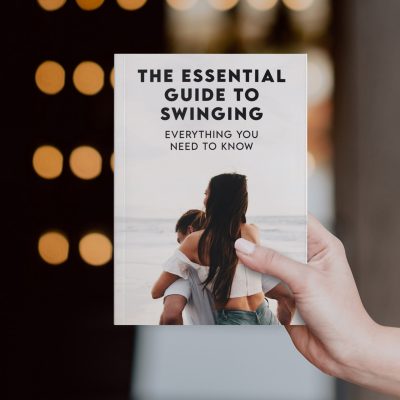
The fantasy of swinging is electric, but that cold sweat you feel when thinking about your partner with someone else? That’s your survival instinct warning you that your foundation is at stake. Most couples don’t fail because they lacked desire; they fail because they lacked a safety net. Ambiguity is where jealousy festers, and "winging it" is the fastest way to turn a dream into a nightmare of resentment and "what have we done?"
The Essential Guide to Swinging is your anxiety-proof roadmap through the chaos. Don't gamble your marriage on hope. Build a fortress of trust, master the repair chats, and ensure your exploration is defined by care, not a catastrophe
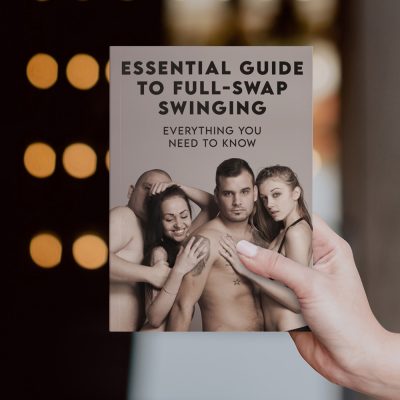
Full swap is the deep end. The rush is intense, but so is the risk of emotional wreckage. That tightening in your chest isn’t just nerves; it’s the fear that a "fun night" could become a permanent scar on your marriage. You can’t un-ring this bell, so never strike it without a plan.
The Essential Guide to Full Swap Swinging replaces reckless gambling with calculated discipline. From ironclad vetting to "emergency brake" scripts, we provide the safety architecture required to swap bodies without losing your minds. Don't just hope it goes well, engineer it
Gemini said
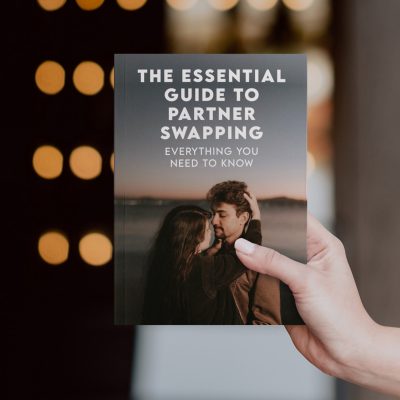
The fantasy is electric. The reality? It can be a grenade that blows up your marriage and your social circle. That tightening in your chest isn't just nerves. It is a warning that you are risking everything on a vibe. "Winging it" is the fastest way to turn a fun group chat into a toxic war zone.
The Essential Guide replaces the chaos with ironclad protocols. We provide the vetting tools, jealousy airlocks, and privacy scripts needed to swap bodies without losing your mind. Secure your safety first.
The fantasy of swinging is electric, but that cold sweat you feel when thinking about your partner with someone else? That’s your survival instinct warning you that your foundation is at stake. Most couples don’t fail because they lacked desire; they fail because they lacked a safety net. Ambiguity is where jealousy festers, and "winging it" is the fastest way to turn a dream into a nightmare of resentment and "what have we done?"
The Essential Guide to Swinging is your anxiety-proof roadmap through the chaos. Don't gamble your marriage on hope. Build a fortress of trust, master the repair chats, and ensure your exploration is defined by care, not a catastrophe
Full swap is the deep end. The rush is intense, but so is the risk of emotional wreckage. That tightening in your chest isn’t just nerves; it’s the fear that a "fun night" could become a permanent scar on your marriage. You can’t un-ring this bell, so never strike it without a plan.
The Essential Guide to Full Swap Swinging replaces reckless gambling with calculated discipline. From ironclad vetting to "emergency brake" scripts, we provide the safety architecture required to swap bodies without losing your minds. Don't just hope it goes well, engineer it
How to talk about insecurity with your partner
Start with a check in not a confession of blame
Choose a calm moment and a neutral setting where you can talk without interruption. Start with a simple sentence that centers your experience. For example I have been feeling a bit insecure lately and I want to work through it with you. This signals that you are inviting collaboration not accusing your partner.
A practical communication framework
- Describe the feeling without labeling your partner as the cause. Say I feel unsettled when you go on dates with X rather than You make me feel insecure when you.
- State the impact. Explain how it changes your sleep stress level or interaction with your partner.
- Request a concrete action. This could be more check ins lengthening a date overview or a rule like a period of no new dating between partners to reassess together.
- Acknowledge your own responsibility. Recognize what you can do to manage the feeling like practicing self care journaling or seeking a therapist.
Sample dialogue starters
- Can we talk about how I have been feeling recently and find a way forward together?
- When you tell me about a date I want to celebrate your connection while also knowing I can be heard about how I am feeling right now.
- I want to keep supporting you and also tend to my own emotional needs. Could we create a weekly check in to review how things feel for both of us?
Boundaries as a collaborative tool
Boundaries are not barriers to control they are a map of where you both want to go together. They can be soft limits and hard limits and can change over time. When you discuss boundaries you should connect them to real life examples and to what you expect from each other during dates or social events.
Practical strategies to reduce insecurity and stop the comparison loop
Clarify your values and your shared goals
Take time to write down what you both want from the swing dynamic. Is it companionship adventure sexual freedom thrill without compromising emotional safety? Understanding your core values gives you a compass to return to when insecurity spikes. It also helps you decide when to pause or reset the dynamic if the current path stops feeling healthy.
Develop practical compersion skills
Compersion is the feeling of joy when your partner experiences happiness with someone else. It is not automatic. It is a skill like a muscle you train. Start by bringing attention to the positive moments that others are experiencing and by normalizing shared joy. Acknowledge your partner when you see them enjoying a connection. Then name your own feelings without judgment and celebrate your partner s happiness with them.
Identify what is jealousy what is insecurity and what is comparison
Jealousy is a protective emotion that can arise when a boundary is tested. Insecurity is often about your own sense of worth or fear of losing connection. Comparison is about measuring your life against someone else s. Distinguishing these three helps you decide the right action. If jealousy is present you may need a boundary review. If insecurity persists you may need more self confidence work. If comparison dominates you may need to curate your social media intake or reframe your goals.
Time management and transparent scheduling
One common trigger is feeling left out when partner spends long blocks of time with others. A practical approach is to schedule consistent connected time with your partner. This could be a weekly date night or a dedicated check in. The point is to create predictability to offset the unpredictability of dating in the ENM space. When both partners know they have equal space in the calendar insecurity tends to drop and intimacy rises.
Self care and self esteem work
Self care matters in any relationship but it becomes crucial when you are navigating insecurity. Invest in activities that build your self esteem such as exercise meaningful hobbies creative outlets and strong social networks. Consider working with a therapist who understands ENM or non monogamy friendly coaches who can provide guidance without judgment.
Check ins as a habit not a weapon
A check in is a structured conversation with the goal of alignment not accusation. Keep them regular and calm. Use a consistent format and a time bound window such as twenty to thirty minutes. The point is to keep communication flowing so distances do not grow into resentment.
Realistic scenarios and how to handle them
Scenario 1 A partner goes on a date with a close friend
In this scenario insecurity can spike because the social circle connection may feel intimate and familiar. Start with your own feelings first. I felt a twinge of insecurity when you told me about the date with Sam. Then shift to the impact and ask for a practical response. I would feel more secure if we had a pre date check in and if you share a few details about how the evening went. Agree on a post date debrief call or text to keep the line open. Remember compersion is a practice not a given. Celebrate the trust it takes to maintain openness and give the relationship time to breathe.
Scenario 2 A party is buzzing with potential new connections
Social events are a common hot zone. You may see potential connections ripple through the room. The key is to maintain your own sense of center. Before the event discuss what signals you will use if you need a moment break or reassurance. During the event focus on your own experiences. If your partner is talking to someone new find a moment to exchange a quick check in. After the event plan a short debrief to talk about what you enjoyed and what you want to tweak next time.
Scenario 3 NRE is creating distance between you and your partner
New relationship energy can feel exhilarating and intense. It can also blur lines. If you notice distance your instinct might be to pull back. Instead try a gentle approach share your experience without blaming. I notice I am feeling a bit distant and I want to keep our connection strong. Could we increase our daily check in by ten minutes this week or plan a weekend that focuses on us? Sometimes a pause to let the NRE settle is wise but you do not have to abandon the dynamic entirely if you want to stay engaged. You are aiming for balance not perfection.
Scenario 4 Insecure about being compared to others
Comparison often shows up when you see a partner posting about someone who seems more aligned with your partner s desires. A practical approach is to remove the comparison ingredient from your daily feed. Unfollow or mute accounts that trigger feelings and instead protect your emotional space. Then reframe the story you tell yourself. You can say I am valuable and part of a network of connections that makes our life richer not less meaningful. It is not a contest it is a collaboration.
Scenario 5 Unclear rules and external expectations
When the boundary map is fuzzy insecurity pops up. Pull your partner into a boundary mapping session. Use a boundary matrix to log soft limits hard limits and rules around specific activities and time frames. Review the matrix every month or after a major event. The act of updating the map creates shared sense of safety and reduces the need for last minute drills under stress.
Practical tools you can use every day
Journaling for clarity
Journaling about your emotions can be a powerful informal therapist. Write what happened what you felt what you needed and what you want to try next. Use a private space for honesty and then refer back to your notes in your next check in. Over time you will see patterns and you will be able to address them with more confidence.
A simple check in routine
Set a weekly window to review how things are going. Each partner shares what went well what was challenging and what to change. Focus on solutions not blame. Keep it short and actionable. This routine makes insecurity less reactive and more manageable.
Boundaries matrix a quick reference
Draw a simple two axis grid. One axis lists activities or topics like public displays of affection dates intimacy with others. The other axis lists soft limits and hard limits. Use color codes to indicate what is allowed what needs a conversation before proceeding and what is a hard no. Update the matrix as your lives evolve and use it as a living document for conversations.
The role of compersion and personal growth
Growing toward compersion
Compersion is learned through practice not luck. Start by identifying small moments to celebrate your partner s joy. If a partner shares a successful date describe what you admire about the encounter and how you feel pride for their happiness. Over time this builds a genuine sense of shared joy rather than guarded victory. It also catalyzes emotional resilience which is a cornerstone of a healthy swinging dynamic.
Connection with your partner beyond physical closeness
Shared experiences outside of dating scenarios build trust. Plan activities that hold meaning for both of you whether that is a weekend away a long walk a cooking night or a project you both care about. Deep connection outside the dating scene underpins the ability to navigate insecurity when it arises in the dating world.
How to decide if swinging is still right for you
Listen to your gut not just your head
Your intuition often signals when a dynamic is still filling your cup or when it is draining you. If you consistently feel exhausted or emotionally checked out after dates or check ins it may be time to pause to reassess boundaries and expectations. There is no shame in stepping back to protect your well being.
Revisit your core values together
If your values have shifted over time talk about it. A shared conversation about what you want from life and from each other can reveal that swinging is not a fit anymore. You can explore alternatives that honor both partners needs or redesign your relationship structure in a way that brings you closer rather than pulling you apart.
Glossary of useful terms and acronyms
- ENM stands for ethical non monogamy a framework where all parties agree to non exclusive relationships with consent and honesty.
- Swinging a form of ENM where couples swap or share partners in social and sexual contexts.
- Compersion the feeling of joy when a partner experiences connection with someone else.
- NRE New relationship energy a rush of excitement joy and novelty when meeting a new partner or starting a new connection.
- Soft limits boundaries that can be adjusted with time and context rather than non negotiable rules.
- Hard limits boundaries that are not negotiable and must be respected by everyone involved.
- Check in a deliberate conversation to assess how things are going and to adjust plans if needed.
- Boundary matrix a simple chart used to map activities boundaries and comfort levels for each partner.
- Primary partner the person or people who hold the central place in your life romantic or otherwise.
- Secondary partner partners who are important but not the central focus of your life in the same way as a primary partner.
Frequently asked questions
How can I tell if insecurity is a red flag or a normal part of ENM
Insecurity is often a normal signal that something needs attention. It becomes a red flag when it consistently disrupts sleep mood or daily functioning and you are not able to address it through communication boundaries or self work. If it persists despite honest conversations and mutual adjustments consider pausing or seeking guidance from a qualified therapist who understands ENM dynamics.
What if my partner is not open to discussing insecurity
Opening a dialogue is essential but you cannot force someone to engage. Start with a low pressure check in and emphasize your care for the relationship. If your partner refuses to engage create a boundary about your own needs for emotional safety and consider seeking couples counseling or individual support to navigate the situation.
How do I cultivate compersion when I feel left behind
Begin with self validation. Your feelings are real and important. Practice celebrating your partner s joy whether or not you feel it fully at first. Use specific reminders of what you admire about your partner and how you are happy for them. With time compersion can grow into a genuine sense of shared happiness rather than a compromise you make for the sake of harmony.
Can insecurity be resolved without ending the swinging dynamic
Yes. In most cases insecurity can be reduced through improved communication better boundary alignment and consistent intimate time together. If after a fair trial period you still feel overwhelmed consider taking a structured break from dating or re evaluating the overall structure of your ENM arrangement. The goal is sustainable well being not just persistence regardless of the cost to you.
What role does therapy play in managing insecurity in swinging
A therapist with experience in non monogamy can offer tools to navigate complex emotions provide a neutral space to explore fears and support the development of healthier coping strategies. Therapy can complement couples conversations not replace them.
How do we handle social media triggers in ENM
Social media can intensify insecurity and comparison. Consider muting or unfollowing accounts that trigger negative emotions and avoid frequent scrolling during vulnerable moments. Create a shared social media plan if you want to follow connections as a couple and agree on what is shared publicly and what stays private.
Don't let a "Soft Swap" night turn into a "Hard Feelings" morning.
Walking into the club with different expectations is a grenade waiting to explode. He thinks it’s a free-for-all; she thinks it’s just drinks and dancing. That silence in the car ride home? That’s the sound of a preventable disaster.
Stop guessing. Use this tool to sync your "sexual GPS" before you leave the driveway. Determine exactly how wild you’re getting tonight, so the only surprise is how much fun you have.
The fantasy of swinging is electric, but that cold sweat you feel when thinking about your partner with someone else? That’s your survival instinct warning you that your foundation is at stake. Most couples don’t fail because they lacked desire; they fail because they lacked a safety net. Ambiguity is where jealousy festers, and "winging it" is the fastest way to turn a dream into a nightmare of resentment and "what have we done?"
The Essential Guide to Swinging is your anxiety-proof roadmap through the chaos. Don't gamble your marriage on hope. Build a fortress of trust, master the repair chats, and ensure your exploration is defined by care, not a catastrophe
Full swap is the deep end. The rush is intense, but so is the risk of emotional wreckage. That tightening in your chest isn’t just nerves; it’s the fear that a "fun night" could become a permanent scar on your marriage. You can’t un-ring this bell, so never strike it without a plan.
The Essential Guide to Full Swap Swinging replaces reckless gambling with calculated discipline. From ironclad vetting to "emergency brake" scripts, we provide the safety architecture required to swap bodies without losing your minds. Don't just hope it goes well, engineer it
Gemini said
The fantasy is electric. The reality? It can be a grenade that blows up your marriage and your social circle. That tightening in your chest isn't just nerves. It is a warning that you are risking everything on a vibe. "Winging it" is the fastest way to turn a fun group chat into a toxic war zone.
The Essential Guide replaces the chaos with ironclad protocols. We provide the vetting tools, jealousy airlocks, and privacy scripts needed to swap bodies without losing your mind. Secure your safety first.
The fantasy of swinging is electric, but that cold sweat you feel when thinking about your partner with someone else? That’s your survival instinct warning you that your foundation is at stake. Most couples don’t fail because they lacked desire; they fail because they lacked a safety net. Ambiguity is where jealousy festers, and "winging it" is the fastest way to turn a dream into a nightmare of resentment and "what have we done?"
The Essential Guide to Swinging is your anxiety-proof roadmap through the chaos. Don't gamble your marriage on hope. Build a fortress of trust, master the repair chats, and ensure your exploration is defined by care, not a catastrophe
Full swap is the deep end. The rush is intense, but so is the risk of emotional wreckage. That tightening in your chest isn’t just nerves; it’s the fear that a "fun night" could become a permanent scar on your marriage. You can’t un-ring this bell, so never strike it without a plan.
The Essential Guide to Full Swap Swinging replaces reckless gambling with calculated discipline. From ironclad vetting to "emergency brake" scripts, we provide the safety architecture required to swap bodies without losing your minds. Don't just hope it goes well, engineer it
