
Media Portrayals of Swinging and Reality Checks


Welcome to a down to earth tour through how swinging gets shown in the media and what real life looks like behind the screens. If you have ever felt like the on screen version of swinging is a drama filled montage with perfect chemistry and flawless timing you are not alone. The truth is far more nuanced and a lot less glamorous. This deep dive will unpack common tropes in films and TV shows talk about what those portrayals get right and where they go wildly off the rails. We will also cover practical tips for couples who want to explore ethical non monogamy in a healthy, consensual and realistic way. No sugar coating here just honest talk about what swinging looks like in real life and how to tell the difference from the show on your screen.
Quick Links to Useful Sections
- What swinging means in ENM terms
- Common media tropes about swinging
- The glamorous carefree vibe
- One spark creates a perfect spark for everyone
- Jealousy magically vanishes after a single talk
- Everything happens with minimum risk or complication
- All couples will find amazing chemistry with any partner
- How reality checks contrast with on screen depictions
- Reality check one: Communication is ongoing not a one off conversation
- Reality check two: Consent is explicit and revisited
- Reality check three: Emotional safety is a priority
- Reality check four: Boundaries are personal and dynamic
- Reality check five: Safety and health require consistent action
- Realistic dynamics you may encounter in swinging
- Dynamic one: Parallel play vs connected play
- Dynamic two: Primary relationship as the anchor
- Dynamic three: Negotiated rules and role definitions
- Dynamic four: Jealousy weathering and growth
- Myths debunked and facts to hold onto
- Practical tips for couples considering swinging
- Start with a calm honest conversation
- Define your core values and boundaries
- Plan health and safety as a baseline
- Choose a gentle approach to entry
- Plan for aftercare and ongoing communication
- Where media literacy meets real life
- Community resources and learning paths
- Glossary of useful terms and acronyms
- Frequently asked questions
What swinging means in ENM terms
To keep everyone on the same page we start with some quick definitions. ENM stands for ethical non monogamy. This is a broad term that describes relationship styles where all people involved consent to non traditional arrangements. In ENM there is explicit communication and agreed boundaries. Swinging in particular is a subset of ENM where committed couples partner swap or engage sexually with other couples or singles while in a shared context. The key distinction is consent and boundaries. It is not chaos or a free for all it is a negotiated experience that respects everyone involved. Another common term you will see is CNM which stands for consensual non monogamy. Some people use ENM and CNM interchangeably while others prefer one term for clarity. The important takeaway is consent communication and respect are central no matter which label is used.
Other related terms you may hear include:
- Swinging A form of CNM where two or more couples swap partners or engage in sexual activity together with clear consent and rules.
- Monogamy A relationship model where two people commit exclusively to each other in most areas of life including sex.
- Non monogamy Any relationship structure that allows romantic or sexual connections outside the primary relationship.
- Boundary A restriction or guideline that helps keep everyone comfortable and safe during exploration.
- Consent An ongoing clear and enthusiastic agreement from all parties involved to participate in actions together.
- Jealousy A natural feeling that can show up when a partner connects with someone else. It is normal and manageable with good communication and supports self awareness.
- Safe sex Practices that reduce the risk of sexually transmitted infections and unintended outcomes during intimate encounters.
Common media tropes about swinging
Media tends to lean on a few favorite story lines when swinging is in the frame. Some of these tropes are grounded in real experiences while others drift into fantasy. Understanding these tropes helps you spot what is a realistic portrayal and what is sensationalized entertainment.
The glamorous carefree vibe
On screen swinging often looks effortless with gleaming hotel rooms or sunlit resort pools and couples who glide through conversations with flawless ease. Real life rarely looks like a perpetual vacation. Negotiating boundaries dealing with schedules and managing emotional safety all while maintaining a productive relationship is a lot of work behind the scenes. The glamour is a filter not the whole picture.
One spark creates a perfect spark for everyone
Television sometimes implies that a single connection will instantly click with everyone involved and everything will unfold smoothly. Real episodes of swinging involve ongoing conversations continuous consent and a lot of recalibration. People learn to talk through their needs and check in regularly to make sure everyone remains comfortable.
Jealousy magically vanishes after a single talk
Jealousy is a universal human emotion and it does not disappear simply because a couple decides to explore. In real life jealousy often reemerges in different forms as comfort levels shift or new dynamics develop. The healthier approach is to anticipate these feelings practice honest dialogue and use agreed strategies to manage them.
Everything happens with minimum risk or complication
Media may show low risk encounters that become instant wins with no consequences. The reality is there are practical considerations safety tests and ongoing consent checks just like any other intimate activity. Planning and risk management matter in the real world and they matter in swinging just as much as in any other form of exploration.
All couples will find amazing chemistry with any partner
On screen chemistry can be heightened for dramatic effect. In real life chemistry depends on the people involved the context and how well boundaries are respected. The goal is not just sexual compatibility but compatibility in communication respect and shared values.
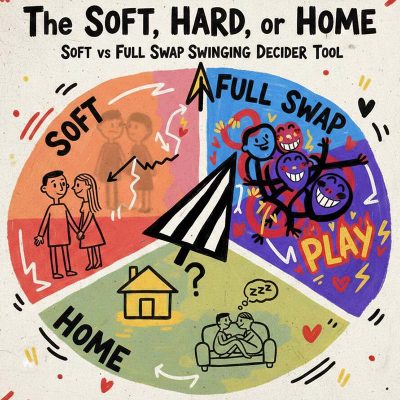
Don't let a "Soft Swap" night turn into a "Hard Feelings" morning.
Walking into the club with different expectations is a grenade waiting to explode. He thinks it’s a free-for-all; she thinks it’s just drinks and dancing. That silence in the car ride home? That’s the sound of a preventable disaster.
Stop guessing. Use this tool to sync your "sexual GPS" before you leave the driveway. Determine exactly how wild you’re getting tonight, so the only surprise is how much fun you have.
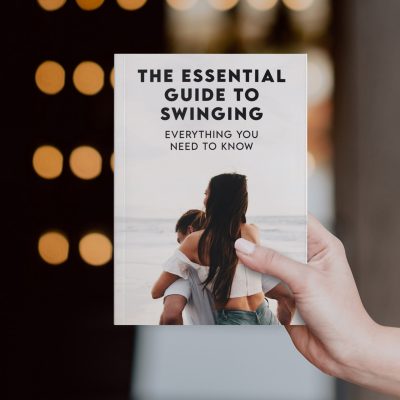
The fantasy of swinging is electric, but that cold sweat you feel when thinking about your partner with someone else? That’s your survival instinct warning you that your foundation is at stake. Most couples don’t fail because they lacked desire; they fail because they lacked a safety net. Ambiguity is where jealousy festers, and "winging it" is the fastest way to turn a dream into a nightmare of resentment and "what have we done?"
The Essential Guide to Swinging is your anxiety-proof roadmap through the chaos. Don't gamble your marriage on hope. Build a fortress of trust, master the repair chats, and ensure your exploration is defined by care, not a catastrophe
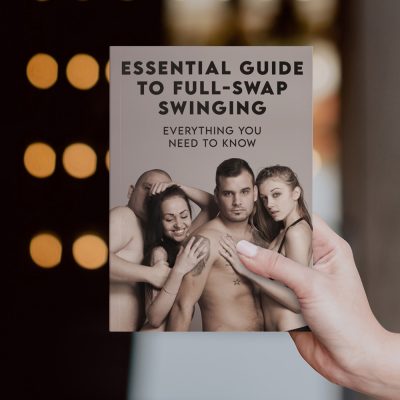
Full swap is the deep end. The rush is intense, but so is the risk of emotional wreckage. That tightening in your chest isn’t just nerves; it’s the fear that a "fun night" could become a permanent scar on your marriage. You can’t un-ring this bell, so never strike it without a plan.
The Essential Guide to Full Swap Swinging replaces reckless gambling with calculated discipline. From ironclad vetting to "emergency brake" scripts, we provide the safety architecture required to swap bodies without losing your minds. Don't just hope it goes well, engineer it
Gemini said
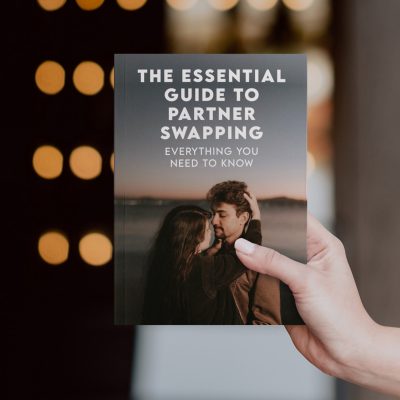
The fantasy is electric. The reality? It can be a grenade that blows up your marriage and your social circle. That tightening in your chest isn't just nerves. It is a warning that you are risking everything on a vibe. "Winging it" is the fastest way to turn a fun group chat into a toxic war zone.
The Essential Guide replaces the chaos with ironclad protocols. We provide the vetting tools, jealousy airlocks, and privacy scripts needed to swap bodies without losing your mind. Secure your safety first.
The fantasy of swinging is electric, but that cold sweat you feel when thinking about your partner with someone else? That’s your survival instinct warning you that your foundation is at stake. Most couples don’t fail because they lacked desire; they fail because they lacked a safety net. Ambiguity is where jealousy festers, and "winging it" is the fastest way to turn a dream into a nightmare of resentment and "what have we done?"
The Essential Guide to Swinging is your anxiety-proof roadmap through the chaos. Don't gamble your marriage on hope. Build a fortress of trust, master the repair chats, and ensure your exploration is defined by care, not a catastrophe
Full swap is the deep end. The rush is intense, but so is the risk of emotional wreckage. That tightening in your chest isn’t just nerves; it’s the fear that a "fun night" could become a permanent scar on your marriage. You can’t un-ring this bell, so never strike it without a plan.
The Essential Guide to Full Swap Swinging replaces reckless gambling with calculated discipline. From ironclad vetting to "emergency brake" scripts, we provide the safety architecture required to swap bodies without losing your minds. Don't just hope it goes well, engineer it
How reality checks contrast with on screen depictions
Reality checks are not about raining on the parade they are about helping you build a healthier experience. Here are some practical differences you are likely to encounter when you move from screen to actual life.
Reality check one: Communication is ongoing not a one off conversation
In media you might see a single talk that resolves all concerns for good. In real life the conversation is ongoing. Boundaries may shift multiple times and what felt comfortable at the start can change as emotions evolve. Regular check ins and a willingness to renegotiate are essential components of a healthy swinging dynamic.
Reality check two: Consent is explicit and revisited
On screen consent is often assumed or implied. In real life the consent process is explicit. It is about clear voluntary agreement to participate in a specific encounter at a specific time. It is also important to understand that anyone can change their mind at any moment and that is normal and acceptable.
Reality check three: Emotional safety is a priority
Media stories sometimes skip over the emotional impact of swinging. In real life couples invest in emotional safety by maintaining open lines of communication establishing aftercare routines and creating space to process feelings after an encounter. Emotional safety is a continuous practice not a one time box to check.
Reality check four: Boundaries are personal and dynamic
Boundaries exist for every relationship and swingers often create a detailed map that suits their team. Boundaries are not fixed forever they adapt as relationships grow and as people learn what works best for them. This adaptability is a strength not a weakness.
Reality check five: Safety and health require consistent action
Media sometimes implies that safety a one time plan is enough. In reality safe sex and regular STI testing are ongoing commitments. Clear agreements about sexual health testing and protective measures reduce risk and build trust among partners.
Realistic dynamics you may encounter in swinging
If you are considering swinging in the ENM space it helps to understand the kinds of dynamics that often show up once the initial excitement settles in. This is not a blueprint but a map of common patterns that couples may experience. Use it to set expectations and plan ahead.
Dynamic one: Parallel play vs connected play
Some couples prefer parallel play which means each person has their own partner or activity while in the same space. Others seek connected play where partners engage together with another person or couple. Both models can work; the key is consent and comfort. Decide what feels right for you as a unit and what you are both willing to explore.
Dynamic two: Primary relationship as the anchor
In many swinging configurations the primary couple acts as the anchor. They maintain emotional connection communication and decision making that keeps the primary bond strong. The other interactions are optional adventures rather than threats to the primary relationship. It takes intention and effort to keep the anchor steady and reliable.
Dynamic three: Negotiated rules and role definitions
Healthy swinging teams build a rule set that covers consent boundaries communication expectations and safety. Rules might include limits on activities location types of partners allowed or times when partners should check in. The rules are not about control they are about confidence and care for everyone involved.
Dynamic four: Jealousy weathering and growth
Jealousy can be a signal that something needs attention. It can guide conversations about insecurity triggers or personal boundaries. In a constructive dynamic jealousy becomes a catalyst for growth and deeper understanding rather than a reason to end the line of communication.
Myths debunked and facts to hold onto
Let us bust some common myths that tend to float around swinging in media representation. These are not universal truths they are distortions or simplifications that can mislead people who are new to ENM or swinging.
- Myth: Swinging is a sign that a relationship is failing. Reality: For many couples swinging is a proactive choice to explore connection and intimacy with openness and consent. It can strengthen a relationship when done well.
- Myth: Everyone will want to join your dynamic. Reality: Interest varies. You will meet people with different levels of interest and it is healthy to pause and reassess at every step.
- Myth: It is all about casual sex. Reality: For many it is about shared experiences companionship and testing boundaries in a consensual framework rather than simply pursuing sexual encounters.
- Myth: Wealth or luxury settings guarantee better experiences. Reality: Atmosphere helps but the real quality comes from clear communication consent and emotional safety.
- Myth: Jealousy disappears if you try hard enough. Reality: It can crop up and that is normal. With healthy tools you can manage it and grow together.
Practical tips for couples considering swinging
If you are curious about swinging or in the early stages of exploring this ENM dynamic use these practical tips to keep things healthy and grounded. They are not rules but options that many couples find useful.
Start with a calm honest conversation
Choose a neutral time when you both feel heard and safe. Avoid bringing this up during stress or conflict headlines. Share your curiosity and invite your partner to share theirs. Validate each other’s feelings even if they differ. The goal is understanding not winning a debate.
Define your core values and boundaries
Take time to outline what matters most to each of you. Examples include honesty transparency respect and consent. Translate these values into concrete boundaries such as which activities are allowed who can be involved the settings where you will meet people and how you will communicate before during and after encounters.
Plan health and safety as a baseline
Agree on safe sex practices mutual STI testing and how to handle situations where health concerns arise. Consider carrying protection discuss what happens if someone tests positive or if an encounter raises concern afterwards. Regular testing builds trust among partners.
Choose a gentle approach to entry
Many couples start with a low stakes approach such as attending a social event or a swing friendly meetup before any sexual activity occurs. This helps build comfort in a controlled environment and lets you experience the mood and ethics of real life swinging without jumping into bed with strangers on the first night.
Plan for aftercare and ongoing communication
Decide how you will check in after experiences. Aftercare can be as simple as a quiet talk over coffee a debrief the next day or a longer weekend chat. Let your partner know what helped you feel safe and what could be improved next time. Regular debriefs are a secret weapon for sustaining trust.
Where media literacy meets real life
Media literacy is all about reading the room where you watch or read about swinging and recognizing the difference between entertainment and real life. If a show makes a swinging scene feel like a flawless movie moment ask yourself the following questions. Was there ongoing consent and clear boundaries around the encounter Is there a sense of emotional safety before and after What does the show imply about the health of the primary relationship and what does the show leave out about the complexities of human emotion
Use those questions as a quick check whenever you encounter swinging content in movies shows or online discussions. It helps you keep your expectations honest and your decisions grounded in care for your own relationship and for others involved.
Community resources and learning paths
Learning about swinging and CNM is easier when you tap into communities that share in a respectful and educational ethos. Look for local meetups private groups online forums and education focused workshops. A healthy community emphasizes consent safety boundaries and ongoing communication. You do not have to walk this path alone and finding a supportive environment can make all the difference.
Glossary of useful terms and acronyms
- ENM Ethical non monogamy a broad term for relationship styles that involve consensual non monogamy and explicit communication.
- CNM Consensual non monogamy another common label for relationship styles that involve consensual non monogamy including swinging and other forms of non monogamy.
- Swinging A form of CNM where committed couples exchange partners or engage in sexual activities with others while all parties consent and agree to boundaries.
- Primary relationship The main romantic partnership in a consensual non monogamy arrangement.
- Boundaries Agreed limits that help keep everyone safe and comfortable during exploration.
- Consent Clear voluntary agreement to participate in a specific activity at a given time.
- Aftercare The emotional check in and care provided after a sexual or intimate encounter to maintain safety and trust.
- STI Sexually transmitted infection a health consideration that requires testing and safe practices.
- Hotwiring A playful term sometimes used to describe a strong spark or intense initial attraction in a new encounter though not a formal term in CNM.
- Jealousy management Strategies and tools used to recognize and address jealousy in healthy ways during CNM exploration.
Frequently asked questions
Below are quick answers to common questions people ask when they start exploring swinging in a real life context. If your question isn’t listed here it is often a sign you should discuss it with your partner or a trusted member of your community before making moves.
How is swinging different from polyamory
Swinging typically involves couples swapping sexual partners within a limited context and usually emphasizes sexual experiences rather than developing emotional connections with others. Polyamory often involves multiple emotional relationships with ongoing romantic commitments. The lines can blur in real life but the focus of swinging is frequently sexual coupling while polyamory centers on emotional bonds and long term relationships with more than one person.
What should we do first if we are curious about swinging
Start with a conversation never with a plan for a specific encounter. Discuss your motivations boundaries fears and what success looks like for both of you. Consider reading together about CNM experiences and perhaps attending a social event or workshop where consent and safety are highlighted. Take baby steps focus on communication and respect.
Is swinging only for young people
No age is inherently excluded from CNM. Interest and readiness matter more than age. The core requirements are consent communication and emotional readiness. Different communities have different demographics just like any other interest or hobby.
What if one of us feels jealous after an encounter
Jealousy is a signal that something may need attention. Don t try to pretend it isn t there. Sit with the feeling acknowledge it and talk about what it means for your needs and boundaries. If jealousy continues to be a challenge consider slowing down or stepping back to reinforce safety and trust.
How do we handle safe sex and health
Agree on protective practices and testing timelines before meeting others. Keep track of testing results and share information only when everyone is comfortable. If someone has concerns about a partner s health address them with honesty and find a plan that respects all parties.
Can swinging ruin a relationship
Like any form of relationship exploration swinging can strengthen or strain a relationship depending on how it is approached. A couple that communicates clearly adheres to agreed boundaries and prioritizes emotional safety is much more likely to have a positive outcome. It is not a guaranteed outcome either way which is why preparation and ongoing communication matter.
Do we need to be in a specific city or social circle to explore swinging
You do not have to live in a big city to explore CNM. There are online communities events and social groups in many areas. The most important factor is finding a respectful environment with a focus on consent safety and education. If your local scene feels overwhelming consider starting with online communities to learn and then attend a supervised meet up."""
Should we tell our kids or family about our CNM journey
The decision to disclose is deeply personal and depends on your family dynamics and safety. Many people choose not to share private relationship arrangements with children or extended family. If you do choose to disclose keep it age appropriate and respect everyone s boundaries while avoiding unnecessary details.
What is the best way to introduce swinging to a partner who is uncertain
Emphasize consent and shared decision making. Offer educational resources and invite your partner to join a neutral conversation where you can both express what you fear and what excites you. If there is a lot of fear consider taking a slower approach and perhaps seeking guidance from a professional counselor who is familiar with CNM.
Don't let a "Soft Swap" night turn into a "Hard Feelings" morning.
Walking into the club with different expectations is a grenade waiting to explode. He thinks it’s a free-for-all; she thinks it’s just drinks and dancing. That silence in the car ride home? That’s the sound of a preventable disaster.
Stop guessing. Use this tool to sync your "sexual GPS" before you leave the driveway. Determine exactly how wild you’re getting tonight, so the only surprise is how much fun you have.
The fantasy of swinging is electric, but that cold sweat you feel when thinking about your partner with someone else? That’s your survival instinct warning you that your foundation is at stake. Most couples don’t fail because they lacked desire; they fail because they lacked a safety net. Ambiguity is where jealousy festers, and "winging it" is the fastest way to turn a dream into a nightmare of resentment and "what have we done?"
The Essential Guide to Swinging is your anxiety-proof roadmap through the chaos. Don't gamble your marriage on hope. Build a fortress of trust, master the repair chats, and ensure your exploration is defined by care, not a catastrophe
Full swap is the deep end. The rush is intense, but so is the risk of emotional wreckage. That tightening in your chest isn’t just nerves; it’s the fear that a "fun night" could become a permanent scar on your marriage. You can’t un-ring this bell, so never strike it without a plan.
The Essential Guide to Full Swap Swinging replaces reckless gambling with calculated discipline. From ironclad vetting to "emergency brake" scripts, we provide the safety architecture required to swap bodies without losing your minds. Don't just hope it goes well, engineer it
Gemini said
The fantasy is electric. The reality? It can be a grenade that blows up your marriage and your social circle. That tightening in your chest isn't just nerves. It is a warning that you are risking everything on a vibe. "Winging it" is the fastest way to turn a fun group chat into a toxic war zone.
The Essential Guide replaces the chaos with ironclad protocols. We provide the vetting tools, jealousy airlocks, and privacy scripts needed to swap bodies without losing your mind. Secure your safety first.
The fantasy of swinging is electric, but that cold sweat you feel when thinking about your partner with someone else? That’s your survival instinct warning you that your foundation is at stake. Most couples don’t fail because they lacked desire; they fail because they lacked a safety net. Ambiguity is where jealousy festers, and "winging it" is the fastest way to turn a dream into a nightmare of resentment and "what have we done?"
The Essential Guide to Swinging is your anxiety-proof roadmap through the chaos. Don't gamble your marriage on hope. Build a fortress of trust, master the repair chats, and ensure your exploration is defined by care, not a catastrophe
Full swap is the deep end. The rush is intense, but so is the risk of emotional wreckage. That tightening in your chest isn’t just nerves; it’s the fear that a "fun night" could become a permanent scar on your marriage. You can’t un-ring this bell, so never strike it without a plan.
The Essential Guide to Full Swap Swinging replaces reckless gambling with calculated discipline. From ironclad vetting to "emergency brake" scripts, we provide the safety architecture required to swap bodies without losing your minds. Don't just hope it goes well, engineer it
