
Privacy Between Partners and Oversharing


Welcome to a practical guide written in the spirit of a down to earth friend who tells it like it is. If you are navigating the world of swinging and ethical non monogamy or ENM for short you have already learned that trust and communication are the glue that keeps everything sane. Privacy matters. Oversharing can dent trust and turn a fun dynamic into a source of stress. This guide walks you through how to protect what needs to stay private while staying honest with your partners. We will explain terms and acronyms so there is no guessing. And yes we will keep it real with practical steps you can put into action today.
Quick Links to Useful Sections
- What this guide covers
- Key terms and acronyms you will see here
- Ethical non monogamy ENM
- Swinging
- Boundaries
- Soft limits
- Hard limits
- Privacy
- Transparency
- Consent
- Jealousy and compersion
- Privacy in the swinging ENM dynamic
- Why privacy matters
- Privacy versus transparency
- Disclosing experiences responsibly
- Common oversharing scenarios and how to handle them
- Social media posts about encounters
- Group chats and messages
- Sharing with friends and family
- Work colleagues and professional networks
- Handling a breach of privacy
- Practical strategies to protect privacy
- Create clear boundaries that feel fair
- Have a consent focused conversation play by play
- Use secure communication channels
- Privacy by default mindset
- Managing jealousy and insecurity
- Privacy oriented rituals and routines
- Negotiation and ongoing check ins
- Check in cadence and structure
- Boundaries document and consent checklist
- Real life scenarios you can relate to
- Glossary of useful terms and acronyms
- Frequently asked questions
What this guide covers
In this deep dive we cover why privacy matters in swinging and ENM the difference between privacy and transparency and the best ways to prevent oversharing. You will find real world scenarios quick tips and ready to use scripts. The goal is to help you create boundaries that feel fair for everyone involved and to build a process for ongoing privacy checks. We will also look at how privacy changes as relationships evolve and as new partners come into the picture.
Key terms and acronyms you will see here
Ethical non monogamy ENM
A relationship approach that allows more than one romantic or sexual connection with the consent and awareness of everyone involved. ENM is about honesty and consent rather than secrecy. It is not about a free for all it is about responsible openness with boundaries.
Swinging
A dynamic typically involving committed couples who choose to have sexual experiences with others or with other couples. It is often focused on shared experiences with consent and clear communication.
Boundaries
Personal rules about what is okay and what is not. Boundaries are highly personal and can be soft or hard. They help prevent hurt and make sure the play stays healthy for all involved.
Soft limits
Areas that a person is open to exploring with some caveats or at a slower pace. These can change over time as trust grows.
Hard limits
Things that are not on the table under any circumstances. A hard limit should be respected without question.
Privacy
What you choose to keep to yourself or share only with certain people. Privacy is a choice that supports trust. It is not about secrecy or hiding from a partner it is about protecting personal boundaries.
Transparency
The opposite of privacy in many ways. Transparency means being open about what is happening including details that matter to your partners and the group dynamic. A balance between privacy and transparency is often the healthiest path.
Consent
Permission given by each person to engage in a specific activity. Consent should be ongoing and can be withdrawn at any time. It is a moving target and conversations should be revisited regularly.
Jealousy and compersion
Jealousy is a normal feeling that can signal boundaries need attention. Compersion is the feeling of joy when a partner experiences happiness with someone else. The goal is to cultivate compersion and manage jealousy with care.

Don't let a "Soft Swap" night turn into a "Hard Feelings" morning.
Walking into the club with different expectations is a grenade waiting to explode. He thinks it’s a free-for-all; she thinks it’s just drinks and dancing. That silence in the car ride home? That’s the sound of a preventable disaster.
Stop guessing. Use this tool to sync your "sexual GPS" before you leave the driveway. Determine exactly how wild you’re getting tonight, so the only surprise is how much fun you have.

The fantasy of swinging is electric, but that cold sweat you feel when thinking about your partner with someone else? That’s your survival instinct warning you that your foundation is at stake. Most couples don’t fail because they lacked desire; they fail because they lacked a safety net. Ambiguity is where jealousy festers, and "winging it" is the fastest way to turn a dream into a nightmare of resentment and "what have we done?"
The Essential Guide to Swinging is your anxiety-proof roadmap through the chaos. Don't gamble your marriage on hope. Build a fortress of trust, master the repair chats, and ensure your exploration is defined by care, not a catastrophe
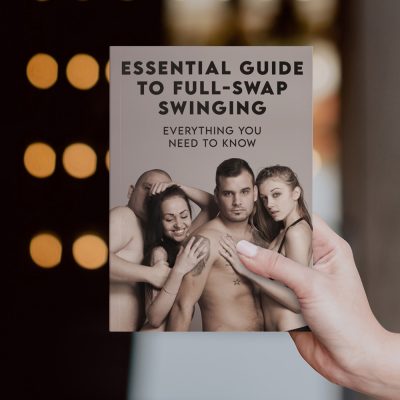
Full swap is the deep end. The rush is intense, but so is the risk of emotional wreckage. That tightening in your chest isn’t just nerves; it’s the fear that a "fun night" could become a permanent scar on your marriage. You can’t un-ring this bell, so never strike it without a plan.
The Essential Guide to Full Swap Swinging replaces reckless gambling with calculated discipline. From ironclad vetting to "emergency brake" scripts, we provide the safety architecture required to swap bodies without losing your minds. Don't just hope it goes well, engineer it
Gemini said
The fantasy is electric. The reality? It can be a grenade that blows up your marriage and your social circle. That tightening in your chest isn't just nerves. It is a warning that you are risking everything on a vibe. "Winging it" is the fastest way to turn a fun group chat into a toxic war zone.
The Essential Guide replaces the chaos with ironclad protocols. We provide the vetting tools, jealousy airlocks, and privacy scripts needed to swap bodies without losing your mind. Secure your safety first.
The fantasy of swinging is electric, but that cold sweat you feel when thinking about your partner with someone else? That’s your survival instinct warning you that your foundation is at stake. Most couples don’t fail because they lacked desire; they fail because they lacked a safety net. Ambiguity is where jealousy festers, and "winging it" is the fastest way to turn a dream into a nightmare of resentment and "what have we done?"
The Essential Guide to Swinging is your anxiety-proof roadmap through the chaos. Don't gamble your marriage on hope. Build a fortress of trust, master the repair chats, and ensure your exploration is defined by care, not a catastrophe
Full swap is the deep end. The rush is intense, but so is the risk of emotional wreckage. That tightening in your chest isn’t just nerves; it’s the fear that a "fun night" could become a permanent scar on your marriage. You can’t un-ring this bell, so never strike it without a plan.
The Essential Guide to Full Swap Swinging replaces reckless gambling with calculated discipline. From ironclad vetting to "emergency brake" scripts, we provide the safety architecture required to swap bodies without losing your minds. Don't just hope it goes well, engineer it
Privacy in the swinging ENM dynamic
Privacy in this world is not about hiding relationships from a partner it is about protecting personal boundaries and making sure everyone feels respected. The swinging ENM dynamic often involves multiple people some of whom may cross paths in casual social settings. The right privacy plan helps you avoid awkward conversations in the moment and prevents careless disclosures from causing harm later.
Why privacy matters
When you lay out clear privacy expectations you reduce the chance of miscommunication misinterpretation and self created drama. People feel safer when they know what information belongs to whom and when it is appropriate to share. A strong privacy approach can also protect relationships from gossip and workplace or family friction. It supports a culture where everyone can be honest about their boundaries and their comfort zones.
Privacy versus transparency
Transparency and privacy exist on a spectrum. Some information should be shared with all relevant partners others should remain private or shared only with certain people. The trick is to know what belongs to the group what is personal and when sharing becomes harmfully invasive. A good rule of thumb is to share information that affects the dynamic or that might impact safety or consent while keeping private details to those who need to know.
Disclosing experiences responsibly
There are times when it makes sense to share the occasional story with the right people. For example a close partner might want to know about a date that could influence safety or boundaries. The sharing should be purposeful and not sensational or gossipy. If a story does not help the group grow stronger or protect someone feelings chances are it is better kept private.
Common oversharing scenarios and how to handle them
Social media posts about encounters
Public posts that reveal intimate details can cause hurt and jealousy among partners. A good practice is to agree before posting any information about a date or encounter. Keep details vague avoid naming people or sharing sexual specifics unless every person involved has given explicit consent. Consider creating a social media policy that outlines what can be shared who can see it and how to handle comments from others outside the group.
Group chats and messages
Group chats can become a hot mess fast. A single enthusiastic post can spark a cascade of questions and ideas that pressure someone to disclose more than they are comfortable sharing. Use a private channel for everyday updates and keep sensitive information out of public chats. If a partner asks for an update about a date in a group chat steer toward a simple non specific summary and offer to discuss details in a private conversation if needed.
Sharing with friends and family
Friends and family may be curious or judgmental. It is perfectly acceptable to keep certain details within the partner circle. If someone outside the circle learns something or asks questions you do not need to spill every detail. A gentle boundary statement can help. Something like I appreciate your interest but this is a private matter for us and we would rather not discuss it in detail at this time works well.
Work colleagues and professional networks
The workplace is not the place for date by date updates. Protect professional boundaries and avoid sharing information that could lead to speculation or harm your career. If you must discuss relationships in a professional setting keep it neutral and focus on personal growth or relationship skills rather than intimate details.
Handling a breach of privacy
If privacy is breached a calm response is best. Acknowledge what happened and address the impact with the person involved. Revisit boundaries and update them if needed. It can be helpful to have a plan for what to do if a breach happens again such as taking a break from certain activities or choosing new communication channels until trust is rebuilt.
Practical strategies to protect privacy
Create clear boundaries that feel fair
Start with a boundary conversation that includes all involved partners. Use soft limits to invite exploration but set hard boundaries where you will not compromise. Write down these boundaries and review them regularly. Boundaries should be flexible enough to grow with the relationship but firm enough to protect what matters most.
Have a consent focused conversation play by play
Consent should be explicit and ongoing. Use direct language like I am comfortable with this and I would prefer not to share that detail in public settings. If a partner wants to explore a new scenario include a consent check in the plan and be prepared to say yes or no clearly. The decision can change over time and that is okay as long as the communication is open and respectful.
Use secure communication channels
Prefer private one on one conversations for sensitive topics. If you use messaging apps choose those that offer end to end encryption or at least ensure conversations stay private. Avoid sharing highly sensitive information in public spaces or on devices that others may borrow or access.
Privacy by default mindset
Make privacy the default setting not the exception. Treat information as something that belongs to the person it involves and consider if sharing will help or harm. When in doubt ask a quick check in question such as Is this something we want to share with the group or with others outside the circle or should I keep this private for now.
Managing jealousy and insecurity
Jealousy is a signal not a verdict. It points to boundaries that may need clarification. Use practical steps such as a dedicated space to voice feelings without blame. Practice compassionate listening and offer reassurance without trying to fix the other person. A shared plan for how to handle jealousy can prevent oversharing born from insecurity.
Privacy oriented rituals and routines
Build small rituals that protect privacy. For example a weekly check in where each partner names one thing they want to hold private for the time being and one thing they are comfortable sharing. Create a simple boundaries doc that you can update together. The act of writing things down makes expectations concrete and less likely to drift apart.
Negotiation and ongoing check ins
Relationships evolve and so should privacy. Schedule regular check ins every month or every two months to revisit boundaries and discuss any new concerns. A quick and kind update about what is working and what is not can prevent a lot of drift and pain. Use these check ins to celebrate trust growth as well as to course correct if needed.
Check in cadence and structure
Agree on a cadence that fits all partners. Start with a short five to ten minute talk to surface any concerns. If issues run deeper you can schedule a longer session with a clear agenda. Keep notes of decisions and update your boundaries document so everyone knows what was agreed.
Boundaries document and consent checklist
Develop a simple written document that lists each partner and their boundaries in clear language. Include sections for what is shared what stays private and who can know what. Add a consent checklist for new dates or partners. The act of documenting makes expectations tangible and reduces tension during moments of stress.
Real life scenarios you can relate to
Scenario one a couple enjoys swinging together but one partner forms a close connection with another person outside the familiar group. The first partner would ideally share enough about the new connection to keep the other informed while the second partner respects the new relationship if they have a soft limit around sharing private details. They decide to share general impressions not intimate details until both are comfortable. The couple revisits their privacy plan and adds a certificate of trust to be used when new relationships are formed. The partner with the new connection feels supported while the other partner feels respected and not exposed to oversharing.
Scenario two a partner posts about a date on social media that reveals location or specifics that could identify people. The group discusses this as a boundary violation. They decide that encounters not disclosed publicly but only in a private channel are allowed. They also agree to a rule that no location details or names appear in public posts. A brief post summarizing the mood of the date may be acceptable but the specifics stay private.
Scenario three a long time couple negotiates a relationship with a newer partner. They choose to keep the new partner out of the social circle for a probation period while they build trust. After a few months they revisit the boundary and allow more social integration with consent from all partners. Privacy is still the default for the new partner but gradual openness helps everyone feel secure and included.
Glossary of useful terms and acronyms
- ENM Ethical non monogamy a relationship style that allows more than one romantic or sexual connection with consent and honesty.
- Swinging A practice where committed couples engage in sexual activities with others often as a shared experience.
- Boundaries Personal rules about what is allowed and what is not.
- Soft limits Areas open to exploration with conditions or at a slower pace.
- Hard limits Things that are not acceptable under any circumstances.
- Privacy The choice of what information is shared and with whom.
- Transparency Openness about activities and feelings within the boundaries of safe privacy.
- Consent Ongoing permission given for activities that involve others.
- Compersion Joy felt when a partner experiences happiness with someone else.
Frequently asked questions
How do I start a privacy conversation with my partner?
Choose a calm moment and explain that you want to protect trust and reduce stress. Share one or two personal boundaries and invite your partner to share theirs. Use concrete examples and avoid blaming language. A simple shared ground rule can set a positive tone for the conversation.
What if my partner wants to share more than I am comfortable with?
Be honest and explicit about your limits. Suggest a trial period where the partner can explore but agrees to limit public oversharing. If the request continues to feel unsafe you may need to renegotiate or pause certain activities until trust is rebuilt.
How can we prevent oversharing on social media?
Agree on a social media policy that covers what can be posted who can see it and how to handle comments from others. Consider keeping intimate details off public platforms and use a private channel for date summaries if needed.
Should we tell our friends about our swinging ENM? If yes how much should we share?
Friends may be curious and supportive or judgmental. If you decide to share choose general truths that honour your privacy. Do not reveal intimate details about partners outside your close circle unless those partners consent.
What should we do if privacy is breached by a partner or a new play partner?
Address the issue promptly with the person involved. Discuss what happened how it affected you and what boundaries need tightening. Decide whether to pause certain activities or adjust the flow of information until trust is rebuilt.
Is it possible to balance honesty and privacy in this dynamic?
Yes. The key is to be honest about what matters for safety and trust while keeping private things private. A good approach is to share information that helps everyone feel secure and accepted and to withhold details that only create jealousy or discomfort.
How often should we revisit our privacy boundaries?
Regular check ins are smart. A monthly or bi monthly cadence works for many groups. Use these sessions to celebrate progress and to update boundaries as new partners come into the mix or as feelings shift.
What are practical tools to help with privacy management?
A simple bounds document a consent checklist and a private communications channel can be real game changers. The bounds document lists hard and soft limits for each person and the consent checklist helps you verify that everyone is comfortable before moving forward.
Don't let a "Soft Swap" night turn into a "Hard Feelings" morning.
Walking into the club with different expectations is a grenade waiting to explode. He thinks it’s a free-for-all; she thinks it’s just drinks and dancing. That silence in the car ride home? That’s the sound of a preventable disaster.
Stop guessing. Use this tool to sync your "sexual GPS" before you leave the driveway. Determine exactly how wild you’re getting tonight, so the only surprise is how much fun you have.
The fantasy of swinging is electric, but that cold sweat you feel when thinking about your partner with someone else? That’s your survival instinct warning you that your foundation is at stake. Most couples don’t fail because they lacked desire; they fail because they lacked a safety net. Ambiguity is where jealousy festers, and "winging it" is the fastest way to turn a dream into a nightmare of resentment and "what have we done?"
The Essential Guide to Swinging is your anxiety-proof roadmap through the chaos. Don't gamble your marriage on hope. Build a fortress of trust, master the repair chats, and ensure your exploration is defined by care, not a catastrophe
Full swap is the deep end. The rush is intense, but so is the risk of emotional wreckage. That tightening in your chest isn’t just nerves; it’s the fear that a "fun night" could become a permanent scar on your marriage. You can’t un-ring this bell, so never strike it without a plan.
The Essential Guide to Full Swap Swinging replaces reckless gambling with calculated discipline. From ironclad vetting to "emergency brake" scripts, we provide the safety architecture required to swap bodies without losing your minds. Don't just hope it goes well, engineer it
Gemini said
The fantasy is electric. The reality? It can be a grenade that blows up your marriage and your social circle. That tightening in your chest isn't just nerves. It is a warning that you are risking everything on a vibe. "Winging it" is the fastest way to turn a fun group chat into a toxic war zone.
The Essential Guide replaces the chaos with ironclad protocols. We provide the vetting tools, jealousy airlocks, and privacy scripts needed to swap bodies without losing your mind. Secure your safety first.
The fantasy of swinging is electric, but that cold sweat you feel when thinking about your partner with someone else? That’s your survival instinct warning you that your foundation is at stake. Most couples don’t fail because they lacked desire; they fail because they lacked a safety net. Ambiguity is where jealousy festers, and "winging it" is the fastest way to turn a dream into a nightmare of resentment and "what have we done?"
The Essential Guide to Swinging is your anxiety-proof roadmap through the chaos. Don't gamble your marriage on hope. Build a fortress of trust, master the repair chats, and ensure your exploration is defined by care, not a catastrophe
Full swap is the deep end. The rush is intense, but so is the risk of emotional wreckage. That tightening in your chest isn’t just nerves; it’s the fear that a "fun night" could become a permanent scar on your marriage. You can’t un-ring this bell, so never strike it without a plan.
The Essential Guide to Full Swap Swinging replaces reckless gambling with calculated discipline. From ironclad vetting to "emergency brake" scripts, we provide the safety architecture required to swap bodies without losing your minds. Don't just hope it goes well, engineer it
