
Respecting House Rules and Hosts

Welcome to a no fluff guide that tells you exactly how to navigate house rules and hosts when you are exploring swinging and other forms of ethical non monogamy or ENM. If you are new to this world you might feel a mix of excitement and nerve. If you are already in it you know that the human element matters just as much as the rules themselves. The goal here is to help you show up with respect, clarity, and a sense of humor while protecting everyone's boundaries and comfort. And yes we will explain every term so you never feel left in the dark.
Quick Links to Useful Sections
- What is swinging and ethical non monogamy
- Why house rules exist and why hosts set them
- Terms you may see while visiting a host or a party
- Reading the room when you arrive
- Categories of house rules you should expect
- Space and access rules
- Partner and guest rules
- Time and scheduling rules
- Safety and health rules
- Cleanup and property care rules
- Behavior and respect rules
- Negotiating rules before you attend
- Practical scripts you can use
- Guest etiquette and behavior tips
- Handling conflicts and rule changes
- Privacy and discretion
- Safer sex and health considerations
- Cleaning up and leaving the space
- Dealing with heavy emotions after a night out
- Checklist before you step into a host space
- Glossary of useful terms and acronyms
- Frequently asked questions
- Realistic scenarios you might encounter
- Important reminders for hosts and guests alike
- How to talk about house rules with a partner
- Conclusion we promised notes without the heavy stuff
What is swinging and ethical non monogamy
Ethical non monogamy is a broad umbrella term for relationship styles that involve honesty and consent when dating or relating with more than one person. Swinging is a common dynamic under this umbrella where couples or individuals engage in romantic or sexual activities with others in a social or party setting, often within a defined boundary of safety and consent. Swinging can be conducted in various ways including couple swaps or partner swaps within a trusted circle. It is important to note that every group and party will come with its own rules and norms. These rules are there to protect the people involved and to keep experiences positive for everyone.
Before you dive deeper here is a quick glossary of terms you will see a lot. If any term is unfamiliar you will find a short explanation in the glossary section later in this article.
Why house rules exist and why hosts set them
House rules are not about control they are about safety respect and consent. A host pours time and care into creating a space where people can explore with confidence. Here are the core reasons rules exist:
- Safety first Rules set boundaries that reduce risk and increase comfort for all participants. They cover physical space activities and relationship boundaries.
- Consent in plain language House rules help ensure that everyone involved has a clear yes or no on what is allowed. Consent is ongoing and can be withdrawn at any time.
- Respect for boundaries Everyone has different comfort levels. Rules help protect personal space privacy and dignity for all guests and hosts.
- Privacy and confidentiality Hosts often want to keep their personal life and guests private. Rules help maintain discretion and trust within a circle.
- Mutual accountability Rules create a framework so people can address issues quickly and fairly rather than letting small annoyances become big resentments.

Don't let a "Soft Swap" night turn into a "Hard Feelings" morning.
Walking into the club with different expectations is a grenade waiting to explode. He thinks it’s a free-for-all; she thinks it’s just drinks and dancing. That silence in the car ride home? That’s the sound of a preventable disaster.
Stop guessing. Use this tool to sync your "sexual GPS" before you leave the driveway. Determine exactly how wild you’re getting tonight, so the only surprise is how much fun you have.

The fantasy of swinging is electric, but that cold sweat you feel when thinking about your partner with someone else? That’s your survival instinct warning you that your foundation is at stake. Most couples don’t fail because they lacked desire; they fail because they lacked a safety net. Ambiguity is where jealousy festers, and "winging it" is the fastest way to turn a dream into a nightmare of resentment and "what have we done?"
The Essential Guide to Swinging is your anxiety-proof roadmap through the chaos. Don't gamble your marriage on hope. Build a fortress of trust, master the repair chats, and ensure your exploration is defined by care, not a catastrophe
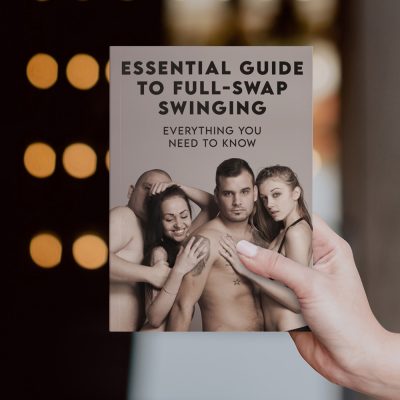
Full swap is the deep end. The rush is intense, but so is the risk of emotional wreckage. That tightening in your chest isn’t just nerves; it’s the fear that a "fun night" could become a permanent scar on your marriage. You can’t un-ring this bell, so never strike it without a plan.
The Essential Guide to Full Swap Swinging replaces reckless gambling with calculated discipline. From ironclad vetting to "emergency brake" scripts, we provide the safety architecture required to swap bodies without losing your minds. Don't just hope it goes well, engineer it

Gemini said
The fantasy is electric. The reality? It can be a grenade that blows up your marriage and your social circle. That tightening in your chest isn't just nerves. It is a warning that you are risking everything on a vibe. "Winging it" is the fastest way to turn a fun group chat into a toxic war zone.
The Essential Guide replaces the chaos with ironclad protocols. We provide the vetting tools, jealousy airlocks, and privacy scripts needed to swap bodies without losing your mind. Secure your safety first.
The fantasy of swinging is electric, but that cold sweat you feel when thinking about your partner with someone else? That’s your survival instinct warning you that your foundation is at stake. Most couples don’t fail because they lacked desire; they fail because they lacked a safety net. Ambiguity is where jealousy festers, and "winging it" is the fastest way to turn a dream into a nightmare of resentment and "what have we done?"
The Essential Guide to Swinging is your anxiety-proof roadmap through the chaos. Don't gamble your marriage on hope. Build a fortress of trust, master the repair chats, and ensure your exploration is defined by care, not a catastrophe
Full swap is the deep end. The rush is intense, but so is the risk of emotional wreckage. That tightening in your chest isn’t just nerves; it’s the fear that a "fun night" could become a permanent scar on your marriage. You can’t un-ring this bell, so never strike it without a plan.
The Essential Guide to Full Swap Swinging replaces reckless gambling with calculated discipline. From ironclad vetting to "emergency brake" scripts, we provide the safety architecture required to swap bodies without losing your minds. Don't just hope it goes well, engineer it
Terms you may see while visiting a host or a party
Understanding the language helps you navigate conversations with confidence. Here is a mini glossary of common terms you will encounter in the swinging ENM space.
- ENM Ethical non monogamy a broad term for relationship structures that involve romantic or sexual connections with more than one partner with consent and honesty at the core.
- Swinging A form of ENM where couples or individuals engage in sexual activity with others within a social setting or event with agreed boundaries.
- Hard swap A rule or preference where all sexual activity is shared between couples rather than individuals dating on the side.
- Soft swap A boundary where partners may engage in less penetrative or more casual acts such as kissing or touching with others while still staying within agreed limits.
- Boundaries Personal rules about what is allowed and what is not. Boundaries are personal and can change over time.
- Consent An ongoing affirmative agreement to participate in activities. Consent can be paused or withdrawn at any time.
- Safe sex Practices intended to reduce the risk of sexually transmitted infections and unwanted pregnancies. This often includes barrier methods and STI testing when appropriate.
- Disclosure The practice of informing partners about health status or other important information related to safety and boundaries.
- Gating A rule about who is allowed to join or participate in specific activities within a scene or event.
- Open communication The practice of talking honestly about desires boundaries concerns and needs before during and after experiences.
Reading the room when you arrive
You want to walk into a space where you can be yourself without stumbling over unclear expectations. Here is how to read the room and what to do in the first 30 minutes after you step inside a home or venue.
- Observe the environment Notice how people are interacting and how hosts manage space. A calm atmosphere usually signals clear expectations and respect for boundaries.
- Listen for verbal cues Hosts often state rules during welcomes or the opening conversations. If something sounds unclear ask for clarification in a respectful way.
- Ask simple clarifying questions A quick check like Are there any hard boundaries I should know about tonight or Is there a preferred process for scheduling intimate time helps set expectations without making people feel put on the spot.
- Respect the pacing Different events have different tempos. Some parties move quickly through activities while others are more relaxed. If you are unsure give it time and observe before stepping into new situations.
Categories of house rules you should expect
Rules fall into broad categories. Understanding these helps you prepare your own approach and respect the host's setup.
Space and access rules
These rules govern where activities can happen and who can be in certain areas. For example some hosts designate play zones others restrict play to certain rooms and may require you to leave personal items in a specific area. Respect exits and entrances and follow guidance about where to place belongings. If you need privacy or a break a host will usually guide you to a quiet corner or a private room.
Partner and guest rules
Hosts may specify whether guests can play with other guests or must stay with their own partner. Some places allow you to bring a guest with prior notice while others require the host to approve every additional person. If you intend to participate with someone else in your party make sure all parties involved have consent and that the host knows in advance.
Time and scheduling rules
Time is precious at events and in homes. Rules may outline when activities begin and end and how to request extra time. If you anticipate needing additional time make your request early and politely; if the host cannot accommodate you they will propose alternatives or a future opportunity.
Safety and health rules
These relate to safer sex practices consent to testing and how to handle health concerns. Some hosts may require barrier methods some may request STI testing within a certain timeframe before attending. The key is to be proactive and open about health to protect everyone. If you are uncomfortable with any safety requirement discuss it with the host before joining the event.
Cleanup and property care rules
House rules often cover how to treat the space. This includes expectations for cleaning up after activities moving furniture returning items to their places and leaving the space as you found it. A little courtesy goes a long way and it makes future events easier for everyone.
Behavior and respect rules
Hosts want to ensure all participants feel safe and respected. Rules include conduct guidelines for interactions with others including consent etiquette dealing with conflicts and what to do if you hear or witness something uncomfortable. Following these rules helps create a positive and inclusive atmosphere for everyone involved.
Negotiating rules before you attend
Clear communication before a visit can prevent a lot of awkward situations. Here is a practical approach to negotiation that keeps things respectful and simple.
- Prepare in advance Think about your own boundaries what you are comfortable with and what your hard no is. Write them down if it helps you stay clear.
- Ask open questions Instead of yes or no questions ask ones that invite nuance. Examples include What is the most important rule in this space and Are there any rules about new partners tonight.
- Acknowledge the host perspective Recognize that hosts have created rules to protect everyone. Validating their approach helps the conversation stay collaborative rather than adversarial.
- Be transparent about your needs If you need time to warm up or want to participate in a specific way explain it honestly and ask if that aligns with the room’s guidelines.
- Agree on a plan for changes If something feels off during the event discuss it promptly with the host rather than letting it fester. The sooner you talk it through the easier it is to adjust the plan.
Practical scripts you can use
Speaking up early and clearly can save you a lot of stress. Here are a few simple scripts you can adapt. Keep your tone respectful and curious rather than confrontational.
- Opening a conversation about rules I want to be respectful and I want to make sure I understand all boundaries before we start. Could you walk me through the main rules for tonight.
- Asking about safety I am comfortable with leading a discussion about safer sex protocols. Is there a preferred safety standard we should follow tonight.
- Raising a boundary If a boundary is crossed or if I feel uncomfortable I will pause and reassess. I will check in with my partner and the host to decide whether to continue or pause until we all feel safe.
- Proposing a gate The gate rule we discussed is that any new partner must be approved by the host before any interaction occurs. I want to confirm that is still okay for tonight.
Don't let a "Soft Swap" night turn into a "Hard Feelings" morning.
Walking into the club with different expectations is a grenade waiting to explode. He thinks it’s a free-for-all; she thinks it’s just drinks and dancing. That silence in the car ride home? That’s the sound of a preventable disaster.
Stop guessing. Use this tool to sync your "sexual GPS" before you leave the driveway. Determine exactly how wild you’re getting tonight, so the only surprise is how much fun you have.
The fantasy of swinging is electric, but that cold sweat you feel when thinking about your partner with someone else? That’s your survival instinct warning you that your foundation is at stake. Most couples don’t fail because they lacked desire; they fail because they lacked a safety net. Ambiguity is where jealousy festers, and "winging it" is the fastest way to turn a dream into a nightmare of resentment and "what have we done?"
The Essential Guide to Swinging is your anxiety-proof roadmap through the chaos. Don't gamble your marriage on hope. Build a fortress of trust, master the repair chats, and ensure your exploration is defined by care, not a catastrophe
Full swap is the deep end. The rush is intense, but so is the risk of emotional wreckage. That tightening in your chest isn’t just nerves; it’s the fear that a "fun night" could become a permanent scar on your marriage. You can’t un-ring this bell, so never strike it without a plan.
The Essential Guide to Full Swap Swinging replaces reckless gambling with calculated discipline. From ironclad vetting to "emergency brake" scripts, we provide the safety architecture required to swap bodies without losing your minds. Don't just hope it goes well, engineer it
Gemini said
The fantasy is electric. The reality? It can be a grenade that blows up your marriage and your social circle. That tightening in your chest isn't just nerves. It is a warning that you are risking everything on a vibe. "Winging it" is the fastest way to turn a fun group chat into a toxic war zone.
The Essential Guide replaces the chaos with ironclad protocols. We provide the vetting tools, jealousy airlocks, and privacy scripts needed to swap bodies without losing your mind. Secure your safety first.
The fantasy of swinging is electric, but that cold sweat you feel when thinking about your partner with someone else? That’s your survival instinct warning you that your foundation is at stake. Most couples don’t fail because they lacked desire; they fail because they lacked a safety net. Ambiguity is where jealousy festers, and "winging it" is the fastest way to turn a dream into a nightmare of resentment and "what have we done?"
The Essential Guide to Swinging is your anxiety-proof roadmap through the chaos. Don't gamble your marriage on hope. Build a fortress of trust, master the repair chats, and ensure your exploration is defined by care, not a catastrophe
Full swap is the deep end. The rush is intense, but so is the risk of emotional wreckage. That tightening in your chest isn’t just nerves; it’s the fear that a "fun night" could become a permanent scar on your marriage. You can’t un-ring this bell, so never strike it without a plan.
The Essential Guide to Full Swap Swinging replaces reckless gambling with calculated discipline. From ironclad vetting to "emergency brake" scripts, we provide the safety architecture required to swap bodies without losing your minds. Don't just hope it goes well, engineer it
Guest etiquette and behavior tips
Small acts of courtesy can make a big difference in how comfortable everyone feels. Here are some tips that are practical and easy to implement.
- Ask before touching or initiating any intimate activity with someone who is not your partner. Even within a trusted circle consent can be specific to the moment.
- Keep your voice at a respectful level. A loud or boisterous tone can make others feel rushed or unsafe.
- Respect the host’s space. If the host designates a room as a play area do not wander into other private spaces without permission.
- Be mindful of alcohol and substances. Clear thinking and consent are easier when people stay present and aware.
- Offer to help with cleanup or set up. A small gesture goes a long way toward building trust and showing appreciation.
- Communicate after care needs. Aftercare is the check in after an interaction to ensure everyone feels safe and valued. A quick check in can prevent lingering discomfort.
Handling conflicts and rule changes
Even with the best intentions rules may evolve. Flowers of conflict can bloom if we ignore changes. Here is how to handle it gracefully.
- Pause and acknowledge the change Acknowledge to yourself and the hosts that the new rule exists now and needs to be respected.
- Ask for clarification If something does not feel right or you are unsure how the new rule applies ask for examples or a quick recap of what is allowed.
- Communicate boundaries calmly If the change impacts your boundaries explain respectfully how it affects you and what adjustments you need to feel comfortable.
- Decide together If a rule change creates an impasse consider stepping back from activities until everyone feels comfortable again and possibly revisit the topic with the host later.
Privacy and discretion
Privacy matters in the ENM space. People share intimate experiences in safe spaces and often prefer to keep the details private. Here are practical tips to protect privacy for you and others.
- Respect disclosure boundaries Do not share personal details about others outside the room without explicit permission.
- Keep social media boundaries in mind If a host asks that experiences not be posted or tagged in a certain way respect that request.
- Be careful with descriptions Use neutral language when recounting experiences and avoid identifying others unless they have given consent for public sharing.
Safer sex and health considerations
Health and safety are essential in any ENM setting. Here is a concise guide to staying as safe as possible while respecting others boundaries.
- Use barrier methods where appropriate This reduces the risk of sexually transmitted infections and is a baseline for many hosts.
- Discuss STI testing and health status If the host requests recent testing discuss what tests and what timeframes are acceptable and how results will be shared.
- Know your own limits Be clear about what forms of sexual activity you are comfortable with and communicate this to your partner and to the host when needed.
- Respect anyone who chooses to abstain Some guests may prefer to observe or participate in limited ways and that is a valid choice.
Cleaning up and leaving the space
Leaving the space in good condition is not only polite it helps hosts feel safe inviting more people in the future. Here are practical steps to make the process smooth and simple.
- Return items to their places Put furniture back in its original position and return personal belongings to their spots.
- Wipe down surfaces and pick up any wrappers or cups A small effort here reduces clean up for the host and shows appreciation.
- Share feedback consider offering constructive feedback in a respectful way after the event if asked.
Dealing with heavy emotions after a night out
ENM experiences can bring up a lot of feelings. Here are some practical ways to process emotions and maintain healthy relationships with your partner and with hosts.
- Check in with your partner Have a short debrief after the event to align on feelings and future boundaries.
- Practice aftercare if needed Aftercare can be a simple reconnect chat a warm meal or a quiet hug. Do what helps you reset.
- Seek support if needed If you feel overwhelmed consider talking to a trusted friend or a professional who understands ENM dynamics.
Checklist before you step into a host space
- Clarify the rules and boundaries before arriving
- Confirm with your partner what you both are comfortable with
- Prepare a quick one paragraph introduction about yourselves to share with the host
- Bring any supplies you might need for personal safety or comfort
- Plan a clear exit strategy if you feel uncomfortable at any point
Glossary of useful terms and acronyms
- ENM Ethical non monogamy the umbrella term for relationship styles that involve consensual non monogamy opportunities.
- Swinging Sexual or romantic interactions with others outside the primary relationship within a social setting.
- Boundaries Personal limits about what you will and will not do in any given situation.
- Consent An active yes given by all parties involved that can be revoked at any time.
- Hard swap A scenario where couples exchange partners to engage in sexual activity with each other rather than individually outside the couple.
- Soft swap A scenario where couples engage in sensual or less intimate activities with others under agreed terms.
- Gate A rule about who can join or participate in a scene or event within a host’s space.
- Disclosure Sharing health status or other safety related information with partners as agreed.
- Open communication Honest ongoing dialogue about desires boundaries needs and processions for consent.
- Aftercare A period of time following an interaction where partners check in with each other to ensure emotional and physical comfort.
Frequently asked questions
What should I do if I disagree with a host rule
Start with a calm clarification message. Explain your boundary and ask if an alternative arrangement is possible. If not you may need to bow out gracefully for that event. Mutual respect is the goal not a win on a single rule.
How do I approach safety and safer sex in a new space
Ask about the host's safety standards early and confirm how they expect you to handle barrier methods and testing. If testing is required request specifics about timeframe and acceptable test types. Communicate any concerns and work toward a shared standard that all parties are comfortable with.
Is it okay to bring a guest or a partner who is not the primary partner
Only if the host has allowed it. Some events require prior notice or host approval for extra guests. If you are unsure ask in advance to avoid putting hosts in a difficult position.
What if a rule changes during the event
Stay flexible and show understanding. A quick check in with the host to confirm the updated rule can prevent awkward moments. If the rule change impacts your comfort consider stepping back from activities until you and your partner feel ready to proceed.
How do I handle privacy and not overshare
Respect the host and other guests by avoiding public sharing of personal details. If you want to recount an experience in your own circle keep it generic or ensure everyone involved is comfortable with being mentioned.
What should I do if I feel overwhelmed or unsafe
Trust your gut. If you feel overwhelmed, pause and reassess. Use your exit plan and talk to your partner or host about what you need. You can always take a break or leave the space if needed.
Can I record experiences or share photos
Only with explicit consent from everyone involved and in line with host rules. If a host requests privacy it is important to honor that without question. When in doubt do not record or share.
What is the best way to start a conversation about boundaries
Lead with respect and curiosity. A simple opener like I want to make sure we are all comfortable what boundaries should we set tonight helps set a collaborative tone. Be prepared to listen and adjust your expectations accordingly.
Realistic scenarios you might encounter
Scenario 1 you are invited to a couple hosted room party and you want to participate but you have to respect gate rules and respect the primary couple's safety boundaries. You confirm the gate before attending and you keep communication lines open with your partner and the hosts. Scenario 2 you and your partner visit a private home for a casual social and you plan to observe before engaging with others. You discuss with the host how to approach the space and what level of interaction is expected. Scenario 3 a guest wants to bring a new partner to the space. You ask for the host's policy in advance and you pre brief the new partner about expectations and consent. Scenario 4 you are asked to switch partners in a hard swap scenario and you discuss your boundaries with your partner and with the host before proceeding. Scenario 5 after a night you realize a boundary was crossed. You report it privately to the host and your partner and you discuss how to prevent it from happening again in future events.
- Tip for scenario planning Always assume you will need to talk about boundaries and consent again as situations evolve. Be ready to pause declare a boundary and reassess.
- Tip for gate rules If a gate rule exists you should know whether your partner must approve any new participant and who counts as a partner in the gate system.
- Tip for first time visits Arrive early ask questions and listen more than you speak at first; a listening posture builds trust quickly.
Important reminders for hosts and guests alike
Respect is the baseline. When you show up ready to respect others boundaries it signals that you care about the space you are entering. Hosts will appreciate guests who come prepared to discuss consent and safety without pressuring others. Guests will appreciate hosts who communicate clearly and who model inclusive and respectful behavior. A well managed space makes it easier for everyone to explore with confidence.
How to talk about house rules with a partner
Your partner should be part of all conversations about rules and boundaries. A few pointers to help you navigate these talks:
- Share your boundaries openly before you attend any event so there is no confusion about personal no go zones.
- Practice phrases you can use to express concerns without blame. For example I feel uncomfortable with this and I would prefer if we could adjust this rule or approach.
- Agree on a code word or signal you can use during events to pause and reassess without making a scene.
- Review rules after each event and adjust your shared boundaries as needed.
Conclusion we promised notes without the heavy stuff
Okay we did not actually include a formal conclusion because the point of this guide is to give you practical actionable steps that you can use right away. In the world of swinging and ethical non monogamy the only wrap up that truly matters is this: you show up with respect curiosity and consent and you leave space for everyone to feel safe and heard. The host value your presence more when you bring good energy and follow agreed rules. Your experiences become better not in spite of rules but because of them. Now go out there and navigate with confidence. And if you ever get tangled in questions or worries just come back here and read again. You are not alone on this journey.
Don't let a "Soft Swap" night turn into a "Hard Feelings" morning.
Walking into the club with different expectations is a grenade waiting to explode. He thinks it’s a free-for-all; she thinks it’s just drinks and dancing. That silence in the car ride home? That’s the sound of a preventable disaster.
Stop guessing. Use this tool to sync your "sexual GPS" before you leave the driveway. Determine exactly how wild you’re getting tonight, so the only surprise is how much fun you have.
The fantasy of swinging is electric, but that cold sweat you feel when thinking about your partner with someone else? That’s your survival instinct warning you that your foundation is at stake. Most couples don’t fail because they lacked desire; they fail because they lacked a safety net. Ambiguity is where jealousy festers, and "winging it" is the fastest way to turn a dream into a nightmare of resentment and "what have we done?"
The Essential Guide to Swinging is your anxiety-proof roadmap through the chaos. Don't gamble your marriage on hope. Build a fortress of trust, master the repair chats, and ensure your exploration is defined by care, not a catastrophe
Full swap is the deep end. The rush is intense, but so is the risk of emotional wreckage. That tightening in your chest isn’t just nerves; it’s the fear that a "fun night" could become a permanent scar on your marriage. You can’t un-ring this bell, so never strike it without a plan.
The Essential Guide to Full Swap Swinging replaces reckless gambling with calculated discipline. From ironclad vetting to "emergency brake" scripts, we provide the safety architecture required to swap bodies without losing your minds. Don't just hope it goes well, engineer it
Gemini said
The fantasy is electric. The reality? It can be a grenade that blows up your marriage and your social circle. That tightening in your chest isn't just nerves. It is a warning that you are risking everything on a vibe. "Winging it" is the fastest way to turn a fun group chat into a toxic war zone.
The Essential Guide replaces the chaos with ironclad protocols. We provide the vetting tools, jealousy airlocks, and privacy scripts needed to swap bodies without losing your mind. Secure your safety first.
The fantasy of swinging is electric, but that cold sweat you feel when thinking about your partner with someone else? That’s your survival instinct warning you that your foundation is at stake. Most couples don’t fail because they lacked desire; they fail because they lacked a safety net. Ambiguity is where jealousy festers, and "winging it" is the fastest way to turn a dream into a nightmare of resentment and "what have we done?"
The Essential Guide to Swinging is your anxiety-proof roadmap through the chaos. Don't gamble your marriage on hope. Build a fortress of trust, master the repair chats, and ensure your exploration is defined by care, not a catastrophe
Full swap is the deep end. The rush is intense, but so is the risk of emotional wreckage. That tightening in your chest isn’t just nerves; it’s the fear that a "fun night" could become a permanent scar on your marriage. You can’t un-ring this bell, so never strike it without a plan.
The Essential Guide to Full Swap Swinging replaces reckless gambling with calculated discipline. From ironclad vetting to "emergency brake" scripts, we provide the safety architecture required to swap bodies without losing your minds. Don't just hope it goes well, engineer it
