
Risk Profiles and Informed Consent


Welcome to a thorough, down to earth guide on risk profiles and informed consent in the swinging world. If you are exploring ethical non monogamy or simply curious about how consent works when more than two people are involved this guide is for you. The aim here is to help you understand the real world risks explain the terms you will hear and walk you through practical steps to negotiate permissions and boundaries with care and clarity. We are not here to lecture we are here to help you build healthier relationships with fewer surprises and more honest conversations.
Quick Links to Useful Sections
- What this guide covers and why it matters
- Key terms you may encounter in swinging ENM
- The core idea behind informed consent in swinging ENM
- 1. Information
- 2. Comprehension
- 3. Voluntariness
- 4. Capacity
- 5. Revocation
- How to build a personal risk profile for swinging ENM
- Real world scenarios you can learn from
- Scenario one licensing a second couple for a date night
- Scenario two one on one play outside the primary relationship
- Scenario three a date that turns into emotional complexity
- Scenario four health crisis and consent in motion
- Negotiation tips and practical processes for consent in swinging ENM
- Safer sex and health practices in swinging ENM
- Managing jealousy and emotional risk in swing culture
- When to pause and renegotiate
- Tools you can use now
- Common pitfalls and how to avoid them
- Glossary of useful terms and acronyms
- Frequently asked questions
What this guide covers and why it matters
In the swinging dynamic consent is not a single moment it is an ongoing practice. Partners check in with each other before activities and again after. A robust risk profile alongside clear informed consent can prevent misunderstandings and reduce hurt feelings. We will talk through common risk areas in swinging from sexual health to emotional safety and reveal practical strategies you can use with your partner or partners right away. You will find plain language explanations of terms plenty of real life scenarios and concrete steps you can adapt to your situation. The goal is to help you negotiate in a way that respects everyone involved and keeps the experience enjoyable and safe for all sides.
Key terms you may encounter in swinging ENM
We will explain terms and acronyms as we go so you can follow along even if you are new to this space.
- ENM Ethical non monogamy. A relationship approach in which all partners agree that more than one romantic or sexual connection is acceptable under agreed rules.
- Swinging A form of ethical non monogamy where couples or singles engage in sexual activities with others outside the primary relationship usually in a structured setting.
- Compersion A feeling of joy when your partner experiences happiness or pleasure with someone else. It is the opposite of envy and can be a sign of healthy boundary minded love.
- Boundary A limit you set about what you will or will not do. Boundaries can be about time places activities or levels of emotional involvement.
- Consent A voluntary agreement to participate in a specific activity. Consent should be informed clear and given freely without pressure.
- Informed consent Consent that includes a clear understanding of what is being agreed to the potential risks and the consequences of participation.
- Risk profile An assessment of the personal and relational risks you are willing to accept in a given situation. It is a living document you revisit often.
- STI Sexually transmitted infection. Involves infections that can pass through sexual contact. Understanding testing and protection helps keep everyone safer.
- Safer sex Practices shared by partners to reduce the risk of STI transmission including barrier methods regular testing and honest communication.
- Capacity The legal and practical ability of a person to give informed consent which includes mental state age and understanding of the activity.
- Voluntariness Consent given without coercion duress or manipulation and without pressure from others.
- Revocation The ability to withdraw consent at any time during or after an activity.
- Boundary calibration The ongoing process of re evaluating what feels safe and comfortable as relationships evolve.

Don't let a "Soft Swap" night turn into a "Hard Feelings" morning.
Walking into the club with different expectations is a grenade waiting to explode. He thinks it’s a free-for-all; she thinks it’s just drinks and dancing. That silence in the car ride home? That’s the sound of a preventable disaster.
Stop guessing. Use this tool to sync your "sexual GPS" before you leave the driveway. Determine exactly how wild you’re getting tonight, so the only surprise is how much fun you have.

The fantasy of swinging is electric, but that cold sweat you feel when thinking about your partner with someone else? That’s your survival instinct warning you that your foundation is at stake. Most couples don’t fail because they lacked desire; they fail because they lacked a safety net. Ambiguity is where jealousy festers, and "winging it" is the fastest way to turn a dream into a nightmare of resentment and "what have we done?"
The Essential Guide to Swinging is your anxiety-proof roadmap through the chaos. Don't gamble your marriage on hope. Build a fortress of trust, master the repair chats, and ensure your exploration is defined by care, not a catastrophe
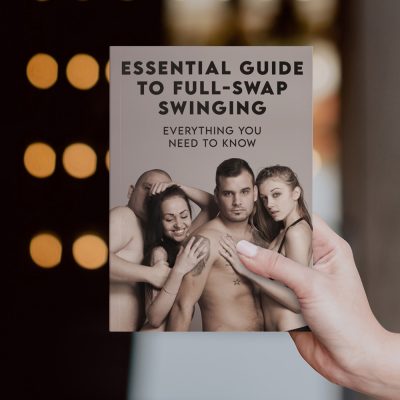
Full swap is the deep end. The rush is intense, but so is the risk of emotional wreckage. That tightening in your chest isn’t just nerves; it’s the fear that a "fun night" could become a permanent scar on your marriage. You can’t un-ring this bell, so never strike it without a plan.
The Essential Guide to Full Swap Swinging replaces reckless gambling with calculated discipline. From ironclad vetting to "emergency brake" scripts, we provide the safety architecture required to swap bodies without losing your minds. Don't just hope it goes well, engineer it

Gemini said
The fantasy is electric. The reality? It can be a grenade that blows up your marriage and your social circle. That tightening in your chest isn't just nerves. It is a warning that you are risking everything on a vibe. "Winging it" is the fastest way to turn a fun group chat into a toxic war zone.
The Essential Guide replaces the chaos with ironclad protocols. We provide the vetting tools, jealousy airlocks, and privacy scripts needed to swap bodies without losing your mind. Secure your safety first.
The fantasy of swinging is electric, but that cold sweat you feel when thinking about your partner with someone else? That’s your survival instinct warning you that your foundation is at stake. Most couples don’t fail because they lacked desire; they fail because they lacked a safety net. Ambiguity is where jealousy festers, and "winging it" is the fastest way to turn a dream into a nightmare of resentment and "what have we done?"
The Essential Guide to Swinging is your anxiety-proof roadmap through the chaos. Don't gamble your marriage on hope. Build a fortress of trust, master the repair chats, and ensure your exploration is defined by care, not a catastrophe
Full swap is the deep end. The rush is intense, but so is the risk of emotional wreckage. That tightening in your chest isn’t just nerves; it’s the fear that a "fun night" could become a permanent scar on your marriage. You can’t un-ring this bell, so never strike it without a plan.
The Essential Guide to Full Swap Swinging replaces reckless gambling with calculated discipline. From ironclad vetting to "emergency brake" scripts, we provide the safety architecture required to swap bodies without losing your minds. Don't just hope it goes well, engineer it
The core idea behind informed consent in swinging ENM
At its core informed consent means all parties know what they are agreeing to and feel free to say no at any time. This is not a one time checkbox. It is a continuous conversation that adapts as feelings change and new information comes up. Ethical non monogamy asks everyone involved to be honest about fear desire boundaries and expectations. When consent is well practiced it lowers the chance of miscommunication and creates space for people to grow together rather than against each other.
Let us break down the essential components of informed consent in the swinging context into five parts. You will find practical tips under each part to help you implement them in real life.
1. Information
All participants should have access to accurate information about the activity. This includes what will happen who will be involved what protections will be used and what the desired outcomes are. Information should also include potential risks and how those risks will be mitigated. The more transparent the discussion the less room there is for misinterpretation.
2. Comprehension
Consent is meaningful only when everyone understands what is being discussed. If there is a language barrier cultural difference or a misunderstanding about who is involved it is essential to take time to clarify. Do not move forward until everyone can explain back in their own words what was agreed to.
3. Voluntariness
Consent must be free from pressure coercion or manipulation. If someone feels obligated to participate due to fear of jeopardizing the relationship they may not be truly consenting. It is okay to take more time or to walk away if someone feels pushed to agree.
4. Capacity
Capacity refers to the ability to give consent in a clear and conscious way. If someone is under the influence of substances or experiences emotional distress it may not be the right moment to decide. In situations like this set a boundary time and revisit when everyone is capable of making a thoughtful choice.
5. Revocation
Consent is a dynamic state not a contract etched in stone. The right to withdraw consent at any time must be respected without repercussions. People may change their minds as feelings shift or circumstances change and that is perfectly valid.
How to build a personal risk profile for swinging ENM
A risk profile is a practical map of the dangers and the protections you choose for yourself. It helps you make safer choices without turning pleasure into fear. Here are steps to build your own risk profile.
- Identify your core values Think about what matters most to you in a relationship. Respect honesty and trust are usually near the top for most people. Your values guide your boundaries and decisions.
- List your activities Write down the kinds of experiences you are comfortable with. This could include where activities take place the types of relationships involved and the level of emotional involvement you want to allow.
- Assess health risks Consider STI awareness testing frequency contraception and the use of protective barriers. Decide what is acceptable and what is not for you and your partners.
- Define your emotional risks Some people worry about jealousy abandonment or fear of loss. Recognize these feelings and plan how you will respond if they arise. This may involve agreed check ins after events or scheduling time to reflect alone or with your partner.
- Set explicit boundaries Boundaries can be about who what when where and how much. They can also cover topics like communication style after events and how information is shared with others in your life.
- Plan for safer sex Decide on the barriers you will use for different activities agree on testing timelines and how you will verify health status with partners. Turn this into a simple shared protocol that you can follow consistently.
- Develop a consent escalation ladder A ladder helps you decide when to proceed what to ask and when to pause for reflection if someone is unsure about a step in the plan.
- Review and revise A risk profile is not a one time document. Revisit it after new experiences changes in relationships or new information arises. Make adjustments together as needed.
Real world scenarios you can learn from
Seeing how risk and consent work in practice makes the theory easier to apply. Here are some realistic situations many people encounter in swinging ENM. Each scenario includes a short risk check and a suggested approach to consent.
Scenario one licensing a second couple for a date night
Alex and Jordan are a couple who decide to invite a second couple to join them for a social and a possible intimate encounter. They have a standing boundary that all activities stay in a group setting until everyone feels comfortable progressing to lower levels of involvement. They discuss what dynamics are on the table what topics are off limits and what signals will be used if someone wants to pause. They review STI status and agree on barrier use and a preferred location for safer sex gear. The group agrees to a check in mid evening and another at the end to ensure feelings remain positive for all involved.
Scenario two one on one play outside the primary relationship
Sam and Casey have a strong trust baseline and decide to see a single partner on a casual basis. They map out both sides risk profiles including what activities are permissible what time frame is acceptable and what information will be shared with the other primary partner. They also discuss how the primary partner will receive updates after the encounter and agree on steps to respond if emotions become challenging. They decide to use protective barriers and to get tested on a routine schedule as a precautionary measure.
Scenario three a date that turns into emotional complexity
Morgan and Priya take a date with someone they met at a social event. The chemistry is strong and Morgan experiences a wave of jealousy. They pause to check in with Priya and confirm boundaries. They renegotiate a comfort level and decide to extend the time but with a plan to end the encounter early if the emotional balance feels off. After the date they meet to reflect and adjust their risk profile focusing on communication and emotional safety. This scenario shows how consent is an ongoing conversation not a single moment.
Scenario four health crisis and consent in motion
A health scare arises when a partner tests positive for an STI. The group talks openly about the implications for ongoing activities. They agree to pause intimate contact until a clear treatment plan is in place and they discuss how to share updates with everyone involved. They revise their safer sex practices and set a new testing schedule. They support each other and continue the relationship in a way that respects everyone s health while preserving trust and transparency.
Negotiation tips and practical processes for consent in swinging ENM
Negotiation is the heart of consent in this space. The goal is not to win an argument but to reach a shared understanding that respects everyone s needs. Here are practical methods you can start using today to improve how you talk about risk and consent.
- Use a consent talk before any activity Schedule a dedicated time to talk about what you are comfortable with what you want to explore and what is off limits. Do this with all involved partners so nothing is assumed.
- Create a written or digital consent sheet A simple document that lists activities and boundaries helps everyone stay aligned. You can revisit and revise this sheet as needed.
- Adopt a check in routine After any encounter, set aside time to discuss how people felt what worked what did not and what you want to change next time. This practice prevents small issues from growing into big ones.
- Agree on a safe word or signal A safe word is a classic tool to pause or stop. If someone is not comfortable using a word a non verbal signal can work as well. Make sure everyone knows what to do when the signal is used.
- Practice active listening Listen to what each person expresses even if it is difficult. Reflect back what you heard to confirm you understood correctly before responding.
- Plan for aftercare Aftercare is the time when people check in emotionally after an encounter. It helps the group feel connected and cared for and it reduces the likelihood of misinterpretation or hurt feelings.
- Respect overrides If someone withdraws consent or wants to pause the activity honor that choice immediately and without question. Do not push to move forward just to please someone else.
- Keep privacy in mind Be mindful of what you share with others outside the group. Respecting privacy preserves trust and protects everyone involved.
Safer sex and health practices in swinging ENM
Health is a practical foundation for enjoying non monogamy with fewer worries. The goal is not to fear risk but to manage it with proven practices that protect everyone involved.
- Regular STI testing Frequency depends on activity level and partner count. Many people test every three to six months. If new partners are introduced consider testing sooner after the first encounter.
- Barrier protection Use condoms for vaginal and anal sex and consider dental dams where appropriate. Even with vaccines or low risk vibes barriers add a critical layer of safety.
- Contraception If pregnancy is not desired you will want to discuss contraception options with partners. Some people combine contraception with barrier methods for extra protection.
- Open communication about status Share STI testing results or status with your partners in a way that is respectful and timely. Discuss how often you intend to update this information.
- Hygiene and aftercare Cleanliness and sanitary practices reduce the risk of infections and make the experience more comfortable for everyone involved.
- Vaccinations and health history Discuss relevant health history and stay up to date with vaccines that may reduce risk in intimate settings.
Managing jealousy and emotional risk in swing culture
Jealousy is not a failure it is a signal. When you hear the word jealousy think of it as information about what you value or need in the relationship. A healthy approach combines honest dialogue with practical steps to reduce triggers. Here are strategies to manage jealousy and build emotional resilience.
- Acknowledge the feeling Naming the emotion is the first step towards handling it. You can say I am feeling jealous and that helps to calm the initial surge.
- Switch to curiosity Ask questions like what would make this feel safer for you and what exactly about the situation triggers this feeling.
- Focus on self care Engage in activities that restore your sense of well being. Sleep nutrition and movement all help in stabilizing emotions.
- Use positive reframing Remind yourself of the benefits of open communication and the strength of your connection with your partner. Shift toward compersion when possible.
- Schedule regular emotional check ins Set up recurring conversations that allow you to process feelings before they escalate into conflict.
When to pause and renegotiate
There are moments when a risk profile or consent plan needs to be revised. If events trigger new fears if a boundary has been crossed or if a partner expresses ongoing discomfort it is time to pause. The process is straightforward. Stop any ongoing activity and have a calm discussion about what happened. Decide together what changes are needed and how to implement them. Sometimes you may decide to discontinue a practice altogether until trust is rebuilt. The point is to keep the lines of communication open and to treat each other with dignity even when the discussion feels challenging.
Tools you can use now
Below are ready to use tools you can adapt to your relationships and your style of communication. They are simple practical and designed to help you act rather than overthink everything.
- Consent check in template A short set of prompts to read through with your partner before any new activity. It covers what will happen what protections will be used and how you will handle changes in consent during the encounter.
- Risk profile worksheet A one page form where you list activities you are comfortable with the level of emotional involvement you want and your health safety plan. Review it together every few months or after major changes in your relationships.
- Aftercare plan A plan for what you will do after an encounter to reconnect emotionally celebrate what went well and address any concerns in a compassionate way.
- Boundary calendar A shared calendar that notes agreed boundaries and any upcoming events. It helps keep everyone informed and reduces miscommunication.
Common pitfalls and how to avoid them
Like any relationship practice swinging ENM can attract miscommunications and hurt if you do not stay mindful. Here are frequent mistakes and straightforward ways to avoid them.
- Assuming consent Do not assume that a partner is happy with a new activity just because they agreed to something similar in the past. Revisit consent regularly.
- Minimizing concerns If a partner voices a worry take it seriously and discuss it. Do not brush it aside with jokes or impatient explanations.
- Inconsistent communication It is tempting to hide emotions until after an encounter. The healthier approach is to share feelings before during and after interactions to stay aligned.
- Overloading with information While information is important avoid overwhelming people. Focus on what is most relevant to the current situation and build from there.
- Neglecting health protocols Do not skip STI testing or drop safety rules to chase excitement. Safety and consent are not speed bumps they are the foundation of trust.
Glossary of useful terms and acronyms
- ENM Ethical non monogamy a practice where all parties consent to non monogamous arrangements.
- Swinging Non monogamous activity often focused on sexual encounters with others outside the primary relationship.
- Compersion Positive feelings when a partner experiences happiness with someone else. A sign of emotional maturity in non monogamous dynamics.
- Consent A clear voluntary agreement to participate in a specific activity.
- Informed consent Consent that includes understanding of the activity risks benefits and alternatives.
- Boundary A limit set by a person or couple about what they will or will not do.
- Capacity The mental ability to understand and decide about participating in an activity.
- Revocation The right to change your mind and withdraw consent at any time.
- STI Sexually transmitted infection a condition that can be transmitted through sexual contact.
- Safer sex Practices intended to reduce risk including barrier methods and regular testing.
Frequently asked questions
What is the best way to begin a consent conversation for swinging ENM
Choose a calm time set expectations and invite everyone to share honestly. Start with your own boundaries what you are curious about and what would make you feel safe. Invite others to respond and repeat back what you heard to confirm understanding.
How often should we revisit our risk profile
Revisit your risk profile every few months or after a major change in the relationship or in life circumstances. If you are introducing new activities or new partners schedule a dedicated check in before moving forward.
What should be included in a consent check in before an encounter
Clarify who will be involved what activities are planned what protections will be used how you will handle any changes and how you will communicate after the encounter. Confirm that everyone is comfortable with the plan.
How do we handle jealousy when it arises
View jealousy as information about what matters to you. Talk openly about the feeling with your partner and discuss steps to reduce triggers. Consider practicing compersion and focusing on connection after the encounter rather than competition.
Is it okay to use a safe word during sex with multiple partners
Yes a safe word is a trusted tool for stopping or slowing down. Make sure all participants know the word and what action should follow. Revisit the plan after each encounter to ensure it still works for everyone.
How can we protect our health while swinging
Agree on STI testing intervals choose barrier methods for different activities and ensure clear communication about status. Keep a shared health plan so all partners are informed and protected.
What if someone misses a consent discussion or forgets a boundary
Treat it as an error that can be corrected. Pause the activity and have a quick re check in with all parties. Update your consent sheet and boundaries to prevent a repeat in the future.
Can consent be revoked after an activity has begun
Yes. If someone wants to stop or slow down the experience respect that choice immediately. Stop the activity and discuss what is needed to move forward in a way that makes everyone feel safe.
Don't let a "Soft Swap" night turn into a "Hard Feelings" morning.
Walking into the club with different expectations is a grenade waiting to explode. He thinks it’s a free-for-all; she thinks it’s just drinks and dancing. That silence in the car ride home? That’s the sound of a preventable disaster.
Stop guessing. Use this tool to sync your "sexual GPS" before you leave the driveway. Determine exactly how wild you’re getting tonight, so the only surprise is how much fun you have.
The fantasy of swinging is electric, but that cold sweat you feel when thinking about your partner with someone else? That’s your survival instinct warning you that your foundation is at stake. Most couples don’t fail because they lacked desire; they fail because they lacked a safety net. Ambiguity is where jealousy festers, and "winging it" is the fastest way to turn a dream into a nightmare of resentment and "what have we done?"
The Essential Guide to Swinging is your anxiety-proof roadmap through the chaos. Don't gamble your marriage on hope. Build a fortress of trust, master the repair chats, and ensure your exploration is defined by care, not a catastrophe
Full swap is the deep end. The rush is intense, but so is the risk of emotional wreckage. That tightening in your chest isn’t just nerves; it’s the fear that a "fun night" could become a permanent scar on your marriage. You can’t un-ring this bell, so never strike it without a plan.
The Essential Guide to Full Swap Swinging replaces reckless gambling with calculated discipline. From ironclad vetting to "emergency brake" scripts, we provide the safety architecture required to swap bodies without losing your minds. Don't just hope it goes well, engineer it
Gemini said
The fantasy is electric. The reality? It can be a grenade that blows up your marriage and your social circle. That tightening in your chest isn't just nerves. It is a warning that you are risking everything on a vibe. "Winging it" is the fastest way to turn a fun group chat into a toxic war zone.
The Essential Guide replaces the chaos with ironclad protocols. We provide the vetting tools, jealousy airlocks, and privacy scripts needed to swap bodies without losing your mind. Secure your safety first.
The fantasy of swinging is electric, but that cold sweat you feel when thinking about your partner with someone else? That’s your survival instinct warning you that your foundation is at stake. Most couples don’t fail because they lacked desire; they fail because they lacked a safety net. Ambiguity is where jealousy festers, and "winging it" is the fastest way to turn a dream into a nightmare of resentment and "what have we done?"
The Essential Guide to Swinging is your anxiety-proof roadmap through the chaos. Don't gamble your marriage on hope. Build a fortress of trust, master the repair chats, and ensure your exploration is defined by care, not a catastrophe
Full swap is the deep end. The rush is intense, but so is the risk of emotional wreckage. That tightening in your chest isn’t just nerves; it’s the fear that a "fun night" could become a permanent scar on your marriage. You can’t un-ring this bell, so never strike it without a plan.
The Essential Guide to Full Swap Swinging replaces reckless gambling with calculated discipline. From ironclad vetting to "emergency brake" scripts, we provide the safety architecture required to swap bodies without losing your minds. Don't just hope it goes well, engineer it
