
Screening Couples Before Meeting


If you are exploring the world of swinging and ethical non monogamy or ENM as we say it consent and clear screening are not optional they are essential. You want to protect your boundaries your emotional health and your physical health while staying fun and adventurous. This guide is a practical deep dive into screening couples before you meet. It covers the terms you will hear the questions to ask the red flags to watch for and real world scenarios. We keep it simple funny and useful so you can apply it tonight.
Quick Links to Useful Sections
- What swinging and ethical non monogamy mean
- Why screening matters
- Key terms you will hear
- Before you screen yourself
- Screening steps for meeting a couple
- Questions to ask a couple during screening
- Relationship and dynamic questions
- Boundaries and limits
- Sexual health and safety
- Logistics and timing
- Communication style
- Red flags to watch for
- Green flags to look for
- Templates and sample messages
- Initial outreach to a couple
- Follow up with screening questions
- Proposing a low risk first meeting
- Red flags and how to handle them
- Realistic meeting scenarios
- Aftercare and ongoing consent
- Practical tips for safer screening
- Safety health and consent recap
- Glossary of useful terms and acronyms
- Frequently asked questions
What swinging and ethical non monogamy mean
Swinging is a form of ENM where couples or singles engage in sexual activity with others outside their primary relationship usually in a social setting such as a party or a planned date. ENM stands for ethical non monogamy a broader umbrella term for relationships that involve more than two people with consent and honesty at the core. Ethical means everyone involved understands the arrangement and agrees to it. It is about transparent communication boundaries and consent that is ongoing.
In swinging the emphasis is often on partnered dynamics with boundaries that protect the primary relationship. In other ENM styles people may have multiple ongoing connections that include dating intimacy or long term partnerships. The important part is that everyone involved agrees to the terms and revisits them as things change.
Why screening matters
Screening is more than a courtesy it is a safety practice. It helps you avoid situations that could trigger jealousy conflict or unsafe sexual practices. Here are the big reasons to screen before meeting a couple.
- Clarifies boundaries and expectations for all participants so there are fewer surprises on the day.
- Reduces the risk of coercion or pressure by providing a clear framework for consent and choice.
- Protects physical health by aligning on safer sex practices and STI testing history.
- Protects emotional health by spotting deal breakers and incompatible energy before time is spent together.
- Builds trust by showing you value your own boundaries and those of potential partners.

Don't let a "Soft Swap" night turn into a "Hard Feelings" morning.
Walking into the club with different expectations is a grenade waiting to explode. He thinks it’s a free-for-all; she thinks it’s just drinks and dancing. That silence in the car ride home? That’s the sound of a preventable disaster.
Stop guessing. Use this tool to sync your "sexual GPS" before you leave the driveway. Determine exactly how wild you’re getting tonight, so the only surprise is how much fun you have.
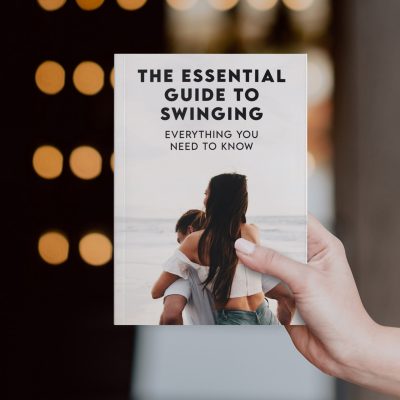
The fantasy of swinging is electric, but that cold sweat you feel when thinking about your partner with someone else? That’s your survival instinct warning you that your foundation is at stake. Most couples don’t fail because they lacked desire; they fail because they lacked a safety net. Ambiguity is where jealousy festers, and "winging it" is the fastest way to turn a dream into a nightmare of resentment and "what have we done?"
The Essential Guide to Swinging is your anxiety-proof roadmap through the chaos. Don't gamble your marriage on hope. Build a fortress of trust, master the repair chats, and ensure your exploration is defined by care, not a catastrophe
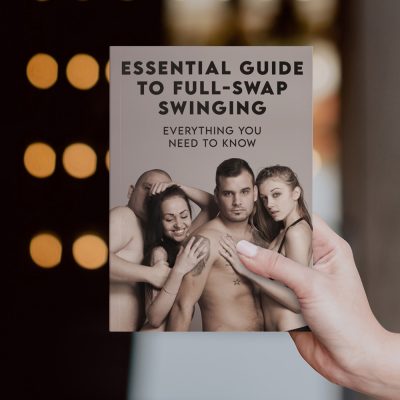
Full swap is the deep end. The rush is intense, but so is the risk of emotional wreckage. That tightening in your chest isn’t just nerves; it’s the fear that a "fun night" could become a permanent scar on your marriage. You can’t un-ring this bell, so never strike it without a plan.
The Essential Guide to Full Swap Swinging replaces reckless gambling with calculated discipline. From ironclad vetting to "emergency brake" scripts, we provide the safety architecture required to swap bodies without losing your minds. Don't just hope it goes well, engineer it
Gemini said
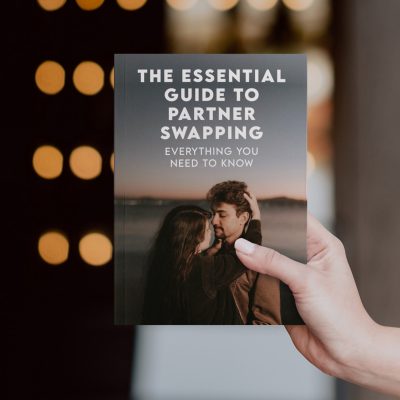
The fantasy is electric. The reality? It can be a grenade that blows up your marriage and your social circle. That tightening in your chest isn't just nerves. It is a warning that you are risking everything on a vibe. "Winging it" is the fastest way to turn a fun group chat into a toxic war zone.
The Essential Guide replaces the chaos with ironclad protocols. We provide the vetting tools, jealousy airlocks, and privacy scripts needed to swap bodies without losing your mind. Secure your safety first.
The fantasy of swinging is electric, but that cold sweat you feel when thinking about your partner with someone else? That’s your survival instinct warning you that your foundation is at stake. Most couples don’t fail because they lacked desire; they fail because they lacked a safety net. Ambiguity is where jealousy festers, and "winging it" is the fastest way to turn a dream into a nightmare of resentment and "what have we done?"
The Essential Guide to Swinging is your anxiety-proof roadmap through the chaos. Don't gamble your marriage on hope. Build a fortress of trust, master the repair chats, and ensure your exploration is defined by care, not a catastrophe
Full swap is the deep end. The rush is intense, but so is the risk of emotional wreckage. That tightening in your chest isn’t just nerves; it’s the fear that a "fun night" could become a permanent scar on your marriage. You can’t un-ring this bell, so never strike it without a plan.
The Essential Guide to Full Swap Swinging replaces reckless gambling with calculated discipline. From ironclad vetting to "emergency brake" scripts, we provide the safety architecture required to swap bodies without losing your minds. Don't just hope it goes well, engineer it
Key terms you will hear
Understanding the language helps you communicate clearly. Here are core terms you will encounter when screening couples in a swinging ENM context.
- ENM Ethical non monogamy a family of relationship styles that include more than two people with consent and honesty at the center.
- Swinging Couples or singles engage in sexual activity with others outside their primary relationship often in social settings or organized events.
- Metamour The partner of your partner in a polycule who you may or may not date directly but who is part of the shared network.
- Primary partner The person who is considered the main relationship within a couple often with a higher level of commitment or expectation of time and energy.
- Boundary A clearly defined line describing what is allowed or not allowed in a sexual or emotional sense.
- Consent An ongoing enthusiastic yes from all involved that can be paused or changed at any time.
- Safe sex protocol Agreed practices for reducing risk including condom use through all sexual acts and discussion of STI testing.
- STI Sexually transmitted infection an infection that can be spread through sexual activity. Testing and disclosure are part of responsible screening.
- Testing window The timeframe within which an STI test result is considered current for a given interaction. Practices vary by STI but many people look for a test within the last 30 to 90 days depending on the act and risk level.
- Red flag A signal that a potential partner may not be a good fit or may pose risk to your boundaries or safety.
- Green flag A signal showing alignment with your values boundaries and safety expectations.
- Cold read A quick impression or guess about a person that does not replace real conversations about boundaries and consent.
Before you screen yourself
Take a moment to get clear on your own boundaries and goals. Screening becomes easier when you know what you want and what you cannot accept. This upfront work protects you during the conversations that follow.
- Know your boundaries Write a short list of hard limits and flexible preferences. If you are unsure keep the list short and revise after your first conversation.
- Decide your stance on safety Decide if you want to require STI testing within a certain window and whether you want to use barrier methods in all sexual acts.
- Clarify your expectations Decide how much time you want to spend with the couple whether you want to date casually or pursue longer term connections and what level of chemistry is required for you to proceed.
- Agree on privacy rules Decide how you want to handle sharing information about the date on social media or within your wider network.
Screening steps for meeting a couple
Use a simple workflow so you do not miss important points. Here is a practical step by step process you can apply right away.
- Set your boundaries first Before you contact a couple review your own non negotiables and soft preferences. This makes the rest of the process easier.
- Collect basic information Ask for the basics such as age general interests and where they are located. This helps you decide if scheduling a time and place makes sense.
- Share your boundaries up front State your preferred PPE or barrier method expectations your tolerance for public spaces and your comfort with swapping or getting intimate with each partner separately.
- Ask about the couple dynamic Find out how they interact together what roles they prefer and how they handle jealousy or conflicts. This is essential for metamour awareness.
- Ask about health and safety Inquire about STI testing history what tests were done what the window was and how results were communicated. If you want to see a recent test result you can request a photo of a lab report redacted for privacy if the couple agrees.
- Propose a screening chat A dedicated chat or voice call to discuss boundaries and preferences helps you move from text to real conversation with less miscommunication.
- Evaluate alignment Compare their answers to your boundaries and expectations. If there are major gaps consider moving on rather than forcing a match.
- Plan a low risk first meeting For many people the first meeting is casual in a public space with clear safety boundaries and a time limit. This is a smart way to test the vibe before anything more intimate happens.
- Debrief after the meeting Talk about what worked what did not and what you want to try next time. Honest debriefs speed up learning and reduce miscommunication.
Questions to ask a couple during screening
Use a mix of direct questions and scenario based prompts. Ask in a respectful tone and give them space to respond thoughtfully. Here are categories and example prompts you can adapt.
Relationship and dynamic questions
- How long have you been together and what is the current dynamic between you two?
- Do you consider yourselves a primary couple or do you have a more fluid structure?
- What does metamour interaction look like for you and how do you handle jealousy?
Boundaries and limits
- What are your hard limits and soft boundaries when it comes to sexual activity with others?
- Are there acts that are absolutely off today not happening no matter what?
- Are you comfortable with public or semi public settings or do you prefer private spaces only?
Sexual health and safety
- Have you been tested for STIs in the last 30 to 90 days and can you share the results?
- Are you open to barrier protection for all sexual activities or do you have exceptions?
- Do you use PrEP if appropriate and are you comfortable discussing HIV status?
Logistics and timing
- When are you available and how flexible are you about scheduling?
- Do you want a single date or multiple casual hangouts before anything more intimate happens?
- Where would you feel safe meeting for the first time and who will be present during the first meeting?
Communication style
- How do you prefer to communicate leading up to a meeting and after?
- What is your process for giving and receiving feedback about experiences?
- What do you do if a boundary is crossed or a misstep occurs?
Red flags to watch for
- Refusal to share any information or to discuss health openly
- Inconsistent or evasive answers about boundaries or where you stand in their relationship
- Pressure to move faster than you are comfortable with or to skip steps in screening
- Requests to meet in private locations without a public space option
- Vague or inherited stories rather than specific clear responses
Green flags to look for
- Clear consistent answers aligned with your boundaries
- Willingness to share health information and discuss safety openly
- Respectful communication style that does not dismiss your concerns
- Mutual interest in making sure all participants feel comfortable and safe
Templates and sample messages
Use these templates as a starting point and customize them to match your voice and boundaries. Keep messages respectful and specific to reduce miscommunication.
Initial outreach to a couple
Hey I am Jamie we are a couple and we came across your profile. We share a love for playful exploration and we want to talk a bit about chemistry boundaries and health before we meet. Are you open to a quick chat this week to explore if we are a good fit
Follow up with screening questions
Great to connect. To keep things clear here are a few questions about boundaries and safety. What does your ideal first meeting look like for you and your partner What are your hard limits What is your plan for STI testing and protection
Proposing a low risk first meeting
If we all vibe on the questions then would you be open to meeting for coffee or a casual bite to talk through expectations and see if we feel comfortable moving forward
Red flags and how to handle them
Early screening is where most misalignment shows up. If you encounter red flags you have three choices you can pause you can request more information or you can walk away. Trust your gut and do not ignore a warning sign just to force a match.
- Red flag example one a couple avoids answering questions or refuses to share information about boundaries or health
- Red flag example two there is a mismatch in expectations regarding the level of casual intimacy or routines
- Red flag example three the couple tries to pressure you to move faster or to accept terms you are not comfortable with
Realistic meeting scenarios
Let us walk through two common real life scenarios so you can see how screening plays out in practice.
Scenario one a couple with a stable relationship who want to explore a casual meetup with a single person. They join a public space for the first meeting discuss boundaries answer questions and agree to a short time period with a strict no pressure vibe. They agree on safe sex practices and exchange basic health information before the date. The date goes smoothly and everyone decides to schedule a second casual meetup with more open communication about how things went and what to adjust next time.
Scenario two a couple with an established dynamic wants a more complex arrangement with a second couple and a metamour. They are open about what each person is seeking and set a plan for the first meeting in a busy public location and a second more intimate session only if all participants feel safe and enthusiastic. The screening reveals a strong alignment on safety health and boundaries and the group continues to negotiate and refine as they get to know each other.
Aftercare and ongoing consent
Screening does not end with a first meet. Aftercare is the follow up that keeps doors open while protecting everyone involved. After a date check in with your partner or partners about how it went. Celebrate what went well and discuss any adjustments needed. If a boundary was tested or crossed use it as a learning moment and adjust your screening or the next date accordingly. Ongoing consent means that at any time any person can pause or stop and that all participants acknowledge and respect that choice.
Practical tips for safer screening
- Keep conversations in public or semi public spaces for the first meetings until you feel comfortable with the safety and vibe.
- Do not share intimate photos or private information until you have established trust and confirmed mutual consent for sharing.
- Use a simple screening checklist so you do not forget important topics during conversations.
- Beacon your boundaries with confident language and avoid apologizing for your limits or needs.
- Respect the other parties boundaries even if they differ from yours and look for common ground rather than forcing a match.
Safety health and consent recap
Health safety and consent form the backbone of screening. Be honest be clear and be kind. Open conversations about testing barrier methods and safe play help create enjoyable experiences while protecting everyone involved. If you are unsure about a boundary or a split in expectations it is better to pause and revisit the topic rather than push ahead.
Glossary of useful terms and acronyms
- ENM Ethical non monogamy a term for relationship styles that involve more than two people with consent and honesty at the core.
- Swinging A form of ENM where couples engage sexually with others outside their primary relationship often in social settings.
- Metamour The partner of your partner who is in the same network but not romantically involved with you.
- Primary partner The main relationship in a couple often with higher commitment or expectations.
- Secondary A partner who is not the primary partner but who has a meaningful connection within the ENM network.
- NSP No strings attached a phrase used to express casual sexual encounters without ongoing commitments.
- STI Sexually transmitted infection infections that can be spread through sexual activity.
- Testing window The recommended period within which a test result is considered current for safety planning.
- Safe sex protocol Agreed practices to reduce risk including barrier methods and open dialogue about health.
Frequently asked questions
Don't let a "Soft Swap" night turn into a "Hard Feelings" morning.
Walking into the club with different expectations is a grenade waiting to explode. He thinks it’s a free-for-all; she thinks it’s just drinks and dancing. That silence in the car ride home? That’s the sound of a preventable disaster.
Stop guessing. Use this tool to sync your "sexual GPS" before you leave the driveway. Determine exactly how wild you’re getting tonight, so the only surprise is how much fun you have.
The fantasy of swinging is electric, but that cold sweat you feel when thinking about your partner with someone else? That’s your survival instinct warning you that your foundation is at stake. Most couples don’t fail because they lacked desire; they fail because they lacked a safety net. Ambiguity is where jealousy festers, and "winging it" is the fastest way to turn a dream into a nightmare of resentment and "what have we done?"
The Essential Guide to Swinging is your anxiety-proof roadmap through the chaos. Don't gamble your marriage on hope. Build a fortress of trust, master the repair chats, and ensure your exploration is defined by care, not a catastrophe
Full swap is the deep end. The rush is intense, but so is the risk of emotional wreckage. That tightening in your chest isn’t just nerves; it’s the fear that a "fun night" could become a permanent scar on your marriage. You can’t un-ring this bell, so never strike it without a plan.
The Essential Guide to Full Swap Swinging replaces reckless gambling with calculated discipline. From ironclad vetting to "emergency brake" scripts, we provide the safety architecture required to swap bodies without losing your minds. Don't just hope it goes well, engineer it
Gemini said
The fantasy is electric. The reality? It can be a grenade that blows up your marriage and your social circle. That tightening in your chest isn't just nerves. It is a warning that you are risking everything on a vibe. "Winging it" is the fastest way to turn a fun group chat into a toxic war zone.
The Essential Guide replaces the chaos with ironclad protocols. We provide the vetting tools, jealousy airlocks, and privacy scripts needed to swap bodies without losing your mind. Secure your safety first.
The fantasy of swinging is electric, but that cold sweat you feel when thinking about your partner with someone else? That’s your survival instinct warning you that your foundation is at stake. Most couples don’t fail because they lacked desire; they fail because they lacked a safety net. Ambiguity is where jealousy festers, and "winging it" is the fastest way to turn a dream into a nightmare of resentment and "what have we done?"
The Essential Guide to Swinging is your anxiety-proof roadmap through the chaos. Don't gamble your marriage on hope. Build a fortress of trust, master the repair chats, and ensure your exploration is defined by care, not a catastrophe
Full swap is the deep end. The rush is intense, but so is the risk of emotional wreckage. That tightening in your chest isn’t just nerves; it’s the fear that a "fun night" could become a permanent scar on your marriage. You can’t un-ring this bell, so never strike it without a plan.
The Essential Guide to Full Swap Swinging replaces reckless gambling with calculated discipline. From ironclad vetting to "emergency brake" scripts, we provide the safety architecture required to swap bodies without losing your minds. Don't just hope it goes well, engineer it
