
Therapy and Coaching for Swinging Couples

Hey there, welcome to a friendly, no fluff guide about getting support when you are navigating the swinging dynamic in ethical non monogamy. Think of this as a practical playbook from someone who has seen a lot of couples grow stronger by asking the right questions and getting skilled guidance. We are talking about help that respects your choices, your consent culture, and your need for clear communication. This guide explains what therapy and coaching can do for swinging couples and how to choose a professional who understands ENM inside and out. We break down terms, share realistic scenarios, and offer actionable steps you can take today.
Quick Links to Useful Sections
- What swinging means in an ethical non monogamy context
- Therapy versus coaching for swinging couples
- Therapy
- Coaching
- Which one should you choose
- What to expect when you start therapy or coaching
- Finding the right professional for an ENM swinging dynamic
- Look for ENM or swinging positive practitioners
- Ask about experience with your exact dynamic
- Check credentials and scope
- Ask about confidentiality and boundaries
- Discuss treatment or coaching plans up front
- What a session might look like for swinging couples
- Common challenges swinging couples face and how support helps
- Jealousy and insecurity
- Boundaries that drift or clash
- Communication breakdowns
- Managing metamour relationships
- Time management and life integration
- Consent and safety concerns
- Tools and frameworks that can help
- Structured communication frameworks
- Clear consent processes
- Boundary mapping
- Emotion regulation and coping strategies
- Metamour communication playbooks
- Practical steps to start right now
- Realistic scenarios you might encounter
- Scenario A: A couple wants to open up but fear upsetting the primary bond
- Scenario B: Jealousy spikes after a successful new connection
- Scenario C: Metamour boundaries feel unclear
- Scenario D: Trauma history intersects with ENM dynamics
- What to tell a therapist or coach about your ENM dynamic
- Ethics and safety in ENM focused therapy and coaching
- Cost considerations and accessibility
- Glossary of useful terms
- Frequently asked questions
- Checklists to guide your journey
- Closing notes for swinging couples seeking support
- Frequently used terms and acronyms
What swinging means in an ethical non monogamy context
Before we dive in, let us define the landscape. Swinging is a dynamic in which partners in a committed relationship engage in sexual experiences with other people. The emphasis is typically on recreational or social dating rather than forming ongoing romantic attachments with metamours. In ethical non monogamy or ENM, the focus is on consent, transparent communication, and agreements that work for all involved. People choose swinging for variety adventure connection and to explore aspects of their sexuality in a consensual framework. Some couples keep swinging as a regular feature others treat it as a spontaneous event or a periodic experiment. The key is that everyone involved is aware of the rules and boundaries and that consent is ongoing.
Important terms you might hear include:
- ENM Ethical Non Monogamy the umbrella term for relationship models that involve more than two people with consent and openness.
- Swinging A form of ENM where partners engage in sexual activities with others but usually without forming ongoing romantic bonds with those others.
- Metamour The partner of your partner in an ENM arrangement. You may or may not know them well and you may or may not date them yourself.
- Boundaries The explicit rules that couples set to govern what is allowed and what is not in their sexual and emotional lives.
- Consent A clear and ongoing agreement to participate in a given activity with another person.
Therapy versus coaching for swinging couples
Therapy and coaching serve different roles but both can be incredibly helpful for swinging couples. Here is how to think about each option and how they can fit your needs.
Therapy
Therapy is usually conducted by licensed mental health professionals such as psychologists, clinical social workers, or psychiatrists. Therapy focuses on mental health patterns that may affect the relationship. In a swinging context therapy can help with issues like anxiety jealousy insecurity past trauma communication patterns attachment styles and trauma recovery. A therapist will explore emotional dynamics in depth and may offer diagnosis or treatment plans when needed. The goal is to improve mental well being and relationship functioning in a broader sense rather than to promote a specific ENM model. A therapist who understands ENM will respect your relationship structure and work within your agreed framework.
Coaching
Coaching is typically more goal focused and future oriented. A relationship coach or sex coach may partner with you to improve communication skills set boundaries design better agreements plan safe play or navigate transitions into new phases of your ENM life. Coaches usually do not diagnose or treat mental health conditions. They bring practical strategies and accountability to help you reach concrete outcomes. If your main needs are clear communication improvement conflict resolution and practical plan building coaching can be a fast and hands on option.
Which one should you choose
Many swinging couples actually benefit from a combination. You might start with coaching to build a communication framework and then move to therapy if emotions run deep or unresolved past issues surface. If there are signs of clinical anxiety depression or trauma therapy becomes essential. The right approach depends on your goals your current relationship health and the level of emotional complexity you want to manage. A skilled professional can help you decide and adapt as things change.
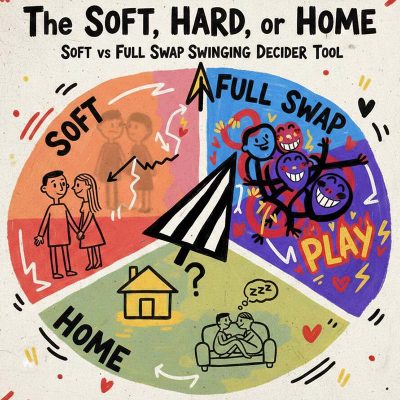
Don't let a "Soft Swap" night turn into a "Hard Feelings" morning.
Walking into the club with different expectations is a grenade waiting to explode. He thinks it’s a free-for-all; she thinks it’s just drinks and dancing. That silence in the car ride home? That’s the sound of a preventable disaster.
Stop guessing. Use this tool to sync your "sexual GPS" before you leave the driveway. Determine exactly how wild you’re getting tonight, so the only surprise is how much fun you have.
The fantasy of swinging is electric, but that cold sweat you feel when thinking about your partner with someone else? That’s your survival instinct warning you that your foundation is at stake. Most couples don’t fail because they lacked desire; they fail because they lacked a safety net. Ambiguity is where jealousy festers, and "winging it" is the fastest way to turn a dream into a nightmare of resentment and "what have we done?"
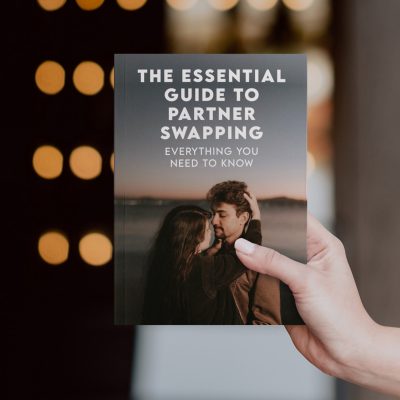
The Essential Guide to Swinging is your anxiety-proof roadmap through the chaos. Don't gamble your marriage on hope. Build a fortress of trust, master the repair chats, and ensure your exploration is defined by care, not a catastrophe
Full swap is the deep end. The rush is intense, but so is the risk of emotional wreckage. That tightening in your chest isn’t just nerves; it’s the fear that a "fun night" could become a permanent scar on your marriage. You can’t un-ring this bell, so never strike it without a plan.
The Essential Guide to Full Swap Swinging replaces reckless gambling with calculated discipline. From ironclad vetting to "emergency brake" scripts, we provide the safety architecture required to swap bodies without losing your minds. Don't just hope it goes well, engineer it
Gemini said
The fantasy is electric. The reality? It can be a grenade that blows up your marriage and your social circle. That tightening in your chest isn't just nerves. It is a warning that you are risking everything on a vibe. "Winging it" is the fastest way to turn a fun group chat into a toxic war zone.
The Essential Guide replaces the chaos with ironclad protocols. We provide the vetting tools, jealousy airlocks, and privacy scripts needed to swap bodies without losing your mind. Secure your safety first.
The fantasy of swinging is electric, but that cold sweat you feel when thinking about your partner with someone else? That’s your survival instinct warning you that your foundation is at stake. Most couples don’t fail because they lacked desire; they fail because they lacked a safety net. Ambiguity is where jealousy festers, and "winging it" is the fastest way to turn a dream into a nightmare of resentment and "what have we done?"
The Essential Guide to Swinging is your anxiety-proof roadmap through the chaos. Don't gamble your marriage on hope. Build a fortress of trust, master the repair chats, and ensure your exploration is defined by care, not a catastrophe
Full swap is the deep end. The rush is intense, but so is the risk of emotional wreckage. That tightening in your chest isn’t just nerves; it’s the fear that a "fun night" could become a permanent scar on your marriage. You can’t un-ring this bell, so never strike it without a plan.
The Essential Guide to Full Swap Swinging replaces reckless gambling with calculated discipline. From ironclad vetting to "emergency brake" scripts, we provide the safety architecture required to swap bodies without losing your minds. Don't just hope it goes well, engineer it
What to expect when you start therapy or coaching
When you step into therapy or coaching for swinging couples you should expect a respectful, confidential, and collaborative environment. Professionals who understand ENM recognize that there is no one size fits all blueprint. They will ask about your agreements safety safety within your sexual activity with others your communication rituals and your emotional responses to swinging. You will likely discuss boundaries you have set what works what feels challenging and where you want to go next as a couple. The pace can be gentle or faster depending on what you both need. Some sessions may involve both partners together and some sessions may include one partner alone to address individual concerns. The important thing is to feel heard and to move toward healthier interaction patterns that honor everyone involved.
Finding the right professional for an ENM swinging dynamic
Not all therapy or coaching is created equal when it comes to ENM. Here is how to find someone who gets your world and does not pathologize your choices.
Look for ENM or swinging positive practitioners
Search profiles that explicitly mention ENM ethical non monogamy non monogamy or swinging. A practitioner who mentions non traditional relationships or open relationships in their approach is a good sign. Read their bios for language that signals respect curiosity and knowledge about consent boundaries and metamours.
Ask about experience with your exact dynamic
When you contact a therapist or coach ask about their experience with swinging couples. You might say something like this is our first session together with a partner we want to explore our boundaries and improve our communication skills. Do you have experience with metamours jealousy management and the emotional gravity that can accompany open relationships?
Check credentials and scope
For therapy verify licensure and what practices they follow. For coaching verify certifications and what framework they use. Clarify whether they work with couples only or also offer individual sessions as part of a program. Make sure their ethics align with your values including confidentiality and consent.
Ask about confidentiality and boundaries
Confidentiality is essential in any therapy or coaching relationship. You should understand how your data is stored how sessions are documented and who may access information if any. In ENM scenarios it is also important to discuss if and how information about your swinging activities is shared with a partner or metamour in cases where clients request integrated family or couple support. A good professional will explain limits and ensure you feel secure about what you disclose.
Discuss treatment or coaching plans up front
Before you begin you should have a plan. In therapy the plan may involve targets such as reducing reactionary jealousy building a shared language for discussing boundaries or healing past traumas that affect your relationship. In coaching the plan could focus on creating better check ins learning to negotiate new agreements or establishing a safer framework for swinging that is sustainable. Ask for a rough outline of sessions frequency and the metrics you will use to measure progress.
What a session might look like for swinging couples
In a typical session you may start with ground rules and a quick check in about how each partner is feeling. The therapist or coach will listen for patterns that contribute to conflict such as miscommunication misaligned boundaries or hidden fears. They may propose practical exercises to do between sessions. These could include structured conversations using a guided script simulated negotiation of a hypothetical scenario or role playing a difficult metamour conversation. The aim is to create a predictable safe space where each person can express themselves with honesty and care. A good professional will tailor the session to your unique history and your current needs rather than impose a generic approach.
Common challenges swinging couples face and how support helps
Every ENM journey is different but some themes tend to show up often. Here are common issues and how therapy or coaching can address them.
Jealousy and insecurity
Jealousy is a natural emotion in any relationship dynamic. In swinging it can be intensified by feeling excluded comparison or fear of losing primary status. A therapist or coach can help you identify the root causes of jealousy and teach you strategies to respond with curiosity rather than accusation. Techniques may include emotional labeling practicing self soothing and learning to articulate needs without blame. With skilled guidance couples often move toward healthier responses and more compassionate communication.
Boundaries that drift or clash
Boundaries are living guidelines that require updates as life changes. A swinging couple might discover that their initial boundaries no longer fit their evolving desires or that one partner feels constrained. A professional can help you renegotiate boundaries in a way that respects both partners. The focus is on clarity and mutual consent rather than compliance or coercion.
Communication breakdowns
Open relationships amplify the risks of miscommunication. A misread message a hurried text a vague tone can all escalate into tension. Therapy or coaching can provide you with a shared language for talking about sensitive topics and teach you negotiations that protect both partners emotional safety. You will work on listening skills and how to express feelings without attacking the other person.
Managing metamour relationships
Metamours add a layer of complexity. You might worry about how your partner relates to someone else or about the transparency and trust in the group. A coach or therapist can help you design structures for metamour boundaries communication plans and social boundaries that reduce friction while honoring everyone s autonomy.
Time management and life integration
Swinging often requires balancing schedules limited energy and competing priorities. Guidance can help you create practical calendars set safe play windows and agree on how swinging fits into your couple and family life. This reduces the risk of resentment and keeps everyone feeling valued.
Consent and safety concerns
Ongoing consent is the heart of ENM. You may discuss testing agreements STI/STD safety agreements and honest disclosure rules. A professional can help you craft a safety plan that respects each person s health and boundaries while maintaining the playful spirit of your relationship.
Tools and frameworks that can help
There are several evidence informed tools you can use with a professional to improve outcomes in swinging relationships. Here is a practical toolkit you can discuss with a therapist or coach.
Structured communication frameworks
Techniques such as the practice of checking in with a feeling first and using specific examples can reduce defensiveness. A simple approach is to name the feeling then describe the behavior that triggered it and finally state the need or boundary that follows. This structure keeps conversations constructive and focused on actions rather than blame.
Clear consent processes
Consent is ongoing and negotiable. Create a consent ladder listing activities from most comfortable to least comfortable with thresholds where either partner can pause the discussion. A professional can help you design a clear process for renegotiation as feelings evolve.
Boundary mapping
Boundaries can be depicted visually using a map of zones. The inner circle houses non negotiables the middle circle holds negotiables and the outer circle shows aspirational boundaries you would consider over time. This visual tool makes it easier to see overlaps and gaps between partners and metamours.
Emotion regulation and coping strategies
Techniques such as labeling emotions taking a pause practicing grounded breathing and stepping away to regroup can prevent conflicts from spiraling. A coach or therapist can teach you quick routines to regain calm during tense moments.
Metamour communication playbooks
Develop playbooks for conversations with metamours that you can adapt to different personalities. A structured approach helps you establish boundaries a respectful tone and practical expectations for ongoing interactions.
Don't let a "Soft Swap" night turn into a "Hard Feelings" morning.
Walking into the club with different expectations is a grenade waiting to explode. He thinks it’s a free-for-all; she thinks it’s just drinks and dancing. That silence in the car ride home? That’s the sound of a preventable disaster.
Stop guessing. Use this tool to sync your "sexual GPS" before you leave the driveway. Determine exactly how wild you’re getting tonight, so the only surprise is how much fun you have.
The fantasy of swinging is electric, but that cold sweat you feel when thinking about your partner with someone else? That’s your survival instinct warning you that your foundation is at stake. Most couples don’t fail because they lacked desire; they fail because they lacked a safety net. Ambiguity is where jealousy festers, and "winging it" is the fastest way to turn a dream into a nightmare of resentment and "what have we done?"
The Essential Guide to Swinging is your anxiety-proof roadmap through the chaos. Don't gamble your marriage on hope. Build a fortress of trust, master the repair chats, and ensure your exploration is defined by care, not a catastrophe
Full swap is the deep end. The rush is intense, but so is the risk of emotional wreckage. That tightening in your chest isn’t just nerves; it’s the fear that a "fun night" could become a permanent scar on your marriage. You can’t un-ring this bell, so never strike it without a plan.
The Essential Guide to Full Swap Swinging replaces reckless gambling with calculated discipline. From ironclad vetting to "emergency brake" scripts, we provide the safety architecture required to swap bodies without losing your minds. Don't just hope it goes well, engineer it
Gemini said
The fantasy is electric. The reality? It can be a grenade that blows up your marriage and your social circle. That tightening in your chest isn't just nerves. It is a warning that you are risking everything on a vibe. "Winging it" is the fastest way to turn a fun group chat into a toxic war zone.
The Essential Guide replaces the chaos with ironclad protocols. We provide the vetting tools, jealousy airlocks, and privacy scripts needed to swap bodies without losing your mind. Secure your safety first.
The fantasy of swinging is electric, but that cold sweat you feel when thinking about your partner with someone else? That’s your survival instinct warning you that your foundation is at stake. Most couples don’t fail because they lacked desire; they fail because they lacked a safety net. Ambiguity is where jealousy festers, and "winging it" is the fastest way to turn a dream into a nightmare of resentment and "what have we done?"
The Essential Guide to Swinging is your anxiety-proof roadmap through the chaos. Don't gamble your marriage on hope. Build a fortress of trust, master the repair chats, and ensure your exploration is defined by care, not a catastrophe
Full swap is the deep end. The rush is intense, but so is the risk of emotional wreckage. That tightening in your chest isn’t just nerves; it’s the fear that a "fun night" could become a permanent scar on your marriage. You can’t un-ring this bell, so never strike it without a plan.
The Essential Guide to Full Swap Swinging replaces reckless gambling with calculated discipline. From ironclad vetting to "emergency brake" scripts, we provide the safety architecture required to swap bodies without losing your minds. Don't just hope it goes well, engineer it
Practical steps to start right now
If you are ready to explore therapy or coaching here are practical steps you can take today to move forward in a thoughtful way.
- Clarify your goals Write down what you want to achieve through support. Examples might include improving communication creating stable boundaries or navigating a new swing phase.
- Collect your agreements Gather a copy of your current agreements or write them down in one place. This helps the professional understand your starting point.
- Ask for referrals Reach out to friends or trusted communities who have used ENM aware professionals. Personal recommendations can be very valuable.
- Prepare questions Create a list of questions you want to ask during a first session. Include questions about experience with ENM and the therapist or coach s approach to conflict resolution.
- Set boundaries for sessions Decide who will participate in initial sessions how you will handle scheduling and what you hope to protect from outside discussion.
- Consider logistics Decide whether you want in person sessions online or a hybrid approach. Confirm what safety and privacy measures are offered.
Realistic scenarios you might encounter
To make this practical here are a few brief scenarios that reflect common dynamics in swinging couples and how support could help. These are not real people but representative examples based on what many clients share with therapists and coaches.
Scenario A: A couple wants to open up but fear upsetting the primary bond
In this scenario a couple is curious about exploring with others but worries that new experiences could threaten their emotional connection. A therapist could help them articulate what primary means to each partner and craft a tiered plan for exploration starting with low risk activities. They might use role playing to rehearse conversations with each other and with potential partners and set a time bound trial to assess how the process affects trust and closeness.
Scenario B: Jealousy spikes after a successful new connection
In this case jealousy emerges after an exciting date and the couple experiences unexpected discomfort. A coach can help them identify what is fueling the jealousy and introduce real time communication strategies for processing emotions in the moment. They might set a debrief routine after sessions with a focus on containment and reaffirming shared values.
Scenario C: Metamour boundaries feel unclear
When metamours begin to play a larger role in the couple s life boundaries can feel murky. A therapist can guide a boundary renegotiation conversation that includes metamours if appropriate. They will help the couple articulate what feels safe what needs to be clarified and what will be reassessed over time.
Scenario D: Trauma history intersects with ENM dynamics
If one partner has a history of trauma that resurfaces in ENM contexts professional support is essential. A therapist with trauma informed practice can help both partners navigate triggers build safety planning and reinforce self care while maintaining respect for the relationship choices.
What to tell a therapist or coach about your ENM dynamic
Honesty is the backbone of good support. When you start a session you should be ready to share the following in a respectful and precise way.
- Your current ENM structure including whether you have a primary partner and how you define your agreements.
- Past experiences with swinging including what worked and what did not work.
- Specific goals you want to achieve through therapy or coaching.
- Any safety concerns or medical considerations including STI testing agreements and agreed upon risk reduction practices.
- Boundaries that you currently hold and what piece of the dynamic you want to revisit.
Being explicit about these topics helps your professional tailor their approach and reduces guesswork. It also speeds up the process of building trust and creating a plan that resonates with both partners.
Ethics and safety in ENM focused therapy and coaching
Ethical practice matters in every therapeutic or coaching relationship. For swinging couples this includes respecting confidentiality honoring consent and avoiding coercion or moral judgment. A good professional will acknowledge that ENM is a legitimate relationship choice and will work within your framework rather than trying to convert you to a different model. Safety planning is also a core component including practical steps to reduce risk during sexual activities with others and ensuring everyone has access to health care resources and support if needed.
Cost considerations and accessibility
Cost varies by location experience and the credentials of the professional. Some therapists bill by hourly rates while coaches may offer package deals or sliding scale arrangements. When budgeting for therapy or coaching consider not only the session fee but also the cost of between session exercises and any materials. If possible ask about telehealth options which can improve accessibility for people who live outside major urban centers. Some community clinics and non profits also offer reduced rates for couples seeking ENM friendly support. You deserve access to guidance that respects your relationship and your budget.
Glossary of useful terms
- ENM Ethical Non Monogamy a framework that allows multiple consensual intimate or sexual relationships.
- Swinging Sexually connecting with others outside the primary couple while maintaining a primary bond.
- Metamour The partner of your partner in an ENM arrangement.
- Primary partner The person designated as the main intimate connection in a relationship and often the partner who shares a long term life together.
- Consent Ongoing voluntary agreement to participate in activities with another person.
- Boundaries The limits a couple sets around sexual emotional and social activities.
- Trauma informed practice A therapeutic approach that recognizes the impact of trauma and addresses potential triggers with sensitivity.
- Compersion A feeling of joy from your partner s happiness even when you are not the source of that happiness.
- Communication skills The abilities to listen express feelings clearly and negotiate effectively.
Frequently asked questions
What is the difference between therapy and coaching for swinging couples?
Therapy focuses on mental health patterns and may address underlying emotional issues with clinical interventions. Coaching focuses on building practical skills and achieving specific relationship goals. Some couples use both in sequence to first stabilize then optimize their ENM life.
How do I know if we need therapy or coaching first?
If you are experiencing high levels of distress anxiety or trauma related responses therapy is a good starting point. If you feel confident about handling emotions but want better communication and clearer agreements coaching can be very effective. A first consultation can help you decide which path fits your needs.
How can we protect privacy when seeking ENM friendly professionals?
Choose a clinician or coach who explicitly states confidentiality policies and consent for sharing information within your chosen framework. If you require, discuss boundaries about third party disclosures and how metamour details are handled. You should feel safe to disclose sensitive information.
How many sessions will we need?
That depends on your goals and your starting point. Some couples see meaningful improvement in a few sessions while others may continue for months. Your professional will work with you to establish a plan with target milestones and a realistic timeline.
What if one partner wants to swing and the other does not?
This is a common challenge. A therapist can help you explore motives and fears and create a fair process for decision making. In some cases the best path includes a temporary halt a renegotiation or a decision to pursue a different arrangement that respects both partners needs.
Is it okay to include metamours in therapy or coaching?
Sometimes yes sometimes not. It depends on your consent boundaries and the goals of the sessions. Some couples find it useful to invite metamours to joint sessions or to have separate conversations that then feed into the couples work. Your practitioner will propose the option that best protects everyone's safety and privacy.
How do we deal with secrecy or fear of disclosure to others?
Honesty is a core target for many ENM focused professionals. They will help you establish what information is appropriate to share and with whom. You may decide to keep some details private from certain social circles while remaining transparent with your primary partner and metamours. The key is to agree on a plan that reduces risk and protects emotional safety.
Can therapy help with trauma related to past relationships that affects ENM?
Yes. A trauma informed therapist can help you process past experiences that still affect your responses today. The work may involve grounding techniques reset of safety cues and strategies to navigate current ENM interactions in a healthier way.
What questions should we ask a potential ENM aware practitioner?
Ask about their experience with swinging or ENM ask for examples of how they support couples through jealousy or boundary renegotiation and inquire about their approach to confidentiality and consent. Also ask about session formats frequency and what a typical plan might look like for your goals.
Are online sessions as effective as in person sessions for ENM coaching or therapy?
Online sessions can be very effective and often increase accessibility. The quality depends on the practitioner and your ability to engage remotely. If you value privacy and convenience online sessions can be a great fit especially for couples who have busy schedules or live in areas with fewer ENM friendly professionals.
Checklists to guide your journey
- Before you start Define goals identify your top two or three questions you want answered and list current agreements and boundaries.
- During sessions Be honest about your needs practice active listening and ask for concrete examples when a concept feels unclear.
- After sessions Review what you learned write down changes you will implement and schedule follow up sessions if needed.
- Ongoing maintenance Build regular check ins into your routine to prevent drift and keep repairing trust as your ENM life evolves.
Closing notes for swinging couples seeking support
Choosing to pursue therapy or coaching for a swinging relationship is a sign of strength and care. It shows you want to grow together and to create a life that respects each partner s autonomy while maintaining a strong emotional bond. You deserve professionals who view ENM as a legitimate path not a problem to be fixed. With the right support you can deepen trust expand your capacity for honest conversation and enjoy a healthier more resilient dynamic that honors your shared journey.
Frequently used terms and acronyms
- ENM Ethical Non Monogamy a relationship style where multiple consensual intimate or sexual connections occur.
- Swinging A form of ENM focused on sexual experiences with others while preserving a primary bond.
- Metamour The partner of your partner in an ENM arrangement.
- Open relationship A broad term for relationships where more than two people have romantic or sexual freedom.
- Boundaries Personal rules about what is permissible in emotional and sexual space.
- Consent A clear ongoing agreement to participate in activities with another person.
- Communication framework A structured approach to discussing difficult topics in a constructive way.
Don't let a "Soft Swap" night turn into a "Hard Feelings" morning.
Walking into the club with different expectations is a grenade waiting to explode. He thinks it’s a free-for-all; she thinks it’s just drinks and dancing. That silence in the car ride home? That’s the sound of a preventable disaster.
Stop guessing. Use this tool to sync your "sexual GPS" before you leave the driveway. Determine exactly how wild you’re getting tonight, so the only surprise is how much fun you have.
The fantasy of swinging is electric, but that cold sweat you feel when thinking about your partner with someone else? That’s your survival instinct warning you that your foundation is at stake. Most couples don’t fail because they lacked desire; they fail because they lacked a safety net. Ambiguity is where jealousy festers, and "winging it" is the fastest way to turn a dream into a nightmare of resentment and "what have we done?"
The Essential Guide to Swinging is your anxiety-proof roadmap through the chaos. Don't gamble your marriage on hope. Build a fortress of trust, master the repair chats, and ensure your exploration is defined by care, not a catastrophe
Full swap is the deep end. The rush is intense, but so is the risk of emotional wreckage. That tightening in your chest isn’t just nerves; it’s the fear that a "fun night" could become a permanent scar on your marriage. You can’t un-ring this bell, so never strike it without a plan.
The Essential Guide to Full Swap Swinging replaces reckless gambling with calculated discipline. From ironclad vetting to "emergency brake" scripts, we provide the safety architecture required to swap bodies without losing your minds. Don't just hope it goes well, engineer it
Gemini said
The fantasy is electric. The reality? It can be a grenade that blows up your marriage and your social circle. That tightening in your chest isn't just nerves. It is a warning that you are risking everything on a vibe. "Winging it" is the fastest way to turn a fun group chat into a toxic war zone.
The Essential Guide replaces the chaos with ironclad protocols. We provide the vetting tools, jealousy airlocks, and privacy scripts needed to swap bodies without losing your mind. Secure your safety first.
The fantasy of swinging is electric, but that cold sweat you feel when thinking about your partner with someone else? That’s your survival instinct warning you that your foundation is at stake. Most couples don’t fail because they lacked desire; they fail because they lacked a safety net. Ambiguity is where jealousy festers, and "winging it" is the fastest way to turn a dream into a nightmare of resentment and "what have we done?"
The Essential Guide to Swinging is your anxiety-proof roadmap through the chaos. Don't gamble your marriage on hope. Build a fortress of trust, master the repair chats, and ensure your exploration is defined by care, not a catastrophe
Full swap is the deep end. The rush is intense, but so is the risk of emotional wreckage. That tightening in your chest isn’t just nerves; it’s the fear that a "fun night" could become a permanent scar on your marriage. You can’t un-ring this bell, so never strike it without a plan.
The Essential Guide to Full Swap Swinging replaces reckless gambling with calculated discipline. From ironclad vetting to "emergency brake" scripts, we provide the safety architecture required to swap bodies without losing your minds. Don't just hope it goes well, engineer it
