
What Swinging Is and What It Is Not


Let us be real for a moment. Swinging is a term that can conjure up wild images or warm fuzzy feelings depending on who you talk to. In the world of ethical non monogamy or ENM the term refers to a specific set of practices centered on consensual exploration outside a primary relationship. This guide keeps it simple and practical. We break down what swinging is and what it is not. We explain key terms and provide realistic scenarios to help you decide if this dynamic might fit you and your partner. And yes we keep the tone casual because this is life not a lecture hall. If you are curious enough to read this you deserve an honest answer that respects your time and energy.
Quick Links to Useful Sections
- What swinging is
- Consent and communication at the center
- Typically couples or individuals join together
- Open to a range of experiences
- Ethical and transparent boundaries
- Safe sex as a priority
- What swinging is not
- Not a cure for relationship problems
- Not a free for all about casual sex
- Not only for younger people
- Not about replacing your partner
- Not inherently chaotic
- Key terms and acronyms you will hear
- How swinging works in practice
- Starting the conversation the right way
- Setting boundaries that fit you
- Choosing a setting that feels safe
- Communication during the experience
- Aftercare and debrief
- Health and safety routines
- Realistic scenarios you might encounter
- Scenario one the social venue swing
- Scenario two the offline dating app path
- Scenario three the couple who grows together
- Scenario four the jealousy challenge
- Common mistakes and how to avoid them
- Inspection points before you dive in
- Glossary of useful terms and acronyms
- Frequently asked questions
What swinging is
Swinging is a form of ethical non monogamy. Ethical non monogamy means all parties consent to more than one intimate or sexual relationship. The focus in swinging is often sexual activity with other couples or individuals outside the main relationship while maintaining clear boundaries. The core ideas are consent communication and safety. When done well swinging is about shared discovery rather than secrecy.
Consent and communication at the center
The foundation of swinging is consent. That means everyone involved has agreed to participate and to the boundaries that are in place. Consent is ongoing and can be renegotiated at any time. Communication is how you check in before decisions and after experiences. This is not a one time conversation. It is a continuous practice that evolves with each new person you meet and every new setting you try.
Typically couples or individuals join together
Many swinging scenarios involve a couple who decides to explore together. In other cases a single person may join a couple or a group. The common thread is mutual agreement. People do not force partners into experiences and they avoid situations where one person feels pushed into something uncomfortable.
Open to a range of experiences
Swinging can involve touch or sex with others. Some people prefer to keep activities limited to kissing or cuddling. Others might explore full sexual experiences with others. The exact activities are defined in a set of negotiated rules. Those rules reflect what works for the people involved. The important part is that the boundaries are created together and respected by all parties.
Ethical and transparent boundaries
In swinging honesty is essential. People share their expectations and concerns. They discuss what would cause them to stop or pause the experience. They talk about whether emotions like jealousy are on the table and how to handle them if they arise. This level of openness distinguishes swinging from casual casual dating outside a primary relationship in a way that centers on consideration for all involved.
Safe sex as a priority
Health and safety are non negotiable for many swinging groups. This often means regular STI testing shared rules about safe sex practices and clear plans for what to do if testing results change. Practicing safer sex is a common standard in the swinging community and it helps everyone feel more secure while exploring.
What swinging is not
It is important to separate myths from reality. Here are common misconceptions and what the reality looks like in responsible swinging communities.
Not a cure for relationship problems
Swinging is not a patch for unmet needs in a relationship. If a couple is unhappy or disconnected swinging can amplify issues rather than fix them. The best outcomes come when a couple builds strong communication skills and shared values before adding new experiences.
Not a free for all about casual sex
Swinging is not a free for all where boundaries disappear once two people show up at a venue. It is a structured experience with negotiated rules. Violating those rules undermines trust and can cause real harm. Respect for boundaries is essential.
Not only for younger people
Age is not the gatekeeper. People of many ages explore swinging. What matters is willingness to communicate clearly and to negotiate boundaries that fit your life situation rather than chasing trends.
Not about replacing your partner
Swinging is not about removing a partner from your life. It is about adding experiences while keeping your primary relationship intact. If one partner starts to feel edged out that is a sign to pause and reassess the dynamic together.
Not inherently chaotic
Some people picture swinging as chaos and drama. In healthy setups the process is calm and deliberate. Logistics matter just as much as feelings. People plan time places and boundaries to reduce friction and protect relationships.
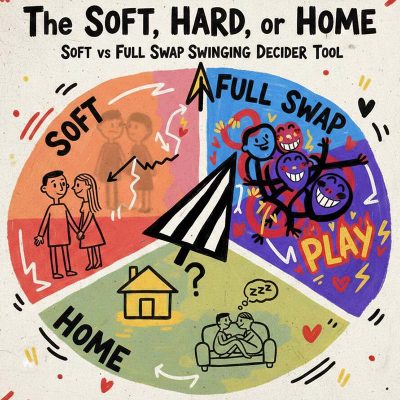
Don't let a "Soft Swap" night turn into a "Hard Feelings" morning.
Walking into the club with different expectations is a grenade waiting to explode. He thinks it’s a free-for-all; she thinks it’s just drinks and dancing. That silence in the car ride home? That’s the sound of a preventable disaster.
Stop guessing. Use this tool to sync your "sexual GPS" before you leave the driveway. Determine exactly how wild you’re getting tonight, so the only surprise is how much fun you have.
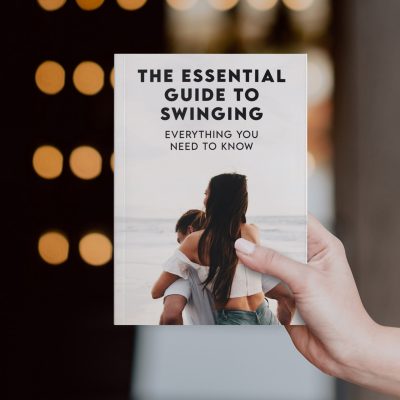
The fantasy of swinging is electric, but that cold sweat you feel when thinking about your partner with someone else? That’s your survival instinct warning you that your foundation is at stake. Most couples don’t fail because they lacked desire; they fail because they lacked a safety net. Ambiguity is where jealousy festers, and "winging it" is the fastest way to turn a dream into a nightmare of resentment and "what have we done?"
The Essential Guide to Swinging is your anxiety-proof roadmap through the chaos. Don't gamble your marriage on hope. Build a fortress of trust, master the repair chats, and ensure your exploration is defined by care, not a catastrophe
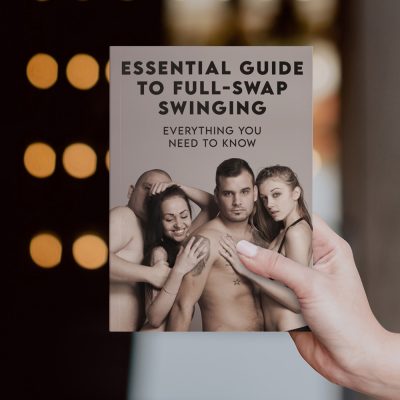
Full swap is the deep end. The rush is intense, but so is the risk of emotional wreckage. That tightening in your chest isn’t just nerves; it’s the fear that a "fun night" could become a permanent scar on your marriage. You can’t un-ring this bell, so never strike it without a plan.
The Essential Guide to Full Swap Swinging replaces reckless gambling with calculated discipline. From ironclad vetting to "emergency brake" scripts, we provide the safety architecture required to swap bodies without losing your minds. Don't just hope it goes well, engineer it
Gemini said
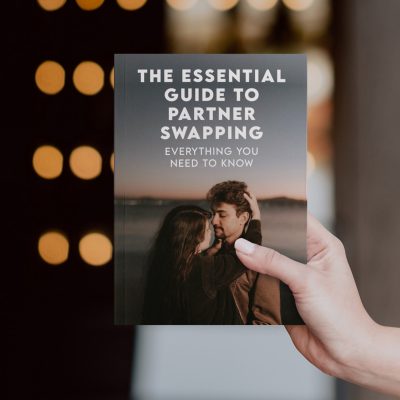
The fantasy is electric. The reality? It can be a grenade that blows up your marriage and your social circle. That tightening in your chest isn't just nerves. It is a warning that you are risking everything on a vibe. "Winging it" is the fastest way to turn a fun group chat into a toxic war zone.
The Essential Guide replaces the chaos with ironclad protocols. We provide the vetting tools, jealousy airlocks, and privacy scripts needed to swap bodies without losing your mind. Secure your safety first.
The fantasy of swinging is electric, but that cold sweat you feel when thinking about your partner with someone else? That’s your survival instinct warning you that your foundation is at stake. Most couples don’t fail because they lacked desire; they fail because they lacked a safety net. Ambiguity is where jealousy festers, and "winging it" is the fastest way to turn a dream into a nightmare of resentment and "what have we done?"
The Essential Guide to Swinging is your anxiety-proof roadmap through the chaos. Don't gamble your marriage on hope. Build a fortress of trust, master the repair chats, and ensure your exploration is defined by care, not a catastrophe
Full swap is the deep end. The rush is intense, but so is the risk of emotional wreckage. That tightening in your chest isn’t just nerves; it’s the fear that a "fun night" could become a permanent scar on your marriage. You can’t un-ring this bell, so never strike it without a plan.
The Essential Guide to Full Swap Swinging replaces reckless gambling with calculated discipline. From ironclad vetting to "emergency brake" scripts, we provide the safety architecture required to swap bodies without losing your minds. Don't just hope it goes well, engineer it
Key terms and acronyms you will hear
Definitions help you join the conversation without fear of sounding silly. Here are some terms you will want to know. We keep it practical and straightforward so you can explain them to a friend without pulling your hair out.
- ENM Short for ethical non monogamy. A broad term that covers any relationship style based on consent and open communication about more than one romantic or sexual connection.
- Swinging A subset of ENM focused on sexual activity with others outside the primary relationship usually while the primary couple remains intact.
- Polyamory A form of ENM where people have multiple loving relationships concurrently. The emphasis is often on emotional connections as well as sexual ones.
- Primary partner The person who holds a central role in a relationship. This is the relationship the couple most often wants to protect and nurture.
- Secondary partner A partner who is not the primary but still part of the life in a meaningful way. The exact status can vary by couple and it is defined by the people involved.
- Soft swap A scenario in which a couple agrees to engage in intimate acts that do not include penetrative sex with others. The point is to share a moment while staying within certain boundaries.
- Full swap A scenario where partners engage in penetrative sexual activity with others outside the primary relationship. Clear consent and rules are essential.
- Boundaries Rules set by the couple or group to define what is acceptable. Boundaries cover sex acts location times and communication expectations.
- Safe sex practices Measures taken to reduce risk of STI transmission. This includes condom use regular testing and honest communication about health status.
- Jealousy management Techniques and agreements designed to handle feelings of jealousy with care and respect for everyone involved.
How swinging works in practice
Real life starts with clear planning. A lot of what makes swinging work is how well partners talk through scenarios before they happen. You want to avoid last minute surprises that can derail trust. The following sections walk you through practical steps and considerations.
Starting the conversation the right way
Begin with a calm moment and a shared intention. You might say something like we want to explore this together but we also want to protect our relationship. Ask how your partner feels and listen without interrupting. The goal is to understand each other not win a debate.
Setting boundaries that fit you
Boundaries will be different for every couple. Some common boundaries include what activities are allowed who can participate which venues are acceptable and how to communicate during a play session. You might also set a rule about emotional check ins after experiences and how to handle jealousy if it arises.
Choosing a setting that feels safe
Swinging can happen in a private home a dedicated club or at a social event. The best choice depends on comfort levels location privacy and what you want to experience. For beginners a controlled environment such as a reputable swinging club with staff supervision can be a good way to start while you learn the rhythm.
Communication during the experience
Communication is the oxygen of swinging. People use signals safe words or simple verbal cues to pause or stop. Having check in points during the experience helps partners stay connected and aware of each other s comfort without pulling you out of the moment constantly.
Aftercare and debrief
Aftercare is the small moments after an encounter when you reconnect with your partner. It can be a quiet text a hug a shared drink or a longer conversation. The purpose is to understand what worked what did not and what adjustments might be needed for future experiences.
Health and safety routines
Health matters. Regular STI testing is a common practice in the swinging community especially if partners have other partners. Use protection where appropriate and agree on how to manage health information and testing results in a respectful and confidential way.
Realistic scenarios you might encounter
No two swinging journeys look exactly the same. Here are a few realistic snapshots to give you a sense of what to expect. These are not rigid plans but references you can adapt to your own life and comfort level.
Scenario one the social venue swing
A couple visits a social club designed for ENM communities. They meet a friendly couple who share easy conversation and a warmth they both recognize. They discuss boundaries learn about shared interests and decide to explore a soft swap in a supervised room. Afterward they reflect on the experience while having a non sexual drink together. The evening ends with a feeling of curiosity rather than pressure to repeat anything immediately.
Scenario two the offline dating app path
A trio of friends decide to use an ENM friendly dating app to meet others. They update their profiles with clear boundaries and read others profiles thoroughly. They arrange a first meet over coffee to measure chemistry before any physical contact. They choose to test boundaries gradually and prioritize consent at every step. The plan includes a follow up conversation about how everyone felt and whether to continue.
Scenario three the couple who grows together
A couple who has been together for several years wants to deepen their connection rather than just chase novelty. They commit to weekly emotional check ins and monthly experiments with new experiences that align with their shared values. They approach this with curiosity and care and they adjust boundaries as they grow. Their aim is not to fill gaps but to celebrate trust and communication.
Scenario four the jealousy challenge
Jealousy arrives like weather in a season. A partner feels a flash of insecurity during an encounter. They pause and discuss the feeling with honesty. The other partner acknowledges it without becoming defensive. They may adjust boundaries recalibrate expectations or simply give each other space to feel what is there. The outcome is a decision that can strengthen the relationship rather than end it.
Common mistakes and how to avoid them
- Rushing into experiences before you are ready. Take your time and set the pace that fits both partners.
- Ignoring boundaries or assuming someone else will manage them for you. Write rules down and revisit them regularly.
- Leaving emotional conversations for late at night after you both feel tired. Schedule discussions when you are fresh and present.
- Assuming everyone shares the same level of comfort. Check in with each person involved and document agreements so nothing is left unsaid.
- Comparing yourselves to others. Every couple has its own strengths and limits. Focus on your own journey instead of chasing a stereotype.
Inspection points before you dive in
If swinging feels intriguing here is a quick readiness checklist. Check off items as you go and revisit any area that feels uncertain.
- Open and honest conversations have happened between both partners.
- You have agreed on core boundaries that protect your relationship.
- You both know how you will handle jealousy if it arises.
- You understand basic safer sex practices and health responsibilities.
- You have a plan for aftercare and follow up conversations post experience.
- You feel seen and respected regardless of the choice you make about pursuing swinging.
Glossary of useful terms and acronyms
- ENM Ethical non monogamy a broad label for relationship styles that involve consensual non exclusivity.
- Swinging A form of ENM focused on sexual activity with others outside the primary relationship while preserving that relationship.
- Polyamory ENM that emphasizes multiple loving relationships often with emotional connections as a central element.
- Primary partner The person who holds central importance in a relationship and to whom one typically feels most committed.
- Secondary partner A partner who is not the primary but still part of the life and can be emotionally significant.
- Soft swap Activity that excludes penetrative sex with others and focuses on other forms of intimacy.
- Full swap Engaging in penetrative sexual activity with others outside the primary relationship.
- Boundaries Agreed rules that describe what is and is not allowed in a given situation.
- Consent A voluntary and informed agreement to participate in a specific activity.
- Safe sex practices Methods to reduce health risks including use of barriers and regular testing.
- Aftercare Time spent reconnecting after an experience to nurture trust and emotional safety.
Frequently asked questions
What is swinging in ethical non monogamy
Swinging is a practice within ENM where couples or individuals engage in sexual activities with others outside their primary relationship with clear consent and defined boundaries.
How is swinging different from polyamory
Swinging typically emphasizes sexual experiences outside the main relationship with less emphasis on ongoing emotional connections. Polyamory centers on forming multiple loving relationships that may include emotional bonds and long term commitments.
What if my partner and I do not agree on swinging
Honest conversation is essential. It is okay to pause and revisit the topic later. If agreement cannot be reached some couples choose to not pursue swinging and focus on strengthening their relationship in other ways.
Is swinging only for couples who have been together a long time
No. People at various stages of a relationship explore swinging when it feels right. The key elements are mutual consent clear boundaries and ongoing communication.
What are common boundaries in swinging
Common boundaries include what activities are allowed who can participate where this can happen how often you will reassess you safety practices and how you will communicate during and after experiences.
How do you handle jealousy in swinging
Jealousy is a normal feeling. The best approach is open conversation about the emotion and the underlying cause. Adjusting boundaries talking about needs and practicing reassurance can help keep the relationship solid.
What safety measures should I take
Regular STI testing sharing health status with partners who need to know using barrier methods when appropriate and choosing safe venues. Clear rules about what each person is comfortable with also reduces risk.
How do you begin if you are curious
Start with a calm conversation in a safe space. Define what you both hope to gain and what you want to avoid. Consider reading together and joining community groups or events designed for ENM to learn in a supportive environment.
Can swinging be a long term lifestyle
Yes it can be a long term lifestyle for some couples. It requires ongoing communication and regular check ins to adapt to changes in feelings life and circumstances.
Don't let a "Soft Swap" night turn into a "Hard Feelings" morning.
Walking into the club with different expectations is a grenade waiting to explode. He thinks it’s a free-for-all; she thinks it’s just drinks and dancing. That silence in the car ride home? That’s the sound of a preventable disaster.
Stop guessing. Use this tool to sync your "sexual GPS" before you leave the driveway. Determine exactly how wild you’re getting tonight, so the only surprise is how much fun you have.
The fantasy of swinging is electric, but that cold sweat you feel when thinking about your partner with someone else? That’s your survival instinct warning you that your foundation is at stake. Most couples don’t fail because they lacked desire; they fail because they lacked a safety net. Ambiguity is where jealousy festers, and "winging it" is the fastest way to turn a dream into a nightmare of resentment and "what have we done?"
The Essential Guide to Swinging is your anxiety-proof roadmap through the chaos. Don't gamble your marriage on hope. Build a fortress of trust, master the repair chats, and ensure your exploration is defined by care, not a catastrophe
Full swap is the deep end. The rush is intense, but so is the risk of emotional wreckage. That tightening in your chest isn’t just nerves; it’s the fear that a "fun night" could become a permanent scar on your marriage. You can’t un-ring this bell, so never strike it without a plan.
The Essential Guide to Full Swap Swinging replaces reckless gambling with calculated discipline. From ironclad vetting to "emergency brake" scripts, we provide the safety architecture required to swap bodies without losing your minds. Don't just hope it goes well, engineer it
Gemini said
The fantasy is electric. The reality? It can be a grenade that blows up your marriage and your social circle. That tightening in your chest isn't just nerves. It is a warning that you are risking everything on a vibe. "Winging it" is the fastest way to turn a fun group chat into a toxic war zone.
The Essential Guide replaces the chaos with ironclad protocols. We provide the vetting tools, jealousy airlocks, and privacy scripts needed to swap bodies without losing your mind. Secure your safety first.
The fantasy of swinging is electric, but that cold sweat you feel when thinking about your partner with someone else? That’s your survival instinct warning you that your foundation is at stake. Most couples don’t fail because they lacked desire; they fail because they lacked a safety net. Ambiguity is where jealousy festers, and "winging it" is the fastest way to turn a dream into a nightmare of resentment and "what have we done?"
The Essential Guide to Swinging is your anxiety-proof roadmap through the chaos. Don't gamble your marriage on hope. Build a fortress of trust, master the repair chats, and ensure your exploration is defined by care, not a catastrophe
Full swap is the deep end. The rush is intense, but so is the risk of emotional wreckage. That tightening in your chest isn’t just nerves; it’s the fear that a "fun night" could become a permanent scar on your marriage. You can’t un-ring this bell, so never strike it without a plan.
The Essential Guide to Full Swap Swinging replaces reckless gambling with calculated discipline. From ironclad vetting to "emergency brake" scripts, we provide the safety architecture required to swap bodies without losing your minds. Don't just hope it goes well, engineer it
