
Why Couples Choose Swinging


Hey curious readers welcome to a down to earth look at swinging the ethical non monogamy dynamic we call swinging. This is not a hype filled fantasy page it is a practical honest guide to why couples explore swinging what they get from it and how they make it work. We at The Monogamy Experiment like to talk straight about relationships and dating in ways that feel relatable and real. Swinging is a choice couples make for many different reasons and it can be a powerful path when approached with clear communication consent respect boundaries and a sense of humor. This deep dive will walk you through what swinging actually is how it fits into the larger world of ethical non monogamy and how couples navigate the journey with honesty and care.
Quick Links to Useful Sections
- What swinging is and how it fits into ENM
- Why couples choose swinging
- 1. Reigniting curiosity energy and novelty
- 2. Shared experiences and teamwork
- 3. Compersion and emotional growth
- 4. Honest negotiation of sexual appetite
- 5. Reducing sexual boredom and improving communication
- 6. A pathway to safer sex and practical boundaries
- 7. A structure that supports trust security and sense of control
- How swinging differs from other ENM styles
- Swinging versus polyamory
- Swinging versus open relationship
- Same room versus private play
- Negotiation boundaries and communication strategies that work
- 1. Start with honest self reflection
- 2. Create a shared playbook
- 3. Define the boundaries around time and energy
- 4. Safer sex and health basics
- 5. The role of soft swap and full swap in boundary setting
- 6. Handling jealousy with care and compassion
- 7. Debriefs after experiences
- 8. Privacy boundaries and social media safety
- Common myths and truths about swinging
- Myth 1 seeking sex with others means the relationship is failing
- Myth 2 swinging means you are not committed
- Myth 3 jealousy means you should stop swinging
- Myth 4 swinging is always sexual exploration with strangers
- Myth 5 swinging is not for long term relationships
- Realistic scenarios how swinging can play out in real life
- Scenario A New to swinging two partners test the waters
- Scenario B Soft swap with a trusted couple
- Scenario C Full swap within a sanctioned club event
- Scenario D Post experience emotional check in and adjustment
- The emotional journey how swinging affects the couple space
- Compersion as a growing habit
- Trust as a living practice
- Boundary sense and personal growth
- Glossary of useful terms and acronyms
- Practical tips for everyday life with swinging ENM
- Is swinging right for you
- Safety and ethics in swinging ENM
- Getting started with swinging the friendly practical route
- Step 1 Sit down and talk honestly
- Step 2 Define your core boundaries
- Step 3 Start with a controlled first experience
- Step 4 Focus on aftercare and emotional processing
- FAQs about swinging ENM
Before we dive in a quick note on terms and acronyms because if you are new to this space the vocabulary matters. Swinging is a popular form of ethical non monogamy or ENM the umbrella term for relationships that involve romantic or sexual connections with other people outside the primary couple. ENM stands for ethical non monogamy a practice that emphasizes consent communication and transparent boundaries. When we describe swinging we are talking about couples often swapping partners in social settings or private play while keeping a strong commitment to their own relationship. Some couples use the term swinging and some prefer open relationship or non monogamy. The core idea is negotiated consent and mutual respect the goal is a shared sense of connection and exploration rather than secrecy or breach of trust.
What swinging is and how it fits into ENM
To understand why couples choose swinging it helps to start with a clear definition. Swinging is a form of ENM that focuses on sexual experiences outside the couple while typically preserving the emotional bond and fidelity within the primary relationship. In many setups couples meet other couples or individuals for shared experiences. Some participants describe swinging as a social dance where boundaries are agreed upon before anyone enters the scene. Others see it as a way to explore fantasies that feel exciting yet still align with a committed relationship. The emphasis in swinging is consent honest communication and practical safety rather than romance or long term polyamorous attachments. It is a distinct path within ENM with its own rules rituals and etiquette.
In the world of ENM there are several styles and preferences. Swinging typically involves partner swaps either soft or full. Soft swap means the couple is comfortable swapping with others but not engaging in penetrative sex with someone outside the relationship. Full swap means all parties participate in sexual activity together including penetrative acts. Some couples keep negotiating what is on or off the table and those negotiations form the backbone of their swinging routine. Compared with polyamory swinging tends to focus more on shared experiences and less on developing ongoing emotional connections with multiple people. Both swinging and polyamory share the core value of consent and transparency but the aims and boundaries often look different in practice.
Why couples choose swinging
Couples decide to swing for a variety of reasons and often those reasons overlap. Here are the most common motivations that routinely show up in conversations with couples who are exploring this ENM dynamic.
1. Reigniting curiosity energy and novelty
Long term relationships can drift into comfortable routines and swinging offers a spark a sense of novelty without leaving the relationship. The thrill of meeting new people and sharing experiences can translate into a renewed sense of closeness intimacy and playfulness between partners. It is not about checking out or escaping the relationship it is about inviting new stories into a shared life.
2. Shared experiences and teamwork
Many couples see swinging as a collaborative project a team based adventure. Making decisions together planning a date night setting boundaries and sharing the experience can strengthen teamwork. The act of negotiating boundaries and then following through with the plan becomes a bonding exercise in itself. The couple learns to communicate not just about sex but about their needs their comfort levels and their emotional triggers.
3. Compersion and emotional growth
Compersion is the feeling of joy when your partner experiences pleasure with someone else. It can be surprising difficult to feel at first but with practice compersion grows into a meaningful warm response to your partner finding excitement with others. Swinging can be a path to learning to feel happy for your partner rather than anxious or threatened. This emotional growth can spill over into other areas of the relationship making daily life easier and more playful.
4. Honest negotiation of sexual appetite
Sexual desire evolves over time. Some couples find that their needs shift and swinging provides a practical way to acknowledge and address those shifts. Rather than pretending everything is the same they explore new possibilities while keeping their core bond intact. This can lead to increased sexual satisfaction and a better understanding of each partner’s desires.
5. Reducing sexual boredom and improving communication
Communication is a cornerstone of swinging. The process of negotiating rules scheduling check ins and debriefing after experiences creates a discipline around talk. Many couples report that they communicate more openly about needs boundaries and fantasies than before. The act of regular honest dialogue becomes a habit that spills into other areas of the relationship.
6. A pathway to safer sex and practical boundaries
Swinging often comes with explicit conversations about sexual safety testing and boundaries. For some couples these conversations push them toward more consistent safer sex practices there is a shared commitment to protect health and well being. The process of setting boundaries and agreeing on rules can feel empowering and responsible rather than restrictive.
7. A structure that supports trust security and sense of control
When couples articulate rules consent and boundaries they often feel a greater sense of control over their romance. Swinging can offer a structure that supports trust mutual respect and a predictable framework for exciting experiences. This structure helps reduce uncertainty and helps both partners feel seen heard and valued.
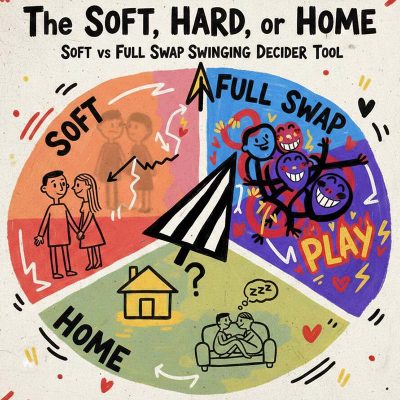
Don't let a "Soft Swap" night turn into a "Hard Feelings" morning.
Walking into the club with different expectations is a grenade waiting to explode. He thinks it’s a free-for-all; she thinks it’s just drinks and dancing. That silence in the car ride home? That’s the sound of a preventable disaster.
Stop guessing. Use this tool to sync your "sexual GPS" before you leave the driveway. Determine exactly how wild you’re getting tonight, so the only surprise is how much fun you have.
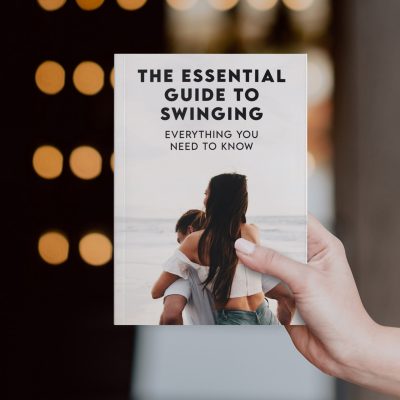
The fantasy of swinging is electric, but that cold sweat you feel when thinking about your partner with someone else? That’s your survival instinct warning you that your foundation is at stake. Most couples don’t fail because they lacked desire; they fail because they lacked a safety net. Ambiguity is where jealousy festers, and "winging it" is the fastest way to turn a dream into a nightmare of resentment and "what have we done?"
The Essential Guide to Swinging is your anxiety-proof roadmap through the chaos. Don't gamble your marriage on hope. Build a fortress of trust, master the repair chats, and ensure your exploration is defined by care, not a catastrophe
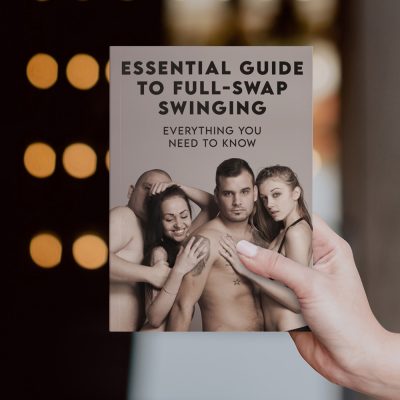
Full swap is the deep end. The rush is intense, but so is the risk of emotional wreckage. That tightening in your chest isn’t just nerves; it’s the fear that a "fun night" could become a permanent scar on your marriage. You can’t un-ring this bell, so never strike it without a plan.
The Essential Guide to Full Swap Swinging replaces reckless gambling with calculated discipline. From ironclad vetting to "emergency brake" scripts, we provide the safety architecture required to swap bodies without losing your minds. Don't just hope it goes well, engineer it
Gemini said
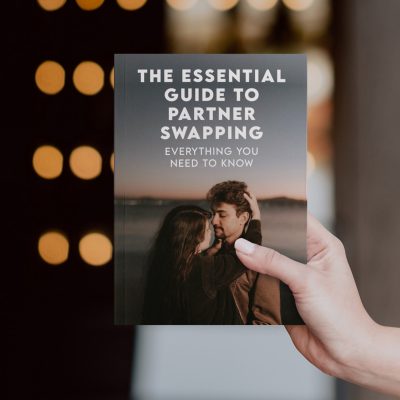
The fantasy is electric. The reality? It can be a grenade that blows up your marriage and your social circle. That tightening in your chest isn't just nerves. It is a warning that you are risking everything on a vibe. "Winging it" is the fastest way to turn a fun group chat into a toxic war zone.
The Essential Guide replaces the chaos with ironclad protocols. We provide the vetting tools, jealousy airlocks, and privacy scripts needed to swap bodies without losing your mind. Secure your safety first.
The fantasy of swinging is electric, but that cold sweat you feel when thinking about your partner with someone else? That’s your survival instinct warning you that your foundation is at stake. Most couples don’t fail because they lacked desire; they fail because they lacked a safety net. Ambiguity is where jealousy festers, and "winging it" is the fastest way to turn a dream into a nightmare of resentment and "what have we done?"
The Essential Guide to Swinging is your anxiety-proof roadmap through the chaos. Don't gamble your marriage on hope. Build a fortress of trust, master the repair chats, and ensure your exploration is defined by care, not a catastrophe
Full swap is the deep end. The rush is intense, but so is the risk of emotional wreckage. That tightening in your chest isn’t just nerves; it’s the fear that a "fun night" could become a permanent scar on your marriage. You can’t un-ring this bell, so never strike it without a plan.
The Essential Guide to Full Swap Swinging replaces reckless gambling with calculated discipline. From ironclad vetting to "emergency brake" scripts, we provide the safety architecture required to swap bodies without losing your minds. Don't just hope it goes well, engineer it
How swinging differs from other ENM styles
Understanding how swinging sits within ENM helps couples decide if this path matches their values and goals. Here is a quick comparison to other common ENM styles.
Swinging versus polyamory
Swinging usually prioritizes shared experiences with outside partners while keeping the main emotional bond intact. Polyamory often involves forming ongoing romantic relationships with more than one person and these relationships may be emotionally intense and long lasting. Swinging tends to be more play oriented with a focus on sexual exploration and shared adventures with others. Polyamory tends to involve deeper emotional connections and multiple ongoing loving relationships.
Swinging versus open relationship
An open relationship is a broad category that can include various forms of outside dating including aspects of swinging. Open relationships may or may not involve swapping partners in the same social circle. Swinging is a specific style that emphasizes partner swaps often in a social setting or through organized events. Both require consent honesty and boundaries but swinging has a tighter emphasis on the act of swapping and shared experiences rather than pursuing multiple emotional attachments.
Same room versus private play
For some couples swinging happens in a swingers club or at organized events where all participants are present in the same space. Others prefer private play multiple setups a friend group or a discreet encounter with a single couple. The choice often depends on comfort level privacy concerns and the couple style. Both approaches rely on clear consent for everyone involved and a plan for aftercare and communication.
Negotiation boundaries and communication strategies that work
The success of swinging is deeply tied to how well a couple communicates and negotiates. Here are practical steps that many couples find useful when they start or continue swinging.
1. Start with honest self reflection
Each partner should spend time thinking about their own desires fears boundaries and motivations. Write down a few core questions can you handle emotional responses what would your ideal outcome look like what are your deal breakers. This self reflection creates a stronger foundation for joint discussions.
2. Create a shared playbook
Agree on a written set of rules. Common sections include allowed activities allowed venues allowed body language and non verbal cues a method for safe sex testing how to handle jealousy and how to handle a possible breach of trust. A playbook is a living document you revise it as your needs evolve.
3. Define the boundaries around time and energy
Time is precious especially in long term relationships. Decide how much time you want to allocate to outside play how to balance it with date nights and how to protect your primary relationship. This helps prevent resentment and keeps both partners feeling secure even as you widen your circle.
4. Safer sex and health basics
Discuss testing frequency decide on how to handle condom use and consent until everyone is comfortable. Some couples set a rule that everyone must be up to date on STI testing and share results with their partners. A few couples include an agreed downtime after experiences to integrate the emotional and physical aspects before moving forward again.
5. The role of soft swap and full swap in boundary setting
Soft swap means exchanging partners with overlapping activities while not engaging in penetrative sex with someone outside the primary relationship. Full swap means engaging in penetrative acts with others. Some couples prefer soft swap while others savor full swap. Your choice will influence how you plan dates and how you discuss comfort levels with potential partners.
6. Handling jealousy with care and compassion
Jealousy is a natural human emotion and it can arise in swinging too. The key is to acknowledge it talk about it and use it as a signal to check in with your partner. Practice compersion when possible and consider taking a break if emotions feel overwhelming. Remember you can pause or adjust rules as needed. The goal is to keep both partners feeling respected and safe.
7. Debriefs after experiences
After every outside experience set aside time to discuss what worked what did not and what could be improved. Positive feedback and gentle constructive critique help both partners grow and deepen trust. The debreif should feel like a supportive conversation not a performance review.
8. Privacy boundaries and social media safety
Some couples prefer to keep swinging completely private. Others are comfortable sharing some aspects publicly. Decide how you want to handle photos stories and mentions on social platforms. Respect the other person s boundaries and ensure both partners are comfortable with any exposure.
Common myths and truths about swinging
Like any relationship topic swinging is surrounded by myths myths can cause fear or stigma and that makes it harder to decide what is right for a couple. Here are some common myths and the truths that many couples discover in practice.
Myth 1 seeking sex with others means the relationship is failing
The truth is many couples choose swinging precisely to strengthen their bond to keep things interesting and to share experiences that feel exciting. Swinging is a conscious choice not a confession of relationship weakness.
Myth 2 swinging means you are not committed
Commitment is a choice controlled by the couple not a particular sexual activity. When both partners are on the same page swinging can coexist with a deep lasting emotional bond built on trust and mutual care.
Myth 3 jealousy means you should stop swinging
Jealousy does not automatically end swinging. It can be a signal to pause reflect and adjust boundaries. Many couples discover that steady honest dialogue reduces jealousy over time and even transforms it into a growth opportunity.
Myth 4 swinging is always sexual exploration with strangers
While meeting new people is common swinging can also occur with people you know. Some couples build a trusted circle of friends and rotate experiences within that circle. The key is consent clear communication and agreed boundaries.
Myth 5 swinging is not for long term relationships
Swinging works for many long term couples who want ongoing shared experiences. It can be a stabilizing force when played with respect and care. The commitment remains in the primary relationship even as you explore outside experiences.
Realistic scenarios how swinging can play out in real life
To make this concrete let us walk through a few common scenarios. These examples are typical and designed to illustrate how couples might approach swinging in different life stages and with different comfort levels.
Scenario A New to swinging two partners test the waters
In this scenario the couple has talked about swinging for months and decides to attend a small private gathering. They set rules around staying together in the same room limiting activities to non penetrating contact changing venues if either partner feels uneasy and agreeing to pause if a strong emotional reaction arises. After the event they debrief discussing what felt exciting what was uncomfortable and what to adjust for next time. The first experience can be a learning moment and a chance to build confidence as a couple.
Scenario B Soft swap with a trusted couple
A couple they know well invites them to try a soft swap at a friend s house. They agree to two acts with no penetrative sex both partners participating in oral activity only with clear boundaries. They check in mid evening and decide to end the night early if either partner feels overwhelmed. The experience strengthens their ability to communicate and helps them feel more secure about their own desires and boundaries.
Scenario C Full swap within a sanctioned club event
Longer term swingers who have built strong trust agree to a controlled full swap within a club environment. They discuss what information to share with the other participants and ensure that everyone involved understands consent boundaries and expectations. The couple might have a designated aftercare plan which could include quiet time together a shared meal or a cuddle back at home after the event. This scenario illustrates how structure helps maintain emotional safety while still enabling a high energy experience.
Scenario D Post experience emotional check in and adjustment
After any outside experience the couple holds a short check in conversation. They talk about what went well what could be improved and share any residual feelings. If jealousy arises they talk about it openly and decide whether to adjust rules or pause activities for a period. This ongoing feedback loop is a core practice that helps swinging remain a positive experience for both partners.
The emotional journey how swinging affects the couple space
Emotions in swinging can be intense and nuanced. This is not a one note path. If couples approach swinging with patience and care it can enhance intimacy deepen trust and foster empathy. Here is what tends to emerge for many couples as they travel this path.
Compersion as a growing habit
Compersion is the feeling of joy when your partner finds happiness with someone else. It takes time to cultivate and it often grows through small moments of shared understanding and trust. A couple that practices compersion regularly tends to experience less fear and more curiosity about each other s experiences.
Trust as a living practice
Trust is not a one time achievement it is a daily practice. Clear communication honest consent and reliable follow through all contribute to trust. Even when things do not go as planned trust can deepen when partners handle the journey with honesty and grace.
Boundary sense and personal growth
As couples negotiate boundaries they often discover new things about their own comfort levels and their partner s needs. This process can lead to personal growth for both partners and for the relationship as a whole. It is common for people to try new things then decide to modify or drop certain activities over time.
Glossary of useful terms and acronyms
- ENM Ethical non monogamy a framework for consensual non exclusive relationships.
- Swinging A form of ENM focused on sexual experiences outside the couple often involving partner swaps in social or private settings.
- Primary partner The main relationship partner often the person you live with or share long term commitments with.
- Soft swap A style where couples swap partners for non penetrative sexual activities.
- Full swap When couples swap and engage in penetrative acts together with outside partners.
- Compersion Feeling joy from your partner s pleasure and happiness with others.
- Jealousy An emotional reaction that can arise when a partner experiences attention or desire from someone else.
- Boundary A limit or rule put in place to protect the relationship and each person s well being.
- Aftercare The supportive conversation or actions that happen after a sexual encounter to ensure both partners feel safe and cared for.
- Open relationship A relationship that permits dating or sexual activity outside the primary couple under agreed conditions.
- Negotiation The process of discussing desires limits and rules to reach mutual agreement.
- Consent Agreement to participate based on clear understanding and voluntary agreement from all parties.
- Safer sex Practices designed to reduce risk including condom use and regular STI testing.
- STI Sexually transmitted infection communications that may require testing and public health measures.
Practical tips for everyday life with swinging ENM
- Keep dating simple Start with small steps and gradually add experiences as comfort grows.
- Make time for the primary relationship Schedule regular date nights and one on one time to reinforce your bond.
- Use a safety minded mindset Prioritize consent safety and health above all.
- Practice honest language Name feelings and experiences clearly avoid code words that hide concerns behind humor or ambiguity.
- Document your boundaries A written boundaries list helps both partners remember what is allowed and what is off limits.
- Debrief after every experience Short honest check ins help you adjust course and learn what works for you as a couple.
- Seek community and support Connect with other couples in a supportive space to share stories and strategies.
Is swinging right for you
Every couple is unique and what works for one pair may not work for another. If you are curious ask yourself a few guiding questions. Do you both want to explore outside experiences but feel secure about your primary bond? Are you comfortable with the idea of negotiating rules and boundaries and revisiting them as needed? Do you believe you can handle potential emotional responses with care and respect? If the answer is yes for both of you swinging might be a good fit. If there is uncertainty it is okay to pause and revisit the conversation later on. The key is to approach the topic with patience and a sense of play as you figure out what is best for you as a couple.
Safety and ethics in swinging ENM
Ethics in ENM means consent accountability and respect. In swinging ethics require explicit enthusiastic consent from all participants and ongoing communication about comfort levels. It also means being honest about intentions and respecting boundaries even when it is hard. Safety encompasses physical health emotional safety and privacy. Practice safer sex use protection as agreed have regular STI testing and always respect others boundaries. If a party or encounter feels unsafe the right move is to pause or walk away. Ethics in swinging grows from mindful conversations and consistent actions that respect everyone involved.
Getting started with swinging the friendly practical route
If you are curious about swinging and want a practical way to begin here is a gentle starter plan you can follow. Take your time. This is not a race. It is about building shared comfort and a sense of adventure that both partners can enjoy.
Step 1 Sit down and talk honestly
Set aside time where you can talk without interruptions. Share why you are curious what worries you and what you hope to gain. Listen with openness and show appreciation for the courage it takes to be honest about sensitive topics.
Step 2 Define your core boundaries
Write down your non negotiables and your negotiables. Decide what activities you are comfortable with and what would require more discussion. Put these in a document you can revisit as your journey progresses.
Step 3 Start with a controlled first experience
Consider a small step such as a soft swap with a trusted couple at a private gathering rather than a large public event. Keep the first experience simple and low pressure with clear stop signals and a plan to check in afterwards.
Step 4 Focus on aftercare and emotional processing
After any experience take time to talk through what happened how you felt and what adjustments you want to make. The aftercare portion is essential and often what keeps couples on a healthy path rather than veering into hurt or resentment.
FAQs about swinging ENM
Below are quick clarifications to common questions about swinging to help you decide if this path could be right for you. If you want more detail you can scroll further or jump to the glossary for term definitions.
Frequently asked questions
Don't let a "Soft Swap" night turn into a "Hard Feelings" morning.
Walking into the club with different expectations is a grenade waiting to explode. He thinks it’s a free-for-all; she thinks it’s just drinks and dancing. That silence in the car ride home? That’s the sound of a preventable disaster.
Stop guessing. Use this tool to sync your "sexual GPS" before you leave the driveway. Determine exactly how wild you’re getting tonight, so the only surprise is how much fun you have.
The fantasy of swinging is electric, but that cold sweat you feel when thinking about your partner with someone else? That’s your survival instinct warning you that your foundation is at stake. Most couples don’t fail because they lacked desire; they fail because they lacked a safety net. Ambiguity is where jealousy festers, and "winging it" is the fastest way to turn a dream into a nightmare of resentment and "what have we done?"
The Essential Guide to Swinging is your anxiety-proof roadmap through the chaos. Don't gamble your marriage on hope. Build a fortress of trust, master the repair chats, and ensure your exploration is defined by care, not a catastrophe
Full swap is the deep end. The rush is intense, but so is the risk of emotional wreckage. That tightening in your chest isn’t just nerves; it’s the fear that a "fun night" could become a permanent scar on your marriage. You can’t un-ring this bell, so never strike it without a plan.
The Essential Guide to Full Swap Swinging replaces reckless gambling with calculated discipline. From ironclad vetting to "emergency brake" scripts, we provide the safety architecture required to swap bodies without losing your minds. Don't just hope it goes well, engineer it
Gemini said
The fantasy is electric. The reality? It can be a grenade that blows up your marriage and your social circle. That tightening in your chest isn't just nerves. It is a warning that you are risking everything on a vibe. "Winging it" is the fastest way to turn a fun group chat into a toxic war zone.
The Essential Guide replaces the chaos with ironclad protocols. We provide the vetting tools, jealousy airlocks, and privacy scripts needed to swap bodies without losing your mind. Secure your safety first.
The fantasy of swinging is electric, but that cold sweat you feel when thinking about your partner with someone else? That’s your survival instinct warning you that your foundation is at stake. Most couples don’t fail because they lacked desire; they fail because they lacked a safety net. Ambiguity is where jealousy festers, and "winging it" is the fastest way to turn a dream into a nightmare of resentment and "what have we done?"
The Essential Guide to Swinging is your anxiety-proof roadmap through the chaos. Don't gamble your marriage on hope. Build a fortress of trust, master the repair chats, and ensure your exploration is defined by care, not a catastrophe
Full swap is the deep end. The rush is intense, but so is the risk of emotional wreckage. That tightening in your chest isn’t just nerves; it’s the fear that a "fun night" could become a permanent scar on your marriage. You can’t un-ring this bell, so never strike it without a plan.
The Essential Guide to Full Swap Swinging replaces reckless gambling with calculated discipline. From ironclad vetting to "emergency brake" scripts, we provide the safety architecture required to swap bodies without losing your minds. Don't just hope it goes well, engineer it
