
Yes No Maybe Lists for Couples


Welcome to the world where communication and clarity become your best wingmen. Yes No Maybe Lists are a simple yet powerful tool for couples exploring the swinging scene a.k.a. ethical non monogamy or ENM. We are going to break down what these lists are how they work and how you can build them so they fit your unique dynamic. No fluffy talk here we get real the way two people who love each other should navigate something new without sacrificing trust safety or respect.
Quick Links to Useful Sections
- What does Yes No Maybe mean in this context
- Why Yes No Maybe Lists matter in the swinging ENM dynamic
- How to create your Yes No Maybe List
- Set a calm environment
- Decide on a format
- Brainstorm without judgment
- Label and categorize
- Attach conditions or boundaries
- Assign a review schedule
- Document the results
- What kinds of items typically show up on a Yes No Maybe List
- Social boundaries and flirting
- Sexual activities
- Time boundaries
- Emotional boundaries
- Health and safety
- Real life scenarios and sample dialogues
- Scenario 1 a social night out at a swing friendly event
- Scenario 2 one partner receiving attention from a new person at a bar
- Scenario 3 a date with a couple through a dating app
- Boundary management how to keep the YNM list alive
- Practical tips for using Yes No Maybe Lists in the swing ENM world
- Common mistakes to avoid with Yes No Maybe Lists
- Health and safety considerations
- Frequently asked questions
- Glossary of useful terms and acronyms
- Final thoughts on Yes No Maybe Lists for couples
What does Yes No Maybe mean in this context
First a quick clarity pedal for anyone new to this concept. Yes means a boundary or activity that you are open to exploring with your partner. No means a boundary or activity that you want to avoid under any circumstances. Maybe means an area you would consider in the future or under certain conditions. The goal is to bring transparency to your decisions so you both know where you stand and what your partner is willing to try. Note that Yes No Maybe is not a one time locked scorecard it is a living document that can be updated as feelings situations and comfort levels evolve.
In the swinging world this approach is especially useful because it gives both partners a shared framework for discussing potential experiences with external partners. It helps prevent misread signals and reduces the chances of one person feeling pressured or surprised after the fact. Think of it as a GPS for ethical non monogamy. It keeps you moving in the same direction even when the terrain gets a little rough.
Why Yes No Maybe Lists matter in the swinging ENM dynamic
Swinging is all about choice consent and communication. A Yes No Maybe List is a practical artifact of those core values. Here is why it matters:
- Consent first A list makes consent explicit not implicit. Each item on the list is a conscious choice made by both partners not a suggestion passed along by chance.
- Reduced pressure When a potential experience comes up you can reference the list to see if it aligns with your agreements. This reduces anxiety and the ramp up to a new situation.
- Clear boundaries Boundaries protect both people and the relationship. They also protect your personal well being by preventing resentments from building over time.
- Fairness A shared tool prevents one partner from carrying the burden of needing to say no for both of you. It keeps negotiations balanced and respectful.
- Opportunity Yes items invite shared exploration and Maybe items create paths for future conversations. The list grows with you not against you.
Maybe items are particularly valuable in swinging because comfort levels can shift as trust deepens or life situations change. A item that felt risky a few months ago might feel inviting after you have built experience together. The opposite can happen too. That is normal and healthy as long as you keep the conversation alive and honest.
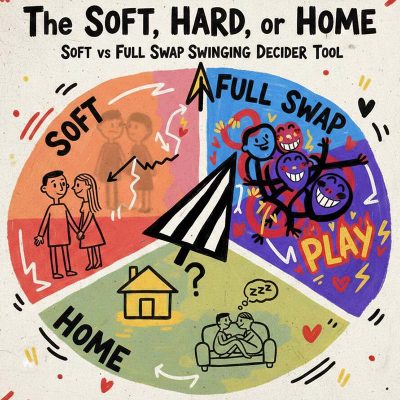
Don't let a "Soft Swap" night turn into a "Hard Feelings" morning.
Walking into the club with different expectations is a grenade waiting to explode. He thinks it’s a free-for-all; she thinks it’s just drinks and dancing. That silence in the car ride home? That’s the sound of a preventable disaster.
Stop guessing. Use this tool to sync your "sexual GPS" before you leave the driveway. Determine exactly how wild you’re getting tonight, so the only surprise is how much fun you have.
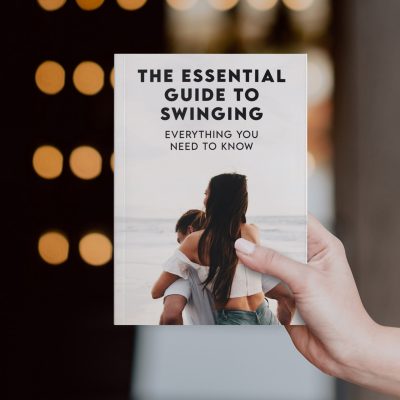
The fantasy of swinging is electric, but that cold sweat you feel when thinking about your partner with someone else? That’s your survival instinct warning you that your foundation is at stake. Most couples don’t fail because they lacked desire; they fail because they lacked a safety net. Ambiguity is where jealousy festers, and "winging it" is the fastest way to turn a dream into a nightmare of resentment and "what have we done?"
The Essential Guide to Swinging is your anxiety-proof roadmap through the chaos. Don't gamble your marriage on hope. Build a fortress of trust, master the repair chats, and ensure your exploration is defined by care, not a catastrophe
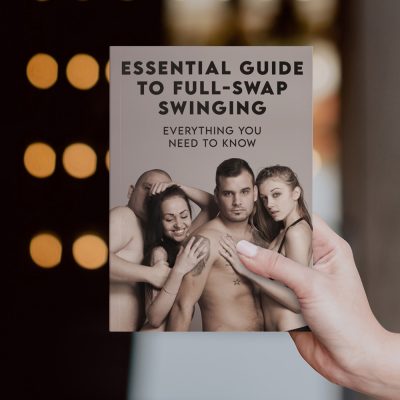
Full swap is the deep end. The rush is intense, but so is the risk of emotional wreckage. That tightening in your chest isn’t just nerves; it’s the fear that a "fun night" could become a permanent scar on your marriage. You can’t un-ring this bell, so never strike it without a plan.
The Essential Guide to Full Swap Swinging replaces reckless gambling with calculated discipline. From ironclad vetting to "emergency brake" scripts, we provide the safety architecture required to swap bodies without losing your minds. Don't just hope it goes well, engineer it
Gemini said
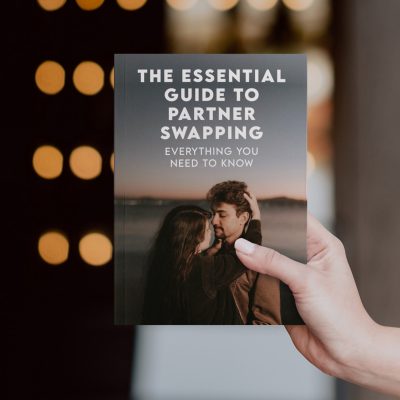
The fantasy is electric. The reality? It can be a grenade that blows up your marriage and your social circle. That tightening in your chest isn't just nerves. It is a warning that you are risking everything on a vibe. "Winging it" is the fastest way to turn a fun group chat into a toxic war zone.
The Essential Guide replaces the chaos with ironclad protocols. We provide the vetting tools, jealousy airlocks, and privacy scripts needed to swap bodies without losing your mind. Secure your safety first.
The fantasy of swinging is electric, but that cold sweat you feel when thinking about your partner with someone else? That’s your survival instinct warning you that your foundation is at stake. Most couples don’t fail because they lacked desire; they fail because they lacked a safety net. Ambiguity is where jealousy festers, and "winging it" is the fastest way to turn a dream into a nightmare of resentment and "what have we done?"
The Essential Guide to Swinging is your anxiety-proof roadmap through the chaos. Don't gamble your marriage on hope. Build a fortress of trust, master the repair chats, and ensure your exploration is defined by care, not a catastrophe
Full swap is the deep end. The rush is intense, but so is the risk of emotional wreckage. That tightening in your chest isn’t just nerves; it’s the fear that a "fun night" could become a permanent scar on your marriage. You can’t un-ring this bell, so never strike it without a plan.
The Essential Guide to Full Swap Swinging replaces reckless gambling with calculated discipline. From ironclad vetting to "emergency brake" scripts, we provide the safety architecture required to swap bodies without losing your minds. Don't just hope it goes well, engineer it
How to create your Yes No Maybe List
Creating a thoughtful YNM List starts with honest conversations. You want a document that feels fair not a weapon used to police each other. Here are steps that make the process smoother and more productive.
Set a calm environment
Choose a time when both of you are relaxed and not distracted by work kids or screens. Put your phones away. A calm space makes it easier to listen and to articulate boundaries without defensiveness.
Decide on a format
There are many ways to structure a YNM List. Some couples prefer one long list with three columns Yes No Maybe. Others create three separate lists split by topic such as dating outside the couple sexual activities and emotional boundaries. Pick a format that feels intuitive for you both.
Brainstorm without judgment
Let each partner write down items they think belong on the list. Do not interrupt or critique during this phase. The goal is to gather raw material and get all ideas on the table. After both of you have your lists review them together with curiosity and care. It is common to discover overlaps or conflicts that require deeper discussion.
Label and categorize
Go item by item and decide if each belongs in Yes No or Maybe. If you are stuck on an item you can leave it in Maybe you can reframe it or you can create a clarifying question that helps you decide later.
Attach conditions or boundaries
For items that land in Yes or Maybe create clarifying statements such as how you would meet a potential partner what safety steps you would take and what the aftercare looks like. For example if you both agree to flirt with someone you can set a boundary around not sharing intimate details with others without your partner consent.
Assign a review schedule
Life changes and feelings shift. Scheduling regular check ins helps keep the list accurate and respectful. A monthly or quarterly review works well for most couples. You can also schedule reviews around new relationship energy or after major life events such as a move a new job or a family addition.
Document the results
Keep your list in a shared document that both partners can edit. It should be easy to reference during conversations or after a potential situation arises. A clear document reduces the chance of miscommunication when emotions run high.
What kinds of items typically show up on a Yes No Maybe List
Keep in mind every couple is different and there is no universally right answer. The items below are common categories with example items to spark your own thinking. Feel free to adapt them to your dynamic.
Social boundaries and flirting
- Yes items often include playful flirting in social spaces at a party or meetup with external partners while keeping conversations respectful and within agreed lines.
- No items usually cover crossing lines that feel invasive or too intimate such as sharing personal contact details without a plan for consent or encouraging dating beyond the agreed scope.
- Maybe items might include flirting in a supervised setting such as a swinger event with a rule about informing your partner after any significant interaction.
Sexual activities
- Yes items could include activities you are comfortable with in certain contexts like kissing touching or oral stimulation with explicit consent and agreed safety measures.
- No items might ban activities that feel risky or emotionally overwhelming or that blur the lines of your primary relationship such as penetrative sex with someone outside your couple.
- Maybe items could be carried as conditional experiments such as trying a specific activity with a trusted couple or only after a certain amount of time has passed and after a full check in with both partners.
Time boundaries
- Yes items may include meeting someone for a coffee or a quick social date as a first step before arranging anything more intimate.
- No items would exclude overnight stays with someone outside the couple or long multi day adventures without explicit mutual agreement.
- Maybe items could allow a longer trial period with ongoing consent checks or require a pre agreed limit on time away from home.
Emotional boundaries
- Yes items can include maintaining open communication feelings of compersion and mutual emotional support after experiences with others.
- No items might exclude sharing intimate emotional details with outside partners or allowing them to influence your relationship decisions without your partner present.
- Maybe items could involve exploring jealousy management strategies or engaging in couples therapy when needed.
Health and safety
- Yes items often include regular STI testing clear communication about sexual health and using protection when required by safety protocols.
- No items may ban unprotected sexual acts outside your agreed safety plan or visiting unsafe venues without precautions.
- Maybe items could allow experiments with new safety practices or testing intervals but only after both partners agree to them.
Real life scenarios and sample dialogues
Seeing items in a vacuum is helpful but it becomes real when you practice how you would discuss them in real life. Below are several scenarios with dialogue sketches that you can adapt to your own voice and boundaries.
Scenario 1 a social night out at a swing friendly event
Two partners attending a mixer event near town decide to discuss a potential encounter in the early stage of the evening.
Dialogue sample
Alex says We are both open to meeting polite respectful couples for light flirting and conversation tonight We want to keep everything public and low key and we plan to leave if either of us feels uncomfortable.
Briana responds I am glad we are talking about this ahead of time It makes the night easier. If the moment feels right I would like to keep it casual and see how we both feel before adding any other steps.
Alex adds If either of us feels jealousy or insecurity rising we pause and regroup We will check in with each other after a few minutes and if needed we will step away together.
In this scenario the Yes items include polite flirtation and conversation with the option to pause if emotions spike. The No item is anything more intimate without explicit consent. The Maybe item is a conditional step that depends on how both feel during the evening.
Scenario 2 one partner receiving attention from a new person at a bar
Jordan notices someone engaging warmly with their partner Sam. The boundary is clear and the conversation stays respectful.
Dialogue sample
Sam says I am enjoying meeting new people tonight We have a Yes No Maybe framework in place and we are currently at Yes to friendly conversation Only if both of us are present and informed about any future steps.
Jordan replies That means we would consider casual flirting but not anything beyond light conversation until we both give a green light that we are comfortable continuing together.
Scenario notes The couple has chosen to keep the initial interaction within a social threshold and to pause any escalate motion until both feel secure. This preserves trust and reduces the risk of misreads in a social setting.
Scenario 3 a date with a couple through a dating app
Two partners decide to explore a date with another couple with clear Yes No Maybe criteria before agreeing to meet.
Dialogue sample
Alex says We are both comfortable with meeting another couple for a dinner date as a group We are not comfortable with private one on one dates with a single person at this stage.
Priya answers That seems fair We would prefer to meet in a public place and see how the energy feels Between us and the other couple we will keep it light for the first meeting and only proceed further if both of us consent to it.
These dialogues illustrate practical ways to initiate talks using the Yes No Maybe lens. You are naming your boundaries before the moment arrives so your action is deliberate not reactive.
Boundary management how to keep the YNM list alive
Boundaries are living. They can shift as trust grows or as lives change. Here are strategies to keep your Yes No Maybe List accurate and empowering over time.
- Schedule updates Set a recurring date every month or every quarter to review the list together and adjust as needed.
- Be precise When you re evaluate items describe the exact conditions for example It is a Yes as long as you are present and we have a post encounter check in within 24 hours.
- Honor changes If one of you realizes a boundary no longer serves you speak up and adjust The other partner should listen with respect and willingness to adapt.
- Document revisions Keep version history so you can track how your boundaries evolved and why.
- Communicate why When you change a boundary explain the feeling behind it and the new safety or comfort that informs the shift.
Practical tips for using Yes No Maybe Lists in the swing ENM world
These practical tips help you translate the list into everyday behavior that strengthens trust rather than erodes it.
- Check in before making a move A quick couple check in before engaging with someone new prevents miscommunications and shows respect.
- Keep your partner in the loop Even if you want to proceed with an action you should share the decision with your partner first unless the item explicitly allows solo action within the agreed limits.
- Use safe words or signals If you use slang words for boundaries consider formal safety words as a more precise option to pause or stop a situation quickly.
- Practice emotional aftercare After any encounter set aside time to discuss feelings check in and reaffirm your connection. This nurtures trust and prevents bottle ups.
- Respect your own limits If a boundary feels wrong or uncomfortable speak up immediately and adjust the plan. Your feelings matter as much as your partner's.
Common mistakes to avoid with Yes No Maybe Lists
- Assuming your partner shares every boundary exactly the same way you do. People are different talk them through variations and come to a shared agreement.
- Using a Yes item to justify pushing for more now. If a boundary is Yes it should be welcomed with clear consent and a sense of ease not pressure.
- Ignoring the Maybe items hoping feelings will shift in your favor. Maybe means you need more information or more experience before a decision is made.
- Neglecting aftercare after experiences with others. Aftercare is as important as the experience itself because it protects your emotional foundation.
- Letting the list live in isolation. The list should be a living document integrated into your relationship conversations not a file you never open.
Health and safety considerations
Health and safety are foundational to ethical non monogamy. Your Yes No Maybe List can include health related boundaries that protect both you and your partner.
- Regular STI testing and honest disclosure of results with all involved parties are essential parts of responsible swinging.
- Use protection as agreed by both partners until you are confident with the level of risk and the health status of all participants.
- Establish a clear plan for handling potential exposure to infections or any health concerns that arise during an encounter.
- Maintain privacy and security of any intimate details that are shared with you by others and respect consent at all times.
Frequently asked questions
What is a Yes No Maybe List and how does it apply to swinging
A Yes No Maybe List is a tool couples use to clearly outline what they are willing to do what they are not willing to do and what they want to think about in the future. In swinging ENM it helps manage consent boundaries ensure both partners feel respected and keep the relationship healthy.
How do we start if one partner feels unsure
Begin with a slow conversation about feelings and fears. Make it a collaborative process and avoid pushing for decisions. You can start with a few low risk Maybe items that you can revisit later and build from there.
How often should we update the list
Make it a habit to review the list on a regular schedule such as every month or every three months. You should also revisit the list after major life changes or after an intense experience with someone else.
What if there is a conflict about a boundary
Step one is to pause and give each other space to express feelings without blame. Step two is to identify what caused the conflict and what each partner needs to feel safe going forward. Step three is to update the list if needed and schedule a follow up talk.
Can a Maybe become a No over time
Yes maybe items can move in either direction as comfort levels shift. The important thing is to communicate the shift clearly and validate the impact on both partners.
Are Yes No Maybe Lists a substitute for therapy
No a YNM List is a practical negotiation tool but emotional issues may benefit from professional guidance. If jealousy anxiety or relationship stress feels overwhelming consider couples or sex therapy as part of your ongoing care.
How do we handle jealousy in the context of swinging
Jealousy is normal and manageable. Use the list as a framework to discuss the emotion and explore strategies for coping together. Practices like aftercare open dialogue and reframing helps a lot over time.
Are kids a factor in Yes No Maybe decisions
Yes and no. Parenting demands additional boundaries but the basic rule remains clear communication respect and consent. You should not involve children in adult romantic or sexual negotiations and you should make sure both partners agree that any situation involving family life remains safe and appropriate.
What makes a Yes item different from a boundary
A Yes item is an action you both consent to pursue together with clear boundaries. A boundary is a firm limit you will not cross even if the moment feels tempting. Without boundaries even Yes items can become risky or emotionally unsafe.
Glossary of useful terms and acronyms
- ENM Ethical Non Monogamy a family of relationship styles that involve consensual non exclusive connections between adults.
- Swinging A form of ENM where couples swap or interact sexually with other couples or singles in a consensual setting.
- Yes No Maybe A framework for negotiating boundaries learning preferences and consent with your partner.
- Consent An ongoing enthusiastic clear agreement between all parties involved.
- Aftercare Time spent nurturing emotional and physical well being after a sexual or boundary challenging experience.
- Safe sex practices The methods used to minimize health risks during sexual activity including barrier methods and testing.
- Boundaries The lines you draw about what you will and will not do within your relationship and with others.
- Jealousy management Techniques and conversations used to understand and reduce jealous feelings within ENM dynamics.
Final thoughts on Yes No Maybe Lists for couples
Okay we did not put a conclusion in this piece on purpose because this is about ongoing conversation not a one time finish line. A Yes No Maybe List is a living document that grows with your relationship. You get to choose how expansive or conservative you want to be and you get to decide how often you check in with your partner. The more honest and thoughtful you both are the more likely you are to enjoy experiences that deepen trust connection and affection. The aim is not to check boxes but to build mutual understanding and a shared path forward.
Don't let a "Soft Swap" night turn into a "Hard Feelings" morning.
Walking into the club with different expectations is a grenade waiting to explode. He thinks it’s a free-for-all; she thinks it’s just drinks and dancing. That silence in the car ride home? That’s the sound of a preventable disaster.
Stop guessing. Use this tool to sync your "sexual GPS" before you leave the driveway. Determine exactly how wild you’re getting tonight, so the only surprise is how much fun you have.
The fantasy of swinging is electric, but that cold sweat you feel when thinking about your partner with someone else? That’s your survival instinct warning you that your foundation is at stake. Most couples don’t fail because they lacked desire; they fail because they lacked a safety net. Ambiguity is where jealousy festers, and "winging it" is the fastest way to turn a dream into a nightmare of resentment and "what have we done?"
The Essential Guide to Swinging is your anxiety-proof roadmap through the chaos. Don't gamble your marriage on hope. Build a fortress of trust, master the repair chats, and ensure your exploration is defined by care, not a catastrophe
Full swap is the deep end. The rush is intense, but so is the risk of emotional wreckage. That tightening in your chest isn’t just nerves; it’s the fear that a "fun night" could become a permanent scar on your marriage. You can’t un-ring this bell, so never strike it without a plan.
The Essential Guide to Full Swap Swinging replaces reckless gambling with calculated discipline. From ironclad vetting to "emergency brake" scripts, we provide the safety architecture required to swap bodies without losing your minds. Don't just hope it goes well, engineer it
Gemini said
The fantasy is electric. The reality? It can be a grenade that blows up your marriage and your social circle. That tightening in your chest isn't just nerves. It is a warning that you are risking everything on a vibe. "Winging it" is the fastest way to turn a fun group chat into a toxic war zone.
The Essential Guide replaces the chaos with ironclad protocols. We provide the vetting tools, jealousy airlocks, and privacy scripts needed to swap bodies without losing your mind. Secure your safety first.
The fantasy of swinging is electric, but that cold sweat you feel when thinking about your partner with someone else? That’s your survival instinct warning you that your foundation is at stake. Most couples don’t fail because they lacked desire; they fail because they lacked a safety net. Ambiguity is where jealousy festers, and "winging it" is the fastest way to turn a dream into a nightmare of resentment and "what have we done?"
The Essential Guide to Swinging is your anxiety-proof roadmap through the chaos. Don't gamble your marriage on hope. Build a fortress of trust, master the repair chats, and ensure your exploration is defined by care, not a catastrophe
Full swap is the deep end. The rush is intense, but so is the risk of emotional wreckage. That tightening in your chest isn’t just nerves; it’s the fear that a "fun night" could become a permanent scar on your marriage. You can’t un-ring this bell, so never strike it without a plan.
The Essential Guide to Full Swap Swinging replaces reckless gambling with calculated discipline. From ironclad vetting to "emergency brake" scripts, we provide the safety architecture required to swap bodies without losing your minds. Don't just hope it goes well, engineer it
