
Guide to What's The Difference Between Polyamorous And Polygamous?


Welcome to this guide to the difference between polyamorous and polygamous relationships. In today’s rapidly evolving world of love and commitment, many people are exploring alternative relationship models beyond traditional monogamy. Two of the most commonly discussed models are polyamory and polygamy. Although these terms are sometimes mistakenly used interchangeably, they refer to distinct relationship structures with different ethical, legal, cultural, and psychological implications.
Quick Links to Useful Sections
- Defining Polyamory and Polygamy
- What Is Polyamory?
- What Is Polygamy?
- Key Differences Between Polyamory and Polygamy
- Relationship Structure and Formality
- Consent and Communication
- Legal Recognition
- Social and Cultural Implications
- Historical and Cultural Context
- Historical Background of Polyamory
- Historical Roots of Polygamy
- Ethical, Psychological, and Social Considerations
- Ethical Considerations
- Psychological and Emotional Dynamics
- Social and Cultural Impact
- FAQ: Your What Is the Difference Between Polyamorous and Polygamous Questions Answered
This guide is designed for anyone curious about these alternative models, whether you are a student, researcher, or someone personally considering your relationship options. We will define each term, compare their key characteristics, examine their historical and cultural contexts, and discuss the benefits and challenges associated with each. By the end of this guide, you will have a clear understanding of what it means to be polyamorous versus polygamous, and you will be better equipped to engage in informed discussions about these diverse forms of relationships.
Defining Polyamory and Polygamy
What Is Polyamory?
Polyamory is the practice of engaging in multiple consensual romantic or sexual relationships simultaneously. The term is derived from the Greek word "poly," meaning many, and the Latin "amor," meaning love. In polyamorous relationships, all participants are aware of and consent to the existence of other relationships. Unlike traditional monogamy, polyamory emphasizes flexibility, open communication, and the idea that one can love more than one person at the same time.
Key characteristics of polyamory include:
- Consensual Non-Monogamy: All parties know about and agree to the multiple relationships.
- Emphasis on Communication: Regular, honest dialogue is essential to navigate feelings, boundaries, and expectations.
- Flexibility: Polyamorous relationships can be structured in various ways, ranging from non-hierarchical networks to relationships with designated primary and secondary partners.
- Emotional Variety: Polyamory often offers diverse sources of emotional support and intimacy.
What Is Polygamy?
Polygamy is the practice of having more than one spouse simultaneously. It is generally divided into two main types:
- Polygyny: A form of marriage in which one man is married to multiple women. This is the most prevalent form of polygamy worldwide.
- Polyandry: A less common form in which one woman is married to multiple men.
Polygamy is deeply rooted in various cultural, religious, and historical contexts. In many societies, plural marriage was practiced as a way to strengthen family alliances, manage resources, and enhance social status. Although polygamy is illegal in many Western countries, it continues to be observed in certain cultures and religious communities.
Key Differences Between Polyamory and Polygamy
Relationship Structure and Formality
One of the main differences lies in the structure and formality of the relationships:
- Polyamory: In polyamorous relationships, the emphasis is on emotional and romantic connections rather than legal or formal marital bonds. Relationships are often flexible and can range from egalitarian structures to arrangements with primary and secondary partners.
- Polygamy: Polygamy involves formal marriages, often with legal, religious, or cultural recognition. In many cases, polygamous arrangements follow a hierarchical structure (e.g., one primary marriage with additional spouses) and are embedded in long-standing traditions.
Consent and Communication
Both polyamory and polygamy require informed consent, but the nature of communication tends to differ:
- Polyamory: Open, ongoing communication is a cornerstone, with all partners actively involved in negotiating boundaries and expectations.
- Polygamy: While communication is important, polygamous relationships are often influenced by cultural or religious traditions that may dictate roles and expectations, sometimes leading to less fluid negotiation of boundaries.
Legal Recognition
Legal status is another critical distinction:
- Polyamory: Polyamorous relationships are generally not formalized through legal marriage, meaning they are not recognized by law in the same way monogamous marriages are. This gives couples more flexibility but also means they lack certain legal protections.
- Polygamy: In many countries, polygamous marriages are illegal or only recognized under customary or religious law. Legal challenges related to inheritance, custody, and spousal rights are common in polygamous contexts.
Social and Cultural Implications
Cultural attitudes and societal norms further differentiate these models:
- Polyamory: Increasingly accepted in many progressive circles, polyamory is viewed as an expression of personal freedom and the belief that love is not limited to one person. It is often celebrated for its emphasis on communication and emotional diversity.
- Polygamy: While polygamy is integral to certain cultural and religious traditions, it is often subject to social stigma and legal restrictions in many parts of the world. Criticisms frequently focus on issues related to power dynamics and gender inequality.
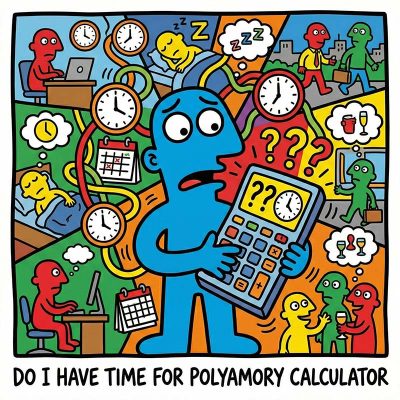
Love is infinite, but your calendar is brutally finite. The fantasy is deep connection; the reality is often just exhausted "calendar tetris." Promising time you don't actually have isn't romantic, it’s a recipe for burnout and broken trust. That sinking feeling when you have to cancel again? That’s the sound of overextension destroying your relationships.
This calculator forces you to confront the math of your life. Do you actually have space for another heart, or are you just setting everyone up for disappointment?

The fantasy is total autonomy and connection. The reality? It can feel like drowning in scheduling chaos and misunderstood expectations. That anxiety you feel isn’t just stress; it’s the wobble of living without a default "anchor." Without a solid architecture, Solo Polyamory stops being a life design and starts being a recipe for burnout and confusion.
The Essential Guide replaces the drift with a concrete anchor. We provide the "Solo Ethic," boundary scripts, and burnout protocols needed to protect your peace. Don't just date around—build a life that actually works for you.
Hierarchy sounds like a corporate org chart until someone gets their feelings hurt. That stomach-turning fear that you are just a "secondary" who can be fired at any time is real. If your relationship feels like a secret ranking system, you are doing it wrong.
Ambiguity is where resentment grows. The Essential Guide replaces the "who matters more" panic with a concrete charter. We provide the scripts and equity guardrails needed to protect every heart in the polycule. Stop guessing and start building.
The ideal is pure equality. The reality? It often slides into hidden rankings where someone gets hurt. That sinking feeling that you are secretly a "secondary" despite the label? That is your intuition detecting couple privilege. Ambiguity is where resentment thrives.
The Essential Guide replaces vague promises with concrete governance. We provide the charters, equity tools, and jealousy protocols needed to ensure "non-hierarchical" isn't just a fantasy. Stop guessing who matters most. Build a network that is actually fair.
The fantasy is total autonomy and connection. The reality? It can feel like drowning in scheduling chaos and misunderstood expectations. That anxiety you feel isn’t just stress; it’s the wobble of living without a default "anchor." Without a solid architecture, Solo Polyamory stops being a life design and starts being a recipe for burnout and confusion.
The Essential Guide replaces the drift with a concrete anchor. We provide the "Solo Ethic," boundary scripts, and burnout protocols needed to protect your peace. Don't just date around—build a life that actually works for you.
Hierarchy sounds like a corporate org chart until someone gets their feelings hurt. That stomach-turning fear that you are just a "secondary" who can be fired at any time is real. If your relationship feels like a secret ranking system, you are doing it wrong.
Ambiguity is where resentment grows. The Essential Guide replaces the "who matters more" panic with a concrete charter. We provide the scripts and equity guardrails needed to protect every heart in the polycule. Stop guessing and start building.
Historical and Cultural Context
Historical Background of Polyamory
Although polyamory as a term is relatively modern, the idea that one can have multiple romantic relationships is not new. Throughout history, some societies have embraced various forms of consensual non-monogamy, even if these practices were not labeled as polyamory. The modern polyamorous movement has emerged from a desire to break away from the constraints of traditional monogamy and explore a more inclusive understanding of love.
Historical Roots of Polygamy
Polygamy has a long historical tradition in many parts of the world. It has been practiced for social, economic, and religious reasons. In many ancient cultures, having multiple spouses was a sign of wealth and power, and it played a crucial role in community building. Despite legal restrictions in modern Western societies, the historical legacy of polygamy continues to influence cultural discussions and practices in certain regions.
Ethical, Psychological, and Social Considerations
Ethical Considerations
Both polyamory and polygamy require a foundation of informed consent and mutual respect. Ethical polyamory emphasizes transparency, equality, and continuous negotiation of boundaries. Ethical polygamy, where practiced, strives to ensure that all relationships are entered into voluntarily and that power imbalances are minimized. The ethical debate often centers on whether the relationship model empowers the individuals involved or perpetuates inequality.
Psychological and Emotional Dynamics
Emotional intelligence, self-awareness, and effective communication are critical in both polyamorous and polygamous relationships. Polyamory often demands that individuals manage complex emotional landscapes, balancing multiple relationships and addressing feelings like jealousy through open dialogue. In polygamous settings, emotional challenges may also include navigating traditional roles and power dynamics.
Social and Cultural Impact
Societal perceptions play a significant role in shaping the experiences of individuals in both relationship models. While polyamory is gaining acceptance in many progressive communities, it may still face misunderstanding from those who adhere to traditional norms. Polygamy, deeply rooted in certain cultures and religions, is often subject to legal and social scrutiny, especially in regions where monogamy is the legal standard.
FAQ: Your What Is the Difference Between Polyamorous and Polygamous Questions Answered
1. What is polyamory?
Polyamory is the practice of engaging in multiple consensual romantic or sexual relationships simultaneously, with the full knowledge and consent of all parties involved. It emphasizes emotional connections, open communication, and flexibility.
2. What is polygamy?
Polygamy is the practice of having more than one spouse at the same time, typically through culturally or religiously sanctioned marriages. The most common forms are polygyny (one man with multiple wives) and polyandry (one woman with multiple husbands).
3. How do polyamory and polygamy differ in structure?
Polyamory generally involves multiple romantic relationships without the formal structure of marriage, often in a non-hierarchical manner, while polygamy involves multiple marriages, usually with a hierarchical or culturally established framework.
4. Are there legal differences between polyamorous and polygamous relationships?
Yes. Monogamous marriages are legally recognized in most societies. Polyamorous relationships, which are non-marital, typically lack legal recognition and associated rights. Polygamous marriages, where they are practiced, are often illegal in many Western countries and only recognized under customary or religious law in certain regions.
5. What are the ethical implications of each?
Ethical polyamory focuses on open communication, mutual consent, and equality among all partners. Ethical polygamy, when practiced, emphasizes informed consent and balanced power dynamics, though historically it has faced criticism for reinforcing gender inequality.
6. How do cultural attitudes differ between the two?
Polyamory is increasingly viewed as a modern, progressive approach to relationships, while polygamy is often associated with historical or religious traditions and may face greater legal and social scrutiny in many parts of the world.
7. Where can I find additional resources on these topics?
Additional resources include books such as "The Ethical Slut" and "More Than Two," podcasts like "Multiamory" and "Polyamory Weekly," and online communities such as r/polyamory.
Resources and Community Support: Your Next Steps
- "The Ethical Slut" by Dossie Easton & Janet Hardy – A foundational text on ethical non-monogamy that provides valuable insights into various relationship models.
- "More Than Two" by Franklin Veaux & Eve Rickert – A comprehensive guide offering practical advice on managing multiple relationships, including discussions on polyamory and polygamy.
- Podcasts: Listen to "Multiamory" and "Polyamory Weekly" for engaging discussions and real-life experiences about alternative relationship models.
- Online Communities: Join forums such as r/polyamory and specialized social media groups to share experiences and gather support.
- Workshops and Webinars: Attend events focused on ethical non-monogamy and relationship psychology to expand your knowledge and connect with like-minded individuals.
By exploring these resources and applying the strategies outlined in this guide, you can develop a clear and informed understanding of the differences between polyamorous and polygamous relationships. Embrace continuous learning, open dialogue, and self-reflection as you navigate this diverse landscape of love and commitment.
Love is infinite, but your calendar is brutally finite. The fantasy is deep connection; the reality is often just exhausted "calendar tetris." Promising time you don't actually have isn't romantic, it’s a recipe for burnout and broken trust. That sinking feeling when you have to cancel again? That’s the sound of overextension destroying your relationships.
This calculator forces you to confront the math of your life. Do you actually have space for another heart, or are you just setting everyone up for disappointment?
The fantasy is total autonomy and connection. The reality? It can feel like drowning in scheduling chaos and misunderstood expectations. That anxiety you feel isn’t just stress; it’s the wobble of living without a default "anchor." Without a solid architecture, Solo Polyamory stops being a life design and starts being a recipe for burnout and confusion.
The Essential Guide replaces the drift with a concrete anchor. We provide the "Solo Ethic," boundary scripts, and burnout protocols needed to protect your peace. Don't just date around—build a life that actually works for you.
Hierarchy sounds like a corporate org chart until someone gets their feelings hurt. That stomach-turning fear that you are just a "secondary" who can be fired at any time is real. If your relationship feels like a secret ranking system, you are doing it wrong.
Ambiguity is where resentment grows. The Essential Guide replaces the "who matters more" panic with a concrete charter. We provide the scripts and equity guardrails needed to protect every heart in the polycule. Stop guessing and start building.
The ideal is pure equality. The reality? It often slides into hidden rankings where someone gets hurt. That sinking feeling that you are secretly a "secondary" despite the label? That is your intuition detecting couple privilege. Ambiguity is where resentment thrives.
The Essential Guide replaces vague promises with concrete governance. We provide the charters, equity tools, and jealousy protocols needed to ensure "non-hierarchical" isn't just a fantasy. Stop guessing who matters most. Build a network that is actually fair.
The fantasy is total autonomy and connection. The reality? It can feel like drowning in scheduling chaos and misunderstood expectations. That anxiety you feel isn’t just stress; it’s the wobble of living without a default "anchor." Without a solid architecture, Solo Polyamory stops being a life design and starts being a recipe for burnout and confusion.
The Essential Guide replaces the drift with a concrete anchor. We provide the "Solo Ethic," boundary scripts, and burnout protocols needed to protect your peace. Don't just date around—build a life that actually works for you.
Hierarchy sounds like a corporate org chart until someone gets their feelings hurt. That stomach-turning fear that you are just a "secondary" who can be fired at any time is real. If your relationship feels like a secret ranking system, you are doing it wrong.
Ambiguity is where resentment grows. The Essential Guide replaces the "who matters more" panic with a concrete charter. We provide the scripts and equity guardrails needed to protect every heart in the polycule. Stop guessing and start building.
Aging And Long Term Care Planning As Solo Poly
Attachment Styles And Solo Polyamory
Autonomy And Self Partnership As Foundations
Avoiding Avoidance Disguised As Autonomy
Avoiding Being Treated As An Accessory Relationship
Balancing Independence And Intimacy
Balancing Multiple Partners Without Burnout
Barrier Use Conversations With Multiple Partners
Boundaries Versus Rules In Solo Poly Relationships
Breakups And Grief While Staying Solo
Building Emotional Availability As Solo Poly
Caregiving And Illness Support Without A Nesting Partner
Co Parenting Agreements And Boundaries
Co Parenting And Family Building As Solo Poly
Coming Out As Solo Polyamorous
Common Mistakes Partners Make With Solo Poly People
Common Mistakes Solo Poly People Make
Common Myths About Solo Polyamory
Communication Check Ins That Fit Solo Poly
Community And Chosen Family For Solo Poly People
Compersion And Neutrality Toward Partner Dating
Conflict Resolution Without Couple Default
Core Values Of Solo Polyamory
Creating Agreements That Preserve Independence
Creating Secure Attachment Without Traditional Milestones
Dating People Who Want Escalation
De Escalation As A Healthy Choice
Decentering Couple Norms And Escalator Scripts
Deciding Whether Solo Polyamory Is Right For You
Defining Relationship Depth Without Shared Living
Defining Success Without Traditional Milestones
Designing A Sustainable Solo Poly Life
Digital Safety And Privacy
Disability And Access Needs As Solo Poly
Emergency Contacts And Support Planning
End Of Life Planning And Legal Documents
Energy Management And Overextension Risks
Financial Independence And Entanglement Decisions
Finding Solo Poly Friendly Community
Friendships As Core Support Structures
Gifts Trips And Resource Boundaries
Handling Being The Newest Partner
Handling Judgment From Monogamous Culture
Handling Judgment From Poly Communities
Handling Last Minute Plan Changes
Holidays And Special Occasions As Solo Poly
Housing Choices And Living Alone
How To Disclose Solo Polyamory Early While Dating
How To Explain Solo Polyamory To Partners
In Person Events And Support Networks
Intersectionality In Solo Poly Experiences
Long Distance Relationships And Solo Poly
Maintaining Rituals Without Domestic Integration
Maintaining Self Partnership Through Loss
Managing Insecurity Without Default Reassurance
Managing Metamour Dynamics Without Centering A Couple
Managing Nre Without Losing Yourself
Navigating Jealousy As A Solo Poly Person
Navigating Marriage Offers As Solo Poly
Navigating Partners With Nesting Or Spouses
Pacing New Connections Ethically
Parallel Versus Kitchen Table Preferences
Parenting Without A Primary Partner Model
Pregnancy And Fertility Conversations For Solo Poly
Privacy And Information Sharing Consent
Processing Loneliness While Staying Solo
Protecting Personal Time Without Withholding Connection
Quality Time When You Do Not Share A Home
Race Gender And Class Factors In Solo Poly
Religion Culture And Family Expectations
Relocation And Maintaining Connections
Repair After Misunderstandings With Partners
Responding To Requests For Primary Status
Risk Profiles And Informed Consent
Screening For People Who Respect Autonomy
Self Worth Outside Relationship Status
Setting Expectations With Highly Partnered People
Sexual Health Agreements As A Solo Poly Person
Shared Housing With Friends And Community
Signs Solo Polyamory Is Working Well
Social Media Boundaries And Visibility
Solo Polyamory And Career Mobility
Solo Polyamory And Commitment
Solo Polyamory And Mental Health Support
Solo Polyamory And Metamour Relationships
Solo Polyamory Versus Being Single
Solo Polyamory Versus Non Hierarchical Polyamory
Solo Polyamory Versus Relationship Anarchy
Substance Use Boundaries And Consent
Testing Schedules And Disclosure Practices
The History And Evolution Of Solo Polyamory
Therapy And Coaching For Solo Polyamory
Time And Scheduling As A Solo Poly Person
Transparency Without Being Managed
Travel And Overnights Without Implied Escalation
Warning Signs Of Isolation Masquerading As Autonomy
What Commitment Looks Like Without Nesting
What Solo Polyamory Is And What It Is Not
Why People Choose Solo Polyamory
Writing A Solo Poly Dating Profile
Accountability When Harm Occurs
Aging And Long Term Planning
Alternatives To Veto Policies
Attachment Styles And Hierarchy
Avoiding Disposable Partner Dynamics
Avoiding Entitlement In Primary Relationships
Avoiding Objectification And Ranking Language
Blended Families And Co Parenting Dynamics
Boundaries Versus Rules In Hierarchical Contexts
Caregiving And Illness Decisions
Choosing Hierarchy Intentionally
Common Challenges Faced By Secondary Partners
Common Mistakes Primary Partners Make
Common Mistakes Secondary Partners Make
Common Myths About Hierarchical Polyamory
Communicating Limits Without Devaluing Others
Community Perception Of Hierarchical Polyamory
Compersion When Time And Resources Are Unequal
Consent And Transparency In Hierarchy
Consent Under Unequal Power Dynamics
Cultural And Socioeconomic Influences On Hierarchy
De Escalation Without Punishment
Deciding Whether Hierarchical Polyamory Is Right For You
Decision Making Power In Primary Relationships
Descriptive Versus Prescriptive Hierarchy
Emotional Labor Distribution Across Partners
Emotional Regulation Skills For Hierarchical Dynamics
Emotional Safety For Non Primary Partners
Ending Relationships Ethically Within Hierarchy
Ethical Foundations Of Hierarchical Structures
Ethical Storytelling About Hierarchical Relationships
Ethical Use Of Veto Power
Fear Of Replacement Or Demotion
Financial Transparency With Multiple Partners
Handling Breakups Within A Hierarchical System
Hierarchy Versus Relationship Anarchy
Holidays Vacations And Special Occasions
How Hierarchical Polyamory Differs From Non Hierarchical Polyamory
How Hierarchical Polyamory Evolves Over Time
How Privilege Shows Up In Daily Decisions
How To Disclose Hierarchy Early In Dating
Inclusion Versus Exclusion Practices
Integrating Hierarchy With Personal Values
Integrating New Partners Ethically
Intersectionality And Power In Hierarchy
Jealousy In Hierarchical Polyamory
Legal Risks And Protections
Lessons Hierarchical Polyamory Teaches About Love
Letting Go Of Hierarchy When It No Longer Fits
Living Together Versus Living Apart
Long Distance Relationships Within Hierarchy
Managing Boundary Violations
Managing Comparison Between Partners
Marriage And Legal Privilege In Hierarchical Polyamory
Measuring Fulfillment Beyond Priority Status
Navigating Attachment As A Secondary Partner
Navigating Conflicts Between Partners At Different Levels
Navigating Judgment From Non Hierarchical Communities
Ongoing Check Ins Across Relationship Levels
Opening Or Closing The Hierarchy
Parenting And Family Planning Within Hierarchy
Power Imbalances Inherent In Hierarchy
Pregnancy And Parenting Transitions
Primary Secondary And Tertiary Relationship Definitions
Privacy And Information Flow
Re Negotiating Hierarchy After Major Life Events
Rebuilding Trust After Structural Changes
Renegotiating Primary Agreements Over Time
Repair Conversations After Hierarchical Tension
Repairing Harm Caused By Hierarchical Decisions
Resentment And Unspoken Grief
Responsibilities And Expectations Of Primary Partners
Rules That Protect Versus Rules That Control
Scheduling Fairness Versus Equality
Self Worth Outside Relationship Rank
Setting Clear Expectations With New Partners
Shared Finances And Resource Prioritization
Signs Hierarchy Is Functioning Well
Supporting Mental Health Across The Network
Supporting Secondary Partners Through Transitions
The Origins And History Of Hierarchical Polyamory
The Role Of Nesting Partners
Therapy And Coaching For Hierarchical Polyamory
Time Allocation And Scheduling Priorities
Transparency Without Oversharing
Treating All Partners As Whole People
Understanding Couple Privilege
Warning Signs Of Unhealthy Hierarchy
What Hierarchical Polyamory Is And What It Is Not
What It Means To Be A Primary Partner
What It Means To Be A Secondary Partner
What People Wish They Knew Earlier
What Success Looks Like In Hierarchical Polyamory
When Hierarchy Activates Past Trauma
When Hierarchy Becomes Coercive
When Hierarchy Emerges Without Intention
When Primary Relationships Change
When Professional Support Is Needed
When Secondary Relationships Deepen
Why Hierarchy Exists In Some Polyamorous Relationships
Accountability When Harm Occurs
Aging And Long Term Planning
Alternatives To Veto Policies
Attachment Styles And Hierarchy
Avoiding Disposable Partner Dynamics
Avoiding Entitlement In Primary Relationships
Avoiding Objectification And Ranking Language
Blended Families And Co Parenting Dynamics
Boundaries Versus Rules In Hierarchical Contexts
Caregiving And Illness Decisions
Choosing Hierarchy Intentionally
Common Challenges Faced By Secondary Partners
Common Mistakes Primary Partners Make
Common Mistakes Secondary Partners Make
Common Myths About Hierarchical Polyamory
Communicating Limits Without Devaluing Others
Community Perception Of Hierarchical Polyamory
Compersion When Time And Resources Are Unequal
Consent And Transparency In Hierarchy
Consent Under Unequal Power Dynamics
Cultural And Socioeconomic Influences On Hierarchy
De Escalation Without Punishment
Deciding Whether Hierarchical Polyamory Is Right For You
Decision Making Power In Primary Relationships
Descriptive Versus Prescriptive Hierarchy
Emotional Labor Distribution Across Partners
Emotional Regulation Skills For Hierarchical Dynamics
Emotional Safety For Non Primary Partners
Ending Relationships Ethically Within Hierarchy
Ethical Foundations Of Hierarchical Structures
Ethical Storytelling About Hierarchical Relationships
Ethical Use Of Veto Power
Fear Of Replacement Or Demotion
Financial Transparency With Multiple Partners
Handling Breakups Within A Hierarchical System
Hierarchy Versus Relationship Anarchy
Holidays Vacations And Special Occasions
How Hierarchical Polyamory Differs From Non Hierarchical Polyamory
How Hierarchical Polyamory Evolves Over Time
How Privilege Shows Up In Daily Decisions
How To Disclose Hierarchy Early In Dating
Inclusion Versus Exclusion Practices
Integrating Hierarchy With Personal Values
Integrating New Partners Ethically
Intersectionality And Power In Hierarchy
Jealousy In Hierarchical Polyamory
Legal Risks And Protections
Lessons Hierarchical Polyamory Teaches About Love
Letting Go Of Hierarchy When It No Longer Fits
Living Together Versus Living Apart
Long Distance Relationships Within Hierarchy
Managing Boundary Violations
Managing Comparison Between Partners
Marriage And Legal Privilege In Hierarchical Polyamory
Measuring Fulfillment Beyond Priority Status
Navigating Attachment As A Secondary Partner
Navigating Conflicts Between Partners At Different Levels
Navigating Judgment From Non Hierarchical Communities
Ongoing Check Ins Across Relationship Levels
Opening Or Closing The Hierarchy
Parenting And Family Planning Within Hierarchy
Power Imbalances Inherent In Hierarchy
Pregnancy And Parenting Transitions
Primary Secondary And Tertiary Relationship Definitions
Privacy And Information Flow
Re Negotiating Hierarchy After Major Life Events
Rebuilding Trust After Structural Changes
Renegotiating Primary Agreements Over Time
Repair Conversations After Hierarchical Tension
Repairing Harm Caused By Hierarchical Decisions
Resentment And Unspoken Grief
Responsibilities And Expectations Of Primary Partners
Rules That Protect Versus Rules That Control
Scheduling Fairness Versus Equality
Self Worth Outside Relationship Rank
Setting Clear Expectations With New Partners
Shared Finances And Resource Prioritization
Signs Hierarchy Is Functioning Well
Supporting Mental Health Across The Network
Supporting Secondary Partners Through Transitions
The Origins And History Of Hierarchical Polyamory
The Role Of Nesting Partners
Therapy And Coaching For Hierarchical Polyamory
Time Allocation And Scheduling Priorities
Transparency Without Oversharing
Treating All Partners As Whole People
Understanding Couple Privilege
Warning Signs Of Unhealthy Hierarchy
What Hierarchical Polyamory Is And What It Is Not
What It Means To Be A Primary Partner
What It Means To Be A Secondary Partner
What People Wish They Knew Earlier
What Success Looks Like In Hierarchical Polyamory
When Hierarchy Activates Past Trauma
When Hierarchy Becomes Coercive
When Hierarchy Emerges Without Intention
When Primary Relationships Change
When Professional Support Is Needed
When Secondary Relationships Deepen
Why Hierarchy Exists In Some Polyamorous Relationships
Lost & confused by all of the terms, types and seemingly made up 3 letter acronyms?? We've got you. Check out our Ethnical Non-Monogamy Dictionary >>
Useful Interruption: Not sure which relationship vibe fits you best? Take the Ultimate Relationship Test, it will give you details into your natural relationship style. Then, dive into our binge-worthy guides, from the tried-and-true to the “wait, that’s a thing?", and find the perfect relationship type for your life.
Now back to the main article but yeah take the Ultimate Relationship Test
