
Guide to Rules For A Cuckold Male


In today’s evolving landscape of alternative relationship models and sexual exploration, the cuckold male is a figure who often faces both societal misconceptions and personal challenges. At its core, the cuckold role involves embracing vulnerability, communication, and self-awareness. By understanding the rules and psychological aspects behind cuckoldry, you can build healthy, respectful relationships that honor your desires and those of your partners. This guide will cover definitions, historical and cultural context, core principles, practical rules, psychological tips, and strategies for effective communication, as well as frequently asked questions and resources to support your journey.
Quick Links to Useful Sections
- Understanding the Cuckold Male Role
- Defining Cuckoldry and the Cuckold Male
- Historical and Cultural Context
- Core Principles and Rules for the Cuckold Male
- Informed Consent and Open Communication
- Emotional Vulnerability and Self-Awareness
- Respect for Boundaries and Mutual Agreement
- Maintaining Confidence and Self-Esteem
- Practical Rules and Guidelines for the Cuckold Male
- Establishing Clear Relationship Agreements
- Practicing Safe Sex and Health Protocols
- Time Management and Scheduling
- Managing Jealousy and Building Emotional Resilience
- Self-Care and Personal Development
- Psychological and Emotional Considerations
- Exploring Your Identity and Desires
- Understanding and Embracing Vulnerability
- Dealing with Societal Perceptions and Stigma
- Expert Insights and Best Practices
- Advice from Relationship Coaches
- Perspectives from Therapists
- Community Wisdom and Peer Support
- FAQ: Your Cuckold Male Rules Questions Answered
Understanding the Cuckold Male Role
Defining Cuckoldry and the Cuckold Male
The term “cuckold” historically refers to a man whose partner has sexual relations with someone else, often without his knowledge. In modern consensual non-monogamous contexts, however, the cuckold male is an individual who embraces this role willingly, with the full consent and active participation of all parties involved. Rather than being a mark of failure or humiliation, being a cuckold male can be a fulfilling lifestyle choice characterized by openness, vulnerability, and self-exploration.
In this context, cuckoldry is not about degradation but about exploring power dynamics, challenging traditional gender roles, and fostering deep emotional connections through the practice of erotic humiliation or role reversal. For many, it is a pathway to personal growth, improved communication, and enhanced intimacy.
Historical and Cultural Context
Cuckoldry has appeared throughout literature and history, often portrayed as a symbol of humiliation. However, modern interpretations have reclaimed the term, transforming it into a consensual lifestyle choice rather than a social stigma. Today, many men find empowerment and liberation in accepting their cuckold role, as it allows them to explore aspects of vulnerability and submission that can enhance their overall emotional and sexual satisfaction.
Cultural attitudes toward cuckoldry have evolved, with increasing acceptance in various subcultures and online communities. While mainstream society may still view the role with skepticism, within the realm of consensual non-monogamy, being a cuckold male is increasingly recognized as a valid and enriching relationship dynamic.
Core Principles and Rules for the Cuckold Male
Informed Consent and Open Communication
The cornerstone of a healthy cuckold dynamic is informed consent. Every participant, whether you are the cuckold male, your primary partner, or any additional participants, must agree to the rules and boundaries of the relationship. Open communication from the beginning is essential to ensure that all parties understand each other’s desires, limits, and expectations.
Establish clear, ongoing discussions about what the role entails. Make sure that consent is continuous, meaning that participants have the freedom to renegotiate boundaries as feelings and circumstances change.
Emotional Vulnerability and Self-Awareness
Embracing the cuckold role requires a high level of emotional vulnerability and self-awareness. Understanding your own triggers, insecurities, and desires is crucial for navigating the complex emotional landscape of cuckoldry. By acknowledging and accepting your feelings, you can transform potential insecurities into opportunities for personal growth.
Self-awareness also helps in managing jealousy, a common challenge in this lifestyle. Engage in reflective practices such as journaling or mindfulness meditation to build a deeper understanding of your emotions.
Respect for Boundaries and Mutual Agreement
Clear boundaries are essential in any consensual non-monogamous relationship, and cuckold dynamics are no exception. Establish specific guidelines about what behaviors are acceptable, how interactions with other partners will occur, and what limits should not be crossed. These boundaries help create a safe space where everyone’s needs are respected.
Mutual agreement on these rules builds trust and minimizes misunderstandings. Regularly review and update these boundaries with your partner(s) to ensure that they remain relevant as the relationship evolves.
Maintaining Confidence and Self-Esteem
A common misconception about cuckoldry is that it diminishes a man’s masculinity. In fact, many cuckold males report feeling more confident and empowered as they embrace their vulnerability and redefine their roles. Confidence comes from understanding that your worth is not diminished by sharing your partner’s attention; instead, it can be enhanced by your willingness to explore non-traditional dynamics.
Focus on self-care, personal development, and celebrating your unique journey. Building a support network of like-minded individuals can further reinforce your self-esteem.
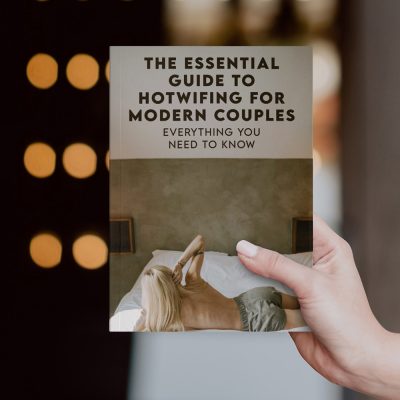
The fantasy is electric. The reality? It can feel like holding a grenade with the pin pulled. That gnawing fear that you might lose her isn't paranoia, it’s a warning. Without a battle-tested strategy, you aren't just exploring; you’re gambling with the most important thing in your life.
The Essential Guide replaces the terrifying unknown with ironclad structure. From managing primal jealousy to setting unbreakable boundaries, we provide the safety manual required to walk through the fire without getting burned. Don't guess. Know.

The fantasy is intoxicating. The reality? It can be terrifying. That sickening drop in your stomach when she leaves isn't just nerves; it's the fear of the unknown threatening everything you’ve built. Don't let vague agreements become grounds for disaster. You need structure before the chaos hits.
The Hotwife Contract Creator transforms your deepest anxieties about safety, emotions, and "going too far" into a rock-solid, signed agreement. Silence the jealousy and lock down your safety net so you can actually survive the thrill.

The fantasy is incredible, but the logistics can tear you apart. That sickening knot of anxiety you feel when she leaves isn't weakness; it's your brain warning you that you're flying without a safety net. Ambiguity is the oxygen that jealousy breathes. Don't let undefined "gray areas" become the reason your marriage implodes.
The Official Hotwife Rules Generator doesn't just list acts; it builds a protective fortress around your relationship. Get the concrete roadmap you need to ensure this high-stakes adventure doesn't turn into a disaster.

The fantasy is intoxicating. The reality? It can be a psychological car crash. That gut-wrenching drop when the bedroom door locks you out isn't just nerves, it’s a warning. 90% of men love the porn but crumble under the visceral weight of actual exclusion and emotional coldness.
This test drags your ego into the harsh light of day. We measure your resilience against the specific triggers that destroy marriages. Are you a true Cuckold or just a Tourist about to self-destruct? Check your ego before you wreck your life.
The fantasy is a rush, but the reality is a razor’s edge. That sickening drop when "humiliation" stops being a game and starts destroying his self-worth isn't a risk. It is the end of your marriage. Confusing "Stag" pride with "Cuckold" degradation is the fastest way to trauma.
This tool drags your hidden desires into the light. Pinpoint exactly where the fun stops and the pain begins, from gentle teasing to hard exclusion. Define your limits now before a misunderstanding becomes a permanent scar.
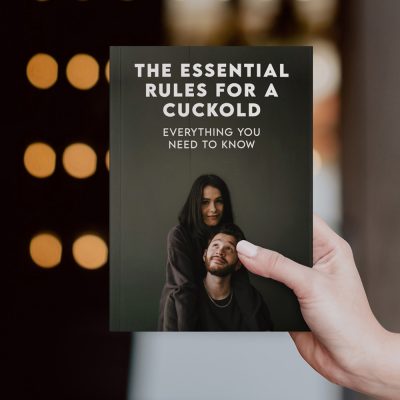
The fantasy is surrender. The reality is often shame that eats you alive. That gut-wrenching drop when the humiliation feels too real isn't part of the game. It is a warning that your psyche is cracking. Without a safety net, you aren't playing. You are traumatizing yourself.
The Essential Rules replaces reckless degradation with calculated intensity. We provide the contracts, vetting protocols, and aftercare scripts needed to explore the edge without falling off. Don't let a scene become a permanent scar.
Practical Rules and Guidelines for the Cuckold Male
Establishing Clear Relationship Agreements
Develop a comprehensive relationship agreement that outlines each partner’s responsibilities, expectations, and boundaries. This document should cover:
- Sexual Boundaries: Define what sexual activities are allowed, with whom, and under what conditions.
- Emotional Expectations: Clarify how emotional intimacy is shared among partners and what level of involvement is expected from the cuckold male.
- Privacy and Confidentiality: Set guidelines on what personal information can be shared outside the relationship and how photos or details of encounters should be handled.
- Communication Protocols: Establish regular check-ins, both individually and as a group, to discuss feelings, updates, and any adjustments to the agreement.
Keeping a written agreement, whether formal or informal, helps ensure that everyone remains on the same page and that expectations are clear from the start.
Practicing Safe Sex and Health Protocols
In any relationship involving multiple partners, prioritizing sexual health is paramount. As a cuckold male, ensure that you and your partners engage in safe sex practices. This includes:
- Regular STI screenings for all participants.
- Using protection consistently.
- Discussing sexual health openly with your partners.
- Implementing aftercare practices to address both physical and emotional well-being following intimate encounters.
These measures not only protect your health but also build trust and respect among all involved.
Time Management and Scheduling
Balancing time between multiple partners can be challenging. Use digital calendars, scheduling apps, and regular meetings to manage your time effectively. Set aside designated time for:
- One-on-one dates with your primary partner.
- Group activities that include additional partners.
- Personal time for self-care and reflection.
Efficient time management helps prevent feelings of neglect and ensures that every relationship receives the attention it deserves.
Managing Jealousy and Building Emotional Resilience
Jealousy is a natural emotion, but when managed properly, it can become a catalyst for growth. Consider these strategies:
- Mindfulness: Engage in mindfulness practices such as meditation to help center your thoughts and regulate emotions.
- Open Dialogue: Discuss your feelings of jealousy with your partner(s) in a non-judgmental way to understand and address the underlying issues.
- Therapy and Counseling: Consider individual or group therapy to work through persistent insecurities and build emotional resilience.
By addressing jealousy proactively, you can foster a more supportive and trusting relationship dynamic.
Self-Care and Personal Development
Prioritize self-care to maintain your overall well-being. Engage in activities that enhance your self-esteem and promote personal growth. This might include:
- Regular exercise and a balanced diet.
- Hobbies and creative pursuits that bring you joy.
- Mindfulness practices and meditation to reduce stress.
- Personal development workshops or therapy to build self-awareness.
A strong sense of self is crucial for thriving in any relationship, particularly in the context of alternative dynamics like cuckoldry.
Psychological and Emotional Considerations
Exploring Your Identity and Desires
Embracing the cuckold role is a journey of self-exploration. Reflect on your motivations and desires, what draws you to this lifestyle? Consider how this role fits into your broader identity and what personal fulfillment you hope to achieve. Journaling or speaking with a trusted counselor can be immensely helpful in this process.
Understanding and Embracing Vulnerability
Vulnerability is often seen as a weakness, but in the context of cuckoldry, it can be a source of strength and intimacy. Embracing vulnerability means being open about your insecurities and fears, and it is a key component of authentic communication. By accepting vulnerability, you create a space for genuine connection and emotional intimacy with your partners.
Dealing with Societal Perceptions and Stigma
Society may hold outdated views about cuckoldry, but it is important to remember that your relationship choices are valid as long as they are consensual and fulfilling. Educate yourself about the history and dynamics of alternative relationships, and seek support from communities that share your values. This can help mitigate feelings of shame or isolation and empower you to embrace your identity fully.
Expert Insights and Best Practices
Advice from Relationship Coaches
Experienced relationship coaches emphasize that clear communication, mutual respect, and ongoing self-awareness are critical for success in the cuckold dynamic. They advise that:
- Regularly review and update relationship agreements.
- Invest in communication workshops or counseling to enhance your skills.
- Celebrate your journey and focus on personal growth rather than societal judgment.
Perspectives from Therapists
Therapists specializing in non-traditional relationships suggest that addressing underlying insecurities through therapy can transform challenges into opportunities for growth. They recommend:
- Engaging in individual or group therapy to work through feelings of jealousy and inadequacy.
- Practicing mindfulness and stress management techniques to maintain emotional balance.
- Building a support network of like-minded individuals who understand your lifestyle.
Community Wisdom and Peer Support
Many men in the cuckold community report that peer support and shared experiences are invaluable. Online forums, local meet-ups, and social media groups offer spaces where you can exchange tips, share success stories, and find reassurance. Being part of a community that values ethical non-monogamy can reinforce your self-esteem and provide practical advice for everyday challenges.
Cuckolding pushes every emotional button you have. It triggers primal feelings of inadequacy that can quickly spiral into toxic shame. That sinking feeling in your chest is not just excitement. It is the valid fear of losing your dignity or your partner forever. You need a safety harness.
This guide gives you the strict protocols and emotional anchors required to explore humiliation without destroying your self worth. Do not let the fantasy bleed into real life trauma. Secure your dignity before you play.
The fantasy is intoxicating. The reality? It can be terrifying. That sickening drop in your stomach when she leaves isn't just nerves; it's the fear of the unknown threatening everything you’ve built. Don't let vague agreements become grounds for disaster. You need structure before the chaos hits.
The Hotwife Contract Creator transforms your deepest anxieties about safety, emotions, and "going too far" into a rock-solid, signed agreement. Silence the jealousy and lock down your safety net so you can actually survive the thrill.
The fantasy is incredible, but the logistics can tear you apart. That sickening knot of anxiety you feel when she leaves isn't weakness; it's your brain warning you that you're flying without a safety net. Ambiguity is the oxygen that jealousy breathes. Don't let undefined "gray areas" become the reason your marriage implodes.
The Official Hotwife Rules Generator doesn't just list acts; it builds a protective fortress around your relationship. Get the concrete roadmap you need to ensure this high-stakes adventure doesn't turn into a disaster.
FAQ: Your Cuckold Male Rules Questions Answered
1. What does it mean to be a cuckold male?
A cuckold male is a man who consents to, and may even derive pleasure from, his partner engaging in sexual or romantic relationships with others. In modern contexts, this role is embraced as a consensual and empowering lifestyle choice rather than a source of humiliation.
2. What are the core rules for a cuckold male?
Core rules include obtaining informed consent from all partners, maintaining open and honest communication, setting clear boundaries, practicing safe sex, and prioritizing emotional self-care. Regular check-ins and clear relationship agreements are essential.
3. How can I manage jealousy and insecurity in this role?
Managing jealousy involves self-reflection, open dialogue with your partner(s), mindfulness practices, and, if necessary, professional counseling. Addressing these emotions proactively can help transform them into opportunities for personal growth.
4. What steps should I take to ensure sexual health?
Prioritize regular STI testing, use protection consistently, and have open discussions about sexual health with all partners. Establishing aftercare practices is also important to ensure both physical and emotional well-being after intimate encounters.
5. How do I communicate my boundaries effectively?
Clear communication involves creating written or digital relationship agreements, holding regular check-ins, and using "I" statements to express your feelings. Consistency and transparency are key to ensuring that everyone understands and respects your boundaries.
6. Where can I find additional support and resources?
Additional resources can be found through online communities, specialized forums, podcasts like "Multiamory" and "Polyamory Weekly," and books such as "The Ethical Slut" and "More Than Two." Workshops and professional counseling are also valuable.
7. How can being a cuckold male lead to personal growth?
Embracing vulnerability, learning to manage complex emotions, and developing strong communication skills can lead to enhanced self-awareness and emotional resilience, ultimately contributing to personal growth and more fulfilling relationships.
Resources and Community Support: Your Next Steps in Embracing the Cuckold Male Role
- "The Ethical Slut" by Dossie Easton & Janet Hardy – A seminal work on ethical non-monogamy that offers valuable insights into managing multiple relationships.
- "More Than Two" by Franklin Veaux & Eve Rickert – An in-depth guide providing practical advice for navigating complex relationship dynamics.
- Podcasts: Explore shows like "Multiamory" and "Polyamory Weekly" for engaging discussions and personal stories about alternative relationship models.
- Online Forums and Communities: Join platforms such as r/polyamory and specialized Facebook groups to share experiences and gather support.
- Workshops and Counseling: Consider attending workshops or seeking professional counseling to further develop your communication and self-care skills.
By exploring these resources and applying the practical tips provided in this guide, you can build a strong foundation for a respectful, balanced, and fulfilling cuckold male role. Embrace continuous learning, open communication, and self-care as you navigate the complexities of your relationships, and discover how psychological insights and ethical practices can transform your experience of love and connection.
Cuckolding pushes every emotional button you have. It triggers primal feelings of inadequacy that can quickly spiral into toxic shame. That sinking feeling in your chest is not just excitement. It is the valid fear of losing your dignity or your partner forever. You need a safety harness.
This guide gives you the strict protocols and emotional anchors required to explore humiliation without destroying your self worth. Do not let the fantasy bleed into real life trauma. Secure your dignity before you play.
The fantasy is intoxicating. The reality? It can be terrifying. That sickening drop in your stomach when she leaves isn't just nerves; it's the fear of the unknown threatening everything you’ve built. Don't let vague agreements become grounds for disaster. You need structure before the chaos hits.
The Hotwife Contract Creator transforms your deepest anxieties about safety, emotions, and "going too far" into a rock-solid, signed agreement. Silence the jealousy and lock down your safety net so you can actually survive the thrill.
The fantasy is incredible, but the logistics can tear you apart. That sickening knot of anxiety you feel when she leaves isn't weakness; it's your brain warning you that you're flying without a safety net. Ambiguity is the oxygen that jealousy breathes. Don't let undefined "gray areas" become the reason your marriage implodes.
The Official Hotwife Rules Generator doesn't just list acts; it builds a protective fortress around your relationship. Get the concrete roadmap you need to ensure this high-stakes adventure doesn't turn into a disaster.
The fantasy is electric. The reality? It can feel like holding a grenade with the pin pulled. That gnawing fear that you might lose her isn't paranoia, it’s a warning. Without a battle-tested strategy, you aren't just exploring; you’re gambling with the most important thing in your life.
The Essential Guide replaces the terrifying unknown with ironclad structure. From managing primal jealousy to setting unbreakable boundaries, we provide the safety manual required to walk through the fire without getting burned. Don't guess. Know.
The fantasy is intoxicating. The reality? It can be terrifying. That sickening drop in your stomach when she leaves isn't just nerves; it's the fear of the unknown threatening everything you’ve built. Don't let vague agreements become grounds for disaster. You need structure before the chaos hits.
The Hotwife Contract Creator transforms your deepest anxieties about safety, emotions, and "going too far" into a rock-solid, signed agreement. Silence the jealousy and lock down your safety net so you can actually survive the thrill.
The fantasy is incredible, but the logistics can tear you apart. That sickening knot of anxiety you feel when she leaves isn't weakness; it's your brain warning you that you're flying without a safety net. Ambiguity is the oxygen that jealousy breathes. Don't let undefined "gray areas" become the reason your marriage implodes.
The Official Hotwife Rules Generator doesn't just list acts; it builds a protective fortress around your relationship. Get the concrete roadmap you need to ensure this high-stakes adventure doesn't turn into a disaster.
The fantasy is intoxicating. The reality? It can be a psychological car crash. That gut-wrenching drop when the bedroom door locks you out isn't just nerves, it’s a warning. 90% of men love the porn but crumble under the visceral weight of actual exclusion and emotional coldness.
This test drags your ego into the harsh light of day. We measure your resilience against the specific triggers that destroy marriages. Are you a true Cuckold or just a Tourist about to self-destruct? Check your ego before you wreck your life.
The fantasy is a rush, but the reality is a razor’s edge. That sickening drop when "humiliation" stops being a game and starts destroying his self-worth isn't a risk. It is the end of your marriage. Confusing "Stag" pride with "Cuckold" degradation is the fastest way to trauma.
This tool drags your hidden desires into the light. Pinpoint exactly where the fun stops and the pain begins, from gentle teasing to hard exclusion. Define your limits now before a misunderstanding becomes a permanent scar.
The fantasy is surrender. The reality is often shame that eats you alive. That gut-wrenching drop when the humiliation feels too real isn't part of the game. It is a warning that your psyche is cracking. Without a safety net, you aren't playing. You are traumatizing yourself.
The Essential Rules replaces reckless degradation with calculated intensity. We provide the contracts, vetting protocols, and aftercare scripts needed to explore the edge without falling off. Don't let a scene become a permanent scar.
Accountability When Harm Happens
Attachment Styles In Non Monogamous Relationships
Avoiding Coercion And Pressure
Avoiding Emotional And Relational Exhaustion
Balancing Work Family And Relationships
Barrier Use And Risk Profiles
Boundaries Versus Rules In Practice
Building Supportive Community
Coming Out As Non Monogamous
Common Myths About Ethical Non Monogamy
Communication And Agreements
Compersion And Shared Joy
Conflict Resolution In Multi Partner Dynamics
Consent As The Foundation Of Non Monogamous Relationships
Core Values That Define Ethical Non Monogamy
Creating Agreements That Can Evolve
Dating While Non Monogamous
De Escalation And Conscious Uncoupling
Deciding Who To Tell And When
Defining Success In Ethical Non Monogamy
Digital Safety And Privacy
Disclosure And Informed Consent With New Partners
Emotional Regulation In Complex Relationships
Emotional Safety Alongside Physical Safety
Ethical Non Monogamy Across Different Cultures
Fear Of Abandonment And Reassurance
Financial Transparency And Boundaries
Growth Change And Ethics
Handling Cancellations And Letdowns
Hierarchical Versus Non Hierarchical Models
Honesty Versus Oversharing
How Ethical Non Monogamy Differs From Cheating
How Media Representation Shapes Public Perception
How Often To Revisit Agreements
How Relationships Change Over Time
How To Choose A Structure That Fits
How To Start The Ethical Non Monogamy Conversation
In Person Events And Meetups
Integrating New Partners Ethically
Intersectionality And Identity
Jealousy As A Skill Building Opportunity
Legal And Social Risks
Maintaining Rituals And Quality Time
Managing Insecurity And Comparison
Monogamish Relationships
Navigating Different Risk Tolerances
Navigating Judgment From Monogamous Culture
Navigating Mismatched Desires
Online Spaces And Their Role
Open Relationships Explained
Parallel Versus Kitchen Table Dynamics
Polyamory And Multiple Loving Relationships
Power Imbalances And Privilege
Pregnancy And Fertility Conversations
Processing Shame And Social Conditioning
Psychology And Emotional Work
Relationship Anarchy Principles
Repairing Communication Breakdowns
Scheduling Without Burnout
Self Worth Outside Relationship Status
Setting Intentions Before Opening A Relationship
Sexual Health Agreements And Testing Norms
Sexual Health And Safety
Shared Calendars And Planning Tools
Social And Community Considerations
Solo Polyamory And Autonomy
Substance Use And Consent
Supporting Partners Through Health Scares
Swinging As A Social And Sexual Practice
The Difference Between Structure And Freedom
The History And Cultural Roots Of Ethical Non Monogamy
Time Energy And Logistics
Time Management With Multiple Partners
Travel And Long Distance Dynamics
Treating All Partners As Whole People
Types And Relationship Structures
What Ethical Non Monogamy Is And What It Is Not
When Non Monogamy Activates Trauma
When One Partner Wants Monogamy Again
Why People Choose Ethical Non Monogamy
Accountability When Harm Occurs
Aftercare Practices For Primary Partners
Aging And Desire Shifts
Agreements That Evolve Over Time
Asking For Reassurance Without Control
Attachment Styles And Hotwife Dynamics
Avoiding Coercion Disguised As Openness
Avoiding Objectification And Hierarchy Harm
Avoiding Performative Pressure
Balancing Work And Personal Life
Barrier Use Discussions
Boundaries Versus Rules
Celebrating Growth Milestones
Common Myths And Misconceptions
Community Norms And Etiquette
Compersion And How It Develops
Consent Across All Relationship Layers
Consent Culture Beyond Yes Or No
Creating Shared Values And Intentions
Dating Apps And Platforms Commonly Used
De Escalating Without Resentment
Dealing With Judgment From Monogamous Culture
Deciding If The Hotwife Dynamic Aligns With Your Values
Defining The Relationship Container
Differences Between Hotwife Cuckold And Open Relationship Models
Disclosure To Friends Or Chosen Family
Emotional Labor Distribution
Emotional Regulation Skills
Emotional Safety With New Connections
Energy Management And Burnout Prevention
Ethical Framing And Informed Consent
Ethical Storytelling And Sharing Experiences
Exit Strategies And Pause Protocols
Expressing Fear And Excitement Simultaneously
Financial Boundaries And Considerations
Finding Aligned Peers
First Time Experiences And Pacing
Grieving Versions Of The Relationship
Handling Cancellations And Disappointments
Handling Emotional Triggers In Real Time
How Fantasy Differs From Lived Reality
How The Dynamic Changes Over Time
How The Hotwife Dynamic Fits Within Ethical Non Monogamy
How This Dynamic Reshapes Intimacy
How To Start The Conversation Safely
In Person Events And Meetups
Insecurity And Self Worth Exploration
Integrating Lessons Into Monogamous Phases
Integrating Love Desire And Freedom
Intersectionality And Diverse Identities
Jealousy As Information Rather Than Failure
Language And Terminology Used In Hotwife Communities
Lessons Hotwife Dynamics Teach About Monogamy
Long Term Relational Integrity
Maintaining Routines And Rituals
Managing Childcare And Family Logistics
Masculinity Femininity And Identity Exploration
Measuring Fulfillment Beyond Sexual Novelty
Motivations Of The Husband Or Primary Partner
Motivations Of The Wife
Navigating Mismatched Pacing
Navigating Secrecy Versus Openness
Ongoing Check Ins And Recalibration
Online Communities And Forums
Online Safety And Digital Privacy
Origins And Historical Roots Of The Hotwife Concept
Personal Transformation Stories
Power Autonomy And Agency
Power Imbalances And How To Mitigate Them
Pregnancy And Parenting Transitions
Pregnancy Considerations
Privacy And Discretion Choices
Re Negotiating Agreements After Life Changes
Red Flags In Third Party Interactions
Repair After Conflict
Repairing Trust Breaches
Representation In Media
Scheduling And Time Management
Screening Potential Partners
Sexual Health Agreements
Signs It May Be Unhealthy
Signs The Dynamic Is Working Well
Social Stigma And Cultural Narratives
Sti Testing Schedules And Norms
Substance Use Boundaries
Talking About Desire Without Pressure
Transparency Levels And Disclosure Preferences
Travel And Overnight Considerations
Treating Outside Partners As Whole People
Using Therapy Or Coaching Support
Vetting Outside Partners
What People Often Wish They Knew Earlier
What Success Looks Like In This Dynamic
What The Hotwife Dynamic Is And What It Is Not
What To Do When Plans Go Sideways
When Novelty Fades
When One Partner Wants More Than The Other
When One Partner Wants To Stop
When The Dynamic Activates Unresolved Trauma
Why People Are Drawn To This Dynamic
Lost & confused by all of the terms, types and seemingly made up 3 letter acronyms?? We've got you. Check out our Ethnical Non-Monogamy Dictionary >>
Useful Interruption: Not sure which relationship vibe fits you best? Take the Ultimate Relationship Test, it will give you details into your natural relationship style. Then, dive into our binge-worthy guides, from the tried-and-true to the “wait, that’s a thing?", and find the perfect relationship type for your life.
Now back to the main article but yeah take the Ultimate Relationship Test
