
Asking for Reassurance Without Control

If you are navigating the hotwife dynamic within ethical non monogamy (ENM) you likely want one thing more than anything else. You want reassurance that your partner is safe happy and respected while they explore. You also want to avoid slipping into control or micromanagement. This guide is written in a practical no drama voice to help you ask for reassurance in a way that strengthens trust not crushes it. We will cover terms and acronyms explain them in plain language share realistic scenarios and give you ready to use scripts and tips. Think of this as a friendly coach who tells it like it is and helps you stay true to your values.
Quick Links to Useful Sections
- What the hotwife ENM dynamic means
- Key terms and acronyms you will hear
- Why reassurance matters in the hotwife ENM dynamic
- Common mistakes that feel like control
- Practical frameworks for asking for reassurance without control
- Use non violent direct communication
- Ask for specific reassurance
- Offer and request joint safety steps
- Frame reassurance as a partnership rather than a directive
- Season your language with curiosity not accusation
- Set practical check in points
- Build in visible boundaries that protect autonomy
- Boundaries that support reassurance without creating cages
- Realistic scenarios and dialogue samples
- Scenario 1: Before a date the hotwife wants reassurance without feeling controlled
- Scenario 2: After an encounter we check in with emotions and boundaries
- Scenario 3: Handling jealousy triggers in real time
- Scenario 4: Negotiating rules around texting or location during encounters
- How to build in emotional maintenance routines
- Self work and emotional regulation for both partners
- Safety and consent in the hotwife ENM dynamic
- When reassurance fails and what to do next
- Glossary of useful terms and acronyms
- Frequently asked questions
- Putting it all together a practical road map
What the hotwife ENM dynamic means
The hotwife ENM dynamic is a form of ethical non monogamy where a wife or partner has sexual experiences with other people outside the primary relationship with the knowledge and consent of her partner. The partner who is not engaging with other partners often takes on a supportive role and may seek reassurance that the relationship remains strong and secure. This arrangement works best when both people are clear about their boundaries their needs and their expectations. Communication is king in this dynamic because it protects autonomy while building trust.
Key terms and acronyms you will hear
- ENM Ethical non monogamy. A relationship structure where all partners agree that non exclusive dating or sex is acceptable within certain boundaries.
- Hotwife A wife or primary partner who has sexual experiences with other people usually with the knowledge and sometimes guidance of her primary partner.
- Partner A and Partner B Terms often used to describe the couple in the dynamic. Partner A is often the hotwife or the person who seeks outside connections. Partner B is often the partner who supports and sometimes experiences discomfort or jealousy as part of the dynamic.
- Boundaries Agreed lines that define what is allowed and what is not within the ENM arrangement.
- Reassurance Reassurance is support that helps a partner feel safe cared for and confident without trying to control the other person’s choices.
- Open communication Honest direct conversation about needs concerns and feelings in a non accusatory way.
- Aftercare Emotional support and care after a challenging or emotional experience or encounter.
Why reassurance matters in the hotwife ENM dynamic
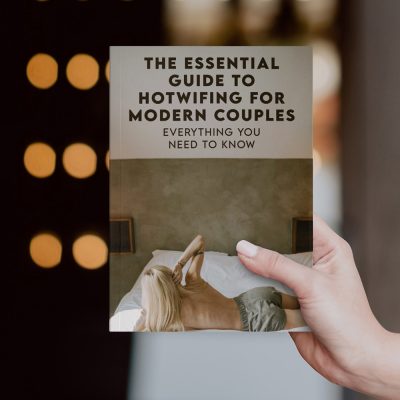
The fantasy is electric. The reality? It can feel like holding a grenade with the pin pulled. That gnawing fear that you might lose her isn't paranoia, it’s a warning. Without a battle-tested strategy, you aren't just exploring; you’re gambling with the most important thing in your life.
The Essential Guide replaces the terrifying unknown with ironclad structure. From managing primal jealousy to setting unbreakable boundaries, we provide the safety manual required to walk through the fire without getting burned. Don't guess. Know.

The fantasy is intoxicating. The reality? It can be terrifying. That sickening drop in your stomach when she leaves isn't just nerves; it's the fear of the unknown threatening everything you’ve built. Don't let vague agreements become grounds for disaster. You need structure before the chaos hits.
The Hotwife Contract Creator transforms your deepest anxieties about safety, emotions, and "going too far" into a rock-solid, signed agreement. Silence the jealousy and lock down your safety net so you can actually survive the thrill.

The fantasy is incredible, but the logistics can tear you apart. That sickening knot of anxiety you feel when she leaves isn't weakness; it's your brain warning you that you're flying without a safety net. Ambiguity is the oxygen that jealousy breathes. Don't let undefined "gray areas" become the reason your marriage implodes.
The Official Hotwife Rules Generator doesn't just list acts; it builds a protective fortress around your relationship. Get the concrete roadmap you need to ensure this high-stakes adventure doesn't turn into a disaster.

The fantasy is intoxicating. The reality? It can be a psychological car crash. That gut-wrenching drop when the bedroom door locks you out isn't just nerves, it’s a warning. 90% of men love the porn but crumble under the visceral weight of actual exclusion and emotional coldness.
This test drags your ego into the harsh light of day. We measure your resilience against the specific triggers that destroy marriages. Are you a true Cuckold or just a Tourist about to self-destruct? Check your ego before you wreck your life.

The fantasy is a rush, but the reality is a razor’s edge. That sickening drop when "humiliation" stops being a game and starts destroying his self-worth isn't a risk. It is the end of your marriage. Confusing "Stag" pride with "Cuckold" degradation is the fastest way to trauma.
This tool drags your hidden desires into the light. Pinpoint exactly where the fun stops and the pain begins, from gentle teasing to hard exclusion. Define your limits now before a misunderstanding becomes a permanent scar.
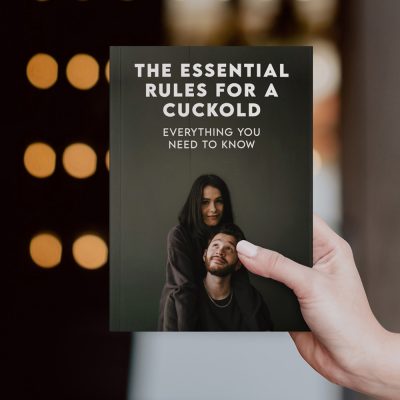
The fantasy is surrender. The reality is often shame that eats you alive. That gut-wrenching drop when the humiliation feels too real isn't part of the game. It is a warning that your psyche is cracking. Without a safety net, you aren't playing. You are traumatizing yourself.
The Essential Rules replaces reckless degradation with calculated intensity. We provide the contracts, vetting protocols, and aftercare scripts needed to explore the edge without falling off. Don't let a scene become a permanent scar.
Common mistakes that feel like control
- NOS nagging on secret monitoring or unwanted surveillance. Constant check ins can feel like a parent child dynamic rather than a partner one.
- Over generalizing assuming the worst about every encounter. This shuts down curiosity and erodes trust instead of building it.
- Demanding play by play details asking for step by step updates about where who and when can turn reassurance into surveillance.
- Using blame or guilt as a tool to force behavior change. That is a path to resentment not healthy reassurance.
- Masking control as care portraying micro management as care or concern. Real care respects autonomy and highlights consent.
Practical frameworks for asking for reassurance without control
Reassurance in the hotwife ENM dynamic should be reciprocal and respectful. A good framework focuses on language that is specific non accusatory and oriented toward shared safety and trust. Here are several approaches you can adapt to your relationship.
Use non violent direct communication
tState your feelings without assigning blame. For example say I feel anxious about this particular situation and I would like to understand how we can stay connected through it rather than I am worried you are doing something wrong. This keeps the focus on the issue not on judging the other person.
Ask for specific reassurance
General assurances rarely relieve anxiety. Ask for concrete signals that feel meaningful to you. Examples include a text by a certain time a quick call after an encounter or a short recap of the emotional state of both partners. Tailor requests to what actually makes you feel secure not what you guess others want from you.
Offer and request joint safety steps
Propose steps that protect both partners. For example agreeing on safe sex practices setting boundaries around location or sharing a calendar of planned encounters. When both people participate in safety planning it becomes a shared project not a power struggle.
Frame reassurance as a partnership rather than a directive
Emphasize that reassurance is a mutual benefit. Instead of I need you to tell me everything about every date try We value staying connected so we both feel confident and respected about how this works for us. This keeps both partners on equal footing.
Season your language with curiosity not accusation
Ask questions that invite understanding rather than pressure. For example What would help you feel more secure about this arrangement What specific signals would you find comforting after an encounter What can we tweak to improve trust between us. Curiosity reduces defensiveness and invites collaborative problem solving.
Set practical check in points
Schedule routine check ins at predictable times. For example a 15 minute debrief after a date or an evening weekly review. Predictability creates safety and reduces the need to react in the moment with impulsive responses.
Build in visible boundaries that protect autonomy
Boundaries are not cages they are signposts. Make sure your boundaries are clear agreed and revisited as needed. For example you might agree on the frequency of updates the level of detail that feels comfortable and the conditions under which a partner can engage with others without disruption to the primary relationship.
Boundaries that support reassurance without creating cages
Boundaries in this space should be about safety and respect not about policing another person s body or choices. Here are examples of boundary ideas that can support reassurance while preserving autonomy.
- Transparency without surveillance share calendar events and general plans instead of tracking every location in real time.
- Time bounded updates agree to a few specific updates after an encounter and then allow space for processing.
- Consent centered rules ensure all encounters were fully consensual with all parties aware of the dynamic you both share.
- Emotional boundaries define what conversations stay private and what information is appropriate to share in certain settings.
- Physical boundaries discuss where and when experiences happen and what safety measures are in place to protect health and well being.
- No coercion avoid any request that feels coercive or manipulative even if it is masked as concern.
Realistic scenarios and dialogue samples
Scenario 1: Before a date the hotwife wants reassurance without feeling controlled
Characters: Emma the hotwife and Marco her primary partner. They have a long standing ENM arrangement with clear boundaries. Emma is heading to a date with a new partner. Marco wants reassurance but not micromanagement.
Dialogue sample
Emma: I am excited about this date and I wanted to check in with you before I go. I want to make sure we stay connected and comfortable for both of us.
Marco: I appreciate that. I feel a little anxious and I want us to have a plan that helps. What would feel reassuring to you in the moment if you sense my anxiety rising?
Emma: If you could send a quick message after the date letting me know you enjoyed the night and asking me how I feel about it would help a lot. Also a short recap about how we plan to stay connected tonight would help me relax.
Marco: That sounds fair. I can do a quick check in after you return and a short message if you are open to it. I want to support you and also feel secure about us.
Emma: Perfect. I will share only what feels comfortable and we will keep the updates brief. We both win when we stay connected without turning this into a chore or a micromanagement session.
Scenario 2: After an encounter we check in with emotions and boundaries
Characters: Leah and Noah. Leah has just finished seeing someone. Noah wants to know she is safe and that the boundaries hold without pressuring her to alter her choices.
Dialogue sample
Leah: I am home. It went well and I followed our boundaries. I am feeling balanced and respected and I want to take a little time to decompress.
Noah: I am glad you are safe and that our boundaries worked. I appreciate you checking in. Do you want to talk about any feelings or concerns right now or would you prefer space?
Leah: A little space would help. I will come back later for a longer check in. I want to reflect on how I felt and share anything that might need adjusting.
Noah: That works for me. Thank you for letting me know how you feel. I am here when you are ready to talk and I will listen without judgment.
Scenario 3: Handling jealousy triggers in real time
Characters: Ava and Theo. Theo experiences a spike of jealousy after hearing a detail about Ava s encounter. They use a calm conversation frame to acknowledge feelings without blaming Ava.
Dialogue sample
Ava: I can tell you are uncomfortable. I want you to know your feelings matter and we can navigate this together.
Theo: I feel jealous after hearing a particular detail about your date. I realize that is my issue not your action. I want to understand what would help you and what would help me.
Ava: Maybe we can pause on sharing certain specifics and keep updates focused on how we feel right now. We can also schedule a longer talk later so we do not let this fester.
Theo: I appreciate that. I want us both to feel secure and to keep supporting each other through this.
Scenario 4: Negotiating rules around texting or location during encounters
Characters: Mia and Lucas. They want to refine how communication looks while still preserving autonomy.
Dialogue sample
Mia: I want to talk about how we handle updates during an encounter. I would rather stay in the moment rather than send frequent texts. If I am comfortable I will share a quick hello when appropriate and we can connect later with a full update.
Lucas: I understand. I worry sometimes about safety and about missing a message. Could we try a short check in at a designated time after the date even if it is just to say everything went well?
Mia: Yes that works. We will keep it simple and focused on safety and feelings rather than every detail of the date.
How to build in emotional maintenance routines
Rituals help maintain trust when lives get busy or when new partners come into the dynamic. Create small consistent practices that reinforce reassurance without smothering autonomy.
- Weekly trust check ins a short conversation about what is going well what could be improved and any new boundaries that may be needed.
- Short debrief after every encounter a 10 minute window to share how each person is feeling and what support is needed next.
- Shared mood tracking a simple mood scale you both use to express how you feel about the dynamic at any point in time. This reduces surprises and helps you anticipate needs.
- Open doors for renegotiation allow room to adjust boundaries as the relationship grows or as life changes. Boundaries are not permanent unless both people want them to be.
Self work and emotional regulation for both partners
HEA look after yourself too. In ENM dynamics emotions run high at times and it helps to have tools that reduce reactivity and increase clarity.
- Mindfulness practice brief daily exercises help you notice emotions as they arise and reduce impulse reactions.
- Journaling writing about your fears needs and hopes can cast light on what you truly want from reassurance and what you fear losing.
- Grounding techniques simple breathing exercises or checking in with your senses when anxiety spikes can keep conversations productive rather than emotional storms.
- Boundary audits periodic reviews of boundaries ensure they remain fair and relevant to your current life and feelings.
Safety and consent in the hotwife ENM dynamic
Safety goes beyond physical health to include emotional safety. Enthusiastic consent consent to new partners plus ongoing validation of feelings keeps relationships healthy. Regular conversations about what is and is not acceptable are essential. All sexual health practices including STI testing and contraception where relevant should be part of the ongoing care for everyone involved. Respect and courtesy are not optional they are required. Both partners deserve to feel safe and respected in every moment.
When reassurance fails and what to do next
Even with great communication reassurance may not always land. If reassurance seems to fail consider the following steps.
- pause and regroup take a break from the topic to prevent an escalation. Return when you are both calmer.
- renegotiate boundaries discuss whether changes to boundaries or new safety measures are needed. Boundaries should reflect trust and respect not insecurity alone.
- seek support consider a couples therapist or a coach specialized in ENM dynamics. An objective perspective can help you move forward.
- practice radical honesty commit to saying what you feel even when it is uncomfortable and listen without defensiveness.
Glossary of useful terms and acronyms
- ENM Ethical non monogamy a relationship style that includes consensual non exclusive dating and sexual experiences.
- Hotwife A wife or female partner who has sexual experiences with others with her partner s knowledge and agreement.
- Primary partner The main emotional and romantic partner in a relationship or the person who holds the central place in the dynamic.
- Jealousy management Techniques used to recognize and reduce jealousy while maintaining trust and autonomy.
- Aftercare Emotional support and tenderness offered after emotional or sexual experiences to help partners feel safe and valued.
- Boundaries agreed lines that shape what is allowed and what is not within the arrangement.
- Consent A freely given enthusiastic and informed agreement to participate in an activity.
Frequently asked questions
How can I ask for reassurance without sounding like I am blaming my partner
Use I statements focus on your feelings not on accusations and avoid phrases that imply your partner is doing something wrong. For example I feel anxious when I do not hear from you after an date rather than You never tell me anything about your dates.
Is reassurance the same as control
No reassurance is about expressing needs and feeling safe while allowing your partner to make their own choices. Controlling language attempts to direct or restrict behavior which damages trust rather than builds it.
What if my partner does not want to provide reassurance
Respectful partners may need time or may have their own comfort levels. If reassurance is not possible try exploring why and consider seeking external support to navigate the emotions involved. Do not pressure or shame.
How often should we check in about reassurance
That depends on the couple and the dynamic. Many couples benefit from a regular brief check in after encounters plus a longer weekly review. Adjust frequency based on what feels comfortable for both partners.
What are red flags that reassurance is becoming control
Red flags include constant monitoring insistence on procedural updates demanded location sharing and threats or guilt when needs are not met. If reassurance begins to restrict personal autonomy or leads to emotional manipulation it is time to pause and reassess.
What should we do if jealousy spikes
Address jealousy directly with curiosity and care. Identify the source is it insecurity fear or a boundary misalignment. Use the jealousy as a signal to revisit boundaries or to practice self regulation strategies before the next encounter.
How to keep reassurance positive when life gets busy
Set simple trusted routines and use brief check ins that respect both partners time. Focus on what matters most stay curious stay kind and stay committed to the shared goal of a healthy open relationship.
Putting it all together a practical road map
1. Define the core goals of your ENM arrangement. What do you want to protect and nurture in your relationship while you explore outside connections? Clarify your shared values and plan for how you will handle difficult emotions. 2. Build a reassurance plan. Decide what counts as reassurance what messages or signals you will use and how often you will check in after encounters. 3. Create boundaries that support autonomy. Boundaries should feel fair and sustainable and they should be flexible as feelings evolve. 4. Practice conversations in low risk moments. Role play with a trusted friend or therapist if needed. 5. After each encounter debrief with honesty and care. Use the experience to improve your pact and your emotional toolkit. 6. Invest in your individual emotional health. When you both feel balanced you will be better able to support each other through the ebbs and flows of ENM life.
The fantasy is electric. The reality? It can feel like holding a grenade with the pin pulled. That gnawing fear that you might lose her isn't paranoia, it’s a warning. Without a battle-tested strategy, you aren't just exploring; you’re gambling with the most important thing in your life.
The Essential Guide replaces the terrifying unknown with ironclad structure. From managing primal jealousy to setting unbreakable boundaries, we provide the safety manual required to walk through the fire without getting burned. Don't guess. Know.
The fantasy is intoxicating. The reality? It can be terrifying. That sickening drop in your stomach when she leaves isn't just nerves; it's the fear of the unknown threatening everything you’ve built. Don't let vague agreements become grounds for disaster. You need structure before the chaos hits.
The Hotwife Contract Creator transforms your deepest anxieties about safety, emotions, and "going too far" into a rock-solid, signed agreement. Silence the jealousy and lock down your safety net so you can actually survive the thrill.
The fantasy is incredible, but the logistics can tear you apart. That sickening knot of anxiety you feel when she leaves isn't weakness; it's your brain warning you that you're flying without a safety net. Ambiguity is the oxygen that jealousy breathes. Don't let undefined "gray areas" become the reason your marriage implodes.
The Official Hotwife Rules Generator doesn't just list acts; it builds a protective fortress around your relationship. Get the concrete roadmap you need to ensure this high-stakes adventure doesn't turn into a disaster.
The fantasy is intoxicating. The reality? It can be a psychological car crash. That gut-wrenching drop when the bedroom door locks you out isn't just nerves, it’s a warning. 90% of men love the porn but crumble under the visceral weight of actual exclusion and emotional coldness.
This test drags your ego into the harsh light of day. We measure your resilience against the specific triggers that destroy marriages. Are you a true Cuckold or just a Tourist about to self-destruct? Check your ego before you wreck your life.
The fantasy is a rush, but the reality is a razor’s edge. That sickening drop when "humiliation" stops being a game and starts destroying his self-worth isn't a risk. It is the end of your marriage. Confusing "Stag" pride with "Cuckold" degradation is the fastest way to trauma.
This tool drags your hidden desires into the light. Pinpoint exactly where the fun stops and the pain begins, from gentle teasing to hard exclusion. Define your limits now before a misunderstanding becomes a permanent scar.
The fantasy is surrender. The reality is often shame that eats you alive. That gut-wrenching drop when the humiliation feels too real isn't part of the game. It is a warning that your psyche is cracking. Without a safety net, you aren't playing. You are traumatizing yourself.
The Essential Rules replaces reckless degradation with calculated intensity. We provide the contracts, vetting protocols, and aftercare scripts needed to explore the edge without falling off. Don't let a scene become a permanent scar.
