
Attachment Styles and Hotwife Dynamics


Think of attachment styles as the operating system for how we connect with others. In a hotwife dynamic the working model of trust, jealousy and intimacy can shift in surprising ways. This guide breaks down attachment theory in plain language and pairs it with practical strategies for navigating a hotwife setup with honesty and humor. We explain terms and acronyms so everyone can follow along and feel confident making the relationship choices that are right for them.
Quick Links to Useful Sections
- What is attachment theory
- Attachment styles defined
- Secure attachment
- Anxious attachment
- Avoidant attachment
- Disorganized attachment
- What is a hotwife dynamic
- How attachment styles shape hotwife dynamics
- Secure partner with secure partner
- Secure partner with anxious partner
- Secure partner with avoidant partner
- Anxious partner with anxious partner
- Anxious partner with avoidant partner
- Disorganized patterns within a hotwife dynamic
- Practical strategies for success
- Explicit and ongoing consent
- Communication rituals
- Boundaries that protect trust
- Safety and health first
- Managing jealousy without shutting down the conversation
- Compersion as a practiced muscle
- Realistic scenarios you might face
- Scenario one living with high anxiety about a date
- Scenario two avoiding emotional intensity
- Scenario three two anxious partners and a new date
- Scenario four disorganized signals during a date
- Honest frameworks you can adopt
- Open contract with clear updates
- Check in rituals
- Aftercare and emotional maintenance
- Glossary of useful terms and acronyms
- Tips for starting your own hotwife journey with attachment awareness
- What is a hotwife in ethical non monogamy
- How do attachment styles affect a hotwife dynamic
- What is compersion and how does it fit here
- How can couples manage jealousy in this setup
- Should there be a formal written contract
- How important is sexual health in this dynamic
- What if one partner wants to stop the dynamic
- Can therapy help with attachment in this context
- What are red flags that mean you should pause the dynamic
What is attachment theory
Attachment theory started in the world of psychology to explain how people form bonds with caregivers as children and how those patterns echo into later life. The core idea is simple. The way we learned to seek comfort, regulate emotions and communicate needs as a child becomes our default style as adults. Those patterns show up in romantic relationships as well. In a hotwife dynamic the stakes are about more than romance. They involve trust, consent, and shared excitement about a partner exploring attraction with others. Understanding attachment can help you spot what might stress a boundary and what can fuel a deeper sense of safety.
Attachment styles defined
Let us map the four main styles in a plain language way. This is not a cage. It is a lens you can use to talk about what is happening inside you and inside your partner. We keep the language practical and direct so you can translate theory into daily life in a hotwife arrangement.
Secure attachment
Secure attachment means you feel confident in your own worth and you trust your partner. You communicate openly, you tolerate some distance without slipping into panic and you can bounce back after a challenge. In a hotwife dynamic secure attachment makes boundaries feel like a shared plan not a verdict. It also leaves room for growth when new situations arise. Secure people tend to ask for what they need in clear terms and respond to others honestly even when the truth is hard to hear.
Anxious attachment
Anxious attachment shows up as worry and the need for reassurance. People with this style might fear rejection or be preoccupied with what their partner is doing when apart. In a hotwife dynamic that can translate to frequent check ins, desire for updates and sensitivity to perceived shifts in closeness. Anxious attachment is not a flaw. It is a signal that you may need more predictable rhythms, explicit boundaries and consistent communication to feel calm.
Avoidant attachment
Avoidant attachment features a tendency to keep distance and to downplay the importance of closeness. People with this style may pull back when things get emotionally charged. In a hotwife arrangement avoidance can manifest as not sharing details, resisting check ins and preferring practical boundaries over emotional conversations. It is not a veto on intimacy, it is a comfort pattern. The good news is that with concrete agreements and predictable communication avoidant individuals can still enjoy a dynamic that feels safe for them.
Disorganized attachment
Disorganized attachment is a mix of fear and confusion. In relationships this can look like contradictory signals or episodes of both closeness and withdrawal. In a hotwife dynamic disorganized patterns make it essential to anchor conversations in clear consent and steady routines. If you notice this pattern shows up for you or your partner, consider slowing down and adding professional support or trusted mentors to the process.
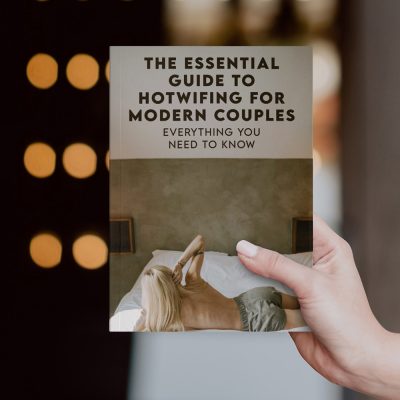
The fantasy is electric. The reality? It can feel like holding a grenade with the pin pulled. That gnawing fear that you might lose her isn't paranoia, it’s a warning. Without a battle-tested strategy, you aren't just exploring; you’re gambling with the most important thing in your life.
The Essential Guide replaces the terrifying unknown with ironclad structure. From managing primal jealousy to setting unbreakable boundaries, we provide the safety manual required to walk through the fire without getting burned. Don't guess. Know.

The fantasy is intoxicating. The reality? It can be terrifying. That sickening drop in your stomach when she leaves isn't just nerves; it's the fear of the unknown threatening everything you’ve built. Don't let vague agreements become grounds for disaster. You need structure before the chaos hits.
The Hotwife Contract Creator transforms your deepest anxieties about safety, emotions, and "going too far" into a rock-solid, signed agreement. Silence the jealousy and lock down your safety net so you can actually survive the thrill.

The fantasy is incredible, but the logistics can tear you apart. That sickening knot of anxiety you feel when she leaves isn't weakness; it's your brain warning you that you're flying without a safety net. Ambiguity is the oxygen that jealousy breathes. Don't let undefined "gray areas" become the reason your marriage implodes.
The Official Hotwife Rules Generator doesn't just list acts; it builds a protective fortress around your relationship. Get the concrete roadmap you need to ensure this high-stakes adventure doesn't turn into a disaster.

The fantasy is intoxicating. The reality? It can be a psychological car crash. That gut-wrenching drop when the bedroom door locks you out isn't just nerves, it’s a warning. 90% of men love the porn but crumble under the visceral weight of actual exclusion and emotional coldness.
This test drags your ego into the harsh light of day. We measure your resilience against the specific triggers that destroy marriages. Are you a true Cuckold or just a Tourist about to self-destruct? Check your ego before you wreck your life.

The fantasy is a rush, but the reality is a razor’s edge. That sickening drop when "humiliation" stops being a game and starts destroying his self-worth isn't a risk. It is the end of your marriage. Confusing "Stag" pride with "Cuckold" degradation is the fastest way to trauma.
This tool drags your hidden desires into the light. Pinpoint exactly where the fun stops and the pain begins, from gentle teasing to hard exclusion. Define your limits now before a misunderstanding becomes a permanent scar.

The fantasy is surrender. The reality is often shame that eats you alive. That gut-wrenching drop when the humiliation feels too real isn't part of the game. It is a warning that your psyche is cracking. Without a safety net, you aren't playing. You are traumatizing yourself.
The Essential Rules replaces reckless degradation with calculated intensity. We provide the contracts, vetting protocols, and aftercare scripts needed to explore the edge without falling off. Don't let a scene become a permanent scar.
What is a hotwife dynamic
A hotwife is typically a married or partnered woman who has sexual experiences with other people with the knowledge and sometimes involvement of her primary partner. The dynamic is a form of ethical non monogamy that relies on consent, honesty and ongoing negotiation. The male partner in the classic version may experience a range of feelings from arousal to pride to jealousy. The key feature is that all participants agree to the arrangement and keep lines of communication open. The term hotwife does not imply a specific script. Every couple can tailor rules around safety boundaries and emotional needs. In many setups the couple uses the structure as a way to celebrate desire while maintaining a strong emotional core in their primary relationship.
How attachment styles shape hotwife dynamics
Attachment styles influence how couples navigate consent, boundaries and emotional weather in a hotwife arrangement. Below we connect the dots between style pairs and typical patterns you may see. These are not predictions you must fit into. They are guideposts to help you talk through your needs with clarity and kindness.
Secure partner with secure partner
- Open communication and shared decision making come naturally. Boundaries are negotiated in a calm, collaborative way.
- Triggers are handled with trust and a sense of safety. If a date goes in an unexpected direction you discuss it and adjust the plan together.
- Compersion often shows up as shared joy when the other person has a great experience.
Secure partner with anxious partner
- The secure partner can provide steady reassurance while still honoring the needs of the anxious partner.
- Structured check ins help the anxious partner feel included without becoming clingy or controlling.
- Clear boundaries and predictable routines reduce uncertainty and support trust growth.
Secure partner with avoidant partner
- Respect for boundaries and space is balanced with welcome invitations to participate in setting the pace.
- Non emotional check ins such as logistics and safety talk are useful, while giving the other person room to step back when needed.
- Focus on the shared goals of the relationship and celebrate what works well rather than chasing every emotional impulse.
Anxious partner with anxious partner
- In two anxious voices the dynamic can become intense. The anchor is predictable communication schedules and joint problem solving of jealousy triggers.
- Safety planning and aftercare rituals after each encounter help both partners stay connected.
- Therapeutic support or coaching can be especially helpful to build resilience and mutual trust.
Anxious partner with avoidant partner
- Expect friction as needs can clash. The path forward is gentle clarity about what each person can give and when.
- Concrete agreements about frequency of updates and types of information reduce drift between partners.
- Consider involving a neutral third party to help with renegotiation if tensions escalate.
Disorganized patterns within a hotwife dynamic
- When confusion crops up, slowing down helps. Revisit the core goals and the emotional safety plan you agreed on.
- Keep a shared journal of emotions and decisions to reduce contradictory signals.
- Regular check ins with a trusted friend or mentor can help you regain footing.
Practical strategies for success
The goal is to keep desire exciting while protecting the emotional core of your relationship. Here are practical tools you can start using today.
Explicit and ongoing consent
- Consent is a living agreement that is revisited as feelings evolve. Do not assume a prior agreement covers every new situation.
- Document key boundaries in clear language. Revisit and revise them as needed.
- Make space for a no at any time. A single person deciding to pause or stop should halt further activity without question.
Communication rituals
- Daily or weekly check in conversations help keep the emotional weather stable.
- After a date or encounter have a debrief talk. Use a calm tone and specific language about what worked and what did not.
- Books, podcasts or workshops on ENM and attachment can provide shared language for the journey.
Boundaries that protect trust
- Boundaries around time, sexual activity, and emotional closeness should be explicit. Do not rely on vague phrases like be respectful or stay within the lines.
- Agree what information will be shared and how much detail is comfortable for each person.
- Boundaries can be adjusted with consent from all involved when necessary.
Safety and health first
- Prioritize sexual health through regular STI testing and clear conversations about protection and potency.
- Consent remains the baseline even in casual or experimental encounters.
- Pay attention to emotional signals that show someone is overwhelmed and slow down when needed.
Managing jealousy without shutting down the conversation
- Label the emotion: I feel jealous right now. Avoid attacking language and focus on the feeling rather than the person.
- Ask for reassurance in a specific form. For example I would like a quick text after a date to know you are thinking of me.
- Use a short cooling off period if emotions surge. Return to the talk when both sides feel ready.
Compersion as a practiced muscle
Compersion means feeling joy from your partner s happiness with someone else. It is not naive cheerleading. It is a mature sense of admiration for the positive experiences of your partner while honoring your own needs. Practice by noticing small wins and naming them to yourself and to your partner.
Realistic scenarios you might face
Here are a few everyday situations and how different attachment patterns might navigate them. Use these as conversation starters with your partner to create your own personalized script.
Scenario one living with high anxiety about a date
Jessan feels a pang every time he hears a new date is happening. In a healthy setup the couple would pause for a quick ritual. They might agree on a specific time to check in after the date for a short debrief. The anxious partner receives a brief confirmation that the date happened and the plan for the next steps. The secure partner keeps the space calm and non judgmental while listening for needs that need honoring.
Scenario two avoiding emotional intensity
Kai often withdraws and avoids discussions after encounters. The couple finds a schedule that allows Kai to process alone for a day or two but also commits to a scheduled talk every week where emotional topics can be discussed. They agree to keep the talk practical with a focus on boundaries and safety rather than problem solving every moment.
Scenario three two anxious partners and a new date
Two anxious partners can amplify fear. They choose to split tasks to reduce pressure and rely on a pre agreed plan that keeps both people in the loop without micromanaging. They also commit to a mid week look in to ensure no surprises wait in the wings. The aim is to keep two nervous hearts connected to the shared purpose of the relationship.
Scenario four disorganized signals during a date
When signals fly in many directions a rapid reset helps. The couple schedules a pause to revisit goals and re check in on boundaries. They choose to delay future dates until they have improved the communication flow and chosen a single guide line for future experiences.
Honest frameworks you can adopt
These are practical models you can borrow or adapt. The aim is to preserve emotional safety while letting the dynamic evolve in a way that makes sense for both partners.
Open contract with clear updates
- Write down what is allowed and what is not. Include what information will be shared about each encounter.
- Set a regular cadence for renegotiation. Even strong agreements change as people grow.
- Keep a shared place where notes about boundaries are stored and updated.
Check in rituals
- Short weekly conversations focused on feelings and needs rather than events.
- Optional longer talks after a milestone date to reflect on what was learned and what to adjust.
- Use a mood or feeling wheel to help articulate emotions without blame.
Aftercare and emotional maintenance
- Aftercare can be brief or longer depending on the people involved. It is a moment to re anchor and to share gratitude.
- Simple rituals such as a cuddle, a shared meal or a favorite activity help reinforce safety and closeness.
- Keep a gratitude log to remind each partner why the dynamic works and what you value most about your relationship.
Glossary of useful terms and acronyms
- ENM Abbreviation for ethical non monogamy. A framework where all parties consent to non exclusive relationships with agreed boundaries.
- Hotwife A partnered woman who has sexual experiences with others with the knowledge and often involvement of her primary partner.
- Primary partner The person who shares a primary, usually long standing relationship with the hotwife. Often the dominant partner in the core couple.
- Compersion A feeling of joy when your partner experiences pleasure with someone else. The opposite of jealousy in some cases.
- Jealousy trigger An event or thought that sparks envy or insecurity about a partner s other relationships.
- Restriction An explicit limit placed on what is allowed or not allowed in the relationship.
- Consent Clear agreement to participate in any activity after informed discussion of risks and boundaries.
- Boundaries The lines that define what is comfortable or unacceptable in a relationship.
- Aftercare Time and activities that help partners recover emotionally after a challenging moment or encounter.
- Safe word A word or signal that all participants understand to pause or stop an activity immediately if needed.
Tips for starting your own hotwife journey with attachment awareness
Starting something new in the realm of ethical non monogamy takes imagination and humility. Here are practical steps you can take today to orient your journey around healthy attachment and joyful discovery.
- Start with a hearts to minds conversation about why you want to explore this dynamic and what you hope to gain beyond sex.
- Choose a pace that suits the most cautious partner. A slower start gives everyone room to adjust and feel secure.
- Practice vulnerable but kind communication. You can say I feel anxious when I hear about a date. I would like a plan for reassurance when that happens.
- Keep a simple written agreement that you revisit monthly at first then quarterly as you grow more confident.
- Build routines that reinforce trust such as regular check ins and aftercare rituals after encounters.
What is a hotwife in ethical non monogamy
A hotwife is a partnered woman who has sexual experiences with others with the knowledge and often consent of her primary partner. The dynamic is built on open communication and mutual respect rather than on secret arrangements.
How do attachment styles affect a hotwife dynamic
Attachment styles influence how people handle consent, boundaries and jealousy. Secure types are usually comfortable with negotiation and trust. Anxious types benefit from clear check ins and predictable routines. Avoidant types do well with explicit boundaries and space when needed. Disorganized patterns call for steady communication and support.
What is compersion and how does it fit here
Compersion is the sense of joy for a partner s happiness with someone else. It is not easy all the time but it is a sought after state that grows with trust and shared gratitude for the relationship you have together.
How can couples manage jealousy in this setup
Address jealousy by naming the feeling and what it needs. Create a plan for reassurance and boundaries. Use aftercare and check ins to restore safety. Seek support when needed from trusted friends or professionals.
Should there be a formal written contract
A written contract provides clarity and reduces miscommunication. It should cover boundaries, health practices, timing and how information will be shared. Review the contract regularly as life changes happen.
How important is sexual health in this dynamic
Very important. Regular STI testing, open discussion about protective practices and honesty about past encounters keep everyone safer and more at ease.
What if one partner wants to stop the dynamic
Any partner should be able to pause or end the dynamic with clear communication. Respect and care for the other person should guide these choices and the relationship should be kept intact if possible.
Can therapy help with attachment in this context
Yes. A therapist with experience in attachment theory and ethical non monogamy can help you navigate jealousy, boundary setting and the emotional impact of ENM in a safe space.
What are red flags that mean you should pause the dynamic
Consistent withdrawal, secrecy, emotional manipulation or repeated boundary violations are red flags. If these occur take a break and renegotiate with help from a trusted third party or professional.
The fantasy is electric. The reality? It can feel like holding a grenade with the pin pulled. That gnawing fear that you might lose her isn't paranoia, it’s a warning. Without a battle-tested strategy, you aren't just exploring; you’re gambling with the most important thing in your life.
The Essential Guide replaces the terrifying unknown with ironclad structure. From managing primal jealousy to setting unbreakable boundaries, we provide the safety manual required to walk through the fire without getting burned. Don't guess. Know.
The fantasy is intoxicating. The reality? It can be terrifying. That sickening drop in your stomach when she leaves isn't just nerves; it's the fear of the unknown threatening everything you’ve built. Don't let vague agreements become grounds for disaster. You need structure before the chaos hits.
The Hotwife Contract Creator transforms your deepest anxieties about safety, emotions, and "going too far" into a rock-solid, signed agreement. Silence the jealousy and lock down your safety net so you can actually survive the thrill.
The fantasy is incredible, but the logistics can tear you apart. That sickening knot of anxiety you feel when she leaves isn't weakness; it's your brain warning you that you're flying without a safety net. Ambiguity is the oxygen that jealousy breathes. Don't let undefined "gray areas" become the reason your marriage implodes.
The Official Hotwife Rules Generator doesn't just list acts; it builds a protective fortress around your relationship. Get the concrete roadmap you need to ensure this high-stakes adventure doesn't turn into a disaster.
The fantasy is intoxicating. The reality? It can be a psychological car crash. That gut-wrenching drop when the bedroom door locks you out isn't just nerves, it’s a warning. 90% of men love the porn but crumble under the visceral weight of actual exclusion and emotional coldness.
This test drags your ego into the harsh light of day. We measure your resilience against the specific triggers that destroy marriages. Are you a true Cuckold or just a Tourist about to self-destruct? Check your ego before you wreck your life.
The fantasy is a rush, but the reality is a razor’s edge. That sickening drop when "humiliation" stops being a game and starts destroying his self-worth isn't a risk. It is the end of your marriage. Confusing "Stag" pride with "Cuckold" degradation is the fastest way to trauma.
This tool drags your hidden desires into the light. Pinpoint exactly where the fun stops and the pain begins, from gentle teasing to hard exclusion. Define your limits now before a misunderstanding becomes a permanent scar.
The fantasy is surrender. The reality is often shame that eats you alive. That gut-wrenching drop when the humiliation feels too real isn't part of the game. It is a warning that your psyche is cracking. Without a safety net, you aren't playing. You are traumatizing yourself.
The Essential Rules replaces reckless degradation with calculated intensity. We provide the contracts, vetting protocols, and aftercare scripts needed to explore the edge without falling off. Don't let a scene become a permanent scar.
